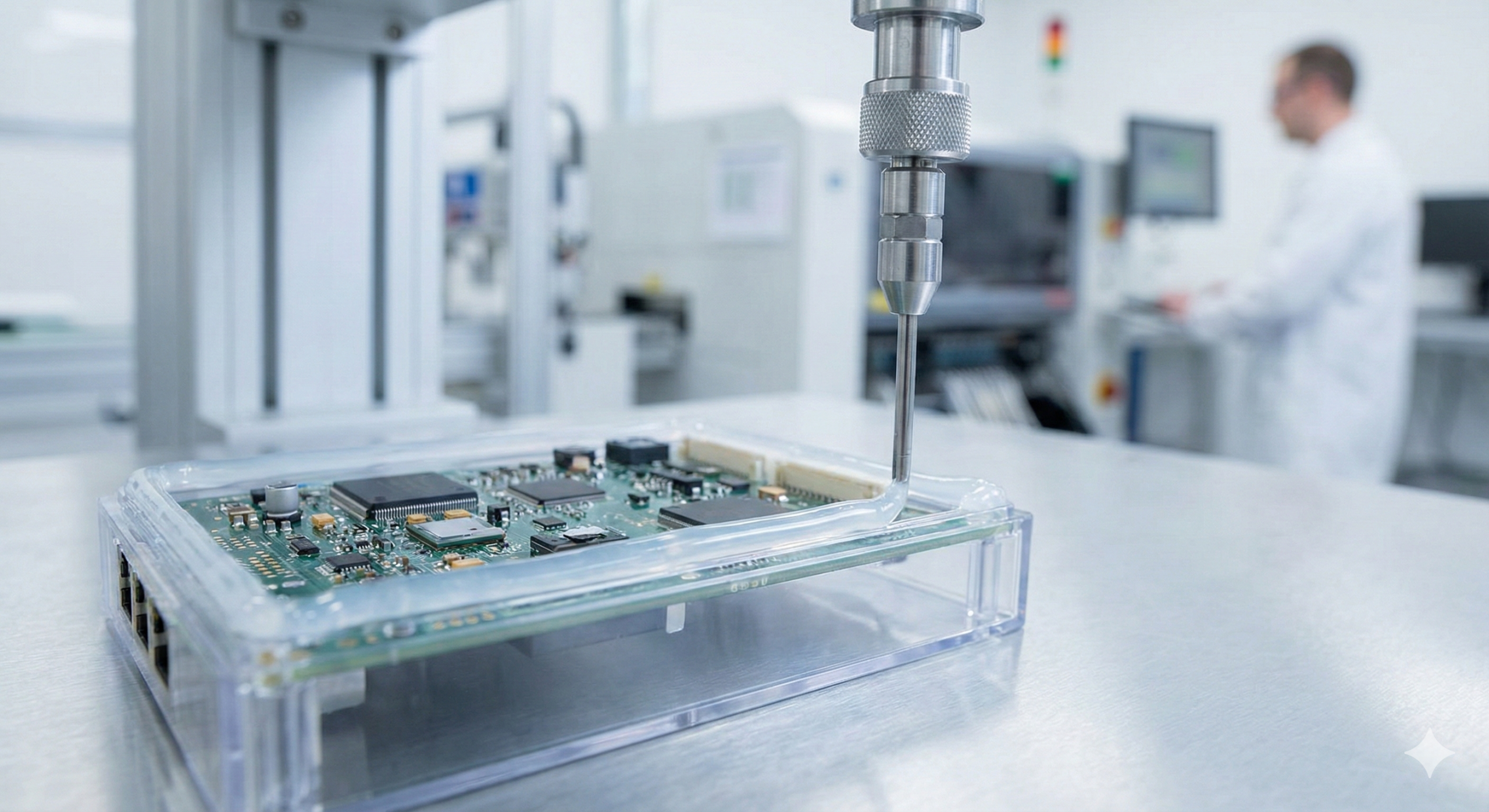
Liquid silicone adhesives provide a robust solution for high-precision bonding where flexibility and extreme temperature resistance are required. Finding a bonding agent that survives harsh environments is a major hurdle for modern manufacturers seeking long-term reliability. If your bonds fail due to thermal stress or chemical exposure, you face expensive product recalls and compromised electrical safety. To mitigate these risks, liquid silicone rubber offers a resilient adhesive solution that bridges the gap between rigid substrates and flexible performance requirements.
What are liquid silicone adhesives?
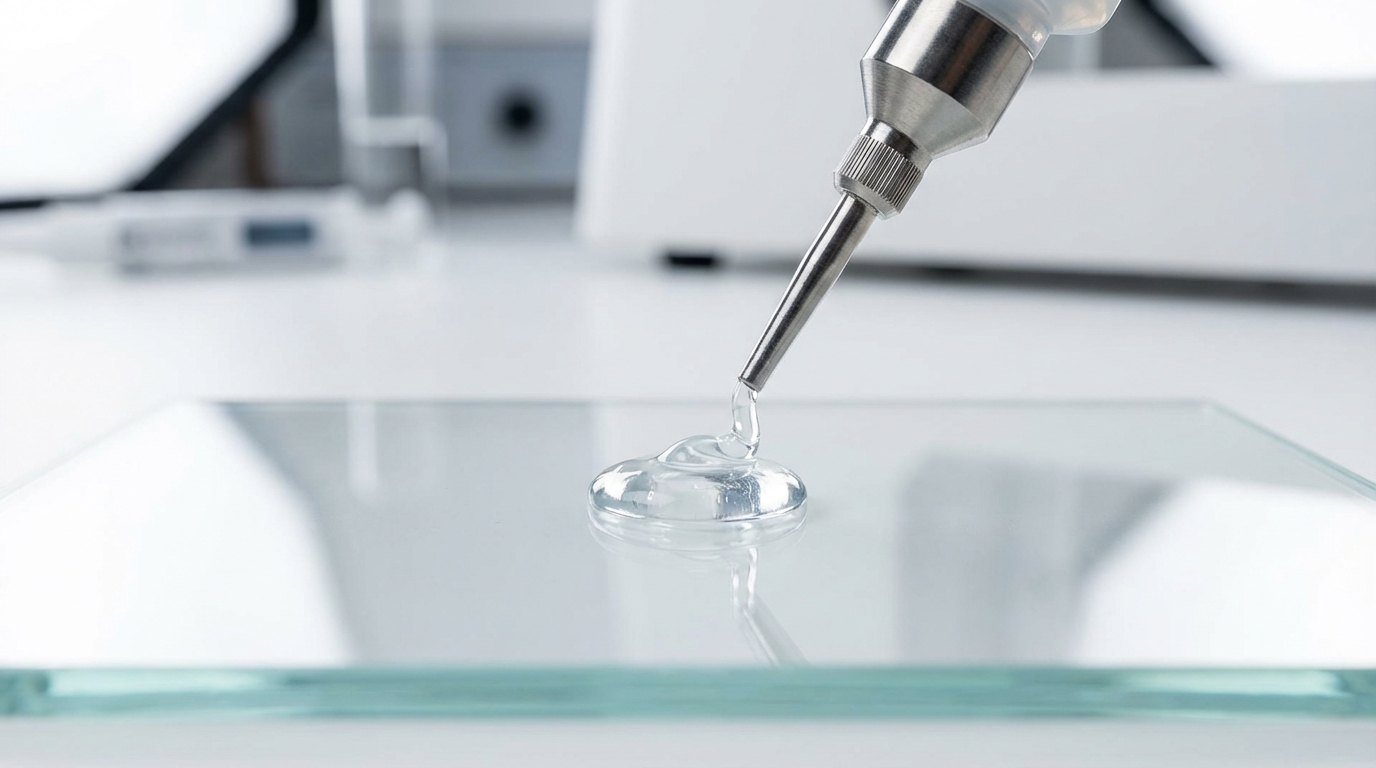
Liquid silicone rubber serves as the fundamental polymer base for high-performance synthetic bonding agents used in demanding industrial applications. These materials are engineered to maintain a strong seal while absorbing mechanical shocks.
What makes these polymers unique?
Think about it:
- Synthetic origin ensures high chemical consistency.
- Siloxane bonds provide unmatched thermal stability.
- The material resists UV degradation and weathering.
- You can customize formulations with specific fillers.
You will find that these adhesives provide a superior alternative to natural bonding agents when impact resistance is a priority. Their unique molecular structure allows them to remain elastic under conditions that would cause other glues to crack or peel.
Key Takeaway: Liquid silicone adhesives are synthetic polymers designed for high-precision bonding where environmental resistance and flexibility are critical.
Summary Table: Basics of Silicone Adhesives
| Feature | Detail |
|---|---|
| Origin | Synthetic Polymer |
| Bond Type | Reactive or Non-reactive |
| Key Strength | Flexibility & Impact Resistance |
This table illustrates that the synthetic nature of these adhesives is what drives their core performance in high-stress environments.
How does the chemistry function?
Understanding how liquid silicone rubber functions chemically is the first step in mastering its application within complex industrial assemblies. The chemistry determines how the material transitions from a liquid to a solid elastomer.
Are systems one-part or two-part?
Here is the deal:
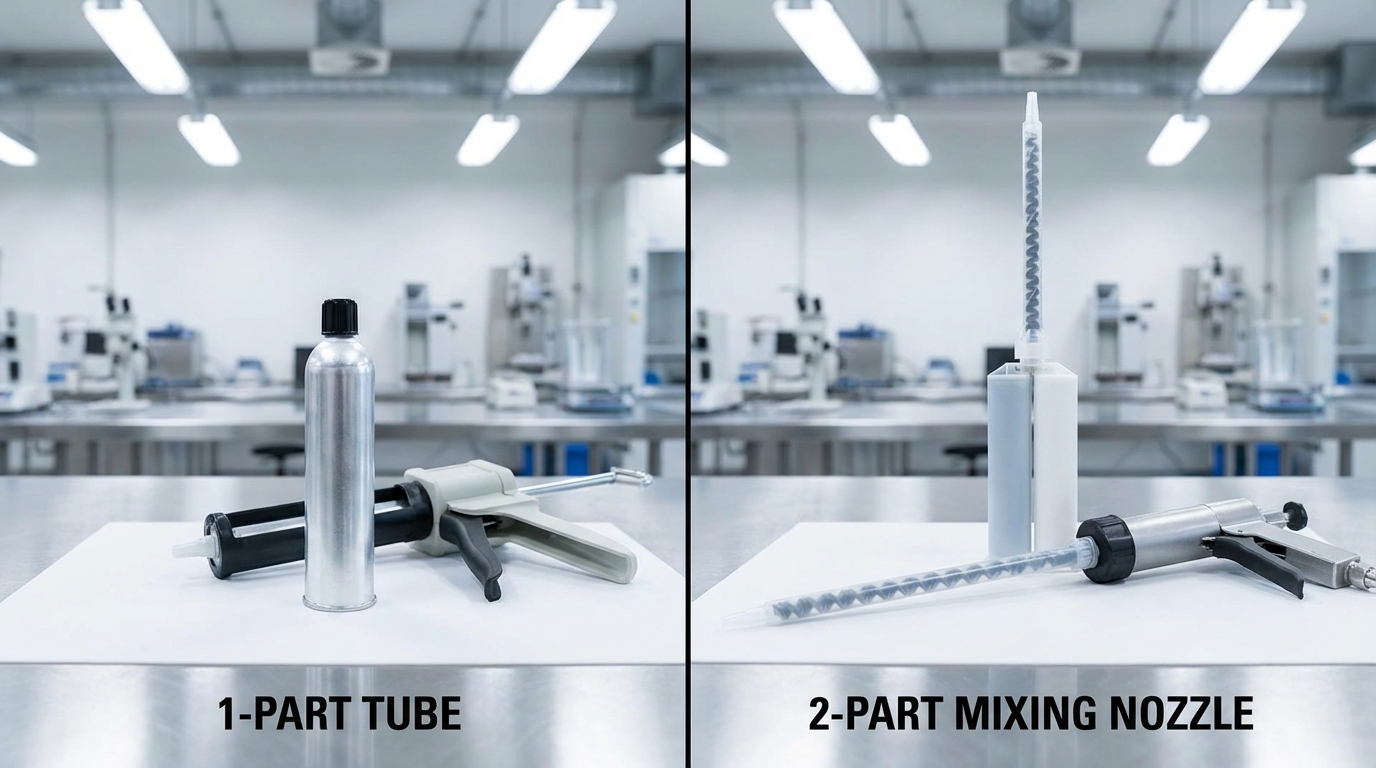
- One-part systems: These cure via atmospheric moisture or UV radiation.
- Two-part systems: These require a specific mixing agent to trigger cross-linking.
- By-products: Formulations may release acetic acid or alcohol during curing.
When you select a chemical system, you must consider the sensitivity of your substrates to these by-products. One-part systems offer simplicity for manual application, while two-part systems are ideal for deep-section curing in automated lines.
Key Takeaway: The choice between one-part and two-part systems depends on your production speed and the chemical sensitivity of the substrates you are using.
Summary Table: Chemical Systems Comparison
| System Type | Curing Trigger | Common By-products |
|---|---|---|
| One-Part | Moisture / UV Light | Acetic acid, Alcohol |
| Two-Part | Curing Agent (Mixing) | Generally low to none |
The data confirms that the curing trigger is the primary differentiator between these two essential chemical adhesive formats.
Why choose liquid silicone for bonding?
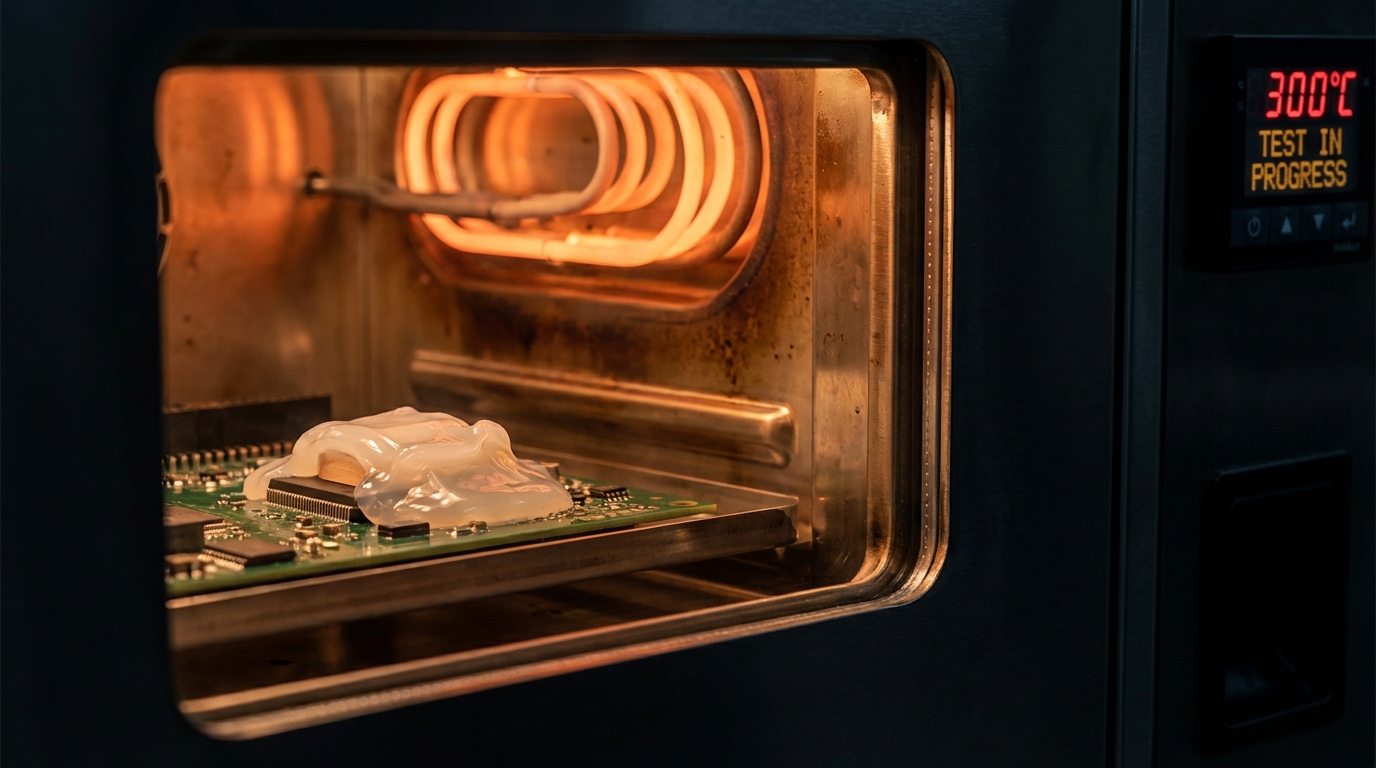
Choosing liquid silicone rubber for your bonding needs ensures that your product remains durable under intense mechanical stress and high-frequency vibration. It provides a level of protection that rigid epoxies cannot offer.
How does it handle extreme heat?
Look:
- Maintains structural integrity at temperatures exceeding 200°C.
- Provides high dielectric strength for electrical insulation.
- Protects internal components from moisture and contaminants.
- You can rely on its shape retention after thermal cycling.
Because you require materials that don’t degrade in heat, silicone stands out as the premier choice for automotive and aerospace sectors. It stays soft and functional even when exposed to fluctuating temperature ranges that would destroy organic adhesives.
Key Takeaway: Silicone’s unique siloxane chemistry provides a thermal and electrical barrier that most organic adhesives simply cannot match.
Summary Table: Performance Metrics
| Property | Performance Level |
|---|---|
| Thermal Resistance | High (up to 200°C+) |
| Electrical State | Insulative (customizable) |
| Elasticity | High (thermoset elastomer) |
These metrics highlight why silicone is the preferred material for applications where heat and electrical insulation are non-negotiable.
Are there different curing methods?
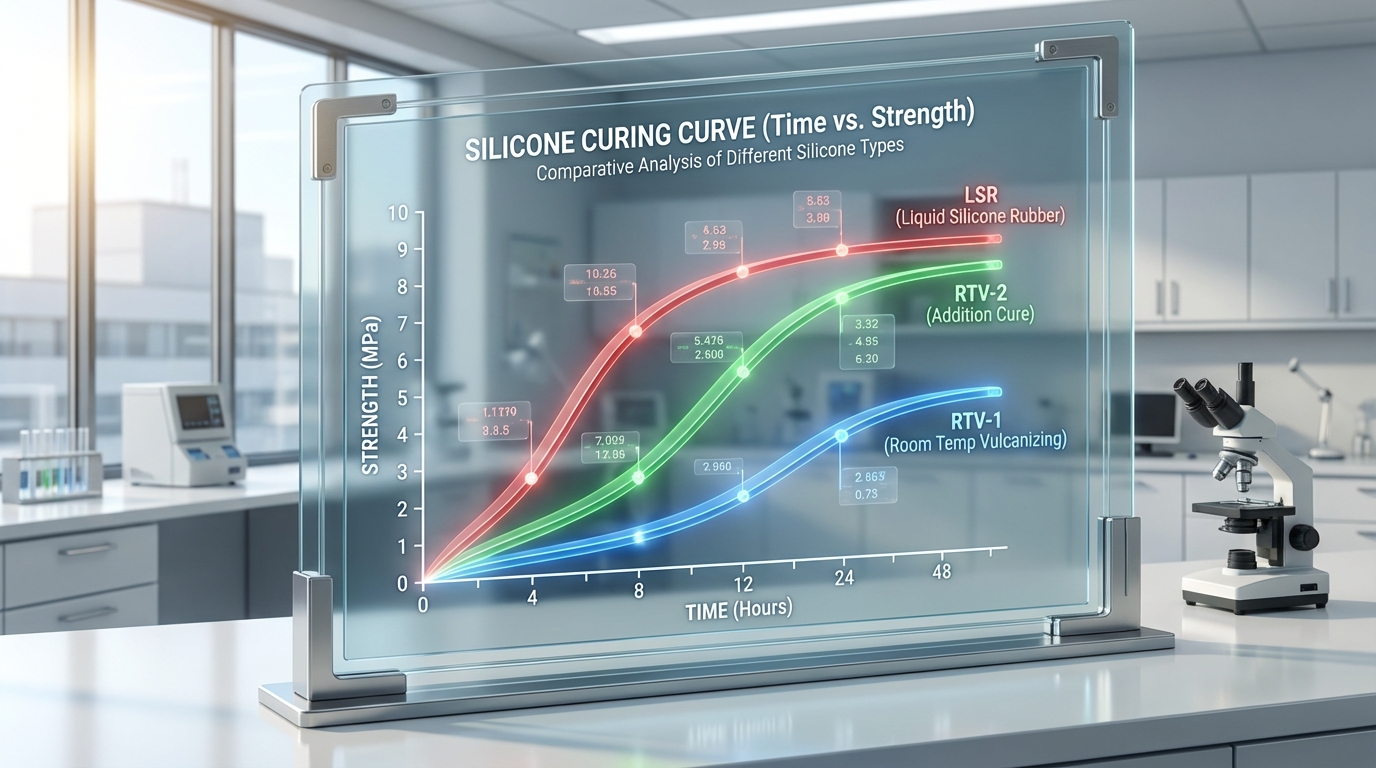
The curing of liquid silicone rubber varies significantly depending on the specific chemical formulation and the requirements of your assembly line. Selecting the wrong method can lead to production bottlenecks.
How does moisture-cure work?
You might be wondering:
- Relies on ambient humidity to initiate the bonding reaction.
- Works best for thin layers where air can penetrate easily.
- Alkoxy silicones are preferred for non-corrosive curing.
- Full bond strength can take several days to develop fully.
If you are working with thick parts, you might find that moisture-cure is too slow for high-volume output. In those cases, heat-accelerated or UV-cured grades offer the rapid cycle times necessary for modern manufacturing efficiency.
Key Takeaway: Curing speed is a trade-off; while internal cross-linking can be fast, the bond to the substrate surface continues to strengthen over time.
Summary Table: Curing Method Comparison
| Method | Speed | Best Use Case |
|---|---|---|
| Moisture Cure | Slower | General assembly, thin gaps |
| Heat/UV Cure | Fast | Automated mass production |
This comparison shows that manufacturers must balance their need for speed against the specific geometry of the parts they are bonding.
Where are these adhesives applied?
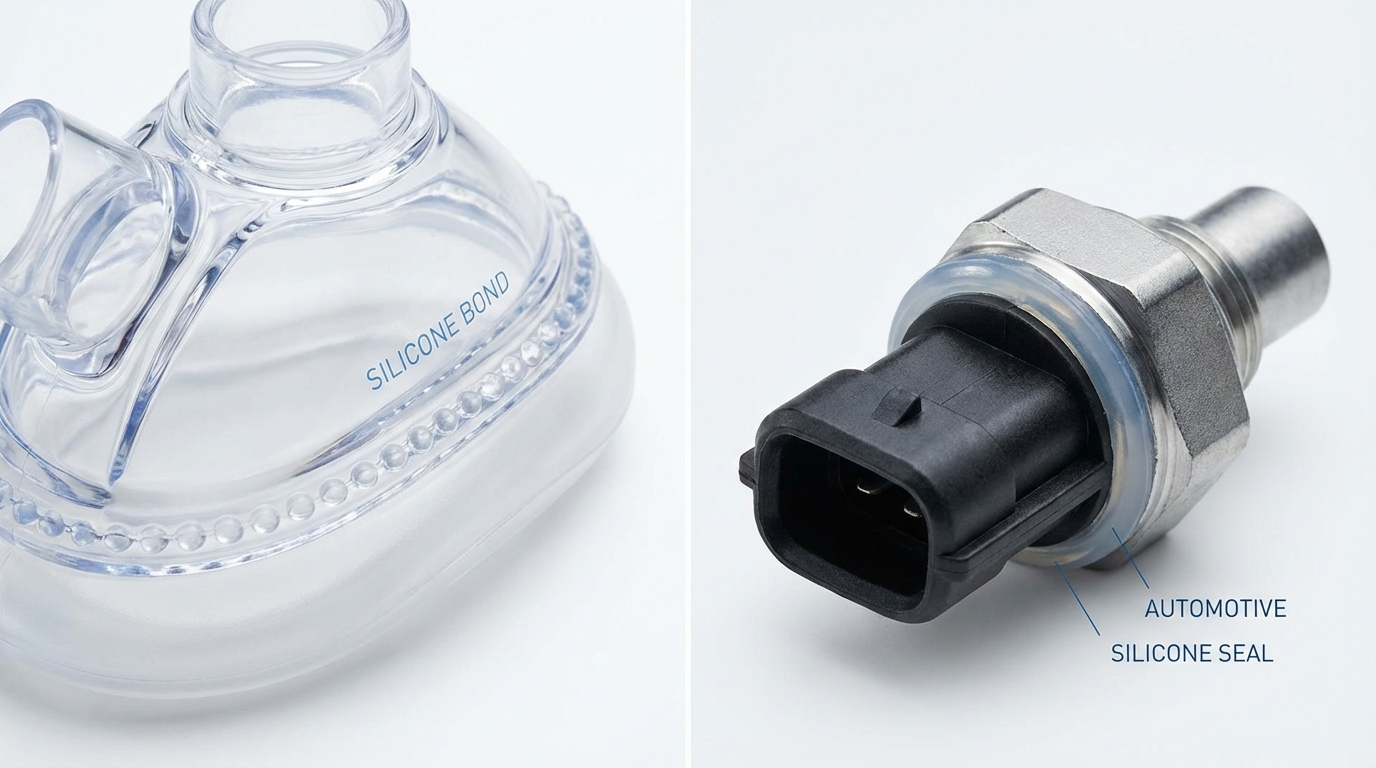
Using liquid silicone rubber across various industries allows for the creation of customized parts that meet the most stringent regulatory and performance standards. Its versatility makes it a staple in modern engineering.
Is it used in medical devices?
The best part?
- Used for bonding medical grade silicone parts with high precision.
- Offers excellent biocompatibility for skin-contact applications.
- Withstands repeated autoclave and chemical sterilization cycles.
- Commonly found in masks, valves, and fluid diaphragms.
When you design for the automotive-grade sector, you also utilize silicone for gaskets and sensor housings. It provides the vibration dampening and environmental sealing required to protect sensitive vehicle electronics from water and oil.
Key Takeaway: From life sciences to heavy industry, silicone adhesives provide a versatile solution for sealing and bonding critical components.
Summary Table: Industry Applications
| Industry | Key Application | Primary Benefit |
|---|---|---|
| Medical | Catheters/Masks | Biocompatibility |
| Automotive | Gaskets/Sensors | Temperature Resistance |
| Consumer | Wearables | Skin Safety |
As shown, the primary benefits of silicone are tailored specifically to the high-stakes requirements of these specialized industries.
Can they bond to metal or plastic?
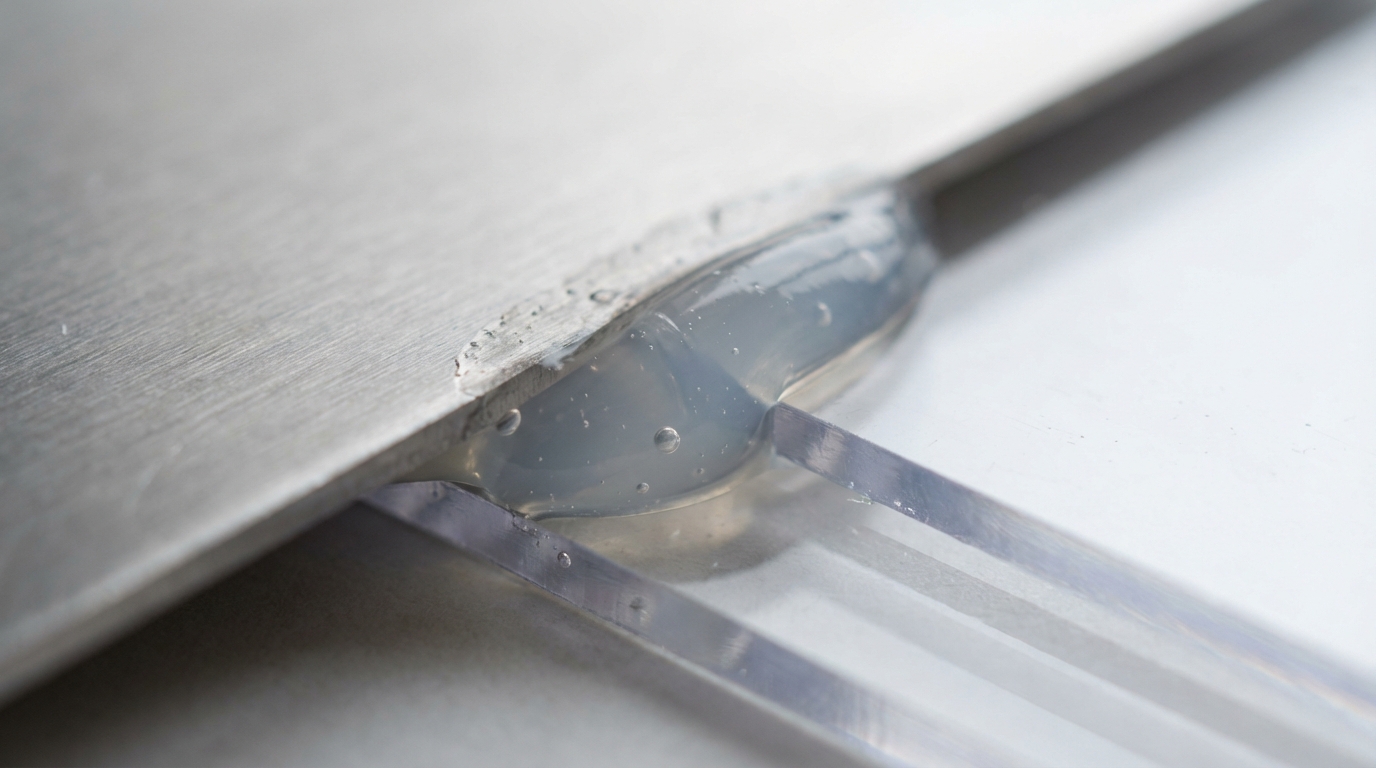
Bonding liquid silicone rubber to rigid substrates like glass, carbon, or aluminum requires a deep understanding of surface energy and preparation. Without proper treatment, bonds may suffer from delamination.
What substrates are compatible?
Let’s dive in:
- Metals: Aluminum and stainless steel offer excellent adhesion.
- Glass: Naturally compatible for display and window sealing.
- Plastics: These often require plasma treatment or chemical primers.
- Carbon Fiber: Provides a strong bond for lightweight structural parts.
You should always test the surface energy of your substrate before beginning mass production. Roughening the surface or applying a specialized primer can significantly increase the mechanical interlocking between the silicone and the part.
Key Takeaway: While silicone bonds well to many surfaces, difficult substrates often require surface preparation to prevent long-term delamination.
Summary Table: Substrate Compatibility
| Substrate | Adhesion Level | Preparation Needed |
|---|---|---|
| Glass | Excellent | Cleaning only |
| Aluminum | Good | Degreasing / Primer |
| Thermoplastics | Variable | Plasma / Priming |
This table clarifies that while some materials bond naturally, others require proactive engineering steps to ensure a permanent connection.
What are the primary advantages?
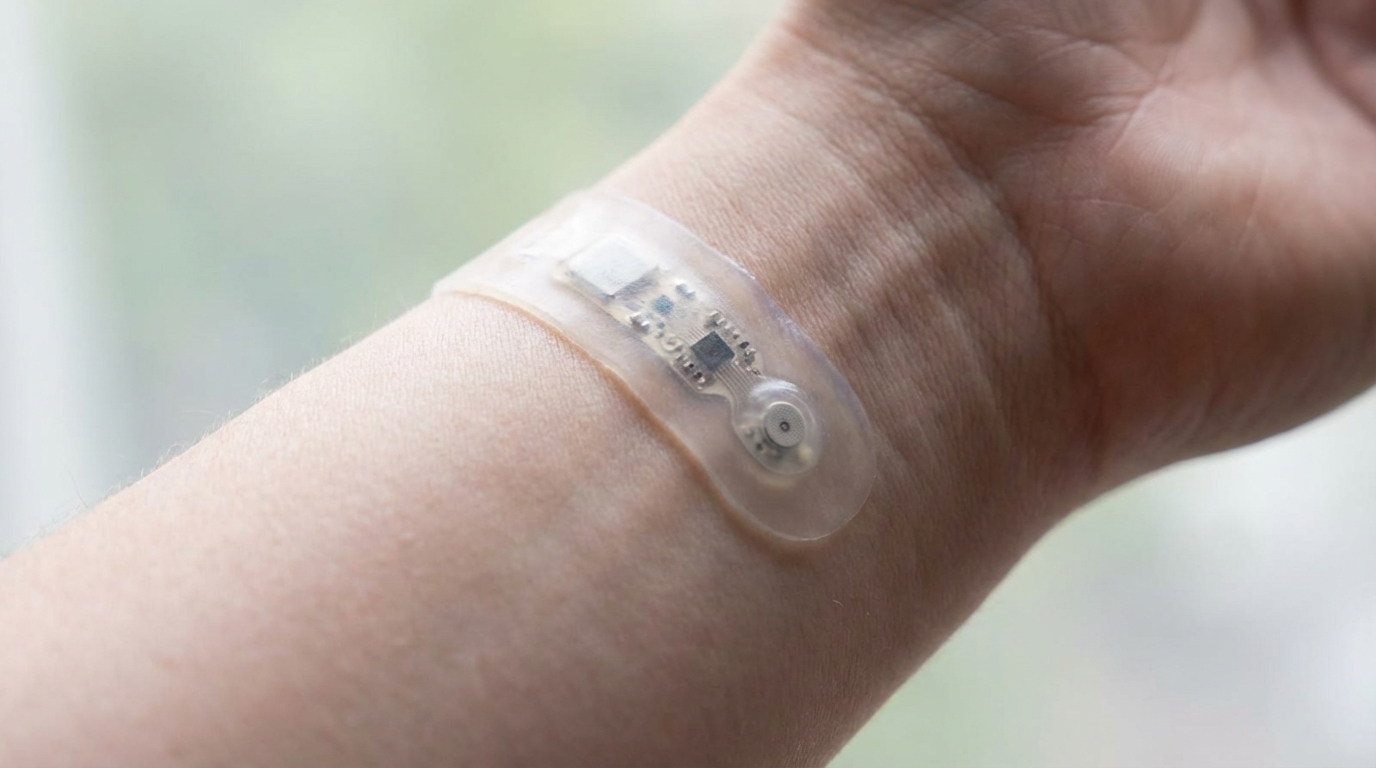
The benefits of liquid silicone rubber are vast, making it a superior choice for products that require long-term durability and safety. It combines chemical inertness with mechanical resilience.
Why is biocompatibility important?
In short:
- Safe for contact with body tissues and food.
- Hypoallergenic properties for long-term wearable use.
- You benefit from material that does not support bacteria.
- Meets global compliance standards like FDA and LFGB.
Because you value flexibility, silicone also allows for movement in pressure-sensitive components. It absorbs mechanical shocks without cracking, making it ideal for the thin, malleable diaphragms used in pumps and valves.
Key Takeaway: The combination of safety and mechanical flexibility makes silicone adhesives irreplaceable in consumer and medical sectors.
Summary Table: Advantage Breakdown
| Advantage | Impact on Product |
|---|---|
| Safety | High (Non-toxic/Biocompatible) |
| Versatility | High (Custom formulations) |
| Durability | High (Shape retention) |
The breakdown above demonstrates that the value of silicone extends far beyond simple adhesion into product safety and longevity.
Are there any notable drawbacks?
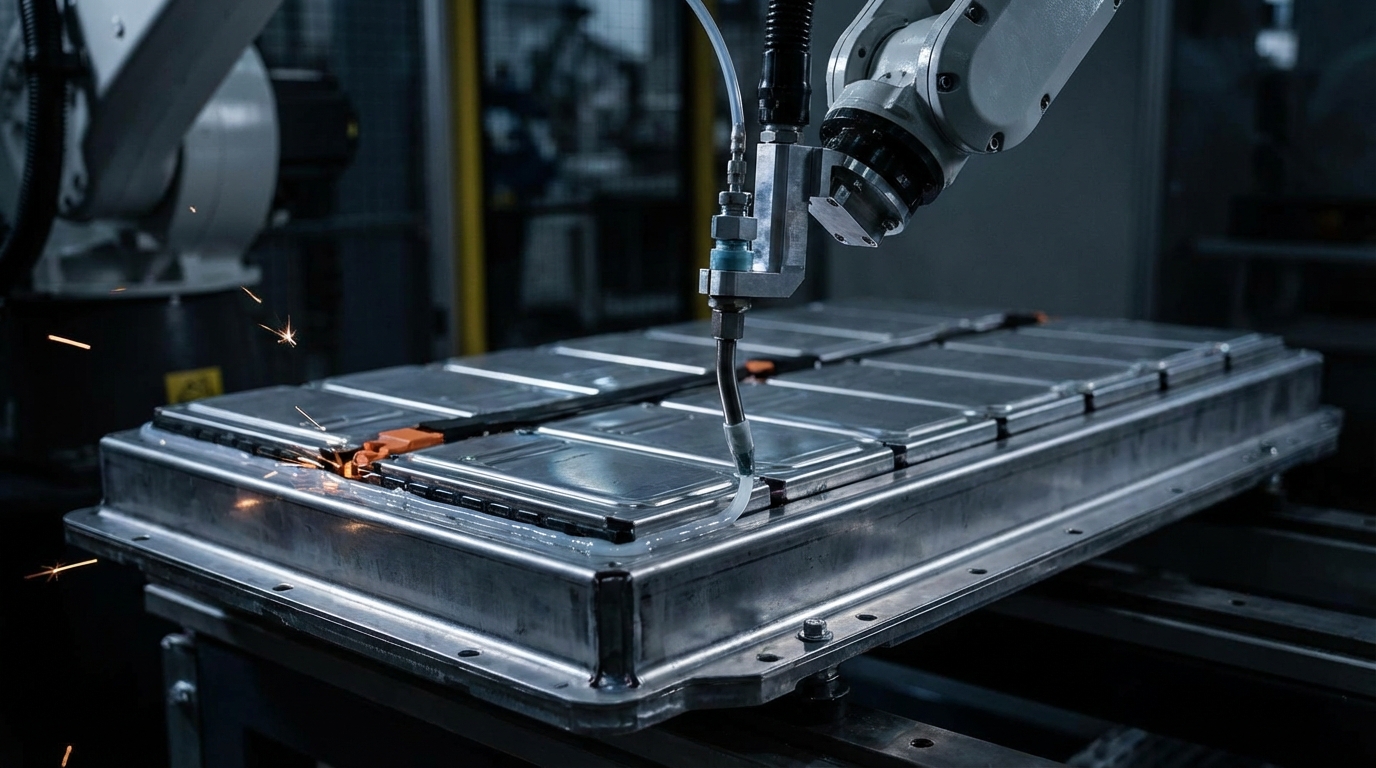
While liquid silicone rubber is versatile, there are specific limitations that manufacturers must plan for during the design phase. Ignoring these factors can lead to increased costs and production delays.
Why is curing time a factor?
Believe it or not:
- Longer curing cycles can bottleneck your assembly line.
- Specialized dispensing equipment requires higher upfront investment.
- Precise mixing is mandatory for two-part chemical systems.
- Certain formulations may cause corrosion on sensitive metals.
When you plan your budget, you must account for the specialized equipment needed for accurate dispensing. However, selecting non-corrosive alkoxy grades can mitigate many of the risks associated with standard acetoxy silicones.
Key Takeaway: Planning for equipment investment and selecting the correct non-corrosive grade are essential for a successful silicone adhesive implementation.
Summary Table: Limitations & Solutions
| Drawback | Mitigation Strategy |
|---|---|
| High Cost | Optimize usage via automation |
| Slow Cure | Use UV or heat-accelerated grades |
| Corrosion | Select non-corrosive alkoxy grades |
Identifying these drawbacks early allows you to implement strategies that maintain production speed without sacrificing quality.
Is bonding possible without adhesives?
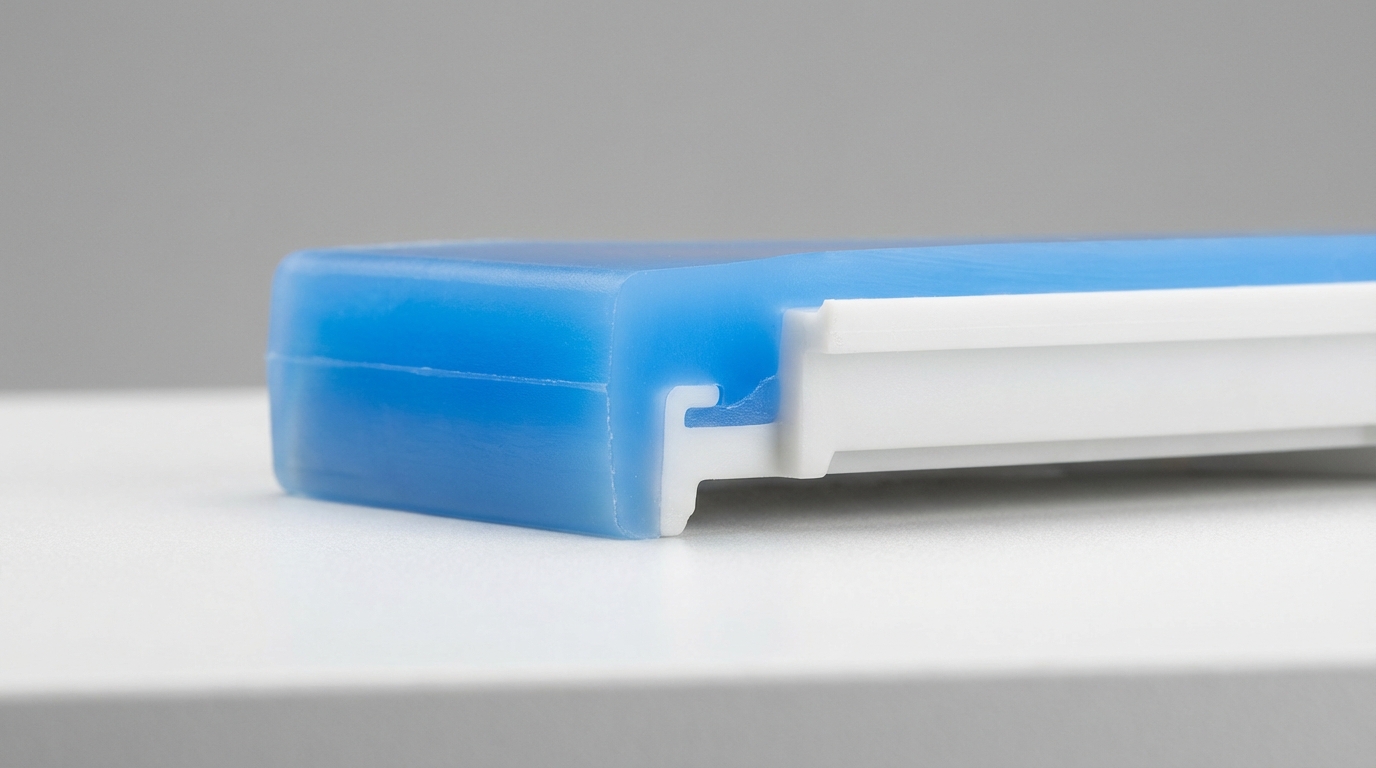
Processing liquid silicone rubber without glue is often achieved through advanced molding techniques that integrate multiple materials into a single part. This approach eliminates secondary assembly steps.
What is multi-shot molding?
Why does this matter?
- Bonds LSR directly to thermoplastics in one process.
- You eliminate the need for manual adhesive application.
- Provides a chemical-level bond that is nearly inseparable.
- Utilizes overmolding for complex metal-to-silicone parts.
By using this method, you can achieve a more reliable bond than traditional post-molding adhesives. It is specifically designed for high-volume production where consistency and automated efficiency are the primary goals.
Key Takeaway: For high-volume production, integrating the bond during the molding process is more efficient and reliable than using post-molding adhesives.
Summary Table: Molding vs. Adhesive Bonding
| Method | Strength | Process Step |
|---|---|---|
| Secondary Adhesive | High | Two-step |
| Multi-shot/Overmolding | Superior | Single-step |
The shift toward integrated molding processes reflects a broader industrial trend toward reducing labor costs and improving part integrity.
How to select the right adhesive?
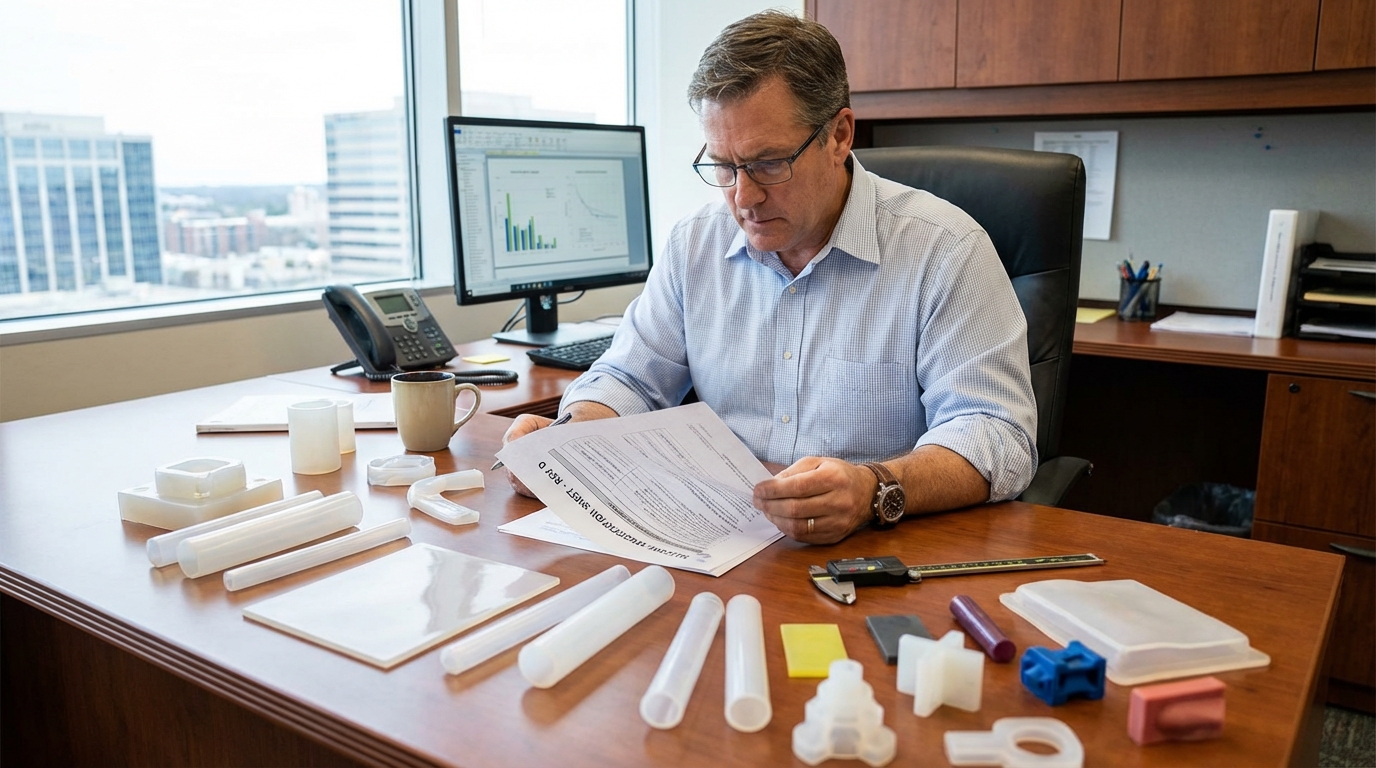
Specifying liquid silicone rubber for your project requires evaluating the operating environment and the mechanical requirements of the final assembly. A mismatch here can lead to premature bond failure.
What factors influence selection?
Let’s wrap this up:
- Operating temperature range (both minimum and maximum).
- The required Shore hardness for your specific application.
- You must check for exposure to harsh chemicals.
- Compatibility with your existing automation equipment.
Thinking about these factors will help you choose between a soft 10A grade or a rigid 80A formulation. Working with an experienced manufacturer ensures you navigate the trade-offs between cost, speed, and long-term performance effectively.
Key Takeaway: Working with an experienced manufacturer helps you navigate the complex trade-offs between material cost, curing speed, and mechanical performance.
Summary Table: Selection Checklist
| Criteria | Question to Ask |
|---|---|
| Environment | Will it be submerged or heated? |
| Production | Is the assembly line automated? |
| Compliance | Does it require medical certification? |
Following this checklist ensures that your chosen adhesive meets all functional and regulatory demands of your specific industry.
Conclusion
Navigating the complexities of liquid silicone adhesives requires a balance of chemical knowledge and manufacturing expertise. At HuaLin Silicone, we provide precision-engineered solutions that eliminate the risks of delamination and inconsistent performance. Our integrated workflow ensures that your products meet the highest global standards for safety and durability.
Ready to optimize your next project with high-performance bonding solutions?
Contact us today for a professional DFM review and custom manufacturing quote.
FAQ
- Can I use liquid silicone rubber on all plastics? No, because some plastics have low surface energy and require plasma treatment or specialized primers to ensure a permanent bond.
- What’s the best way to speed up curing? Using a heat-activated two-part system or a UV-curing silicone grade is the most effective way to reduce cycle times.
- Can I bond silicone to metal without a primer? While self-adhesive grades exist for overmolding, most post-molding applications require the metal to be cleaned and primed for maximum adhesion.
- What’s the maximum temperature these adhesives can handle? Most handle up to 200°C, but specialized heat-stabilized grades can exceed this for short durations.
- Can I sterilize components bonded with silicone? Yes, because silicone adhesives are highly resistant to common sterilization methods, including autoclaving and gamma radiation.