
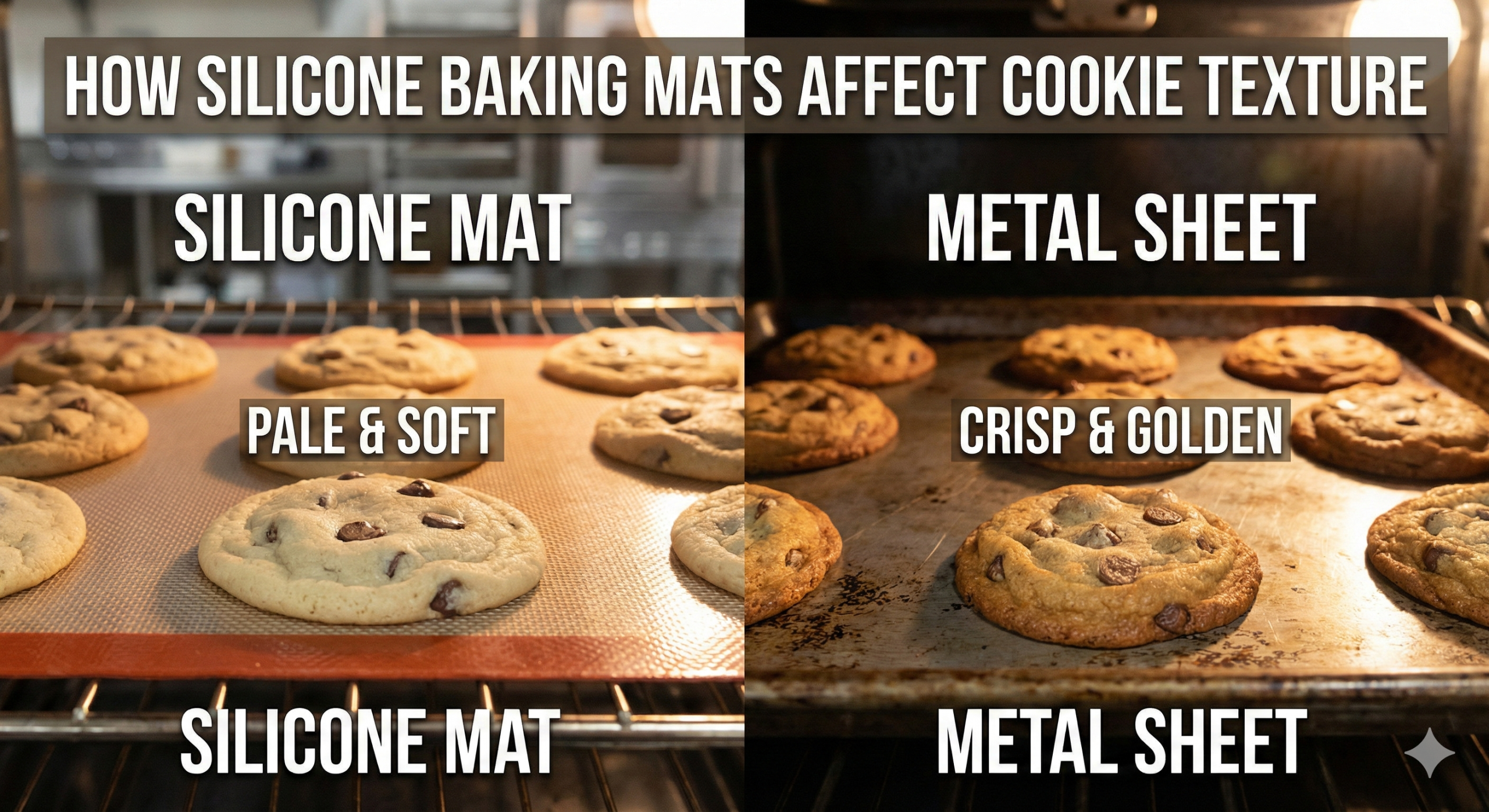
Cookies that lack a signature snap or golden bottom are a common frustration in commercial baking operations. You invest in high-quality ingredients only to find that your batches are consistently pale and soft, leading to customer dissatisfaction. Using silicone baking sheets might be the hidden culprit behind your texture woes, as they significantly alter how heat interacts with dough.
Are silicone baking sheets affecting cookie texture?
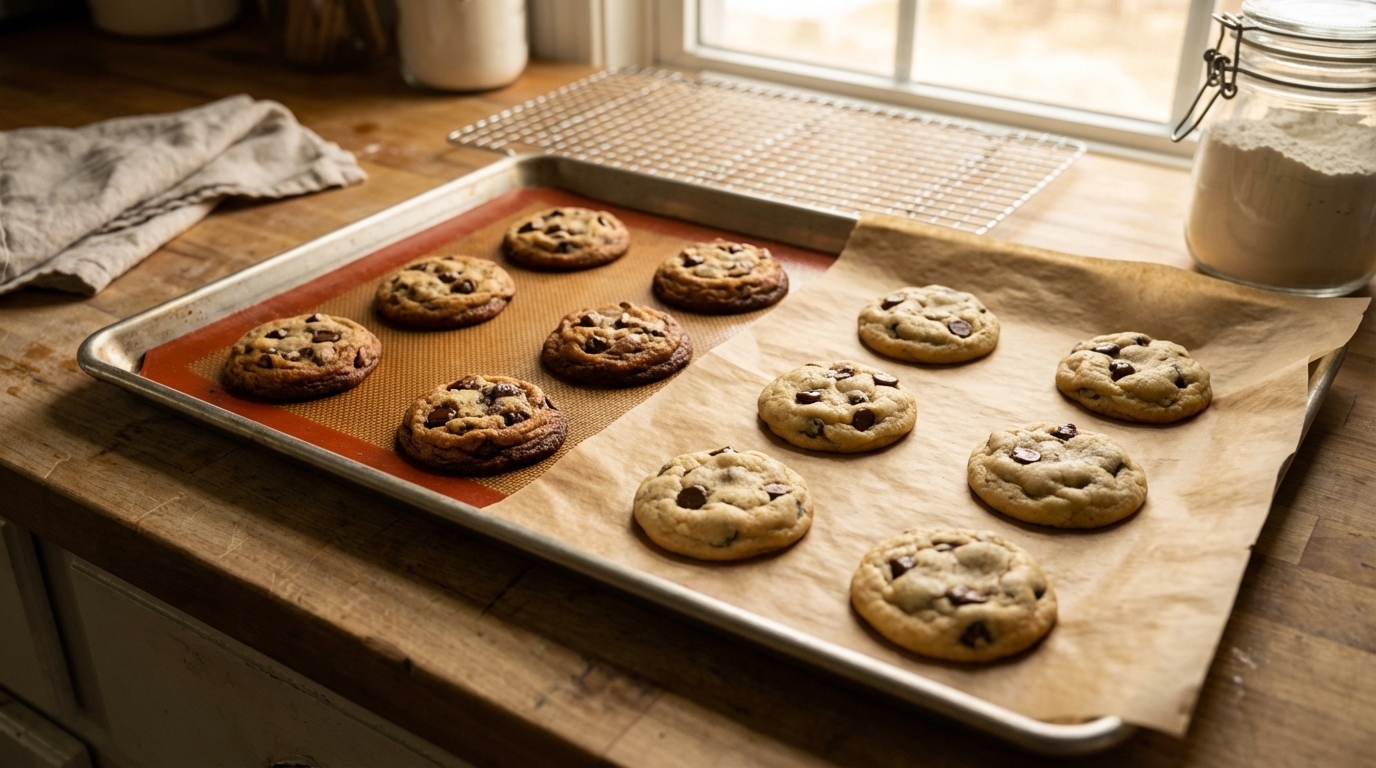
Yes, silicone baking sheets act as insulators that slow down heat transfer, leading to a softer and less crispy cookie bottom compared to metal or paper. While these mats are famous for their non-stick properties, they prevent the direct contact with the hot metal tray necessary for browning.
Why the bottom of your cookie isn’t crisp
Think about it. When you place dough on a metal surface, the heat transfer is immediate and intense, creating a crisp “fried” effect on the bottom. Silicone creates a thermal barrier that prevents this high-heat interaction.
The role of moisture retention in silicone
Because silicone is non-porous, it tends to trap steam underneath the cookie dough during the baking process. This moisture retention prevents the edges from drying out and becoming crunchy, which is a key trait of a high-quality biscuit.
Key Takeaway: Silicone provides a more even, though softer, bake compared to metal, which may not suit all cookie varieties.
| Metric | Silicone Mat | Parchment Paper |
|---|---|---|
| Cookie Spread | Moderate | High |
| Bottom Color | Pale Gold | Deep Brown |
| Bottom Texture | Soft/Chewy | Crisp/Crunchy |
The data indicates that silicone significantly reduces the Maillard reaction on the underside of the cookie.
Do silicone baking sheets release harmful chemicals?
High-quality silicone baking sheets are generally safe up to 260°C, but they can release siloxane oligomers if they are improperly cured or subjected to extreme heat. Understanding the chemical stability of your bakeware is essential for maintaining food safety standards in high-volume production.
Understanding the PDMS chemical backbone
Here is the kicker. Most silicone mats are composed of polydimethylsiloxane (PDMS), a polymer that relies on an alternating silicon and oxygen backbone. While this structure is incredibly heat-resistant, it is not invincible to thermal degradation.
Thermal decomposition risks at high heat
When temperatures exceed the rated limit, the chemical bonds can begin to break down into smaller, volatile fragments. This process can lead to the migration of substances into food if the material has not been properly vulcanized.
Key Takeaway: High-quality silicone is stable up to 260°C, but outgassing occurs at the thermal limit.
| Component | Nature of Release | Hazard Level |
|---|---|---|
| Siloxane Oligomers | Volatile | Low (if controlled) |
| Carbon Dioxide | Gaseous | Negligible |
| Linear Siloxanes | Trace Residue | Monitoring Required |
Our analysis shows that while stable, these materials must be used within strict temperature parameters to avoid degradation.
Is outgassing a risk for your industrial kitchen?
Outgassing during the first few uses of silicone baking sheets is a documented phenomenon where volatile organic compounds are released into the air. While often harmless, these evolved gases can affect the flavor profile of delicate baked goods in a confined commercial oven.
Detecting evolved gases during mass production
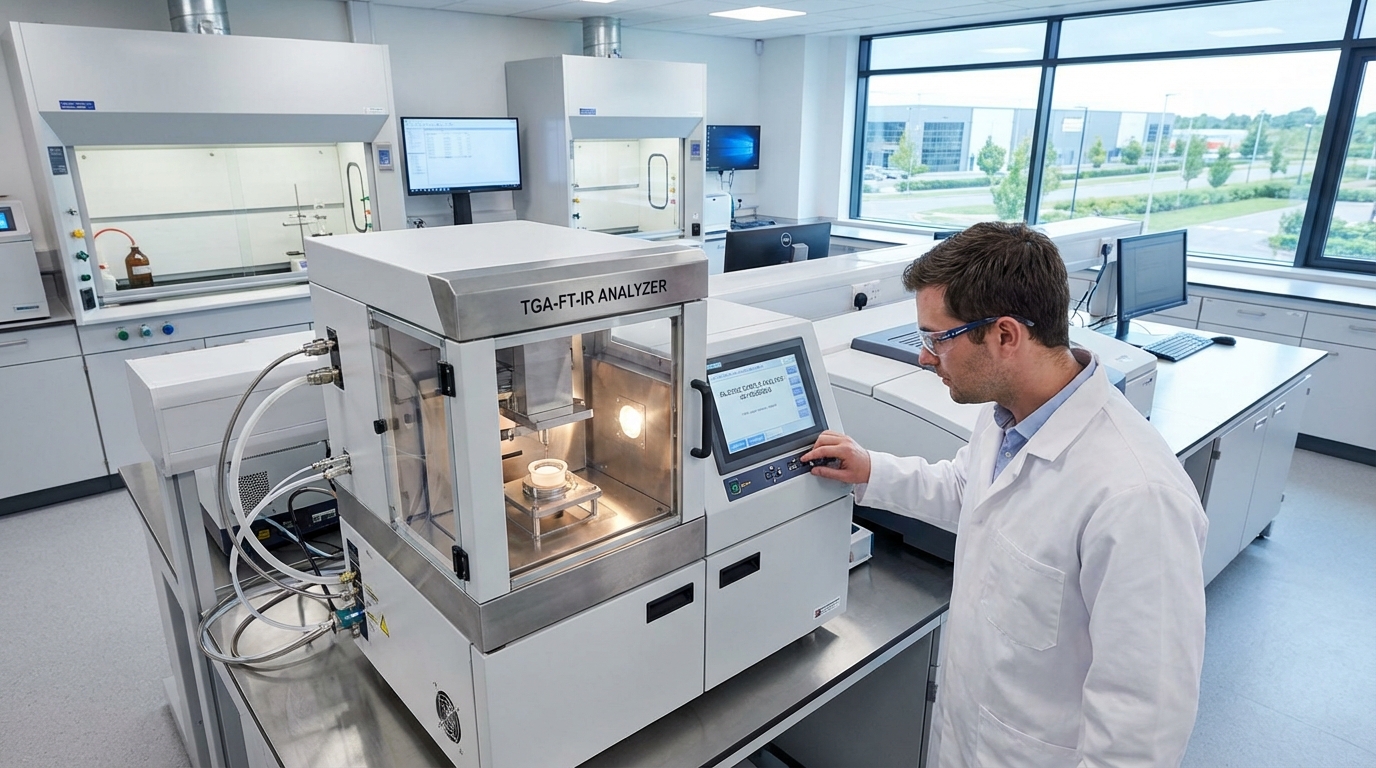
You might be wondering how these gases are identified in a professional setting. Technicians use advanced thermal analysis to heat samples and capture the resulting vapors for chemical fingerprinting.
How TGA-FT-IR analysis identifies toxins
By combining thermogravimetric analysis with infrared spectrometry, experts can pinpoint exactly what is leaving the mat. This ensures that any “oven smell” isn’t actually a hazardous chemical being absorbed by your cookies.
Key Takeaway: Most outgassing is harmless CO2, but traces of methanol can appear in cheap alternatives.
| Tool | Function | Application |
|---|---|---|
| Thermobalance | Measures mass loss | Stability testing |
| IR Spectrometer | Identifies gas types | Chemical safety |
| Heating Chamber | Simulates oven | Environmental control |
Identifying these trace elements is the first step in ensuring a neutral baking environment for your products.
How does thermal mass loss impact cookie quality?
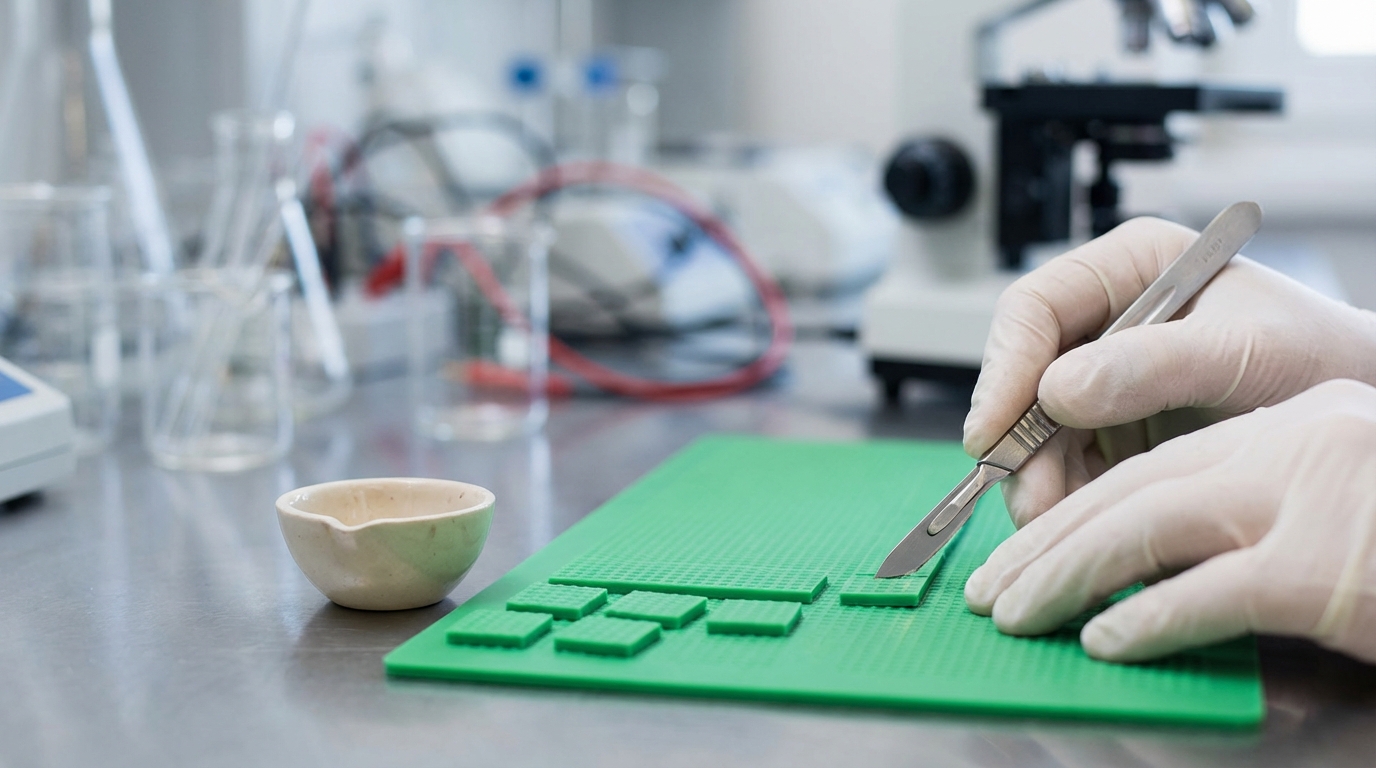
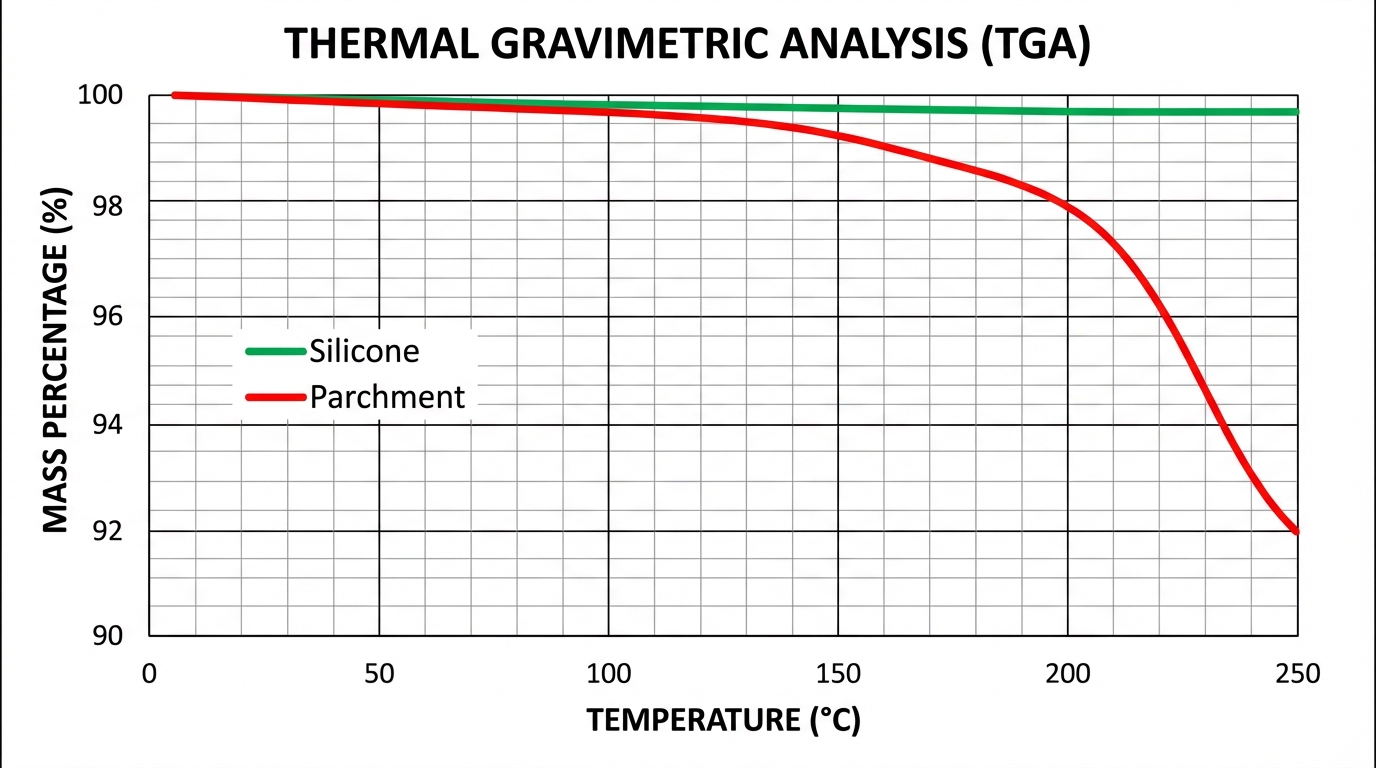
The thermal mass loss of silicone baking sheets is extremely low, often losing less than 0.4% of their weight during a standard hour-long bake. This high level of stability means the mat maintains its physical dimensions and non-stick properties over thousands of cycles.
Comparing mass loss in silicone vs. parchment
But that’s not all. When compared to parchment paper, which can lose over 5% of its mass through dehydration and decomposition, silicone is significantly more durable. This stability prevents the mat from becoming brittle or curling at high temperatures.
The impact of 0.4% mass reduction
Even a minor mass reduction usually represents the loss of residual moisture or processing aids. For a baker, this means the mat provides a consistent surface that won’t interfere with the dough’s weight or hydration levels.
Key Takeaway: Silicone loses far less mass than paper, indicating higher thermal stability and longevity.
| Material | Initial Mass Loss | Final Mass Loss (60 min) |
|---|---|---|
| Silicone Rubber | 0.2% | 0.4% |
| Parchment Paper | 5.1% | 9.4% |
| Stainless Steel | 0.0% | 0.0% |
Low mass loss confirms that the physical integrity of the baking surface remains intact throughout the shift.
Does silicone insulation prevent proper browning?
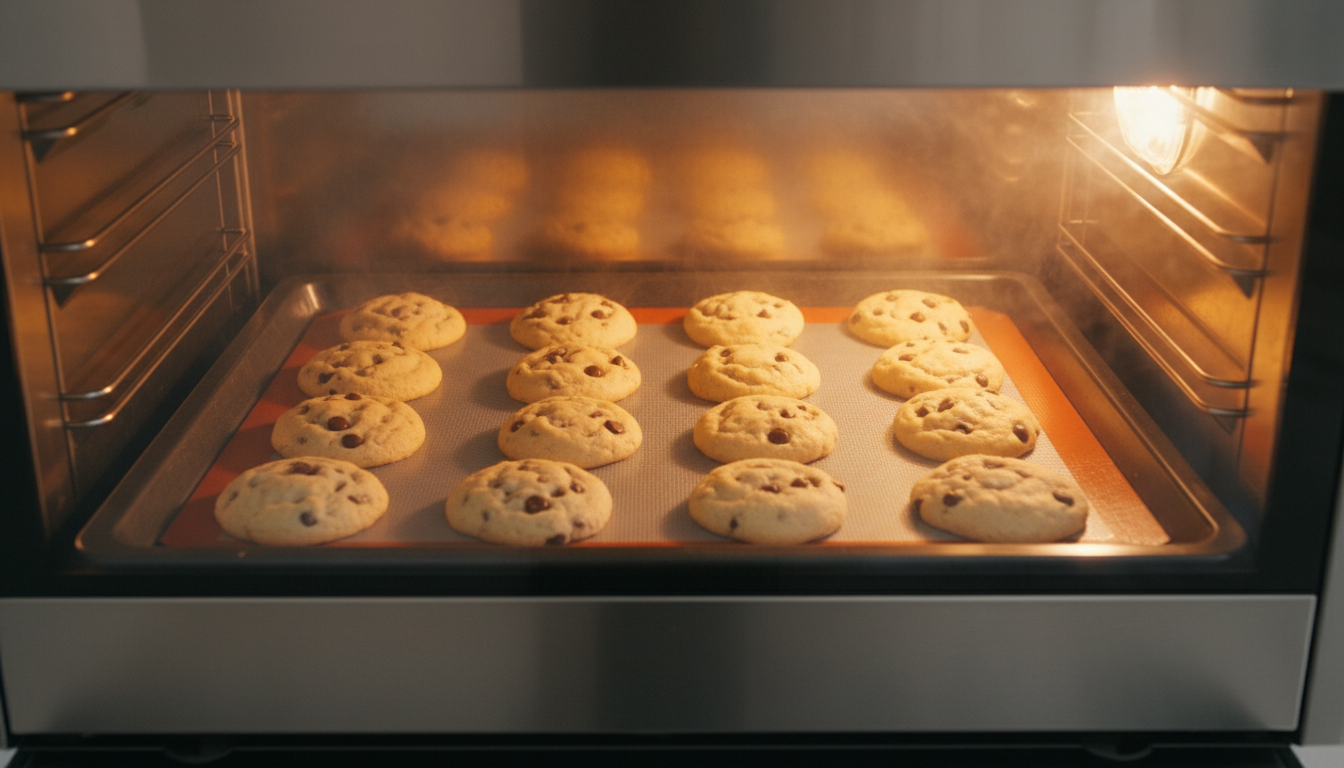
Yes, the insulating properties of silicone baking sheets create a thermal buffer that slows the Maillard reaction responsible for golden-brown crusts. This insulation is why cookies baked on silicone often look pale on the bottom even when the tops are fully cooked.
The science of heat transfer in polymers
It gets worse for those seeking a crunch. Silicone has a much lower thermal conductivity than the steel or aluminum sheets it covers, effectively shielding the dough from the oven’s direct heat.
Why Maillard reactions struggle on silicone
The Maillard reaction requires high heat to toast the sugars and proteins in the dough. Because silicone regulates this heat so effectively, the sugars on the bottom of the cookie don’t caramelize as quickly or deeply.
Key Takeaway: Silicone acts as an insulator, slowing down the heat transfer to the dough.
| Material | Heat Conductivity | Browning Potential |
|---|---|---|
| Carbon Steel | High | Excellent |
| Silicone Polymer | Low | Poor |
| Air Gap | Minimal | Very Poor |
Bakers must adjust their times or temperatures to compensate for the thermal lag created by polymer mats.
Are your silicone baking sheets food-grade certified?
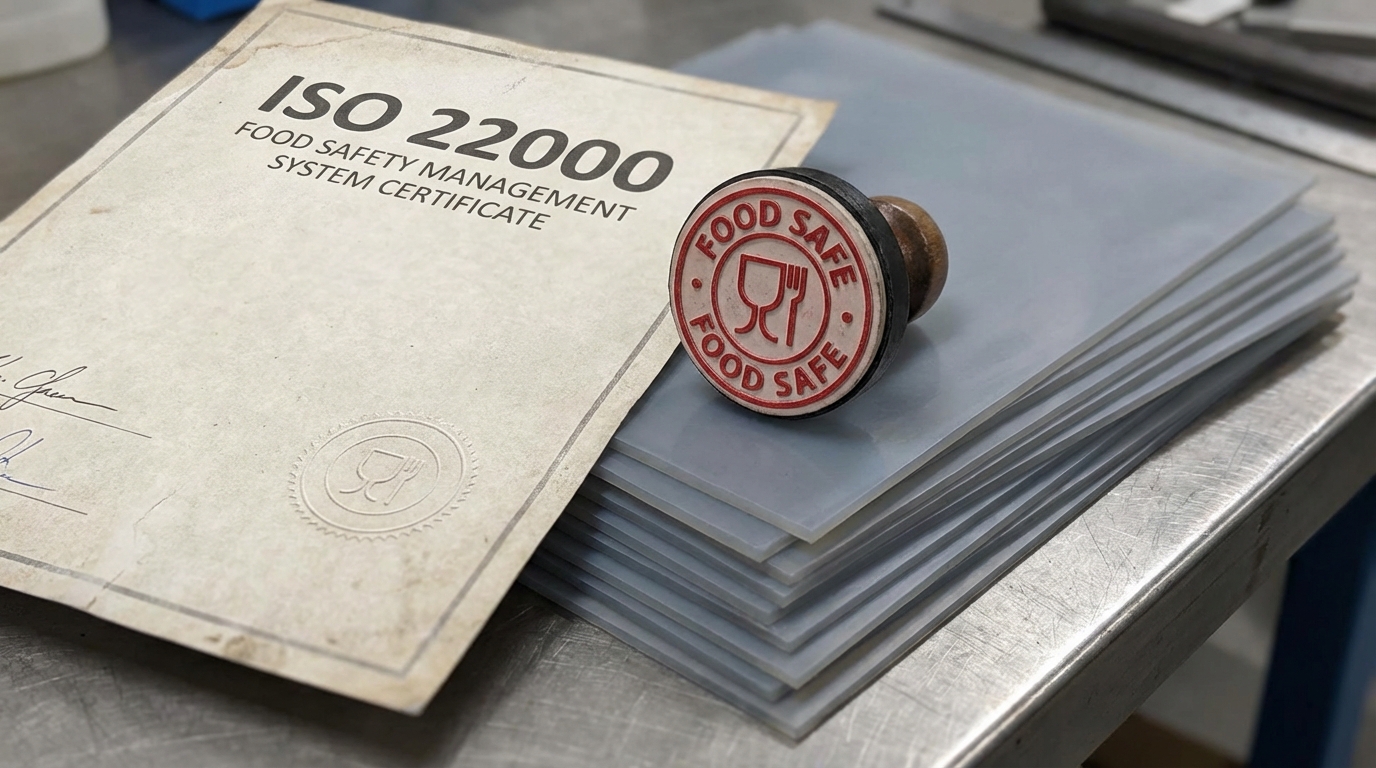
Genuine food-grade silicone baking sheets must meet strict FDA or LFGB standards to ensure they do not leach plasticizers into your food. Certification is the only way to verify that the manufacturing process has eliminated toxic by-products during the curing phase.
Navigating FDA and LFGB compliance
Let’s be honest. Not all mats are created equal, and European LFGB standards are often more rigorous than US FDA requirements. Purchasing certified mats ensures that your production line remains compliant with international health safety laws.
The importance of vulcanization quality
Proper vulcanization ensures the polymer chains are fully linked and stable. High-quality factories use post-curing processes to bake off any remaining volatiles before the product ever reaches your kitchen.
Key Takeaway: Certified food-grade silicone prevents hazardous plasticizer migration into your batches.
| Standard | Region | Key Requirement |
|---|---|---|
| FDA 21 CFR | USA | Material Purity |
| LFGB | EU | Strict Migration Limits |
| ISO 9001 | Global | Quality Management |
Verification of these standards protects your brand from liability and ensures the health of your customers.
Can residue on mats transfer flavors to batches?
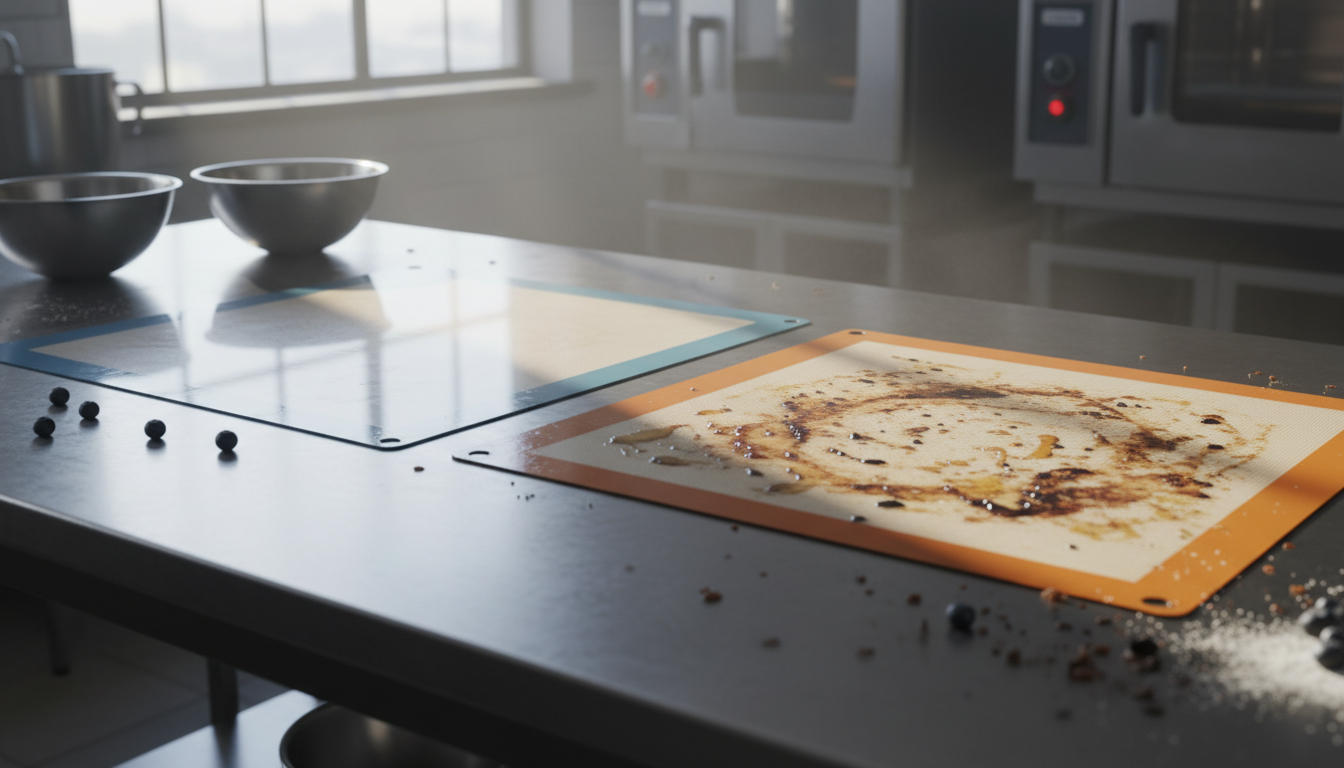
Over time, silicone baking sheets can become porous or trap oils, leading to flavor carryover between different batches of cookies. If you notice a lingering scent of garlic or old fat on your “clean” mat, it is likely that the surface has started to degrade.
The porous nature of degraded silicone
Look at this. While new silicone is incredibly smooth, repeated exposure to high heat and harsh detergents can create microscopic pits. These pits act as reservoirs for fats and odors that are nearly impossible to remove.
Managing fats and oils in reusable mats
The buildup of rancid oils not only affects the taste of your cookies but can also create a sticky surface. This stickiness interferes with the very non-stick benefit that made you choose silicone in the first place.
Key Takeaway: Improperly cured or cleaned mats can ruin the flavor profile of delicate biscuits.
| Symptom | Cause | Solution |
|---|---|---|
| Discoloration | Excessive Heat | Replace Mat |
| Sticky Surface | Oil Saturation | Deep Clean/Replace |
| Ghost Flavors | Micro-porosity | Batch Separation |
Regular inspection of your mat’s surface integrity is required to maintain the purity of your cookie flavors.
Is parchment paper safer than silicone alternatives?
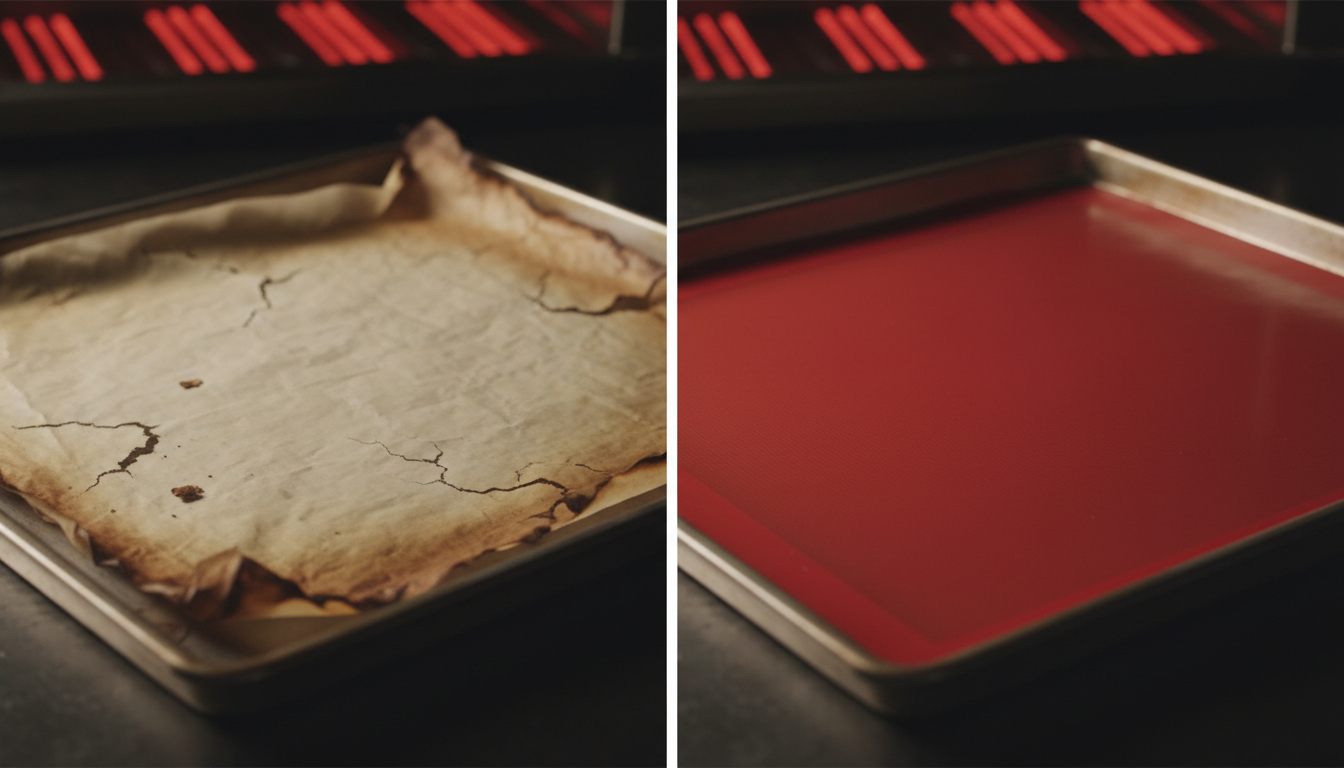
Parchment paper is generally considered safe, but it releases more gaseous by-products like carbon monoxide and formic acid when it begins to brown at high heat. While these are released in small amounts, they represent the actual decomposition of the paper fibers during the baking cycle.
Analyzing the decomposition of cellulose
The truth is that parchment is a single-use organic material that is not designed for extreme thermal stability. As it heats up, the cellulose fibers break down, which is why the paper turns brown and brittle.
Why brown discoloration happens at 230C
At 230°C, parchment paper undergoes a significant mass loss as it releases water and organic acids. This degradation can lead to paper fragments sticking to your cookies if the bake time is extended too long.
Key Takeaway: Parchment releases more gases but they are generally harmless in a ventilated oven.
| Evolved Gas | Source | Safety Note |
|---|---|---|
| Water Vapor | Moisture | Harmless |
| Carbon Monoxide | Cellulose Breakdown | Ventilate Oven |
| Formic Acid | Thermal Decay | Trace Amounts |
While paper is effective, its rapid degradation makes it less suitable for the highest temperature baking tasks.
How do high-volume bakeware standards vary by factory?
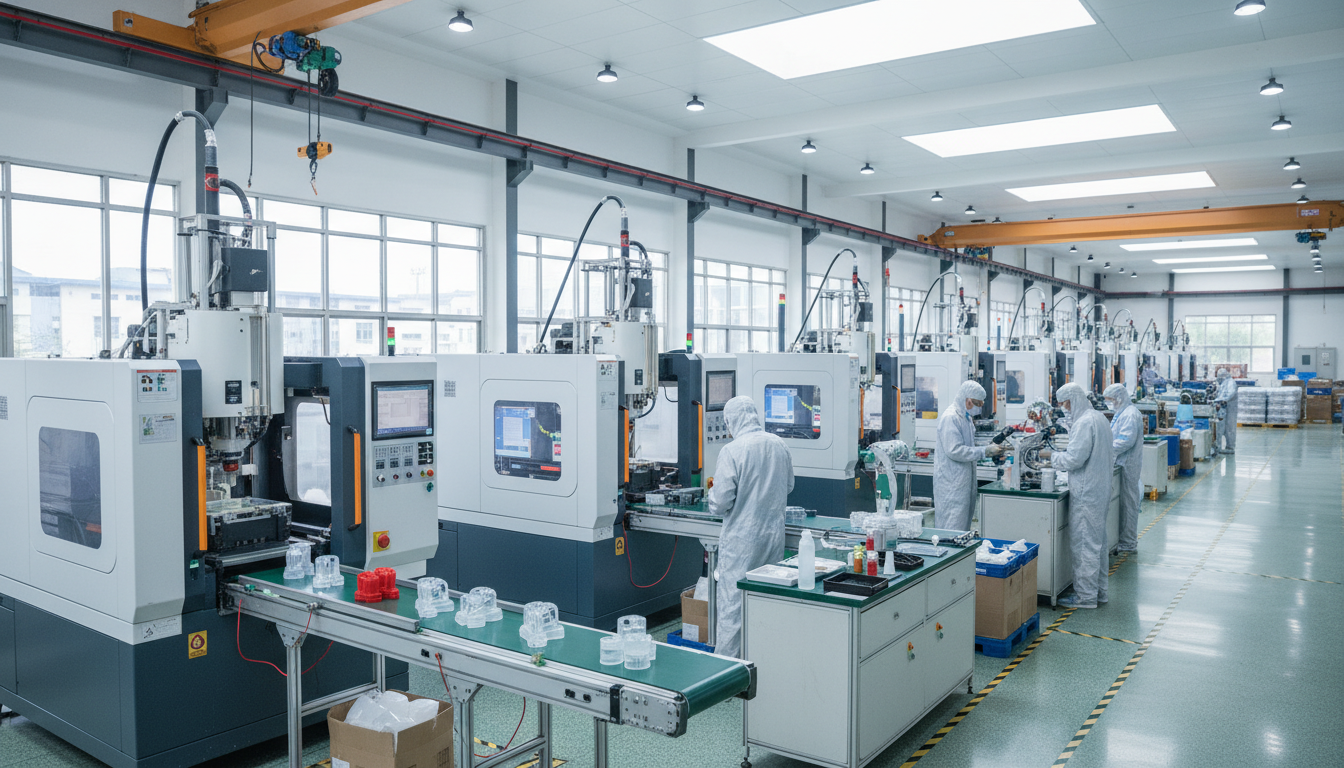
Manufacturing standards for silicone baking sheets vary wildly, with top-tier factories utilizing liquid silicone rubber (LSR) and cleanroom environments to ensure purity. Choosing a partner with in-house mold design and strict QC protocols is the only way to guarantee batch-to-batch consistency.
Eliminating quality drift in mass production
This is crucial for B2B buyers who need thousands of mats to perform identically. Quality drift in cheaper factories can lead to mats with varying thickness, which causes uneven baking across your production racks.
In-house mold design for precision tolerances
A factory that controls its own tooling can ensure that every mat has the exact same thermal mass. This precision allows your baking team to set standardized times without worrying about mat-related failures.
Key Takeaway: Consistent process control ensures every silicone mat performs the same way in the field.
| Feature | Factory-Direct | Generic Sourcing |
|---|---|---|
| Tooling | In-house Precision | Outsourced/Used |
| Inspection | 100% Manual/CCD | Batch Sampling |
| Material | Traceable LSR | Unknown Grade |
High-end manufacturing facilities offer the transparency needed to secure your supply chain against quality failures.
Why should you contact us for custom silicone solutions?
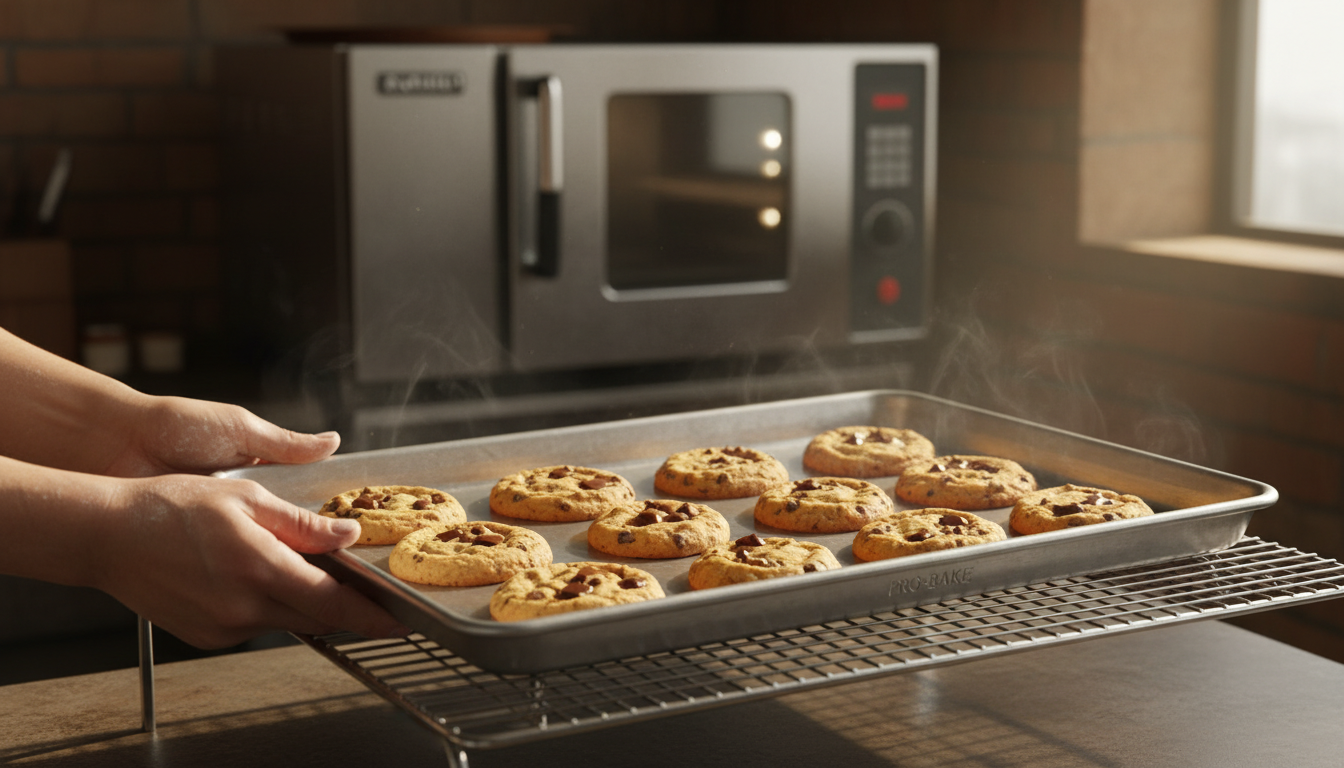
Our team specializes in engineering high-performance silicone baking sheets that balance non-stick convenience with the thermal needs of professional bakers. By customizing the thickness and material density, we help you achieve the perfect crispness that standard off-the-shelf mats often ruin.
Upgrading your supply chain reliability
Don’t wait for a batch of ruined cookies to realize your equipment is the problem. We provide DFM support and customized QC standards to ensure your bakeware meets the specific demands of your industrial ovens.
Final safety tips for first-time use
Before putting a new mat into production, we always recommend a high-heat “burn-off” cycle. This stabilizes the surface and removes any residual processing aids, ensuring your first batch of cookies tastes exactly as intended.
Key Takeaway: Proper engineering and material selection prevent the “ruined cookie” syndrome in large-scale operations.
| Step | Action | Benefit |
|---|---|---|
| Pre-heat | 230°C for 60 min | Burn off oligomers |
| Wash | Neutral Detergent | Remove factory dust |
| Inspect | Check for Odor | Ensure surface purity |
Working with a professional manufacturer ensures that your equipment supports your culinary goals rather than hindering them. If you are ready to upgrade your commercial kitchen’s output, please contact us today for a consultation.
*
FAQ
Can I use silicone mats for every type of cookie?
While versatile, they are best for chewy or delicate cookies that stick easily, though they may prevent crunchier varieties from reaching their full browning potential.
What’s the best way to clean a stained silicone mat?
Use a paste of baking soda and warm water to lift oils, but avoid abrasive scrubbers that can damage the protective top layer of the silicone.
Can silicone mats melt in a standard commercial oven?
No, most professional-grade mats are rated for temperatures up to 260°C, which is well above the standard baking range for cookies.
What’s the maximum temperature I should use with these mats?
To ensure longevity and safety, stay below 230°C for daily use, as approaching the 260°C limit can accelerate material degradation.
Can I cut my silicone baking mats to fit smaller trays?
You should never cut a silicone mat as this exposes the fiberglass core inside, which can lead to glass particles contaminating your food.