
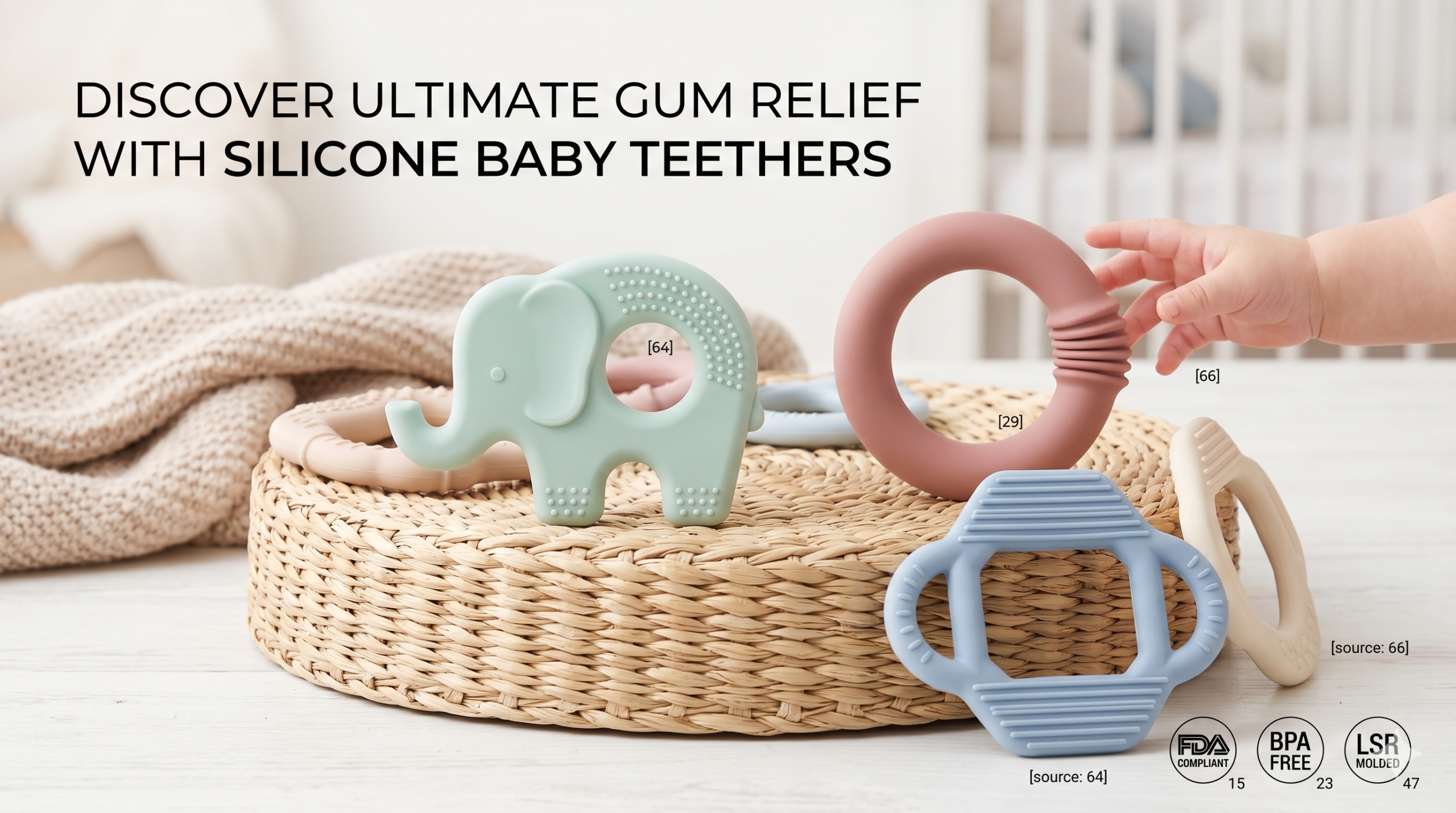
Yes, silicone baby teethers are specifically engineered with a Shore hardness that makes them perfectly soft for delicate gums while remaining durable for active chewing.
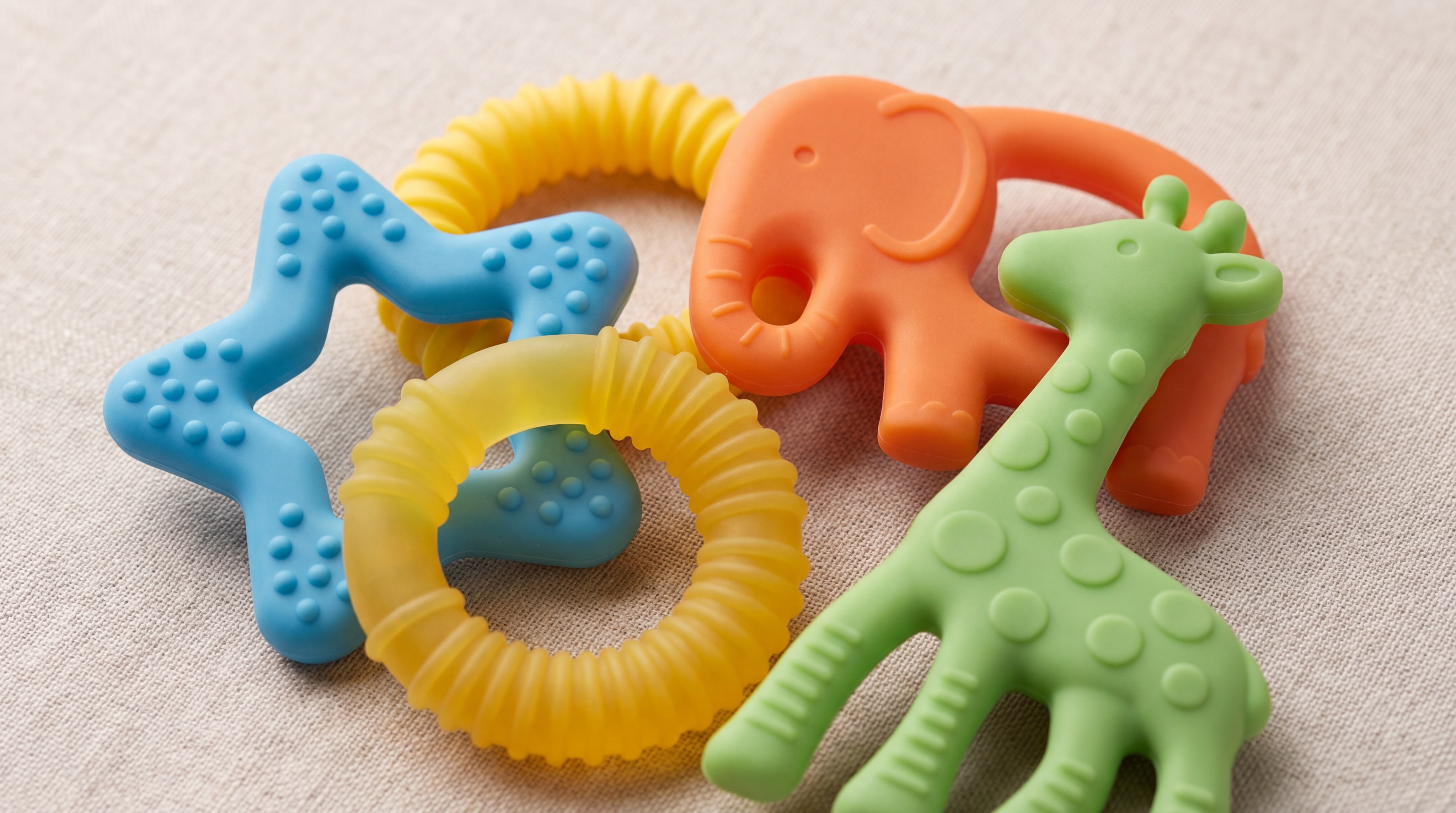
When infants begin the teething process, the resulting pain can cause immense stress for both the child and the parent. Traditional plastic toys are often too rigid and can cause micro-abrasions on sensitive mouth tissues, aggravating the discomfort further. High-quality Silicone Baby Teethers offer the ideal solution by combining medical-grade softness with the resilience needed to soothe irritation safely.
What Makes Silicone Soft Enough for Infants?
Silicone achieves its signature softness through a unique polymer structure that mimics the elasticity of human skin. This material is inherently flexible, allowing Silicone Baby Teethers to bend and compress under the pressure of a baby’s bite. Manufacturers can adjust the chemical composition to ensure the product provides a soothing “give” without being so soft that it tears.
The Elasticity of Medical-Grade Polymers
Think about this: why do babies prefer silicone over wood or hard plastic? The secret lies in the material’s ability to absorb biting pressure and distribute it across the gums.
- High elastic recovery maintains shape.
- Biocompatible surface prevents irritation.
- Soft-touch finish appeals to infants.
Key Takeaway: The molecular flexibility of silicone ensures it remains the most comfortable material for primary tooth eruption.
| Feature | Performance |
|---|---|
| Elasticity | High compression recovery |
| Texture | Skin-like and soft-touch |
| Durability | Tear-resistant polymer |
The inherent elasticity of silicone makes it superior for products that require constant mechanical deformation.
Is Food-Grade Silicone Safe for Daily Chewing?
Yes, food-grade silicone is entirely non-toxic and free from BPA, phthalates, and heavy metals, making it safe for oral use. High-quality Silicone Baby Teethers are produced using materials that meet stringent FDA and LFGB standards. Because silicone is chemically inert, it does not leach harmful substances into the baby’s mouth even after hours of chewing.
Compliance with Global Safety Standards
Believe it or not, not all “soft” materials are safe for infants. Using certified food-grade silicone ensures that your brand avoids the risks associated with lead or chemical additives found in cheaper plastics.
- FDA-registered manufacturing facilities.
- BPA-free and phthalate-free certification.
- Latex-free and hypoallergenic properties.
Key Takeaway: Safety certification is the primary differentiator between professional-grade teethers and low-quality alternatives.
| Standard | Requirement |
|---|---|
| FDA | Food-grade material safety |
| LFGB | European food-contact compliance |
| BPA-Free | Absence of harmful plasticizers |
Rigorous compliance ensures that teething products remain safe for infants during their most vulnerable developmental stages.
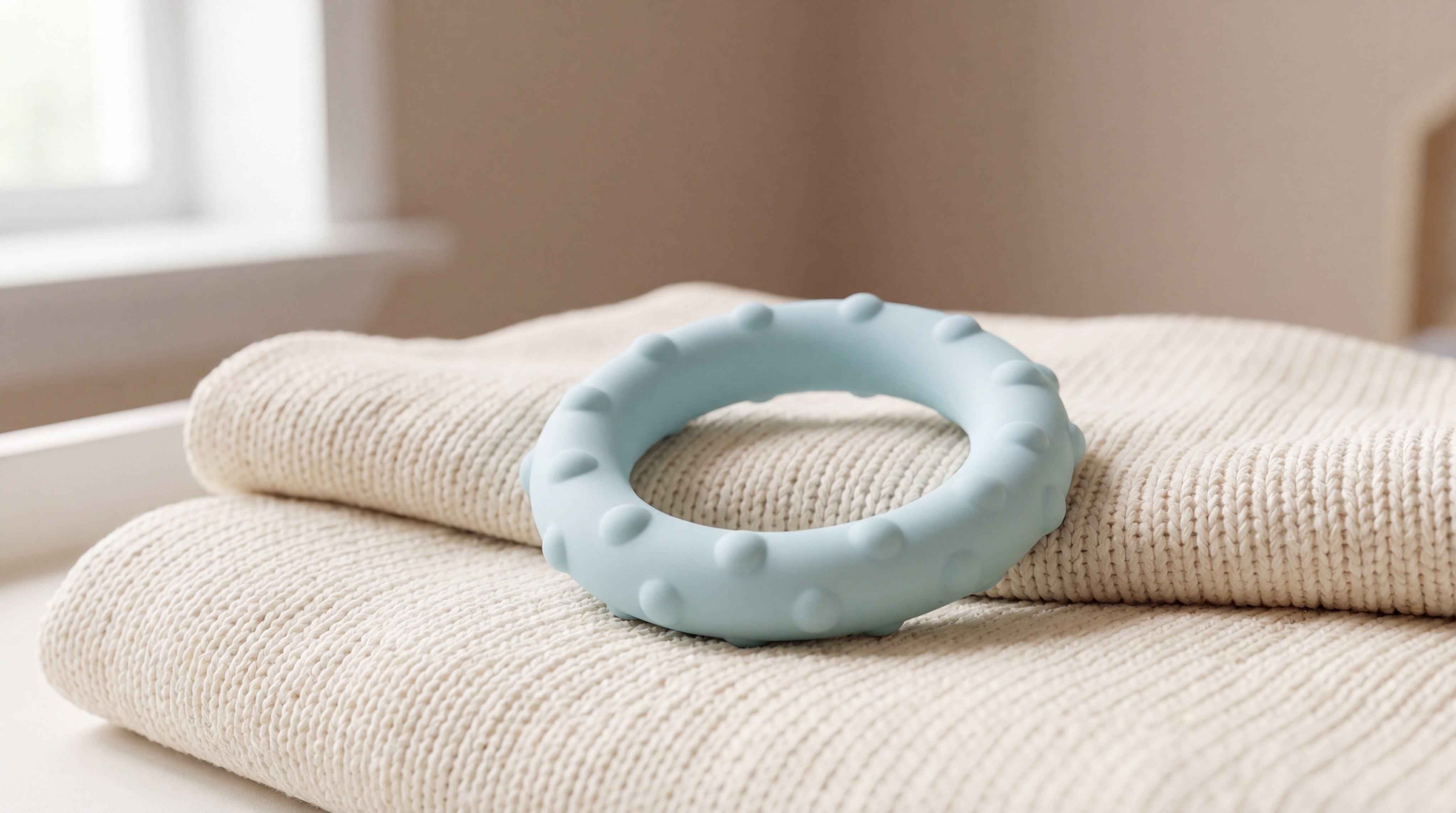
How Does Shore Hardness Affect Baby Comfort?
The ideal Shore A hardness for teething is usually between 20 and 30, providing a perfect balance of pressure and relief. When sourcing Silicone Baby Teethers, understanding the durometer—or hardness scale—is critical for product performance. A product that is too hard will cause pain, while one that is too soft will fail to provide the counter-pressure babies crave.
Selecting the Right Durometer for Products
The best part? Silicone can be customized to any hardness level during the molding process. This allows for the creation of multi-textured products that cater to different stages of teething.
- Shore 20A: Best for early, sensitive gums.
- Shore 30A: Ideal for active chewing and molar relief.
- Shore 50A+: Used for structural parts of the toy.
Key Takeaway: Selecting a durometer between 20A and 30A provides the most therapeutic experience for the infant.
| Hardness Level | Recommended Use |
|---|---|
| Shore 20A | Gentle gum massage |
| Shore 30A | Firm pressure for new teeth |
| Shore 40A+ | Structural supports |
Precise durometer control is essential for creating a product that is both effective and comfortable.
Can Silicone Teethers Help with Gum Swelling?
Yes, because silicone retains cold temperatures efficiently, it can provide significant anti-inflammatory relief for swollen gums. Silicone Baby Teethers are uniquely suited for refrigeration, allowing them to stay cold longer than liquid-filled teethers. This cooling effect constricts blood vessels in the gums, temporarily numbing the area and reducing the infant’s irritability.
The Benefits of Freezer-Safe Materials
Here is the kicker: silicone won’t become brittle or crack when placed in the freezer. Unlike plastic, which can shatter when frozen and then bitten, silicone maintains its integrity and softness.
- Thermal stability prevents cracking.
- Sustained cold retention for long-term relief.
- Safe for both refrigerator and freezer use.
Key Takeaway: Thermal versatility allows silicone to act as both a massage tool and a cold compress.
| Temperature Range | Effect on Material |
|---|---|
| -40°C (Freezer) | Remains flexible and cold |
| 20°C (Room) | Soft and tactile |
| 100°C (Boiling) | Safe for sterilization |
The ability to withstand extreme temperatures without losing structural integrity makes silicone a highly functional teething material.
Why is LSR Molding Better for Soft Products?
Liquid Silicone Rubber (LSR) molding allows for higher precision and a softer, more consistent finish than standard compression methods. For Silicone Baby Teethers, LSR technology ensures that the product is free from rough “flash” or seams that could scratch a baby’s mouth. This automated process also reduces the risk of contamination during production, which is vital for baby-care items.
Precision Engineering for Infant Safety
But wait, there’s more. LSR molding allows for complex, organic shapes that are much harder to achieve with traditional rubber manufacturing.
- Seamless, one-piece construction.
- High-speed production with zero defects.
- Consistent softness across the entire batch.
Key Takeaway: Liquid silicone injection molding is the gold standard for producing high-end, safe infant products.
| Process | Precision | Contamination Risk |
|---|---|---|
| LSR Molding | Ultra-high | Minimal (Closed system) |
| Compression | Moderate | Higher (Manual handling) |
| Overmolding | High | Low |
Advanced molding techniques directly translate to a safer and more visually appealing end product for consumers.
Are Textured Surfaces Safe for Sore Gums?
Yes, soft silicone textures are designed to gently stimulate oral nerves and massage the gums without causing abrasions. Designers of Silicone Baby Teethers often include bumps, ridges, and nubs to help break the gum tissue and allow new teeth to emerge. Because the material itself is so soft, these textures provide relief through friction rather than sharp force.
Sensory Development and Oral Stimulation
It gets even better. Textures don’t just help with pain; they also support sensory development by introducing new tactile sensations to the infant.
- Nubbed surfaces for deep massage.
- Ridged edges for lateral gum relief.
- Varying shapes to encourage tongue movement.
Key Takeaway: Texture variety is essential for addressing different stages of the teething cycle effectively.
| Texture Type | Primary Benefit |
|---|---|
| Small Bumps | Early stage gum stimulation |
| Horizontal Ridges | Molar eruption support |
| Smooth Areas | General soothing |
Carefully engineered textures provide a multifaceted approach to relieving teething symptoms and supporting oral health.
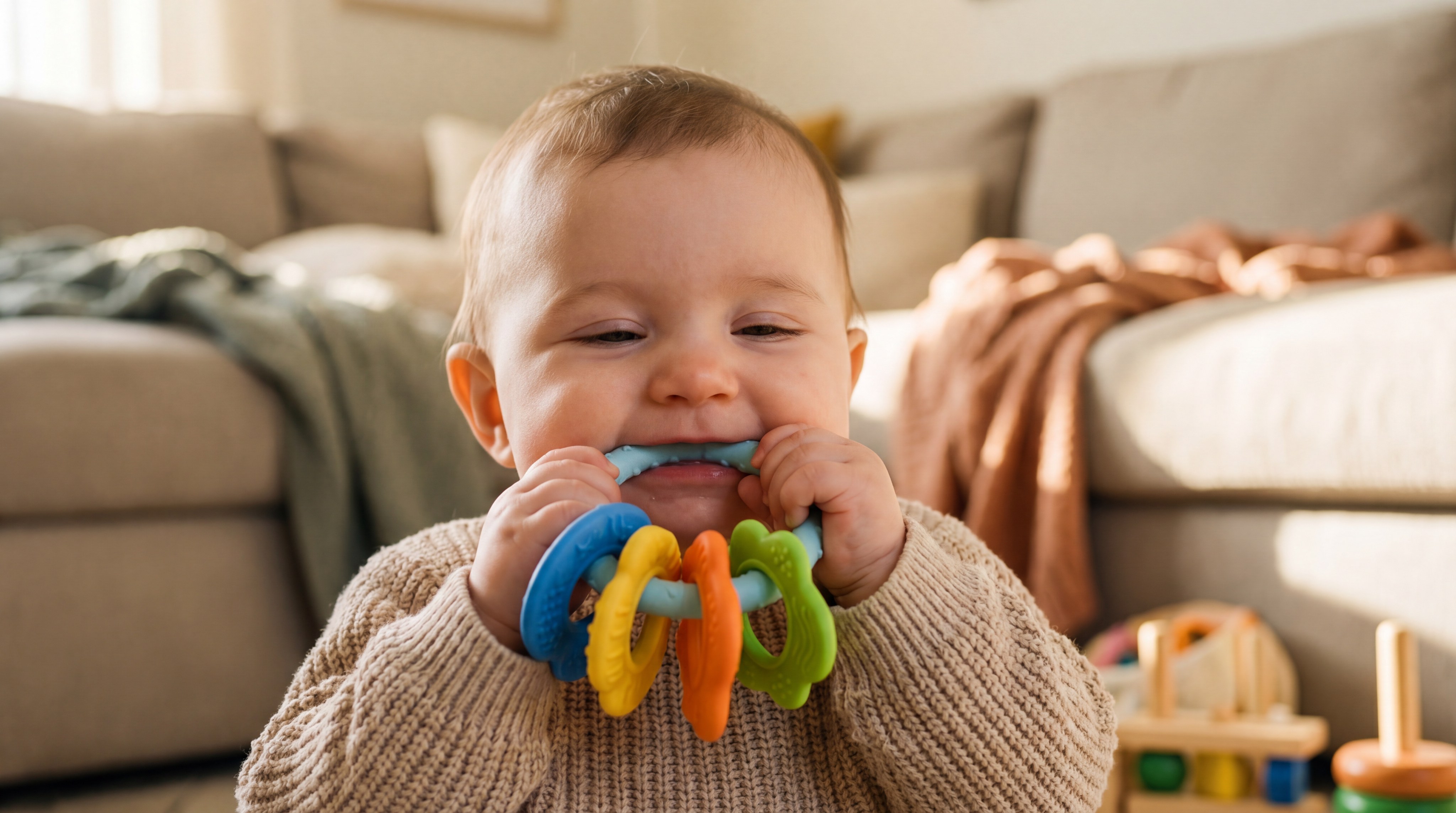
Does Temperature Affect Silicone Softness?
Silicone remains flexible and soft across an extreme temperature range, ensuring it never becomes brittle or overly mushy. Unlike lower-quality elastomers, Silicone Baby Teethers maintain their Shore hardness whether they are in the freezer or being sterilized in boiling water. This stability is a key selling point for parents who want a product that performs consistently in all conditions.
Thermal Stability of Teething Components
Now, let’s dig deeper. The chemical bonds in silicone are incredibly strong, which prevents the material from expanding or contracting significantly when exposed to heat or cold.
- No loss of elasticity at sub-zero temperatures.
- No softening or melting during steam sterilization.
- Consistent “chew factor” regardless of environment.
Key Takeaway: High thermal stability ensures that the teether remains safe and effective through every cleaning and cooling cycle.
| Environmental State | Material Response |
|---|---|
| Boiling Water | No deformation |
| Freezer | No brittleness |
| UV Exposure | No yellowing |
The stability of silicone under diverse thermal conditions makes it the most reliable material for long-term infant use.
Is One-Piece Construction Safer for Babies?
Absolutely, as a single-piece design eliminates the risk of small parts detaching and becoming choking hazards. Most professional Silicone Baby Teethers are molded as a solid unit to ensure there are no weak points. This construction method also prevents saliva and bacteria from getting trapped in joints or glued sections, which is a common problem with multi-part plastic toys.
Eliminating Structural Weakness in Toys
You might be wondering how to verify if a product is truly one piece. A simple pull test during quality control can confirm the structural integrity of the molding.
- Zero risk of detaching beads or rings.
- Easier to clean without hidden crevices.
- Stronger resistance to heavy chewing.
Key Takeaway: Solid, one-piece molding is the most effective way to prevent accidental choking incidents.
| Design Type | Safety Rating | Hygiene Level |
|---|---|---|
| One-Piece | Highest | Excellent |
| Assembled | Moderate | Requires attention |
| Glued Parts | Low | Potential for mold |
Single-component manufacturing is the safest design choice for items intended for prolonged oral contact.
How Do You Clean Silicone Baby Products?
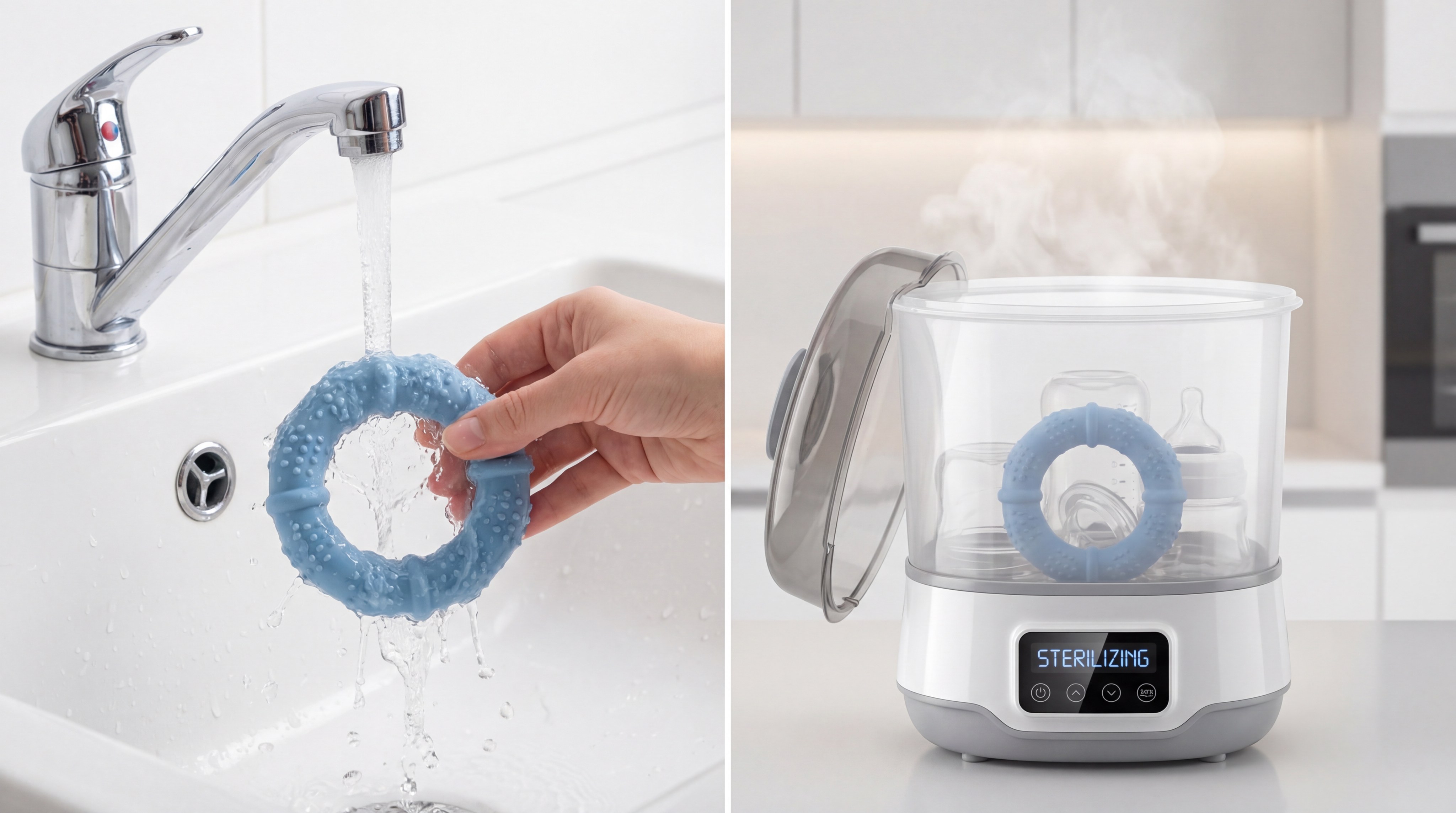
Silicone is non-porous and can be easily sterilized using boiling water, steam, or UV light without degrading. Maintaining the hygiene of Silicone Baby Teethers is a top priority for parents, and silicone makes this effortless. Because the material does not harbor bacteria or mold, a simple rinse or a trip through the dishwasher is often enough to keep it pristine.
Maintaining Superior Hygiene Standards
Sound too good to be true? Actually, the non-porous nature of silicone means that milk, saliva, and dust cannot penetrate the surface.
- Dishwasher safe (top rack).
- Compatible with microwave steam bags.
- Resistant to mold and mildew growth.
Key Takeaway: Ease of sterilization is one of the most significant competitive advantages of silicone over wood or fabric.
| Cleaning Method | Compatibility | Time Required |
|---|---|---|
| Boiling | 100% | 5 Minutes |
| UV Sterilizer | 100% | 10 Minutes |
| Dishwasher | 100% | Full Cycle |
The resilience of silicone to common cleaning chemicals and high heat makes it the most hygienic choice for infants.
What Should B2B Buyers Look for in Quality?
Professional buyers should prioritize suppliers with ISO certification and in-house mold-making capabilities to ensure consistency. When ordering Silicone Baby Teethers at scale, the ability to control the manufacturing process from design to delivery is essential. Look for partners who offer DFM (Design for Manufacturing) suggestions to optimize softness and durability while keeping production costs efficient.
Evaluating the Manufacturing Partner
Let’s face it: not all factories produce the same quality of silicone. Checking for material traceability and secondary curing processes is vital for premium brands.
- ISO 9001 and IATF 16949 certifications.
- In-house tooling for faster iterations.
- 100% inspection protocols for safety.
Key Takeaway: A reliable partner provides full transparency regarding material origin and quality control stages.
| Buyer Checklist | Importance |
|---|---|
| ISO Certification | High (Compliance) |
| In-house Tooling | High (Lead time) |
| Material Samples | High (Verification) |
Choosing a manufacturer with integrated engineering and production systems reduces the risk of supply chain delays and quality issues.
Frequently Asked Questions
Can I sterilize silicone teethers every day?
Absolutely. Silicone is designed to withstand high heat repeatedly without losing its softness or structural integrity.
What is the best hardness for a newborn teether?
Shore A 20 is generally the best choice. This provides a very soft, pillow-like feel that is gentle on newly emerging teeth.
Are silicone teethers better than water-filled ones?
Yes. Silicone teethers are more durable, cannot leak, and can be frozen safely to provide deeper cooling relief.
Can silicone teethers develop mold?
No, not if cleaned properly. Since silicone is non-porous, mold cannot grow inside the material; it can only sit on the surface where it is easily washed away.
Is medical-grade silicone different from food-grade?
Yes, slightly. Medical-grade silicone undergoes more rigorous biocompatibility testing, though both are safe and non-toxic for baby products.
Strategic Conclusion for Brands
Selecting the right material for your infant product line is a decision that impacts both safety and brand reputation. Silicone baby teethers provide the perfect combination of softness, safety, and sensory appeal that modern parents demand. By partnering with a dedicated manufacturer like Dongguan Hualin, you gain access to 15+ years of expertise in LSR and compression molding to bring your designs to life. Whether you need custom Shore hardness levels or unique one-piece constructions, we are here to support your growth. Contact us today to receive a professional DFM review and a quote for your next custom silicone project.