
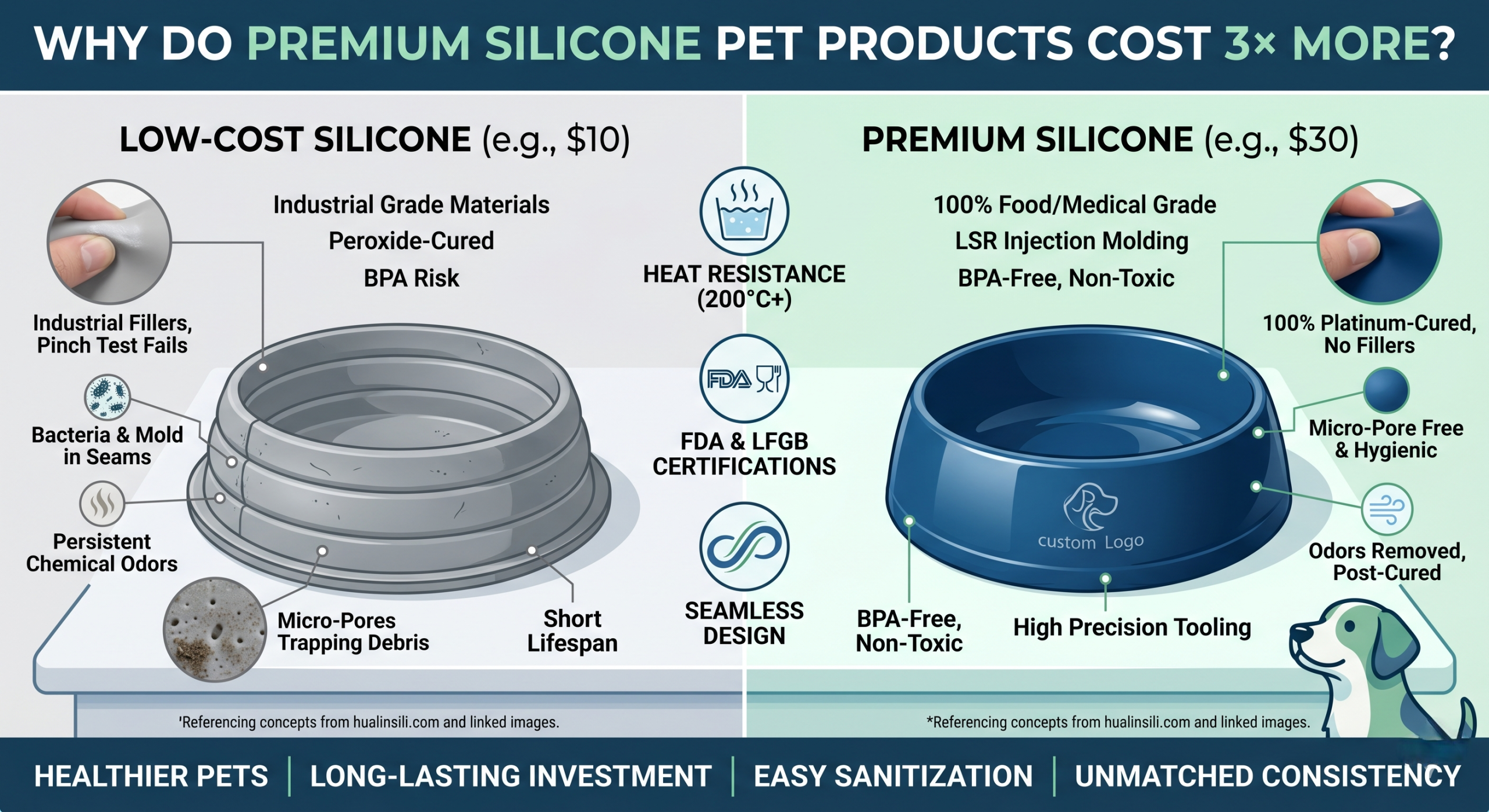
High-quality silicone pet products cost significantly more because they utilize premium, platinum-cured materials and advanced manufacturing processes that ensure safety and durability. You may notice two items that appear identical on a shelf, yet the price tag of one is triple its neighbor. It is tempting for procurement managers to choose the lower-cost option to maximize margins. However, low-cost silicone often contains industrial fillers and toxic additives that can compromise pet health. Choosing a high-grade Silicone Pet product from hualinsili.com ensures you are investing in a non-toxic, long-lasting solution that meets global safety standards.
Why Do Some Silicone Pet Products Command a Premium Price?
A premium Silicone Pet product is priced higher because it represents a fundamental shift from generic household materials to high-purity medical or food-grade polymers. These materials are sourced from reputable suppliers who guarantee the absence of heavy metals and hazardous chemicals. Investing in this grade of material is the only way to ensure the product remains inert during use.

Is it just branding or is there a real quality difference?
The price gap you see is rarely about the brand name and almost always about the underlying material integrity.
- Raw Material Purity: Premium items use 100% platinum-cured silicone rather than cheaper peroxide alternatives.
- Testing Rigor: Every batch undergoes strict laboratory verification to ensure compliance with international safety norms.
- Production Speed: High-quality curing requires more time in the mold, which increases the cost per unit.
Look at it this way:
When you pay more, you are essentially purchasing insurance against chemical leaching and product failure. You want a product that remains safe even after months of heavy use.
Key Takeaway: The 3× price difference is primarily driven by the high cost of raw material purity and the total elimination of cheap plastic fillers.
| Feature | Low-Cost Silicone | Premium Silicone |
|---|---|---|
| Material Base | Industrial Grade w/ Fillers | 100% Food/Medical Grade |
| Curing Method | Peroxide (can leave odors) | Platinum (odorless and stable) |
| Chemical Safety | Risk of BPA and Phthalates | BPA, PVC, & Phthalate-free |
How Does Material Purity Impact the Total Product Cost?
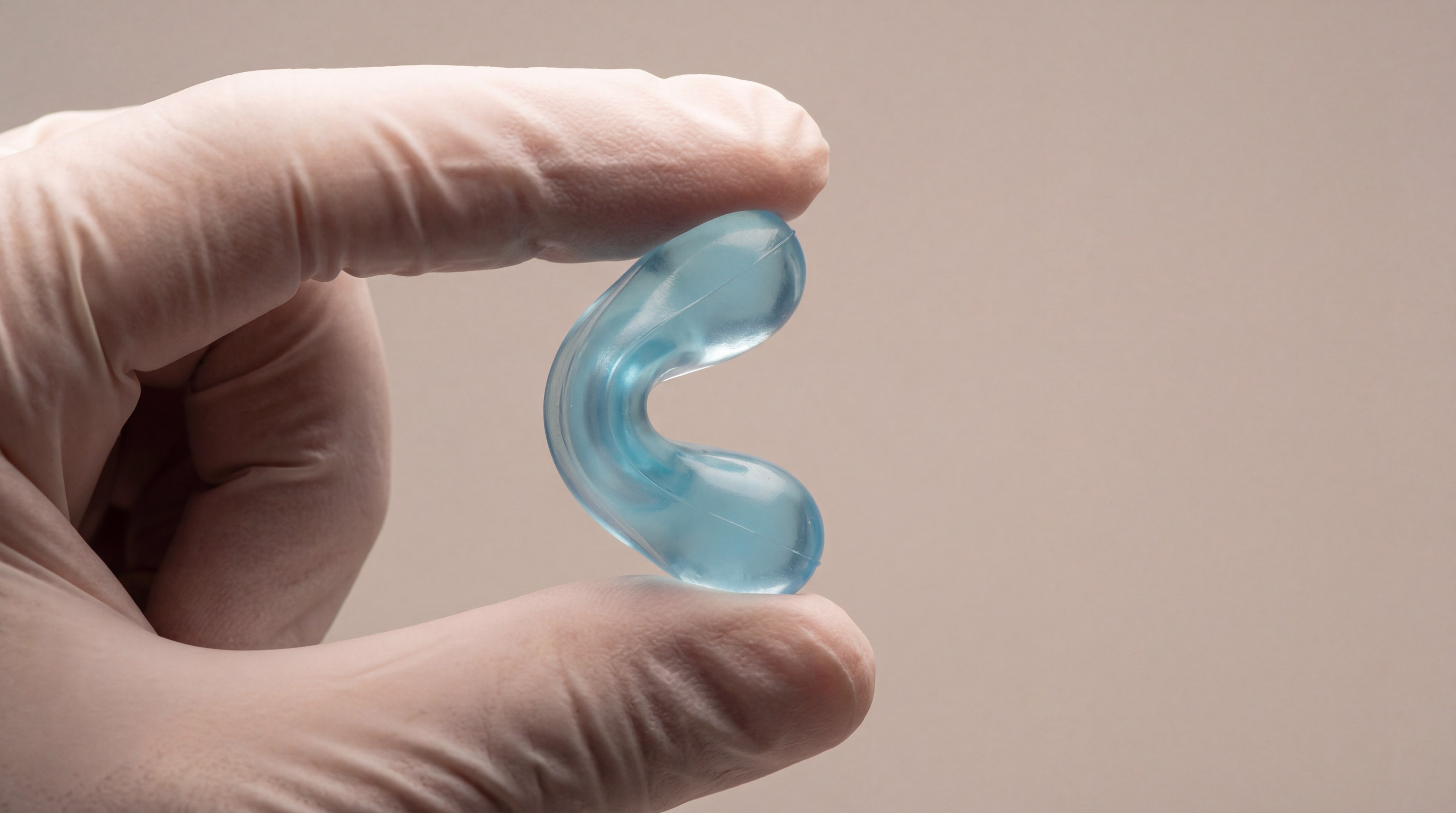
The base cost of a Silicone Pet product is dictated by the specific grade of raw silicone polymer used during the molding phase. High-purity polymers cost significantly more per kilogram because they are refined to remove all volatile organic compounds. This ensures that the final item does not emit any “rubbery” smells or leach oils into a pet’s food.
What is the difference between food-grade and industrial silicone?
Think about it.
Industrial silicone is designed for machinery gaskets, not for products that will come into contact with saliva and food.
- The Pinch Test: If you twist a product and it turns white, it contains cheap chalk fillers.
- Chemical Stability: Pure silicone remains inert at all times, whereas low-grade versions may leach harmful oils.
- Long-Term Health: Using high-purity materials prevents the chronic exposure to toxins that can occur with cheaper alternatives.
Key Takeaway: Pure food-grade silicone is exponentially more expensive to source than industrial-grade materials, directly increasing the manufacturing price.
| Property | Industrial Grade | Food Grade (High Purity) |
|---|---|---|
| Structural Integrity | Turns white when pinched | Stays consistent in color |
| Safety Level | High risk of chemical leaching | Safe for long-term food contact |
| Market Cost | Low ($) | High ($$$) |
Why Does Molding Precision Change Your Pet’s Hygiene?
Precision molding for a Silicone Pet product ensures that every surface is perfectly smooth at a microscopic level. High-end molds are CNC-machined to exacting tolerances, which prevents the formation of tiny pits or “micro-pores.” This level of detail is essential for maintaining a hygienic surface that does not harbor bacteria.
How do microscopic pores trap dangerous bacteria?
The reality is:
If a surface isn’t perfectly finished, it develops tiny invisible pits that become breeding grounds for germs.
- Bacteria Accumulation: E. coli and Salmonella thrive in the uneven textures found in cheap molds.
- Biofilm Formation: Pores make it nearly impossible for you to fully sanitize the item, even in a dishwasher.
- Grease Retention: Lower-quality surfaces soak up fats from pet food, leading to rancid odors over time.
Key Takeaway: High-precision tooling and controlled vulcanization are required to prevent the microscopic defects that compromise pet hygiene.
| Manufacturing Factor | Low-Precision Tooling | High-Precision Tooling |
|---|---|---|
| Surface Finish | Micro-pores and rough spots | Ultra-smooth and uniform |
| Sanitization | Difficult to deep clean | Optimized for sterilization |
| Odor Resistance | Absorbs food smells quickly | Resists odors and oils |
Can Advanced Technology Increase Product Longevity?
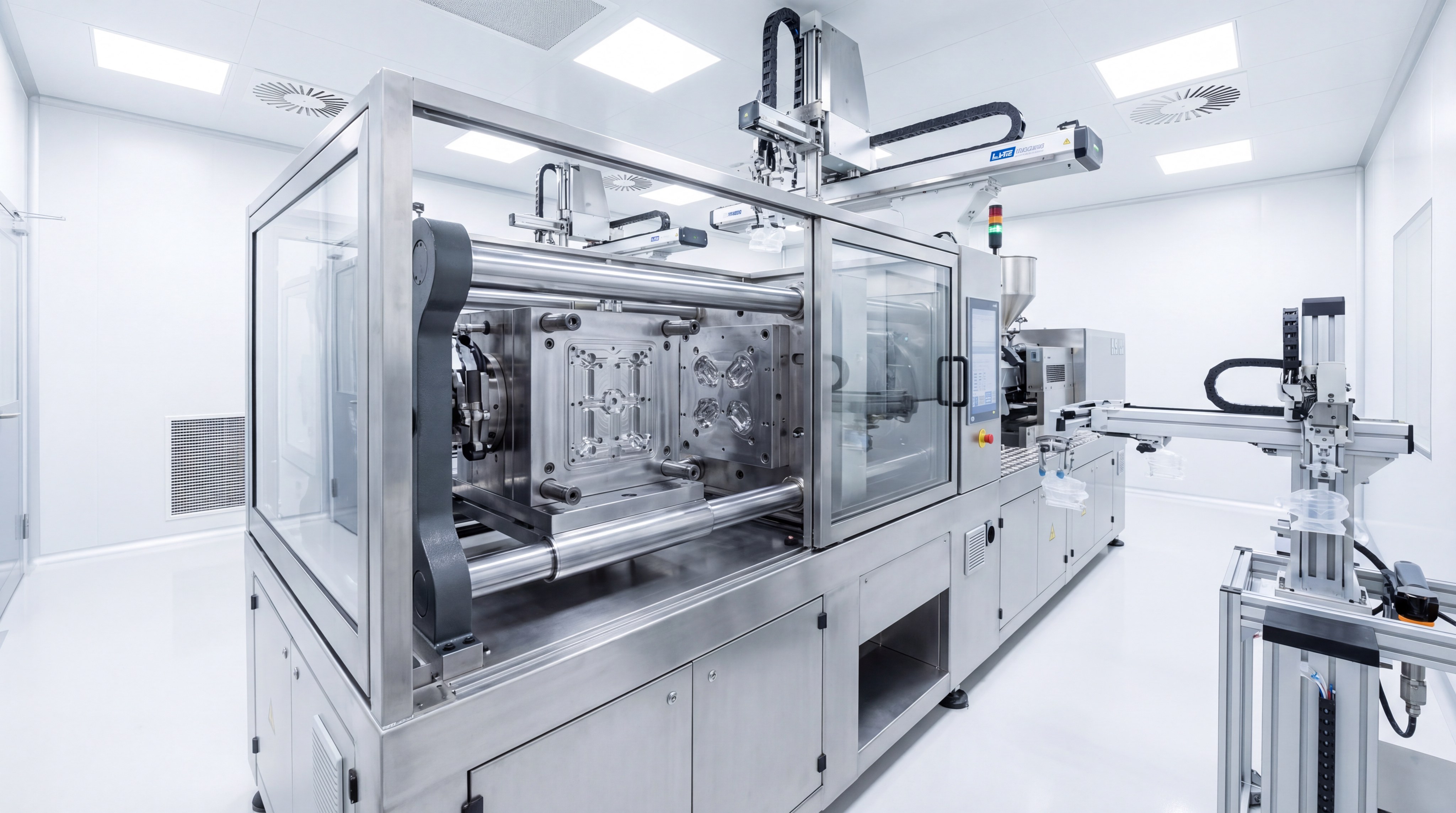
Modern manufacturing of a Silicone Pet product often utilizes Liquid Silicone Rubber (LSR) injection technology rather than standard compression molding. LSR technology allows for much higher precision and stronger molecular bonding, resulting in a product that is nearly impossible to tear. While the machinery for LSR is far more expensive, the resulting product offers a lifespan that justifies the initial investment.
Why does Liquid Silicone Rubber (LSR) cost more to produce?
Here is the kicker:
LSR requires sophisticated injection machinery and high-grade stainless steel molds that can cost tens of thousands of dollars.
- Unmatched Consistency: LSR ensures every part you receive is identical with zero structural weak spots.
- Superior Durability: The molecular structure of LSR is more resilient, effectively resisting damage from chewing or pulling.
- Automated Purity: Because the process is closed, there is zero risk of environmental dust or contaminants entering the material.
Key Takeaway: Utilizing LSR manufacturing technology results in a superior product that lasts years, significantly reducing the cost-per-use over time.
| Technology Type | Compression Molding | LSR Injection |
|---|---|---|
| Upfront Tooling | Moderate Investment | High Capital Investment |
| Part Reliability | Variable quality | Exceptional consistency |
| Material Waste | Significant scrap rates | Minimal and efficient |
How Do Heat Resistance and Cleaning Drive Up Value?
The ability of a Silicone Pet product to withstand daily high-temperature sterilization is a major factor in its manufacturing cost. Premium silicone maintains its structural integrity at temperatures exceeding 200°C. This allows pet owners to use dishwashers or boiling water for cleaning without the material becoming sticky or brittle.
Will a cheaper bowl degrade after repeated dishwasher cycles?
But wait, there’s more.
Repeated exposure to heat and harsh detergents causes low-grade silicone to undergo a chemical breakdown.
- Thermal Stability: High-quality bonds handle extreme temperature shifts without losing their original shape.
- Chemical Resistance: Premium silicone does not react with common dish soaps or degreasers.
- Material Aging: Cheap products often become tacky or “gummy” after just a few months of cleaning cycles.
Key Takeaway: Heat-stable silicone prevents the material degradation and stickiness associated with repeated exposure to high-temperature cleaning.
| Cleaning Scenario | Low-Grade Performance | High-Grade Performance |
|---|---|---|
| Dishwasher Safety | Temporary; leads to stickiness | Fully compatible for years |
| Boiling Water | May release chemical odors | Safe for full sterilization |
| UV Resistance | May crack or fade in sun | Resists environmental aging |
What Regulatory Certifications Increase Production Expenses?
A certified Silicone Pet product must pass expensive third-party testing to prove it meets stringent global safety standards like FDA and LFGB. These certifications are not merely labels; they require manufacturers to maintain strict traceability of all raw materials. Implementing these quality systems adds significant overhead to the production process but guarantees a non-toxic end product.
Why do FDA and LFGB compliance increase production costs?
The truth is:
Compliance requires a constant investment in laboratory testing and facility auditing.
- Global Testing Fees: Manufacturers must pay for independent labs to verify that no harmful chemicals migrate from the silicone.
- Strict Documentation: Every batch must be traceable back to the specific lot of raw material used.
- Higher Standards: European LFGB standards are particularly tough, requiring a higher level of purity than basic food-grade requirements.
Key Takeaway: International safety certifications provide essential peace of mind for buyers but add considerable costs to the manufacturing overhead.
| Certification | Level of Safety | Impact on the Buyer |
|---|---|---|
| FDA (USA) | Standard food safety | Safe for general pet use |
| LFGB (EU) | Enhanced migration testing | The gold standard for safety |
| ISO 13485 | Medical-grade systems | Ensures ultra-high consistency |
Does Surface Treatment Impact Long-Term Safety Standards?
The final manufacturing step for a Silicone Pet product involves secondary processes like post-curing in specialized ovens. This process is vital for removing any residual volatile organic compounds (VOCs) that remain after the initial molding. Skipping this step saves the manufacturer money but results in a product that smells of chemicals and may be unsafe.
Why do odors persist in lower-quality silicone items?
It’s simple.
If the manufacturer doesn’t spend the time and energy to post-cure the item, it will continue to “outgas” chemicals.
- Odor Elimination: Proper secondary heating removes the “rubbery” smell entirely.
- Dust Resistance: Premium products often receive an anti-static finish to prevent pet hair from sticking.
- Surface Tension: High-end finishes create a hydrophobic surface that naturally repels water and oils.
Key Takeaway: Professional post-curing and surface treatments are essential for eliminating chemical odors and creating a hair-resistant finish.
| Surface Feature | Unfinished Silicone | Premium Finished Silicone |
|---|---|---|
| Chemical Odor | Strong and persistent | Completely odorless |
| Pet Hair Attraction | High (static magnet) | Low (anti-static coating) |
| Tactile Feel | Can feel tacky or sticky | Silky and smooth to touch |
How Does Seamless Molding Protect Pet Health?
A Silicone Pet product designed as a single, seamless piece is much safer and more hygienic than one with multiple parts. Engineering these one-piece designs requires more complex and expensive mold structures. However, the absence of joints and seams means there are no places for mold or old food to accumulate over time.
Why are joints and seams a breeding ground for germs?
Think about it.
Every crack or glue joint in a product is a sanctuary for moisture and bacteria.
- One-Piece Design: No seams mean there are zero hidden crevices for mold to grow in.
- Structural Integrity: Seamless items are much harder for aggressive chewers to pull apart or destroy.
- Cleaning Efficiency: You can wipe down a continuous surface in seconds with total confidence.
Key Takeaway: One-piece molding eliminates the sanitary risks and structural weaknesses found in multi-part or glued pet accessories.
| Design Choice | Multi-Part Assembly | One-Piece Molding |
|---|---|---|
| Hygiene Rating | Low (bacteria in seams) | High (fully seamless) |
| Product Strength | Vulnerable at the joints | Maximum structural strength |
| Mold Complexity | Simple and inexpensive | Complex and high-cost |
Why Is Custom Tooling a Major Investment Factor?
Developing a unique Silicone Pet product involves high upfront costs for custom engineering and proprietary mold creation. While generic “stock” items are cheap, they do not offer the brand differentiation or functional improvements that modern buyers demand. Custom tooling ensures that your product is optimized for its specific purpose rather than being a repurposed generic design.
Does unique color and logo placement add to the expense?
The reality is:
Creating a unique brand identity requires precision steps that generic manufacturers simply skip.
- Custom Engineering: Developing a unique shape can require weeks of CAD design and prototyping.
- Color Matching: Using exact Pantone colors requires precise pigment mixing and batch testing.
- Permanent Branding: Laser-etching or molding logos into the silicone is more expensive than toxic ink printing.
Key Takeaway: Custom-designed products reflect the significant costs of unique engineering, proprietary tooling, and high-end aesthetic finishes.
| Customization Type | Stock Product | Custom OEM Product |
|---|---|---|
| Design Originality | Common and generic | Unique and proprietary |
| Brand Presence | None or cheap printing | Molded or laser-etched |
| Color Precision | Limited stock colors | Exact Pantone matching |
How Does Manufacturer Experience Ensure Higher Quality?
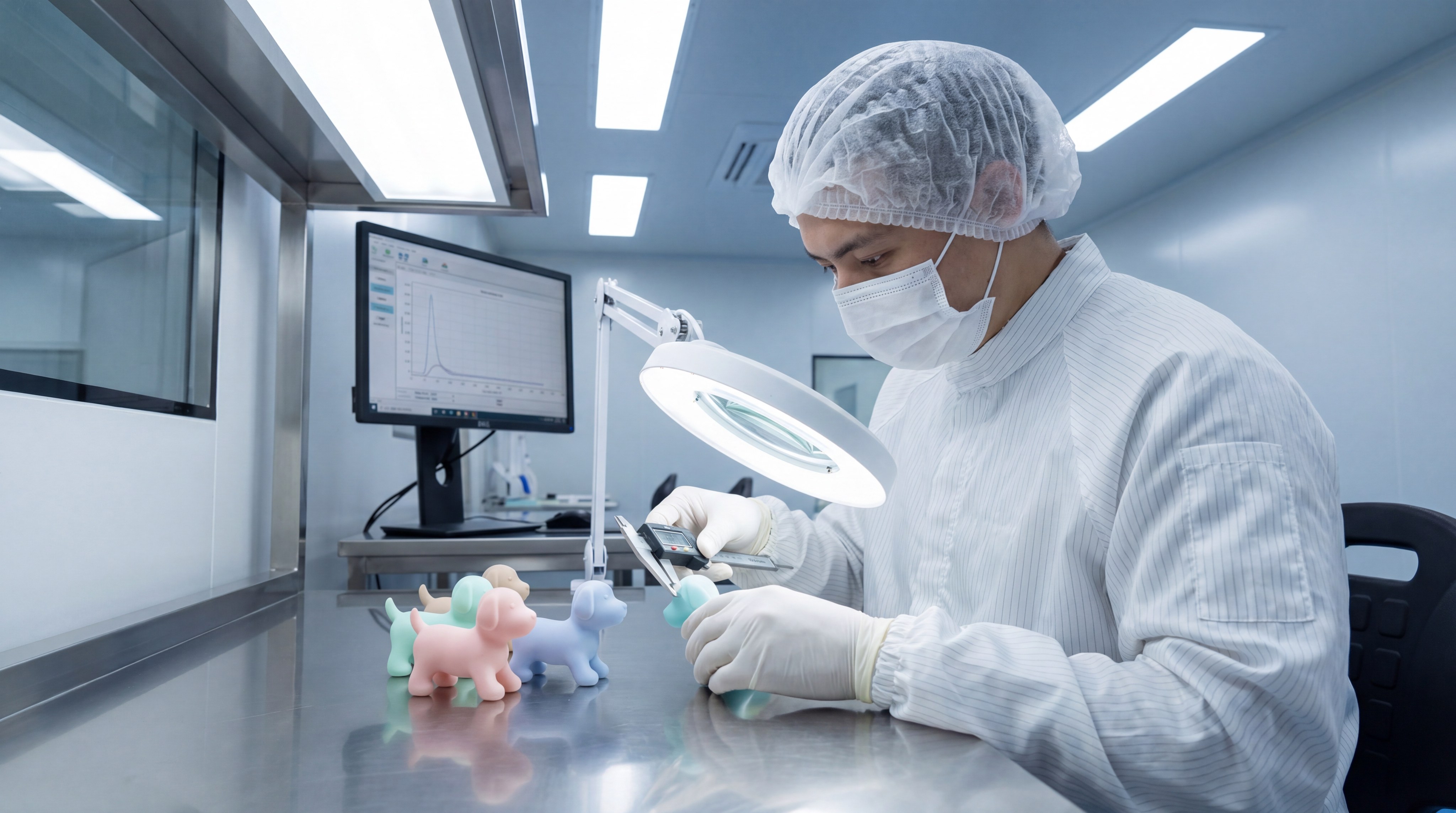
The final cost of a Silicone Pet product is also influenced by the expertise and certifications of the manufacturing facility. Factories that adhere to IATF 16949 and ISO 13485 standards have the systems in place to prevent defects before they happen. This level of institutional knowledge ensures that you receive a product that is not only safe but consistently high in quality across every shipment.
Why is institutional knowledge vital for silicone production?
Make no mistake:
Silicone is a temperamental material that requires precise temperature and pressure control.
- Defect Prevention: Experienced technicians know how to prevent air bubbles and “short shots” in the mold.
- Material Science: Understanding the cross-linking of polymers ensures the product has the correct hardness.
- Quality Audits: Certified facilities undergo regular inspections to maintain their high-performance ratings.
Key Takeaway: Partnering with a manufacturer that holds medical and automotive-grade certifications ensures a level of reliability that cheap factories cannot match.
| Factory Standard | Uncertified Facility | Certified (ISO/IATF) |
|---|---|---|
| Quality Control | Visual inspection only | Data-driven batch testing |
| Reliability | High defect rates | Consistent, high-yield |
| Safety Assurance | Minimal oversight | Rigorous audited standards |
Frequently Asked Questions About Premium Silicone Pet Supplies
Can I microwave silicone pet bowls to warm up food?
Yes, high-quality food-grade silicone is inherently microwave-safe. You must ensure the product is 100% silicone and does not contain metal inserts or low-grade plastic fillers that could melt.
What’s the best way to tell if a silicone bowl is low quality?
Use the “pinch and twist” test. If you pinch the silicone and the folded area turns white, it contains plastic fillers; high-purity silicone will maintain its color perfectly throughout the twist.
Can I use a silicone mat for heavy chewers?
Yes, but you should choose a product with a higher Shore hardness rating. Premium silicone is tear-resistant, but for aggressive chewers, look for one-piece construction to minimize leverage points.
How do I know if the silicone is truly food-grade?
Check for LFGB or FDA certification marks. A concise judgment is that LFGB is the most reliable standard because it uses stricter testing for chemical migration than standard FDA requirements.
What’s the best frequency for cleaning silicone products?
You should clean food-contact items after every use. Because high-quality silicone is dishwasher safe and non-porous, a quick cycle ensures total removal of bacteria and food residue.
Conclusion
The 3× price difference in the silicone market is the direct result of prioritizing safety, engineering, and material integrity over short-term savings. By choosing high-purity materials and advanced manufacturing technologies, you eliminate the risks of bacterial growth and toxic chemical exposure. Investing in a premium product is an investment in the long-term well-being of the companion animals who use them. If you are a brand looking to develop high-standard solutions that stand out in a crowded market, contact us today to begin your journey toward manufacturing excellence. We are committed to setting the highest standards in the industry through precision, transparency, and safety.