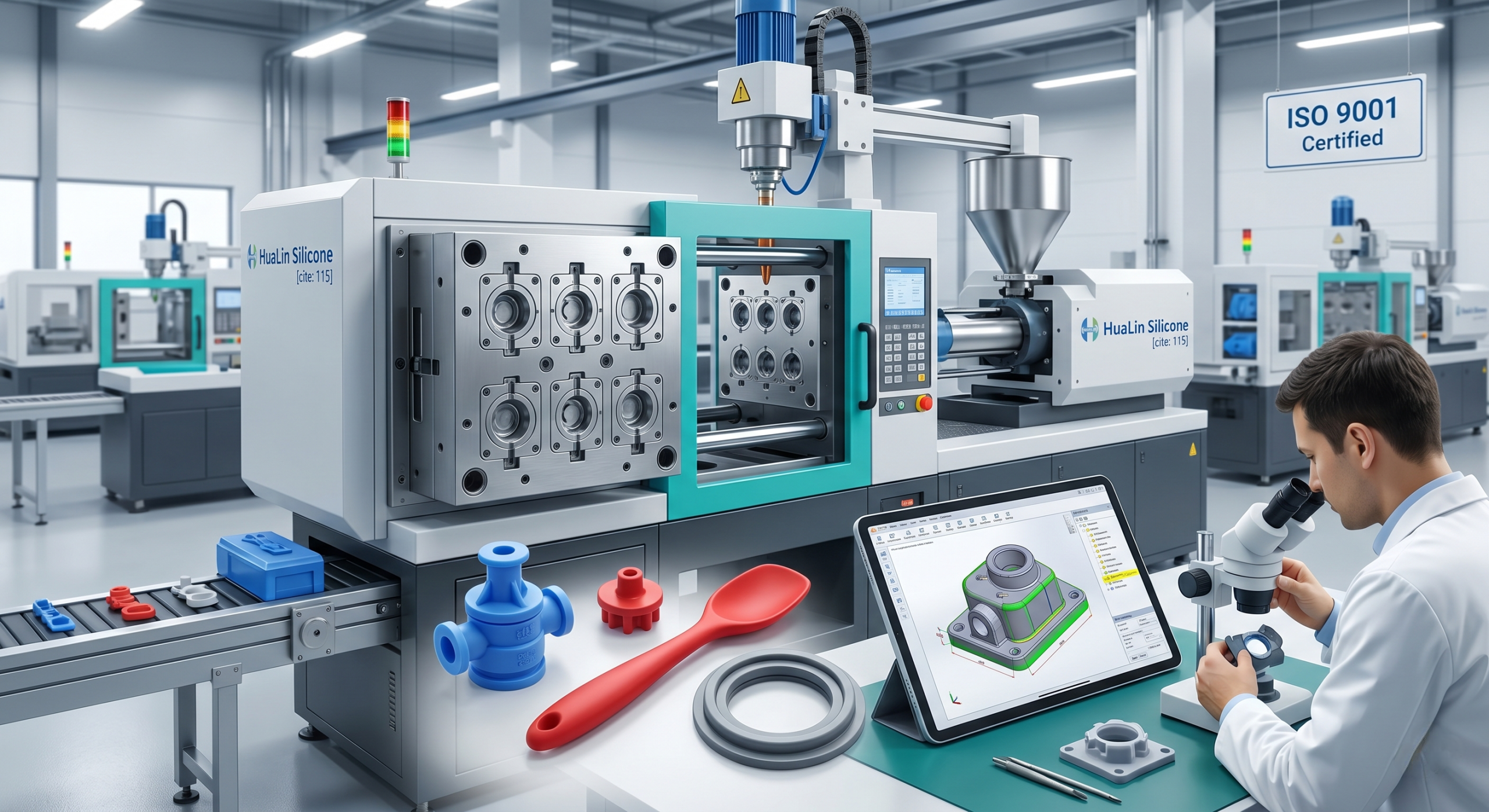
The total cost for custom projects typically ranges from $1,000 for small prototype batches to $50,000+ for high-volume Silicone Product Manufacturing. You likely face the daunting challenge of navigating a landscape where quotes vary by thousands of dollars without clear transparency. This financial uncertainty often leads to significant budget overruns and delayed product launches that erode your competitive advantage. Fortunately, by analyzing mold design, material selection, and production methodologies, you can achieve a high-performance result at the right price point.
What affects Silicone Product Manufacturing costs?
The primary drivers of your total expenditure include design complexity, material grade, and production volume. Understanding these variables allows you to optimize your Silicone Product Manufacturing budget effectively from the start.
How does part complexity change things?
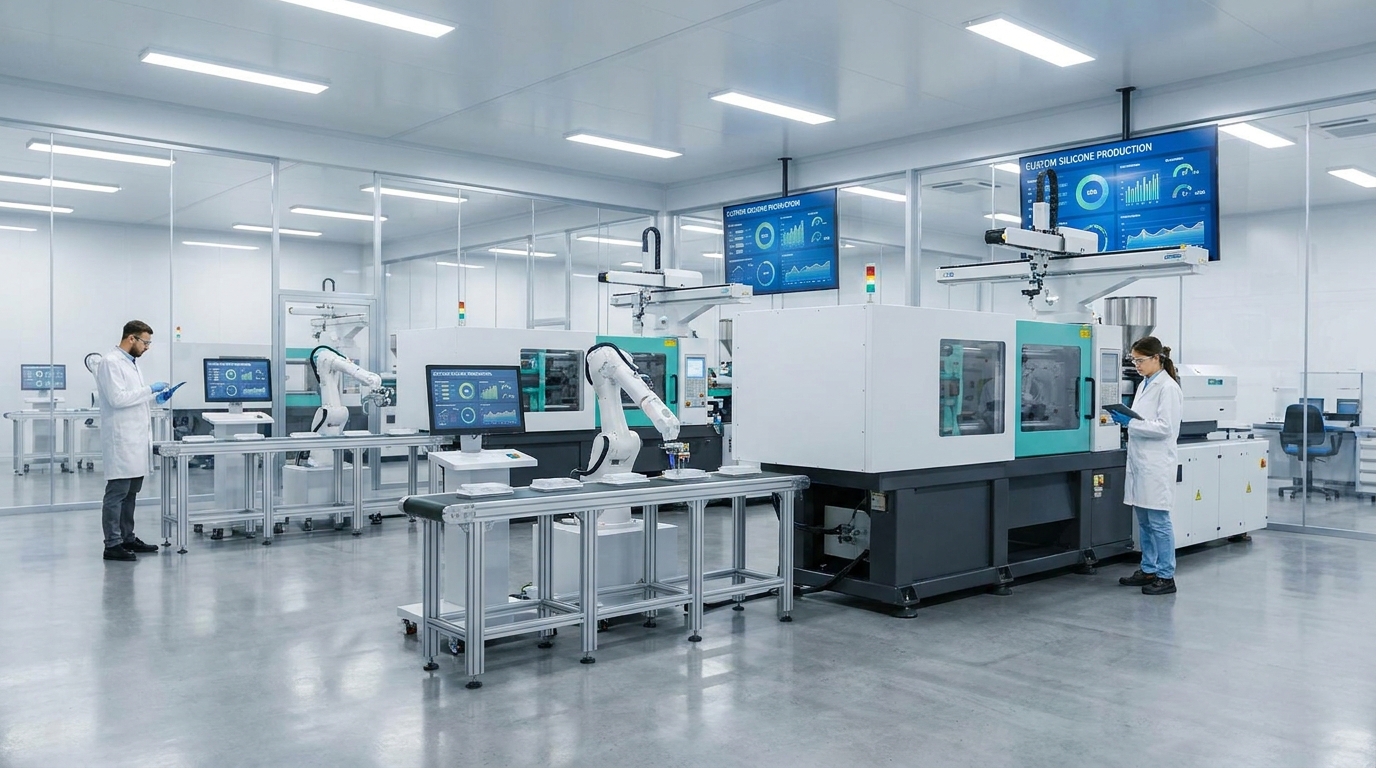
Intricate geometries and extremely tight tolerances necessitate advanced engineering and slower production cycles. You must consider that every undercut or complex feature adds time to both mold cooling and manual de-molding.
The truth is, simplicity is your best friend when trying to keep costs low.
- Reduce the number of undercuts.
- Standardize wall thicknesses.
- Loosen non-critical tolerances.
Key Takeaway: Prioritizing Design for Manufacturing (DFM) principles during the initial phase can prevent unnecessary labor and tooling expenses later in the cycle.
| Factor | Cost Impact | Primary Reason |
|---|---|---|
| Design Complexity | High | Increases tooling time and cycle duration |
| Material Grade | Moderate | Regulatory compliance and specialized additives |
| Lead Time | Variable | Expedited shipping and rush tooling fees |
Evaluating these factors early helps you establish a realistic financial baseline for your procurement team.
How much do custom silicone molds typically cost?
Tooling is the most significant upfront investment you will make, ranging from $500 for prototypes to $25,000 for mass production. This initial outlay in Silicone Product Manufacturing determines your long-term scalability and unit pricing.
Why choose multi-cavity molds?
While single-cavity molds offer a lower entry point, multi-cavity tools dramatically reduce your per-unit cost for mass production. Think about it: producing eight parts in one press cycle is far more efficient than producing just one.
But here is the kicker: you need to align your mold choice with your total projected volume.
- Single-cavity: Best for 100-1,000 units.
- Multi-cavity: Essential for 10,000+ units.
- Steel inserts: Required for high-durability runs.
Key Takeaway: Investing in high-quality multi-cavity steel tooling is the most effective strategy for reducing long-term manufacturing expenses for high-volume orders.
| Mold Type | Price Range | Best Use Case |
|---|---|---|
| Simple Single-Cavity | $500 – $3,000 | Prototyping & Small Batches |
| Complex Multi-Cavity | $5,000 – $25,000+ | Mass Production (10k+ units) |
| High-Precision Steel | $10,000+ | Medical or High-Tolerant Parts |
Selecting the right mold architecture prevents you from overpaying for labor on high-volume product runs.
Why does material grade impact your final price?
Material choice is often the line between a functional success and a regulatory failure in your Silicone Product Manufacturing project. The price gap between general-purpose industrial silicone and specialized medical-grade variants can be quite significant.
Does certification add significant cost?
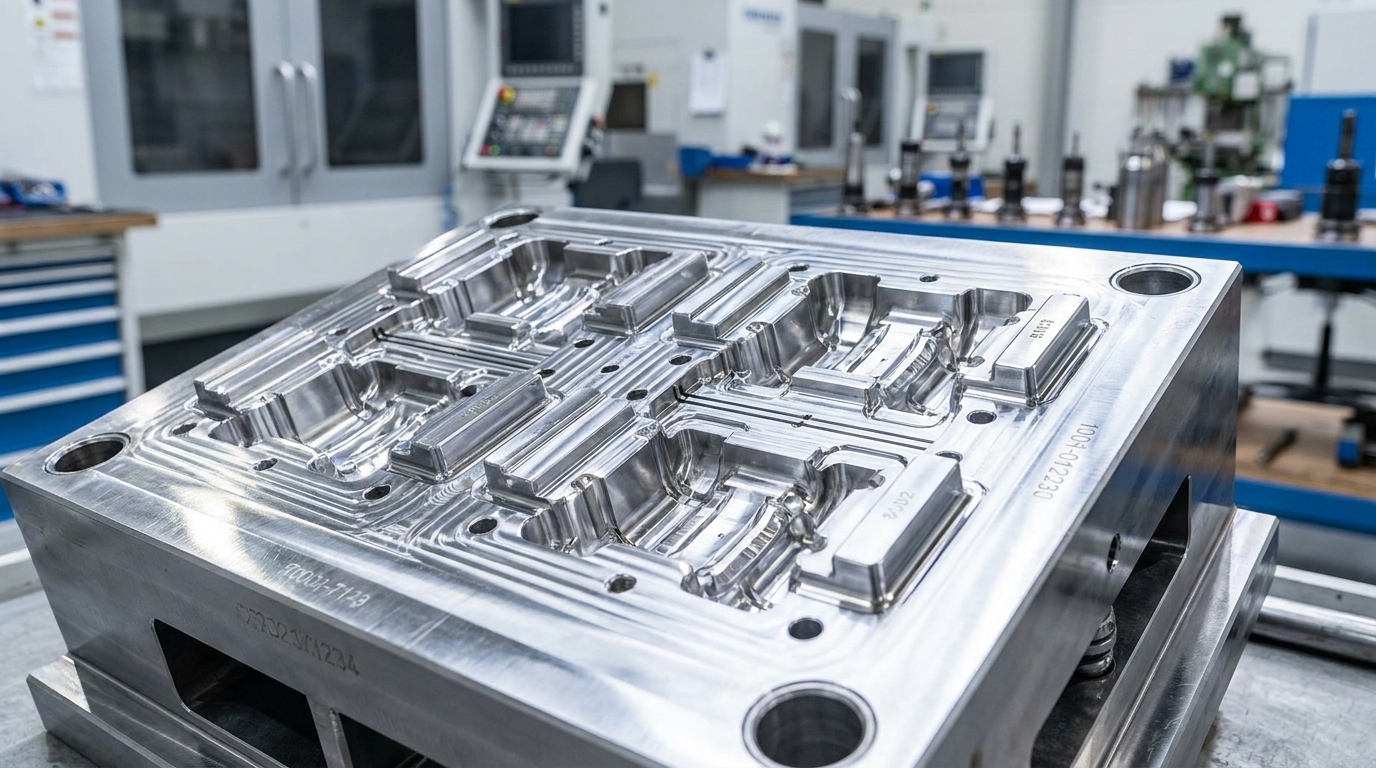
FDA-compliant or medical-grade silicones carry a premium because they require rigorous testing and cleanroom manufacturing environments. You should only specify these high-tier materials if your application truly demands biocompatibility or food safety.
You might be wondering if there is a middle ground.
- General Purpose: Lowest cost for industrial seals.
- Food Grade: Moderate cost for kitchenware.
- Medical Grade: Highest cost for implants or skin-contact.
Key Takeaway: Always match your material specifications to the actual environment of use to avoid over-spending on unnecessary certifications for industrial parts.
| Material Type | Price (per lb) | Common Applications |
|---|---|---|
| General Purpose HCR | $5 – $12 | Gaskets, Seals, Consumer Goods |
| Liquid Silicone (LSR) | $15 – $30 | Medical Devices, Precision Valves |
| Specialty Grade | $25 – $50+ | Biocompatible parts, Food-contact |
Careful resin selection ensures your part performs perfectly without draining your project’s development budget.
How do production volumes lower the unit cost?
Economies of scale are your most powerful tool for cost reduction in the world of Silicone Product Manufacturing. As you increase your order quantity, fixed costs like setup fees are amortized across a larger number of units.
When do you see the biggest price breaks?
Significant price drops typically occur at the 1,000, 5,000, and 10,000-unit thresholds. You will find that the setup time required to heat the press and stabilize the process becomes negligible at high volumes.
Let’s look at the numbers.
- Small batches (100 units): High setup impact.
- Medium batches (5,000 units): Standard market rates.
- Large batches (50,000+ units): Lowest possible unit price.
Key Takeaway: Amortizing your initial tooling and setup costs over larger production runs is the fastest way to achieve a competitive retail price point.
| Order Quantity | Setup Impact | Unit Price Trend |
|---|---|---|
| 10 – 100 units | Extremely High | Very High (Prototyping) |
| 1,000 – 5,000 units | Moderate | Standard Market Rate |
| 50,000+ units | Minimal | Lowest (Mass Production) |
Planning your inventory cycles around these volume breaks allows you to maximize your return on investment.
Which molding process is most cost-effective?
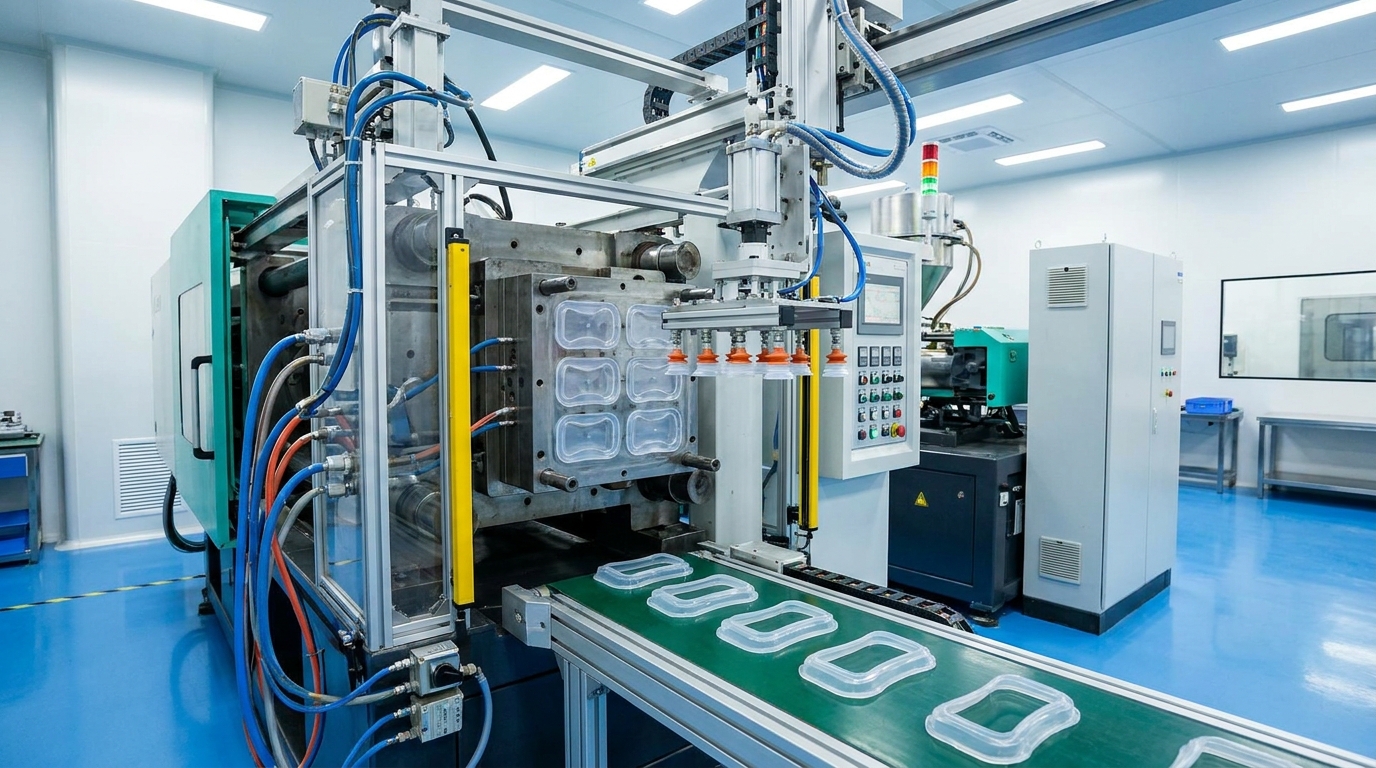
The manufacturing route you choose—Compression or LSR Injection—fundamentally shifts your capital expenditure in Silicone Product Manufacturing. Each process balances upfront tooling costs against long-term labor efficiency differently.
Is LSR injection worth the investment?
Liquid Silicone Rubber (LSR) injection molding is highly automated and offers cycle times as fast as 30 seconds. While the machines and molds are expensive, they provide the lowest per-part cost for high-precision, high-volume projects.
The choice depends on your specific goals.
- Compression Molding: Low tooling cost, high labor.
- LSR Injection: High tooling cost, low labor.
- Transfer Molding: Moderate cost middle ground.
Key Takeaway: Use compression molding to save on upfront costs for simple designs, but transition to LSR injection for high-precision or massive quantities.
| Process | Tooling Cost | Labor Cost | Best For |
|---|---|---|---|
| Compression | Low | High | Simple parts, low volume |
| LSR Injection | High | Low | Complex parts, high volume |
| Transfer | Moderate | Moderate | Overmolding, medium precision |
Matching the process to your volume requirements prevents you from getting stuck with inefficient production methods.
What are the hidden fees in silicone production?
The “sticker price” of a part is rarely your total cost of ownership in Silicone Product Manufacturing. You must account for prototyping, quality control, and international logistics to avoid end-of-project surprises.
How much should you budget for QC?
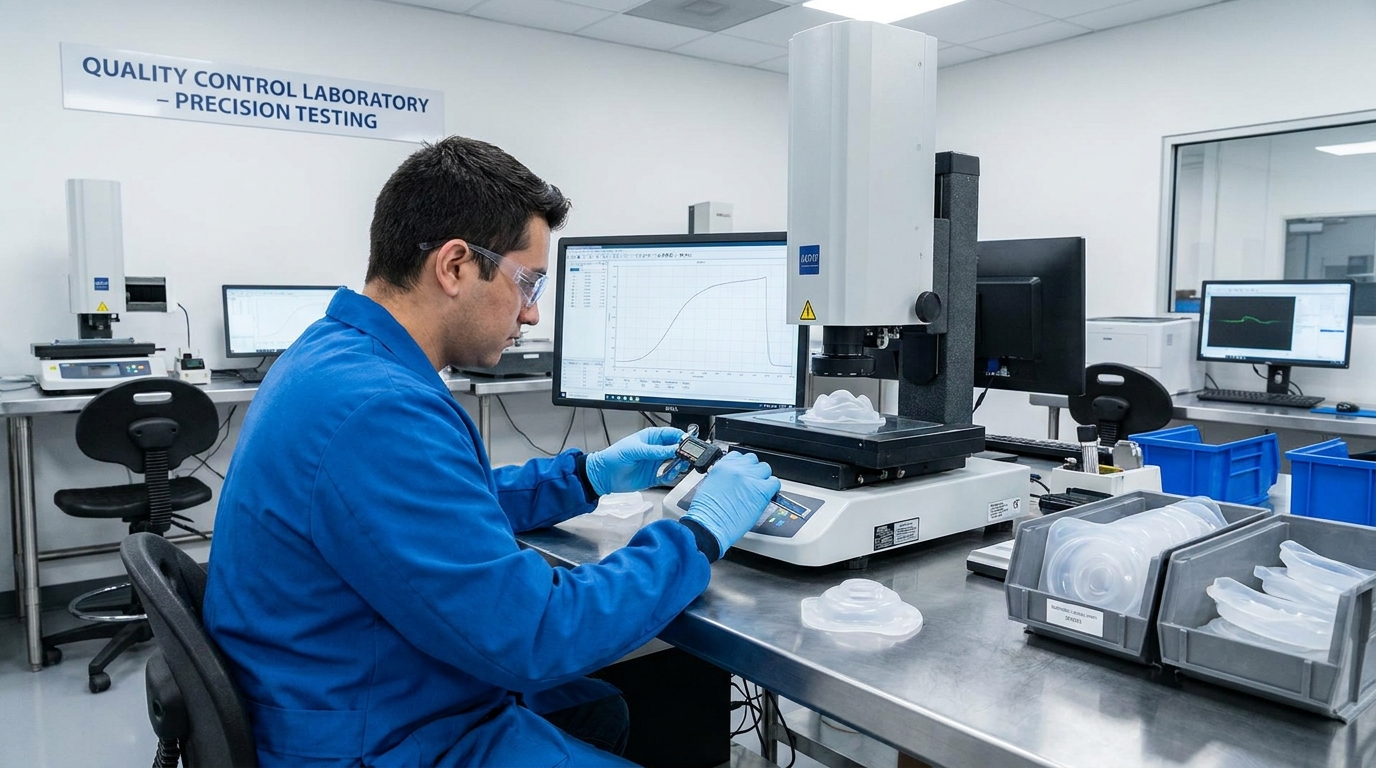
Physical property testing and durability verification can add $0.50 to $1.00 per part. For regulated industries like medical or automotive, third-party certification audits also add to your overhead.
It is better to be safe than sorry.
- Prototyping: $100 to $1,000.
- Quality Testing: $500 to $2,000 per batch.
- Export Tariffs: 5% to 25% of total value.
Key Takeaway: Always request a “landed cost” quote that includes shipping and duties to ensure your budget remains intact through delivery.
| Hidden Factor | Estimated Cost | Frequency |
|---|---|---|
| Design Revisions | $50 – $200/hour | Per change |
| Quality Testing | $500 – $2,000 | Per batch |
| Export Tariffs | 5% – 25% | Per shipment |
Accounting for these peripheral expenses ensures your project remains profitable from the first prototype to the final shipment.
Can design changes reduce your manufacturing spend?
Design for Manufacturing (DFM) is the practice of refining your part to make it easier and cheaper to produce in Silicone Product Manufacturing. Small adjustments can often lead to savings of up to 30% on your total invoice.
Do draft angles really save money?
Designing parts with adequate draft angles allows them to pop out of the mold easily without manual intervention. You will find that parts that stick require manual labor, which slows down the line and increases fees.
Efficiency starts at the drawing board.
- Looser tolerances: Reduces scrap rates.
- Uniform walls: Speeds up cooling time.
- Draft angles: Lowers manual labor costs.
Key Takeaway: Integrating simple design features like draft angles and uniform wall thickness can significantly reduce your per-unit manufacturing costs.
| Design Adjustment | Savings Potential | Reason |
|---|---|---|
| Looser Tolerances | 15% – 20% | Lower scrap and mold cost |
| Uniform Walls | 10% | Faster cycle times |
| Integrated Draft | 5% – 10% | Lower manual labor |
Collaborating with engineering experts before finalizing your design is the best way to identify these hidden savings.
How do you get a precise manufacturing quote?
A vague request for a quote will always result in a vague price for your Silicone Product Manufacturing needs. To receive a competitive and realistic estimate, you must provide the factory with comprehensive technical data.
Why are 3D CAD files essential?
3D files in STEP or IGES format allow engineers to calculate material volume and mold complexity accurately. Without them, manufacturers must add a “buffer price” to cover potential unknown risks in your design.
Precision in communication leads to precision in pricing.
- Provide 3D CAD models.
- Specify annual usage volumes.
- Define material and certification needs.
Key Takeaway: Detailed specifications are the only way to receive a firm quote that will not change once the production project officially begins.
| Requirement | Importance | Impact on Accuracy |
|---|---|---|
| 3D CAD Models | Essential | Eliminates guesswork |
| Quantity/Volume | High | Determines tooling strategy |
| Material Spec | High | Establishes base resin cost |
Submitting a complete RFQ package ensures you get the most accurate pricing from global manufacturing partners.
What post-processing steps add to the budget?
The production cycle is not finished once the press opens; most parts require secondary operations in Silicone Product Manufacturing. These steps add to the total labor time and can increase your final unit price.
Is post-curing always necessary?
Medical and food-grade parts often require post-curing in an oven for several hours to remove volatiles. You should expect this to add energy and labor costs of approximately $0.50 to $2.00 per part.
Think about your branding needs as well.
- Manual trimming: Removes excess flash.
- Post-curing: Essential for safety compliance.
- Pad printing: Adds logos or icons.
Key Takeaway: Evaluating whether secondary operations like branding can be “molded-in” to the design can help you eliminate the cost of secondary printing.
| Operation | Unit Cost | Necessity |
|---|---|---|
| Manual Trimming | $0.10 – $0.50 | High (Standard Molds) |
| Post-Curing | $0.50 – $2.00 | Mandatory for Medical |
| Pad Printing | $0.20 – $0.60 | For Branding/Icons |
Understanding these final steps allows you to accurately calculate the total cost of a shelf-ready product.
How do you choose the right manufacturing partner?
Selecting a partner for Silicone Product Manufacturing involves more than just comparing the lowest unit prices. You must evaluate their engineering support, quality certifications, and ability to scale with your business.
Why does ISO certification matter?
Factories with ISO 9001 or IATF 16949 certifications have repeatable, controlled processes that ensure consistency across batches. You want a partner who catches issues early rather than shipping you a container of defective parts.
Look for these critical expert qualities.
- In-house mold making capabilities.
- 24-hour DFM engineering support.
- Proven global export experience.
Key Takeaway: Choosing a partner with integrated tooling and production services reduces quality drift and simplifies your international supply chain management.
| Partner Attribute | Value to You | Long-term Impact |
|---|---|---|
| ISO Certification | High Reliability | Lower batch rejection rates |
| In-house Tooling | Faster Speed | Quicker design iterations |
| DFM Support | Lower Cost | Optimized part production |
A strong manufacturing partnership transforms your product vision into a stable, cost-effective reality for the global market.
Navigating the complexities of silicone production shouldn’t be a financial gamble. We have solved the problems of inconsistent pricing and quality drift by offering an integrated, engineering-first approach that protects your project from concept to delivery. At HuaLin Silicone, we provide factory-direct custom solutions that ensure your parts are stable, compliant, and cost-effective. Our vision is to empower B2B buyers with precision engineering and stable mass production. To start your journey toward optimized manufacturing, contact us today for a comprehensive DFM review.
FAQ
Can I reduce my mold costs by using a standard mold base?
Yes, because many manufacturers offer universal bases where you only pay for custom inserts, potentially saving you up to 40% on tooling.
How do I know if I should use LSR or HCR material?
LSR is the better choice for high-precision or medical parts because its liquid injection process allows for tighter tolerances and better consistency than thicker HCR rubber.
Can I own the mold once production is finished?
Yes, in most custom manufacturing agreements you own the tool, which ensures you have the flexibility to move your production if your supply chain needs change.
How can I avoid price increases after my first order?
Request a quote with a defined “price validity period” and clear terms regarding how material surcharges are handled to prevent unexpected spikes in your procurement budget.
What is the best way to choose between domestic and overseas manufacturing?
Overseas manufacturing is typically more cost-effective for high-volume runs and complex tooling, while domestic options are better for rapid prototyping where speed outweighs production savings.