
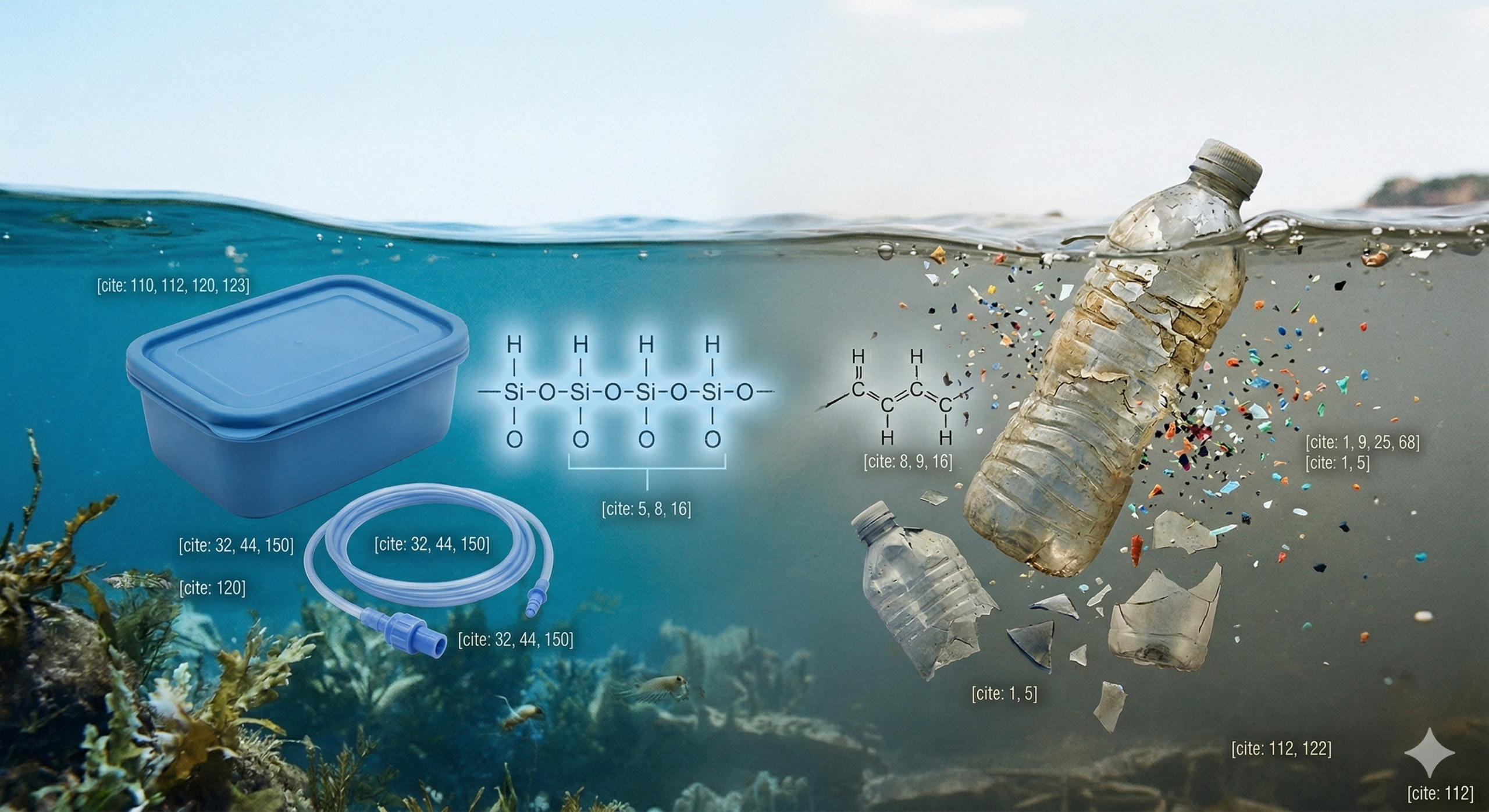

Silicone reduces microplastic proliferation by acting as a durable, non-leaching alternative to traditional petroleum-based plastics that fragment into environmental pollutants over time. Many manufacturers currently face increasing pressure to eliminate hazardous waste and meet stringent environmental regulations. Relying on conventional polymers often leads to the unintended release of microplastics from silicone alternatives, which can compromise both product integrity and ecological safety. By adopting silicone solutions, you can secure a sustainable supply chain and ensure your products do not contribute to the global crisis of persistent plastic particles.
Why is silicone superior to traditional plastics?
Silicone is superior because its inorganic silicon-oxygen backbone prevents it from breaking down into the hazardous microscopic fragments common to carbon-based polymers. This unique chemical structure ensures that the material remains stable even when exposed to harsh environmental stressors that typically cause other plastics to crumble. Using microplastics from silicone as a reference point for material safety highlights how high-performance elastomers can protect your brand’s reputation.
Enhanced Molecular Stability
The strength of the siloxane bond is significantly higher than the carbon-carbon bonds found in standard plastics. This prevents the material from shedding particles during use or disposal.
Think about it:
The stability of your components directly correlates to the long-term safety of the environments where they are deployed. Choosing stable materials is a proactive step toward corporate responsibility.
Exceptional Resistance to Degradation
Unlike thermoplastic alternatives, silicone does not become brittle or oxidize under normal operating conditions. This resistance ensures that the material maintains its flexible properties for decades without losing mass.
The best part?
You can rely on these specific benefits for industrial applications:
- Resistance to UV radiation
- Immunity to ozone attack
- Moisture and chemical repulsion
- Structural integrity under pressure
Key Takeaway: Silicone’s inorganic nature eliminates the shedding of harmful fragments, making it the most reliable choice for a microplastic-free future.
| Feature | Silicone Performance | Impact on Microplastics |
|---|---|---|
| Chemical Backbone | Si-O (Inorganic) | No fragmentation into micro-particles |
| UV Resistance | Very High | Prevents sun-induced brittle fracturing |
| Molecular Bond | Strong Siloxane | Maintains mass over long durations |
The structural superiority of silicone ensures that your products remain intact and environmentally inert throughout their entire lifecycle.
Does silicone shed harmful microparticles over time?
Silicone does not shed harmful microparticles because it is a thermoset elastomer that maintains its physical form without the use of phthalates or other volatile plasticizers. In most industrial scenarios, the concern regarding microplastics from silicone arises only under extreme mechanical grinding, which is not typical for standard application use. This makes it a primary candidate for replacing components that frequently wear down and release dust.
Minimal Surface Wear
The high tear strength and elasticity of silicone components prevent surface erosion during repetitive mechanical motions. This lack of erosion ensures that no secondary particles enter the air or water supply.
Here is the kicker:
Because the material does not flake, it is often utilized in high-friction environments where cleanliness is a priority. Your systems will remain cleaner for longer periods.
Absence of Toxic Leaching
Standard plastics often release additives as they age, which accelerates the breakdown into micro-fragments. Silicone is formulated without these migrating chemicals, ensuring the material stays dense and unified.
Check this out:
- No phthalate migration
- BPA-free composition
- Lead and latex-free
- Non-reactive with organic matter
Key Takeaway: The absence of leachable additives in silicone prevents the structural weakening that typically leads to microplastic shedding.
| Factor | Standard Plastics | Silicone Elastomers |
|---|---|---|
| Additive Leaching | High risk of leaching | Zero to negligible |
| Mechanical Erosion | Breaks into small pieces | Maintains shape and density |
| Particle Shedding | Significant over time | Virtually non-existent |
Eliminating the root causes of material fragmentation allows silicone to serve as a long-term barrier against microscopic environmental contamination.
How does durability affect plastic pollution levels?
High durability directly lowers pollution levels by extending product lifecycles and reducing the frequency of waste generation that leads to environmental fragmentation. When products last longer, fewer replacements are manufactured, and less material enters the waste stream to potentially become microplastics from silicone comparisons. This longevity is a cornerstone of sustainable B2B procurement strategies.
Extended Product Lifecycles
Silicone products often outlast their plastic counterparts by a factor of ten or more in demanding environments. This drastic reduction in turnover means significantly less bulk waste is produced annually.
Believe it or not:
A single silicone seal can replace dozens of lower-quality plastic gaskets over the same service period. This efficiency translates to both cost savings and environmental protection.
Reduction in Cumulative Waste
By investing in durable materials, you contribute to a decrease in the total volume of plastic entering landfills and oceans. Lower waste volumes naturally result in a lower statistical chance of particle dispersion.
Take a look:
- Reduced landfill footprint
- Lower energy consumption for replacements
- Decreased logistics-related waste
- Consistent performance standards
Key Takeaway: Investing in durable silicone components reduces the total mass of waste available to degrade into micro-pollutants.
| Metric | Short-Life Plastic | Durable Silicone |
|---|---|---|
| Replacement Cycle | Frequent (Months) | Infrequent (Years) |
| Waste Contribution | High cumulative volume | Minimal cumulative volume |
| Degradation Rate | Rapid fragmentation | Extremely slow/Stable |
Choosing materials with a longer service life is the most effective way to minimize the volume of polymers that can eventually fragment.
Is silicone safe for medical and healthcare use?
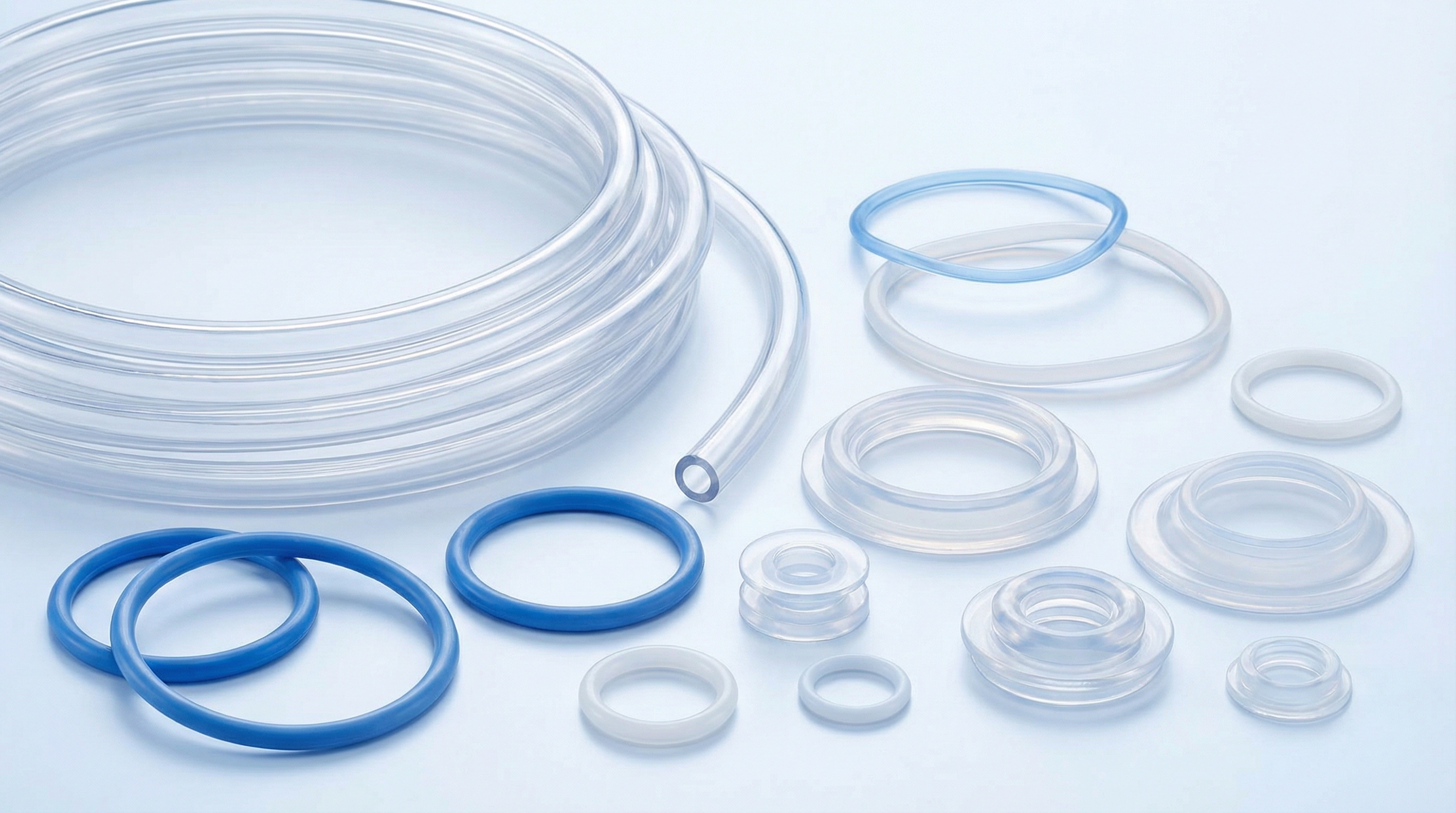
Silicone is exceptionally safe for healthcare applications due to its biocompatibility and lack of leaching harmful chemicals into sensitive biological environments. In the medical field, preventing microplastics from silicone is critical to ensuring patient safety and regulatory compliance. The material’s inert nature makes it the gold standard for devices that come into direct contact with the human body.
Biocompatibility Standards
Medical-grade silicone is tested rigorously to ensure it does not cause adverse reactions or release particles into the bloodstream. This level of purity is unattainable for most standard plastic resins.
Think about it:
In a surgical setting, the integrity of your instruments is non-negotiable. Silicone provides the peace of mind that no microscopic debris will be left behind.
Sterilization Resilience
Unlike many plastics that degrade under the high heat of an autoclave, silicone retains its properties through repeated sterilization cycles. This prevents the material from becoming brittle and shedding particles after multiple uses.
Here is the kicker:
- Autoclave compatible
- Gamma radiation resistant
- ETO gas compatible
- Thermal stability up to 200°C
Key Takeaway: Medical-grade silicone’s ability to withstand sterilization without degrading ensures that healthcare environments remain free from micro-debris.
| Property | Medical Plastic | Medical Silicone |
|---|---|---|
| Biocompatibility | Variable/Low | Exceptionally High |
| Sterilization Limit | 5-10 cycles | Hundreds of cycles |
| Particle Risk | High (after aging) | Minimal to None |
The safety profile of silicone in medical settings proves its ability to function without contributing to the proliferation of microscopic contaminants.
Can silicone replace single-use plastic items?
Silicone can effectively replace single-use plastics by providing reusable alternatives for everything from food storage to industrial gaskets and seals. The shift away from single-use items is essential because these products are the primary source of microplastics from silicone alternative discussions in the consumer sector. By adopting reusable silicone, businesses can drastically cut their plastic footprint.
Reusable Industrial Solutions
In manufacturing, switching from single-use plastic protective caps or spacers to reusable silicone versions reduces operational waste. These components can be cleaned and reused thousands of times without losing their sealing efficacy.
The best part?
You decrease your recurring procurement costs while simultaneously improving your environmental sustainability metrics. It is a rare win-win for both finance and ecology.
Circular Economy Potential
Silicone is a prime candidate for circular business models because its longevity allows for long-term lease or reuse programs. This keeps the material out of the waste stream and within the production cycle.
Consider these options:
- Reusable food-grade containers
- Long-lasting laboratory tubing
- Durable protective packaging
- Multi-use industrial seals
Key Takeaway: Replacing single-use plastics with reusable silicone eliminates the constant influx of disposable polymers into the environment.
| Usage Type | Single-Use Plastic | Reusable Silicone |
|---|---|---|
| Product Lifespan | Minutes to Hours | Years of Service |
| Waste Generation | One unit per use | Zero units per use |
| Sustainability Value | Very Low | Very High |
Transitioning to reusable silicone alternatives is a strategic move that addresses the microplastic problem at its most common source: disposability.
What makes silicone a sustainable industrial choice?
Silicone serves as a sustainable industrial choice because it withstands harsh environments without losing structural integrity or releasing pollutants into the ecosystem. In high-precision manufacturing, the mention of microplastics from silicone emphasizes the need for materials that do not contaminate the production line. This reliability makes it indispensable for industries focused on long-term ecological balance.
Resistance to Harsh Chemicals
Silicone is largely unaffected by a wide range of industrial chemicals, which prevents the chemical erosion that often turns plastics into sludge or dust. This chemical inertness ensures that the material remains solid and contained.
Here is the kicker:
Your machinery will operate more reliably when the seals and tubes are not actively degrading into the system’s fluids. Consistency is the hallmark of silicone performance.
Environmental Inertness
If silicone does eventually enter a landfill, it does not release toxic breakdown products or microplastics like traditional polymers. It remains as a stable solid that does not interact negatively with soil or groundwater.
The benefits include:
- Non-toxic to aquatic life
- No soil acidification
- Minimal carbon footprint
- High recovery potential
Key Takeaway: Industrial sustainability is achieved through silicone’s ability to resist chemical breakdown and maintain its solid state indefinitely.
| Factor | Industrial Plastic | Silicone Grade |
|---|---|---|
| Chemical Stability | Low to Moderate | Exceptionally High |
| Fluid Contamination | High Risk | Zero Risk |
| Environmental Impact | High (Leaching) | Low (Inert) |
The stability of silicone in industrial environments ensures that your operations do not contribute to the invisible spread of micro-particles.
How does silicone perform in extreme temperatures?
Silicone maintains its physical properties in temperatures ranging from -60°C to over 230°C, preventing the brittle fracturing that creates plastic dust. Traditional plastics often crack when frozen or melt when heated, leading to the creation of microplastics from silicone comparisons in thermal resilience. By remaining flexible, silicone avoids the mechanical failure that results in particle shedding.
Low-Temperature Flexibility
Standard polymers often undergo a glass transition at low temperatures, making them highly susceptible to cracking upon impact. Silicone remains elastic, ensuring that cold-weather applications do not lead to micro-fragmentation.
The best part?
Even in arctic conditions or cryogenic storage, your components will retain their seal and structural integrity. This prevents “plastic snow” from forming in cold storage units.
High-Temperature Integrity
Heat is a primary driver of polymer degradation and the subsequent release of micro-debris. Silicone’s thermal stability ensures that it does not oxidize or turn into a friable material under extreme heat.
Note these features:
- Constant flexibility at 200°C
- Resistance to thermal shock
- No melting point (it decomposes slowly)
- Retains tension after heating
Key Takeaway: Temperature resilience prevents the structural cracking and melting that usually leads to the formation of micro-debris in other materials.
| Environment | Standard Plastic | Silicone Elastomer |
|---|---|---|
| Deep Freeze (-40°C) | Brittle/Cracks | Remains Flexible |
| High Heat (150°C+) | Melts/Degrades | Stable/Maintains Form |
| Thermal Cycling | Rapid Fatigue | High Fatigue Resistance |
Silicone’s ability to survive temperature extremes without fracturing is a critical defense against the generation of environmental micro-fragments.
Why should manufacturers choose silicone components?
Manufacturers should choose silicone components to improve product reliability while meeting global environmental standards for reduced microplastic output. In a market where microplastics from silicone alternatives are being scrutinized, utilizing high-purity materials provides a significant competitive advantage. This choice reflects a commitment to quality that transcends simple cost-per-unit metrics.
Compliance with Global Standards
Regulatory bodies are increasingly targeting materials that contribute to micro-pollution in the water supply. Silicone’s clean profile helps manufacturers stay ahead of upcoming environmental bans and taxes.
Think about it:
Future-proofing your product line today means you won’t be scrambling to replace banned materials five years from now. Proactivity is cheaper than reactive compliance.
Superior Operational Efficiency
Silicone components require less maintenance and have a lower failure rate than cheaper plastic alternatives. This efficiency reduces the amount of material that must be discarded and potentially ground into dust.
Consider these advantages:
- Reduced downtime for repairs
- Consistent seal performance
- Lower long-term material costs
- Enhanced consumer trust
Key Takeaway: Choosing silicone is a strategic decision that aligns operational excellence with modern environmental stewardship goals.
| Business Goal | Impact of Plastic | Impact of Silicone |
|---|---|---|
| Regulatory Safety | Increasing Risk | High Compliance |
| Maintenance Costs | High (Frequent Swaps) | Low (Long Service) |
| Brand Perception | Potentially Negative | Highly Positive |
Manufacturers who prioritize silicone components position themselves as leaders in the transition toward a more sustainable and cleaner industrial landscape.
Does silicone help in reducing marine contamination?
Silicone reduces marine contamination by offering a non-toxic alternative that does not break down into the floating micro-debris that plagues our global oceans. Because it is denser than water and highly stable, microplastics from silicone are not a primary contributor to the “plastic soup” found in marine gyres. It effectively sinks and remains inert rather than fragmenting and entering the food chain.
Density and Settling
Unlike many lightweight plastics that float on the surface and degrade via UV exposure, silicone is denser than seawater. This means it settles in the sediment if lost at sea, where it remains as a stable solid.
Check this out:
By staying at the bottom, the material is less likely to be ingested by surface-feeding organisms. It effectively “locks away” the polymer from the active biological cycle.
Non-Bioaccumulative Nature
Even if a silicone fragment were to be ingested, it is chemically inert and does not leach toxins like PCBs or pesticides. It passes through organisms without being absorbed into their fatty tissues.
Key benefits include:
- No estrogenic activity
- Does not attract organic pollutants
- Non-toxic to coral reefs
- No disruption to marine hormones
Key Takeaway: Silicone’s physical density and chemical inertness make it far less damaging to marine ecosystems than traditional floating plastics.
| Marine Impact | Floating Plastics | Sinking Silicone |
|---|---|---|
| Ocean Position | Surface (High UV) | Benthic (Low UV) |
| Ingestion Risk | High for surface feeders | Lower for most species |
| Toxicity | Absorbs/Leaches Toxins | Chemically Inert |
The reduction of marine microplastics is significantly aided by using materials that do not float, fragment, or leach hazardous chemicals into the water.
What is the future of microplastic reduction?
The future of reduction lies in transitioning to stable, high-performance elastomers like silicone that offer a circular economy potential without the downside of persistent micro-pollutants. As global awareness grows, the focus is shifting toward microplastics from silicone and how high-tier manufacturing can lead the way. Innovation in silicone recycling and processing will further cement its role as a key environmental solution.
Advancements in Recycling
New technologies are emerging that allow silicone to be ground down and repurposed into new industrial products or even depolymerized. This closes the loop and prevents any material from entering the environment.
Here is the kicker:
The future is not just about using better materials, but about creating systems that ensure those materials never reach the ocean in the first place. Silicone is the perfect candidate for this transition.
Material Science Innovation
Next-generation silicone formulations are being developed to be even tougher and more specialized for extreme industrial use. This further reduces the volume of material needed to achieve the same performance results.
Take a look:
- Self-healing silicones
- Bio-based silicone precursors
- High-clarity optical silicones
- Conductive silicone interfaces
Key Takeaway: The evolution of silicone technology will play a central role in eliminating the environmental footprint of modern manufacturing.
| Future Trend | Plastic Status | Silicone Status |
|---|---|---|
| Circularity | Difficult/Downcycling | Improving/Depolymerization |
| Regulation | Heavy Restrictions | Favorable Standing |
| Innovation | Maturing/Limited | Rapidly Expanding |
Embracing silicone today ensures that your business is prepared for a future where environmental purity is the most valuable commodity.
Conclusion
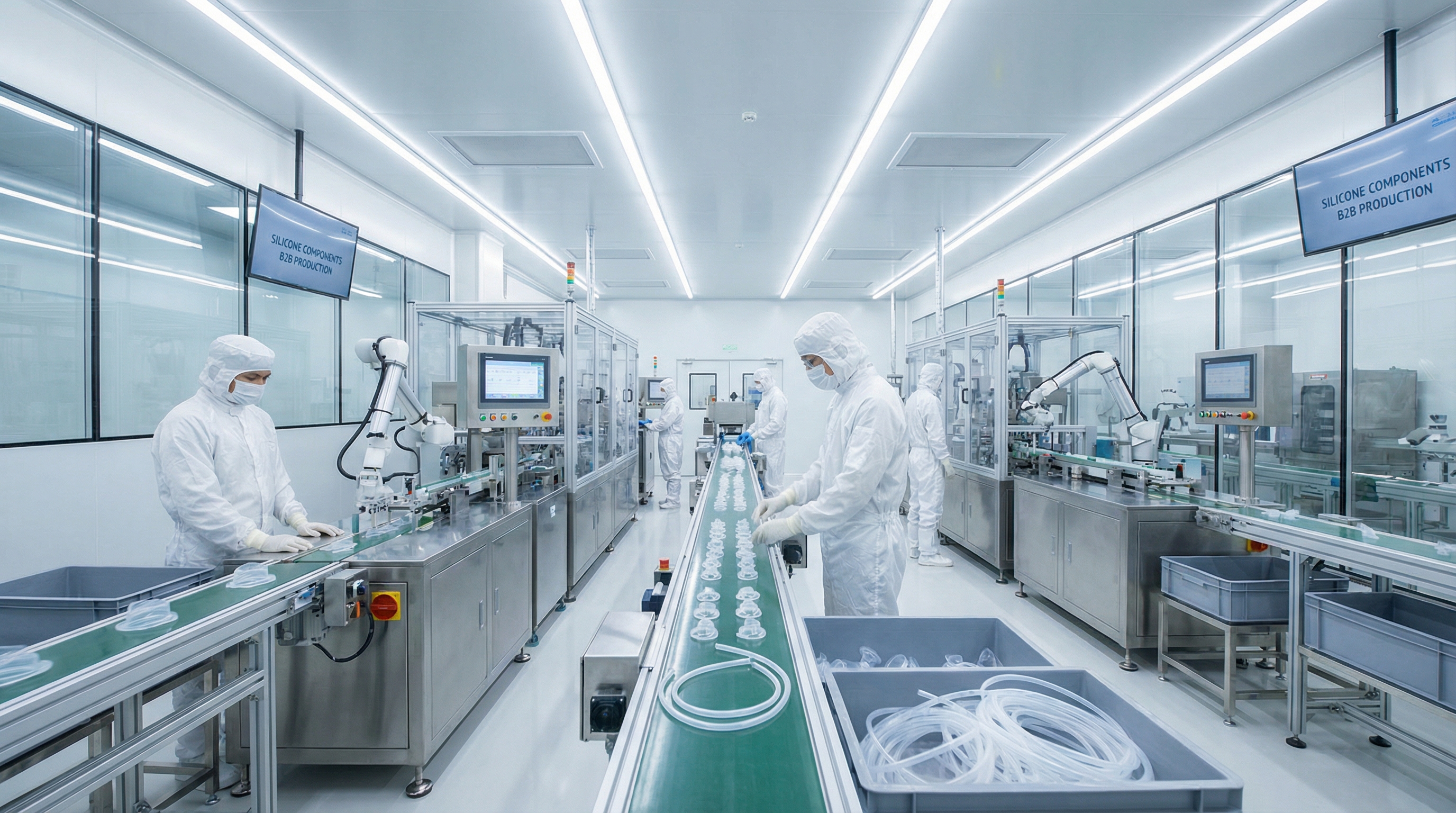
Reducing the proliferation of microplastics is one of the most significant challenges facing modern industry, but it is a challenge that silicone is uniquely equipped to solve. By replacing brittle, short-lived plastics with durable and chemically stable silicone, you can significantly lower your organization’s environmental impact. We specialize in providing high-precision silicone solutions that help manufacturers transition to a cleaner, more sustainable future. Our commitment to material purity ensures that every component we produce supports your ESG goals and protects the planet from microscopic pollution. To learn how we can optimize your supply chain with microplastic-free components, contact us today.
FAQ
Can I recycle silicone components to prevent waste?
Yes, silicone can be recycled by specialized facilities that grind it down for use in playground surfaces or industrial fillers. This ensures the material remains in use rather than entering the waste stream.
What’s the best way to identify high-quality silicone?
Look for certifications such as FDA or LFGB compliance, which ensure the material is free from fillers that could compromise its integrity. High-quality silicone will not turn white when twisted or stretched.
How do I know if silicone is better than TPE for my project?
Evaluate the temperature range of your application, as silicone offers much higher thermal stability than TPE. If your product faces heat over 100°C, silicone is the superior choice to prevent degradation.
Can I use silicone in food-contact applications without worry?
Yes, food-grade silicone is inert and does not leach chemicals or micro-particles into food even when heated. It is widely recognized as one of the safest materials for kitchenware and food processing.
What’s the best strategy for reducing microplastics in a factory?
Replace all single-use plastic protective gear and temporary seals with reusable silicone alternatives. This change provides an immediate reduction in the volume of friable waste generated by your facility.