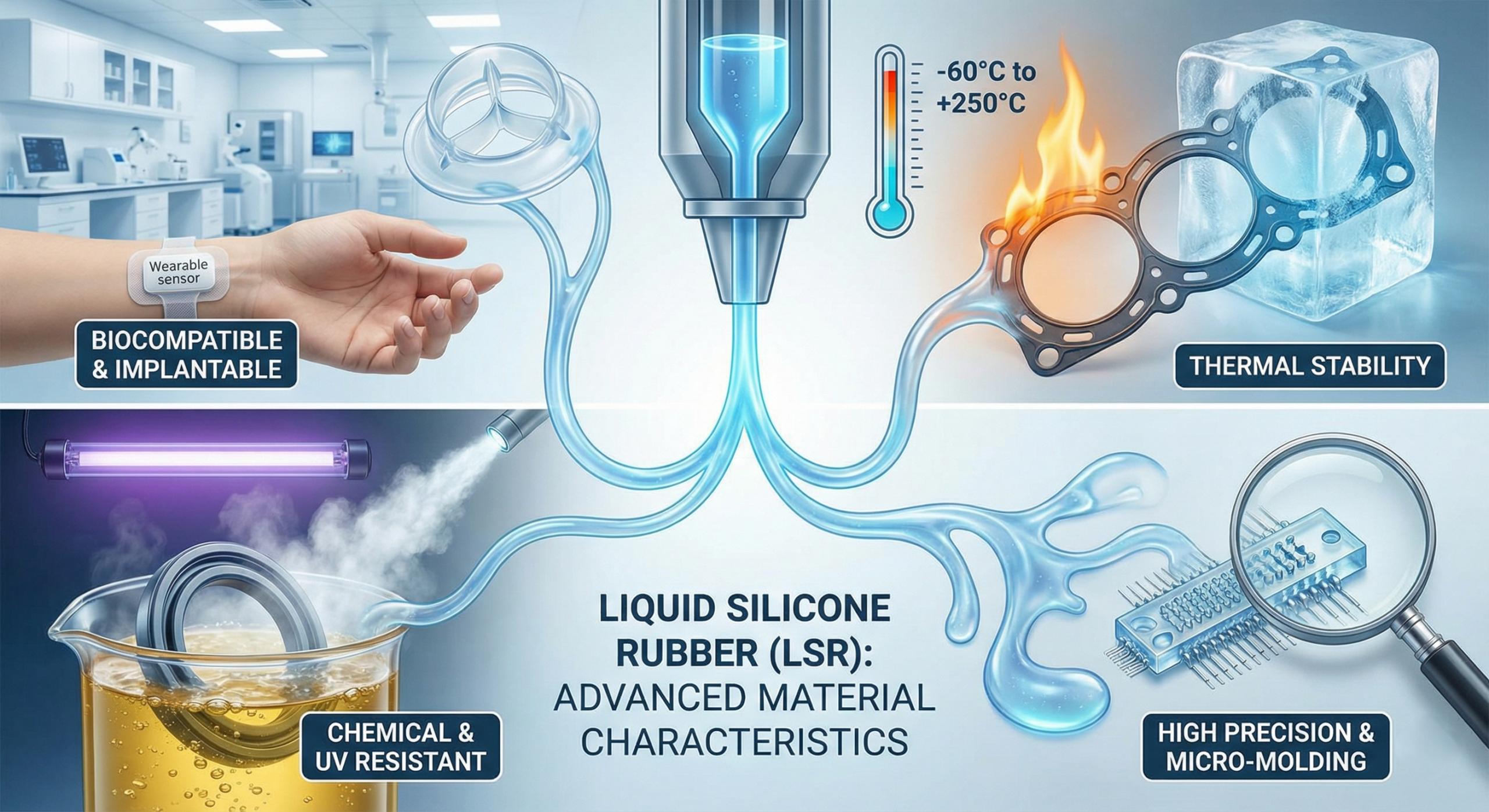
Liquid Silicone Rubber is primarily characterized by its exceptional thermal stability, high-purity composition, and superior biocompatibility compared to traditional elastomers. Many engineers face the frustration of material degradation when their components are exposed to extreme temperatures or harsh physiological environments. This failure leads to costly product recalls and significant safety risks in critical applications. Fortunately, this advanced material provides a reliable solution, maintaining its physical properties and sealing integrity where other polymers fail.
What is the chemical composition of this material?
Liquid Silicone Rubber is a high-purity, two-part platinum-cured elastomer composed primarily of linear silicone polymers and reinforced with specially treated silica. This specific chemical structure allows for a stable backbone that resists oxidation and UV exposure. By utilizing a platinum catalyst, the curing process is cleaner and more efficient than peroxide-based alternatives.
How does the molecular structure benefit you?
The best part? The molecular chain of the material is incredibly flexible, allowing it to remain elastic even at sub-zero temperatures. This backbone ensures that your products do not become brittle or lose their shape over years of service.
- High polymer chain flexibility
- Low surface energy
- Resistance to ozone and weathering
What is the role of the platinum catalyst?
Here is the deal: platinum curing eliminates the production of odorous byproducts, making the material ideal for sensitive environments. This ensures that the final component is as pure as possible for medical or consumer use.
| Component | Function |
|---|---|
| Vinyl-functional Polymer | Provides the structural base |
| Platinum Catalyst | Triggers the cross-linking reaction |
| Reinforcing Silica | Enhances tensile and tear strength |
The addition of silica is what transforms a soft polymer into a durable industrial elastomer.
Key Takeaway: Understanding the chemical purity of the material allows you to design safer products that won’t leach harmful chemicals into their surroundings.
Why is biocompatibility a vital characteristic?
Biocompatibility is a standout feature of Liquid Silicone Rubber because it does not react with human tissue or body fluids. This makes it the gold standard for long-term implants and skin-contact devices. It is naturally hypoallergenic and resistant to the growth of bacteria or fungi.
Is it safe for medical applications?
Think about it: when a material is used inside the human body, any reaction could be catastrophic. This material is rigorously tested to ensure it meets USP Class VI and ISO 10993 standards for safety.
- Non-toxic and non-irritating
- Odorless and tasteless
- Compatible with human blood
How does it handle bacterial growth?
Look: the smooth, non-porous surface of the cured elastomer prevents microbes from finding a foothold. This characteristic simplifies the cleaning process and maintains a sterile environment for the user.
| Safety Feature | Benefit for the User |
|---|---|
| Hypoallergenic | Reduces risk of skin rashes |
| Chemical Inertness | Prevents material breakdown in the body |
| Low Extractables | Ensures no toxins migrate to the patient |
The material’s inert nature ensures that it remains stable even when submerged in biological fluids for extended periods.
Key Takeaway: Choosing a biocompatible material minimizes your liability and ensures patient safety in healthcare settings.
How does temperature resistance benefit your designs?
Liquid Silicone Rubber maintains its mechanical properties and flexibility across a massive temperature range, typically from -60°C to 250°C. This makes it an essential choice for components that must transition between extreme cold and intense heat. Unlike many plastics, it does not melt or become permanently deformed when exposed to high thermal stress.
Can it withstand extreme heat?
Why does this matter? Many automotive or industrial seals must survive proximity to engines or high-voltage electronics without failing. This material retains its seal force and elasticity where traditional rubbers would char or crack.
- Maintains shore hardness at high heat
- Resists thermal oxidation
- Prevents smoke or toxic gas release
Does it stay flexible in the cold?
But wait, there is more: while other elastomers turn brittle in freezing conditions, this material stays pliable. This ensures that seals remain airtight even in aerospace or arctic environments.
| Temperature Limit | Typical Material Behavior |
|---|---|
| Low (-60°C) | Remains flexible and crack-resistant |
| Ambient (25°C) | Optimal elasticity and compression set |
| High (250°C) | Retains shape and sealing pressure |
Thermal stability is the primary reason this elastomer is chosen for components in high-performance engines.
Key Takeaway: Reliable temperature resistance allows your products to perform consistently in any global climate or industrial environment.
Which industries rely on its chemical stability?
Industries ranging from automotive to food processing rely on Liquid Silicone Rubber for its ability to resist various oils, chemicals, and environmental factors. It is particularly effective against moisture and steam, making it ideal for sterilization processes. However, it remains unaffected by most common acids and bases used in industrial cleaning.
Is it resistant to industrial oils?
In short: while not suitable for permanent immersion in fuel, the material handles splashes of oils and coolants exceptionally well. This makes it a primary candidate for gaskets and connectors in complex machinery.
- Resistance to brake fluid
- Stability in high-humidity zones
- Protection against UV radiation
How does it perform in food environments?
The best part? Its chemical stability ensures that it does not impart any flavor or odor to food or beverages passing through it. This leads to cleaner production lines and better compliance with food safety regulations.
| Environmental Factor | Resistance Level |
|---|---|
| Ultraviolet (UV) | Excellent; no yellowing |
| Ozone | Superior; no surface cracking |
| Steam/Moisture | High; resists hydrolysis |
The chemical inertness of the material provides a long service life even in outdoor or humid environments.
Key Takeaway: High chemical stability reduces the frequency of part replacements, lowering your overall maintenance costs.
What makes its mechanical durability so unique?
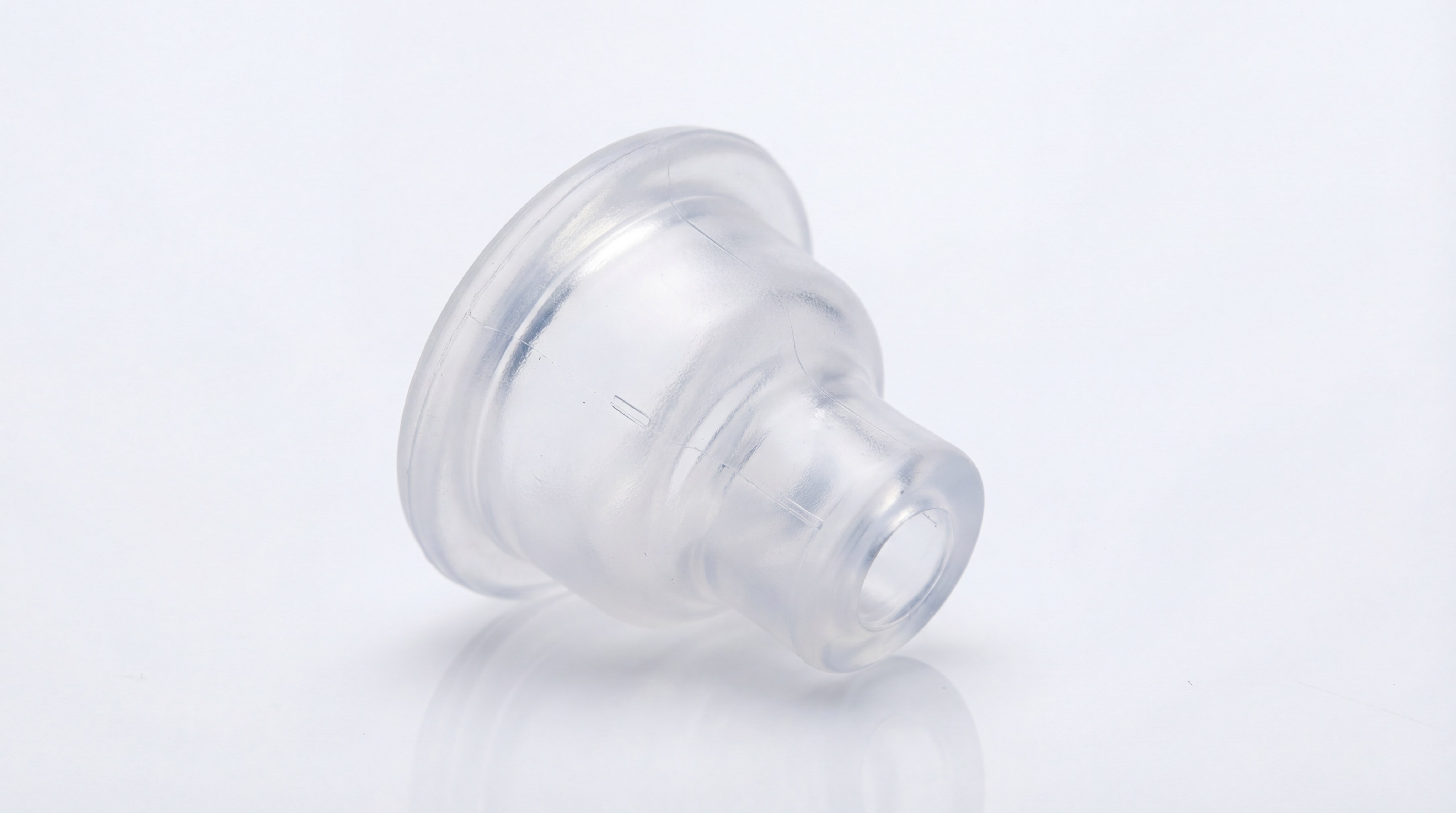
The mechanical durability of Liquid Silicone Rubber is defined by its high tensile strength and incredible elongation capabilities. It can be stretched to several times its original length without breaking, and it returns to its original shape instantly. This “memory” is crucial for dynamic seals that undergo constant compression and release.
Does it have high tear strength?
Bottom line: even when a part is notched or punctured, the material resists the propagation of tears. This durability ensures that medical tubes or industrial valves do not fail unexpectedly during operation.
- Elongation up to 600%
- Tensile strength exceeding 10 MPa
- Excellent fatigue resistance
How is the compression set?
It gets better: the material has a very low compression set, meaning it won’t stay “flat” after being squeezed for long periods. This ensures a permanent, leak-proof seal for the entire lifespan of your product.
| Mechanical Property | Performance Value |
|---|---|
| Shore A Hardness | 10 to 80 durometer |
| Tensile Strength | High |
| Tear Resistance | High |
High mechanical strength allows for thinner wall designs in complex parts without sacrificing integrity.
Key Takeaway: Investing in high-durability materials ensures your components can handle the physical rigors of daily use without mechanical failure.
Is Liquid Silicone Rubber easy to sterilize?
Yes, Liquid Silicone Rubber is exceptionally easy to sterilize using all standard medical methods, including autoclaving, gamma radiation, and ethylene oxide (EtO). Its physical properties do not degrade even after multiple sterilization cycles. This repeatability is essential for reusable medical instruments and food-grade equipment.
Can you use an autoclave?
Listen to this: the material can withstand the high-pressure steam of an autoclave repeatedly without becoming tacky or losing its hardness. This is a critical requirement for any instrument used in a surgical setting.
- Compatible with 134°C steam
- Resists gamma-ray yellowing
- Stable under E-beam sterilization
Does radiation affect the material?
Look: while some plastics become brittle when exposed to gamma radiation, this elastomer maintains its flexibility. This allows you to ship pre-sterilized products that remain safe for the end-user.
| Sterilization Method | Material Impact |
|---|---|
| Steam Autoclave | No change in properties |
| Gamma Radiation | Minimal impact on color/flex |
| Ethylene Oxide (EtO) | Fully compatible |
The ability to survive harsh cleaning protocols makes it the most versatile material for the healthcare sector.
Key Takeaway: Easy sterilization allows you to create reusable products that meet the highest hygiene standards across multiple industries.
How does viscosity impact the molding process?
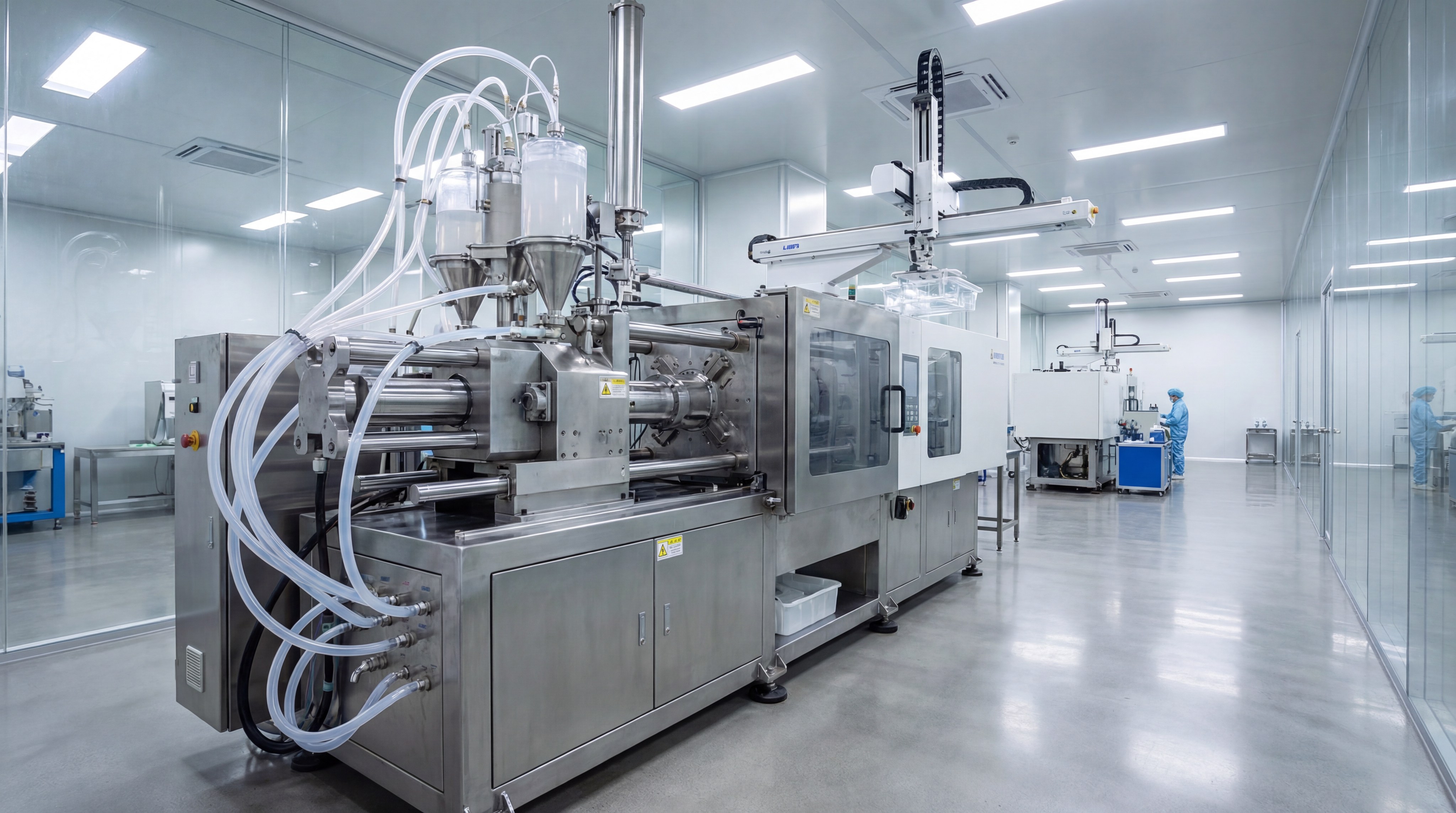
The low viscosity of Liquid Silicone Rubber allows it to be pumped easily into intricate mold cavities at high speeds. This characteristic is what enables the high-precision injection molding of parts with complex geometries. Because it flows like a thick liquid rather than a solid gum, it can fill very thin sections that other rubbers cannot reach.
Why is flash-less molding possible?
The best part? The material’s flow characteristics allow for extremely tight tolerances and the elimination of “flash” or excess material. This reduces the need for manual trimming and lowers your production costs.
- Fast cycle times
- High cavity counts
- Minimal material waste
Does it support complex geometries?
Why does this matter? You can design parts with undercuts, micro-features, and thin walls that would be impossible with traditional compression molding. This opens up new possibilities for product innovation and miniaturization.
| Process Variable | Advantage for Production |
|---|---|
| Low Injection Pressure | Protects delicate mold inserts |
| Rapid Curing | Increases daily output |
| Metered Mixing | Ensures consistent part quality |
Low viscosity facilitates the creation of complex overmolded parts where the rubber is bonded directly to plastic or metal.
Key Takeaway: High flowability translates to faster production and more intricate designs, giving your brand a competitive edge in the market.
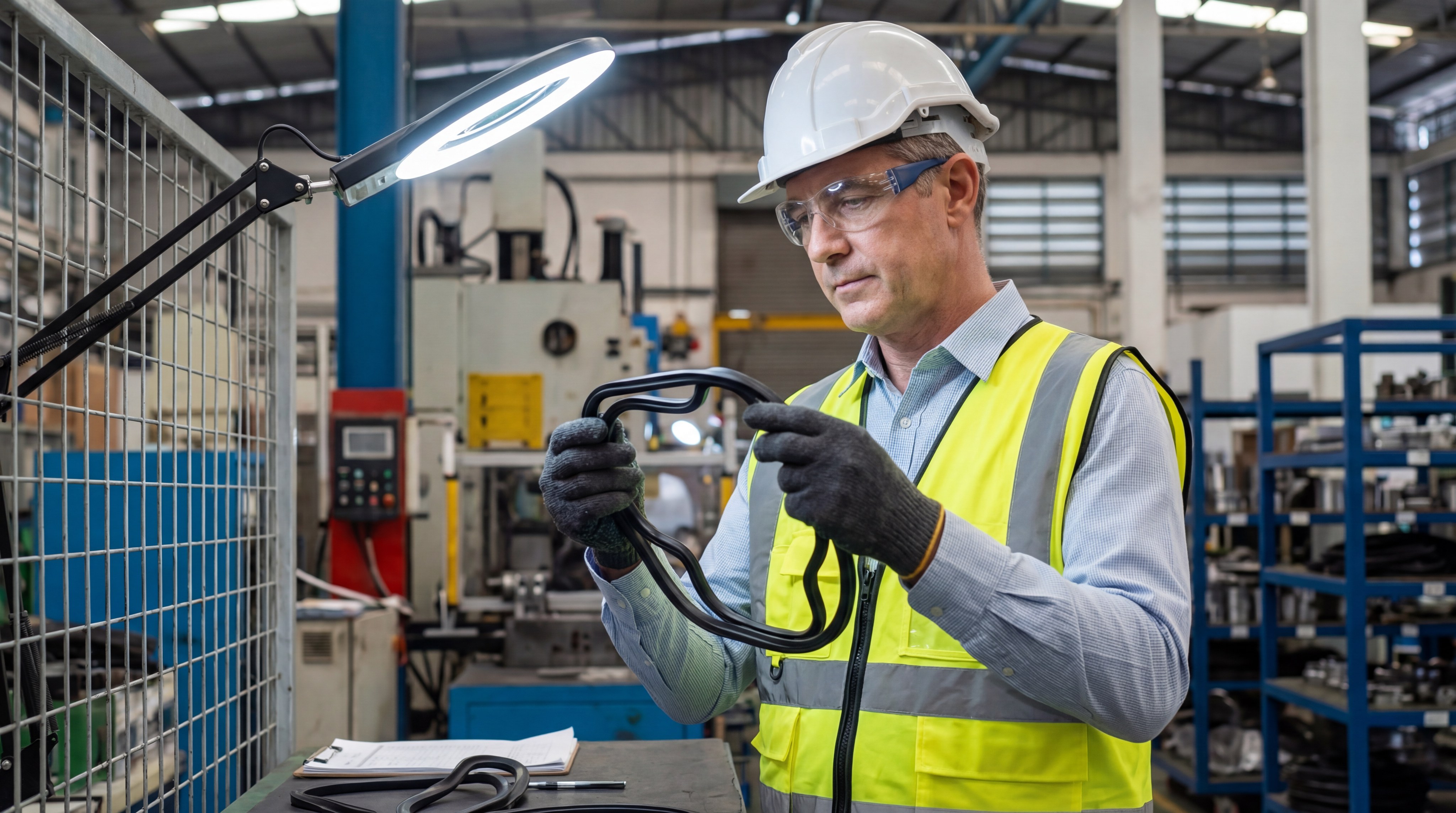
What certifications verify these material traits?
Standard Liquid Silicone Rubber grades are supported by global certifications such as FDA, LFGB, and various ISO standards. These third-party validations prove that the material meets the strict safety requirements for food contact and medical use. When sourcing your materials, these certifications serve as your guarantee of quality and compliance.
Is it FDA compliant?
Think about it: FDA compliance isn’t just a label; it’s a rigorous standard that ensures the material won’t contaminate food or drugs. Using certified materials simplifies your own regulatory approval process.
- FDA 21 CFR 177.2600
- LFGB (European Food Safety)
- USP Class VI (Medical)
What about ISO standards?
In short: ISO 10993 testing verifies that the material is non-cytotoxic and safe for human contact. These certifications are the foundation of trust between manufacturers and the end-consumer.
| Certification | Industry Focus |
|---|---|
| FDA/LFGB | Food and Beverage |
| USP Class VI | Healthcare/Medical |
| REACH/RoHS | Environmental Safety |
Certification ensures that every batch of material you receive meets the same high performance and safety benchmarks.
Key Takeaway: Utilizing certified materials reduces your regulatory burden and builds immediate trust with your B2B clients.
Can you achieve high precision with this rubber?
Yes, you can achieve incredibly high precision with this material due to its predictable shrinkage and excellent mold replication. In a controlled injection molding environment, tolerances can be held much tighter than with traditional rubber processing. This level of accuracy is required for electronic connectors and micro-fluidic medical components.
Are the dimensions stable?
Look: the material undergoes a very consistent chemical reaction during curing, leading to highly repeatable part dimensions. This means the first part off the line is identical to the millionth part.
- Tolerance down to +/- 0.05mm
- Excellent detail reproduction
- No thermal warping
Does it support overmolding?
The best part? You can mold this rubber directly onto other substrates, creating a chemical bond that is stronger than the material itself. This precision assembly eliminates the need for adhesives and reduces failure points.
| Precision Metric | Performance Level |
|---|---|
| Surface Finish | High (Mirror Polish) |
| Dimensional Consistency | Superior |
| Bonding Strength | Permanent (Overmolding) |
High precision reduces assembly errors and ensures that your components fit perfectly every time.
Key Takeaway: Precision manufacturing minimizes waste and ensures that your complex assemblies function exactly as intended.
Why choose this for long-term implantable parts?
Liquid Silicone Rubber is the preferred choice for long-term implants because of its bio-stability and resistance to physiological degradation. It does not harden or lose its elasticity when placed inside the human body for years. Furthermore, it is incredibly soft and flexible, mimicking the feel of natural human tissue.
Does it degrade in the body?
Why does this matter? Some materials break down and release harmful particles into the bloodstream over time. This material remains chemically intact, providing a safe and durable solution for patients.
- Resistant to enzymatic breakdown
- Maintains electrical insulation
- Soft touch for patient comfort
Can it be used in wearable tech?
But wait, there is more: its hypoallergenic properties make it perfect for wearables that must be worn 24/7 without causing skin irritation. It manages moisture well and feels comfortable against the skin.
| Application Type | Critical Requirement |
|---|---|
| Long-term Implant | Chronic bio-stability |
| Wearable Sensor | Skin-friendly/Breathable |
| Surgical Tool | Ergonomic grip/Sterile |
The unique combination of softness and strength makes it indispensable for modern medical device innovation.
Key Takeaway: Selecting a material with proven long-term performance ensures the longevity of your medical devices and the well-being of the patient.
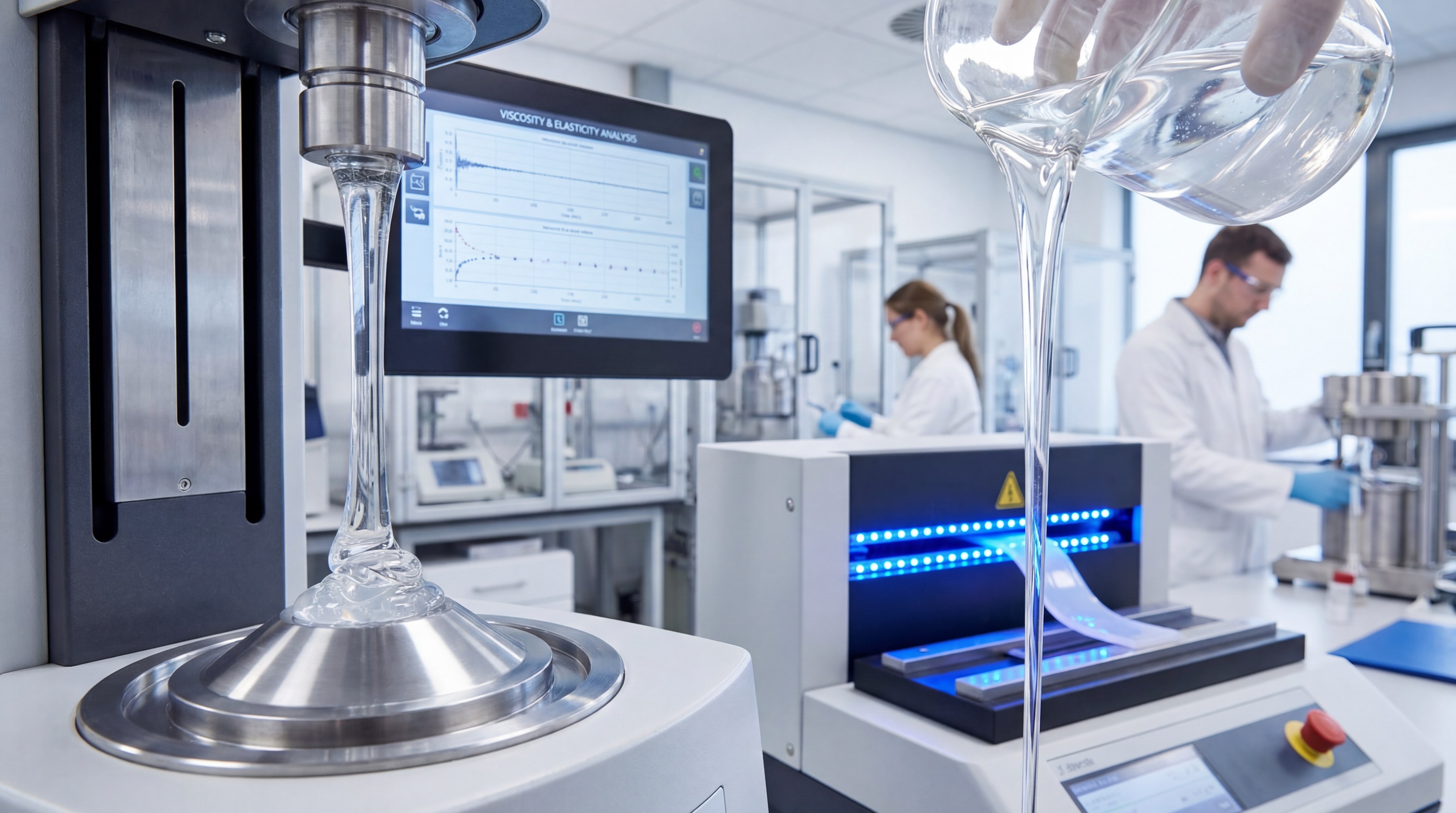
We understand that choosing the right material is the foundation of any successful engineering project, especially when safety and durability are on the line. At Hualin Silicone, we specialize in solving your most complex material challenges through precision LSR manufacturing and custom formulation. Whether you are struggling with component failure under heat or navigating strict medical regulations, our team is ready to guide you from prototype to mass production. Our vision is to lead the industry toward a safer, more efficient future through silicone innovation. To see how we can transform your product designs and improve your manufacturing outcomes, contact us today to discuss your specific requirements.
FAQ
Can I use this material for food contact products?
Yes, you can. Most grades are FDA and LFGB compliant, ensuring they do not transfer odors or toxins to food items.
How do I choose between different hardness levels?
You should evaluate the required flexibility and seal pressure of your specific application. Lower durometers are softer for gaskets, while higher durometers provide more structural support.
Can I bond this material to metal parts?
Yes, it is possible through the overmolding process. Special primers or self-bonding LSR grades are used to create a permanent chemical bond between the rubber and the metal substrate.
Is this material resistant to UV light?
Yes, it is naturally UV resistant. The silicone backbone is unaffected by sunlight, preventing the material from yellowing or becoming brittle outdoors.
How long does the molding process take?
The process is very fast, often taking less than 60 seconds per cycle. This speed is due to the rapid heat-activated curing chemistry of the platinum catalyst.