
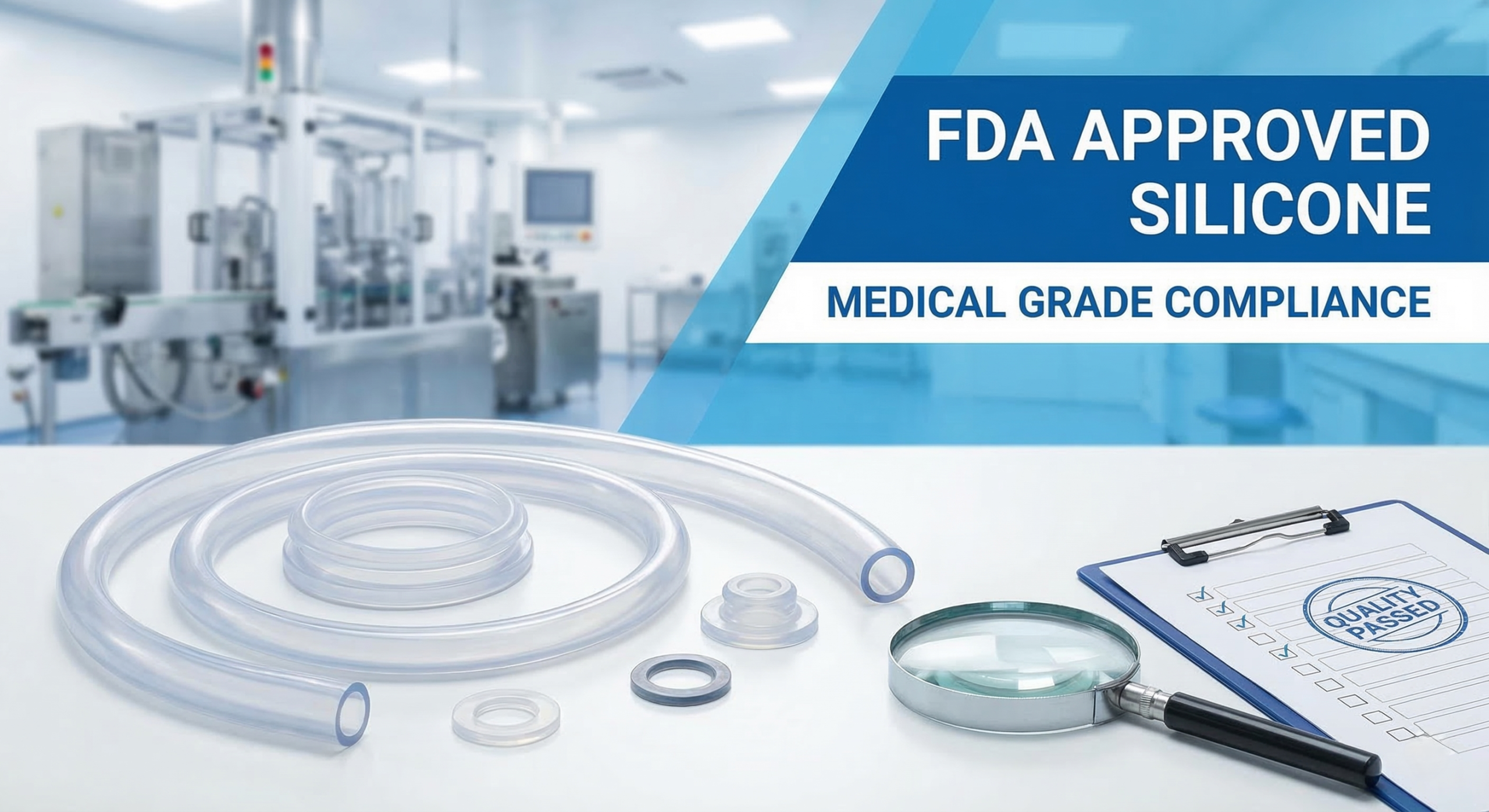
The short answer is no; the FDA does not “approve” raw medical-grade silicone material itself, but rather regulates the finished medical devices made from silicone that meet specific safety and biocompatibility standards. Sourcing compliant materials for medical devices is a regulatory minefield for many B2B procurement managers. One mistake in material selection can lead to rejected 510(k) submissions, costly product recalls, or patient safety risks. Understanding What is FDA approved silicone and how is it tested? allows you to select the right grade from the start and ensures your project meets global regulatory requirements.
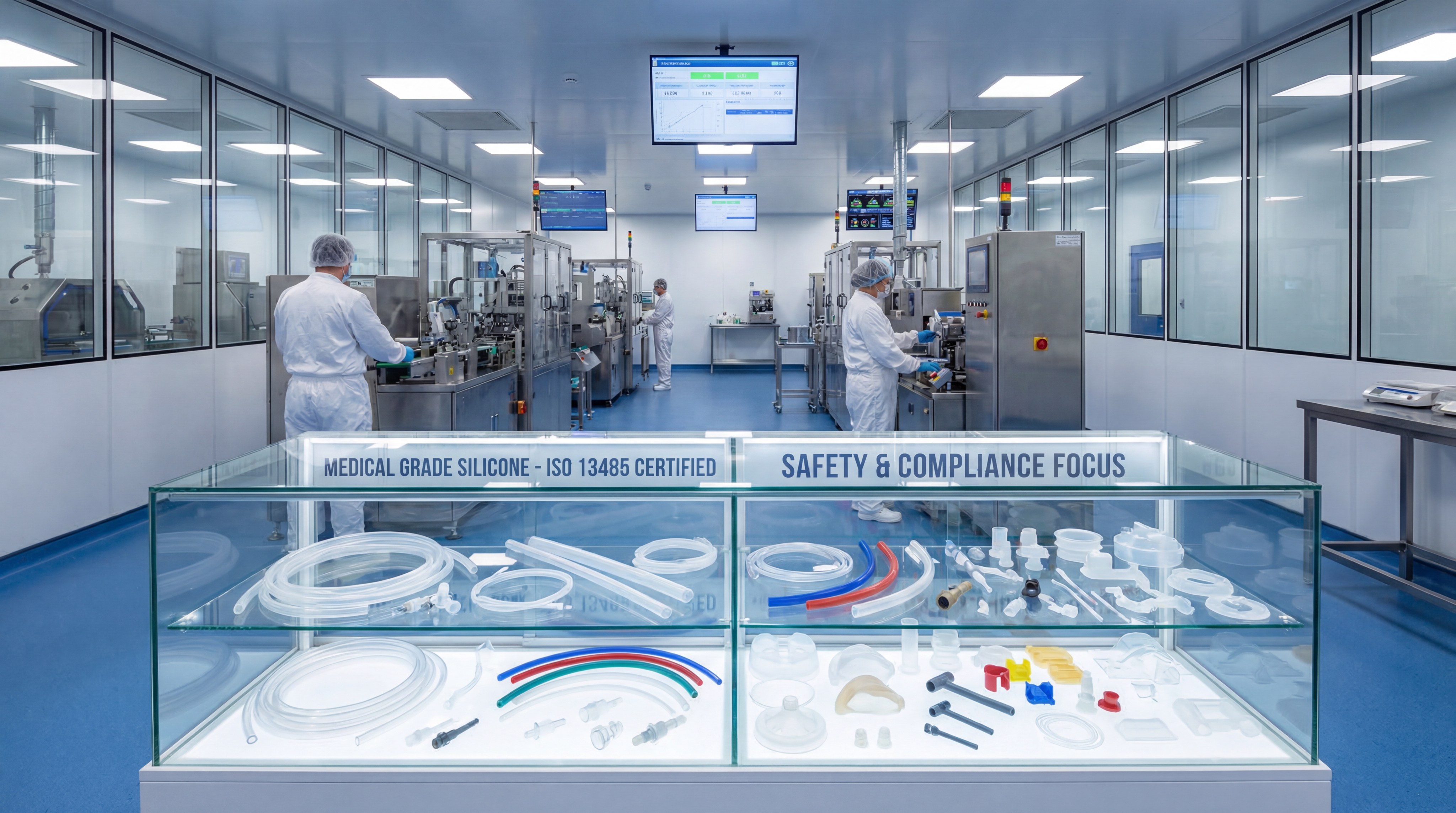
What is medical-grade silicone?
Medical-grade silicone is a high-purity, bio-inert elastomer specifically refined to eliminate the impurities and fillers found in industrial-grade versions. Before you select a material, you must determine: What is FDA approved silicone and how is it tested? This material is engineered to be non-toxic and non-reactive when in contact with human tissue or fluids.
Key properties of high-purity medical silicone
Here is the kicker: medical silicone retains its physical properties under extreme physiological conditions. You will find that it offers:
- Excellent biocompatibility and hypoallergenic properties.
- High tear strength and flexibility for dynamic applications.
- Resistance to microbial growth and moisture absorption.
Differences between industrial and medical grades
Think about it: using the wrong grade could compromise your entire medical device line. Industrial silicone often contains additives that can leach into sensitive environments.
- Medical grades undergo strict purification to remove volatile organic compounds.
- You get consistent performance without the risk of chemical reactions.
Is medical silicone biocompatible?
The short answer is yes, provided it passes ISO 10993 testing. This ensures the material does not induce a toxic, inflammatory, or immune response.
Summary: Industrial vs. Medical Silicone Comparison
| Feature | Industrial Grade | Medical Grade |
|---|---|---|
| Purity Level | Moderate (may contain fillers) | Ultra-high (refined) |
| Biocompatibility | Not guaranteed | Tested (ISO 10993/USP VI) |
| Common Testing | Basic physical properties | Cytotoxicity and sensitization |
The table above illustrates the strict divergence in purity standards that you must consider during the procurement phase.
Key Takeaway: Medical-grade silicone is a bio-inert, non-toxic elastomer refined to eliminate the impurities found in industrial versions.
What does “FDA approved” mean for silicone?
Strictly speaking, “FDA approved” refers to the final medical device, while the silicone material itself is typically “FDA compliant” with 21 CFR 177.2600. It is critical to define What is FDA approved silicone and how is it tested? to avoid legal pitfalls in device manufacturing. Compliance ensures the material is safe for repeated use in contact with food or medical environments.
Understanding 21 CFR 177.2600 standards
This regulation specifies the rubber articles intended for repeated use. You must verify that your supplier follows these guidelines regarding extractable limits.
- It governs the ingredients allowed in the silicone formulation.
- It sets limits on the substances that can leach out during use.
The difference between approved and compliant
Make no mistake: the FDA does not issue a “seal of approval” for raw raw material batches. You are responsible for ensuring the final assembly meets the FDA’s performance and safety criteria.
Critical biocompatibility testing requirements
Here’s the deal: compliance is just the baseline for your regulatory strategy.
- You often need USP Class VI certification for tissue contact.
- Testing includes systemic toxicity and intracutaneous reactivity.
Summary: FDA-Approved vs. FDA-Compliant Definitions
| Term | Applies To | Meaning |
|---|---|---|
| FDA Approved | Finished Medical Devices | Formally reviewed and cleared for market. |
| FDA Compliant | Raw Silicone Materials | Meets safety standards for ingredients. |
| FDA Registered | Manufacturing Facilities | Factory is listed in the FDA database. |
This distinction is vital for your documentation to ensure you are not making false claims in your regulatory filings.
Key Takeaway: The FDA regulates “food-contact” and “medical” silicone under specific CFR codes, focusing on extractables and safety rather than a blanket approval of the material.
Does all medical silicone require FDA approval?
No, the level of regulatory scrutiny depends entirely on the FDA classification of the final device (Class I, II, or III). Understanding What is FDA approved silicone and how is it tested? is the first step in determining your device’s classification and required testing depth. Lower-risk devices often only require material compliance rather than a full Premarket Approval (PMA).
FDA classification of medical devices
You need to identify where your product fits in the risk hierarchy. Class I devices are low risk, while Class III are high-risk life-sustaining systems.
- Class I: Bandages or simple mother & baby care tools.
- Class II: Catheters and specialized diagnostic components.
When is USP Class VI certification necessary?
It’s a game-changer: USP Class VI is the gold standard for medical plastics and rubbers.
- Required for components with direct patient contact.
- Involves rigorous in vivo testing for biological reactivity.
The role of 510(k) and PMA submissions
You should know that the silicone’s data sheet supports these critical filings.
- 510(k) is for devices substantially equivalent to existing ones.
- PMA is for high-risk innovations requiring clinical data.
Summary: Device Classifications and Silicone Requirements
| Device Class | Risk Level | Regulatory Requirement |
|---|---|---|
| Class I | Low | General Controls & Material Compliance |
| Class II | Moderate | 510(k) Clearance & Performance Testing |
| Class III | High | Premarket Approval (PMA) & Clinical Data |
Matching your material selection to the device class prevents over-engineering costs while maintaining legal safety standards.
Key Takeaway: Higher-risk devices (Class III) require full FDA approval, while lower-risk parts only need to prove material compliance with established safety standards.
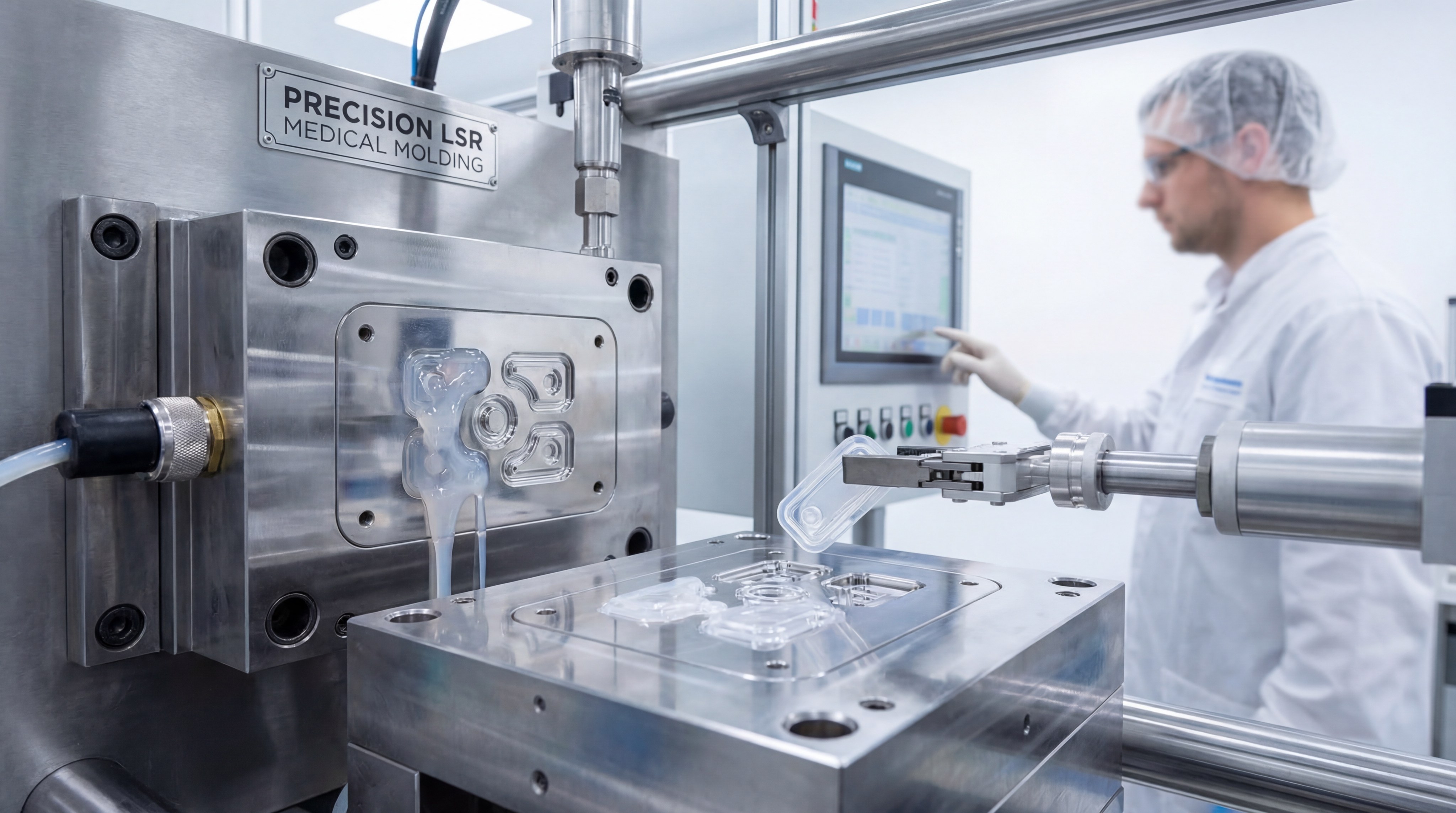
What are the common uses for FDA-compliant silicone?
Common uses include medical tubing, surgical gaskets, and long-term implants due to the material’s inert nature. When designing new equipment, your engineers must verify: What is FDA approved silicone and how is it tested? for their specific application. This ensures the component performs reliably without compromising patient health.
Medical tubing for IV and drug delivery
Here is the kicker: silicone is preferred because it doesn’t react with the drugs passing through it. You can rely on its clarity and kink-resistance in critical care environments.
- Compatible with various fluids and pharmaceutical compounds.
- Remains flexible and easy to handle for medical staff.
High-precision gaskets and seals for diagnostics
Think about it: even a minor seal failure can ruin a million-dollar diagnostic machine.
- Provides airtight seals in autoclaves and laboratory equipment.
- Resists chemicals used in testing and cleaning protocols.
Long-term implants and prosthetic components
The truth is: silicone’s softness and durability mimic human tissue better than almost any other material.
- Used in everything from heart valves to orthopedic supports.
- Ensures comfort and longevity for the end-user.
Summary: Applications and Required Compliance Grades
| Application | Common Part | Compliance Standard |
|---|---|---|
| Fluid Transfer | IV Tubing | 21 CFR 177.2600 / USP VI |
| Equipment Sealing | O-Rings & Gaskets | FDA Food Grade / Medical Grade |
| Patient Contact | Prosthetics | ISO 10993 Biocompatible |
As shown, the application dictates the specific testing protocol you must request from your silicone manufacturer.
Key Takeaway: From simple seals to complex implants, FDA-compliant silicone is the industry standard for durability and patient safety.
Why choose FDA-compliant silicone over other grades?
You should choose FDA-compliant silicone to reduce long-term liability risks and ensure chemical stability in sensitive applications. Beyond safety, knowing What is FDA approved silicone and how is it tested? helps manufacturers protect their brand reputation from failures. Using verified pet products or medical components ensures you aren’t introducing toxins into the user’s environment.
Reducing regulatory and liability risks
Here is the deal: using non-compliant materials is a recipe for legal disaster.
- Protects your company from massive product recall expenses.
- Simplifies the audit process with third-party certification.
Ensuring chemical stability and patient safety
Think about it: you want a material that stays the same regardless of what it touches.
- Prevents the degradation of the silicone over time.
- Ensures the device remains effective throughout its shelf life.
Preventing leaching in sensitive applications
The kicker is: industrial grades can “bleed” oils or plasticizers that cause allergic reactions.
- High-purity silicone is inherently hypoallergenic.
- It maintains the integrity of delicate pharmaceutical formulations.
Summary: Risk Analysis: Compliant vs. Unverified Silicone
| Risk Factor | FDA-Compliant Silicone | Unverified Alternatives |
|---|---|---|
| Regulatory Audit | High pass rate | Likely failure |
| Patient Safety | Proven bio-inert | Potential toxicity |
| Long-term Cost | Predictable | High (due to recalls) |
Choosing the right material from the start is an investment in your company’s long-term stability and product success.
Key Takeaway: Using verified materials prevents costly product recalls and ensures the device performs reliably under physiological conditions.
What to look for in FDA-approved silicone products?
You must look for third-party certifications (USP Class VI) and verify the curing method (platinum vs. peroxide). Evaluating a supplier requires asking: What is FDA approved silicone and how is it tested? to ensure material integrity. This verification process ensures that the parts you receive match the high-quality samples initially provided.
Verifying third-party certifications
Here is the kicker: don’t just take the supplier’s word for it; ask for the paperwork.
- Request recent Material Data Sheets (MDS).
- Verify ISO 13485 or ISO 9001 factory certifications.
Platinum-cured vs. peroxide-cured silicone
The truth is: platinum-cured silicone is the gold standard for medical use.
- It produces no acid byproducts during the curing process.
- You get better clarity and fewer extractables in the final part.
Precision fabrication and tolerance standards
Think about it: a perfectly compliant material is useless if the part doesn’t fit.
- Look for Liquid Silicone Rubber (LSR) molding for complex geometries.
- Ensure the factory can maintain tight tolerances for medical seals.
Summary: Checklist for Selecting Silicone Suppliers
| Checklist Item | Requirement | Why It Matters |
|---|---|---|
| Certification | USP Class VI / ISO 10993 | Validates biocompatibility. |
| Cure Type | Platinum-Cured | Ensures zero toxic byproducts. |
| Facility | Cleanroom Manufacturing | Prevents environmental contamination. |
Following this checklist will help you filter out substandard vendors and find a partner who understands medical requirements.
Key Takeaway: Platinum-cured silicone is generally preferred for medical use due to its higher purity and lack of peroxide byproducts.
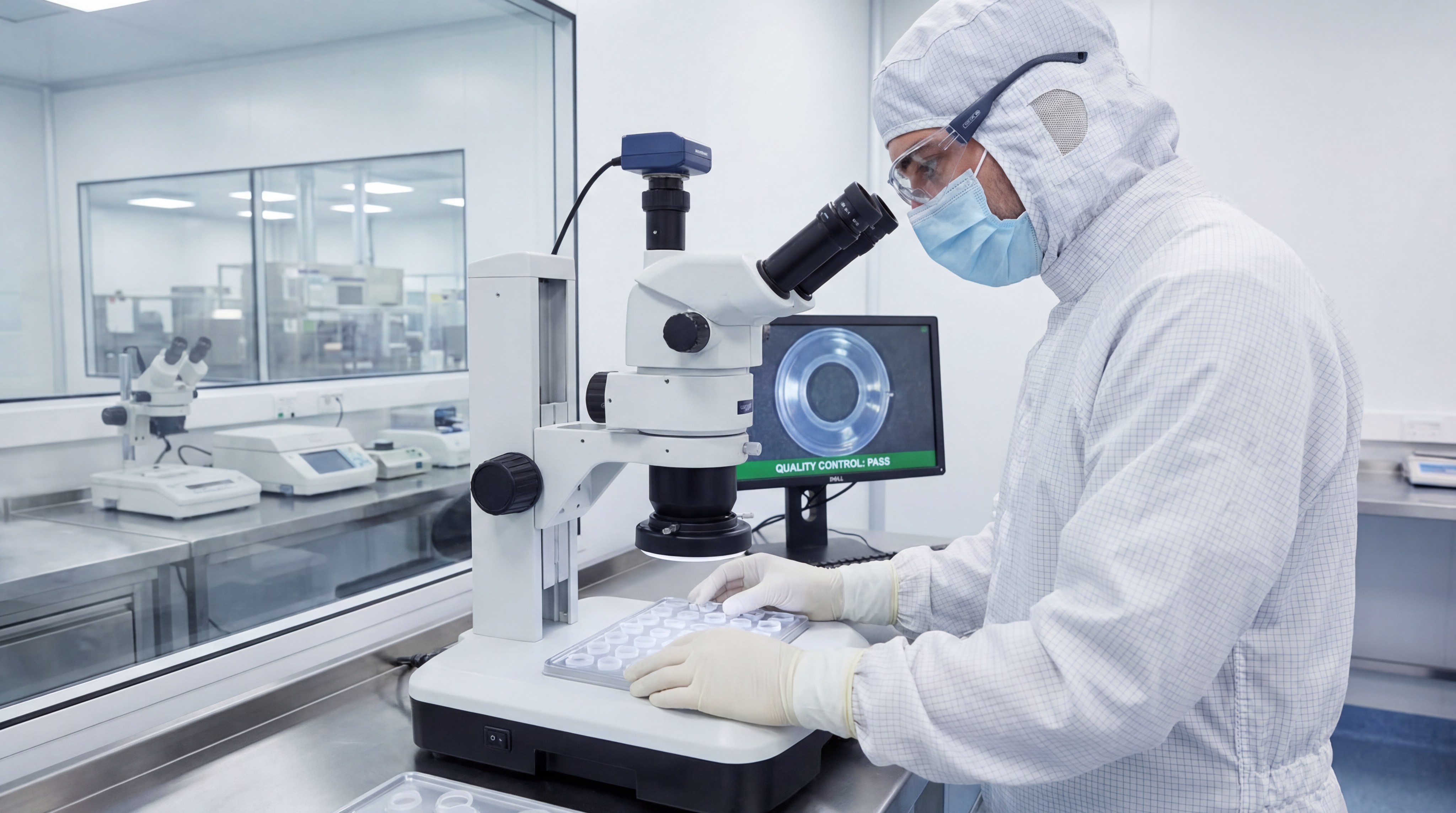
Why choose HuaLin for medical silicone components?
HuaLin provides ISO 13485 certified manufacturing and in-house mold making to ensure full traceability of your medical parts. At HuaLin Silicone, we help clients determine What is FDA approved silicone and how is it tested? for their custom LSR projects. Our integrated approach reduces the risk of quality drift that occurs when using multiple vendors.
ISO 9001 and ISO 13485 manufacturing standards
Here is the deal: our quality management systems are designed specifically for high-stakes industries.
- Full batch traceability from raw material to finished part.
- Rigorous in-process quality control (IPQC) protocols.
Custom LSR and compression molding capabilities
Think about it: you need a partner who can handle both prototypes and mass production.
- Liquid Silicone Rubber (LSR) for high-precision, automated molding.
- Compression molding for cost-effective, larger-scale components.
In-house mold making for faster iterations
Here is the kicker: we reduce your time-to-market by handling tooling under the same roof.
- Faster DFM (Design for Manufacturing) feedback cycles.
- Lower tooling costs and tighter control over mold precision.
Summary: HuaLin’s Medical Production Capabilities
| Capability | Specification | Benefit to You |
|---|---|---|
| Certifications | ISO 13485 / ISO 9001 | Compliance assurance. |
| Molding Tech | LSR & Compression | Versatile design options. |
| Tooling | In-house CNC/EDM | Faster development speed. |
Our capability matrix demonstrates our commitment to being a one-stop-shop for your most demanding silicone requirements.
Key Takeaway: Our integrated manufacturing process ensures traceability and quality control from the raw material stage to the final shipped part.
How does sterilization affect medical silicone parts?
Medical-grade silicone is exceptionally resilient and can withstand autoclaving, gamma radiation, and EtO gas without losing its shape. Device longevity depends on knowing What is FDA approved silicone and how is it tested? against harsh sterilization cycles. This resistance is why silicone is the preferred material for reusable surgical tools and equipment.
Resistance to autoclaving and steam
Here is the deal: you can put medical silicone through repeated high-heat cycles without it cracking.
- Maintains seal integrity at temperatures up to 134°C.
- Does not become brittle or sticky after steam exposure.
Gamma radiation and EtO compatibility
Think about it: many single-use devices are sterilized in their packaging.
- Silicone remains stable under high-energy radiation.
- It is porous enough for Ethylene Oxide (EtO) gas to work effectively.
Maintaining integrity after repeated cycles
Here is the kicker: silicone’s polymer backbone is built for endurance.
- No significant changes in durometer (hardness) after 50+ cycles.
- Retains color and surface finish throughout its lifecycle.
Summary: Silicone vs. Common Sterilization Methods
| Method | Compatibility | Impact on Material |
|---|---|---|
| Autoclave (Steam) | Excellent | No degradation up to 150°C. |
| Gamma Radiation | Good | Slight increase in hardness possible. |
| EtO Gas | Excellent | Optimal for sensitive electronics. |
This data confirms that silicone is a versatile choice for devices that must undergo rigorous decontamination before use.
Key Takeaway: Medical-grade silicone maintains its physical properties even after multiple rounds of high-heat or chemical sterilization.
What temperature limits apply to medical silicone?
Medical silicone operates reliably between -60°C and 200°C, providing stability that few other polymers can match. Before finalizing a design, you should ask: What is FDA approved silicone and how is it tested? at extreme operating temperatures. This thermal range makes it ideal for everything from cryogenic storage to high-heat surgical lamps.
Performance in extreme cold environments
Here is the kicker: silicone stays flexible even when other plastics freeze and shatter.
- Ideal for seals in laboratory freezers and cold-chain logistics.
- Maintains its sealing force at sub-zero temperatures.
High-heat resistance in surgical equipment
Think about it: surgical environments often require components to survive localized heat from lasers or electronics.
- Does not melt or release fumes at high temperatures.
- Provides thermal insulation for hand-held surgical devices.
Thermal stability for storage and transport
The truth is: your product might sit in a shipping container that reaches 60°C.
- Silicone will not warp or lose its dimensions during transit.
- It remains stable in high-humidity or tropical climates.
Summary: Thermal Property Specifications
| Property | Value/Range | Clinical Relevance |
|---|---|---|
| Min Operating Temp | -60°C | Cryogenic and cold storage safety. |
| Max Operating Temp | +200°C (Continuous) | High-heat sterilization/equipment. |
| Thermal Conductivity | Low | Protects users from heat transfer. |
Understanding these limits ensures you don’t experience material failure when your device faces real-world environmental stress.
Key Takeaway: Silicone remains flexible and stable from -60°C to over 200°C, making it ideal for diverse medical environments.
How to verify a supplier’s medical certifications?
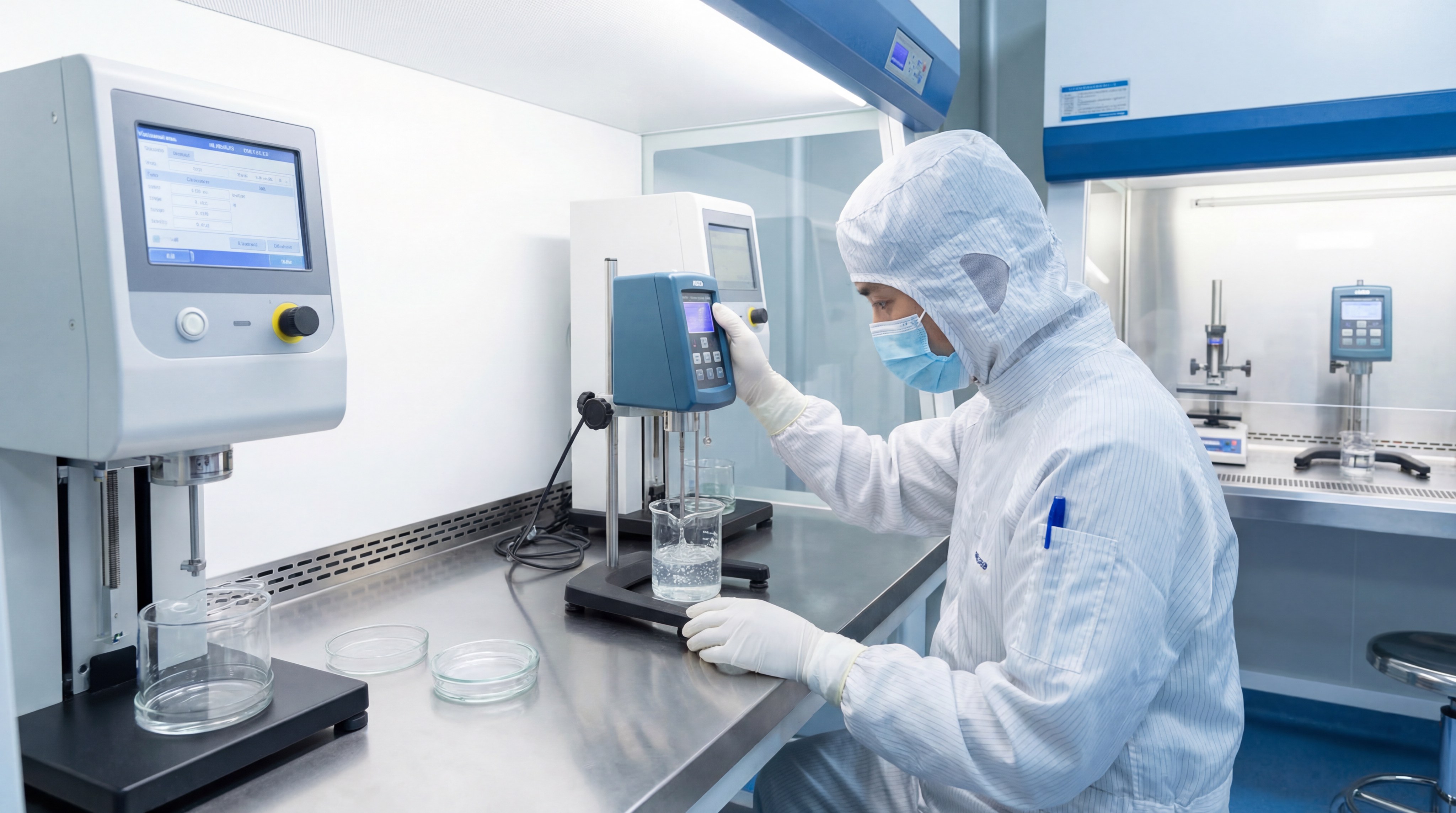
The final step in procurement is confirming What is FDA approved silicone and how is it tested? through documented evidence like MDS and batch records. You must perform due diligence to ensure your supply chain is secure and audit-ready. A reliable partner will be transparent with their data and allow for on-site quality audits.
Reviewing material data sheets (MDS)
Here is the deal: every shipment should come with paperwork that proves its pedigree.
- Ensure the MDS specifically mentions FDA 21 CFR 177.2600.
- Check that the testing dates are current and relevant.
Requesting traceability and batch records
Think about it: if a failure occurs, you need to know exactly which batch was involved.
- Look for a clear link between the raw material lot and your finished part.
- Verified suppliers keep these records for a minimum of 5-10 years.
Audit protocols for silicone manufacturing sites
The kicker is: a site visit tells you more than a thousand documents.
- Check for cleanroom maintenance and operator hygiene.
- Verify that the equipment is calibrated and modern.
Summary: Documentation Requirements for Audits
| Document Type | Source | Purpose |
|---|---|---|
| MDS / SDS | Manufacturer | Chemical safety and composition. |
| COA | Supplier | Confirms batch meets specifications. |
| ISO Certificate | Registrar | Validates quality management system. |
By gathering these documents, you build a “technical file” that makes your FDA device submission much smoother.
Key Takeaway: A reliable partner provides full transparency with USP Class VI, RoHS, and REACH documentation.
FAQ
Can I use food-grade silicone for medical devices?
No, while both are FDA-compliant, medical-grade silicone undergoes more rigorous biocompatibility testing (like USP Class VI) required for tissue contact. Food-grade material is only tested for extractables during repeated food contact.
How do I know if a silicone part is truly medical grade?
Always request a Material Data Sheet (MDS) and Certificates of Analysis (COA) that specify compliance with ISO 10993 or USP Class VI. True medical-grade silicone will have a documented chain of custody from the raw material refiner.
Is medical-grade silicone always BPA-free?
Yes, high-purity medical silicone is formulated without BPA, phthalates, or latex to ensure hypoallergenic properties. This makes it safe for sensitive patients and infants.
Does the FDA approve the silicone molding process?
No, the FDA focuses on the material safety and the final device’s performance, though they require the factory to follow Good Manufacturing Practices (GMP). You should ensure your supplier is ISO 13485 certified to meet these expectations.
How long does it take to get custom medical silicone parts?
With in-house tooling, prototypes can often be delivered in 7-10 days, with mass production scaling shortly after compliance verification. Complex LSR molds may take slightly longer depending on the design.
Conclusion
Selecting the right silicone material is not just a procurement choice; it is a critical regulatory decision that impacts the viability of your medical device. By understanding the nuances of FDA compliance and the rigorous testing required for medical-grade standards, you can avoid the common pitfalls of the medical supply chain.
HuaLin Silicone is dedicated to empowering global medical OEMs with precision-engineered, ISO-certified silicone solutions that bridge the gap between complex design and strict regulatory compliance. Ready to secure your supply chain with certified medical silicone? Contact us today for a professional DFM review and quotation.