What exactly are silicone baby bibs?
Silicone baby bibs are specialized feeding tools made from flexible, food-grade silicone designed to protect infant clothing from spills and food debris. Managing a baby accessory brand is difficult when your current products stain easily and frustrate parents. You worry that low-quality materials might raise questions about is silicone safe for babies during long-term use. By switching to high-purity silicone production, you solve the durability issue while providing a premium, easy-to-clean solution that builds consumer trust.
Which materials are used in production?
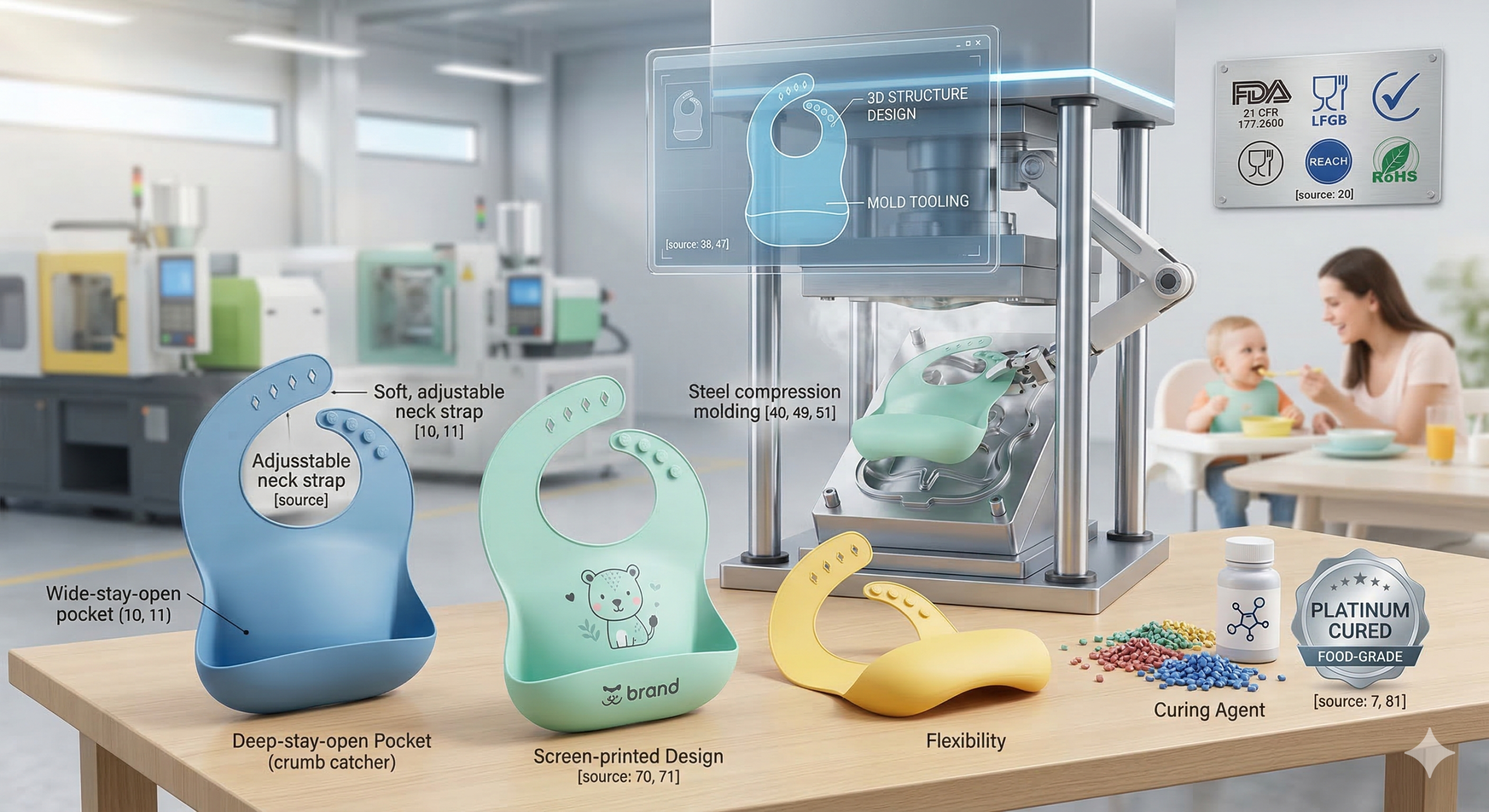
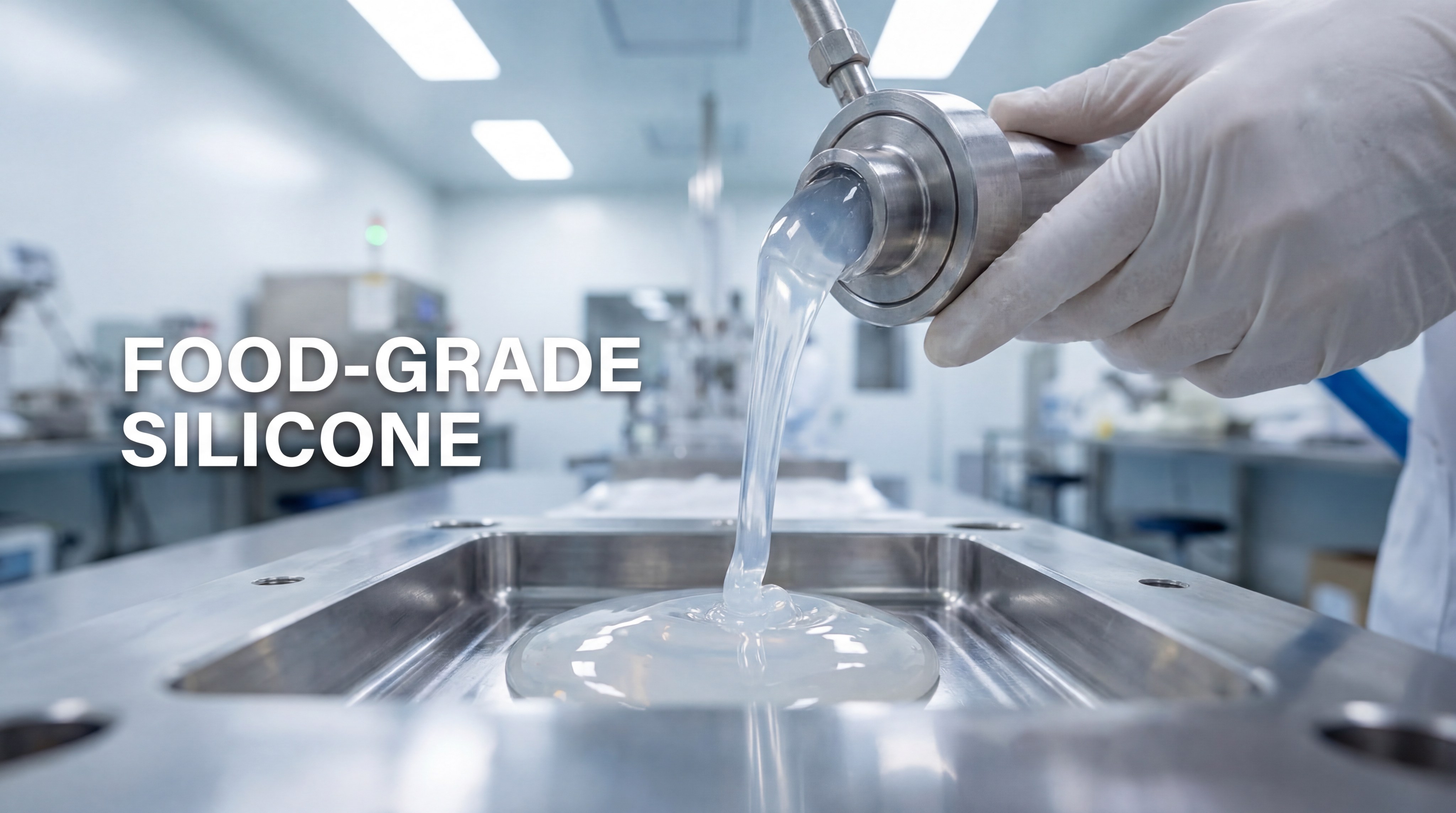
To put it simply: the primary ingredient is high-consistency silicone rubber mixed with a curing agent.
- Food-grade silicone base.
- Non-toxic color pigments.
- Platinum or peroxide catalysts.
What are the key features of these bibs?
Think about it: a bib that cannot withstand a dishwasher is useless to a modern parent.
- High heat resistance.
- Hypoallergenic properties.
- Soft, adjustable neck straps.
Understanding the crumb catcher design
Believe it or not: the 3D pocket is the most engineered part of the entire bib.
- Deep-stay-open pocket.
- Reinforced edges for stability.
- Optimized angle for catching liquids.
Key Takeaway: Professional silicone bibs combine chemical safety with ergonomic design to provide a superior feeding experience compared to traditional cloth alternatives.
Why is silicone safe for babies during mealtime?
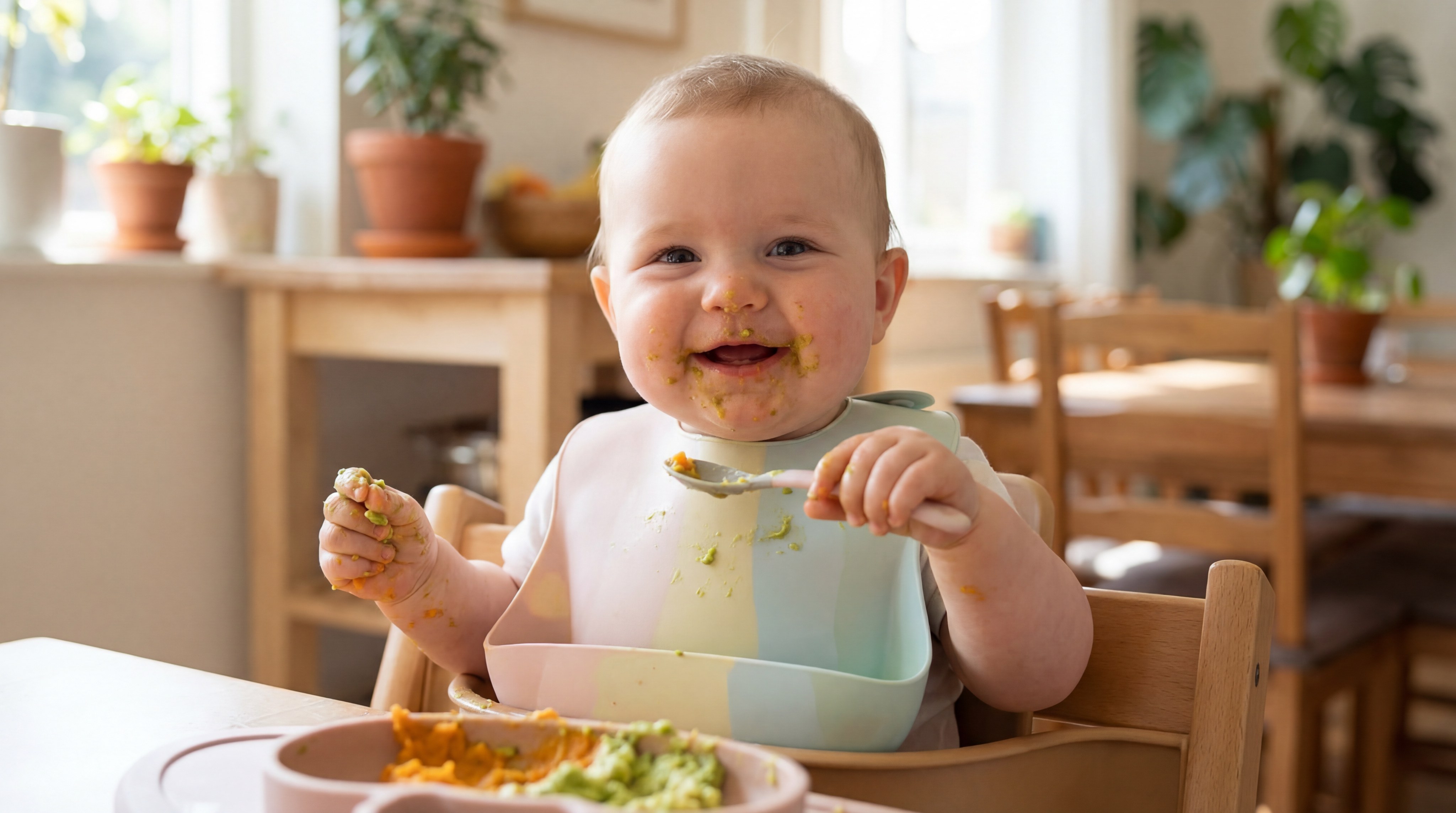
Silicone is considered safe because it is a non-porous, inorganic material that does not leach chemicals or support the growth of mold and bacteria. When parents ask is silicone safe for babies, they are looking for reassurance that the material won’t react with food. High-quality silicone remains stable even when subjected to the extreme temperatures of boiling water or microwave sterilization.
Is food-grade silicone better than cloth?
But here is the kicker: cloth bibs absorb moisture and harbor bacteria that can irritate a baby’s sensitive skin.
- Repels water and oil.
- Won’t harbor allergens.
- Easy to wipe clean instantly.
Certification standards for infant safety
You might be wondering: how do you prove your products are truly safe for the global market?
- FDA 21 CFR 177.2600 compliance.
- LFGB (European) food-contact grade.
- REACH and RoHS certifications.
Key Takeaway: Utilizing certified food-grade silicone ensures that your products meet the highest global safety standards for infant use.
| Safety Factor | Benefit for Infants | Compliance Standard |
|---|---|---|
| Chemical Stability | No leaching into food | FDA/LFGB |
| Non-Porous | Inhibits bacterial growth | Food Grade |
| Thermal Resistance | Safe for sterilization | High Temp Rating |
This comparison highlights why high-purity silicone is the preferred choice for B2B infant product lines.
Who needs to understand the manufacturing process?
Brand owners, product developers, and procurement managers need to understand the process to ensure quality control and cost efficiency. Engaging in custom silicone molding requires a deep dive into how raw materials transform into finished goods. Knowing the “why” behind each step helps you identify potential defects before they reach your warehouse. The question of is silicone safe for babies is answered through strict adherence to these manufacturing protocols.
Why do brand owners prioritize quality?
That’s not all: a single product recall due to material failure can destroy a brand’s reputation overnight.
- Consistent wall thickness.
- Smooth, burr-free edges.
- High-quality surface finish.
Which global markets show the highest demand?
In other words: North America and Europe lead the way in demanding eco-friendly, durable baby gear.
- Amazon and Etsy sellers.
- Boutique baby retailers.
- Large-scale maternity chains.
Key Takeaway: Understanding the technical nuances of production allows B2B buyers to better manage vendor relationships and ensure product consistency.
| Stakeholder | Primary Concern | Desired Outcome |
|---|---|---|
| Brand Owner | Brand reputation | Zero defect rate |
| Wholesaler | Profit margins | Competitive unit cost |
| End Parent | Child safety | Easy maintenance |
Analyzing stakeholder priorities helps manufacturers align their production goals with market demands.
How do you begin the bib manufacturing process?
The manufacturing process begins with the creation of a precise 3D mold and the preparation of high-grade silicone rubber compounds. When investigating is silicone safe for babies, manufacturers focus on sourcing raw materials that are free from BPA and phthalates. The first technical step involves compression molding setup where the mold plates are heated to the required temperature.
Creating 3D structures and tooling
Truth be told: the quality of your finished bib is only as good as the steel mold used to create it.
- CNC precision machining.
- Surface texture etching.
- Cooling channel integration.
How are raw materials prepared for molding?
Here is the best part: the silicone is mixed with pigments in a clean environment to prevent any contamination.
- Weighing raw silicone.
- Adding vulcanizing agents.
- Homogenizing color masterbatch.
Key Takeaway: The preparation stage is critical for ensuring the structural integrity and aesthetic appeal of the final bib.
| Step | Equipment Used | Quality Check |
|---|---|---|
| Mold Design | CAD/CAM Software | Dimensional Accuracy |
| Material Mixing | Two-roll mill | Color Uniformity |
| Tooling | CNC Machine | Surface Hardness |
Establishing a rigorous preparation protocol prevents common defects like color streaks or air bubbles.
What happens during the curing and demolding stages?
During curing, the silicone is placed in a heated press where high pressure forces the material to take the shape of the mold cavity. This chemical transformation is what makes us confident when asking is silicone safe for babies because the material becomes permanently stable. Once the curing time is complete, the press opens, and the solidified bib is carefully removed from the mold.
Temperature and pressure control basics
Think about it: if the temperature is off by even a few degrees, the silicone may under-cure or scorch.
- 160°C to 180°C range.
- High hydraulic pressure.
- Specific cycle timing.
How to ensure the mold vents correctly?
But here is the kicker: trapped air can lead to “short molds” where the bib is incomplete or has holes.
- Strategic vent placement.
- Vacuum-assisted molding.
- Periodic mold cleaning.
Key Takeaway: Precise control over the thermal and mechanical environment during molding is essential for producing high-durability bibs.
| Variable | Target Range | Impact of Deviation |
|---|---|---|
| Temperature | 170°C ± 5°C | Improper curing |
| Pressure | 150-200 Tons | Flash or gaps |
| Curing Time | 180-300 Seconds | Brittle material |
Monitoring these three critical variables ensures that the silicone achieves its optimal physical properties.
Which post-processing steps ensure a professional finish?
Post-processing involves trimming away excess material, known as flash, and conducting secondary vulcanization to remove volatile organic compounds. This secondary heating step is vital when confirming is silicone safe for babies as it eliminates residual odors and ensures material purity. After trimming, each bib undergoes a series of surface treatments to ensure it is smooth to the touch.
Why is secondary vulcanization necessary?
Believe it or not: this “post-curing” step is what separates cheap industrial silicone from true food-grade products.
- Oven heating at 200°C.
- 4 to 8-hour duration.
- Removal of VOCs.
How to eliminate residual odors?
It gets better: proper post-processing leaves the silicone completely odorless and tasteless for the baby.
- Forced air circulation.
- High-temperature stability check.
- Neutralization of catalysts.
Key Takeaway: Never skip secondary vulcanization, as it is the industry standard for ensuring safety and professional quality.
| Process | Objective | Requirement |
|---|---|---|
| Deflashing | Remove excess edges | Manual or Die-cut |
| Post-Curing | Stability and Safety | High-temp Oven |
| Cleaning | Dust removal | Ultrasonic or Manual |
Post-processing is the final barrier between a raw industrial part and a consumer-ready infant product.
How can you customize bibs with logos and patterns?
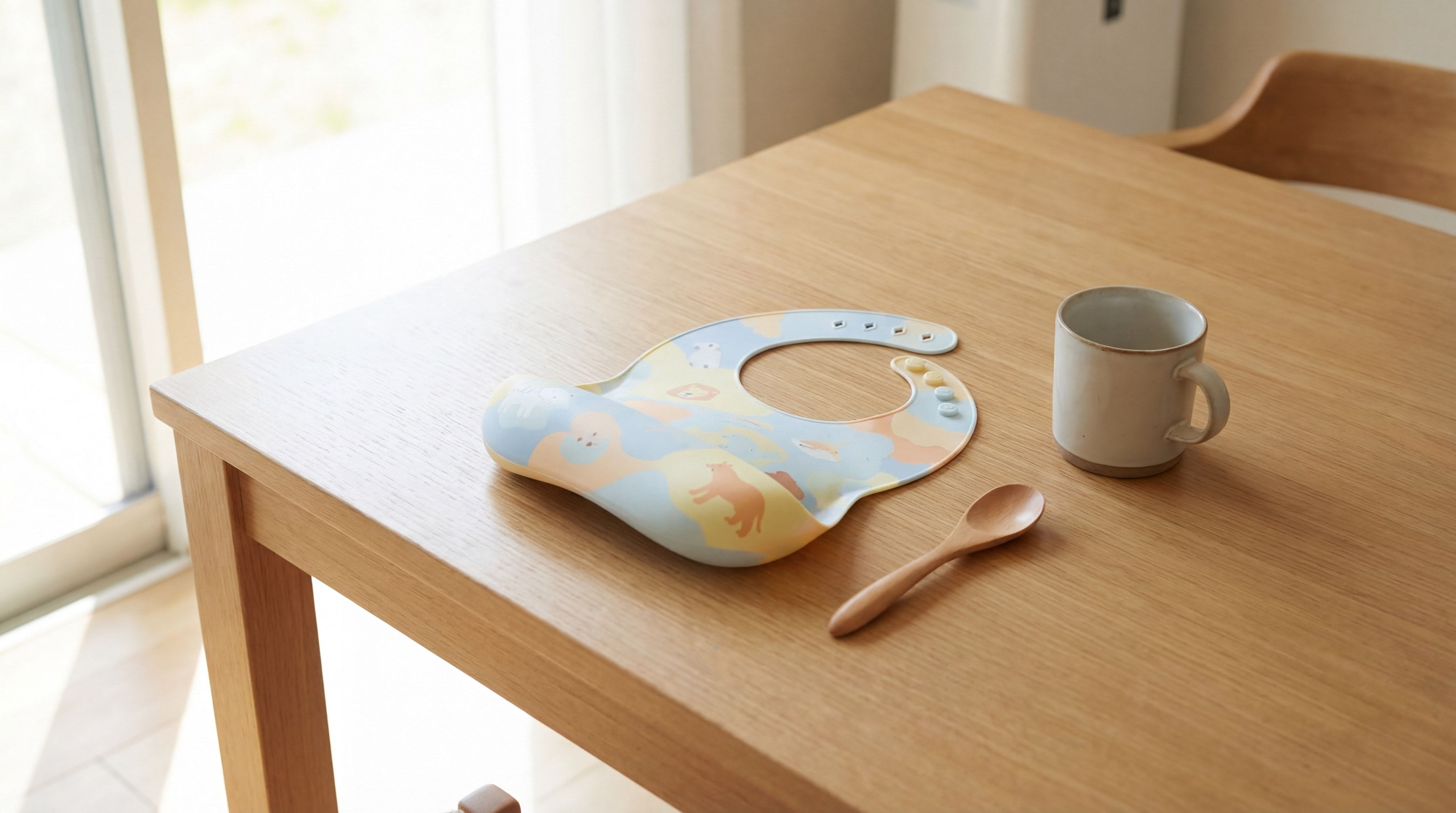
Customization is achieved through silk-screen printing, laser engraving, or by building the logo directly into the steel mold for a debossed effect. When ordering baby silicone products, you can choose from various ink types that are specifically formulated to bond with silicone. It is important to ensure that these inks are also non-toxic and do not change the answer to is silicone safe for babies.
Printing techniques for silicone surfaces
To put it simply: standard inks will peel off silicone, so you must use specialized silicone-based inks.
- Silk-screen printing.
- Pad printing for curves.
- Heat transfer printing.
Managing multi-color dripping injection
Think about it: some designs require multiple colors to be injected into the mold simultaneously for a seamless look.
- Precise needle control.
- Individual color curing.
- Complex mold design.
Key Takeaway: Integrated logos are generally more durable than surface-printed ones, making them ideal for products that face frequent washing.
| Method | Durability | Cost Level |
|---|---|---|
| Silk Screen | Medium | Low |
| Mold Engraving | High | Medium (Tooling) |
| Multi-color Injection | Very High | High |
Choosing the right customization method depends on your brand’s budget and desired product lifespan.
Why is silicone safe for babies when using platinum grade?
Platinum-cured silicone is the gold standard for infant safety because it does not produce the chemical by-products often found in peroxide-cured materials. When a B2B buyer asks is silicone safe for babies, specifying platinum-grade silicone provides the ultimate peace of mind. This material is clearer, more durable, and completely free of the “blooming” effect where white powder appears on the surface over time.
Visual inspection for material defects
But here is the kicker: even the best material can fail if the factory environment isn’t clean.
- Checking for black spots.
- Identifying air bubbles.
- Assessing color consistency.
How to verify tensile strength?
Truth be told: a baby bib must be able to withstand constant pulling without tearing at the buttonholes.
- Stretch testing protocols.
- Button-hole tear resistance.
- Elasticity recovery checks.
Key Takeaway: Platinum-grade silicone offers superior purity and mechanical strength, making it the best choice for high-end baby brands.
| Grade | Catalyst | Benefit |
|---|---|---|
| Platinum | Platinum Salt | Odorless, High Purity |
| Food Grade | Peroxide | Cost-effective |
| Medical Grade | Platinum | Biocompatible |
Understanding the difference between material grades allows you to position your product accurately in the market.
How much does it cost to produce silicone bibs?
The production cost is determined by the material weight, mold complexity, order volume, and the choice between solid or liquid silicone. When choosing solid silicone rubber compression molding, the initial tooling costs are often lower than liquid injection molding. However, the question of is silicone safe for babies remains constant regardless of the budget, as safety standards must always be met.
Factors affecting the per-unit price
It gets better: larger order volumes significantly reduce the overhead cost allocated to each individual bib.
- Material market price.
- Labor for trimming.
- Packaging complexity.
Comparing solid vs. liquid silicone costs
You might be wondering: should you invest in expensive liquid injection molds for a higher production speed?
- Solid: Lower mold cost, higher labor.
- Liquid: Higher mold cost, lower labor.
- Solid: Better for thick-walled bibs.
Key Takeaway: Balancing mold investment with labor costs is the key to achieving a competitive price point in the B2B market.
| Cost Component | Percentage | Trend |
|---|---|---|
| Raw Material | 40% – 50% | Fluctuating |
| Labor/Finishing | 20% – 30% | Stable |
| Tooling/Mold | 10% – 15% | One-time fee |
Strategic procurement managers focus on optimizing material usage to drive down the total cost of ownership.
How should parents clean and maintain silicone bibs?
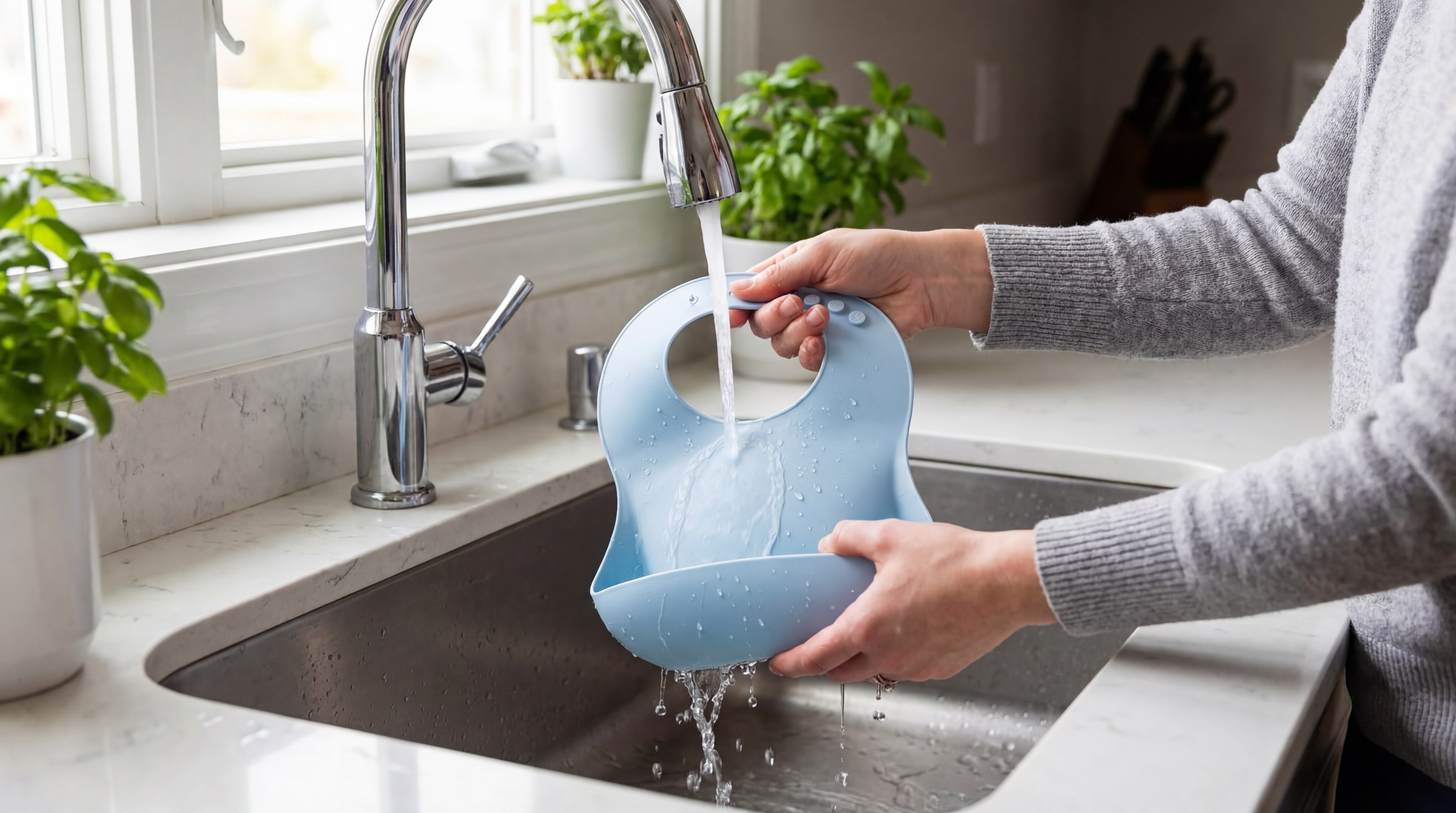
Parents should clean silicone bibs by simply wiping them with warm soapy water or placing them in the dishwasher after every meal. High-quality silicone is exceptionally resilient, which is why is silicone safe for babies even when cleaned with harsh detergents. Because the surface is non-porous, food stains cannot penetrate the material, making it much more hygienic than fabric alternatives.
What are the best washing techniques?
But here is the kicker: despite being dishwasher safe, a quick rinse under the tap is often all that is needed.
- Mild dish soap.
- Soft sponge usage.
- Top-rack dishwasher safe.
Can silicone bibs be sterilized by boiling?
Think about it: being able to boil a bib for five minutes ensures total disinfection for a teething infant.
- Heat resistant to 220°C.
- No warping or melting.
- Fast drying after boiling.
Key Takeaway: The low-maintenance nature of silicone bibs is a major selling point that B2B brands should emphasize in their marketing.
| Method | Recommended Frequency | Benefit |
|---|---|---|
| Wipe Down | After every use | Convenience |
| Dishwasher | Daily | Deep Clean |
| Boiling | Weekly | Sterilization |
Educating consumers on proper care extends the product’s lifespan and maintains its safety profile.
Conclusion
Manufacturing high-quality silicone bibs requires a delicate balance of precision engineering, certified materials, and rigorous post-processing. By addressing common industry problems like material leaching and durability failures, you can provide a product that parents trust. Our manufacturing solutions offer:
- Full compliance with FDA and LFGB safety standards.
- Advanced compression molding for complex 3D designs.
- Custom branding and logo integration services.
Our Stance: We believe that infant safety should never be compromised for cost, which is why we only utilize the highest purity food-grade silicone for every production run. To start your next project or request a material sample, contact us today.
Frequently Asked Questions
Can I customize the color of my silicone bibs?
Yes. Manufacturers can match any Pantone color by mixing specific pigments into the raw silicone base during the preparation stage.
What’s the best way to ensure my bibs are BPA-free?
Strictly specify food-grade or platinum-grade silicone and request independent lab test reports like FDA or LFGB certification for every batch.
Are silicone bibs more expensive than cloth bibs to manufacture?
Generally, yes. While the initial material and tooling costs are higher, the long-term value and durability of silicone make it a more premium B2B offering.
How often should a silicone bib mold be replaced?
Standard steel molds can typically produce 50,000 to 100,000 units before requiring significant maintenance or replacement to ensure edge precision.
Can silicone bibs be recycled after use?
Yes. While not accepted in curbside bins, silicone can be sent to specialized recycling facilities where it is ground down for industrial applications.