
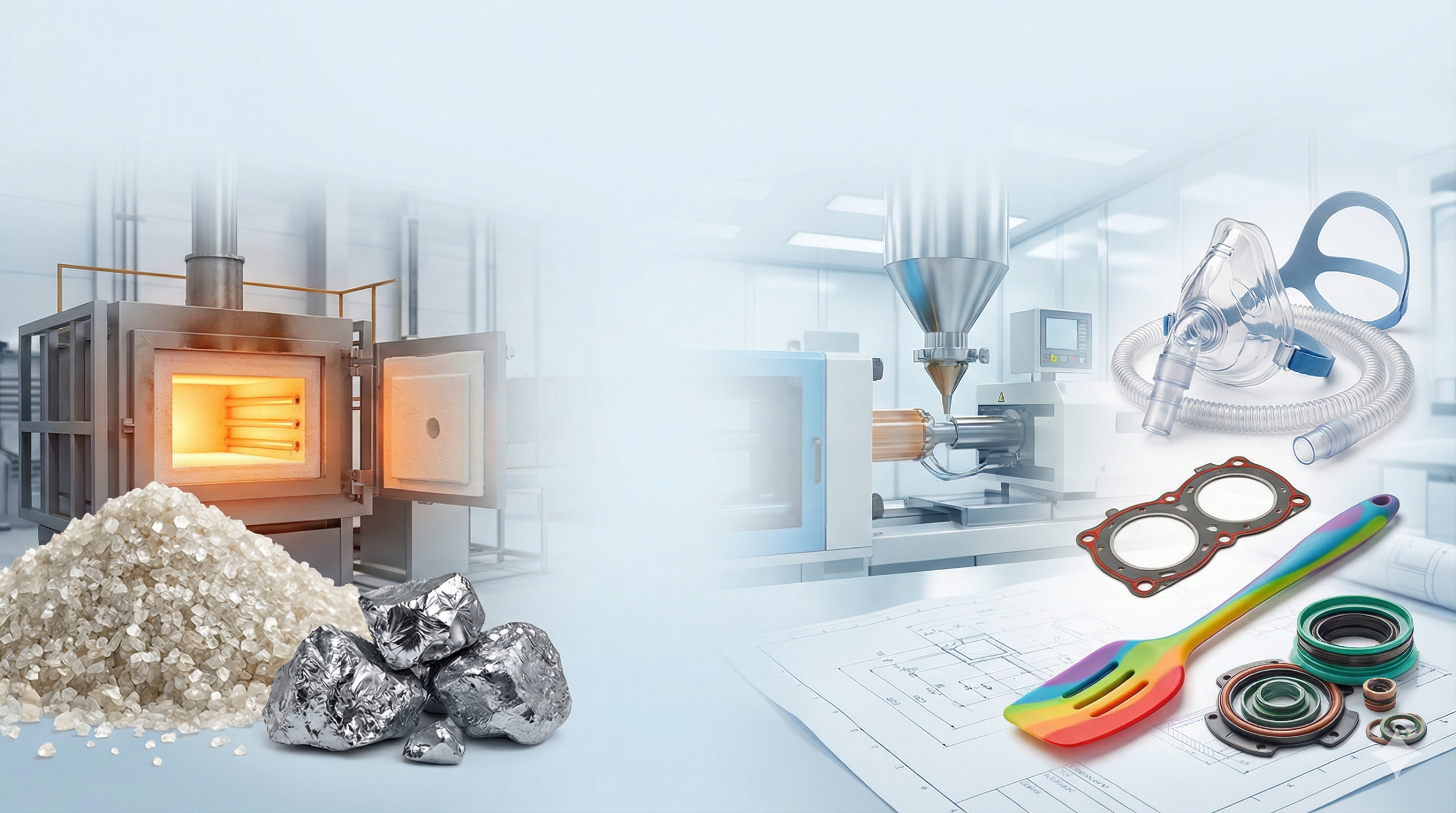
Silicone is a high-performance synthetic polymer composed of a backbone of alternating silicon and oxygen atoms combined with various organic groups. Many product designers face a dilemma when traditional plastics fail under extreme temperatures or leach harmful toxins into sensitive environments. This material failure can lead to expensive product recalls and permanent damage to your brand’s hard-earned reputation. Our guide on what is silicone provides the technical solution you need to ensure durability, safety, and precision in your next engineering project.
What is silicone and its chemical composition?
Silicone is a synthetic substance technically known as a polysiloxane, featuring a unique backbone of silicon and oxygen. When you investigate what is silicone, you find that its chemical structure allows it to remain flexible while resisting chemical degradation. This hybrid nature bridges the gap between inorganic glass and organic plastics.
Understanding the siloxane bond
Here is the deal: the siloxane bond is the foundation of the material’s incredible thermal stability. You will find that these bonds are much stronger than the carbon-carbon bonds found in standard rubbers.
- Silicon provides the heat resistance.
- Oxygen ensures the chain remains flexible.
- Methyl groups provide water repellency.
Think about how your components need to behave under stress. By adjusting the side groups attached to this backbone, manufacturers can customize the material for your specific application.
Key Takeaway: Silicone’s unique atomic structure provides a balance of flexibility and heat resistance that outclasses carbon-based materials.
| Component | Role in Silicone |
|---|---|
| Silicon (Si) | Primary element providing heat resistance |
| Oxygen (O) | Forms the flexible backbone chain |
| Carbon (C) | Found in side groups like methyl for flexibility |
| Hydrogen (H) | Part of the hydrocarbon side chains |
This chemical framework is why the material serves as a reliable backbone for diverse industrial components.
Why is what is silicone different from silicon?
Silicone is a man-made polymer elastomer, whereas silicon is a naturally occurring chemical element found on the periodic table. It is a common mistake to use the terms interchangeably when discussing what is silicone in a manufacturing context. Silicon is a crystalline metalloid used primarily in the semiconductor industry for electronics.
The engineering of a polymer
Think about it: you wouldn’t use raw silicon metal to make a flexible gasket or a baby bottle nipple.
- Silicon is a hard, brittle solid.
- Silica is the raw sand used as a starting point.
- Silicone is the flexible finished rubber.
Your project requires the synthetic polymer version to achieve elasticity and sealing properties. Choosing the right terminology ensures your suppliers understand exactly which material properties you are requesting.
Key Takeaway: Silicon is a raw element for electronics, while silicone is the engineered elastomer used for gaskets and medical parts.
| Material | State in Nature | Primary Industrial Use |
|---|---|---|
| Silicon | Metalloid (Solid) | Semiconductors and electronics |
| Silica | Crystalline (Sand) | Glass making and raw material for silicone |
| Silicone | Polymer (Fluid/Solid) | Gaskets, medical parts, and consumer goods |
Understanding these distinctions prevents procurement errors and ensures the correct material is specified in your technical drawings.
How is silicone made from raw materials?
Silicone is produced through a multi-stage process that begins with the extraction of silicon from silica sand. To fully grasp what is silicone production, you must look at the reduction process in high-temperature furnaces. Here, silica is heated with carbon at 2000°C to strip away oxygen and isolate pure silicon metal.
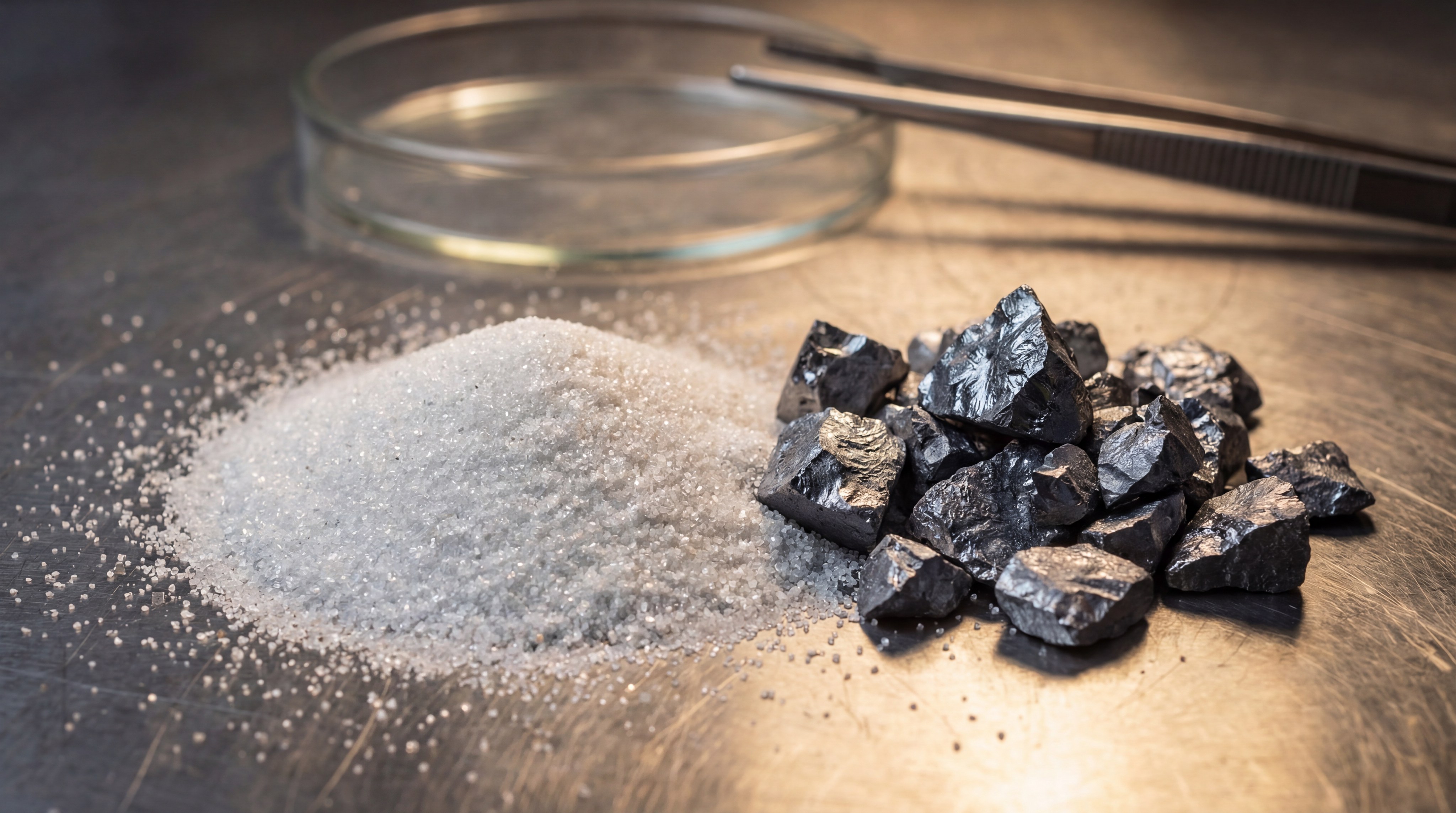
The journey from sand to polymer
But wait, there’s more: the isolated silicon must then be reacted with methyl chloride to create silanes. These chemical precursors then undergo hydrolysis and polymerization to form the long chains that define the material.
- Reduction isolates the silicon metal.
- Synthesis creates the reactive monomers.
- Polymerization builds the siloxane chains.
You can see how this complex transition from sand to rubber requires precision and heavy industrial equipment. This rigorous process is what gives the final product its superior environmental resistance.
Key Takeaway: The manufacturing journey converts raw quartz sand into high-performance polymers through thermal reduction and chemical synthesis.
| Process Phase | Key Action | Resulting Output |
|---|---|---|
| Reduction | Heating silica + carbon at 2000°C | Pure Silicon Metal |
| Synthesis | Silicon + Methyl Chloride reaction | Silane monomers |
| Polymerization | Hydrolysis of silanes | Silicone Polymer (Oil/Gum) |
This transformation ensures that the final elastomer can survive in environments where natural rubber would simply melt or crack.
Is what is silicone safe for medical applications?
Silicone is considered the gold standard for healthcare because it is biologically inert and does not react with human tissue. When evaluating what is silicone safety, you must look for Medical Grade Silicone Parts that meet strict biocompatibility standards. These materials are free from plasticizers and phthalates, ensuring they remain non-toxic during long-term contact.
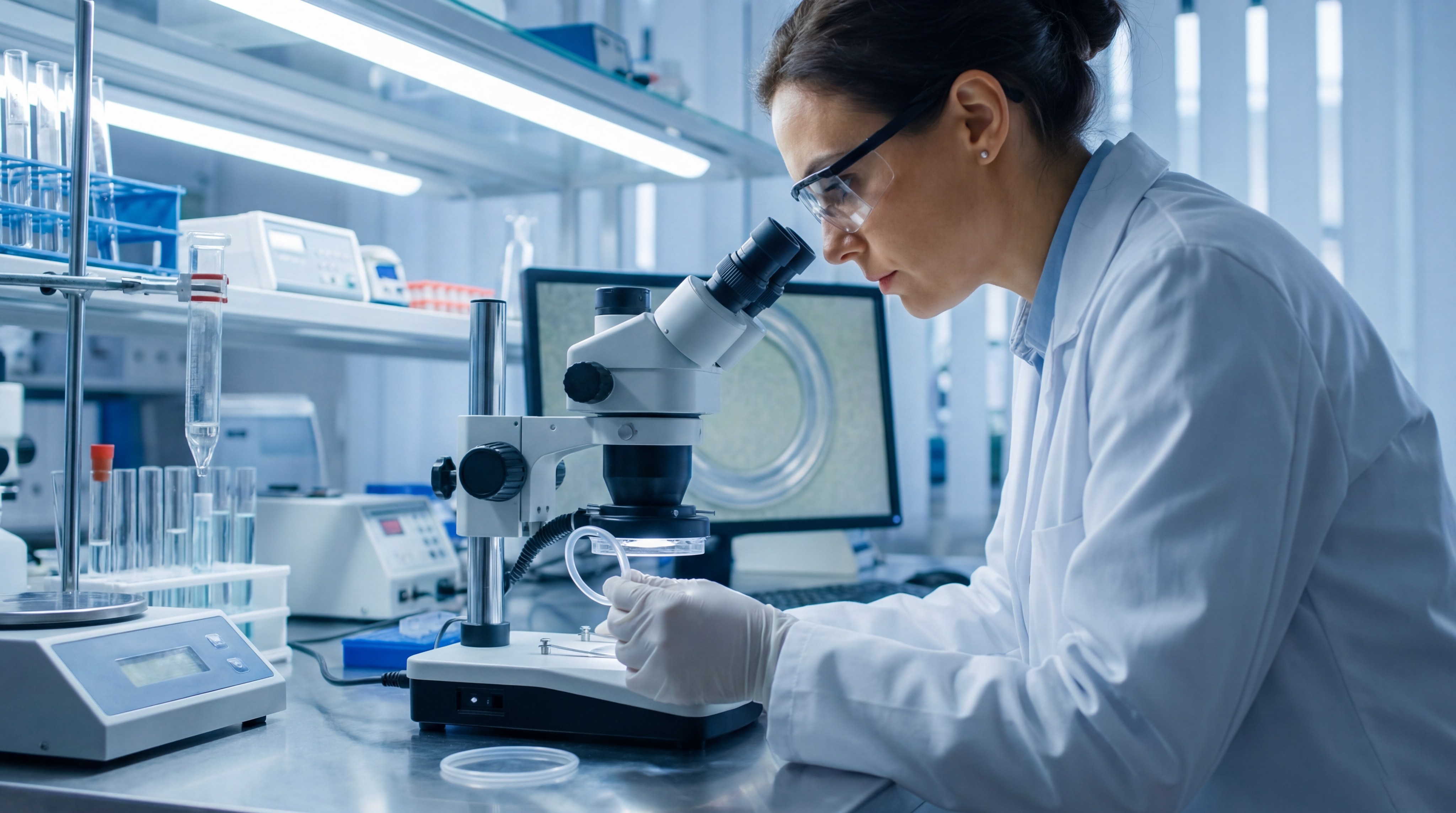
Compliance and cleanroom standards
Look at it this way: the environment where your medical parts are made is just as important as the material itself.
- FDA Grade ensures safety for food and skin contact.
- ISO 10993 testing validates tissue compatibility.
- USP Class VI represents the highest level of toxicity testing.
Your medical devices require these certifications to pass regulatory audits and ensure patient safety. Manufacturing in controlled cleanrooms prevents contamination that could lead to clinical failures.
Key Takeaway: Medical-grade silicone’s inert nature and rigorous testing make it the safest choice for surgical tools and implants.
| Standard | Requirement | Application |
|---|---|---|
| ISO 10993 | Biocompatibility testing | Long-term implants and skin contact |
| FDA Grade | Food contact safety | Surgical tools and infant care |
| USP Class VI | Stringent systemic toxicity tests | Pharmaceutical tubing and valves |
Adhering to these standards protects your patients and streamlines your path toward global regulatory approval.
How is liquid silicone rubber (LSR) processed?
Liquid Silicone Rubber is processed using a highly automated injection molding system that mixes two components to trigger a chemical cure. Investigating what is silicone processing reveals that LSR is ideal for high-precision components like LSR Communication Parts. This method uses a cold runner system to inject the liquid into a heated mold, allowing for rapid cycle times.
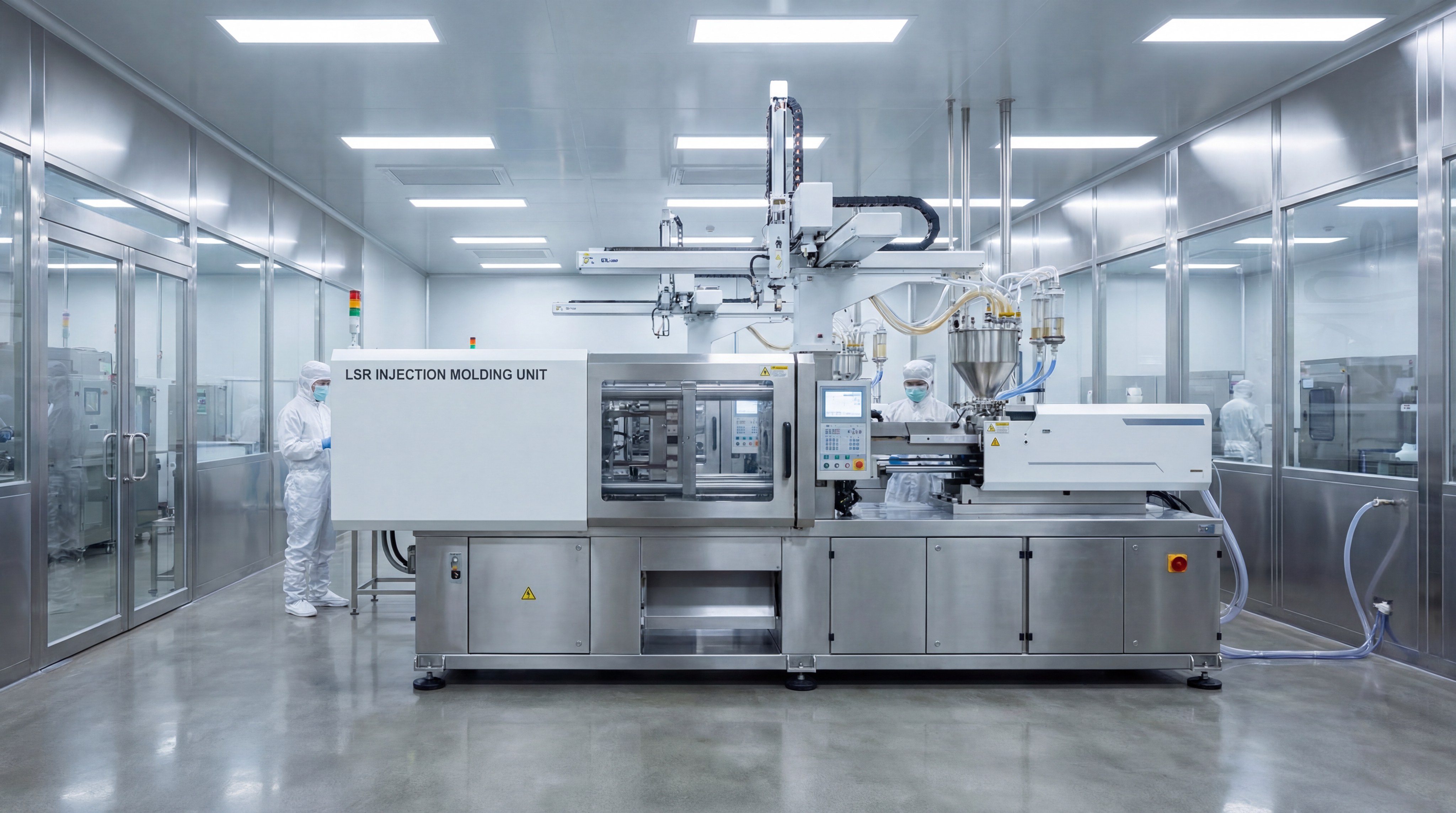
Advantages of liquid injection molding
Now, here is the kicker: LSR allows you to create complex geometries that are impossible with traditional compression molding.
- Fast cycle times increase your production volume.
- Flashless molding reduces your material waste.
- High precision ensures your parts fit perfectly every time.
You can achieve tighter tolerances and better consistency across millions of cycles using this technology. This makes it the preferred choice for seals in the electronics and automotive sectors.
Key Takeaway: LSR injection molding offers superior precision and speed for high-volume manufacturing of complex parts.
| Feature | LSR Processing | Compression Molding |
|---|---|---|
| Cycle Time | Very Fast (seconds) | Slower (minutes) |
| Precision | High (±0.05mm) | Moderate |
| Waste | Minimal (Cold Runner) | Higher (Flash/Overflow) |
The efficiency of this process directly translates into lower unit costs and faster time-to-market for your projects.
What are the main types of silicone polymers?
The main types of silicone include fluids, resins, and elastomers, which vary based on their molecular weight and cross-linking. Understanding what is silicone variety allows you to select a consistency ranging from a thin oil to a hard, glass-like coating. Most industrial applications focus on elastomers, which are the flexible rubbers used in seals.
Selecting the right polymer form
Best of all: you can choose the physical state that best matches your mechanical requirements.
- Fluids work as high-performance lubricants.
- Resins provide weather-resistant protective coatings.
- Elastomers offer the flexibility needed for gaskets.
Your choice depends on whether you need a permanent seal or a temporary protective layer. Each type retains the core siloxane benefits of heat and chemical resistance.
Key Takeaway: Silicone can be engineered into liquids, solids, or gels to solve specific engineering challenges across different industries.
| Type | Physical State | Common Use Case |
|---|---|---|
| Fluids | Low-viscosity liquid | Dielectric fluids, hydraulic oils |
| Resins | Hard, brittle solid | Weather-resistant coatings |
| Elastomers | Flexible rubber | Gaskets, seals, and wearable straps |
Identifying the correct polymer type early in the design phase prevents functional failures in the final product.
Is silicone environmentally friendly and recyclable?
Silicone is more environmentally friendly than traditional plastics because it is incredibly durable and does not break down into harmful microplastics. When you ask what is silicone sustainability, the answer lies in its longevity. While not biodegradable, silicone products last for decades, reducing the need for frequent replacements.
The reality of silicone recycling
Make no mistake: while you cannot recycle silicone in your home bin, it is technically recyclable through specialized industrial processes.
- Industrial recycling turns old parts into lubricants.
- Non-toxic composition prevents BPA leaching.
- Extreme durability reduces overall landfill waste.
You can improve your brand’s green credentials by choosing a material that resists UV and ozone degradation. This ensures your products don’t end up as environmental waste shortly after purchase.
Key Takeaway: Silicone’s extreme durability and non-toxic nature make it a more sustainable alternative to single-use plastics.
| Environmental Factor | Silicone Performance |
|---|---|
| Durability | Extremely high; resists UV and ozone |
| Toxicity | Non-toxic; BPA and Phthalate free |
| End-of-life | Recyclable through specialized facilities |
Choosing this material supports a circular economy by extending the functional life of consumer and industrial goods.
How does silicone perform in extreme conditions?
Silicone performs exceptionally well in harsh environments, maintaining its flexibility at -60°C and its structural integrity at 230°C. Many engineers research what is silicone thermal properties to solve sealing issues in aerospace and automotive engines. Unlike organic rubber, silicone does not become brittle in the cold or melt under intense heat.
Resistance to the elements
The bottom line: you can rely on this material for outdoor applications where UV exposure and ozone usually cause cracking.
- UV resistance prevents yellowing in sunlight.
- Ozone resistance stops surface cracking.
- Chemical inertness protects against many industrial oils.
Your products will remain functional even when exposed to the harshest weather conditions for years. This reliability is why it is used for everything from engine gaskets to outdoor enclosures.
Key Takeaway: Silicone is the premier choice for extreme environments due to its wide temperature range and weather resistance.
| Condition | Silicone Reaction | Benefit |
|---|---|---|
| High Heat | Retains flexibility and shape | Engine and oven seals |
| Extreme Cold | Does not become brittle | Aerospace and Arctic use |
| Sunlight Exposure | No yellowing or cracking | Outdoor enclosures and optics |
This stability ensures that your critical systems won’t fail due to material degradation in the field.
Why choose custom silicone for your project?
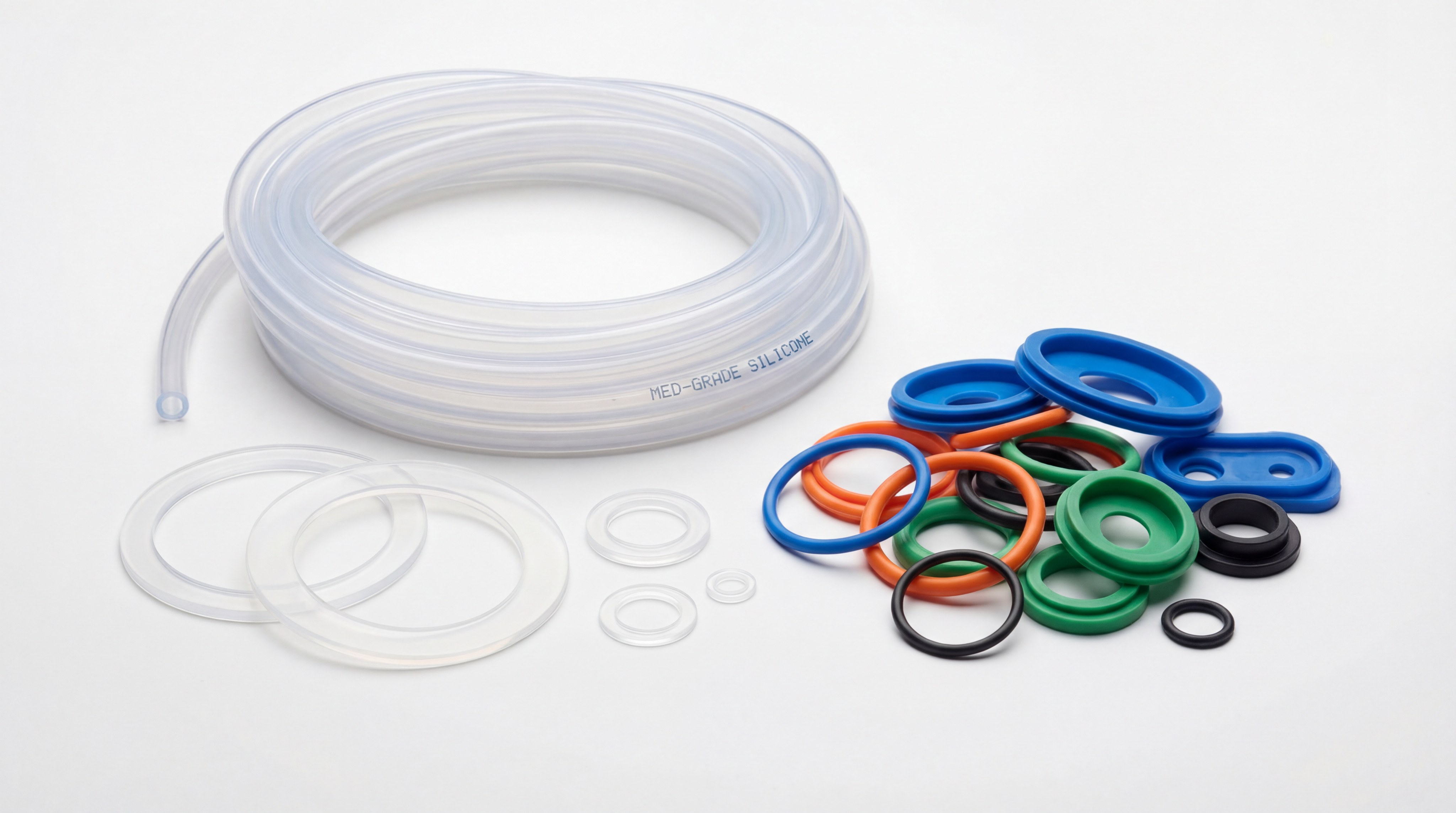
Choosing custom silicone allows you to tailor the hardness, color, and surface finish to meet your exact product specifications. At About HuaLin Silicone, we believe understanding what is silicone customization is the key to creating a product that stands out. You can specify a Shore A hardness from soft-touch 10A to a rigid 80A.
Design for manufacturing benefits
Let’s face it: a one-size-fits-all approach rarely works for high-tech components or wearable devices.
- Pantone color matching maintains brand identity.
- Matte or gloss finishes improve grip and aesthetics.
- Overmolding allows for permanent bonding to metal.
You can solve complex assembly problems by bonding silicone directly to plastic or metal substrates. This reduces the number of parts in your assembly and lowers your manufacturing risks.
Key Takeaway: Custom silicone solutions provide the specific mechanical and aesthetic properties required for modern, high-quality products.
| Customization | Range | Purpose |
|---|---|---|
| Hardness | 10 Shore A to 80 Shore A | Soft-touch to rigid parts |
| Color | Full Pantone Matching | Brand identity and aesthetics |
| Surface Finish | Matte, Gloss, Laser Etching | Grip and functional marking |
Tailoring these properties ensures your final product meets both functional demands and user expectations perfectly.
How do you start a silicone manufacturing project?
You start a silicone manufacturing project by preparing detailed 2D or 3D technical drawings for a feasibility review. It is essential to understand what is silicone tooling requirements to properly estimate your initial investment and lead times. A professional factory will provide a Design for Manufacturing (DFM) analysis to optimize your part for the molding process.
Navigating the production phases
To top it all off: partnering with an experienced manufacturer like us ensures a smooth transition from prototype to mass production.
- DFM review catches design errors early.
- Prototyping verifies your functional requirements.
- Mass production stabilizes your unit costs.
You can significantly reduce your time-to-market by leveraging expert engineering support during the tooling design phase. If you are ready to begin, please contact us for a comprehensive review of your project files.
Key Takeaway: Success starts with a thorough DFM review and high-quality tooling design to ensure long-term production stability.
| Project Stage | Duration (Typical) | Critical Focus |
|---|---|---|
| RFQ & DFM | 24 – 48 Hours | Feasibility and cost |
| Prototyping | 5 – 10 Days | Functional verification |
| Tooling/Mass Production | 15 – 25 Days | Stability and quality control |
Proper planning in these early stages prevents costly delays and ensures your product meets all quality benchmarks.
Summary and Vision
Navigating the complexities of material selection doesn’t have to be a challenge for your engineering team. We have explored the fundamental chemistry, the precision of LSR processing, and the rigorous standards required for medical safety. By choosing silicone, you solve the problems of thermal instability and chemical toxicity that plague traditional materials.
At HuaLin Silicone, we are dedicated to providing the precision engineering and stable mass production you need to scale your brand with confidence. Our vision is to be the most reliable link in your supply chain, offering “tooling to mass production” excellence under one roof. Contact us today to discuss your specific requirements and see how our 15+ years of expertise can bring your vision to life.
Frequently Asked Questions (FAQ)
Can I recycle silicone products at home?
No, silicone requires specialized industrial recycling facilities to be broken down into silicone oils. You cannot place it in standard curbside bins because it does not melt like traditional thermoplastics.
What’s the best way to clean medical silicone?
It depends on the specific application, but generally, medical silicone is autoclavable and can withstand high-temperature sterilization. You can also use steam or mild soap and water without worrying about material degradation.
Can silicone be made in different colors?
Yes, silicone is naturally translucent, which makes it very easy to pigment to any Pantone color. This process does not compromise the physical properties or safety of the material.
What’s the difference between food-grade and medical-grade?
It depends on the level of testing, but medical-grade undergoes much more rigorous biocompatibility testing under ISO 10993. While both are safe for food, medical-grade is specifically certified for prolonged contact inside the body.
Can I bond silicone to metal or plastic parts?
Yes, through a process called overmolding or by using specialized chemical primers, silicone can be permanently bonded to various substrates. This is a common solution for creating multi-component designs with a soft-touch feel.