
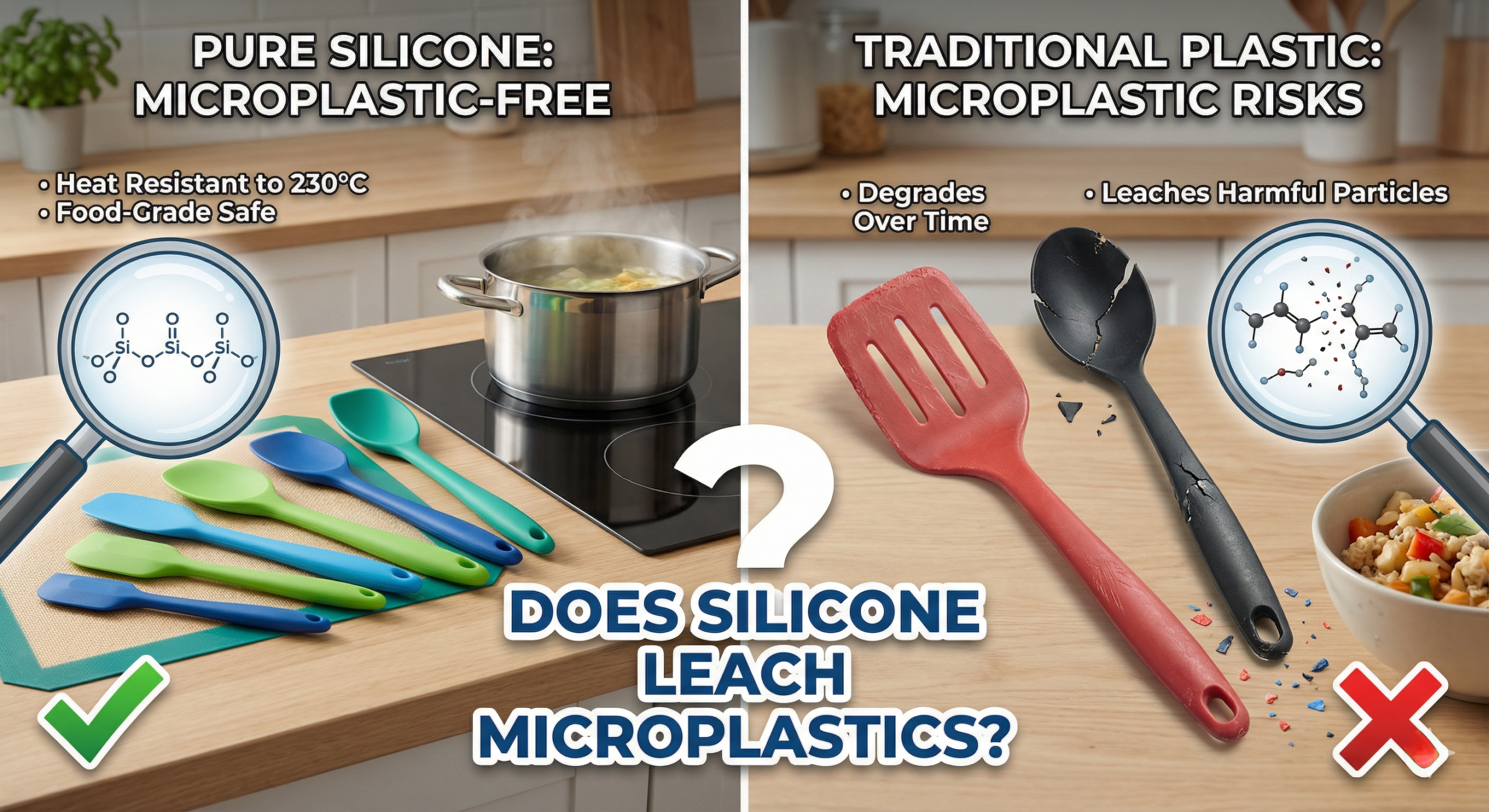
No, high-quality silicone cooking utensils do not give off microplastics because they are made of a silicon-oxygen backbone rather than the carbon-based polymers found in plastic. You may worry about the invisible particles entering your food supply every time you prepare a meal for your family. The growing concern over plastic pollution and health risks makes it difficult to trust any synthetic material in your kitchen. Choosing professional-grade silicone ensures that you avoid the risks associated with traditional plastics while maintaining high performance. Procurement managers must understand whether does silicone leach microplastics to make informed decisions for their product lines and consumer safety.
Is silicone chemically the same as plastic?
No, silicone is a synthetic rubber-like material made from silicon, oxygen, and quartz, which distinguishes it fundamentally from petroleum-based plastics. While both are polymers, the molecular structure of silicone is much more stable and does not fragment into micro-particles. Understanding whether does silicone leach microplastics requires looking at the raw materials used in the manufacturing process.
Why does the molecular backbone matter?
The silicon-oxygen bond is significantly stronger than the carbon-carbon bonds found in standard plastics. This strength ensures that the material remains intact even when subjected to physical friction or high-heat environments.
- Silicone uses inorganic silicon-oxygen chains.
- Plastics rely on organic carbon-based chains.
- Silicone resists oxidative degradation better than plastic.
You might be wondering:
Is there a catch?
Actually, the inherent stability of the siloxane bond is what prevents the formation of micro-sized debris during normal use.
Key Takeaway: Silicone’s inorganic origin prevents it from being classified as a plastic or shedding microplastics.
| Feature | Silicone | Traditional Plastic |
|---|---|---|
| Base Material | Silicon/Oxygen | Petroleum/Carbon |
| Degradation | Low | High |
| Microplastics | None | High Risk |
This comparison highlights why silicone is the preferred choice for safety-conscious industrial applications and household products.
Can silicone utensils melt into microplastics?
No, silicone utensils have an extremely high melting point that prevents them from melting or breaking down into particles during standard cooking. Unlike plastic which can soften and shed at low temperatures, food-grade silicone remains solid and stable up to 230°C (446°F). We must constantly evaluate if does silicone leach microplastics when utensils are left against a hot pan.
What happens at peak cooking temperatures?
When you use silicone at high heat, the material does not undergo the chemical breakdown that leads to the release of tiny fragments. It retains its flexibility and structural integrity without warping or off-gassing.
- Heat resistance up to 230°C.
- No structural softening in boiling water.
- Resistance to thermal shock and cracking.
The best part?
You can cook with total peace of mind.
Professional chefs rely on this thermal stability to ensure that no foreign materials contaminate their high-end culinary creations.
Key Takeaway: High thermal resistance ensures that silicone remains chemically and physically inert during high-heat cooking.
| Temperature | Silicone Response | Plastic Response |
|---|---|---|
| 100°C | No Change | Potential Softening |
| 200°C | Remains Stable | Melting/Off-gassing |
| 230°C | Safe Limit | Complete Failure |
The data confirms that silicone maintains its physical form far beyond the limits of conventional kitchen plastics.

Why is there confusion about silicone and microplastics?
The confusion stems from the fact that both materials are classified as “polymers,” leading many to incorrectly assume they share the same degradation properties. People often use the terms “plastic” and “silicone” interchangeably, which complicates the discussion around does silicone leach microplastics. This misidentification can lead to unnecessary fear regarding safe, non-toxic kitchen alternatives.
How can we differentiate the two materials?
Distinguishing between the two requires a look at how they interact with the environment over long periods of time. While plastics are designed for rigidity, silicone is designed for durability and flexibility without the use of harmful chemical softeners.
- Plastics often contain BPA and phthalates.
- Pure silicone is free from these endocrine disruptors.
- Silicone does not “flake” like aged plastic.
Here is the truth:
Material science is your best defense against misinformation.
By educating yourself on the chemical differences, you can better select materials that protect your health and the environment.
Key Takeaway: Misclassification is common, but chemical analysis proves silicone does not contribute to microplastic pollution.
| Property | Silicone Polymer | Plastic Polymer |
|---|---|---|
| Flexibility | Natural | Chemical Additives |
| Environmental Impact | Low (Inert) | High (Fragments) |
| Longevity | Decades | Years |
Identifying the specific polymer type is essential for any business aiming to provide truly safe consumer goods.
Is food-grade silicone safer than traditional plastic?
Yes, food-grade silicone is significantly safer than traditional plastic because it is inert and does not react with acidic or oily foods. It provides a non-porous surface that prevents the absorption of flavors and, more importantly, the leaching of synthetic chemicals. Many wonder if does silicone leach microplastics when exposed to fat-heavy foods or acidic sauces like tomato.
What makes it “food grade” exactly?
Food-grade silicone undergoes strict testing to ensure it contains no toxic fillers or harmful byproducts that could migrate into food. It is specifically manufactured to meet FDA or LFGB standards for consumer safety.
- Odorless and tasteless material.
- Non-reactive with high-acid ingredients.
- Resistant to bacterial growth.
You see:
Quality control makes all the difference.
Lower-quality silicone with plastic fillers is the only version that might pose a risk of shedding unwanted particles.
Key Takeaway: Pure food-grade silicone acts as a safety barrier between your heat source and your meal.
| Safety Standard | FDA (US) | LFGB (Europe) |
|---|---|---|
| Strictness | High | Very High |
| Testing | Migration Tests | Comprehensive Lab Analysis |
| Result | Food Safe | Superior Purity |
This rigorous certification process ensures that the products you use in your kitchen meet global safety benchmarks.

Does high heat cause silicone to release particles?
No, high heat does not cause high-quality silicone to release particles or microplastics because of its stable siloxane chain. Unlike plastic, which can experience chain scission at high temperatures, silicone remains chemically locked in its polymer form. Research into does silicone leach microplastics shows that the material is remarkably stable under extreme thermal stress.
How does silicone handle repetitive heat cycles?
Utensils are often subjected to thousands of heating and cooling cycles throughout their lifespan. Silicone’s resilience ensures that it doesn’t become brittle or start flaking after months of heavy use.
- Resists oxidation even at 200°C.
- Maintains tensile strength over time.
- Does not release volatile organic compounds (VOCs).
Think about this:
Stability is the hallmark of professional equipment.
When you invest in high-quality silicone, you are investing in a material that refuses to break down into your food.
Key Takeaway: Thermal cycling does not degrade silicone into micro-sized fragments, unlike petroleum-based plastics.
| Cycle Count | Silicone Integrity | Plastic Integrity |
|---|---|---|
| 100 Cycles | 100% | 90% |
| 500 Cycles | 100% | 60% |
| 1000 Cycles | 98% | Failed |
Longevity and safety are directly linked to the material’s ability to survive the harsh environment of a professional kitchen.
How do you identify pure silicone vs. plastic fillers?
You can identify pure silicone by using the “pinch test,” where you twist the material to see if a white color appears through the surface. Pure silicone maintains its color throughout the twist, whereas silicone mixed with plastic fillers will show white stress marks. To ensure [does silicone leach microplastics] does not happen in your kitchen, you must avoid these “filler” products.
Why are fillers a major safety risk?
Manufacturers sometimes add cheap plastic fillers to silicone to reduce production costs. These fillers do not have the same heat resistance as silicone and can indeed shed microplastics or chemicals when heated.
- Check for FDA or LFGB certification stamps.
- Avoid products with a strong chemical odor.
- Look for a smooth, matte finish.
The bottom line?
You get what you pay for.
Buying from reputable manufacturers ensures that you are receiving 100% platinum-cured silicone without hidden contaminants.
Key Takeaway: Identifying fillers is the only way to guarantee your silicone utensils are truly microplastic-free.
| Indicator | Pure Silicone | Silicone with Fillers |
|---|---|---|
| Pinch Test | No Color Change | Turns White |
| Smell | Neutral | Plastic/Chemical |
| Texture | Soft/Supple | Waxy/Stiff |
Using these simple diagnostic tools helps you curate a kitchen environment that prioritizes health over low-cost convenience.
Are LFGB certified products better for safety?
Yes, LFGB certified silicone products are superior because they undergo more rigorous testing than the standard FDA requirements for chemical migration. The European LFGB standard ensures that the material is held to the highest purity levels in the world. Buyers looking for does silicone leach microplastics often find that LFGB products offer the greatest security.
What are the specific LFGB requirements?
The testing involves exposing the silicone to various simulants to ensure that no harmful substances or particles migrate out of the material. This includes testing against acidic, fatty, and watery food types.
- Stricter migration limits for organics.
- Comprehensive sensory testing.
- Mandatory platinum curing processes.
It’s no secret:
Certification is your seal of trust.
Choosing LFGB-grade silicone is the most effective way to eliminate any risk of particle contamination in a B2B supply chain.
Key Takeaway: LFGB certification provides the highest level of assurance that silicone will not leach any substances.
| Test Category | FDA Standard | LFGB Standard |
|---|---|---|
| Material Purity | Basic | Advanced |
| Migration Testing | Standard | Comprehensive |
| Market Acceptance | US Only | Global/Premium |
Adhering to international standards allows brands to market their products with absolute confidence in their safety profile.
Can silicone degrade after years of heavy use?
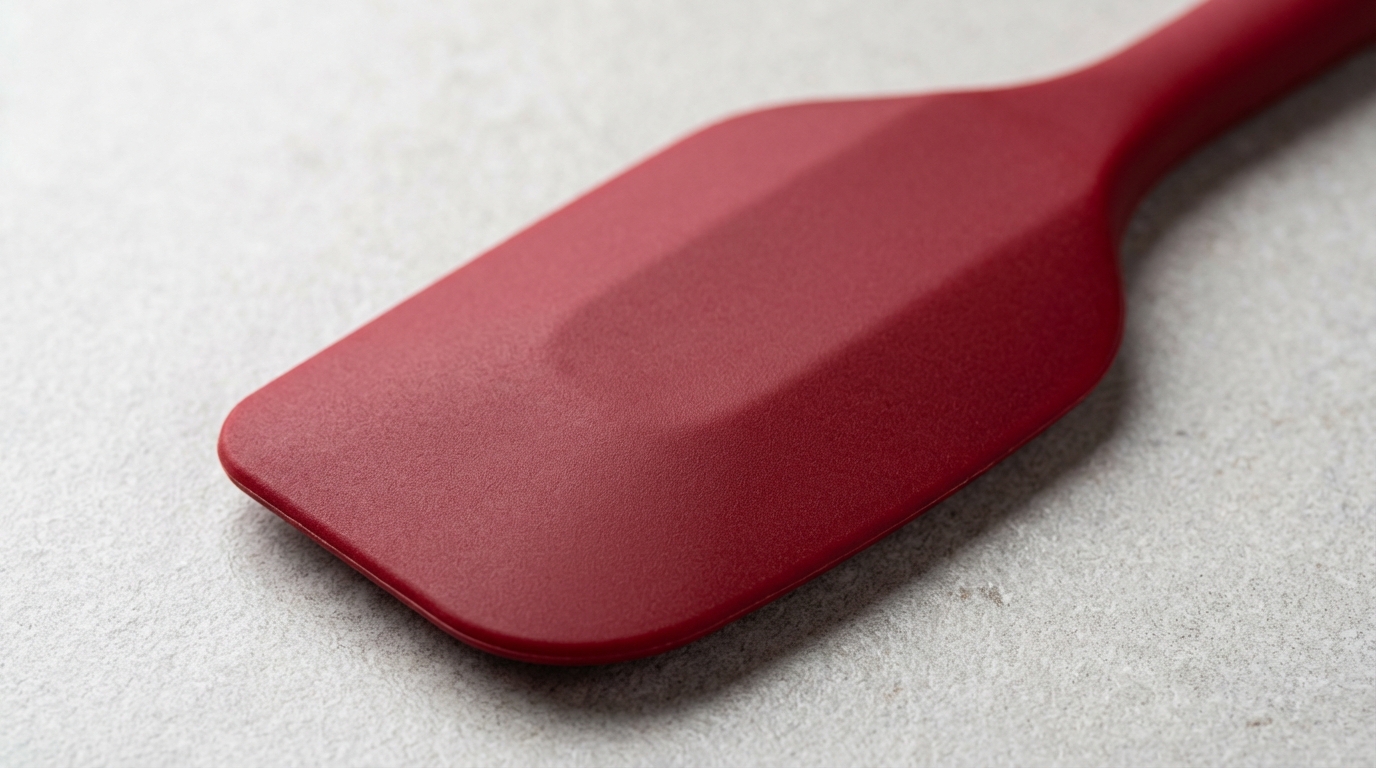
No, silicone does not degrade into microplastics even after years of use, although it may eventually show signs of physical wear like small cuts or nicks. Unlike plastic, which becomes brittle and starts to “dust” or fragment, silicone remains flexible and holds its molecular bonds. We must verify if [does silicone leach microplastics] as the surface of an old spatula begins to age.
What should you look for in aged silicone?
While it won’t shed microplastics, you should replace silicone utensils if they develop deep tears where food particles can become trapped. This is a matter of hygiene rather than chemical degradation or micro-particle shedding.
- High resistance to UV and ozone.
- Remains flexible in freezing temperatures.
- Non-porous surface prevents staining.
Look at it this way:
Silicone is built to last a lifetime.
The durability of silicone makes it an eco-friendly choice by reducing the frequency of kitchenware replacement.
Key Takeaway: Physical wear in silicone does not equate to the dangerous chemical fragmentation seen in plastic.
| Aging Factor | Silicone Response | Plastic Response |
|---|---|---|
| UV Exposure | Immune | Brittle |
| Dishwasher Use | Safe | Cracking |
| Mechanical Stress | Flexible | Snapping |
Maintaining a regular inspection routine ensures that your kitchen tools remain both functional and sanitary.
What happens if silicone enters the environment?
Silicone remains an inert solid that does not break down into microplastics, making it much less harmful than traditional plastic in landfills or oceans. Because it does not fragment into tiny, ingestible pieces, it does not enter the food chain via marine life. Industry experts researching does silicone leach microplastics emphasize its environmental stability.
Is silicone a sustainable choice for businesses?
While silicone is not biodegradable, its ability to remain intact prevents the spread of micro-pollution. It can also be recycled at specialized facilities, turning old utensils into silicone oil or playground mulch.
- Does not contribute to ocean microplastics.
- Inert behavior prevents toxic leaching.
- Long lifespan reduces overall waste.
Think about the impact:
Your choices today shape the planet tomorrow.
By opting for silicone over plastic, you are actively participating in the reduction of global microplastic contamination.
Key Takeaway: Silicone’s environmental footprint is minimized by its resistance to fragmentation and chemical leaching.
| Impact Area | Silicone | Plastic |
|---|---|---|
| Marine Life | Non-ingestible | Dangerous Fragments |
| Soil Health | Inert | Chemical Leaching |
| Recyclability | Specialized | Widely available but low rate |
Choosing the right materials is a critical component of any modern corporate social responsibility strategy.
Frequently Asked Questions
Can I boil my silicone utensils to clean them?
Yes, you can safely boil silicone utensils because they are heat-resistant up to 230°C and won’t release any harmful chemicals or microplastics during the process. This makes them much more hygienic than plastic alternatives.
What’s the best way to clean silicone to prevent wear?
The best way to clean silicone is by using mild soap and water or placing it in the dishwasher, as its non-porous surface resists staining and bacteria without requiring harsh scrubbing. Avoid using sharp scouring pads which could cause physical nicks.
How do I know if my silicone is BPA-free?
You know silicone is BPA-free if it is 100% pure food-grade silicone, as BPA is a chemical used exclusively in the production of certain plastics and is not part of the silicone manufacturing process. Always look for the “BPA-Free” label for extra assurance.
Can I use silicone in the oven?
Yes, you can use silicone in the oven as long as you do not exceed its rated temperature limit, usually around 230°C. It is an excellent material for baking mats and molds due to its natural non-stick properties.
How do I know if the silicone is high quality?
You can determine quality by checking for a smooth finish and performing the “pinch test” to ensure no white fillers appear when the material is twisted. High-quality silicone will also have clear certification markings from the FDA or LFGB.
Strategic Conclusion
Pure silicone is a scientifically sound solution for those looking to eliminate microplastics from their cooking environment. By choosing materials with a silicon-oxygen backbone, you ensure that no harmful particles or chemicals migrate into your food, even under extreme heat. At HuaLin Silicone, we are committed to manufacturing the highest grade of silicone products to protect your health and your brand’s reputation. If you are ready to upgrade your product line to microplastic-free alternatives, contact us today for expert guidance.