
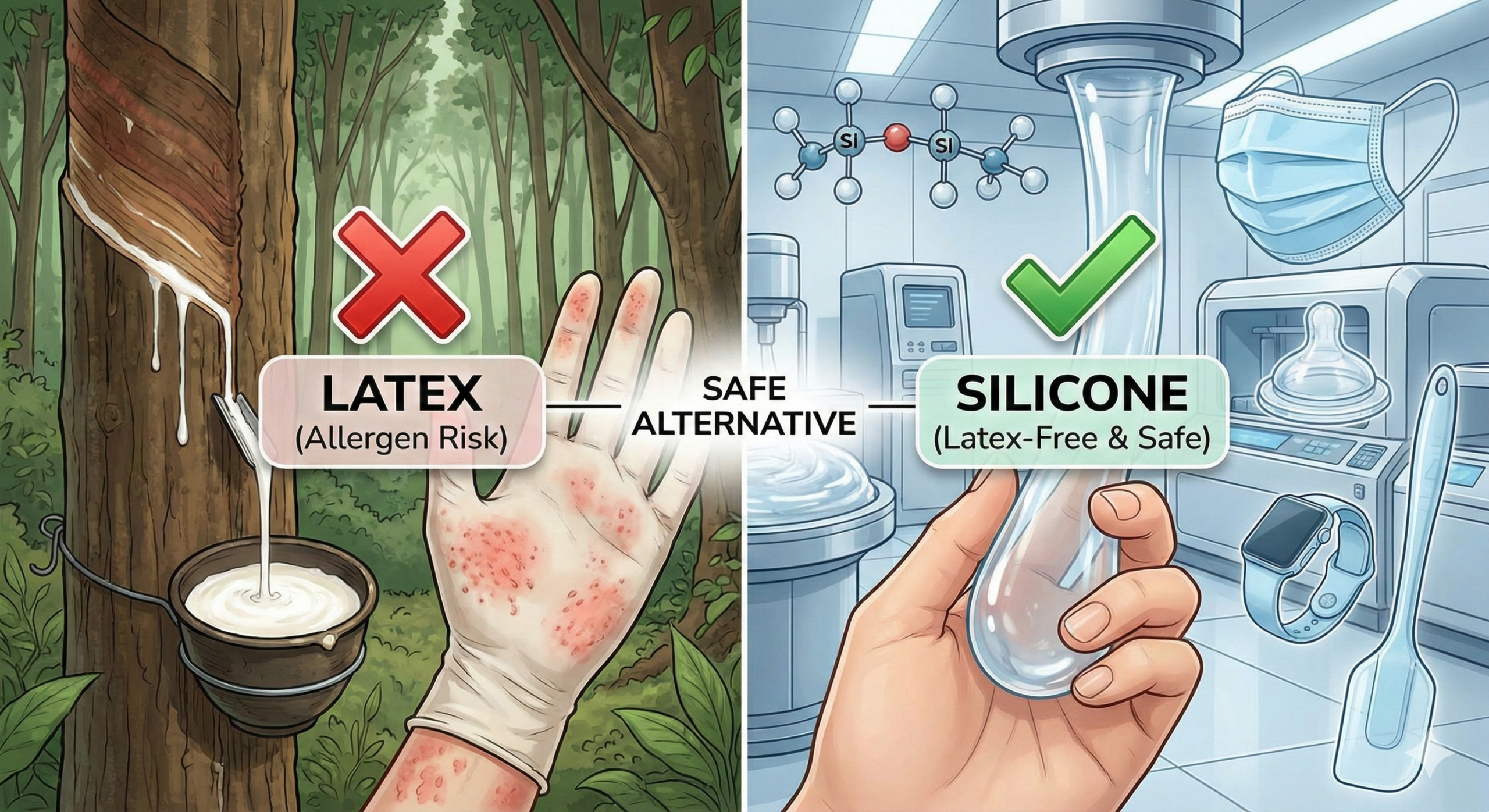
Yes, high-purity silicone is a safe alternative for individuals with latex allergies because it is a fully synthetic material that is completely free of latex proteins. Living with a latex allergy often feels like navigating a minefield of potential triggers in your own home or workplace. A simple touch of a common rubber band or medical glove can lead to intense itching, respiratory distress, or severe anaphylaxis. You deserve a material that offers superior flexibility and durability without the constant threat of a biological allergic reaction. But the question remains: does silicone have latex? Understanding the science behind these materials is the key to protecting your health and making informed product choices.
Does silicone have latex in its chemical structure?
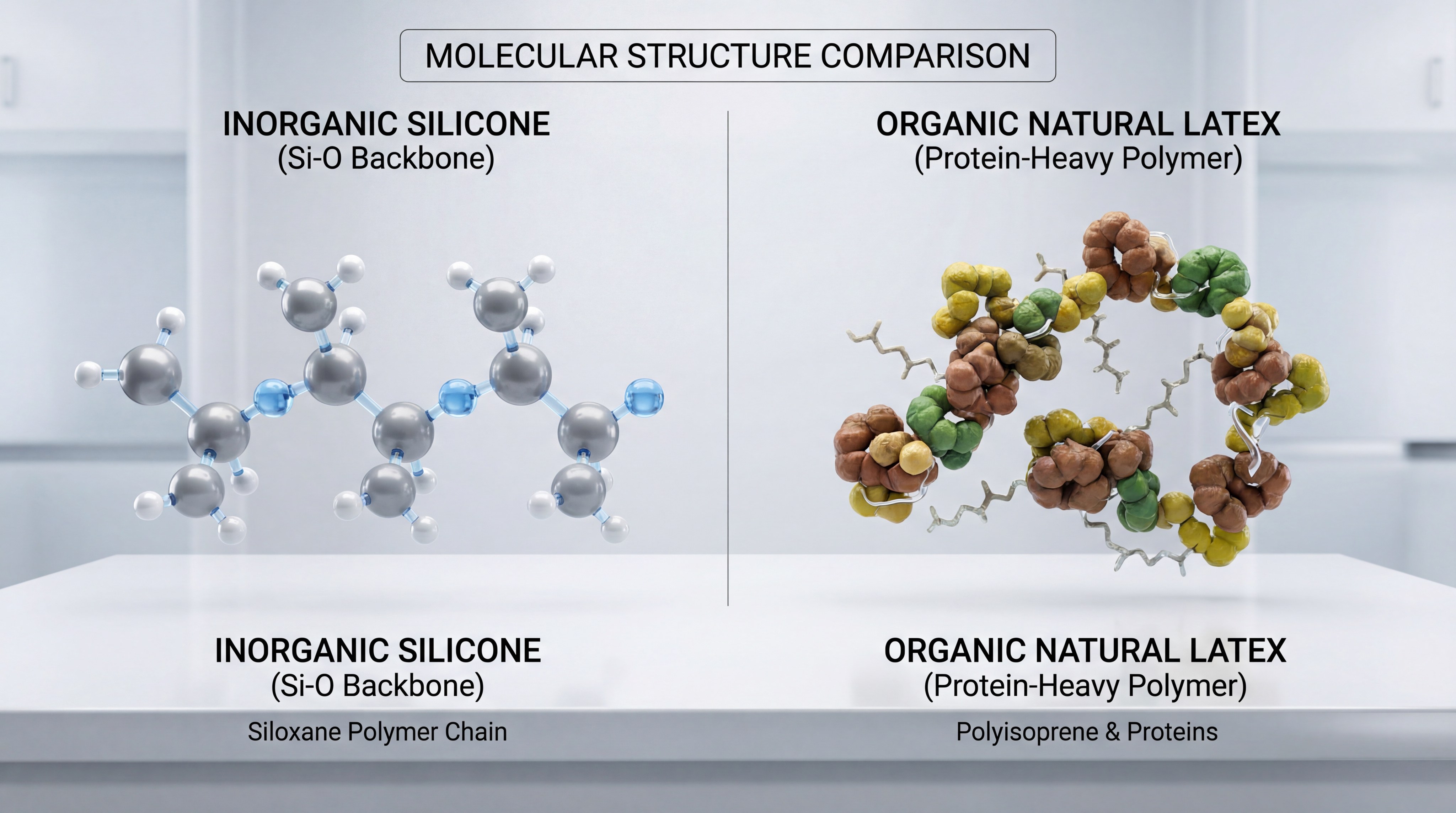
No, silicone does not contain latex in its chemical structure because it is an inorganic synthetic polymer derived from silicon, oxygen, carbon, and hydrogen. While natural rubber comes from the sap of trees, silicone is manufactured through controlled chemical synthesis in a laboratory. Many consumers often ask, “does silicone have latex?” the answer is a definitive no due to its distinct molecular origin.
Why is the synthetic origin important?
Look at the facts. Because silicone is man-made, manufacturers have total control over the ingredients used during the polymerization process.
- Silicone starts as silica (sand).
- It undergoes complex chemical reactions to form a siloxane backbone.
- No plant matter is ever introduced.
- The result is a consistent, non-reactive elastomer.
Is silicone inherently hypoallergenic?
Here is the deal. Hypoallergenic materials like silicone are designed specifically to minimize the risk of an immune response. Since it lacks the 11+ types of proteins found in natural rubber, it provides no biological “target” for the body.
Key Takeaway: Silicone is a molecularly different substance from latex and contains zero organic tree proteins.
| Feature | Silicone Structure | Latex Structure |
|---|---|---|
| Origin | Synthetic (Silica-based) | Natural (Sap-based) |
| Backbone | Silicon-Oxygen (Si-O) | Carbon-Carbon (C-C) |
| Protein Content | 0% | High (Plant Proteins) |
The clear chemical divide between these two materials ensures that silicone remains a primary choice for allergy management.
Why is silicone safer than natural rubber latex?

Silicone is significantly safer than natural rubber latex because it lacks the complex organic proteins that trigger the immune system’s defensive response. Natural rubber contains biological impurities that remain in the final product even after processing. When people wonder, “does silicone have latex?” they are usually looking for a material that won’t cause the skin irritation common with traditional rubber. Silicone’s inert nature provides a stable barrier that does not leach irritants over time.
How do proteins trigger allergies?
But wait, there’s more. The human immune system mistakenly identifies the proteins in natural rubber as harmful invaders.
- Exposure triggers the release of histamine.
- Reactions can range from contact dermatitis to asthma.
- Sensitization increases with repeated exposure.
- Natural rubber production cannot fully eliminate these proteins.
What makes silicone chemically stable?
It gets even better. Silicone is chemically inert, meaning it does not react with oils, sweat, or standard detergents. This stability is why it is used in long-term medical applications without degrading or causing the body to react.
Key Takeaway: The absence of biological proteins in silicone removes the primary cause of latex-related allergic reactions.
| Safety Factor | High-Quality Silicone | Natural Rubber Latex |
|---|---|---|
| Allergy Risk | Extremely Low | High (Protein-based) |
| Reactivity | Inert | Reacts with skin oils |
| Degradation | UV and Heat Resistant | Becomes brittle/sticky |
By choosing silicone, you are opting for a material designed for biological neutrality and long-term safety.
Is medical grade silicone safe for sensitive skin?
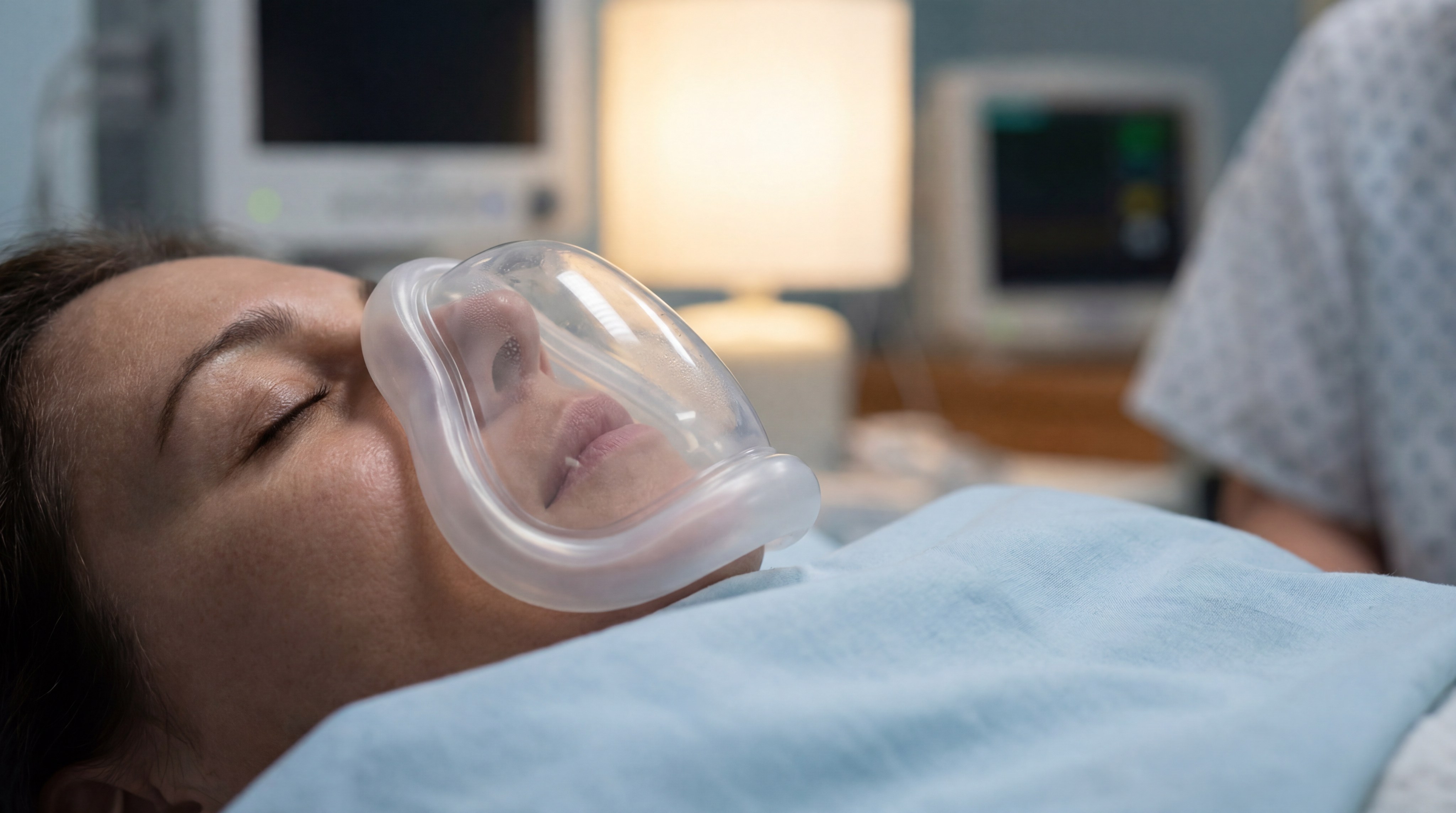
Yes, medical-grade silicone is exceptionally safe for sensitive skin because it is manufactured to the highest standards of purity and biocompatibility. This grade of silicone must pass rigorous testing to ensure it does not cause cytotoxicity or sensitization during human contact. Professionals and patients often ask, “does silicone have latex?” specifically when selecting medical grade silicone for masks or tubing. This material is intentionally engineered to be odorless, non-toxic, and neutral.
What are the standards for biocompatibility?
Think about this. Medical devices must follow strict ISO 10993 standards to be labeled as “biocompatible.”
- Material is tested for skin irritation.
- It must be free of harmful chemical fillers.
- Production occurs in sterile environments.
- Every batch is documented for traceability.
Is it free from harmful additives?
You might be wondering about fillers. High-quality medical silicone contains no BPA, phthalates, or heavy metal stabilizers that are often hidden in cheaper materials. This ensures that even those with multiple chemical sensitivities can use these products safely.
Key Takeaway: Medical-grade certification guarantees that the silicone is pure, tested, and entirely safe for prolonged skin contact.
| Certification | Focus Area | Safety Benefit |
|---|---|---|
| USP Class VI | Biocompatibility | Confirmed non-toxic to body |
| ISO 13485 | Quality Management | Reliable production standards |
| BPA-Free | Chemical Purity | No endocrine disruptors |
Strict adherence to these medical standards provides the ultimate peace of mind for latex-allergy sufferers.
Can silicone products cause cross-contamination?
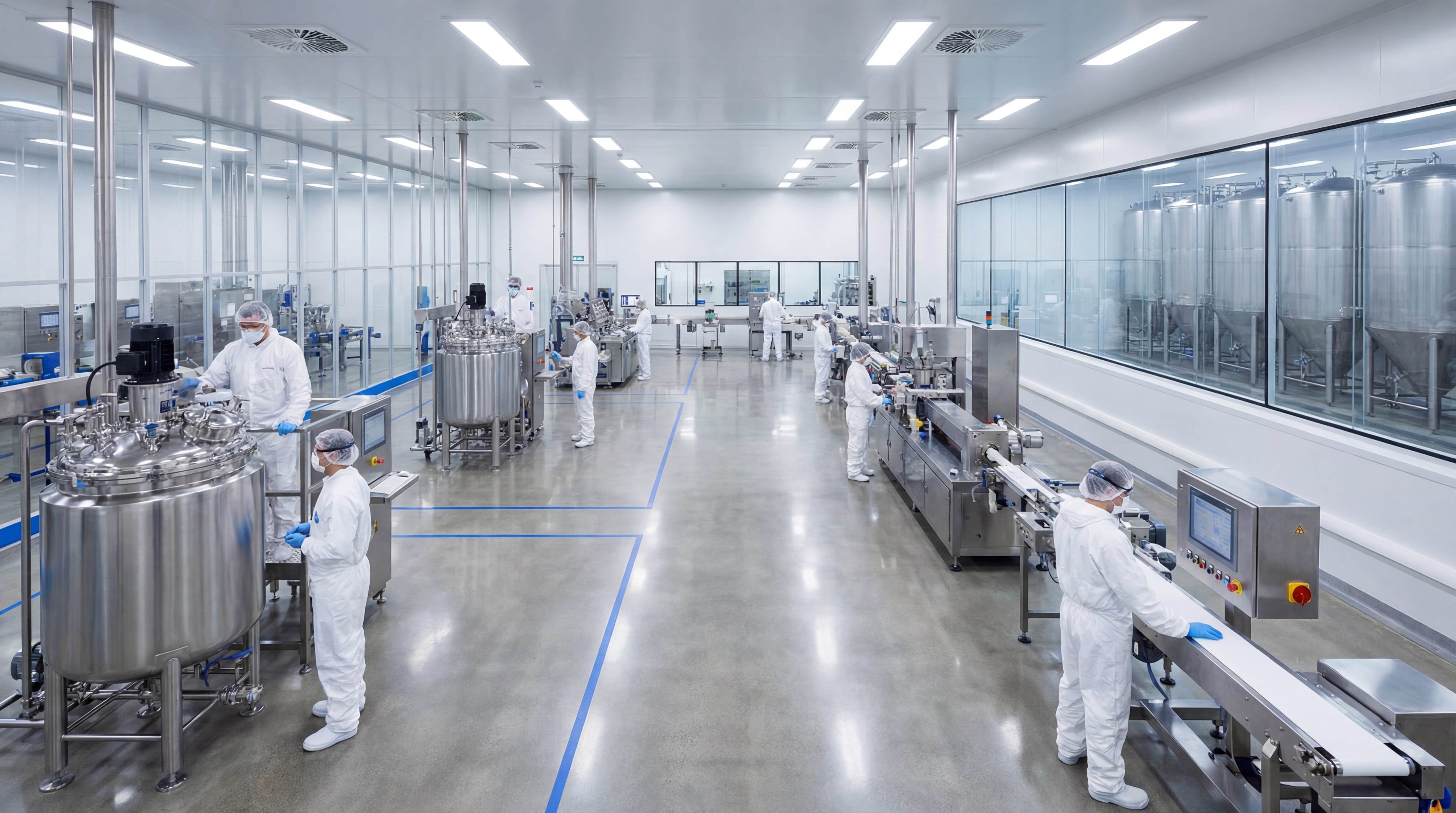
Cross-contamination can only occur if a manufacturing facility processes both natural rubber and silicone on the same production lines without proper cleaning. While the material itself is safe, poor factory management could theoretically introduce latex proteins into a silicone product. When asking, “does silicone have latex?” it is vital to verify that your supplier uses dedicated silicone-only machinery. Modern high-tech factories eliminate this risk by maintaining strict material segregation protocols.
Why choose a dedicated factory?
Don’t overlook the factory floor. A dedicated facility prevents “drift” where dust or particles from one material could settle on another.
- Equipment is never shared with natural rubber.
- Technicians follow strict de-contamination steps.
- Raw materials are stored in sealed containers.
- Air filtration systems maintain purity.
How to verify material integrity?
How do you know for sure? Reputable manufacturers provide batch reports and material origin documents to prove the product’s “latex-free” status. Checking these reports is the best way to ensure that cross-contamination hasn’t compromised your safety.
Key Takeaway: Safety depends not just on the material, but on the cleanliness and specialization of the manufacturing environment.
| Factory Protocol | Purpose | Risk Prevented |
|---|---|---|
| Dedicated Tooling | Single material use | Protein transfer |
| Clean Room Ops | Controlled environment | Airborne contamination |
| Batch Tracking | Traceability | Material mixing |
Selecting a partner with dedicated silicone production lines is the most effective way to guarantee a latex-free result.
What are the rare risks of silicone allergies?

While silicone allergies are extremely rare, they can occur if the product contains unreacted catalysts or low-quality industrial additives. Most “silicone reactions” are actually cases of contact dermatitis caused by moisture or sweat being trapped against the skin for too long. If you are concerned and ask, “does silicone have latex?” the answer remains no, but you should still monitor your skin for signs of irritation. Using platinum-cured silicone significantly reduces the risk of chemical sensitivity compared to cheaper curing methods.
Allergy vs. simple irritation?
Let’s clarify the difference. Most people confuse a sweat rash with a genuine allergic reaction to the material itself.
- Allergic reactions cause systemic hives or swelling.
- Irritation is usually localized redness.
- Trapped moisture under a strap is a common culprit.
- Frequent cleaning of the product helps.
The danger of low-quality fillers?
Here is the catch. Industrial-grade silicone might use “black carbon” or harsh catalysts that can irritate the skin. Always ensure your silicone is “platinum-cured” and 100% pure to avoid these unnecessary chemical risks.
Key Takeaway: Genuine silicone allergies are rare; choose high-quality curing processes to eliminate chemical irritation.
| Reaction Type | Symptom | Common Cause |
|---|---|---|
| Sweat Rash | Redness/Small Bumps | Lack of airflow |
| Chemical Irritation | Itching/Burning | Low-grade catalysts |
| True Allergy | Hives/Systemic Swelling | Reaction to additives |
Analysis shows that premium silicone grades virtually eliminate the risks associated with chemical and biological sensitivities.
Is food grade silicone safe for people with allergies?

Yes, food-grade silicone is highly safe for individuals with allergies because it meets strict FDA and LFGB standards for non-toxicity and chemical stability. Unlike plastics or rubbers, silicone does not leach harmful chemicals or proteins into food, even when exposed to high heat. People frequently ask, “does silicone have latex?” before purchasing kitchenware to ensure their meals remain free from potential allergens. Its ability to withstand temperatures from -60°C to 230°C makes it a superior choice for safe cooking.
What are the compliance standards?
Simply put, if it’s food-grade, it’s tested. These certifications ensure the material is neutral and safe for consumption contact.
- FDA standards are the baseline for safety.
- LFGB standards (Europe) are often even stricter.
- Materials must be non-porous and easy to clean.
- They must resist bacterial and fungal growth.
Does it leach at high temperatures?
You’ll love this. Silicone maintains its structural integrity without emitting toxic fumes or releasing microparticles into your food. This makes it much safer than many synthetic rubbers which can break down under the stress of high-heat baking.
Key Takeaway: Food-grade certification is your guarantee that the material is hypoallergenic and chemically stable for daily use.
| Testing Metric | Requirement | Outcome |
|---|---|---|
| Heat Stability | Up to 230°C | No melting or fumes |
| Toxicity | Zero BPA/Phthalates | Food remains pure |
| Cleaning | Dishwasher Safe | No bacterial buildup |
Food-grade silicone offers a reliable, allergy-safe solution for modern kitchens where safety and hygiene are paramount.
Why choose silicone for pet products and accessories?

Choosing silicone for pet products is a smart decision because it is durable, non-toxic, and free from the strong chemical odors that can irritate animals. Many pet owners worry about their pets’ sensitivities and ask, “does silicone have latex?” to prevent skin reactions in their furry companions. Silicone toys and bowls are resistant to chewing damage and do not break into sharp, dangerous pieces that could be swallowed.
Is silicone safe for heavy chewers?
Check this out. The material’s high tear strength means it can take a lot of punishment without degrading.
- It lacks the “rubber smell” pets often dislike.
- Silicone is much harder to bite through than latex.
- It is free from lead and heavy metal dyes.
- Soft textures protect your pet’s gums.
Why is hygiene important for pets?
Here’s the secret. Silicone is naturally resistant to bacteria, which is essential for items like water bowls and grooming tools. You can easily sterilize these items in boiling water to ensure your pet stays healthy and infection-free.
Key Takeaway: Silicone provides a durable, hygienic, and hypoallergenic material that protects pet health in every interaction.
| Pet Product Type | Silicone Advantage | Rubber Disadvantage |
|---|---|---|
| Chew Toys | Tear resistant/Safe | Easy to shred/Toxic |
| Feeding Bowls | Bacteria resistant | Porous/Hard to clean |
| Grooming Tools | Gentle on skin | Can pull fur/Irritating |
Analysis proves that silicone is the most versatile and safe material currently available for high-quality pet care applications.
Is silicone safe for smart wearables and trackers?
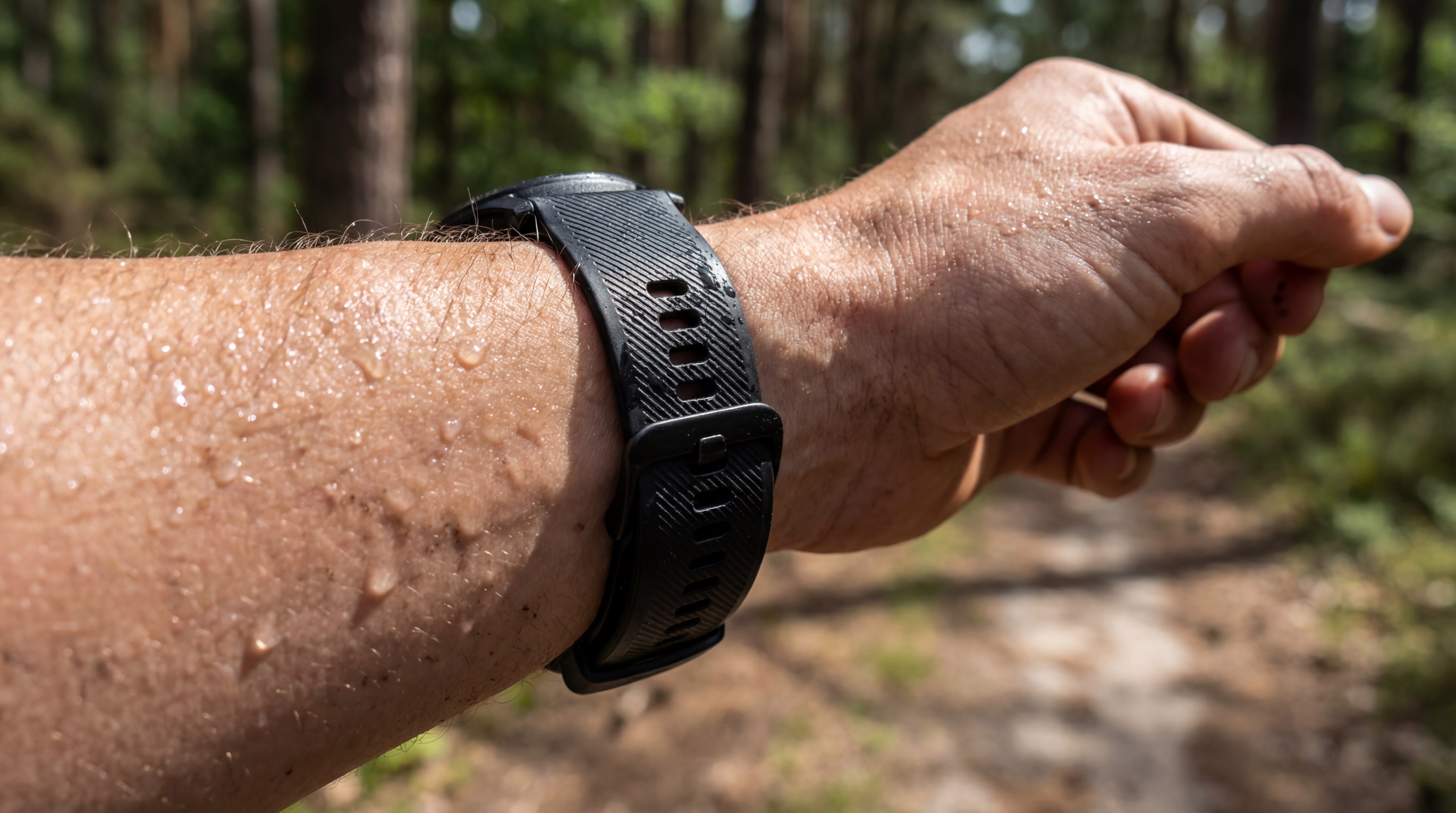
Silicone is considered the gold standard for smart wearables because it is sweat-resistant, highly flexible, and incredibly gentle on the skin. For 24/7 health monitoring, users need a band that won’t cause the mechanical friction or rashes often associated with natural rubber. If you are active and wonder, “does silicone have latex?” you can rest assured that high-performance silicone bands are protein-free and hypoallergenic. It is the preferred choice for athletes who need a material that can handle moisture without degrading.
Why is it preferred for active wear?
It’s a game changer. Silicone does not absorb sweat, meaning it won’t harbor the bacteria that cause skin odors and rashes.
- Lightweight for all-day comfort.
- Soft-touch finish prevents skin chafing.
- UV resistance prevents fading over time.
- Highly adjustable without losing shape.
Does it stay comfortable long-term?
Believe it or not. Silicone remains soft and flexible for years, unlike other elastomers that become brittle or sticky when exposed to skin oils. This longevity ensures your tracker stays secure and comfortable, regardless of your activity level.
Key Takeaway: Silicone’s combination of comfort and moisture resistance makes it the ideal material for skin-contact technology.
| Wearable Feature | Silicone Performance | Latex Performance |
|---|---|---|
| Sweat Handling | Sheds moisture | Becomes slippery |
| Skin Feel | Silky/Non-stick | Can cause friction |
| Longevity | Stays flexible | Perishes over time |
The durability and skin-friendly properties of silicone make it the essential choice for the modern wearable device industry.
How to identify high-quality latex-free silicone?
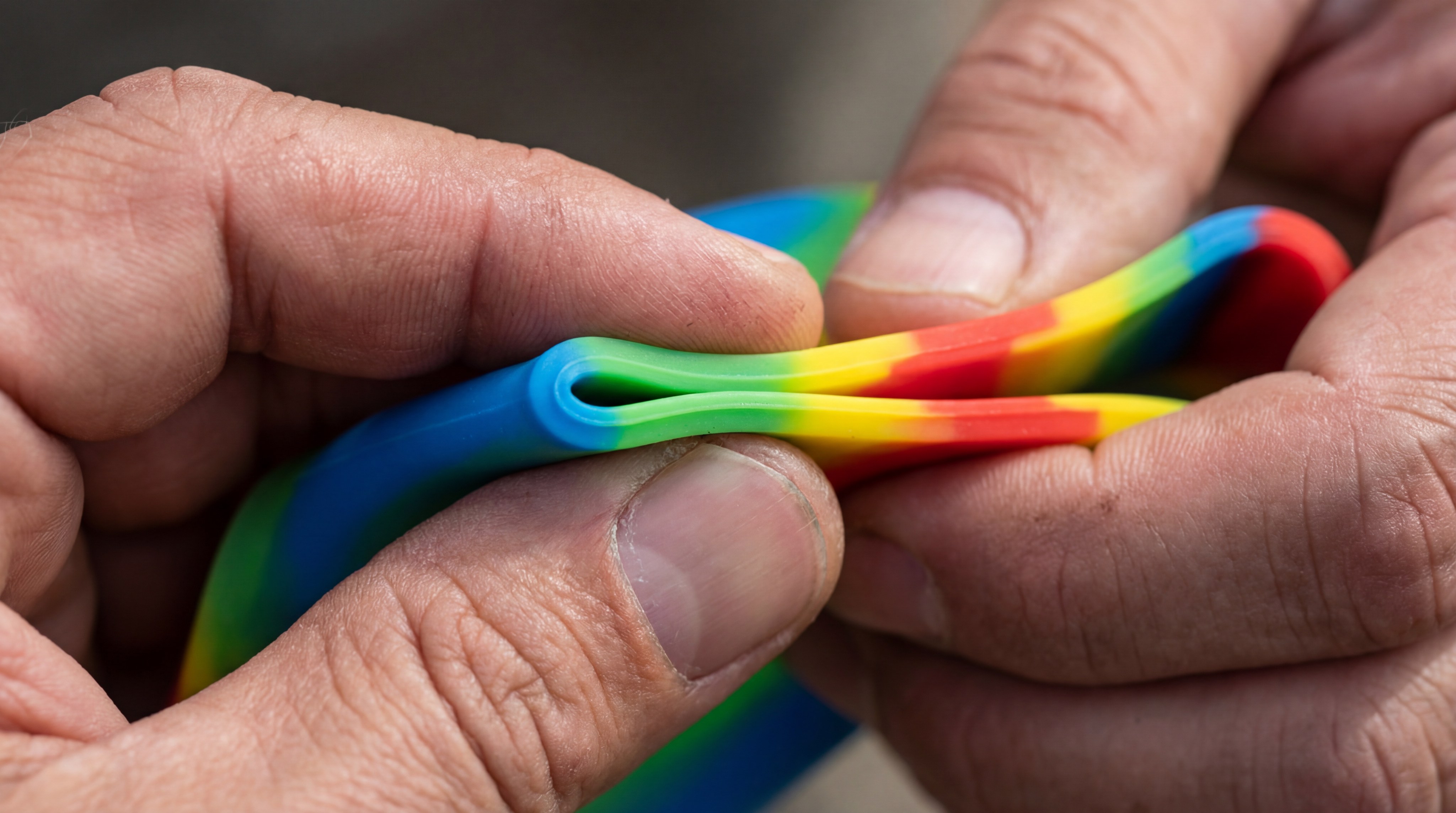
You can identify high-quality latex-free silicone by performing the “pinch test”—twisting the material to ensure it doesn’t turn white, which would indicate cheap plastic fillers. Pure, high-grade silicone is also odorless, while lower-quality versions often have a strong chemical smell. Before purchasing a protective silicone sleeve, consumers should ask, “does silicone have latex?” and look for 100% silicone labeling on the packaging.
What is the “Pinch Test”?
Try this yourself. It is the fastest way to verify if a product is pure or mixed with fillers.
- Pinch and twist the silicone firmly.
- If it stays the same color, it’s pure.
- White streaks mean it contains fillers.
- Fillers can cause the skin sensitivity you’re avoiding.
How to read safety labels properly?
Stay sharp. Always check for explicit mentions of “100% Silicone” and specific certifications like FDA or LFGB. Reputable brands will be transparent about their manufacturing process and will happily provide material safety data sheets (MSDS) upon request.
Key Takeaway: Physical testing and careful label reading are your best defenses against low-quality, irritating silicone products.
| Quality Check | High-Grade Silicone | Low-Grade Silicone |
|---|---|---|
| Pinch Test | No color change | Turns white |
| Smell | Odorless | Strong chemical scent |
| Flexibility | Recoils instantly | May stay stretched |
Using these simple identification methods allows you to select allergy-safe products with complete confidence and accuracy.
What certifications guarantee silicone material safety?
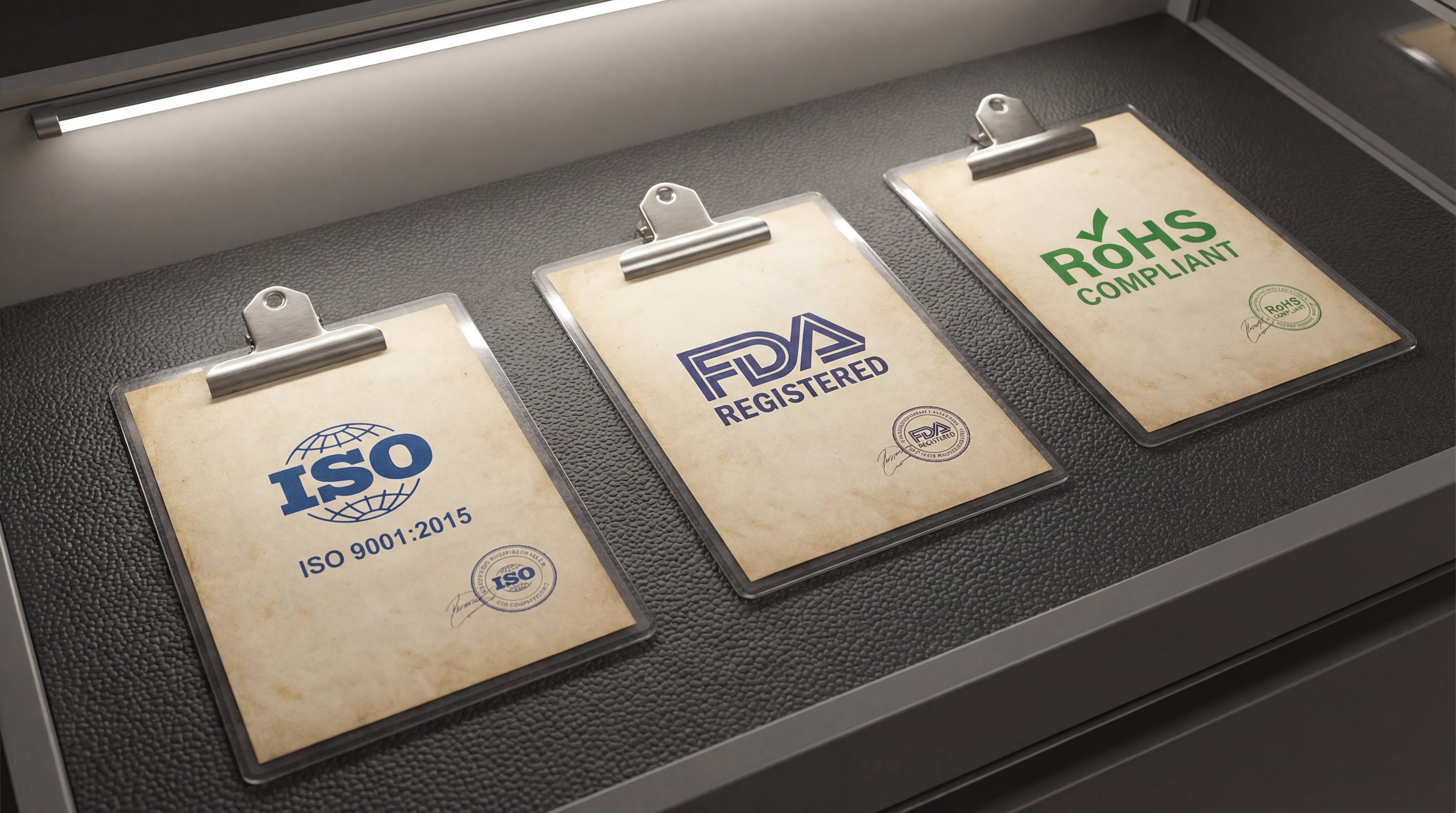
Certifications like ISO 9001, ISO 13485, and FDA registration guarantee that silicone material is produced under strict quality controls and is safe for its intended use. These seals prove that a factory follows international standards for consistency, traceability, and material purity. When clients ask, “does silicone have latex?” these documents serve as the definitive legal proof of a latex-free environment. Without these certifications, there is no way to verify if a product meets basic safety requirements.
Why does ISO 9001 matter?
Here is why it counts. It ensures that every single product coming off the line is identical in quality and safety.
- Systems are audited by third parties.
- Every batch of raw material is checked.
- Manufacturing errors are caught early.
- Reliability is built into the process.
What is the importance of traceability?
This is the big one. Traceability allows a manufacturer to track a specific product back to the exact day it was made and the raw material source. If an issue ever arises, these records allow for rapid identification and protection of the consumer.
Key Takeaway: Valid certifications are the only way to objectively prove a product is high-quality, safe, and latex-free.
| Safety Seal | What It Proves | Why You Need It |
|---|---|---|
| FDA | Material is non-toxic | Safe for food/medical |
| ISO 9001 | Consistent production | Predictable quality |
| RoHS | No hazardous substances | Environmentally safe |
Certifications act as a universal language of trust, ensuring that your silicone products are as safe as the standards require.
*
Strategic Material Selection
Choosing silicone as a latex alternative is a critical safety decision for those living with hypersensitivity. Because silicone is a synthetic elastomer, it lacks the protein triggers found in natural rubber sap. By selecting medical or food-grade products from certified manufacturers, you ensure a hypoallergenic experience across kitchenware, medical devices, and smart technology.
At Dongguan Hualin, we understand that “latex-free” isn’t just a label—it’s a commitment to user health. We have solved complex material challenges for global brands by providing high-purity LSR and compression molding solutions that prioritize biocompatibility. Whether you need precise medical components or durable consumer goods, we can provide the engineering expertise and certified quality your project demands.
For more information on material safety or to start your custom project, please contact us today.
*
Frequently Asked Questions
- Can I be allergic to both latex and silicone at the same time?
Yes, but it is extremely rare; a latex allergy is a reaction to organic proteins, whereas a silicone reaction usually stems from chemical additives in low-grade manufacturing. - How do I know if my silicone kitchenware has hidden latex?
Pure silicone contains no latex; you can verify purity by ensuring the product is 100% food-grade and passes the “pinch test” without whitening. - Is silicone better than plastic for people with skin allergies?
Generally, yes; silicone is more chemically inert than most plastics and does not contain common irritants like BPA or phthalates. - Can I use silicone products for medical procedures if I have a latex allergy?
Medical-grade silicone is the industry-standard alternative for latex-allergic patients, but you should always inform your doctor to verify the product’s specific certification. - Does silicone release any toxic fumes when heated in the oven?
High-quality food-grade silicone is stable up to 230°C and does not off-gas or leach toxins when used within its rated temperature range.