
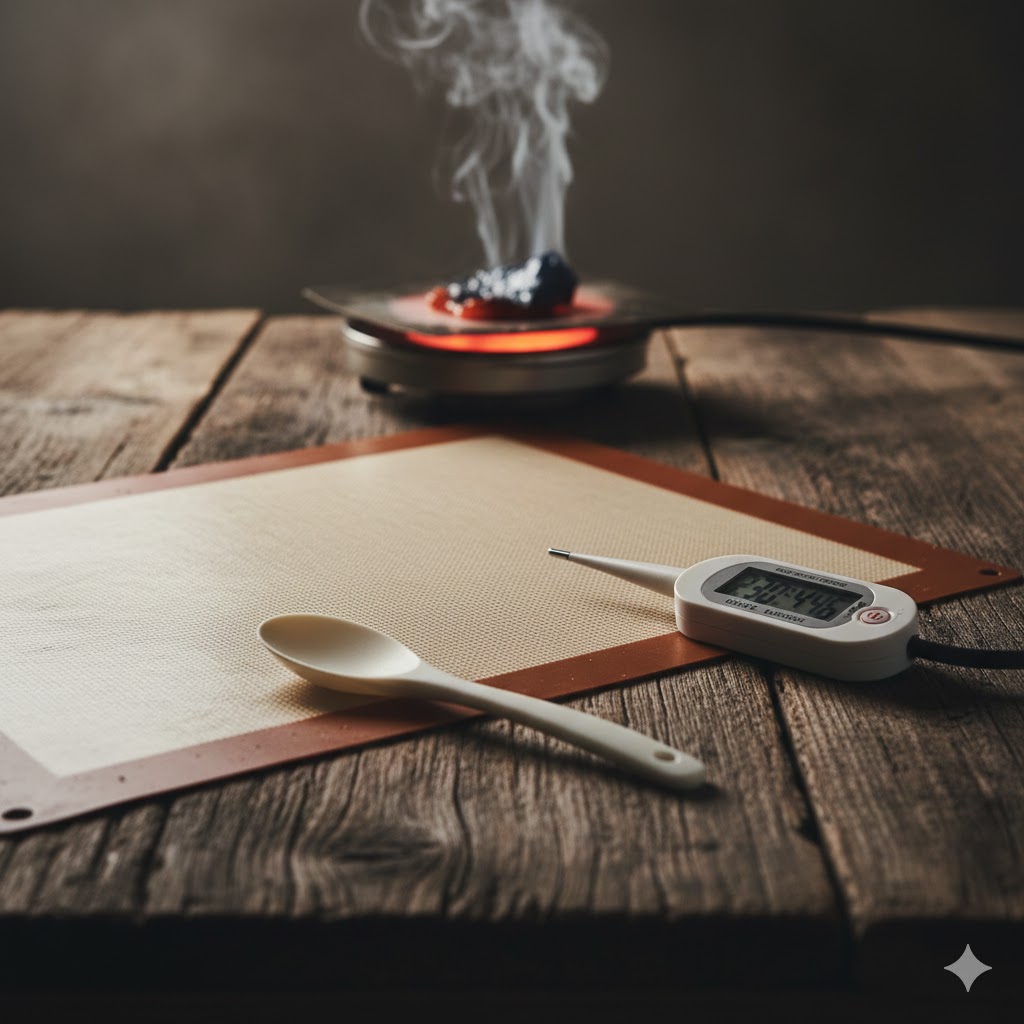
Finding the right material for high-heat industrial applications often leads to significant frustration when your components begin to deform or release toxic odors during critical production cycles. You might feel overwhelmed by the sheer variety of polymers that promise extreme durability but ultimately fail when exposed to the intense thermal stress of a commercial oven or an automotive engine bay. Here is the deal, silicone provides the ultimate solution because it does not actually possess a traditional melting point and instead maintains its solid structural integrity up to 230°C before undergoing chemical decomposition. When you examine what temperature does silicone melt, you are looking at a material that transitions directly from a flexible elastomer to a brittle solid rather than liquefying like standard plastic. Our expert manufacturing team at HuaLin utilizes advanced curing techniques to ensure your custom components withstand these extreme environments without compromising safety or mechanical performance.
What temperature does silicone melt actually?
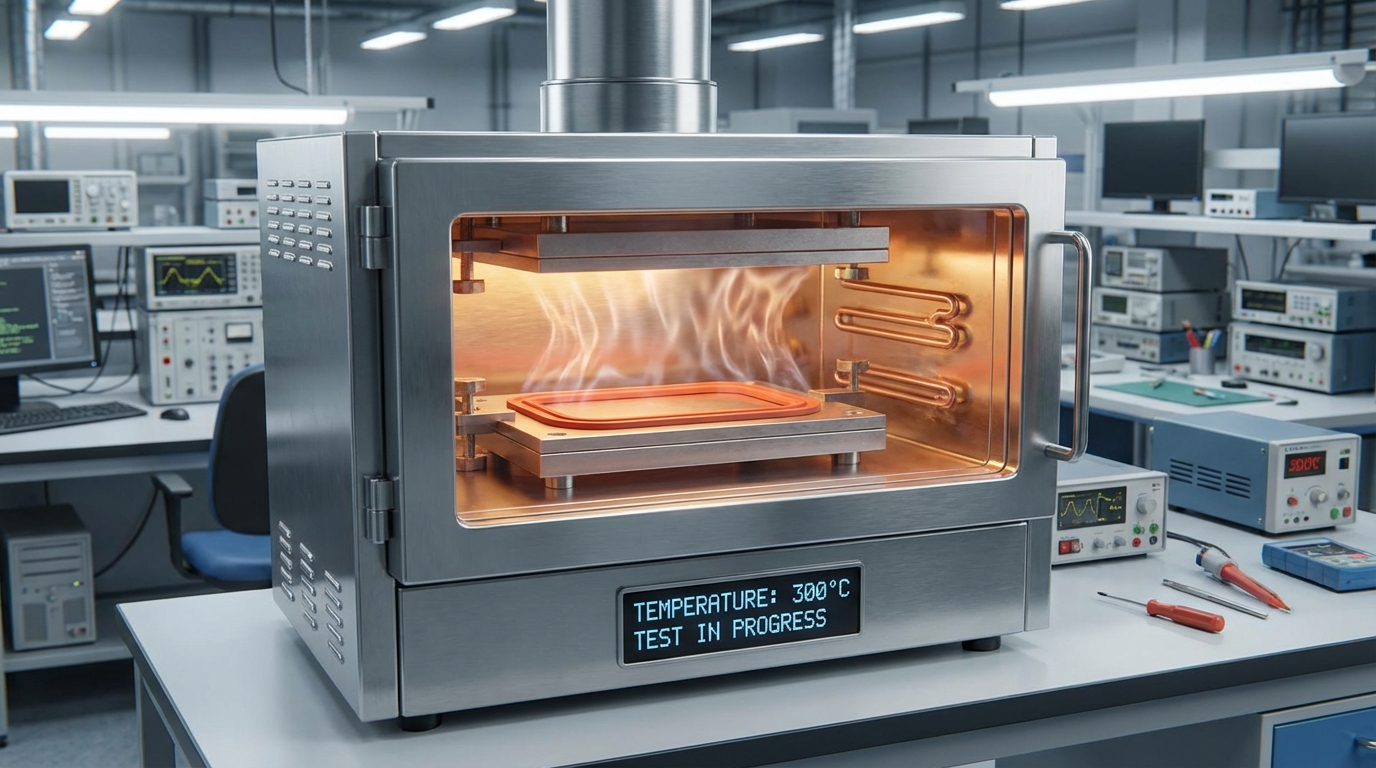
When you investigate what temperature does silicone melt, you must understand that this synthetic elastomer resists liquefaction and remains functional up to 230°C (446°F) in most industrial settings. Unlike thermoplastic materials that soften and flow when heat is applied, silicone is a thermoset polymer that retains its molded shape until it reaches the point of thermal oxidative degradation. This specific characteristic makes it an invaluable asset for engineers who require a material that will not drip or deform during high-temperature manufacturing processes or sterilization cycles. This is where it gets interesting, because the siloxane backbone of the polymer is much stronger than the carbon bonds found in organic rubbers, allowing for superior heat stability across diverse applications.
Is there a liquid phase for silicone?
● Thermoset molecular structure prevents traditional melting behavior.
● Chemical bonds break down before the material can liquefy.
● High-energy siloxane chains require extreme heat to decompose.
You might be wondering if there is any scenario where you would see a pool of liquid silicone after heating a solid part. Because the cross-linked molecular network is permanently set during the curing process, the material will simply char and turn into a white ash rather than melting like a candle. This means your custom silicone products will never lose their dimensions or clog up machinery by melting into hard-to-reach mechanical crevices during a sudden thermal spike. The absence of a liquid phase ensures that your seals and gaskets remain in place to protect sensitive electronics or maintain pressure in fluid systems.
What defines the thermal limit?
● Continuous service temperature vs. intermittent peak exposure limits.
● Environmental factors like oxygen levels and humidity impact degradation.
● Additives and fillers can enhance or reduce overall heat resistance.
Ready for the good part? Standard grades of silicone rubber are designed to operate continuously at 200°C for thousands of hours without showing any significant loss in physical properties or elasticity. If the temperature exceeds 230°C, the polymer chains begin to reorganize and harden, leading to a gradual loss of the flexibility that makes silicone so desirable for sealing. By selecting the correct formulation for your specific heat requirements, you can extend the service life of your components and reduce the frequency of maintenance shutdowns in your facility.
| Thermal Property | Industrial Standard Value |
|---|---|
| Melting Point | None (N/A) |
| Stable Operating Temp | -60°C to 230°C |
| Auto-Ignition Point | ~450°C |
| Decomposition Residue | Silicon Dioxide (White Powder) |
The lack of a melting point distinguishes silicone from almost every other flexible polymer used in modern manufacturing, providing a safety margin that prevents catastrophic equipment failure.
Does silicone have a specific melting point?
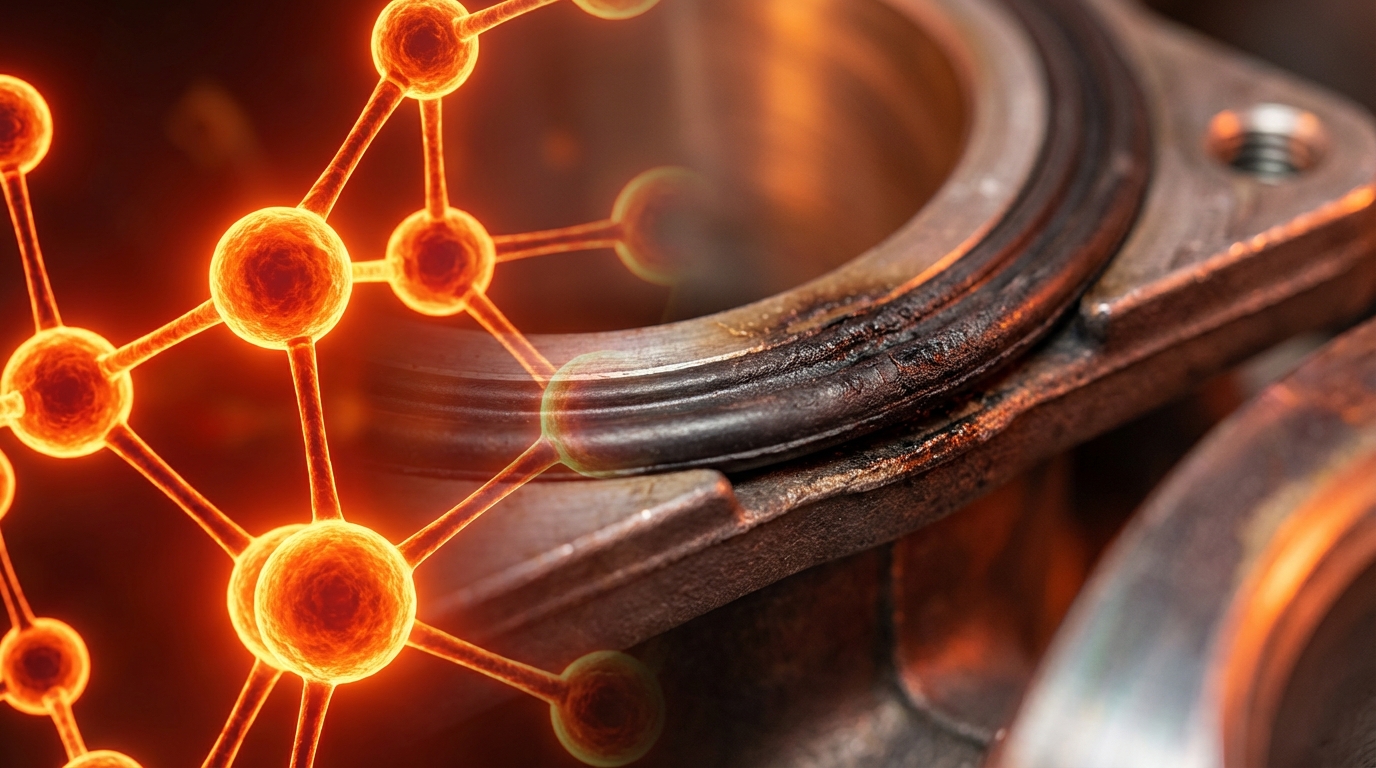
Technically, when asking what temperature does silicone melt, you discover that it lacks a specific melting point because it is a thermoset material that undergoes chemical decomposition instead of physical state changes. While a metal or ice cube has a precise temperature where it turns to liquid, silicone remains solid until the chemical bonds themselves are destroyed by extreme thermal energy. Most standard formulations will begin to show signs of structural failure and hardening once they are exposed to temperatures exceeding 250°C for prolonged periods. But wait, there’s more, because specialized high-temperature grades can even withstand intermittent peaks reaching up to 300°C while still maintaining their critical sealing functions.
Why do plastics melt but silicone doesn’t?
● Thermoplastics have linear chains that slide past one another.
● Silicone uses three-dimensional cross-linking to lock molecules in place.
● Heat provides energy for movement in plastic but causes bond rupture in silicone.
What’s the real story? Plastics are essentially like wax; they can be melted down and reshaped multiple times because their molecular chains are not chemically bonded to each other. Silicone is more like a baked cake, where the heat of the oven causes a permanent chemical reaction that cannot be reversed by simply reheating the finished product. This makes silicone manufacturing a precision process where the final shape is locked in during the curing stage, ensuring your parts stay exactly as designed. You can trust that your silicone components will maintain their tolerances even when the surrounding environment becomes hot enough to melt standard nylon or PVC parts.
How do siloxane bonds resist heat?
● Silicon-oxygen (Si-O) bonds are inherently more stable than carbon bonds.
● Bond energy for Si-O is significantly higher than for C-C chains.
● Higher energy requirement prevents the molecules from vibrating apart easily.
Here’s the kicker, the secret to silicone’s incredible heat resistance lies in the inorganic nature of its silicon-oxygen backbone which mimics the stability found in quartz and glass. These bonds are incredibly difficult to break, requiring a massive influx of thermal energy before the material shows any signs of losing its mechanical strength or flexibility. This inorganic core is surrounded by organic side groups that provide the elasticity we associate with rubber, creating a unique hybrid material for demanding environments. When you utilize our high-purity silicone, you are leveraging millions of years of chemical evolution to protect your most valuable industrial assets.
| Material Comparison | Melting Point Presence | Typical Failure Temperature |
|---|---|---|
| Standard Plastic | Yes | 70°C – 150°C |
| Natural Rubber | No | ~180°C (Softens) |
| Silicone Rubber | No | 230°C – 300°C (Hardens) |
| PTFE (Teflon) | Yes | 327°C |
Silicones outperform traditional rubbers by refusing to melt, ensuring that they provide a reliable barrier even when environmental temperatures exceed the limits of organic elastomers.
What happens at the decomposition point?
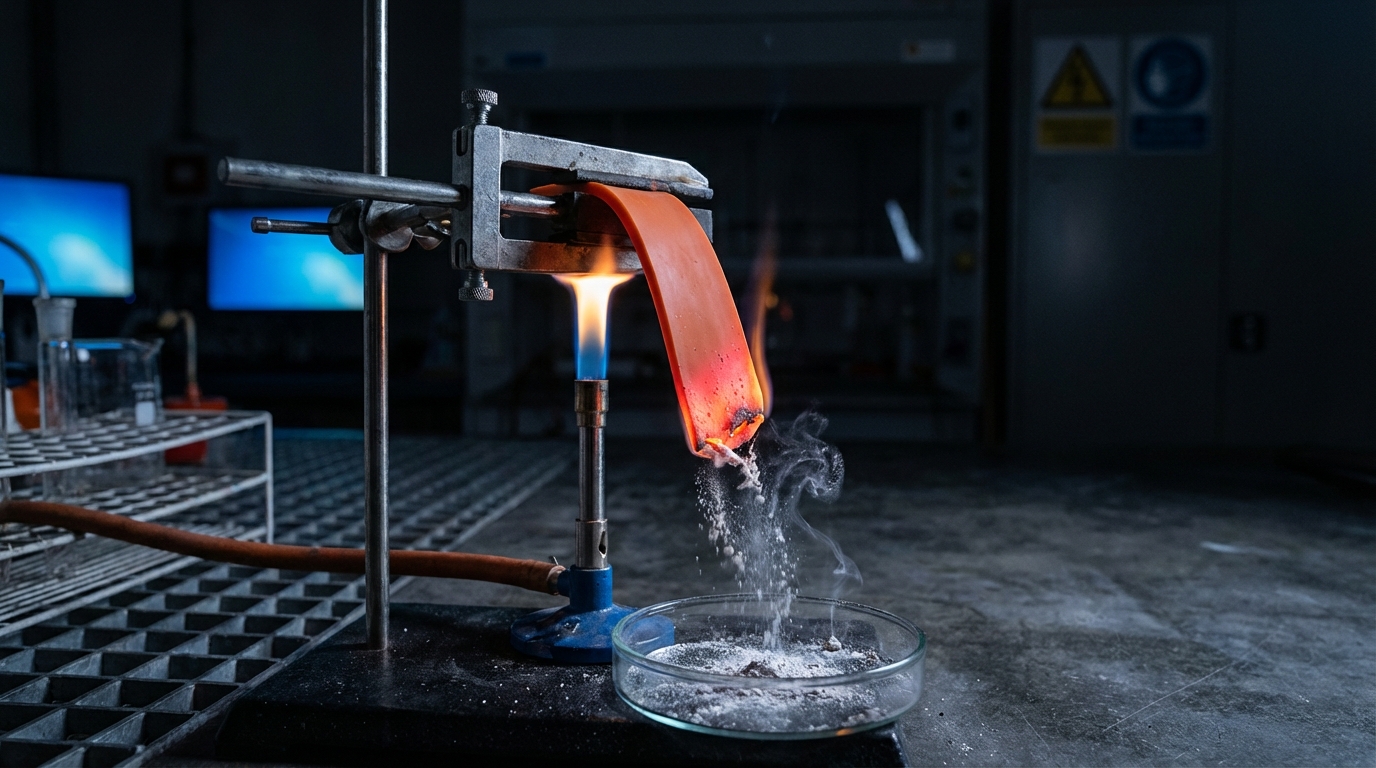
When you investigate what temperature does silicone melt, you find that at the decomposition point, the material loses its elasticity and eventually transforms into a fine white powder. This process, known as thermal-oxidative degradation, occurs when the oxygen in the air reacts with the silicon-oxygen backbone at temperatures typically starting around 250°C to 300°C. Instead of seeing a liquid mess, you will observe the material becoming increasingly brittle until it cracks and crumbles into silicon dioxide, which is essentially sand. This is where it gets interesting, because this non-conductive residue can actually provide a secondary layer of protection in some electrical applications even after the primary seal has failed.
How does color change indicate damage?
● Darkening or yellowing often occurs during early stages of overheating.
● Deep browning or charring suggests the core chemistry is failing.
● Surface chalking indicates that the outer layer is turning into silica.
Check this out, if you notice your vibrant orange or clear silicone parts starting to turn a dull brown or yellow, it is a clear warning sign that the heat limit has been reached. This discoloration is the result of the organic methyl groups on the silicone chain reacting with heat and oxygen, which is the first step toward the material becoming rigid. Monitoring these visual cues allows you to perform preventative maintenance before a seal fails and causes expensive downtime for your production line. We always recommend inspecting your silicone kitchenware or industrial gaskets for these color shifts to ensure ongoing safety and functional performance.
What is the final residue of silicone?
● Silicon dioxide (silica) is the primary solid byproduct of burnt silicone.
● Water vapor and carbon dioxide are the main gaseous byproducts.
● Lack of toxic heavy metals makes the residue relatively safe.
Believe it or not, the white powder left behind after silicone is destroyed by fire is virtually the same substance that makes up natural beach sand. This is a major advantage over burning plastics like PVC, which can release highly corrosive and toxic hydrochloric acid gas that endangers both workers and sensitive electronic equipment. Silicone is one of the cleanest burning elastomers available, making it the preferred choice for safety-critical environments like aerospace cabins or medical facilities. Even when the material fails due to extreme heat, it does so in a way that minimizes secondary damage to the surrounding environment and machinery.
| Degradation Phase | Physical Signs | Mechanical Impact |
|---|---|---|
| Overheating | Discoloration / Yellowing | Slight loss of stretch |
| Advanced Hardening | Brittle surface / Cracking | Loss of sealing ability |
| Total Decomposition | White Ash / Crumbling | Complete structural failure |
The transformation into silicon dioxide ash is the definitive end-of-life signal for silicone components, marking a transition from a functional elastomer to an inert mineral powder.
How does LSR handle extreme temperatures?
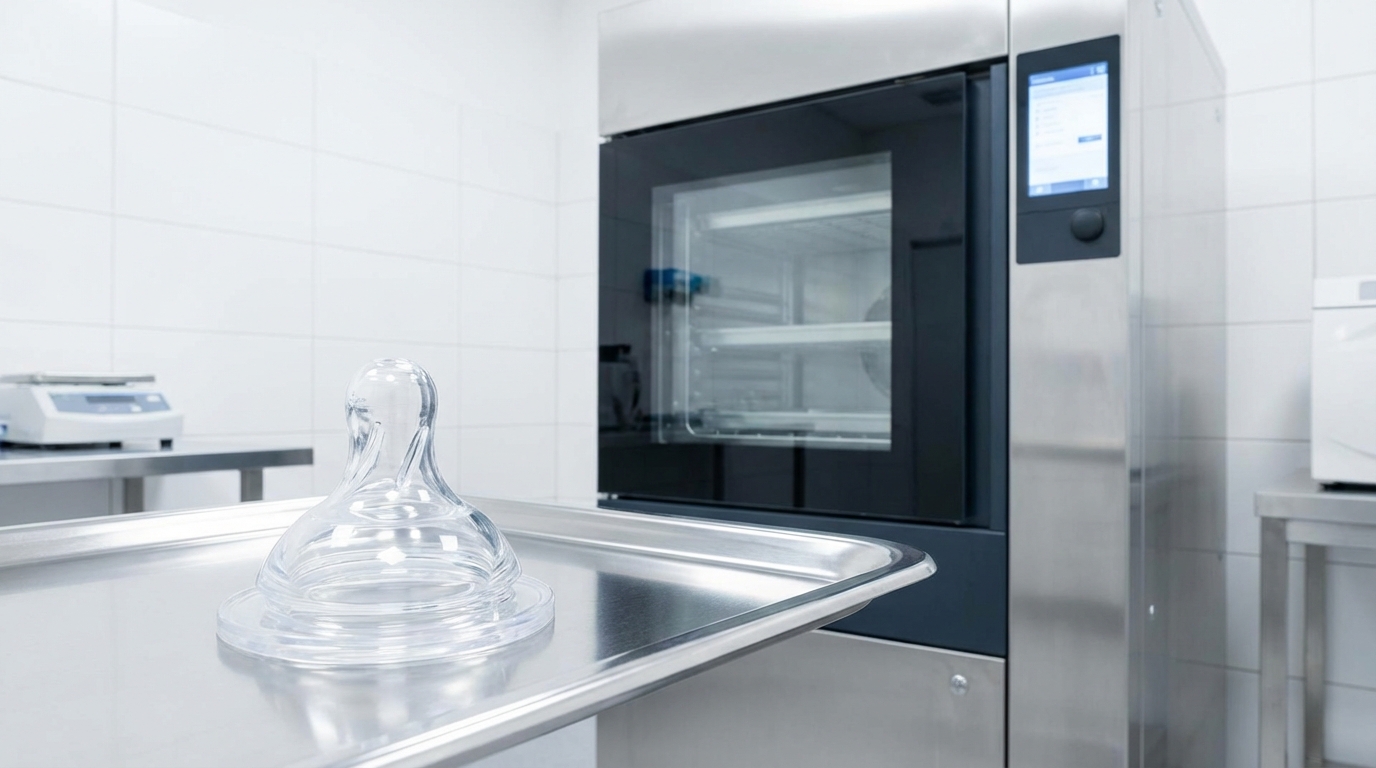
Liquid Silicone Rubber (LSR) is renowned for its exceptional purity and thermal stability, answering the question of what temperature does silicone melt with a robust resistance up to 200°C for continuous use. This platinum-cured material is specifically designed for high-precision parts that require tight tolerances even when subjected to the heat of a medical autoclave or a dishwashing cycle. Because LSR is processed in a closed system, it avoids the contaminants that can sometimes lower the thermal resistance of traditional compression-molded rubbers. You might be wondering, does the liquid nature of the raw material mean it is more likely to melt after it has been fully cured into a solid part.
Is LSR better for steam sterilization?
● High hydrolytic stability prevents breakdown in hot, humid environments.
● Resists repeated cycles in autoclaves reaching 134°C and high pressure.
● Maintains clarity and surface finish after hundreds of sterilization runs.
Ready for the good part? LSR is the gold standard for silicone baby products and medical valves because it does not leach chemicals or change its shape when boiled or steamed. You can place an LSR bottle nipple in a pot of boiling water repeatedly without worrying about the material softening or releasing harmful bisphenols into the milk. This stability provides peace of mind for parents and healthcare providers who need a material that is both safe and incredibly easy to sanitize using heat. Our factory utilizes medical-grade LSR to ensure that every part we produce exceeds the most stringent global safety requirements for thermal and chemical resistance.
Does LSR maintain flexibility in the cold?
● Glass transition temperature is extremely low, often below -60°C.
● Remains soft and pliable in cryogenic or high-altitude environments.
● Does not become brittle like PVC or natural rubber in freezing temps.
Here is the deal, while most people focus on the upper limits of heat, the ability of LSR to handle extreme cold is just as impressive for industrial and aerospace applications. Many elastomers will shatter like glass if they are hit while frozen, but silicone retains its bounce and sealing power even in the dead of winter or inside a commercial freezer. This dual-range capability means you only need one material to handle a product that might go from a sub-zero warehouse to a steaming hot kitchen in a single day. Investing in high-quality LSR ensures that your products perform reliably regardless of the environmental temperature extremes they may encounter during their lifecycle.
| Performance Metric | LSR Value | Benefit |
|---|---|---|
| Max Continuous Heat | 200°C | Long-term durability in ovens |
| Min Operating Temp | -60°C | Flexibility in freezers |
| Hydrolysis Resistance | Excellent | Safe for repeated steam cleaning |
| Curing Method | Platinum | No peroxide byproducts or odors |
LSR offers a unique combination of extreme temperature versatility and biological inertness, making it the premier choice for food-grade and medical applications.
Can specialized silicone resist 300°C heat?
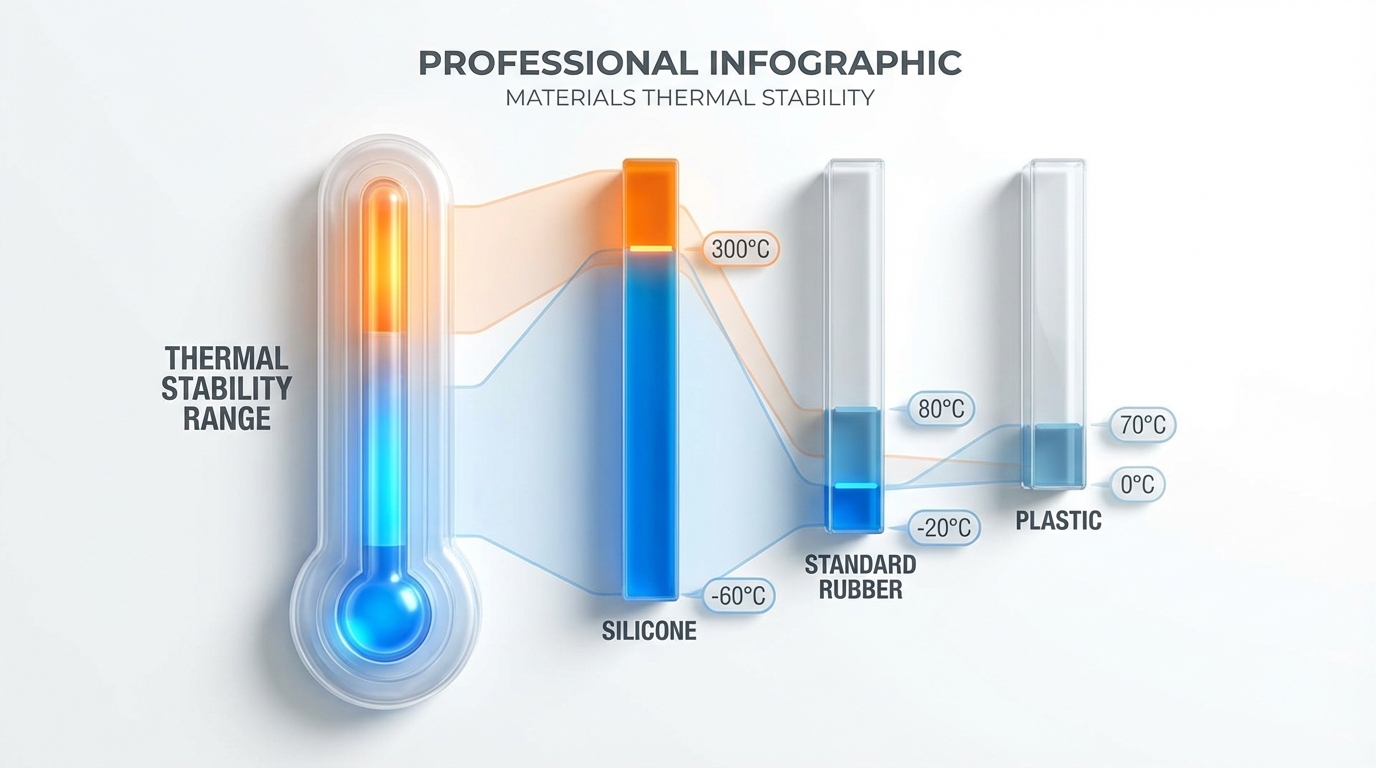
When you look into what temperature does silicone melt, you will find that specific “High-Temp” formulations are engineered to withstand extreme environments reaching 300°C (572°F) for intermittent periods. These materials are often fortified with iron oxide or other thermal stabilizers that slow down the oxidation of the polymer chains, allowing them to remain flexible longer than standard grades. While these specialized rubbers are more expensive, they are essential for automotive gaskets, industrial oven seals, and aerospace components that face intense thermal cycles. What’s the catch?, even these extreme grades will eventually harden if they are kept at their maximum temperature for hundreds of consecutive hours without a cooling phase.
What additives increase heat resistance?
● Iron oxide is the most common additive used to create red high-temp silicone.
● Specialized silane fillers can enhance the strength of the siloxane backbone.
● Antioxidants are blended in to prevent oxygen from attacking the side chains.
You might be wondering why high-temperature silicone is almost always a deep red or orange color in industrial catalogs and hardware stores. This is because the iron oxide particles used as stabilizers are naturally red, and they work by scavenging the free radicals that are created when heat begins to break the chemical bonds. By neutralizing these reactive molecules, the iron oxide prevents a chain reaction of degradation that would otherwise cause the silicone to become brittle within minutes of reaching 300°C. This chemical engineering allows us to provide custom silicone products that perform in environments where standard rubber would simply turn to smoke and ash.
Is high-temp silicone still food safe?
● Most industrial high-temp grades are not certified for food contact.
● FDA-grade high-temp silicone exists but has a slightly lower peak limit.
● Always verify certification before using red silicone in a kitchen setting.
But wait, there’s more, because not all red silicone is created equal, and some industrial versions contain additives that should never come into contact with your food or water supply. If you are designing a commercial oven seal, you must specify that you need an FDA-compliant, high-temperature grade to ensure that no harmful stabilizers migrate into the products being baked. We offer specialized formulations that balance extreme heat resistance with strict compliance to food safety standards, giving you the best of both worlds for your culinary equipment. Always check the technical data sheet for your specific batch to confirm that it meets the necessary regulatory requirements for your intended application.
| Grade Type | Max Peak Temp | Primary Use Case |
|---|---|---|
| General Purpose | 230°C | Kitchen utensils, seals |
| High-Temp (Red) | 315°C | Engine gaskets, oven seals |
| Extreme Aerospace | 350°C | Jet engine components |
| Food-Grade HT | 260°C | Commercial baking mats |
Specialized silicone formulations can push the boundaries of heat resistance, provided you select the correct additives for your specific mechanical and regulatory needs.
What signs indicate silicone thermal failure?
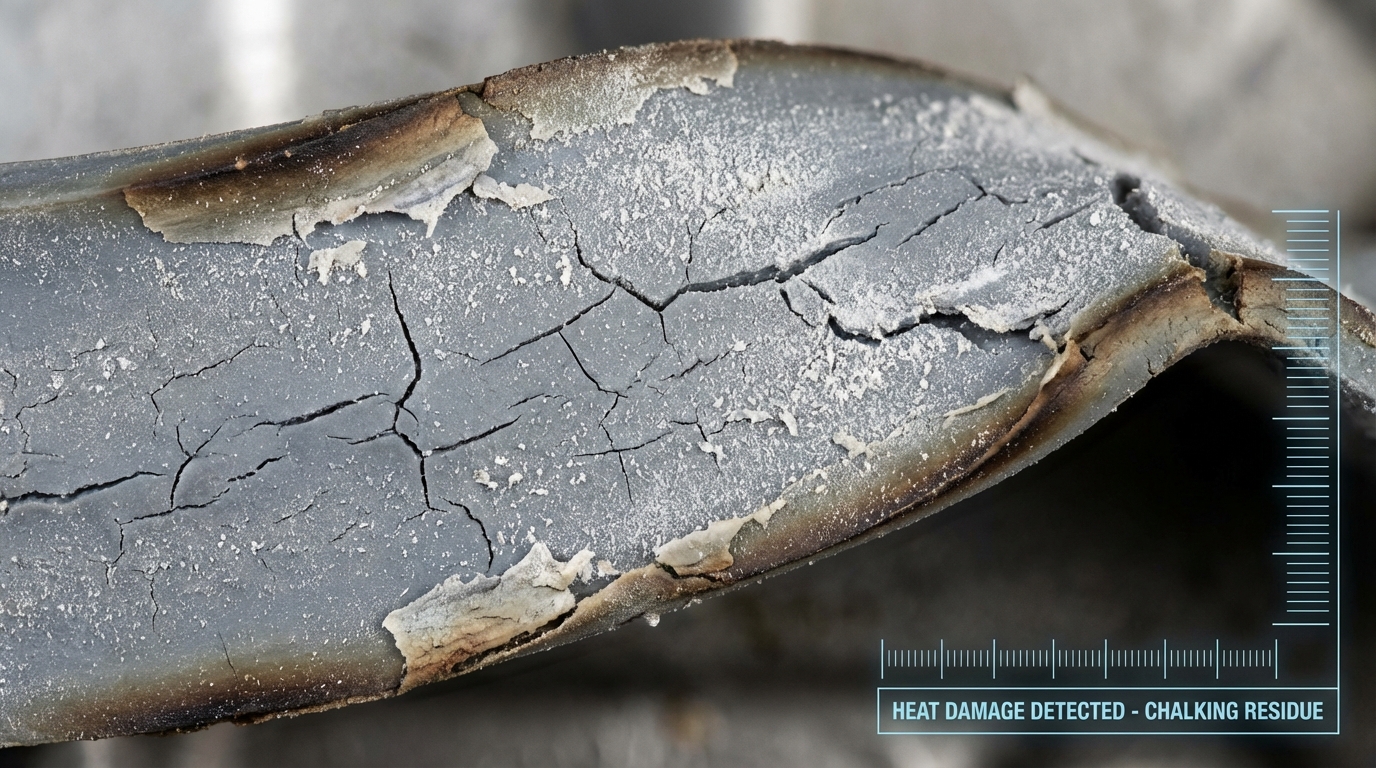
Understanding what temperature does silicone melt requires you to recognize the physical symptoms of a material that has been pushed beyond its thermal limits and is starting to fail structurally. The most obvious indicator is a loss of elasticity, where the part no longer snaps back to its original shape or begins to feel stiff and plastic-like to the touch. You may also notice surface cracking, especially in areas where the silicone is bent or under mechanical tension, which is a clear sign that the cross-links are breaking. Here is the kicker, early detection of these signs can prevent a small seal failure from turning into a massive industrial accident or a costly product recall.
How do I perform a bend test?
● Flex the silicone component 180 degrees to check for surface stress.
● Look for tiny “micro-cracks” that appear along the outer edge of the curve.
● If the material snaps or remains permanently deformed, it has failed.
What’s the real story? A simple bend test is the most reliable way to verify the health of your silicone gaskets without needing expensive laboratory equipment or chemical analysis. Healthy silicone is incredibly resilient and should be able to withstand thousands of flex cycles without showing any signs of distress or permanent elongation. If your maintenance team notices that the gaskets are starting to feel “crunchy” or leave a white residue on their gloves, it is time to schedule an immediate replacement of those components. Regularly performing these checks on your silicone manufacturing equipment will ensure that your facility operates at peak efficiency with minimal risk of fluid leaks.
What does “chalking” mean for silicone?
● Chalking is the formation of a white powder on the surface of the part.
● It indicates that the organic components have burnt off, leaving silica.
● A chalking part has lost its water resistance and mechanical strength.
Ready for the good part? Chalking is the definitive “check engine light” for silicone parts, telling you that the material is literally turning into sand right before your eyes. While a slightly discolored part might still be functional, a chalking part has lost the molecular integrity required to hold a seal or provide electrical insulation. This white dust is non-toxic but can act as an abrasive in moving machinery, potentially damaging bearings or polished surfaces if the failed part is not removed promptly. Replacing these parts as soon as chalking appears is the only way to maintain the high standards of safety and performance that your customers expect from your brand.
| Failure Symptom | Cause | Action Required |
|---|---|---|
| Surface Hardening | Extended exposure to >230°C | Monitor for cracks |
| Cracking | Total loss of elasticity | Immediate replacement |
| White Chalking | Advanced decomposition | Replace and check heat source |
| Tackiness | Chemical incompatibility | Check for oil/solvent exposure |
Recognizing the transition from a flexible elastomer to a brittle, chalky solid is essential for maintaining the integrity of high-heat industrial systems.
Does silicone survive in automotive engines?
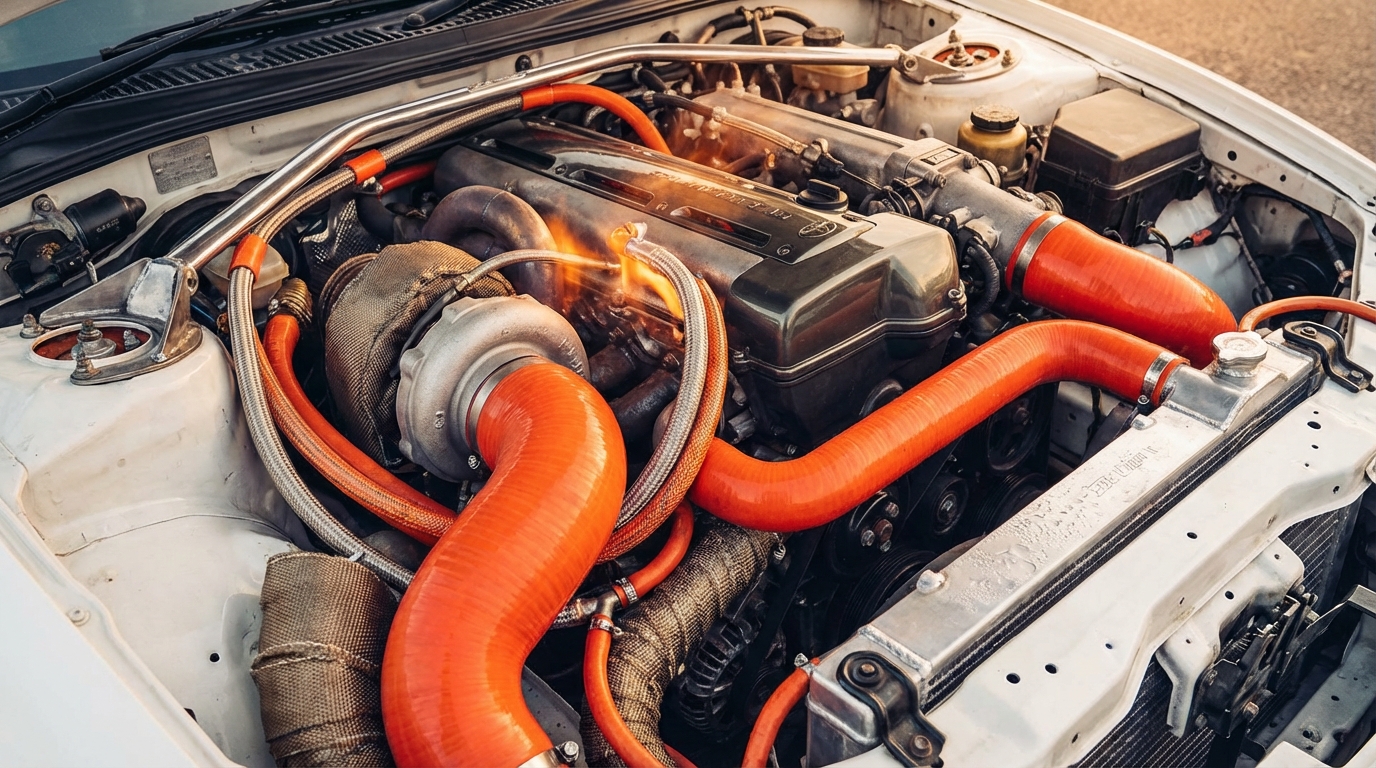
In the high-performance automotive world, investigating what temperature does silicone melt is a daily necessity for engineers designing turbocharger hoses and radiator seals. Modern engines generate intense heat that would melt or harden standard EPDM rubber hoses within a few months of spirited driving or heavy towing. Silicone is the preferred upgrade because it can handle the 150°C to 200°C temperatures found near exhaust manifolds without losing its ability to contain high-pressure coolant or air. But wait, there’s more, because silicone also resists the vibrations and mechanical stresses that cause other materials to fatigue and crack over time.
Why use silicone for turbo hoses?
● Handles high boost pressures and temperatures simultaneously.
● Multi-layer reinforcement prevents “ballooning” under heavy load.
● Vibrant colors allow for easy inspection and a customized look.
Here’s the deal, a turbocharger can reach temperatures hot enough to glow red, and the air exiting it is often several hundred degrees before it hits the intercooler. If you used a standard rubber hose in this environment, it would quickly soften and burst, leaving you stranded on the side of the road with a blown engine. Silicone’s refusal to melt ensures that your boost pressure remains constant, providing the reliable power and efficiency that performance enthusiasts and commercial truckers demand. We manufacture custom silicone products for some of the world’s most demanding automotive applications, ensuring that every hose can handle the heat of the track.
Is silicone resistant to oil and fuel?
● Standard silicone will swell and weaken if exposed to gasoline or oil.
● Fluorosilicone is required for applications involving direct fuel contact.
● Most exterior engine hoses only face occasional misting, which is safe.
What’s the catch? While silicone is a hero when it comes to heat, it has a significant weakness when it comes to petroleum-based fluids like engine oil or diesel fuel. If you are designing a seal that will be submerged in oil, you must use a specialized “Fluorosilicone” grade which adds fluorine atoms to the polymer chain to repel hydrocarbons. Using standard silicone in a fuel line will lead to the material softening and eventually failing, even if the temperature remains perfectly safe. Always consult with our engineering team to ensure your material choice matches both the thermal and chemical environment of your engine bay for maximum reliability.
| Automotive Part | Typical Temperature | Best Material Choice |
|---|---|---|
| Radiator Hoses | 90°C – 120°C | Standard Silicone |
| Turbo Inlet | 150°C – 200°C | High-Temp Silicone |
| Oil Drain Line | 100°C – 150°C | Fluorosilicone |
| Intake Plenums | 50°C – 80°C | LSR / HCR Silicone |
Silicone’s thermal stability makes it an indispensable component in modern engine design, provided you account for its sensitivity to petroleum-based fluids.
Is baking with silicone safe for health?
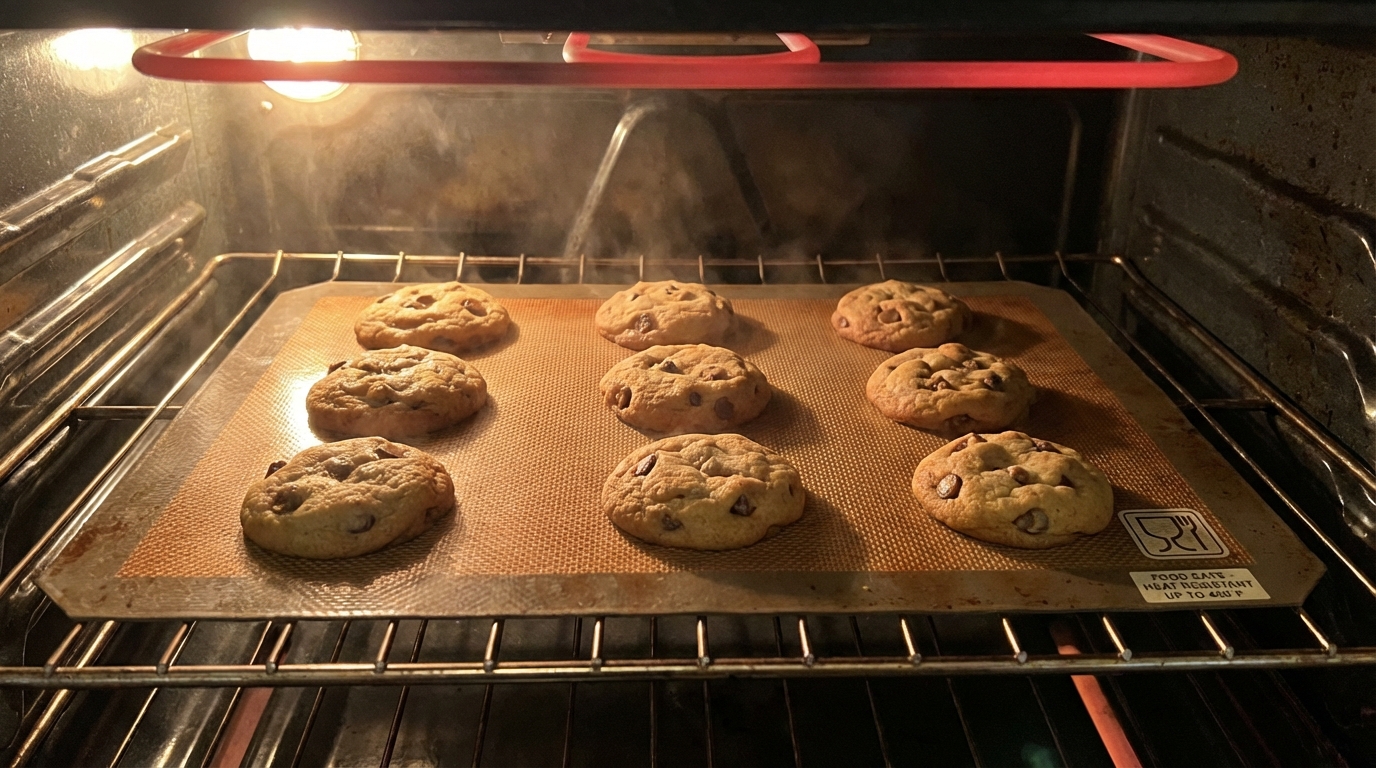
When you ask what temperature does silicone melt in a home kitchen context, you are usually concerned about the safety of baking mats and muffin molds. Most high-quality food-grade silicone is rated for use up to 220°C (428°F), which is well above the temperature required for baking cookies, roasting vegetables, or making cakes. Because the material is chemically inert, it does not react with food or release harmful fumes, making it a much safer alternative to old-fashioned non-stick coatings. This is where it gets interesting, as you can move a silicone mold directly from a sub-zero freezer into a preheated oven without any risk of the material cracking or losing its shape.
Can silicone leach chemicals into food?
● Platinum-cured silicone is the cleanest option for culinary use.
● Does not contain BPA, phthalates, or other common plastic toxins.
● Inert nature prevents flavor transfer between different food batches.
You might be wondering if the “plastic smell” sometimes associated with cheap silicone tools is a sign of chemical leaching during the baking process. In most cases, that odor comes from “fillers” used in low-quality products to reduce costs, rather than the silicone itself. High-quality silicone kitchenware should be odorless and should not change the taste of your delicate pastries or savory dishes even at high temperatures. To ensure the highest level of safety, always look for products that are certified by the FDA or the even stricter European LFGB standards. Our production lines use only pure, compliant silicone to guarantee that your kitchen tools are as healthy as the food you prepare with them.
How do I check for cheap fillers?
● Perform the “pinch test” by twisting a flat section of the silicone.
● If the material turns white at the stress point, it contains fillers.
● Pure silicone will maintain its solid color even when stretched hard.
Believe it or not, many “silicone” products sold at discount retailers are actually a blend of silicone and cheap plastic polymers that have much lower melting points. These fillers can melt, off-gas, and leach into your food, completely defeating the purpose of using silicone for healthy cooking in the first place. By performing a quick pinch test, you can immediately identify these inferior products and keep them out of your oven and away from your family. Investing in professional-grade tools ensures that you get the full benefits of silicone’s unique thermal properties without any of the risks associated with low-quality substitutes.
| Baking Task | Max Oven Temp | Silicone Safety Margin |
|---|---|---|
| Cookie Baking | 175°C | Very High (Safe) |
| Bread Roasting | 200°C | High (Safe) |
| Broiling | >250°C | Dangerous (Avoid) |
| Dishwashing | 70°C | Extreme (Safe) |
Silicone is an exceptionally safe and versatile material for home and commercial baking, as long as you avoid extreme temperatures like broiling which can exceed the material’s stable limit.
How to verify high-quality heat resistance?
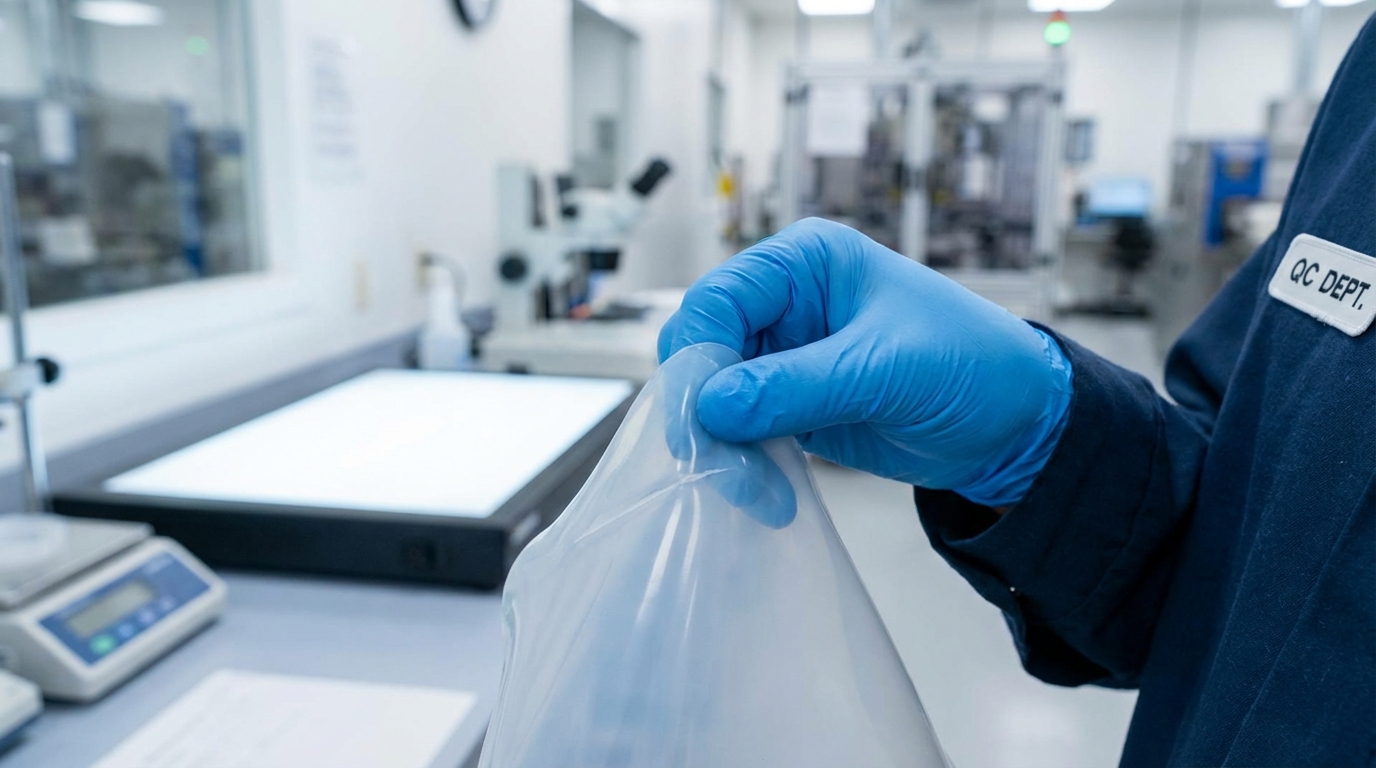
To truly answer what temperature does silicone melt, you must have a reliable way to verify that the parts you are buying actually meet their stated thermal specifications. In a B2B environment, this involves scrutinizing the technical data sheets (TDS) and asking for certifications like ISO 9001 or IATF 16949 which prove the manufacturer follows strict quality controls. A reputable supplier will always be able to provide batch-specific test results showing how the material performed under standardized heat-aging tests. Here is the deal, relying on a cheap supplier who cannot provide documentation is a recipe for catastrophic failure in your production line or a massive product liability lawsuit.
What should a TDS reveal?
● Hardness (Shore A) before and after 70 hours of heat aging.
● Tensile strength retention percentage at maximum rated temperature.
● Elongation at break changes after exposure to thermal stress.
Ready for the good part? A comprehensive data sheet is like a medical report for your silicone, giving you the hard facts you need to make an informed engineering decision. If a material loses more than 50% of its flexibility after a few days at 200°C, it is probably not the right choice for a long-term industrial seal. We pride ourselves on transparent communication and provide detailed reports for every custom order, ensuring that our silicone manufacturing process meets your exact performance criteria. You don’t have to guess how your parts will behave in a hot oven when you have the data to prove their reliability before they even leave our factory.
Why is factory-direct better for quality?
● Direct oversight of raw material sourcing and compounding.
● Custom QC standards can be applied to every production run.
● Fast response times for technical questions or urgent adjustments.
Here’s the kicker, when you work with a middleman, you lose the ability to verify exactly what went into your silicone parts and how they were cured. A factory-direct partner like HuaLin allows you to speak directly with the engineers who designed the mold and the technicians who monitor the injection machines. This level of transparency is essential for high-stakes industries like medical device manufacturing or automotive engineering where a single degree of temperature can make the difference between success and failure. Choosing a partner who owns their equipment and controls their entire supply chain is the ultimate way to guarantee that your parts will never melt or degrade unexpectedly.
| Quality Marker | Why It Matters | Verification Method |
|---|---|---|
| Shore A Hardness | Ensures the seal is not too stiff | Durometer testing |
| Tensile Retention | Proves the part won’t tear when hot | Lab aging tests |
| Certification | Confirms global safety compliance | ISO/FDA documents |
| Batch Traceability | Allows for tracking of any issues | Production logs |
Establishing a rigorous verification process is the final step in ensuring that your silicone components will thrive in the most extreme thermal environments.
Where can you find reliable silicone parts?
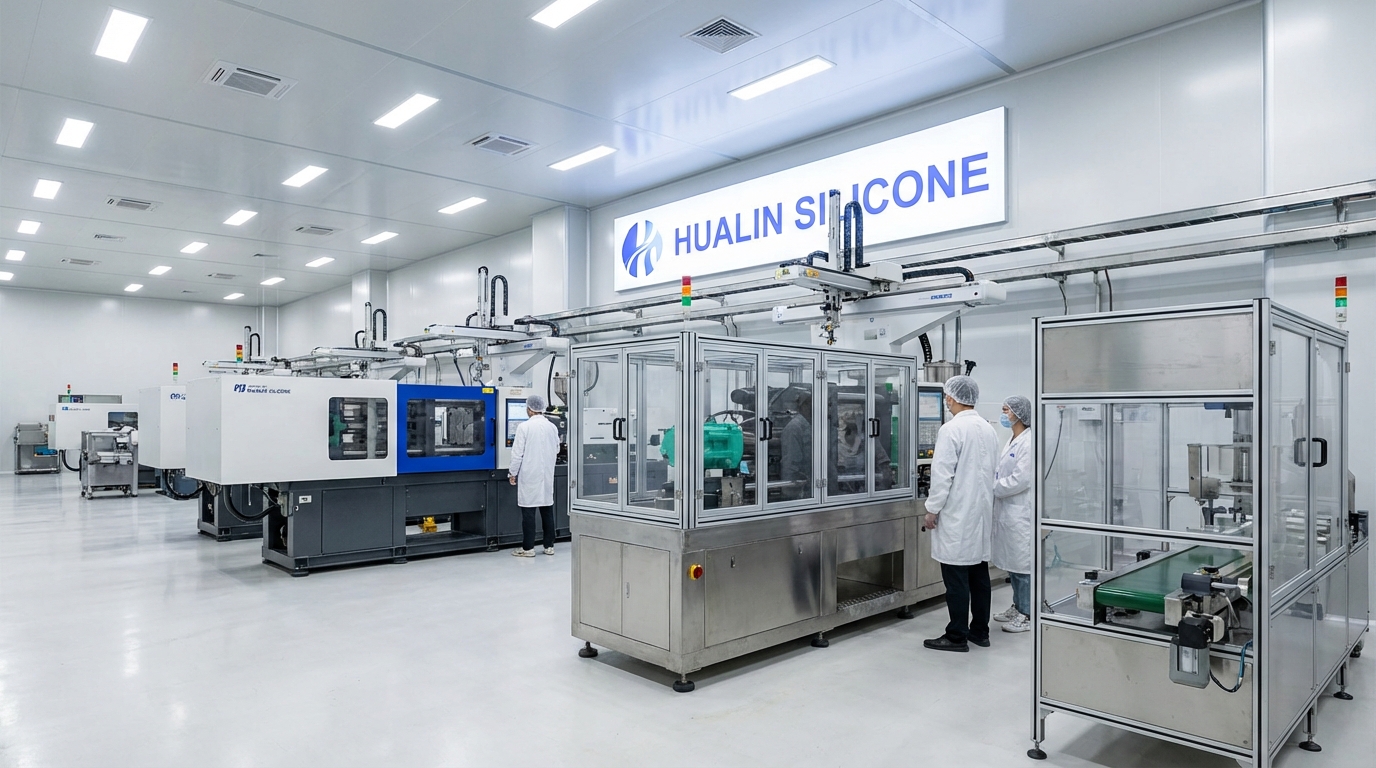
Finding a supplier who understands what temperature does silicone melt is the key to securing long-term success for your product line and your brand’s reputation for quality. You need a partner who combines advanced material science with large-scale production capabilities to deliver parts that are consistent, compliant, and cost-effective. At HuaLin, we have invested in the latest automated injection molding technology and clean-room environments to ensure that every part we produce meets the highest global standards. This is where it gets interesting, as our integrated manufacturing model allows us to offer factory-direct pricing without sacrificing the precision required for medical or automotive components.
What industries do we serve?
● Medical devices requiring ISO 13485 compliant silicone parts.
● Automotive Tier 1 and Tier 2 suppliers needing IATF 16949 seals.
● Consumer electronics and wearable brands seeking high-purity LSR.
You might be wondering if we can handle the specific regulatory hurdles of your industry, such as food safety or biocompatibility. Our facility is fully certified and regularly audited to ensure we maintain the strict documentation and process controls required for these sensitive sectors. Whether you need a simple kitchen spatula or a complex surgical valve, we apply the same level of engineering rigor to every project. We understand that your success depends on the reliability of the components we provide, and we take that responsibility seriously in every batch we ship across the globe.
How to start a custom project?
● Provide a 2D or 3D drawing for an immediate engineering review.
● Specify your required temperature range and chemical exposure.
● Request a sample or prototype to verify performance in your system.
Ready for the good part? Starting a new silicone project shouldn’t be a complicated or stressful process that drags on for months. We offer rapid prototyping and flexible minimum order quantities to help you move from the design phase to mass production as quickly as possible. Our team is ready to analyze your drawings and suggest material optimizations that could improve your product’s heat resistance or lower your overall manufacturing costs. If you are tired of dealing with suppliers who don’t understand the nuances of high-temperature polymers, it is time to upgrade to a partnership built on technical expertise and reliable execution.
| Service Feature | Benefit to You |
|---|---|
| In-house Mold Design | Faster lead times and lower costs |
| Automated LSR Molding | High precision and zero contamination |
| Global Export Experience | Reliable shipping and customs support |
| Technical Consulting | Expertise to solve your toughest heat issues |
Partnering with a professional manufacturer ensures that your silicone parts will perform exactly as expected, no matter how high the temperature climbs in your application.
Frequently Asked Questions
Can I melt silicone down to mold it into a new shape?
No, silicone is a thermoset polymer, meaning its shape is permanently set during the curing process. Heating it will not liquefy the material for re-molding; instead, it will eventually cause the silicone to burn and decompose into ash.
What’s the best way to tell if my silicone is high-quality and heat-resistant?
Perform the “pinch test” by twisting a flat section of the material. If the color turns white at the bend, it likely contains cheap plastic fillers that will melt or off-gas at high temperatures; pure silicone maintains its color.
How do I know if my silicone baking mat is starting to fail?
Look for persistent oily residues, a “gummy” texture that won’t wash off, or excessive brittleness. If the edges are charred or the mat no longer lays flat due to warping, the internal structure has been compromised by heat.
Can I use silicone tools on a high-heat outdoor grill?
No, outdoor grills can easily exceed 400°C, which is well above the 260°C limit of most silicone tools. If the silicone touches the metal grates or open flames directly, it will likely degrade, harden, and fail almost immediately.
What happens if I accidentally leave a silicone spatula in a hot frying pan?
If the pan is below 230°C, the spatula will likely survive for a short period. However, a hot pan can quickly reach temperatures that will cause the edge of the silicone to harden or crack permanently, even though it won’t melt into a puddle.
Summary of Thermal Insights
Silicone represents a unique class of materials that bridge the gap between flexible organic rubbers and heat-resistant inorganic minerals. By understanding that silicone decomposes into silicon dioxide rather than melting into a liquid, engineers and consumers can safely deploy this material in environments that would destroy traditional plastics. Maintaining a service limit of 230°C for standard parts and up to 300°C for specialized grades ensures maximum longevity and safety across all applications.
At HuaLin, we specialize in transforming these high-performance polymers into the precise components your business needs to thrive. From medical-grade LSR to heavy-duty industrial seals, our factory-direct model guarantees quality and compliance at every step. If you are ready to ensure your products can handle the heat, we invite you to contact us today to discuss your technical requirements and receive a customized quote for your next project.