Identifying the top Silicone Spoons Manufacturers in China is the most effective way to secure a competitive edge for your baby product or kitchenware brand. You might be ready to scale your inventory, but the fear of inconsistent quality, chemical odors, or failed safety tests often causes hesitation during the sourcing process. By partnering with a factory that prioritizes medical-grade materials and precision engineering, you can eliminate these risks and deliver products that parents and chefs truly trust.
Why Is China the Global Hub for Silicone Spoons Manufacturers?
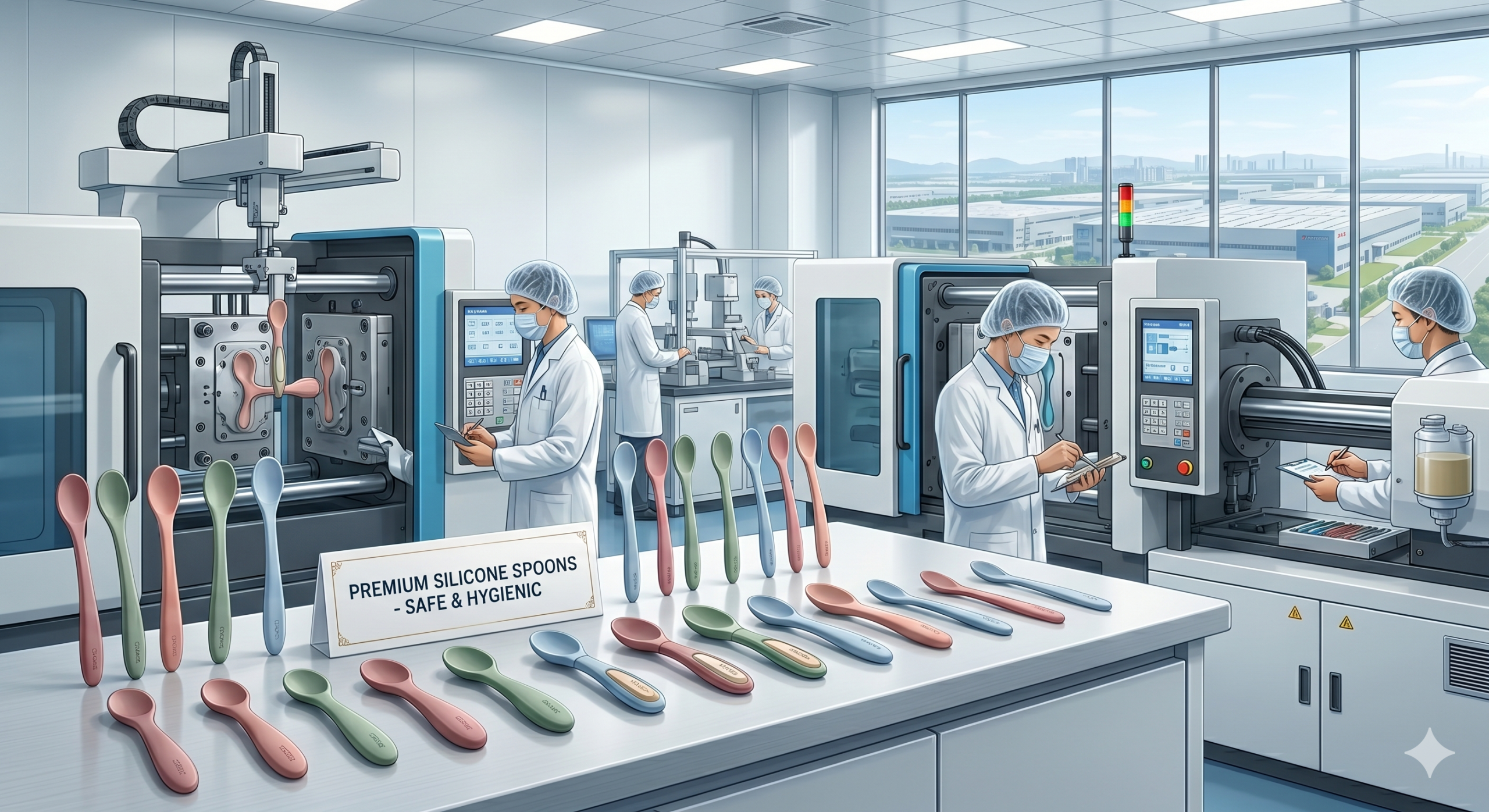
China serves as the world’s primary manufacturing center because it offers an unparalleled ecosystem of raw material suppliers and specialized tooling shops. This integrated infrastructure allows Silicone Spoons Manufacturers to reduce lead times significantly while maintaining cost efficiencies that other regions cannot match. The proximity of silicone refineries to production lines ensures that the supply chain remains stable and highly responsive to market shifts.
How does the local ecosystem speed up production?
The concentration of expertise in regions like the Pearl River Delta means that a design prototype can move to full-scale production in weeks rather than months. Factories here have immediate access to specialized liquid silicone rubber and advanced mold-making technology.
What are the logistical advantages?
- Proximity to Ports: Fast access to major shipping hubs like Shenzhen and Guangzhou.
- Lower Material Costs: Bulk purchasing power of raw silicone locally.
- Expert Labor: A massive workforce trained specifically in polymer injection and molding.
- Integrated Packaging: Many factories handle everything from the spoon to the retail-ready box.
Think about it:
When you source from an industrial cluster, you aren’t just buying a product; you are tapping into a century of collective manufacturing intelligence.
Key Takeaway
Sourcing from established Chinese hubs provides a logistical and financial “moat” that allows your brand to scale rapidly without the typical bottlenecks found in smaller manufacturing markets.
| Hub Category | Main Advantage | Average Lead Time |
|---|---|---|
| Raw Materials | Local supply of Wacker/Shin-Etsu | 3-5 Days |
| Tooling Shops | High-precision steel molds | 15-20 Days |
| Mass Production | High-speed automated lines | 25-30 Days |
This data highlights how the concentration of resources directly contributes to the world-class speed of Chinese silicone production.
How Do You Audit the Quality of Silicone Spoons Manufacturers?
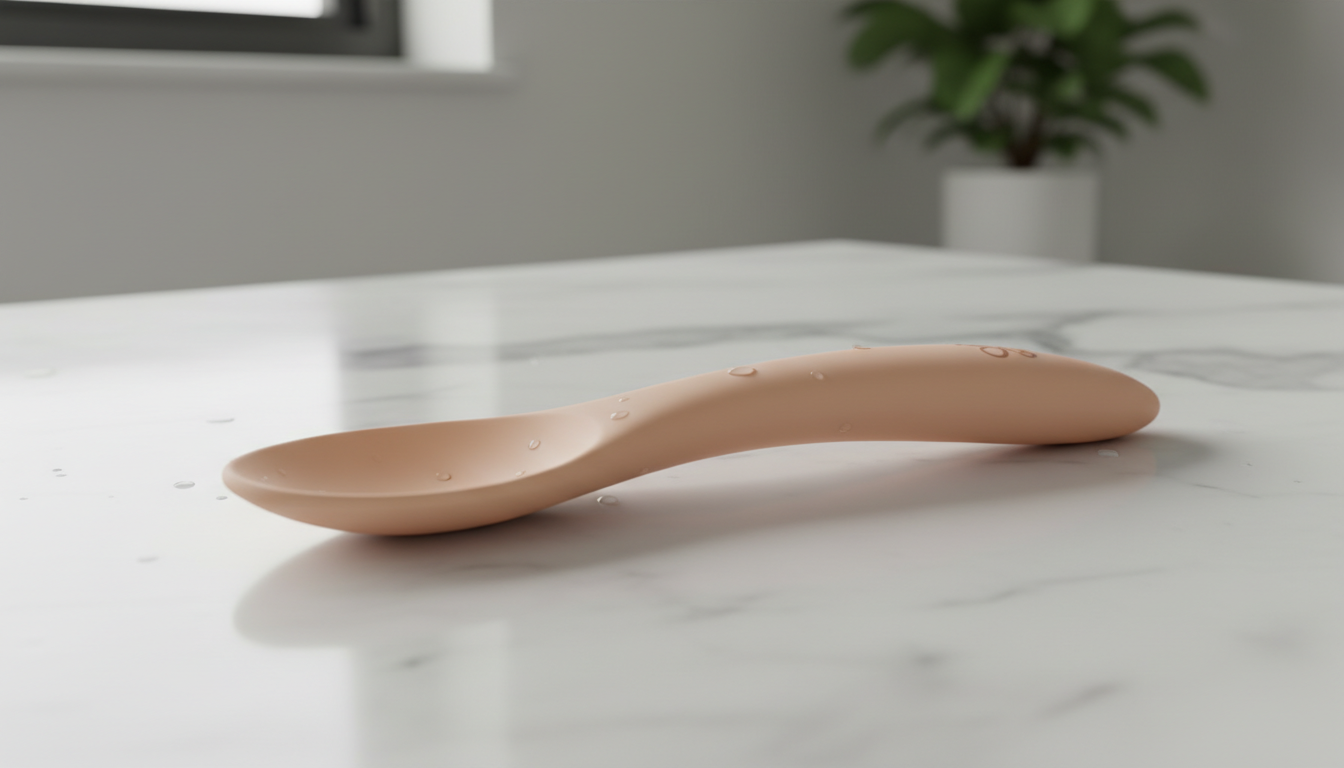
Auditing the quality of Silicone Spoons Manufacturers requires a rigorous evaluation of their material certifications and a physical inspection of their clean-room environments. You must verify that the factory uses 100% food-grade silicone that is free from BPA, phthalates, and heavy metals. A reliable partner will proactively provide third-party lab results from recognized institutions like SGS or TUV to prove their compliance.
What should you look for in a facility?
A top-tier facility should maintain a controlled environment to prevent dust and particulate contamination during the molding process. Look for factories that implement a strict Quality Management System (QMS) and have dedicated testing stations for every production batch.
Why are material reports non-negotiable?
Here is the kicker:
Without a traceable material report, you are essentially gambling with your brand’s reputation and your customers’ safety.
- MSDS Documentation: Verification of the chemical composition of the raw silicone.
- BPA-Free Certification: Proof that no harmful plasticizers are used.
- Hardness Testing: Ensuring the spoon’s Shore A durometer matches your specifications exactly.
Key Takeaway
Quality auditing is an insurance policy for your brand; by insisting on transparency and third-party validation, you protect your business from the catastrophic costs of product recalls.
| Audit Metric | Standard Requirement | Verification Method |
|---|---|---|
| Chemical Purity | FDA / LFGB Compliant | Laboratory Lab Report |
| Facility Hygiene | ISO 14644 Clean Room | On-site Video/Audit |
| Process Control | ISO 9001:2015 | Documentation Review |
Utilizing these audit metrics ensures that your manufacturing partner adheres to the highest global safety benchmarks for consumer products.
Which Molding Methods Do Elite Manufacturers Use for Spoons?
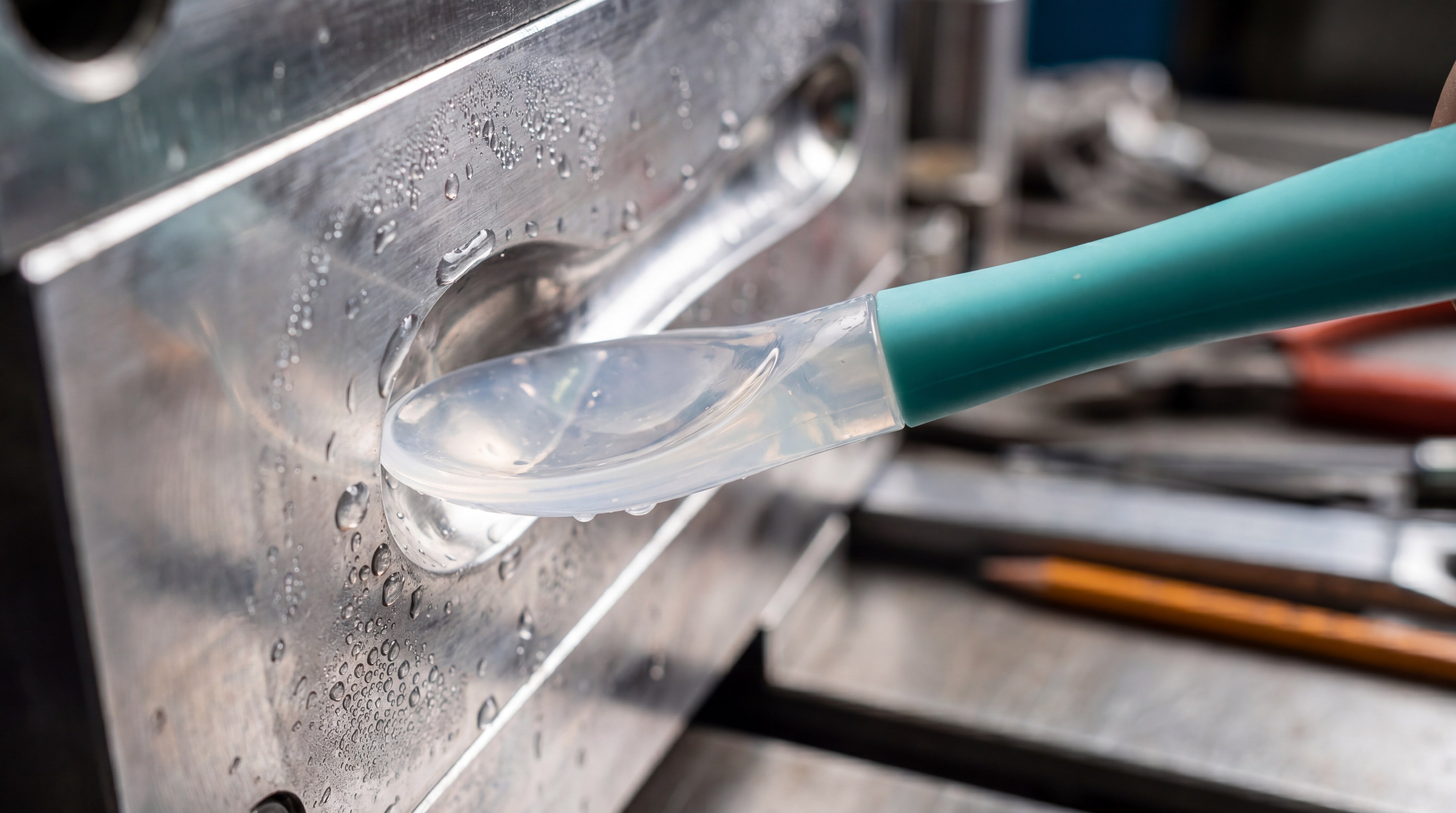
Elite Silicone Spoons Manufacturers primarily utilize Liquid Silicone Rubber (LSR) injection molding and overmolding to achieve superior product durability and hygiene. LSR molding is the gold standard because it allows for high-precision designs with minimal flash, which is critical for baby spoons that must be perfectly smooth. This process also ensures that the silicone maintains its structural integrity even after thousands of dishwasher cycles or high-heat sterilizations.
Why is LSR better than compression molding?
LSR provides a closed-loop system that prevents environmental contamination and ensures the most consistent wall thickness across every spoon. This results in a product that feels more premium and performs better in demanding kitchen or feeding environments.
How does overmolding enhance the user experience?
The best part?
Overmolding allows for a rigid core, like nylon or stainless steel, to be seamlessly encapsulated in soft silicone for the perfect balance of strength and comfort.
- No Gaps: Bacteria cannot grow between the handle and the spoon head.
- Ergonomics: Provides a soft-touch grip for parents and infants.
- Heat Resistance: Keeps the handle cool while the spoon tip remains flexible.
Key Takeaway
Investing in LSR and overmolding technology ensures your spoons are not only safer and more hygienic but also possess the high-end tactile feel that justifies a premium price point.
| Molding Type | Precision Level | Best Use Case |
|---|---|---|
| LSR Injection | Ultra-High | Baby Training Spoons |
| Overmolding | High | Hybrid Core Spoons |
| Compression | Moderate | Basic Cooking Utensils |
Selecting the right molding method is the most critical technical decision you will make in determining the final quality and safety of your product line.

What Safety Standards Must Silicone Spoons Manufacturers Meet?
The most critical safety standards for Silicone Spoons Manufacturers are the FDA (USA) and LFGB (Germany) regulations, which dictate strict limits on substance migration. While the FDA is the standard for the North American market, the LFGB is often considered more stringent and is preferred for premium brands selling in Europe. Your manufacturer must be able to prove that their products do not transfer any odor, taste, or harmful chemicals to food during use.
What is the difference between FDA and LFGB?
LFGB testing includes more rigorous sensory checks to ensure that the silicone does not alter the flavor of the food it touches. If your goal is to market a high-end, medical-grade product, aim for LFGB certification as it represents the peak of food-contact safety.
Why is ISO 9001 certification essential?
Look at this:
An ISO 9001 certification proves that the factory has a repeatable, documented process to catch defects before they ever reach your warehouse.
- In-Process Checks: Inspecting spoons at multiple stages of production.
- Final Inspection: Randomized sampling of the finished batch before shipping.
- Traceability: The ability to trace any defect back to a specific material lot.
Key Takeaway
Certifications are more than just badges; they are your guarantee that the manufacturer operates with the professional discipline required to meet international legal and safety requirements.
| Certification | Focus Area | Market Relevance |
|---|---|---|
| FDA | Food Safety | North America |
| LFGB | Sensory & Chemical Safety | Europe / Premium Global |
| REACH | Chemical Restrictions | Global Compliance |
By prioritizing these certifications, you ensure that your products are legally compliant and safe for the most vulnerable consumers, such as infants.
How Can You Personalize Spoons With High-End Logo Options?
Top-tier Silicone Spoons Manufacturers offer various customization options, including in-mold logos, silk-screen printing, and laser marking, to help your brand stand out. In-mold engraving is often preferred because it creates a permanent, elegant logo that won’t fade or peel over time. This level of customization allows you to create a cohesive brand identity that looks professional and instills confidence in your customers.
Which branding method is the most durable?
In-mold logos are the most durable because they are carved directly into the steel mold, making the branding an integral part of the spoon’s surface. This is particularly important for baby products that undergo frequent washing and sterilization.
Can you match specific brand colors?
It gets better:
Professional factories can match any Pantone color with nearly 100% accuracy, ensuring your silicone spoons perfectly align with your existing product palette.
- Engraved Logos: Premium, permanent, and tactile.
- Silk-Screening: Ideal for high-contrast, multi-color branding.
- Laser Etching: Perfect for serialized numbers or intricate patterns.
Key Takeaway
High-quality branding transforms a generic utensil into a premium brand asset; choosing the right application method is vital for long-term brand recognition and aesthetic appeal.
| Branding Method | Durability | Cost Level |
|---|---|---|
| In-Mold Engrave | Permanent | High (Initial Tooling) |
| Laser Marking | Very High | Moderate |
| Silk-Screen | Moderate | Low |
Strategic branding choices allow you to communicate your brand’s value and quality through subtle, high-end visual cues that consumers notice and appreciate.
What Are the Hidden Risks When Working With Overseas Factories?
The most common risks when dealing with Silicone Spoons Manufacturers include “quality drift” and unexpected delays during peak shipping seasons. Quality drift occurs when a factory initially provides high-grade samples but slowly replaces them with cheaper, lower-quality silicone fillers in subsequent mass-production runs. To combat this, you must implement a long-term quality control strategy that includes periodic third-party material testing on random production samples.
How do you prevent material swapping?
Establish a clear contract that specifies the exact brand and grade of silicone rubber to be used. Insist on receiving a Material Safety Data Sheet (MSDS) for every single shipment to ensure the composition remains consistent.
What about communication barriers?
The reality is:
Misunderstandings in technical drawings or packaging requirements can lead to thousands of dollars in wasted inventory if not caught early.
- Pre-Shipment Inspections: Hire an agent to check the goods before they leave China.
- Golden Samples: Keep a signed, approved sample at the factory and one in your office.
- Clear DFM Reports: Ensure all Design for Manufacturing feedback is documented in writing.
Key Takeaway
Active management and third-party inspections are the only ways to mitigate the risks of quality drift and ensure that your production standards never waiver over time.
| Risk Factor | Impact Level | Mitigation Strategy |
|---|---|---|
| Quality Drift | High | Random Lab Testing |
| Shipping Delays | Moderate | Buffer Inventory |
| Communication | Moderate | Detailed DFM Documentation |
A proactive approach to risk management protects your investment and ensures a steady supply of high-quality products for your retail partners.
Which Industrial Hubs House the Best Silicone Manufacturers?
For high-precision silicone production, the cities of Dongguan and Shenzhen are the undisputed leaders among Silicone Spoons Manufacturers. These regions have developed a deep talent pool of engineers who specialize in liquid silicone injection and complex mold design. While other provinces in China also produce silicone, they often focus on lower-cost, high-volume household goods rather than the safety-critical products required for infants and medical use.
Why is Dongguan specifically recommended?
Dongguan is home to some of the world’s most advanced silicone factories that serve global tech and medical giants. The manufacturing culture here is built around precision, strict safety protocols, and high-tech automation.
What should you expect from a Shenzhen supplier?
Now, consider this:
Shenzhen suppliers are often at the forefront of “smart” kitchenware and innovative hybrid designs that combine silicone with electronics or sustainable plastics.
- Innovation Hub: Fast prototyping of new, unique spoon shapes.
- Export Expertise: Highly familiar with Western compliance and shipping norms.
- Technical Depth: Access to the world’s best polymer scientists and engineers.
Key Takeaway
Concentrating your search on the Dongguan and Shenzhen clusters ensures you are working with the most technologically advanced and compliance-ready partners in the industry.
| Region | Specialization | Best For |
|---|---|---|
| Dongguan | High-Precision LSR | Baby & Medical Grade |
| Shenzhen | R&D and Innovation | New Product Launches |
| Zhejiang | Mass Volume | Low-Cost Kitchenware |
Understanding these regional specialties allows you to target your sourcing efforts toward the factories most capable of meeting your specific quality and innovation needs.
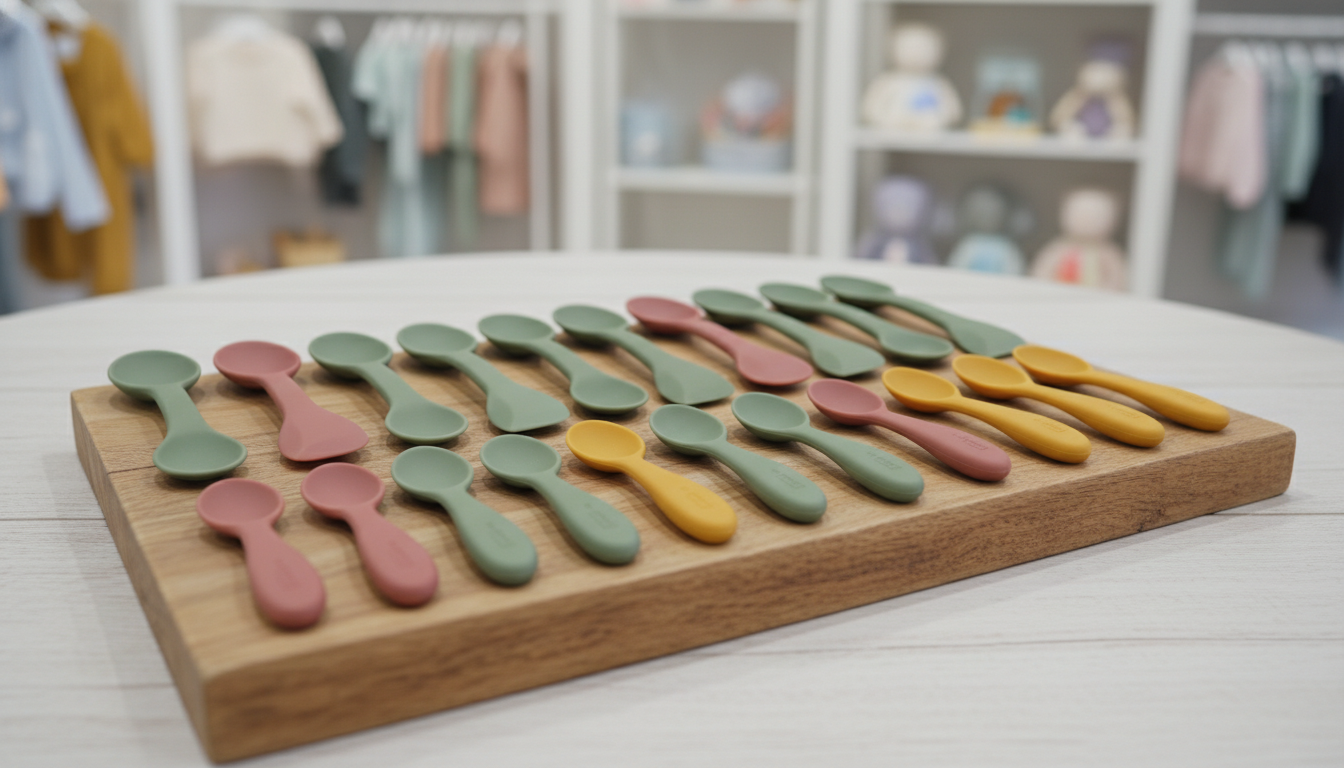
How Do Production Volumes Affect Your Sourcing Strategy?
Your choice of Silicone Spoons Manufacturers will be heavily influenced by your required Minimum Order Quantity (MOQ), which varies based on the manufacturing process. LSR injection molding usually carries a higher MOQ, often starting at 3,000 pieces, due to the complex setup and high cost of the injection machines. If you are a startup looking for smaller batches, you may need to look for factories that offer compression molding, though this may limit your design precision.
Why do LSR machines have higher MOQs?
LSR machines require significant time and material to “prime” and calibrate for a specific mold. For a manufacturer to remain profitable, they must run the machine for a minimum volume to offset these high setup costs.
Can you negotiate MOQs for custom designs?
Let’s dive deeper:
Many professional factories will lower their initial MOQ if you agree to pay for the mold tooling upfront, as this reduces their financial risk.
- Sample Molds: Smaller, cheaper molds used to test a design before mass production.
- Tiered Pricing: Unit costs drop significantly as your order volume increases.
- Blank Stock: Some factories keep unbranded spoons that you can customize in smaller lots.
Key Takeaway
Understanding the relationship between machine types and MOQs helps you choose a partner that matches your current scale while offering the capacity to grow with you.
| Volume Level | Recommended Process | Target MOQ |
|---|---|---|
| Startup | Compression Molding | 500 – 1,000 Pcs |
| Scaling Brand | Standard Injection | 2,000 – 3,000 Pcs |
| Market Leader | Fully Automated LSR | 10,000+ Pcs |
Matching your order volume to the right production method ensures you don’t overpay for technology you don’t need or compromise on quality for the sake of low MOQs.
Why Is Medical-Grade LSR the Choice for Premium Baby Spoons?
Premium Silicone Spoons Manufacturers choose medical-grade Liquid Silicone Rubber because it offers the highest level of biocompatibility and chemical inertness. This material is specifically designed to be safe for contact with human tissue and food, making it the only choice for high-end baby training spoons. Unlike cheaper industrial silicones, medical-grade LSR does not contain fillers that can leach out when exposed to acidic foods or high-temperature steam.
What makes medical-grade silicone different?
Medical-grade silicone undergoes a more refined platinum-curing process, which eliminates the “blooming” or white powdery residue often seen on lower-quality silicone products. This results in a clearer, cleaner, and safer product for infants who are just beginning their feeding journey.
Is the extra cost worth the investment?
Why does it matter?
Using the highest grade of material is the ultimate way to future-proof your brand against tightening safety regulations and increasingly savvy consumers.
- Hypoallergenic: Won’t cause reactions on a baby’s sensitive skin or gums.
- Odorless: Does not absorb the smell of food or soap after repeated use.
- Extreme Softness: Can be manufactured in very low durometers (softness) without losing strength.
Key Takeaway
Utilizing medical-grade LSR is a powerful marketing claim that justifies a higher retail price and builds deep, long-term trust with safety-conscious parents.
| Feature | Medical-Grade LSR | Industrial Silicone |
|---|---|---|
| Curing Agent | Platinum (Pure) | Peroxide (Can Smell) |
| Biocompatibility | Certified Safe | Variable |
| Clarity | Crystal Clear | Opaque / Milky |
High-grade materials are the foundation of a premium brand; they ensure your products perform consistently and remain safe throughout their entire lifecycle.
How Do You Build a Partnership With Your Chosen Manufacturer?
Building a long-term relationship with Silicone Spoons Manufacturers depends on clear communication, mutual respect, and a shared commitment to product excellence. You should look for a partner who doesn’t just take orders but acts as an extension of your engineering team by providing proactive Design for Manufacturing (DFM) feedback. This collaborative approach helps you avoid costly design flaws and ensures that the final product is optimized for both performance and manufacturability.
Why is in-house tooling a sign of a great partner?
Factories that maintain their own mold-making shops have much tighter control over product dimensions and can implement design changes much faster than those who outsource their tooling. This capability is a strong indicator of a manufacturer’s technical depth and commitment to quality.
How do you ensure long-term consistency?
What’s the secret?
Regularly scheduled video calls and transparent production updates create a “partnership” atmosphere that discourages the factory from cutting corners on your orders.
- Annual Audits: Visit the factory (or send a proxy) at least once a year.
- Performance Bonuses: Reward the factory for zero-defect shipments.
- Shared Roadmaps: Discuss your future product ideas to help the factory plan their capacity.
Key Takeaway
The most successful brands treat their manufacturers as strategic partners; this mutual investment leads to better pricing, priority production, and higher overall quality.
| Partnership Level | Communication Style | Outcome |
|---|---|---|
| Transactional | Email Only | High Risk / Low Trust |
| Collaborative | Weekly Calls / DFM | High Quality / Faster TTM |
| Strategic | Integrated Planning | Innovation / Priority Support |
A strong manufacturing partnership is a competitive advantage that enables you to launch better products faster and with fewer operational headaches.
Conclusion
Navigating the world of high-precision silicone manufacturing doesn’t have to be overwhelming. We have solved the complexity of identifying top-tier partners by highlighting the critical importance of LSR technology, medical-grade materials, and the strategic clusters of Dongguan and Shenzhen. What we can do for you is provide the technical foundation and manufacturing excellence required to turn your product vision into a market-leading reality. Our vision is to empower global brands with safe, innovative, and durable silicone solutions that set new standards for quality in the feeding and kitchenware industries. To start your next production run with a partner you can trust, contact us today.
FAQ
Can I get a custom color match for a small order?
It depends. While most manufacturers can match any Pantone color, they usually require a minimum volume of 1,000 to 3,000 pieces to justify the cost of pigment mixing and machine calibration for that specific run.
What’s the best way to test if silicone is high quality at home?
The “pinch test” is a common quick check. If you twist or pinch the silicone and it turns white, it likely contains cheap plastic fillers; pure, high-quality silicone will maintain its color throughout the stretch.
Can I use the same manufacturer for both baby spoons and kitchen utensils?
Yes. However, you must ensure the factory has separate production lines or strict cleaning protocols for medical-grade baby products to prevent cross-contamination from lower-grade industrial materials.
What is the typical lifespan of a high-quality silicone spoon?
It depends on usage, but a spoon made from high-grade LSR should last for several years of daily use and hundreds of sterilization cycles without cracking, peeling, or losing its shape.
Is it safe to put these spoons in a high-temperature commercial dishwasher?
Yes. Premium silicone is heat-stable up to 230°C (446°F), making it perfectly safe for all standard residential and commercial dishwashing and sterilization equipment.