
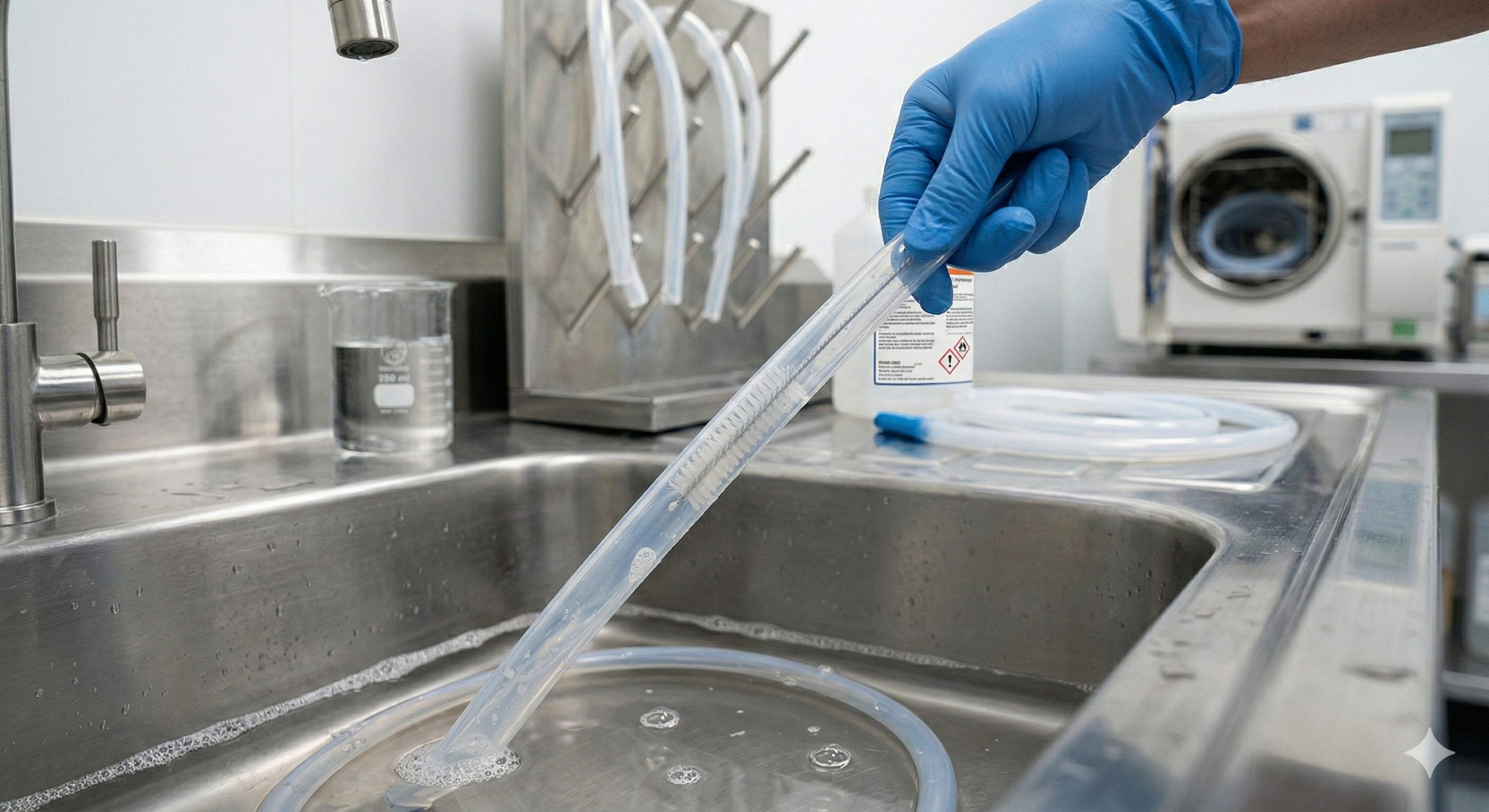
You can clean silicone rubber tubing by using mild detergents or 70% isopropyl alcohol and following a strict rinsing and drying protocol. Dirty pipes harbor bio-films and contaminants that compromise the safety of your fluid systems. This build-up creates a significant risk for your operations and can lead to costly downtime or equipment failure. Knowing how to clean silicone pipe is the ultimate solution to maintaining peak performance and ensuring the longevity of your high-performance materials.
Which Cleaning Agents Are Safe For Silicone?
Stick to pH-neutral mild soaps or 70% isopropyl alcohol to ensure effective cleaning without damaging the polymer’s molecular structure. You must select agents that lift organic residues without causing surface etching or material swelling. Understanding how to clean silicone pipe starts with using the correct chemical kit for your specific application.
Is Mild Dish Soap Effective Enough?
Think about this: for the vast majority of food-grade applications, simple unscented dish soap is your best friend. It provides a non-reactive solution that safely removes oils and residues.
- Use warm water to enhance the soap’s lifting power.
- Ensure the soap is free of dyes and strong fragrances.
- Rinse thoroughly to prevent a soapy film from remaining.
Key Takeaway: Routine maintenance is best handled with pH-neutral soaps to prevent chemical degradation over time.
| Agent Type | Recommended Application | Primary Benefit |
|---|---|---|
| Mild Soap | General soil removal | Non-reactive and safe |
| 70% IPA | Rapid disinfection | Evaporates without residue |
| Purified Water | Final rinsing | Prevents mineral spotting |
Selecting the right agent ensures the material remains flexible and structurally sound for years.
What Chemicals Can Damage Silicone Pipes?
Avoid strong solvents like acetone and concentrated bleach as they cause irreversible swelling, gummy textures, and structural breakdown. These harsh substances penetrate the silicone matrix and weaken the bonds that provide mechanical strength. When you learn how to clean silicone pipe, you must realize that certain industrial chemicals act as aggressive “swelling agents.”
Why Should You Avoid Strong Solvents?
Here is the kicker: chemicals like toluene and xylene can cause the tube to expand far beyond its original dimensions. This expansion leads to a permanent loss of tensile strength and elasticity.
- Solvents can leach additives from the silicone.
- Concentrated acids may cause brittleness.
- Abrasive powders create micro-scratches that trap bacteria.
Key Takeaway: Never expose your silicone components to petroleum-based solvents or concentrated bleach.
| Prohibited Chemical | Effect on Silicone | Risk Level |
|---|---|---|
| Acetone / Toluene | Severe swelling and softening | Extreme |
| Concentrated Bleach | Surface degradation | High |
| Abrasive Scourers | Physical micro-tears | Medium |
Avoiding these substances prevents premature material failure and maintains the hygiene of your system.
What Is The Best Way To Wash Tubing?
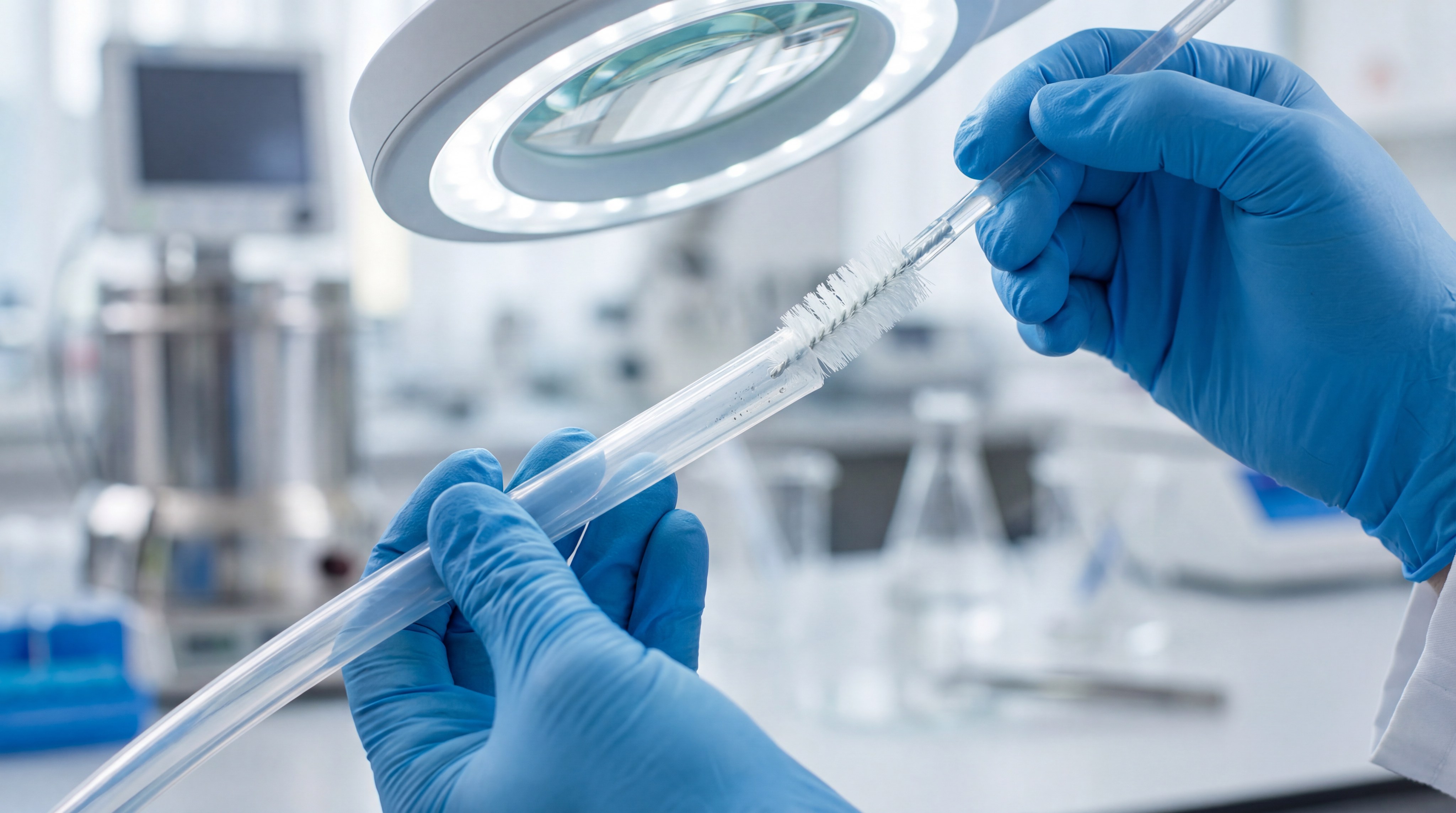
The most effective method involves a warm water pre-rinse followed by internal scrubbing with a soft-bristle brush designed for the tubing’s diameter. This systematic approach ensures that both the interior bore and exterior surface are completely free of debris. Mastering how to clean silicone pipe requires a consistent mechanical process to dislodge stubborn build-up.
How Do You Scrub The Interior?
Look: standard rinsing is rarely enough for long sections of tubing where residue can settle deep inside. You need a specialized tool to ensure the entire length is addressed.
- Select a soft-bristle brush that matches the inner diameter.
- Submerge the tube in a warm, soapy solution.
- Gently slide the brush through to dislodge particulates.
Key Takeaway: Manual scrubbing with soft tools protects the smooth interior finish while removing bonded contaminants.
| Cleaning Step | Action Taken | Objective |
|---|---|---|
| Pre-Rinse | Flush with warm water | Remove loose particles |
| Submerge | Soak in mild detergent | Loosen stubborn residue |
| Internal Scrub | Use nylon-bristle brush | Clear the internal bore |
Consistent mechanical cleaning prevents the formation of stubborn bio-films that resist simple rinsing.
How Should You Rinse And Dry The Tubes?
You must perform a final rinse with purified water and hang the tubing vertically to ensure complete moisture removal and prevent mold growth. Tap water often contains minerals that leave unsightly white spots or scale inside the tube once it dries. If you want to know how to clean silicone pipe properly, the drying phase is just as critical as the wash.
Why Is Vertical Drying Essential?
The truth is, trapped moisture is the primary cause of bacterial proliferation during storage. By using gravity, you ensure that every drop of water escapes the narrow bore.
- Hang tubes in a clean, dust-free environment.
- Avoid tight coils that might trap water pockets.
- Use filtered air if you need to speed up the process.
Key Takeaway: Using distilled water for the final rinse and hanging tubes vertically prevents mineral buildup and mold.
| Drying Factor | Optimal Condition | Why It Matters |
|---|---|---|
| Water Quality | Distilled or Deionized | No scale or mineral spots |
| Position | Vertical Hanging | Full drainage via gravity |
| Environment | Dust-free / Filtered air | Prevents re-contamination |
Perfecting the drying stage guarantees that the tubing is ready for immediate reuse without risk.
Can You Boil Silicone For Sterilization?
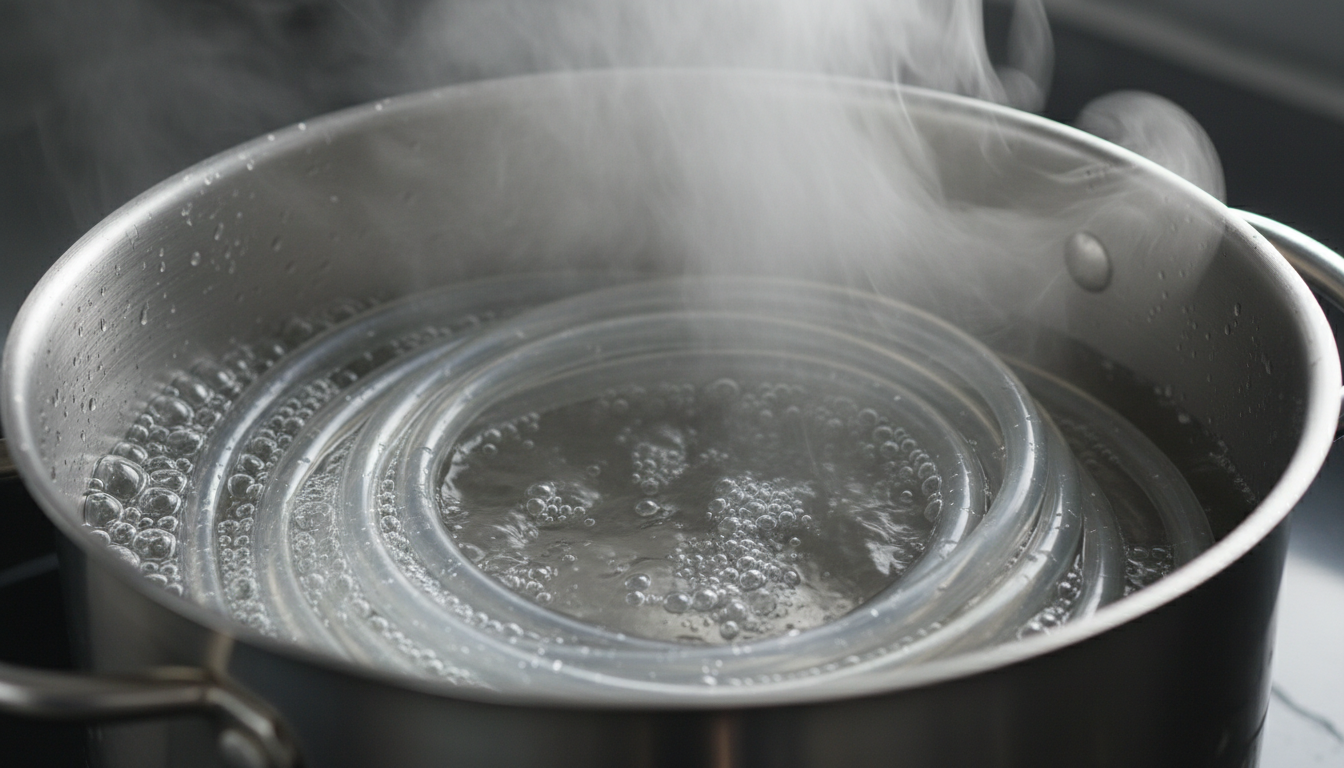
Yes, boiling silicone in distilled water for 5 to 10 minutes is a safe, chemical-free way to disinfect heat-resistant grades. Silicone’s impressive thermal stability allows it to withstand high temperatures without losing its shape or physical properties. Learning how to clean silicone pipe through boiling is especially useful for food-grade applications like brewing or food processing.
Does Distilled Water Make A Difference?
It gets better: using distilled water prevents the “cloudy” appearance caused by calcium deposits in hard tap water. This keeps your tubing transparent and looking like new.
- Bring water to a rolling boil before submerging.
- Ensure the tubing is completely covered by water.
- Use tongs to remove the tube safely and avoid burns.
Key Takeaway: Boiling is the most accessible method for chemical-free disinfection of heat-resistant silicone.
| Sterilization Param | Recommendation | Note |
|---|---|---|
| Temperature | 100°C (212°F) | Rolling boil required |
| Time | 5 to 10 Minutes | Kills most pathogens |
| Medium | Distilled Water | Maintains clarity |
Thermal disinfection provides a higher level of hygiene than simple washing for critical applications.
Is Autoclaving Safe For Medical Grades?
Autoclaving is safe for platinum-cured silicone when performed at 121°C for 15 to 30 minutes under pressure to achieve total sterility. This process is the gold standard for laboratory and medical settings where microbial elimination is mandatory. When evaluating how to clean silicone pipe for high-stakes environments, steam sterilization is the most reliable choice.
How Do You Verify Compatibility?
Bottom line: you must check if your tubing is rated for autoclave cycles, as some peroxide-cured grades may degrade. Platinum-cured versions are specifically designed for these high-stress environments.
- Check for “Platinum Cured” labels on your products.
- Place tubing in a sterilization pouch to prevent contact.
- Allow the material to cool gradually to avoid thermal shock.
Key Takeaway: Autoclaving is the ultimate sterilization method for high-purity, platinum-cured silicone tubing.
| Autoclave Setting | Standard Value | Function |
|---|---|---|
| Temperature | 121°C | Kills spores and microbes |
| Pressure | 15 PSI | Ensures steam penetration |
| Duration | 20 Minutes | Guarantees full sterility |
Using pressurized steam ensures that even the most resilient microorganisms are completely eliminated.
When Is Chemical Disinfection Necessary?
Use chemical disinfectants like 3% hydrogen peroxide when thermal sterilization is impractical for large industrial systems or non-removable parts. This method provides high-level disinfection without the need for specialized heating equipment. If you are researching how to clean silicone pipe in a lab setting, chemical soaks are a highly effective alternative.
Which Disinfectants Are Most Reliable?
Believe it or not: 3% hydrogen peroxide is excellent because it breaks down into water and oxygen, leaving no toxic residue. It is a safer choice than many harsh industrial bleaches.
- Soak the tubing for at least 30 minutes for deep disinfection.
- Ensure all air bubbles are removed from the bore.
- Follow up with a sterile water rinse to remove traces.
Key Takeaway: Chemical soaks offer a powerful alternative to heat when tubes cannot be easily removed or boiled.
| Chemical Agent | Recommended Level | Application Method |
|---|---|---|
| Hydrogen Peroxide | 3% Concentration | Complete submersion soak |
| Isopropyl Alcohol | 70% Concentration | Surface wipe or short soak |
| Peracetic Acid | Industrial Grade | Follow specific protocol |
Rigorous chemical cleaning ensures that even complex tubing networks remain sanitary and safe.
How Do You Extend Tubing Service Life?
Extend lifespan by cleaning components immediately after use and avoiding mechanical stress or sharp tools during handling. Prompt cleaning prevents fluids from drying and bonding to the silicone surface, which makes future maintenance much easier. When considering how to clean silicone pipe, prevention is often better than a cure.
Why Is Gentle Handling Vital?
Think about this: silicone is incredibly tough, but it can be prone to tearing if snagged by sharp metal pliers or wire ties. You should always use soft plastic connectors and gentle movements.
- Flush the system with warm water immediately after use.
- Avoid kinking the tube during the scrubbing process.
- Inspect for wear and tear during every cleaning cycle.
Key Takeaway: Immediate flushing and gentle handling are the easiest ways to double the life of your tubing.
| Maintenance Action | Frequency | Primary Benefit |
|---|---|---|
| Immediate Flush | After every use | Prevents biofilm buildup |
| Visual Inspection | Weekly | Catches early signs of wear |
| Soft Tool Usage | Always | Prevents physical damage |
Taking care of your material today saves you from expensive replacement costs in the near future.
When Should You Replace Old Tubing?
Replace your tubing if you notice permanent cloudiness, surface tackiness, or micro-cracks that harbor bacteria beyond the reach of cleaning agents. No matter how well you know how to clean silicone pipe, every material eventually reaches its functional limit. Monitoring these visual and tactile signs is essential for maintaining a safe fluid transport system.
What Are The Top Warning Signs?
Look at it this way: if your tubing feels sticky even after a thorough wash, the polymer is likely leaching or breaking down. This stickiness is a magnet for contaminants and cannot be fixed.
- Crazing or tiny cracks when the tube is bent.
- Significant yellowing or deep, permanent stains.
- Brittleness or a loss of the original flexibility.
Key Takeaway: Never compromise on safety; replace tubing immediately if it shows signs of physical degradation.
| Failure Symptom | Observation | Required Action |
|---|---|---|
| Sticky Texture | Surface feels tacky | Immediate replacement |
| Crazing | Micro-cracks on surface | Evaluate and replace |
| Discoloration | Deep yellowing | End of service life |
Timely replacement ensures your operations remain compliant with health and safety standards.
What Are The Proper Storage Guidelines?
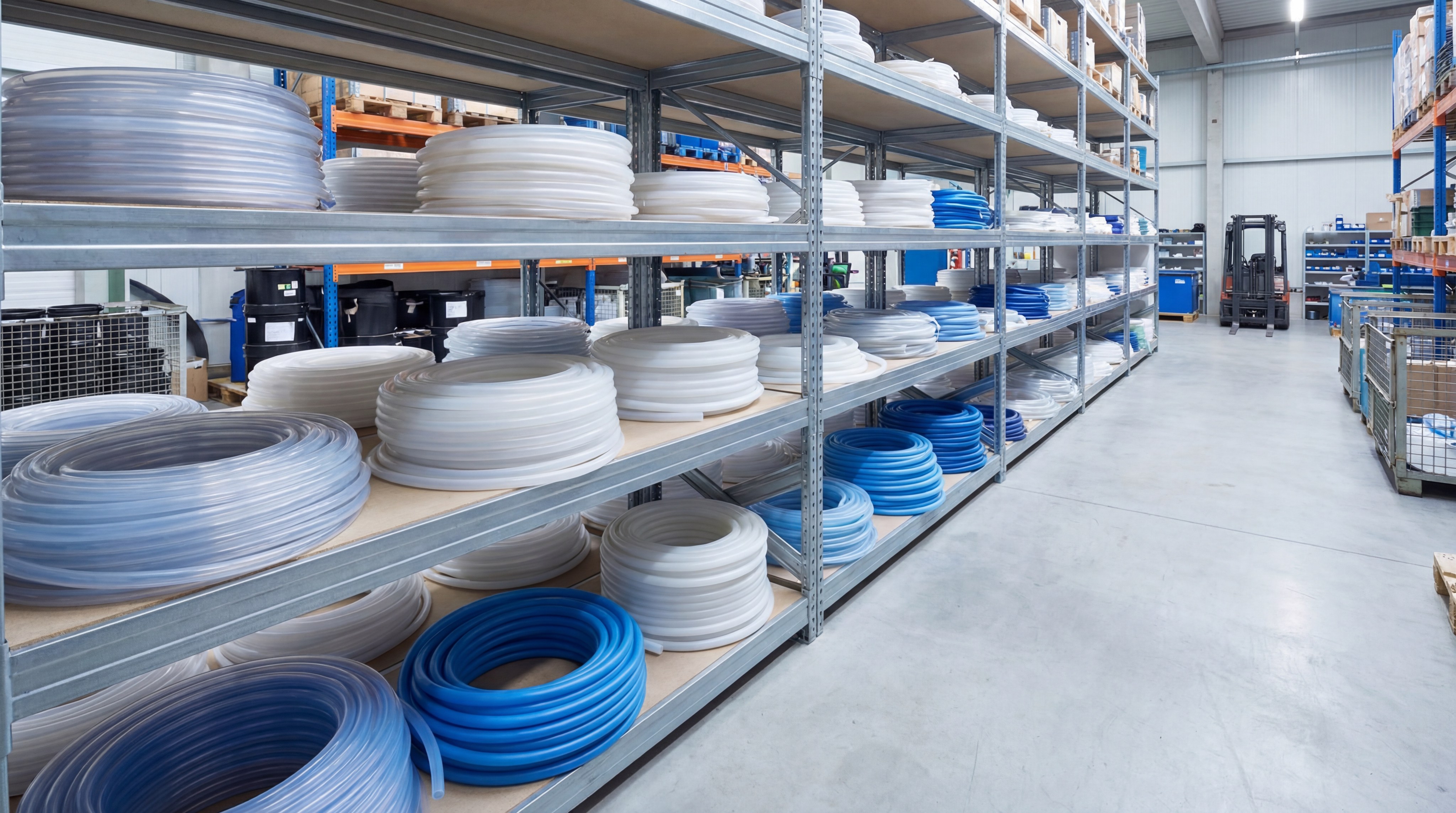
Store cleaned tubing in a cool, dark, and dry environment within loose coils to prevent UV damage and kinking. Environmental factors like ozone and direct sunlight can cause silicone to become brittle over long periods. When you have finished learning how to clean silicone pipe, the final step is ensuring it stays clean during downtime.
Why Should You Avoid Sunlight?
The kicker is that UV rays can degrade even the most resilient rubbers, leading to surface cracking and reduced elasticity. A dark cabinet is the best place for your high-value components.
- Use large, loose loops to avoid “setting” the shape.
- Keep tubes away from electric motors that produce ozone.
- Store in a dust-proof container or sealed bag.
Key Takeaway: Dark, cool storage in loose coils preserves the mechanical properties and cleanliness of the silicone.
| Storage Factor | Ideal Specification | Reason |
|---|---|---|
| Light Level | Dark / No UV | Prevents brittle failure |
| Coil Diameter | Large / Loose | Prevents permanent kinks |
| Air Quality | Low Ozone / Dry | Protects polymer integrity |
Proper storage ensures that your tubing performs exactly as expected when you pull it back into service.
Conclusion
Mastering the maintenance of silicone components is vital for ensuring hygiene, safety, and operational efficiency. By following these professional guidelines for cleaning, disinfecting, and storing your equipment, you secure a longer service life and better performance. We solve your contamination problems by providing high-durability materials that withstand rigorous cleaning protocols. HuaLin is dedicated to producing precision custom silicone products for 14 years, focusing on quality and reliability. If you need expert advice or high-performance components, please contact us today to discuss your specific requirements.
Frequently Asked Questions
- Can I put silicone tubing in a commercial dishwasher?
Yes, most food-grade silicone is dishwasher safe. However, the high-pressure water might not reach the center of long, narrow tubes, so manual internal brushing is still recommended. - How do I remove stubborn odors from my silicone pipe?
Soaking the tubing in a mixture of warm water and baking soda for 30 minutes is the most effective solution. This alkaline soak neutralizes acidic odors and refreshes the material safely. - Is it safe to use white vinegar for cleaning?
Yes, a diluted vinegar solution is safe for removing mineral deposits and hard water scale. Ensure you perform a thorough final rinse with purified water to remove any lingering acetic acid scent. - Can I use a metal wire brush to clean the bore?
No, you should never use metal brushes as they can scratch the smooth interior surface. These scratches become breeding grounds for bacteria and make subsequent cleaning cycles much less effective. - How often should I perform a deep clean?
The frequency depends on your application, but food and medical use require deep cleaning after every session. For industrial applications, a weekly deep clean is usually sufficient unless the fluids are highly prone to residue.