
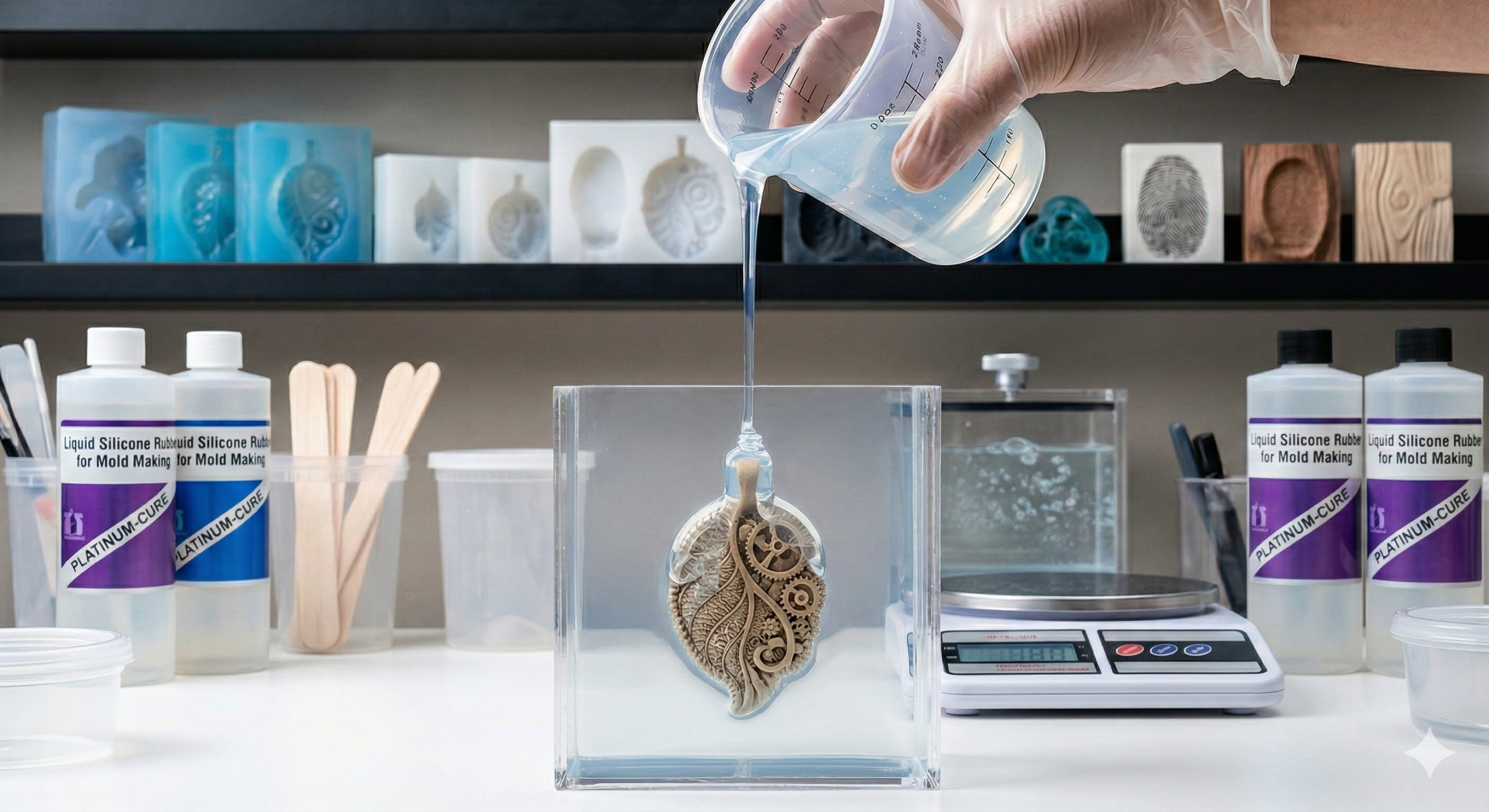
Liquid Silicone Rubber for Mold Making is the premier choice for creators because it offers unmatched precision and durability compared to traditional materials. Trying to replicate a complex design only to have the mold tear or lose fine details is incredibly frustrating for any professional or hobbyist. When your materials fail to capture the essence of your original piece, you waste both time and expensive casting resins on subpar results. Liquid Silicone Rubber for Mold Making offers the professional-grade flexibility and precision needed to ensure every curve and texture is perfectly preserved in your final product.
What Is Liquid Silicone Rubber and Why Use It?
Liquid silicone rubber is a high-purity elastomer that transitions from a fluid state to a flexible, durable solid for industrial or artistic use. This material has revolutionized the industry by allowing creators to achieve factory-level precision and repeatability in their own workspaces. By choosing Liquid Silicone Rubber for Mold Making, you ensure that your projects benefit from a material designed specifically for high-detail replication and long-term stability. You will find that its low viscosity allows it to flow into the most complex geometries without trapping air or losing structural integrity.
Understanding Liquid Silicone Properties
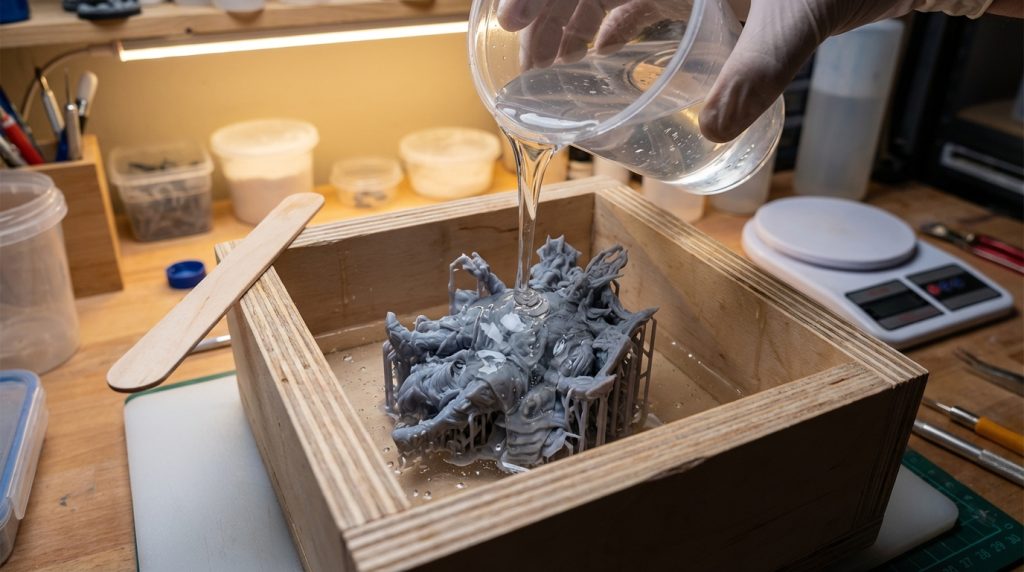
Liquid silicone is primarily valued for its low viscosity and incredible tear resistance during the demolding process.
Think about it:
- It flows easily into tight crevices and undercuts.
- It resists extreme temperatures during the casting of various resins.
- It maintains dimensional stability over years of storage.
The material remains chemically inert once cured, ensuring it does not react with the master model or the casting material. This stability is why professionals rely on it for consistent results in demanding production environments.
Which LSR Types Should I Use for My Project?
Choosing the right chemistry depends on your project’s specific sensitivity, durability requirements, and the desired cure speed.
Here is the deal:
- Platinum-Cure: Offers high-end precision, food-safe properties, and zero shrinkage.
- Tin-Cure: Provides a cost-effective solution better suited for simple industrial parts.
- Food-Grade: Specialized for chocolate, ice, or baking applications requiring safety certifications.
Selecting the wrong type can lead to cure inhibition or premature mold failure. You should always match the catalyst system to the chemical properties of your master model to avoid surface stickiness.
Key Takeaway: Liquid silicone provides a professional-grade solution for capturing intricate details that other materials simply cannot match.
| Feature | Liquid Silicone | Traditional Latex |
|---|---|---|
| Detail Retention | Exceptional | Moderate |
| Shrinkage | <0.1% | High |
| Durability | High (years) | Low (months) |
The comparison table demonstrates that liquid silicone significantly outperforms latex in both precision and long-term shelf life.
What Are the Primary Benefits of Silicone Molds?
The primary benefits of using Liquid Silicone Rubber for Mold Making include exceptional flexibility, high thermal stability, and the ability to replicate microscopic surface textures. These properties make it the gold standard for both artistic crafts and precision engineering components used in modern manufacturing. Because the material is naturally non-stick, you can often demold complex parts without using heavy release agents that might dull the surface finish. It provides a level of reliability that ensures your first pour is just as accurate as your hundredth pour.
How Does Detail Accuracy Improve Your Projects?
The low viscosity of liquid silicone allows it to seep into the finest lines and textures of your master model.
But wait:
- It captures fingerprints, wood grain, and even microscopic etchings.
- It eliminates the need for heavy sanding on the final cast parts.
- It produces a mirror-finish on resin casts when used with a polished master.
This level of detail is critical for jewelry makers and prototype engineers who cannot afford any deviation from the original design. You will save hours of post-processing time by starting with a mold that captures every nuance perfectly.
Why Is Mold Longevity a Critical Advantage?
Unlike rigid materials, silicone remains flexible, which prevents the mold from cracking or deforming during the demolding process.
Here is why:
- High tear strength prevents structural failure during deep undercuts.
- Chemical resistance protects the mold against aggressive casting resins.
- Heat resistance allows for the use of high-temperature casting materials like pewter.
This durability translates directly into cost savings for your business or hobby. You can produce large batches of parts from a single mold without worrying about degradation or loss of detail.
Key Takeaway: Investing in quality silicone reduces long-term costs by providing molds that survive repeated use without losing accuracy.
| Benefit | Impact on DIY Projects |
|---|---|
| Flexibility | Easy demolding of complex shapes |
| Heat Resistance | Compatible with various casting resins |
| Low Shrinkage | Ensures parts fit together perfectly |
These benefits illustrate how silicone’s physical properties solve the most common challenges faced during the casting and replication process.
How Do You Use Liquid Silicone for Mold Making?
To use Liquid Silicone Rubber for Mold Making, you must accurately mix the base and catalyst, degas the mixture to remove bubbles, and pour it slowly. Following a standardized process ensures the chemical reaction occurs evenly for a perfect cure every single time. Preparation is the most vital phase because even the highest quality silicone cannot compensate for a poorly prepared master model or container. You must ensure your environment is clean and climate-controlled to prevent humidity from affecting the curing speed.
Step-by-Step Guide for Preparation
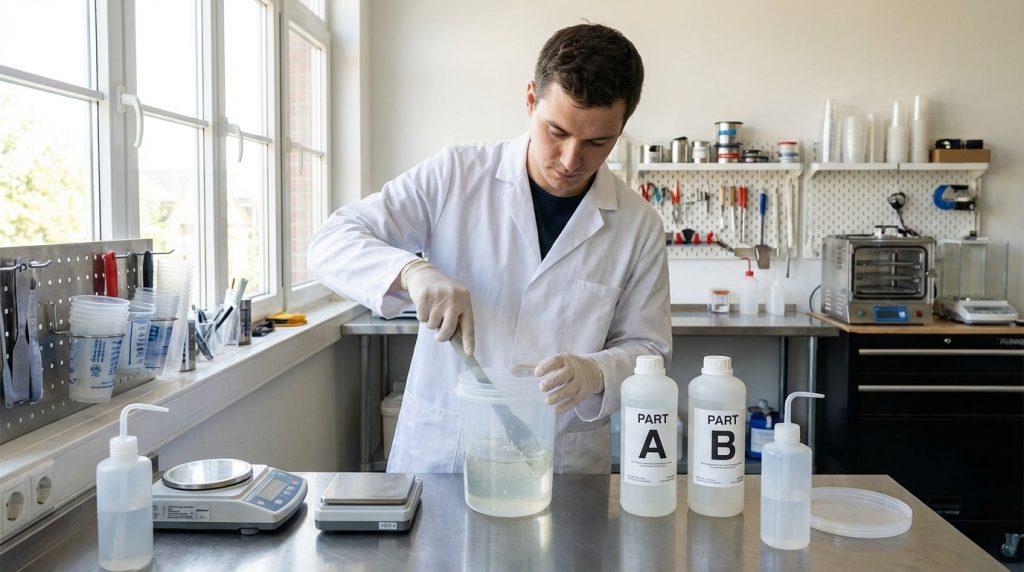
Preparation is the most vital phase to ensure your silicone performs exactly as expected throughout the curing cycle.
Here is the secret:
- Clean your master model thoroughly to remove oils and dust.
- Secure the model in a leak-proof container to prevent material waste.
- Apply a light mist of release agent if the model is porous.
Taking these steps prevents the silicone from bonding to the model or leaking through the seams of your mold box. You should also ensure the model is weighted down so it does not float once the heavy liquid rubber is poured.
How to Achieve Correct Combination Ratios?
Most DIY kits use a simple 1:1 or 10:1 ratio by weight or volume to trigger the chemical curing process.
You might be wondering:
- Use a digital scale for maximum precision to avoid soft spots.
- Mix slowly to avoid introducing excess air into the mixture.
- Scrape the sides of the container to ensure full catalyst integration.
Incomplete mixing is the leading cause of “tacky” molds that never fully harden. You must be diligent in reaching the bottom and corners of your mixing vessel to ensure a homogenous blend.
Key Takeaway: Success in mold making is 90% preparation and 10% pouring; never rush the mixing phase of your project.
| Mixing Step | Importance |
|---|---|
| Measuring | Prevents soft spots or “tacky” cures |
| Stirring | Ensures even hardening throughout the mold |
| Degassing | Removes air that causes surface pits |
The data shows that each stage of the mixing process is designed to eliminate specific physical defects in the final mold.
Which DIY Projects Are Best for Liquid Silicone?
You can create a wide variety of projects using Liquid Silicone Rubber for Mold Making, including custom jewelry, architectural replicas, and soap molds. Its versatility allows it to adapt to almost any creative or functional hobby that requires the replication of 3D objects. Whether you are a professional baker needing custom chocolate shapes or a mechanic creating custom gaskets, silicone is the ideal medium. It bridges the gap between industrial utility and creative expression by being both easy to use and highly effective.

What Are the Best Craft Ideas?
Artists frequently use silicone to create highly detailed resin jewelry and decorative figurines with complex undercuts.
Think about this:
- Intricate pendant designs that require high flexibility for removal.
- Customized dice for tabletop gaming with sharp edges and numbers.
- Replicas of antique hardware for furniture restoration projects.
These projects benefit from silicone’s ability to pull away from the cast without breaking the delicate features of the resin. You can achieve professional-level results that look like they came from a high-end retail store.
How Is Silicone Used in Functional Hobbies?
Beyond art, silicone is used to create gaskets, seals, and protective cases for electronic prototypes and home repairs.
Here is the deal:
- Create waterproof seals for custom outdoor lighting projects.
- Molding custom vibration dampeners for home machinery.
- Developing food-safe baking trays for unique kitchen creations.
Using silicone allows you to manufacture parts that are not available in stores. You can customize the hardness and color to match the specific functional requirements of your engineering project.
Key Takeaway: Silicone rubber is the ultimate multi-tool for creators, effectively bridging the gap between artistic vision and practical utility.
| Project Type | Common Application |
|---|---|
| Jewelry | Rings, pendants, and charms |
| Home Decor | Concrete planters and candle holders |
| Industrial | Custom seals and vibration dampeners |
The versatility of silicone projects demonstrates why this material is indispensable across different creative and technical sectors.
How to Choose the Right Silicone for Your Project?
Choosing the right Liquid Silicone Rubber for Mold Making requires evaluating the Shore A hardness rating and the curing time for your workspace. You must match the material’s viscosity to the complexity of your model to ensure air bubbles can escape naturally. If you choose a silicone that is too rigid for a model with deep undercuts, you risk tearing the mold during the first demold. Conversely, a silicone that is too soft may not hold its shape when filled with heavy materials like concrete or plaster.
How to Compare Different Silicone Options?
Not all rubbers are created equal; some are designed for high-heat while others prioritize extreme stretch and elongation.
But wait:
- Low Shore A (10-15): Soft and stretchy for deep undercuts and fragile models.
- Medium Shore A (25-30): The best all-around choice for general resin casting.
- High Shore A (40+): Rigid and firm for large, heavy molds or stamps.
You should also consider the “pot life,” which is the amount of time you have to work with the liquid before it sets. Beginners often benefit from a longer pot life to ensure they have enough time to degas the mixture.
What Do Customer Feedbacks Say About Top Products?
Users generally prefer products that offer a longer working time and have a reputation for being “bubble-releasing” without a vacuum.
Here is the truth:
- Look for formulas specifically labeled as “easy-pour” for better flow.
- Check for compatibility with your specific brand of casting resin.
- Evaluate the shelf life of the unmixed components to avoid waste.
Reading reviews from other professionals can help you identify which silicones handle specific resins better than others. You want a material that has been proven to resist the chemical heat generated by fast-curing urethanes.
Key Takeaway: Always select your silicone based on the complexity of your model’s geometry and the weight of your casting material.
| Silicone Grade | Best Use Case |
|---|---|
| Soft (Shore 15A) | Figurines with delicate limbs |
| Firm (Shore 30A) | Flat coasters and simple trays |
| Extra Firm (Shore 50A) | Industrial prototypes and stamps |
This hardness guide helps you select the specific material properties needed to ensure your mold functions correctly without deforming.
What Are Common Mold Making Problems and Fixes?
Common problems include air bubbles trapped on the surface, cure inhibition where the silicone remains sticky, and tearing during the demolding phase. Most of these issues can be resolved by controlling the environmental temperature and choosing chemically compatible master materials. Using Liquid Silicone Rubber for Mold Making requires a clean workspace free from contaminants like sulfur or latex. Understanding the root causes of these failures will save you money on wasted materials and frustration during the learning curve.
Ways to Prevent Bubbles and Imperfections
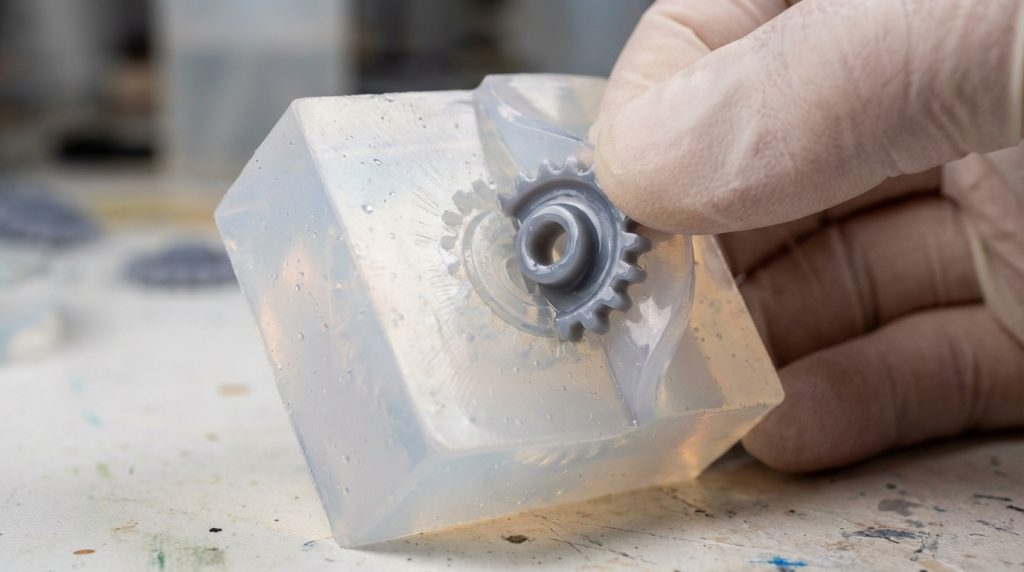
Air is the primary enemy of a perfect mold, but it can be managed with proper pouring and degassing techniques.
Look at it this way:
- Pour the silicone in a long, thin “dragon stream” to stretch bubbles.
- Use a vacuum chamber if available to boil out trapped air.
- Vibrate the mold box gently after pouring to rise bubbles to the top.
By pouring from a significant height, you force the air bubbles to pop as the stream narrows. This simple physical technique can eliminate the need for expensive vacuum equipment in many DIY scenarios.
Solving Cure Inhibition and Adhesion Issues
Inhibition occurs when chemicals in the master model prevent the silicone from hardening, leaving a sticky residue.
Here is the deal:
- Avoid using latex gloves when handling platinum-cure silicone.
- Seal 3D-printed models with a clear coat to block chemical reactions.
- Ensure the ambient temperature is above 70°F for a proper cure.
Contaminants like sulfur are frequently found in certain clays and can permanently ruin a batch of silicone. You should always perform a small test pour on a new material to ensure compatibility before committing to a full mold.
Key Takeaway: Most failures are caused by chemical incompatibility; always perform a small patch test on new master materials.
| Problem | Solution |
|---|---|
| Surface Bubbles | Pour from a height in a thin stream |
| Sticky Surface | Check for sulfur or latex contamination |
| Mold Tearing | Use a higher tear-strength silicone grade |
Identifying the specific failure mode allows you to apply the correct technical fix and improve your success rate.
Is Liquid Silicone Safe for Food or Medical Use?
Yes, Liquid Silicone Rubber for Mold Making is widely considered one of the safest materials for sensitive applications because it is chemically inert. This makes it the preferred choice for kitchenware, medical-grade components, and baby products that require high sterilization standards. Because it does not leach chemicals even when exposed to high heat, it is much safer than many plastic alternatives. You can use it with confidence for projects that involve skin contact or food preparation.
Defining Food and Medical Grades
Safety grades are determined by the purity of the raw materials and the total absence of toxic fillers or additives.
Think about it:
- Materials must pass rigorous FDA or LFGB compliance testing.
- The silicone should not leach any odors or chemicals when heated.
- Platinum-curing is required for the highest possible purity levels.
These certifications ensure that the material is biocompatible and safe for long-term use in sensitive environments. You should always verify the manufacturer’s documentation before using a silicone for anything involving ingestion or medical care.
Verifying Safety and Compliance Standards
You must check the manufacturer’s technical data sheet (TDS) for certification of biocompatibility and thermal resistance.
But wait:
- Look for “Platinum-Cure” labels for all skin-safe projects.
- Verify the maximum heat resistance if you plan on using it for baking.
- Ensure the material is certified as zero microplastics for sustainability.
Using industrial-grade silicone for food applications is dangerous and should always be avoided. Only use products specifically formulated and certified for the safety requirements of your particular application.
Key Takeaway: When safety is a priority, only use platinum-cured silicone to ensure no toxic byproducts are present in your final mold.
| Application | Required Standard |
|---|---|
| Kitchenware | FDA / Food-Safe Grade |
| Skin Contact | Biocompatible / Medical Grade |
| General Craft | Industrial Grade |
The standard requirements table highlights the necessity of matching the silicone grade to the specific safety needs of the end user.
How Does Silicone Compare to Other Mold Materials?
Liquid Silicone Rubber for Mold Making is superior to alternatives like polyurethane and latex because of its natural non-stick properties. While it may have a higher upfront cost, its extreme durability and heat resistance make it the most economical choice for production runs. Polyurethane often requires heavy use of release agents and is highly sensitive to ambient moisture during the curing process. Silicone remains the most user-friendly material for those who want professional results without the complexity of chemical additives.
Silicone vs. Polyurethane Rubber
Polyurethane is often cheaper but requires the constant use of release agents and can bond permanently to your master model.
Here is the deal:
- Silicone is moisture-resistant and will not foam in humid conditions.
- Silicone handles the high heat generated by fast-curing resins much better.
- Polyurethane molds tend to shrink and warp over time, unlike silicone.
If you are looking for a mold that will last for years, silicone is the only viable option. Polyurethane is better suited for one-off industrial parts where detail is less critical than material cost.
Is Silicone Better Than Rigid Plastic?
Silicone offers a level of flexibility that rigid plastics simply cannot match for models with complex geometries.
Look at this:
- Silicone allows for easy demolding of parts with significant undercuts.
- Plastic molds often require draft angles that change your original design.
- Silicone molds are much less likely to crack or shatter during heavy use.
While plastic is great for simple, flat trays, it fails when faced with organic or intricate shapes. Silicone gives you the freedom to design without worrying about how you will eventually remove the part from the mold.
Key Takeaway: Silicone provides the best balance of ease-of-use and professional-quality results for both DIY and industrial users.
| Material | Release Agent Needed | Heat Resistance |
|---|---|---|
| Liquid Silicone | Minimal | Very High |
| Polyurethane | Required | Moderate |
| Plaster | Heavy | Low |
This comparison confirms that silicone is the most versatile material for high-performance molding applications across all categories.
Can Liquid Silicone Be Used for Industrial Scale?
While popular for DIY, Liquid Silicone Rubber for Mold Making is the backbone of modern industrial manufacturing due to its speed. In a factory setting, the material is injected into metal molds under high pressure for rapid, high-volume part creation. This process allows for the production of thousands of identical parts with tolerances that are impossible to reach with manual pouring. You are likely using silicone-molded parts every day in your smartphone, car, and kitchen appliances.
Industrial LSR vs. DIY Processes
Industrial processes use automated machinery to mix and inject the rubber in seconds rather than the hours required for DIY.
Here is the reality:
- Factories use heat-accelerated curing to finish parts in minutes.
- Automated mixing eliminates the human error found in manual ratios.
- High-pressure injection ensures that even the tiniest cavities are filled.
The chemistry remains the same, but the application method is optimized for maximum efficiency and minimum waste. This is how global brands maintain consistency across millions of units of production.
Industries Relying on Silicone Manufacturing
From automotive seals to baby pacifiers, this material is ubiquitous in the modern world due to its safety and reliability.
Think about this:
- Medical Industry: Used for biocompatible implants, valves, and tubing.
- Electronics: Essential for creating waterproof seals for portable devices.
- Automotive: Used in high-temperature gaskets and spark plug boots.
The same material you use for your hobby projects is trusted by aerospace engineers for mission-critical vibration isolators. Its ability to perform in extreme environments makes it a staple of high-tech manufacturing.
Key Takeaway: The same silicone chemistry used in your hobby room is trusted by global manufacturers for mission-critical parts.
| Sector | Primary Usage |
|---|---|
| Healthcare | Surgical tools and valves |
| Consumer Tech | Wearable bands and seals |
| Aerospace | Vibration isolators |
The industrial sector data proves that silicone is a robust material capable of meeting the highest performance standards in the world.
How Should You Maintain Your Silicone Molds?
To extend the life of your molds, you must clean them with mild soap and water after every use and store them properly. Proper maintenance prevents the Liquid Silicone Rubber for Mold Making from becoming brittle or losing its non-stick surface over time. Even the most durable silicone will eventually degrade if exposed to harsh chemicals or left in direct sunlight for extended periods. By following a simple cleaning routine, you can ensure that your molds remain productive for hundreds of casting cycles.
Cleaning and Storage Best Practices
Always remove any residue from casting materials immediately after demolding to prevent permanent staining or surface damage.
Here is the catch:
- Use warm water and gentle dish soap for all cleaning tasks.
- Avoid abrasive scrubbers that might scratch the delicate mold surface.
- Store molds flat in a cool, dark place to prevent warping.
If you store a mold in a distorted position, it will eventually take on that new shape permanently. You should keep your molds in a climate-controlled area to prevent the silicone from drying out or becoming stiff.
When Should You Replace a Mold?
Even the highest quality silicone will eventually wear out after hundreds of uses due to chemical and physical stress.
But wait:
- Look for “ghosting” or a noticeable loss of the original surface shine.
- Watch for small tears starting to form at high-stress points.
- Replace the mold if the cast parts start sticking or dragging.
Once a mold begins to degrade, the quality of your cast parts will suffer, leading to more time spent on finishing. It is more cost-effective to pour a new mold than to spend hours fixing defective resin parts.
Key Takeaway: A well-maintained silicone mold can last for years, providing a massive return on your initial material investment.
| Maintenance Task | Frequency |
|---|---|
| Cleaning | After every use |
| Inspection | Monthly |
| Replacement | When surface detail fades |
This maintenance schedule ensures that you maximize the lifespan of your materials and maintain high production standards.
Master Your Craft with Premium Silicone
Successful mold making is a strategic blend of high-quality materials and disciplined technique. By choosing professional-grade materials and following the guidelines outlined above, you eliminate the guesswork and technical hurdles that hold back most creative projects.
At Hualin, we are dedicated to providing industrial-strength silicone solutions that empower both hobbyists and B2B manufacturers to produce flawless, durable, and high-precision molds. Our vision is to bridge the gap between complex industrial chemistry and accessible creative tools, ensuring that every project you undertake is a success. If you are ready to elevate your production quality, please contact us today to find the perfect silicone solution for your needs.
Frequently Asked Questions
Can I use liquid silicone to make molds for chocolate or candy?
Yes, but you must specifically use a “Food-Grade” platinum-cured silicone that is certified safe for contact with edibles. This is necessary because industrial silicones may contain fillers or catalysts that are not safe for ingestion.
What’s the best way to remove bubbles if I don’t have a vacuum pump?
The most effective DIY method is to pour the silicone from high above the mold box in a very thin, steady stream. This technique stretches the air bubbles until they pop before they ever reach the surface of your model.
How do I know if my liquid silicone has gone bad in the bottle?
You can tell it has expired if the material has become extremely thick, chunky, or if the catalyst has changed color significantly. Always stir individual components before mixing to check for a smooth, consistent liquid state.
Can I pour new silicone over an old silicone mold to fix it?
New silicone will generally bond to old silicone, but only if the surface is perfectly clean and free of any oils. However, the resulting bond will never be as strong as a single, continuous pour from a fresh batch.
How do I prevent my model from floating when I pour the silicone?
You should use a strong adhesive or hot glue to secure your master model to the bottom of the container. This prevents the buoyant force of the dense liquid rubber from displacing your model during the pour.