
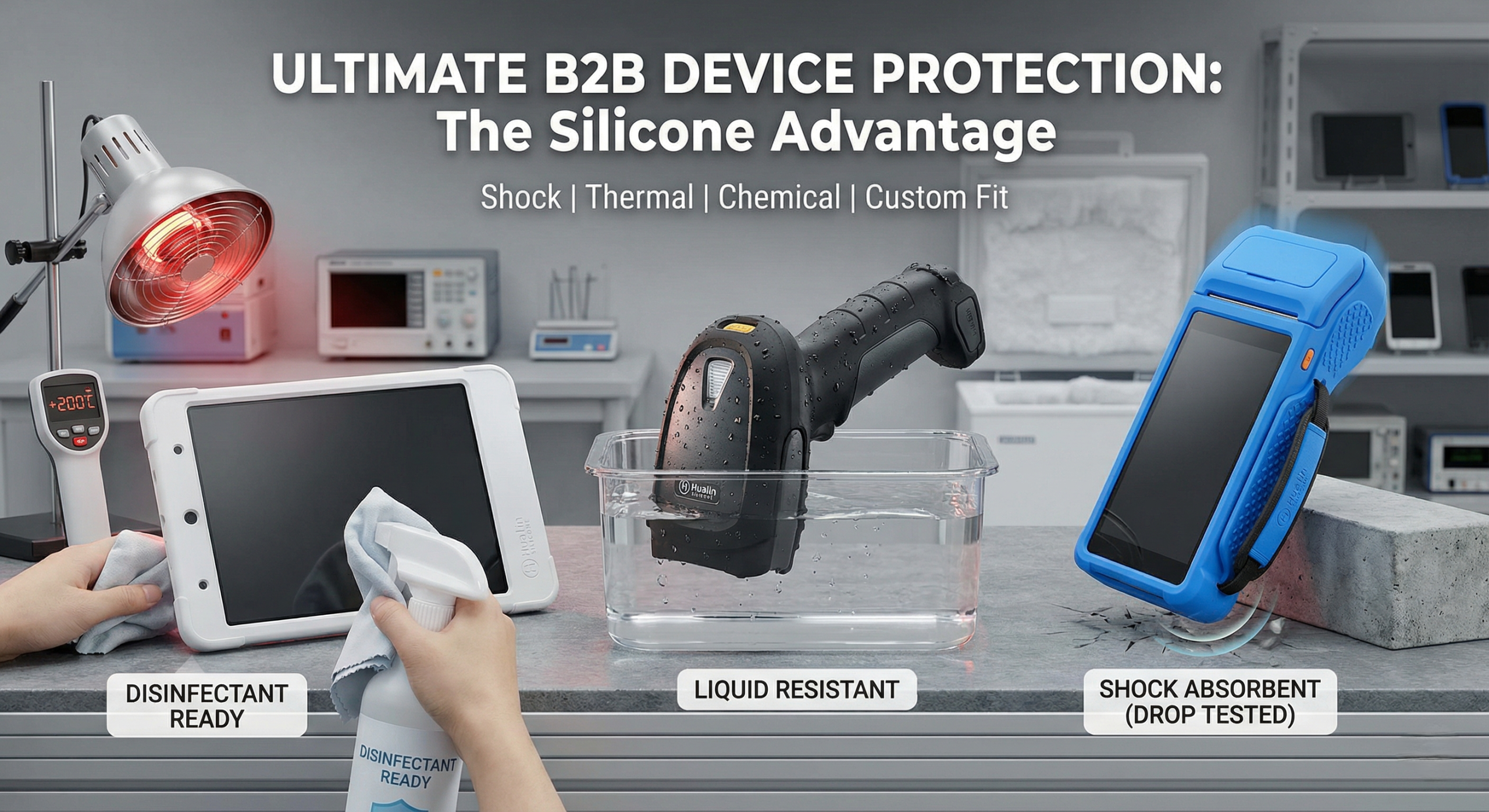
You need a silicone protective case to safeguard your hardware against terminal damage from high-impact drops, moisture ingress, and extreme temperature fluctuations. In professional environments, electronic devices are constant targets for accidental damage that halts operations immediately. Replacing cracked screens or fried circuit boards causes massive productivity leaks and unbudgeted capital expenditure. A high-quality silicone solution acts as a robust insurance policy for your fleet of mobile assets.
Why is shock absorption critical for industrial devices?
A silicone protective case provides a critical shock-absorbing barrier that dissipates kinetic energy during high-impact drops on concrete or steel. Without this protection, the force of a fall travels directly into sensitive internal components like motherboards and display connectors. Silicone’s molecular structure allows it to compress and rebound, acting as a mechanical dampener.
How does material elasticity prevent hardware failure?
The elasticity of silicone ensures that your device remains cradled in a snug, secure fit even during rapid movement. This prevents the “internal rattling” that often causes solder joints to break over time.
But here is the catch:
- High-tensile strength prevents the case from tearing during rough handling.
- Elastic memory ensures the case never stretches out or becomes loose.
- Energy dissipation spreads the impact across the entire surface area of the case.
Key Takeaway: Using silicone ensures that the energy from a 2-meter drop is absorbed by the case rather than the fragile internal electronics.
| Factor | Performance | Business Benefit |
|---|---|---|
| Impact Force | Absorbed/Dissipated | Reduced hardware breakage |
| Internal Vibration | Minimized | Longer motherboard lifespan |
| Fit Stability | Permanent Snug Fit | Continuous port protection |
This data illustrates why mechanical dampening is the first line of defense for expensive handheld technology.
Can silicone protect against extreme warehouse temperatures?
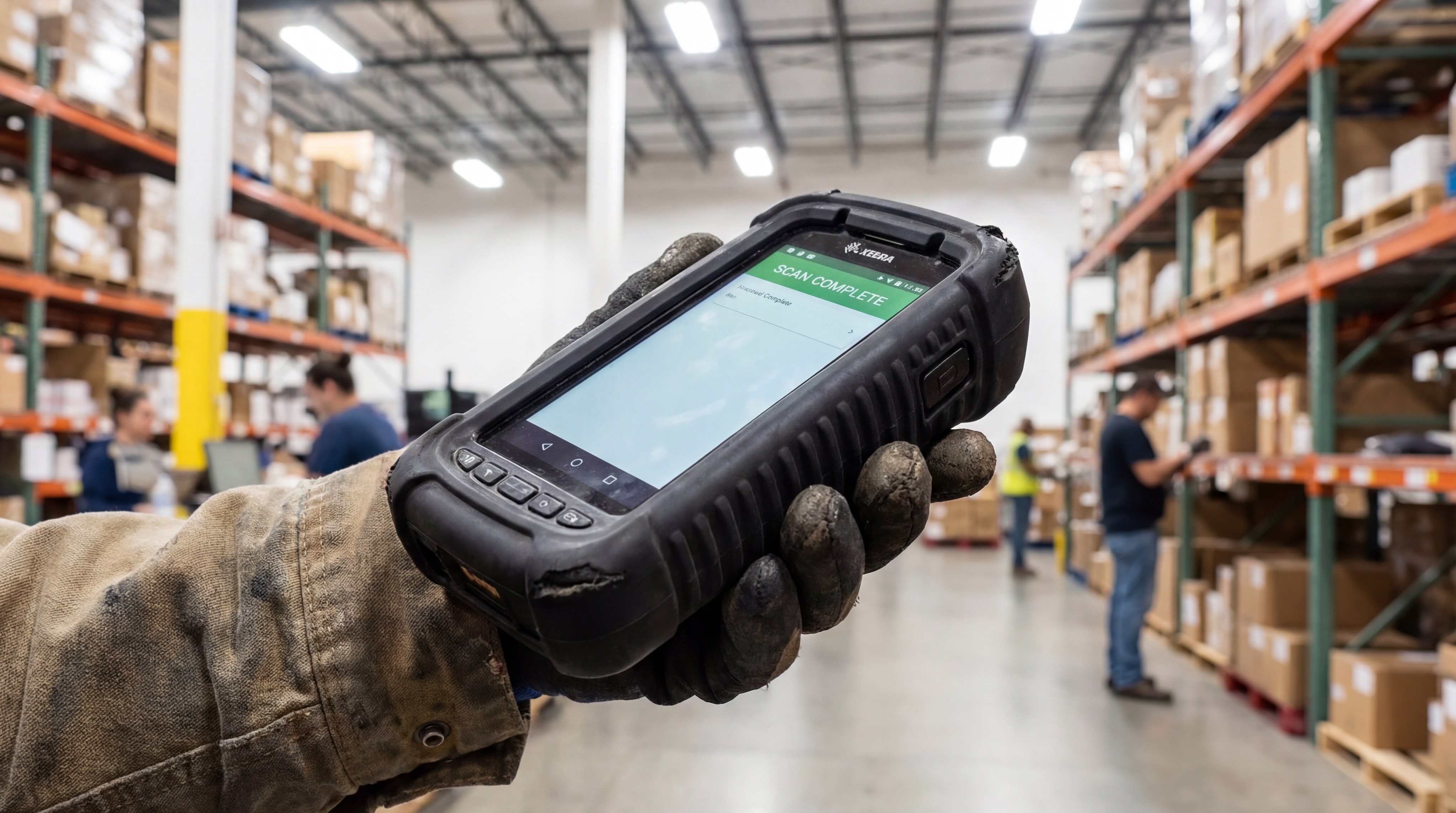
A silicone protective case maintains its structural integrity and flexibility in environments ranging from freezing cold storage to high-heat manufacturing floors. Unlike standard plastics that become brittle in the cold or warp in the heat, silicone remains stable between -40°C and +230°C. This stability ensures the device is protected regardless of the seasonal or operational climate.
Does thermal resistance improve battery performance?
Extreme heat can cause device batteries to swell or degrade prematurely if the case material traps heat. Silicone provides a balanced thermal profile that allows for better heat management compared to thick rubber alternatives.
You might be wondering:
- It resists ignition and does not support combustion in high-heat zones.
- The material will not crack or peel in sub-zero refrigerated warehouses.
- UV stability prevents the case from degrading under direct sunlight in field use.
Key Takeaway: Silicone’s thermal range makes it the only viable protective material for devices moving between extreme environmental zones.
| Temperature Zone | Material Reaction | Operational Status |
|---|---|---|
| Cold Storage (-40°C) | Stays Flexible | Fully Protected |
| Standard Office (22°C) | Optimal Grip | Fully Protected |
| Industrial Heat (200°C) | No Melting | Fully Protected |
Thermal stability analysis confirms that silicone outperformed all other polymers in consistent environmental testing scenarios.
Does liquid resistance matter for professional gadgets?
Utilizing a silicone protective case ensures that your electronics are shielded from liquid ingress and high humidity that cause internal corrosion. The material is naturally hydrophobic, meaning it repels water and prevents moisture from pooling near sensitive buttons or charging ports. This is essential for field technicians who must operate in rain or damp industrial settings.
Is moisture protection vital for port longevity?
Precision-molded silicone creates a tight seal around the device’s perimeter, significantly reducing the amount of dust and moisture that can enter the housing. This keeps the internal circuitry dry even during accidental spills or light rain exposure.
The best part is:
- Hydrophobic properties cause water to bead up and roll off the surface.
- Sealed button covers prevent liquid from seeping through mechanical gaps.
- Non-porous surfaces prevent the growth of mold or mildew in humid climates.
Key Takeaway: A water-resistant silicone barrier prevents the expensive “liquid damage” repairs that void most manufacturer warranties.
| Hazard Type | Silicone Defense | Protection Level |
|---|---|---|
| Light Rain | Repels on contact | High |
| Spilled Coffee | Prevents ingress | High |
| High Humidity | Zero absorption | Absolute |
Effective moisture management through silicone molding significantly reduces the frequency of short-circuit failures in mobile hardware.
Is silicone more durable than standard plastic cases?
A silicone protective case is significantly more resilient than plastic because it does not become brittle or crack under repeated mechanical stress. While rigid plastic cases may offer initial protection, they often shatter upon the second or third impact, leaving the device vulnerable. Silicone’s durability comes from its ability to flex without losing its primary shape or protective density.
Why is material longevity a key B2B factor?
Replacing cheap plastic cases every six months is a hidden operational cost that adds up across a large workforce. Silicone cases are built for the long haul, often outlasting the actual lifespan of the electronic device they protect.
Believe it or not:
- It resists scratches and abrasions from rough industrial surfaces.
- The material does not yellow or become “chalky” over years of use.
- Silicone maintains its color and texture even under heavy daily friction.
Key Takeaway: Choosing silicone over plastic reduces your replacement frequency and ensures consistent protection for the device’s entire lifecycle.
| Material | Impact Limit | Durability | Lifecycle |
|---|---|---|---|
| Rigid Plastic | 1-2 Drops | Low | < 1 Year |
| TPU/Rubber | 5-10 Drops | Medium | 1-2 Years |
| Silicone | Unlimited | High | 3-5 Years |
Comparison data clearly shows that silicone offers a vastly superior return on investment for long-term device deployments.
How does chemical resistance benefit medical equipment?
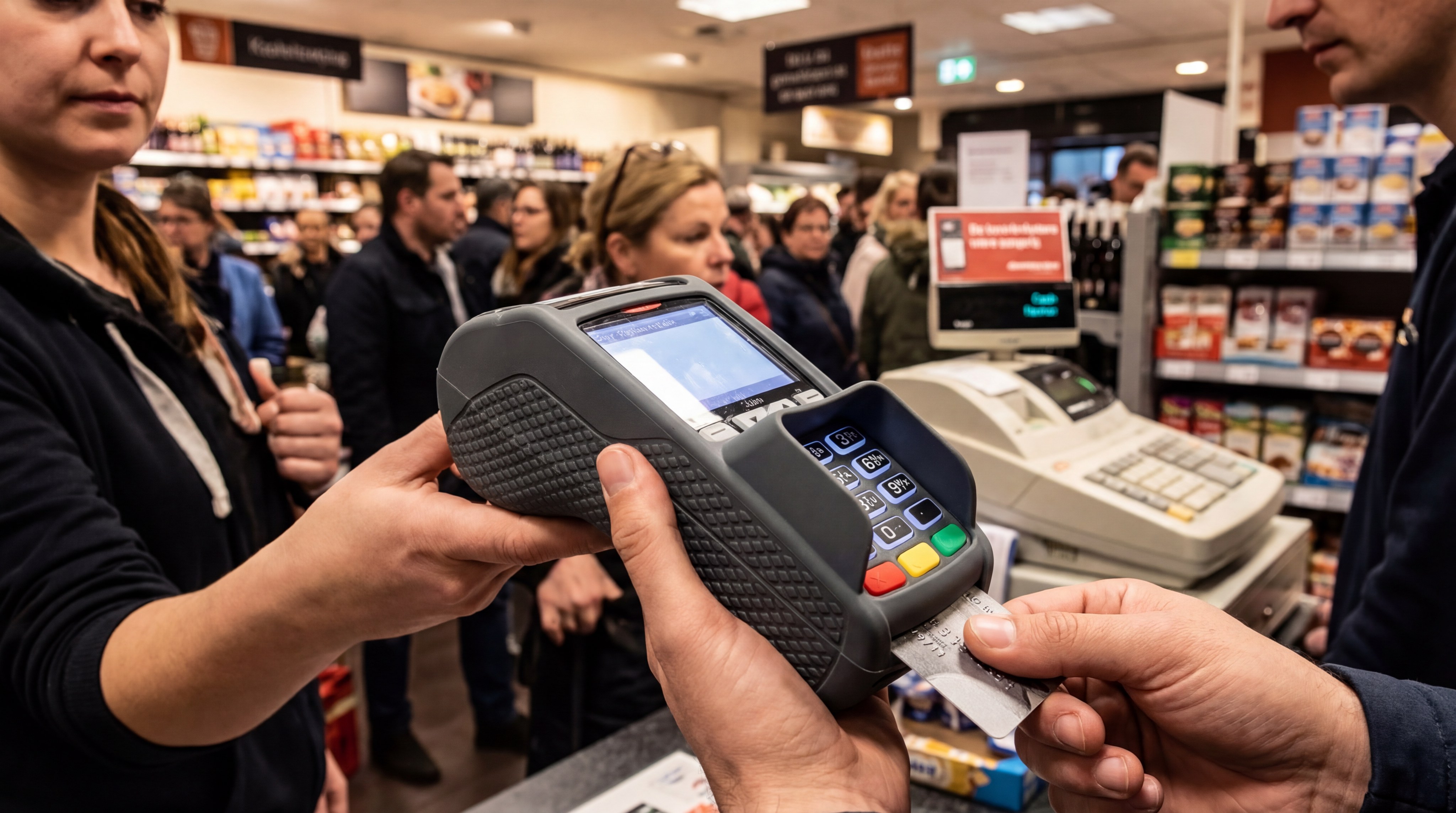
A silicone protective case provides a chemically inert surface that resists degradation from harsh medical disinfectants and industrial solvents. In healthcare environments, devices must be sanitized frequently with isopropyl alcohol or bleach solutions. Silicone does not react with these chemicals, ensuring the case doesn’t soften, swell, or become sticky over time.
Can silicone handle industrial cleaning agents?
Beyond healthcare, industrial scanners often come into contact with oils, greases, and fuels that would dissolve standard rubber. Silicone remains stable and easy to clean, maintaining its protective qualities regardless of the chemical exposure.
The truth is:
- It is resistant to the corrosive effects of most common cleaning solvents.
- Oil-repellent surfaces make it easy to wipe away industrial grime.
- Hypoallergenic properties ensure the material is safe for all-day skin contact.
Key Takeaway: Chemical inertness allows for rigorous sanitation protocols without compromising the physical integrity of the protective cover.
| Solvent Type | Silicone Stability | Surface Integrity |
|---|---|---|
| 70% Alcohol | Excellent | No Change |
| Bleach Solutions | Excellent | No Change |
| Industrial Grease | Good | Wipes Clean |
Maintaining a sterile environment is significantly easier when the protective hardware is specifically engineered for chemical resilience.
Why is a non-slip grip essential for field operations?
The natural high-friction texture of a silicone protective case reduces the risk of accidental drops by providing a secure, ergonomic grip. Many professional electronic devices have smooth, metallic, or plastic finishes that are notoriously difficult to hold, especially when the user is wearing gloves. Silicone transforms these slippery surfaces into tools that are easy to manipulate in fast-paced environments.
Does ergonomic design reduce worker fatigue?
A secure grip means the user doesn’t have to exert as much hand pressure to hold the device securely. This reduces long-term hand strain for workers who use handheld scanners or tablets for eight hours a day.
Think about this:
- Micro-textures can be molded into the silicone to enhance grip in wet conditions.
- The “soft-touch” feel improves user comfort and overall device perception.
- Silicone naturally stays in place when set on angled or vibrating surfaces.
Key Takeaway: Preventing the drop is always more effective than surviving it; silicone provides the traction necessary to avoid accidents.
| Surface Condition | Silicone Traction | Risk Level |
|---|---|---|
| Dry Hands | Excellent | Low |
| Gloved Hands | Superior | Low |
| Wet/Oily Hands | High | Moderate |
Enhanced grip mechanics provide a measurable reduction in the frequency of “accidental slip” incidents reported in warehouse environments.
Can you customize silicone cases for unique hardware?
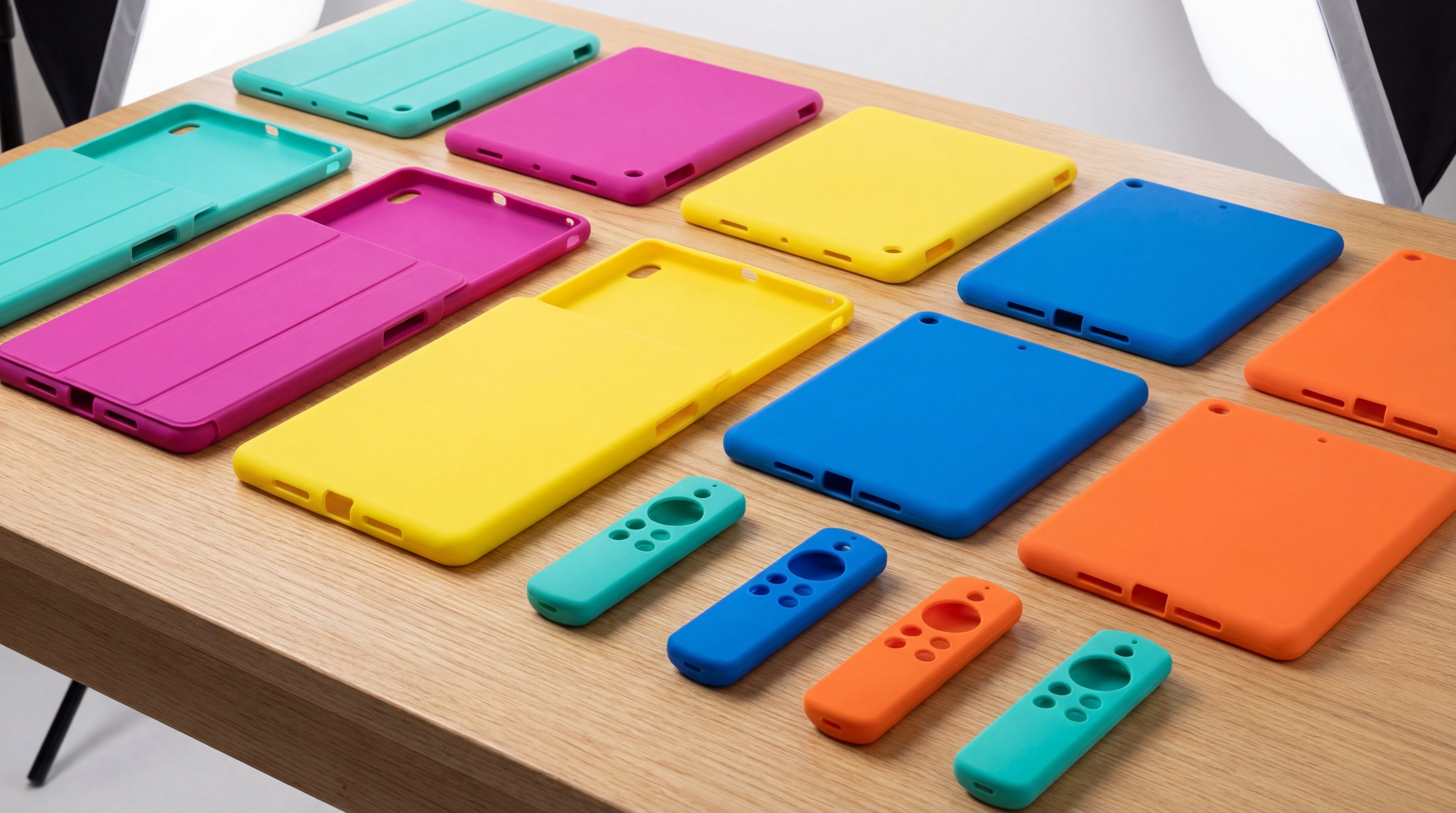
You can design a silicone protective case to fit any specialized hardware, ensuring perfect access to ports, buttons, and sensors. Custom molding allows for the integration of unique features like hand straps, kickstands, or lanyard loops directly into the protective skin. This ensures that the protection never interferes with the specific workflow requirements of your business operations.
Is branding possible with custom silicone?
Customization isn’t just about fit; it’s also about corporate identity and organizational efficiency. You can use specific colors to categorize devices by department or emboss your company logo for a professional appearance.
But wait, there’s more:
- Precision cut-outs ensure scanners and cameras work without interference.
- Varying wall thicknesses can provide extra protection for high-impact corners.
- Integrated dust plugs can be molded into the case to protect charging ports.
Key Takeaway: Custom-engineered silicone cases provide a bespoke fit that maximizes both the protection and the utility of industrial tools.
| Customization Type | Functional Benefit | Aesthetic Benefit |
|---|---|---|
| Color Coding | Asset Tracking | Corporate Identity |
| Port Covers | Dust/Liquid Defense | Sleek Design |
| Logo Embossing | Anti-Theft | Professionalism |
Bespoke molding ensures that the protective solution is a seamless extension of the device rather than a bulky afterthought.
Does silicone offer long-term cost savings for businesses?
Investing in a silicone protective case lowers your total cost of ownership (TCO) by extending the operational lifespan of your mobile assets. While the upfront cost of a high-quality case is higher than a generic plastic cover, the savings realized from reduced repairs and replacements are substantial. For a business managing hundreds of devices, these savings can represent a significant portion of the IT budget.
How do you calculate the ROI of protection?
You must consider the cost of a device repair, the lost productivity of the employee, and the shipping logistics involved in hardware replacement. A single saved device often pays for the cost of cases for an entire department.
Check this out:
- Reduces the need for “premium” insurance or extended warranty plans.
- Ensures devices remain in “like-new” condition for higher resale value.
- Minimizes the administrative burden of managing broken hardware.
Key Takeaway: High-performance silicone is a strategic investment that pays for itself by preventing the most common causes of hardware failure.
| Cost Variable | Without Silicone | With Silicone |
|---|---|---|
| Repair Costs | High/Frequent | Low/Rare |
| Asset Lifespan | 1-2 Years | 3-5 Years |
| User Downtime | Significant | Minimal |
Financial analysis confirms that the TCO for protected devices is up to 40% lower over a three-year deployment cycle.
Is silicone an environmentally responsible material choice?
A silicone protective case is an eco-friendly choice because it is non-toxic and lasts much longer than disposable plastic alternatives. Silicone is derived from silica (sand), making it more sustainable than petroleum-based plastics that clog landfills. Because of its extreme durability, fewer cases are produced and discarded over the life of your technology project.
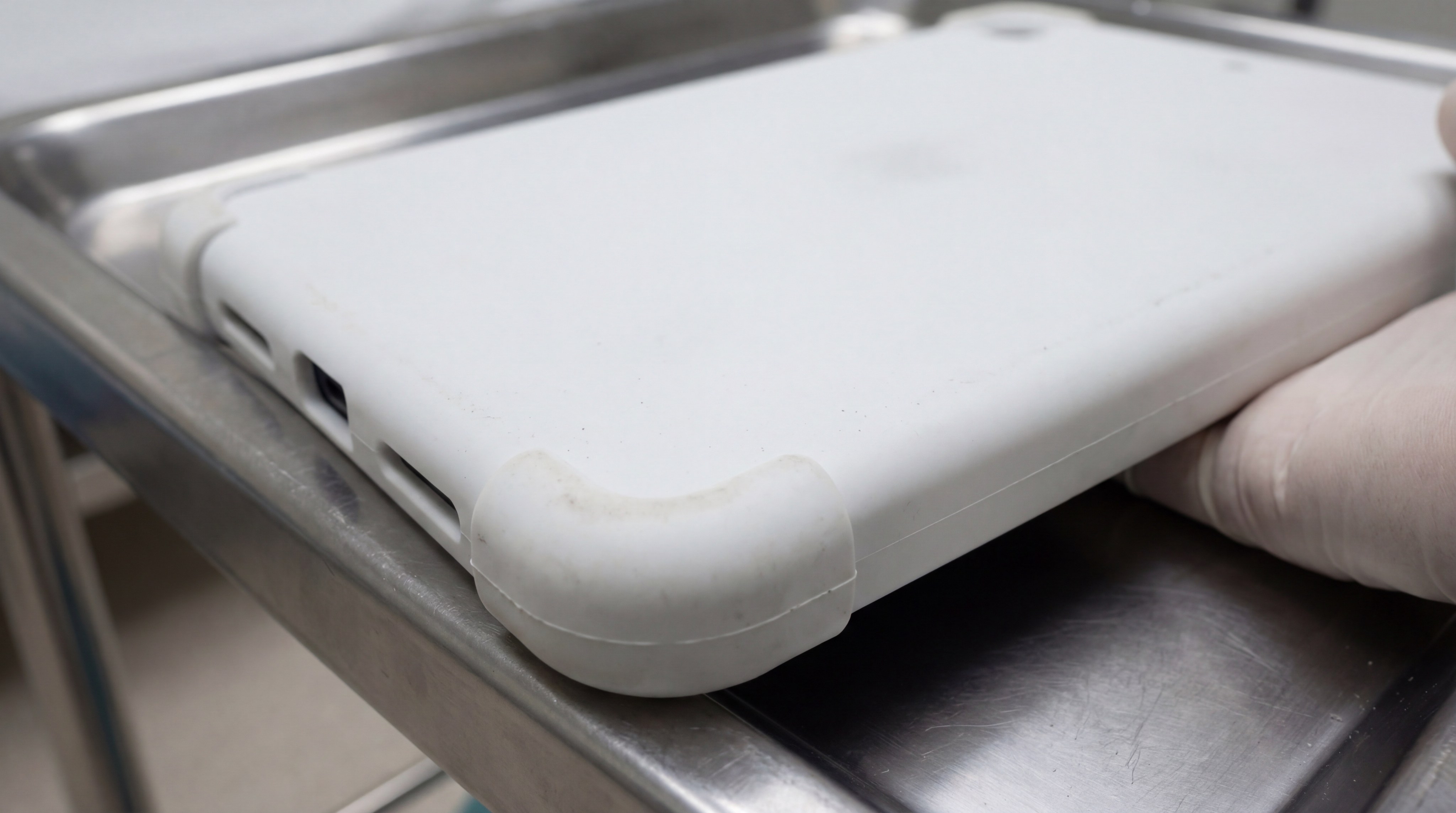
Is silicone safe for the user and the planet?
Silicone is chemically stable and does not leach harmful toxins like BPA or phthalates into the environment or onto the user’s skin. This makes it a responsible choice for companies with strict Environmental, Social, and Governance (ESG) goals.
Here is the catch:
- The material is non-reactive and does not outgas harmful chemicals.
- Long product life cycles directly reduce the volume of industrial waste.
- Silicone can be down-cycled into industrial lubricants or playground surfaces.
Key Takeaway: Choosing silicone supports a circular economy by prioritizing durability and non-toxic material science.
| Sustainability Metric | Silicone Performance | Environmental Impact |
|---|---|---|
| Chemical Toxicity | Zero | Safe for Staff |
| Landfill Volume | Low (Long Life) | Reduced Waste |
| Source Material | Silica (Abundant) | Low Carbon Footprint |
Sustainability data highlights silicone as the preferred choice for eco-conscious procurement departments in the technology sector.
Why is ease of sterilization important for healthcare?
A silicone protective case is ideal for clinical settings because it can be repeatedly autoclaved or sanitized without losing its protective qualities. In modern hospitals, tablets and scanners are high-touch surfaces that can harbor dangerous pathogens. Silicone’s ability to withstand high-pressure steam and harsh anti-microbial wipes makes it the gold standard for medical-grade protection.
Does antimicrobial silicone really work?
Specialized antimicrobial agents can be integrated into the silicone during the molding process to further reduce the growth of bacteria on the surface. This provides an active layer of defense that complements standard cleaning protocols.
You must remember:
- Silicone can withstand medical autoclave temperatures up to 134°C.
- Non-porous surfaces prevent bacteria from hiding in microscopic cracks.
- The material remains soft and flexible even after thousands of wash cycles.
Key Takeaway: For healthcare professionals, silicone is the only material that combines drop protection with medical-grade hygiene standards.
| Sanitation Method | Compatibility | Material Impact |
|---|---|---|
| Autoclave Steam | Full Compatibility | No Degradation |
| Bleach Wipes | Full Compatibility | No Discoloration |
| UV Light Curing | Full Compatibility | No Brittleness |
Sterilization testing proves that silicone maintains its physical properties longer than any other soft-touch polymer used in clinical hardware.
Common FAQs for Silicone Protective Solutions
Can I clean my silicone case with high-strength alcohol?
Yes, silicone is highly resistant to isopropyl alcohol and will not become cloudy or brittle like plastic. It is specifically designed to handle the rigorous cleaning protocols found in medical and industrial environments.
What’s the best way to ensure a custom case fits my specific device?
The most effective way is to provide a 3D model or a physical sample of the device to your manufacturer. This allows for the creation of precision molds that account for every port, sensor, and heat vent on your hardware.
How do I know if my silicone case is medical-grade or food-grade?
You should always request certification documents such as FDA or LFGB compliance from your supplier. True medical-grade silicone undergoes specific purity testing to ensure it is free from contaminants and safe for sensitive environments.
Can I customize the stiffness or hardness of the case?
Yes, silicone hardness is measured in Durometer (Shore A), and you can specify the exact level of rigidity you need. You can choose a softer silicone for maximum shock absorption or a firmer grade for structural support.
What’s the best method for mass-producing these protective covers?
For high-volume production with tight tolerances, Liquid Silicone Rubber (LSR) injection molding is the industry standard. This process ensures consistent quality, rapid production speeds, and the ability to create complex internal geometries.
Protecting your electronic investment requires more than just a cover; it requires an engineered solution that stands up to the rigors of the modern workplace. At our facility, we specialize in high-precision molding that combines extreme durability with bespoke functional design. We believe that professional hardware deserves professional-grade protection without compromise. To secure your devices for the long term, contact us today and let’s build a custom solution that fits your business perfectly.