
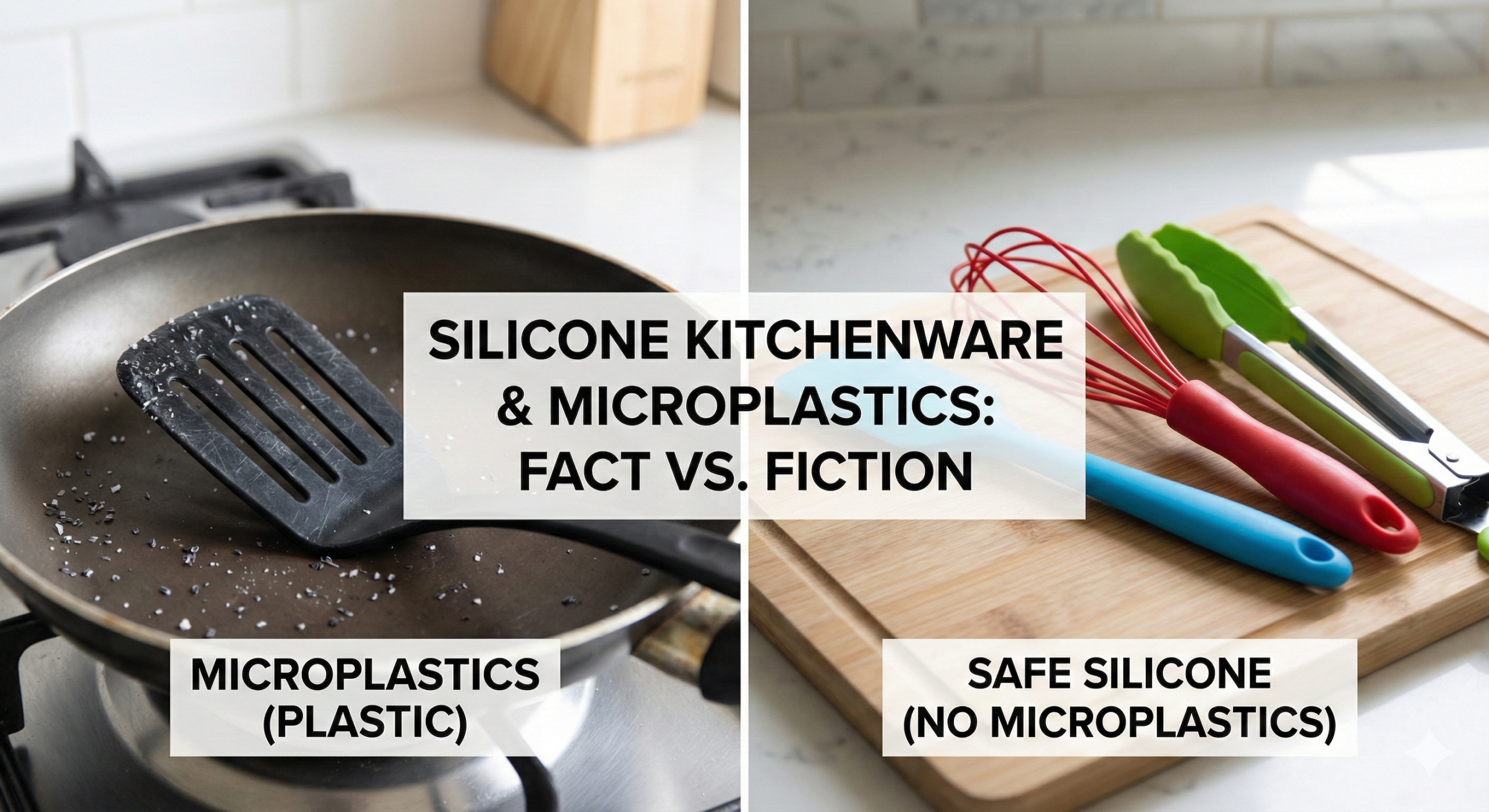
No, 100% food-grade silicone kitchenware does not contain microplastics because it is chemically distinct from petroleum-based polymers that shed these particles. Many consumers are rightfully concerned about the hidden toxins in their cookware. If you are worried about your family’s health, the question “Is silicone plastic” is likely at the top of your mind. By understanding the mineral-based nature of high-quality silicone, you can finally find a safe solution for your kitchen.
What is Silicone Kitchenware and How is it Made?
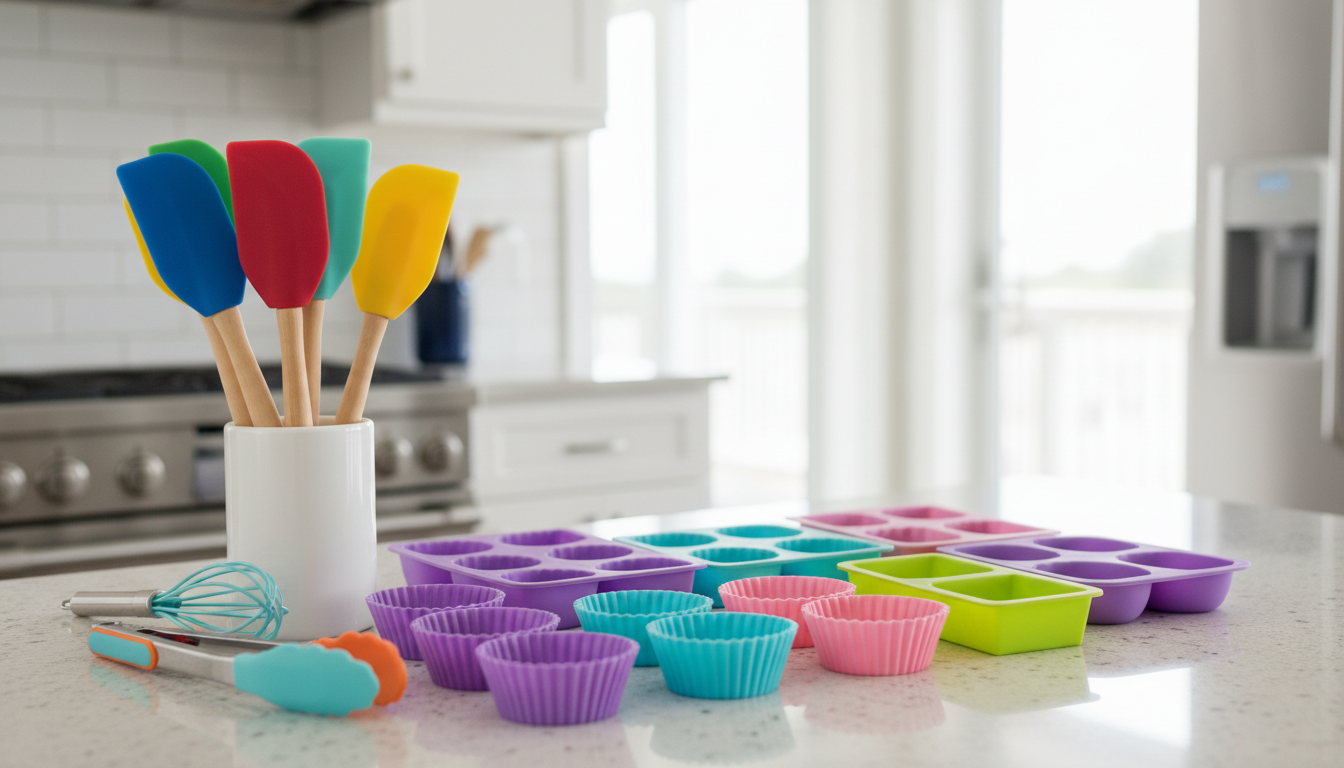
Silicone kitchenware is a synthetic elastomer made from a combination of silicon, oxygen, carbon, and hydrogen. Unlike traditional plastics, it starts as silica, which is the primary component of sand. The manufacturing process involves extreme heat to extract silicon, which is then synthesized into stable siloxane chains.
The Manufacturing Journey
The process of creating durable kitchen tools involves several high-tech steps.
- Extraction of pure silicon from mineral silica.
- Synthesis into flexible liquid or solid rubber.
- Precision molding through compression or injection.
- Post-curing to remove any volatile organic compounds.
Think about it. The mineral origin of this material provides a level of purity that petroleum-based alternatives simply cannot achieve. This is why high-end manufacturers prioritize food-grade standards.
Key Takeaway: Silicone is a mineral-based hybrid material that provides superior stability compared to organic polymers.
| Feature | Detail |
|---|---|
| Base Material | Silica (Sand) |
| Backbone | Silicon-Oxygen (Si-O) |
| Molding Type | LSR or Compression |
The inorganic backbone of silicone ensures that the final product remains stable even during high-volume manufacturing processes.
Is Silicone Plastic?
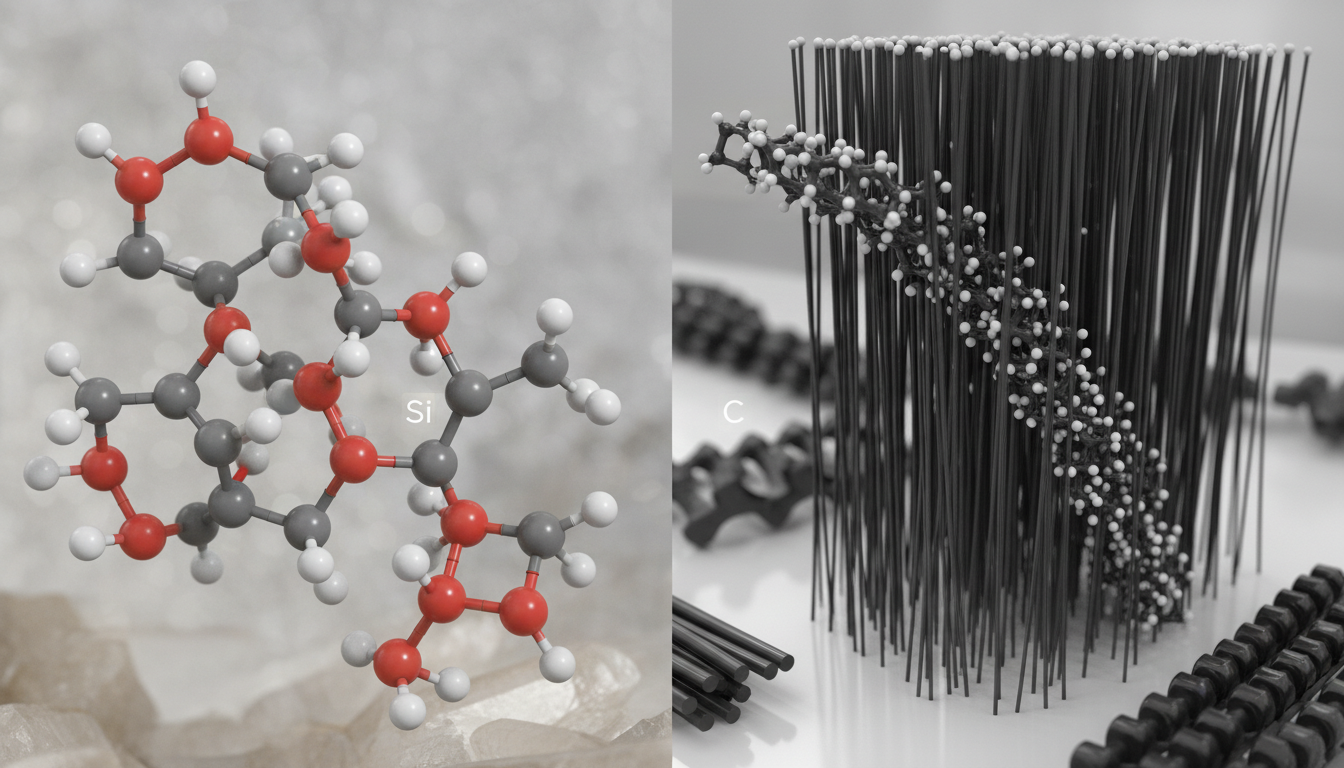
No, silicone is not plastic; it is a synthetic rubber with an inorganic silicon-oxygen backbone. While people often confuse the two due to their flexibility, the answer to “Is silicone plastic” is found in their molecular architecture. Plastic relies on a carbon-carbon backbone, while silicone utilizes stronger silicon-oxygen bonds.
Molecular Resilience
Look at it this way. The atomic structure of silicone makes it closer to glass than to the plastic containers in your pantry.
- Silicone has an inorganic backbone.
- Plastic is derived from organic petroleum.
- Carbon-carbon bonds in plastic degrade easily.
- Silicon-oxygen bonds in silicone resist oxidative stress.
Wait, there is more. Because it doesn’t rely on oil, silicone doesn’t have the same environmental baggage as standard thermoplastics. It is a unique material that occupies the space between stone and organic rubber.
Key Takeaway: Chemically, silicone is an elastomer, not a plastic, which prevents the formation of microplastic fragments.
| Property | Silicone | Plastic |
|---|---|---|
| Origin | Mineral (Sand) | Petroleum (Oil) |
| Bond Type | Silicon-Oxygen | Carbon-Carbon |
| Flexibility | Naturally High | Requires Plasticizers |
The distinct chemistry of silicone prevents it from behaving like plastic under physical or thermal stress.
Does Silicone Kitchenware Release Microplastics?
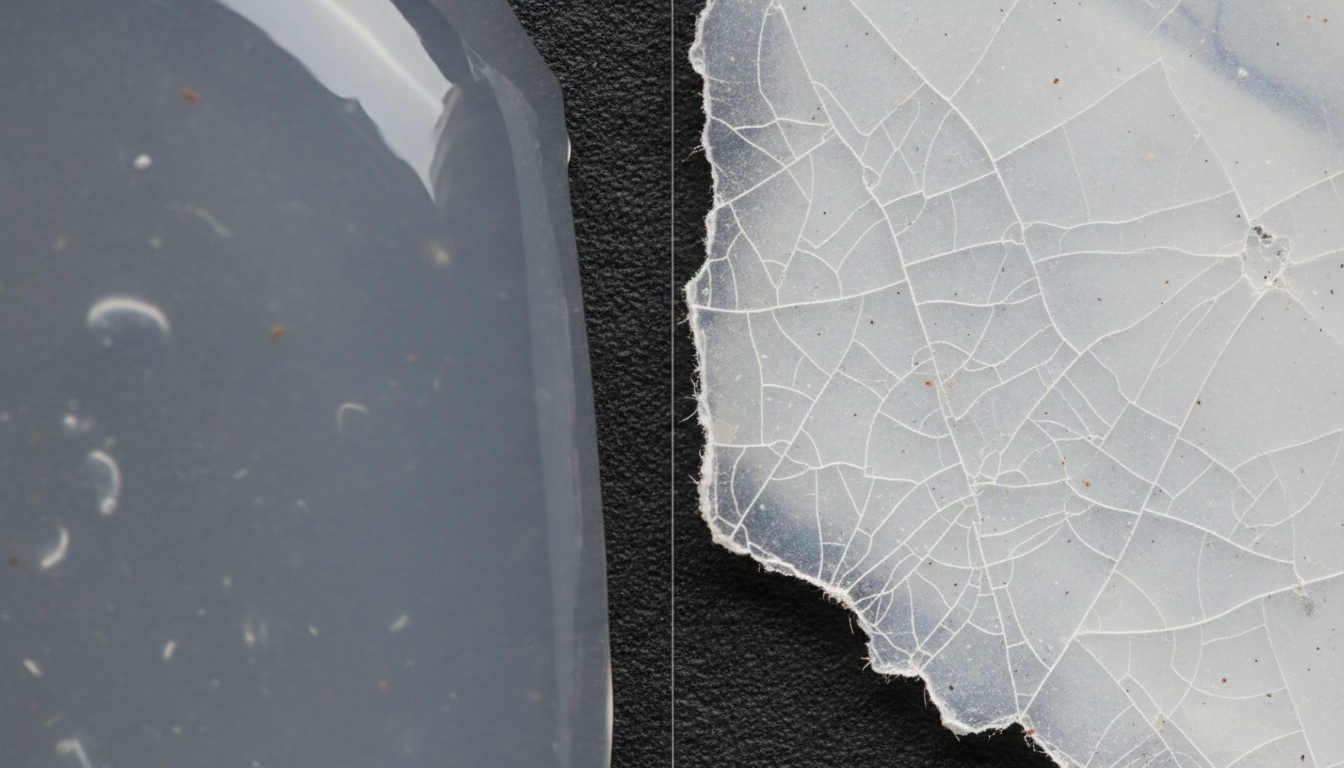
High-quality silicone does not release microplastics because its molecular structure is highly stable and does not fragment into tiny particles. Microplastics are specifically the debris from the breakdown of petroleum-based polymers. Since silicone does not contain these petroleum chains, it cannot physically “shed” microplastics into your food.
Stability Against Fragmentation
Believe it or not, silicone’s resilience is what makes it a safer alternative for long-term food contact.
- High resistance to UV and weather.
- No oxidative embrittlement over time.
- Solid, cross-linked matrix.
- Non-porous surface prevents particle loss.
But here is the kicker. While pure silicone is safe, low-cost imitations may contain plastic fillers that could shed. This is why sourcing from a certified factory is absolutely essential for consumer safety.
Key Takeaway: Pure silicone is physically incapable of producing microplastics due to its cross-linked, inorganic atomic structure.
| Risk Factor | 100% Silicone | Plastic Cookware |
|---|---|---|
| Particle Shedding | Zero | High |
| Degradation | Minimal | Rapid |
| BPA Content | 0% | Common |
Analytical evidence shows that silicone maintains its structural integrity without leaching or shedding particles during use.
What Happens to Silicone Under High Heat?
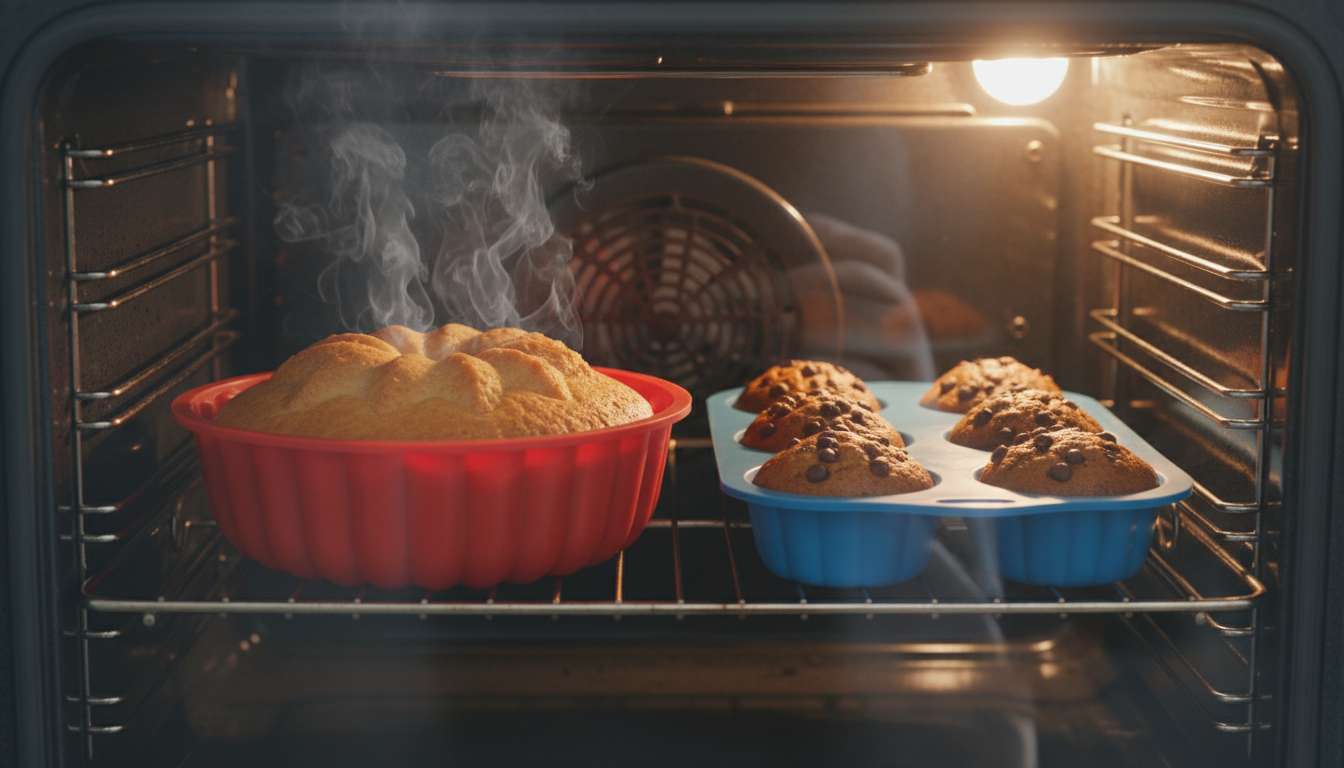
Silicone remains stable up to 260°C (500°F) without melting, off-gassing, or releasing any microscopic particles. When considering “Is silicone plastic,” its thermal performance is the most obvious differentiator. While plastic melts and releases toxic fumes, silicone remains flexible and inert in the oven.
Thermal Integrity
Think about it. You can move a silicone mat from a freezing freezer directly into a scorching oven without any damage.
- Heat resistance up to 500°F.
- Cold resistance down to -76°F.
- No warping or leaching at high temps.
- Acts as a natural insulator.
Wait, there is more. Because silicone is a poor conductor of heat, it protects your hands while keeping its shape. This makes it the ultimate “all-weather” material for professional baking and home cooking.
Key Takeaway: Silicone’s extreme temperature tolerance prevents the structural breakdown that causes other materials to shed micro-debris.
| Heat Level | Silicone Response | Plastic Response |
|---|---|---|
| 200°C Oven | Stable and Safe | Melting/Toxic |
| Boiling Water | Perfectly Inert | Potential Leaching |
| Freezer | Flexible | Brittle |
The thermal stability of silicone acts as a primary defense against environmental degradation and health risks.
Does Silicone Contain Harmful Chemicals Like BPA?

Pure food-grade silicone is naturally free of BPA, phthalates, and lead, making it a “biologically inert” material. These toxins are typically used to make plastics flexible or rigid, but silicone achieves its flexibility through its natural molecular bonds. It does not react with human tissue or food, ensuring a safe cooking environment.
Being Biologically Inert
You should know that being inert is the gold standard for any food-contact surface.
- No leaching of endocrine disruptors.
- Odorless and tasteless behavior.
- Hypoallergenic material properties.
- Naturally resistant to bacteria and mold.
But here is the catch. If you buy “silicone” that has a strong chemical smell, it might be an impure hybrid. Always look for FDA or LFGB certifications to guarantee you are getting the real thing.
Key Takeaway: Silicone’s inert chemical profile eliminates the risk of toxicity issues commonly found in traditional plastics.
| Chemical | Silicone Content | Plastic Content |
|---|---|---|
| BPA | 0% | Often High |
| Phthalates | 0% | Commonly Used |
| Heavy Metals | None | Trace Amounts |
Choosing certified silicone ensures that no hidden chemical additives can migrate from the kitchenware into your family’s meals.
How Does Silicone Compare to Plastic Environmentally?
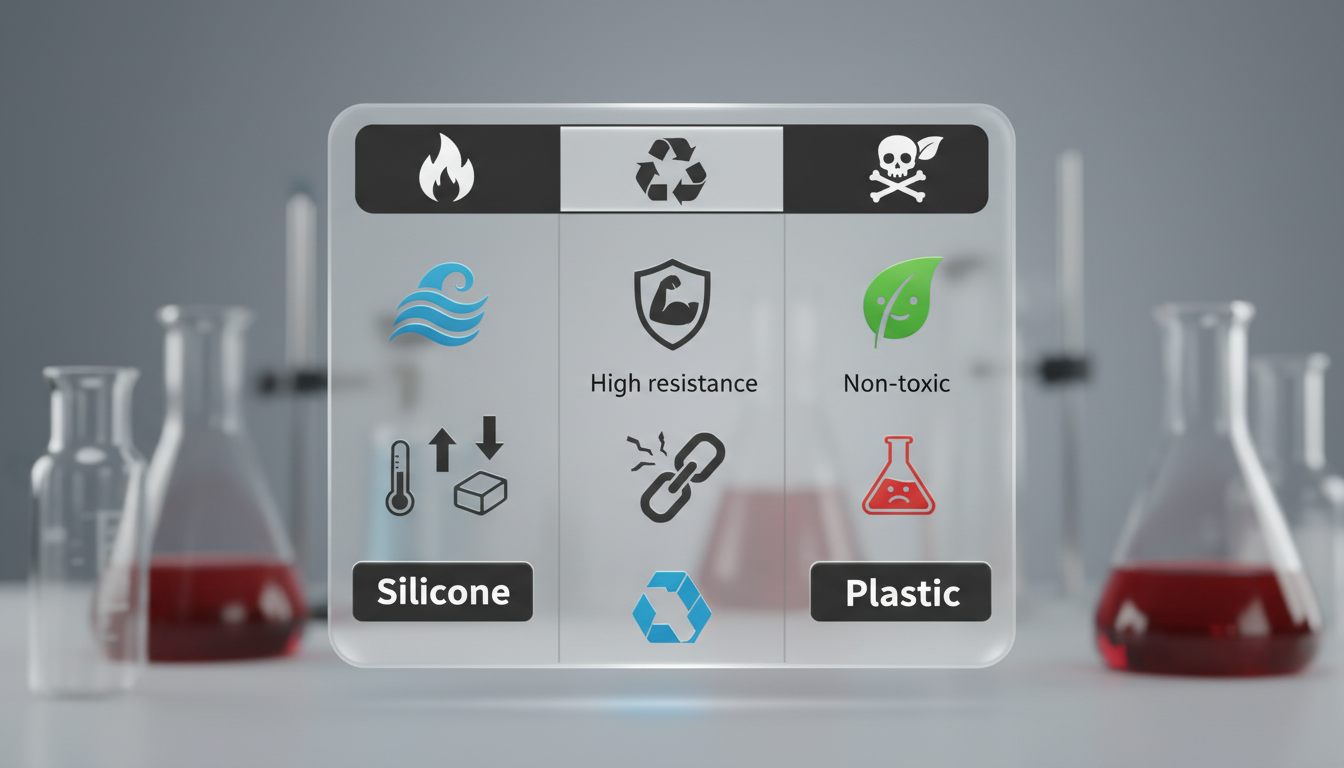
Silicone is significantly more durable and eco-friendly than single-use or cheap plastics because it can last for decades. When asking “Is silicone plastic,” the lifecycle of the material is a critical factor for sustainability. Silicone tools reduce the need for constant replacements, keeping thousands of plastic utensils out of landfills.
Longevity and Waste Reduction
Look at it this way. One silicone storage bag can replace thousands of single-use plastic bags over its lifetime.
- Made from abundant silica, not finite oil.
- Does not break down into ocean-polluting microplastics.
- Recyclable at specialized industrial facilities.
- Extreme durability leads to less overall waste.
Think about it. By investing in silicone, you are supporting a circular economy that prioritizes reuse over disposal. It is the responsible choice for anyone looking to reduce their personal plastic footprint.
Key Takeaway: Silicone is a sustainable alternative because its durability prevents waste and its chemical stability prevents toxic leakage.
| Eco-Metric | Silicone | Plastic |
|---|---|---|
| Longevity | 10+ Years | 1-2 Years |
| Resource | Abundant Sand | Finite Crude Oil |
| Microplastic Risk | None | Extreme |
The environmental value of silicone lies in its ability to stay out of the waste stream and the food chain indefinitely.
Is Silicone Really a Mineral-Based Product?

Yes, silicone is derived from silica, which is the mineral most commonly found in sand and quartz. While the conversion into a flexible tool requires chemical synthesis, the foundation remains inorganic. This makes it a much more “earth-natural” material than the petroleum used to make plastics.
From Sand to Spatula
Let’s get down to brass tax. The journey of silicone begins with one of the most abundant resources on the planet.
- Silica extraction from quartz.
- Synthesis into siloxane polymers.
- Cross-linking for durability.
- Natural pigmenting for aesthetics.
But that’s not all. Because it is mineral-based, silicone behaves more like stone or glass when it eventually breaks down. It reverts to silica ash rather than toxic micro-debris, making it a cleaner choice for the planet.
Key Takeaway: Mineral origins make silicone a more sustainable and less toxic choice than petroleum-derived polymers.
| Stage | Resource | Result |
|---|---|---|
| Raw Material | Sand/Quartz | Silica |
| Process | Heat/Synthesis | Silicones |
| End of Life | Incineration | Silica Ash |
Silicone represents a high-tech evolution of mineral resources, providing a safe bridge between natural elements and modern convenience.
How Can You Test Silicone for Quality?
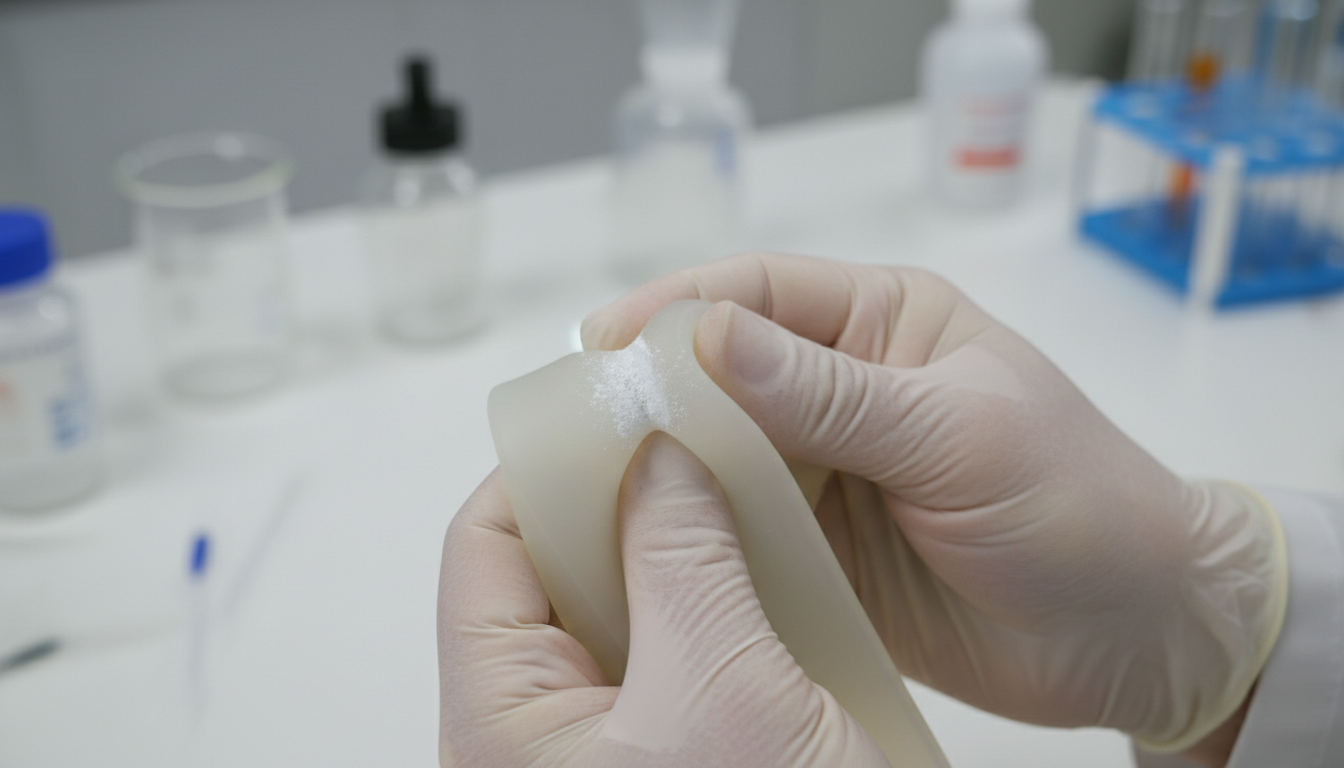
You can verify silicone quality using the “pinch test” to look for white filler streaks that indicate impurities. Understanding “Is silicone plastic” involves knowing how to spot the difference between pure elastomers and cheap plastic blends. Pure silicone will maintain its color even when twisted or pinched tightly.
The Pinch Test Guide
Wait, there is more. You don’t need a lab to tell if your kitchenware is safe for your kids.
- Grab a flat section of the silicone.
- Pinch and twist the material firmly.
- Observe the color in the stretched area.
- If it turns white, it contains plastic fillers.
But here is the kicker. If the material stays a solid color, it is 100% pure food-grade silicone. This simple test is your best defense against manufacturers who cut corners by using hidden thermoplastic extenders.
Key Takeaway: Quality assurance for silicone requires physical verification to ensure no hidden plastic fillers are present.
| Result | Indication | Safety Status |
|---|---|---|
| Solid Color | 100% Pure Silicone | Safe / Microplastic-Free |
| White Streaks | Plastic Fillers | Risk of Leaching |
| Strong Odor | Low-Quality Mix | Avoid |
Performing the pinch test is the most accessible way for any consumer to verify the integrity of their silicone stock.
Are the Safety Concerns About Silicone Just Myths?
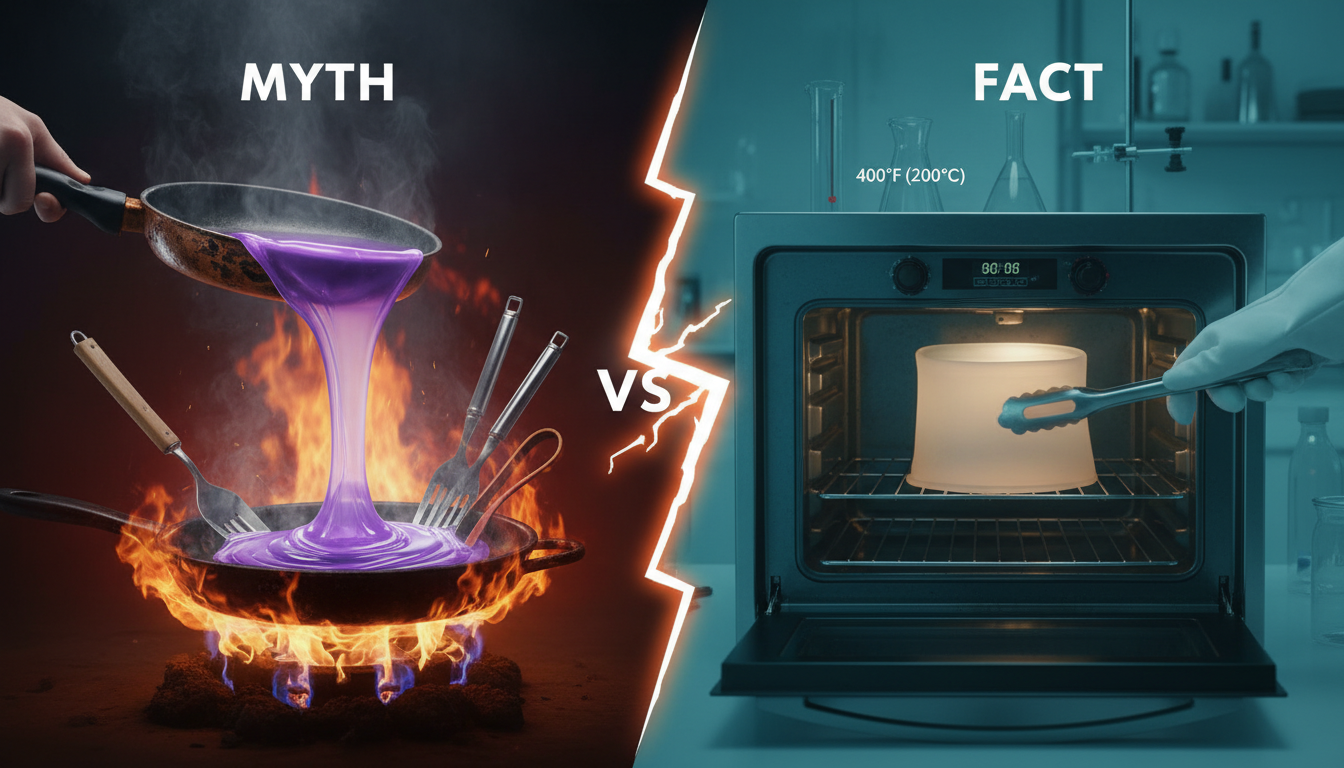
Most fears about silicone are actually misapplied observations of plastic behavior that do not translate to silicone’s chemistry. People often assume that because it is flexible, it must leach BPA or shed microplastics like a plastic cutting board. However, scientific evidence confirms that silicone is a distinct, non-reactive material that does not share these hazards.
Debunking Common Fears
Look at it this way. We have been using silicone in medical implants for decades because of its unparalleled safety.
- Myth: It sheds microplastics. (Fact: It has no petroleum polymers).
- Myth: It leaches BPA. (Fact: It is 100% BPA-free).
- Myth: It melts easily. (Fact: It is heat-stable to 500°F).
- Myth: It is toxic. (Fact: It is biologically inert).
The truth is, while they share aesthetic qualities, the lack of petroleum derivatives in silicone means it is a fundamentally different material. It provides the convenience of plastic without the biological risks.
Key Takeaway: Science proves that silicone is a safe, high-performance alternative that does not suffer from the degradation issues of plastic.
| Myth | Scientific Fact |
|---|---|
| Leaching Risk | Non-reactive with fats/acids |
| BPA Content | Naturally zero |
| Melting Point | Extremely high (500°F) |
Dismantling these myths allows consumers to transition toward safer kitchenware with total confidence in the results.
How Should You Clean and Maintain Silicone?
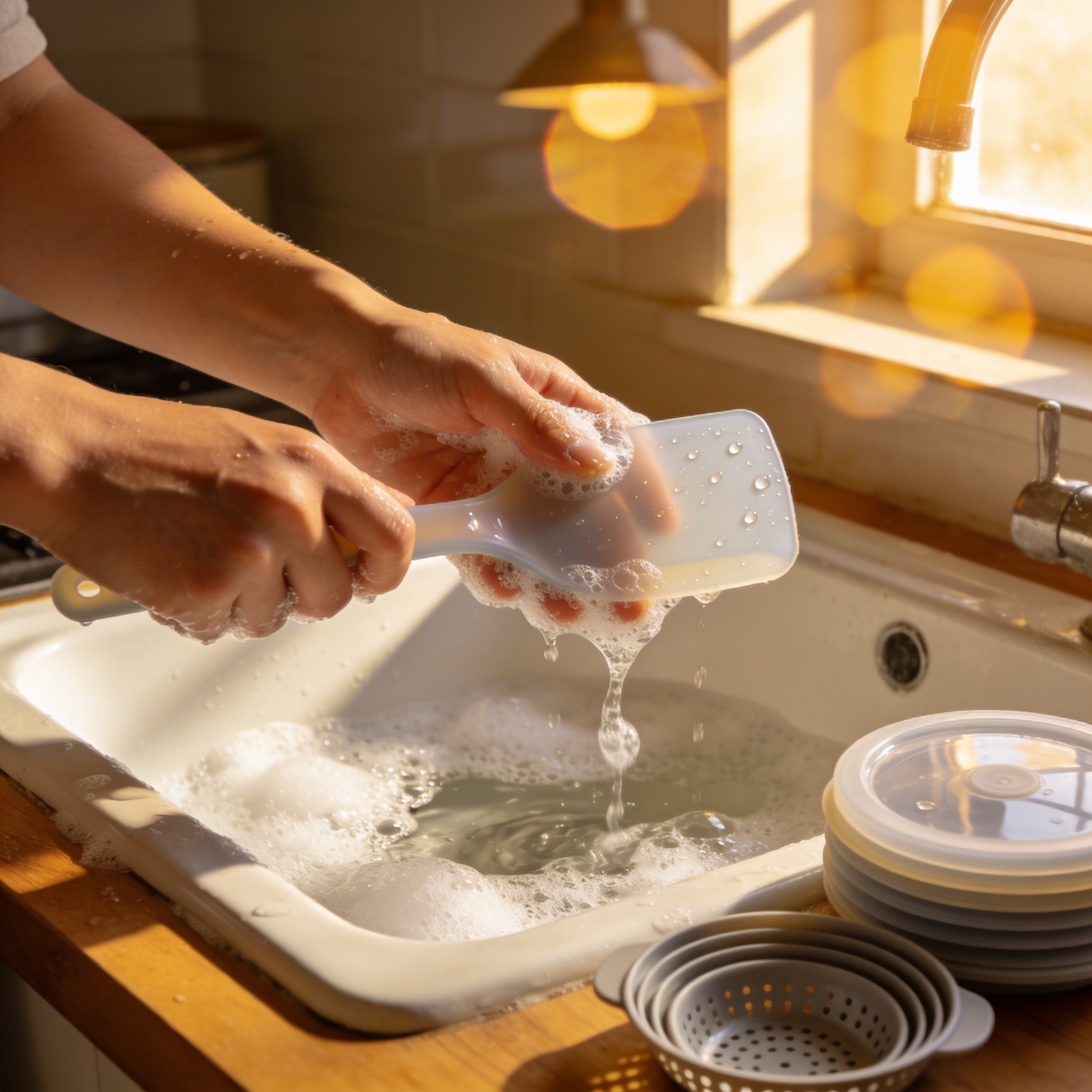
Cleaning silicone is incredibly easy because it is non-porous and naturally dishwasher safe. When maintaining your tools, the question of “Is silicone plastic” arises again; unlike plastic, silicone won’t warp or release particles under the heat of a dishwasher cycle. Regular cleaning ensures the material remains non-stick and safe for years.
Maintenance Best Practices
Think about it. You can even boil your silicone spatulas to sterilize them, something impossible with plastic or wood.
- Use mild dish soap for daily cleaning.
- Silicone is safe for both dishwasher racks.
- Avoid using steel wool or sharp knives.
- Boil for 5 minutes for deep sterilization.
Wait, there is more. If your silicone develops a white film, it’s just mineral buildup from hard water. A simple soak in vinegar or lemon juice will restore its original appearance and keep it in top condition.
Key Takeaway: Proper maintenance of silicone involves avoiding physical abrasives while utilizing the material’s ability to withstand high-heat sterilization.
| Goal | Method | Avoid |
|---|---|---|
| Sanitization | Boiling Water | Open Flame |
| Odor Removal | Baking Soda Paste | Bleach |
| Film Removal | Vinegar Soak | Steel Wool |
Careful maintenance ensures that your silicone kitchenware stays microplastic-free and functionally perfect for a lifetime of use.
*
Choosing the right materials for your kitchen is the first step toward a healthier home. At HuaLin Silicone, we are dedicated to providing the highest quality, food-grade solutions that put safety first. We believe that everyone deserves tools that are durable, sustainable, and entirely free from microplastics. If you have any more questions or want to explore our custom manufacturing options, please contact us today.
FAQ: Common Questions About Silicone Safety
Can I use silicone kitchenware in a microwave?
Yes, food-grade silicone is microwave-safe and does not leach chemicals when exposed to electromagnetic waves.
How do I remove the smell of garlic from my silicone mats?
Create a paste of baking soda and water, apply it to the surface, let it sit for 24 hours, and then rinse.
Can I use silicone tools on non-stick pans?
Absolutely. Silicone is soft and non-abrasive, making it the perfect material for protecting delicate non-stick coatings.
Does silicone ever wear out?
With proper care, silicone can last for a decade or more, though you should replace items if they show deep cuts from knives.
Is all silicone in the store food-grade?
Not necessarily. Always look for “100% Food-Grade” labels and look for FDA or LFGB certification markings on the packaging.