
Does Silicone Contain Microplastics?
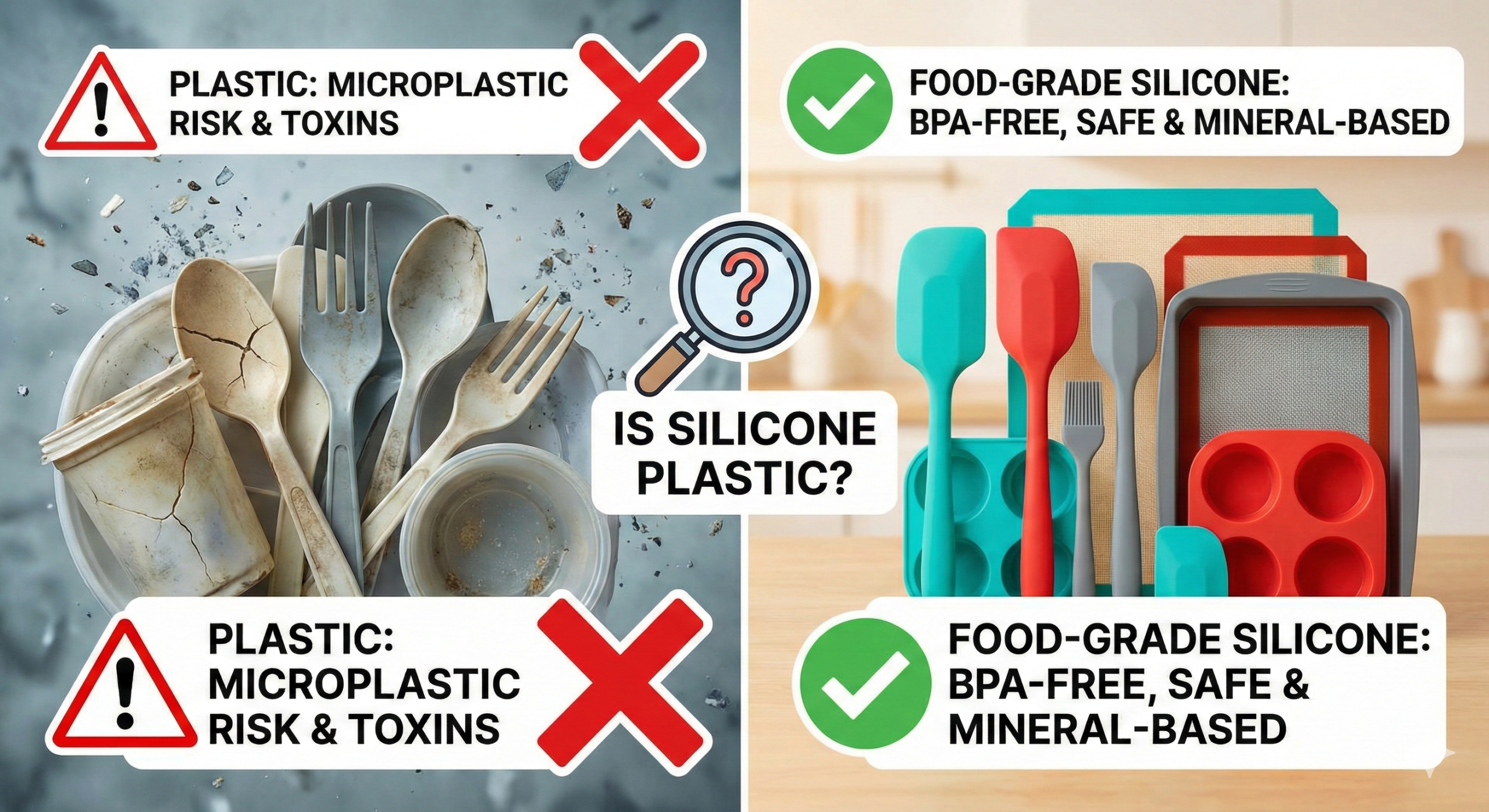
In short, no. Unlike traditional plastics, which degrade into tiny particles, pure food-grade silicone is a non-porous synthetic rubber made from bonded silicon and oxygen. It maintains its structural integrity under extreme heat and cold, ensuring no microplastic shedding during cooking, washing, or normal use.
1. What is the chemical difference between silicone and plastic?
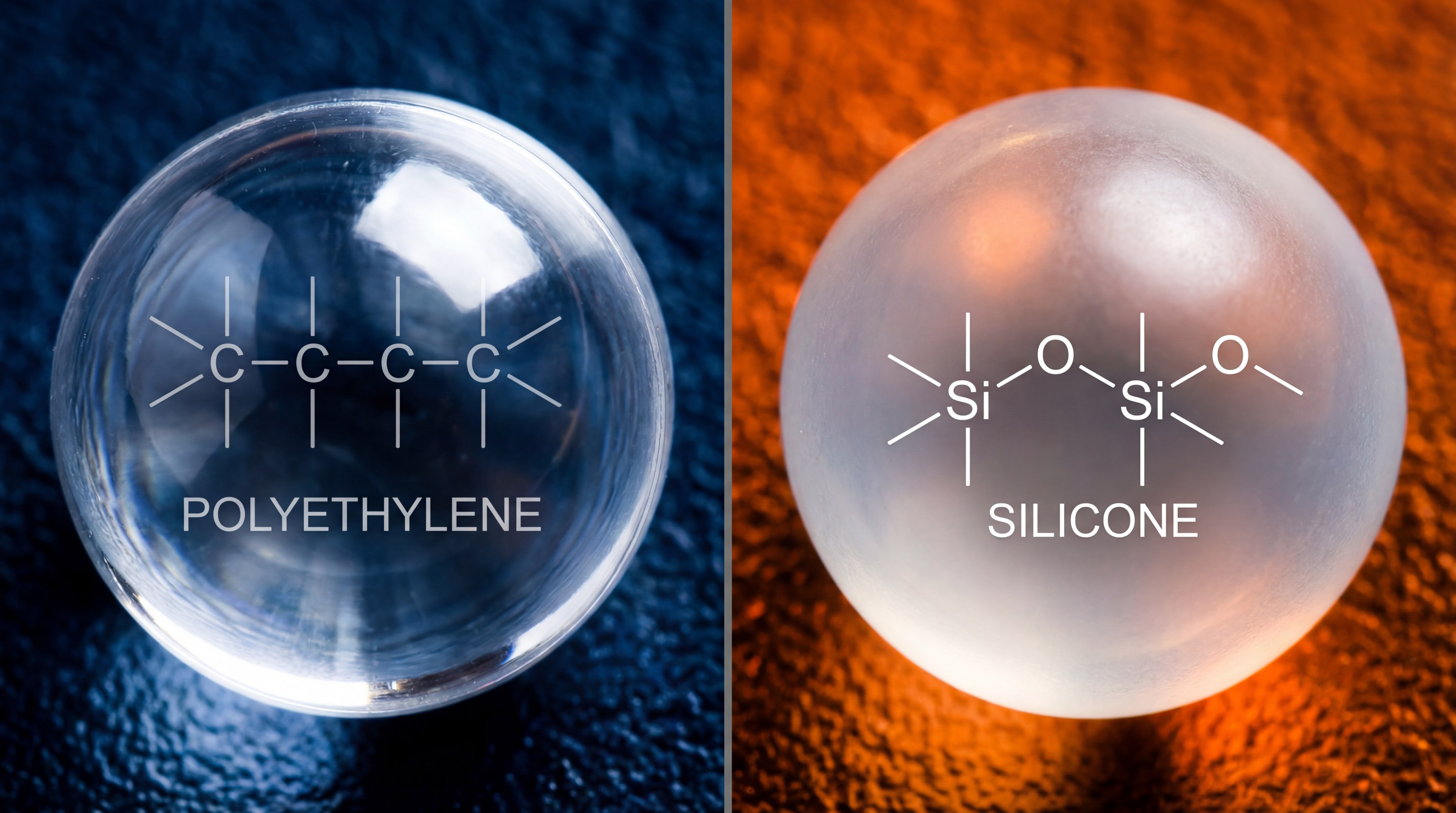
The primary chemical difference lies in the molecular backbone: silicone uses alternating atoms of silicon and oxygen, while plastic relies on a carbon-to-carbon backbone. Because of this inorganic structure, silicone possesses a unique thermal and chemical stability that petroleum-based polymers lack. When analyzing material safety, you must investigate: does silicone have microplastics? Unlike carbon chains that can break down into persistent organic pollutants, the silicon-oxygen bond is significantly more resilient to environmental degradation.
Understanding the Siloxane Bond
The repeating units of siloxane—consisting of silicon, oxygen, carbon, and hydrogen—create a bond that is much stronger than the carbon-carbon bonds found in plastic. This inorganic backbone provides the material with its hallmark flexibility and chemical inertness.
Why the Source Material Matters
Plastics are derived from fossil fuels, whereas silicone starts with silica, one of the most abundant minerals on Earth. This transition from a “carbon-heavy” to a “silicon-based” mindset is crucial for companies looking to improve their sustainability profiles.
- Silica: Derived from common sand.
- Oxygen: Provides the molecular link.
- Carbon/Hydrogen: Form the organic side groups that determine hardness.
Bucket Brigade:
Think about it:
Key Takeaway: Silicone’s inorganic silicon-oxygen backbone makes it chemically distinct from petroleum-based plastics, providing superior stability.
| Feature | Plastic | Silicone |
|---|---|---|
| Main Element | Carbon | Silicon |
| Source | Petroleum/Fossil Fuels | Silica (Sand) |
| Backbone | C-C Bonds | Si-O Bonds |
Silicone’s unique chemical structure ensures it remains stable in environments where traditional plastics would fail or leach chemicals.
2. Does silicone have microplastics like traditional polymers?
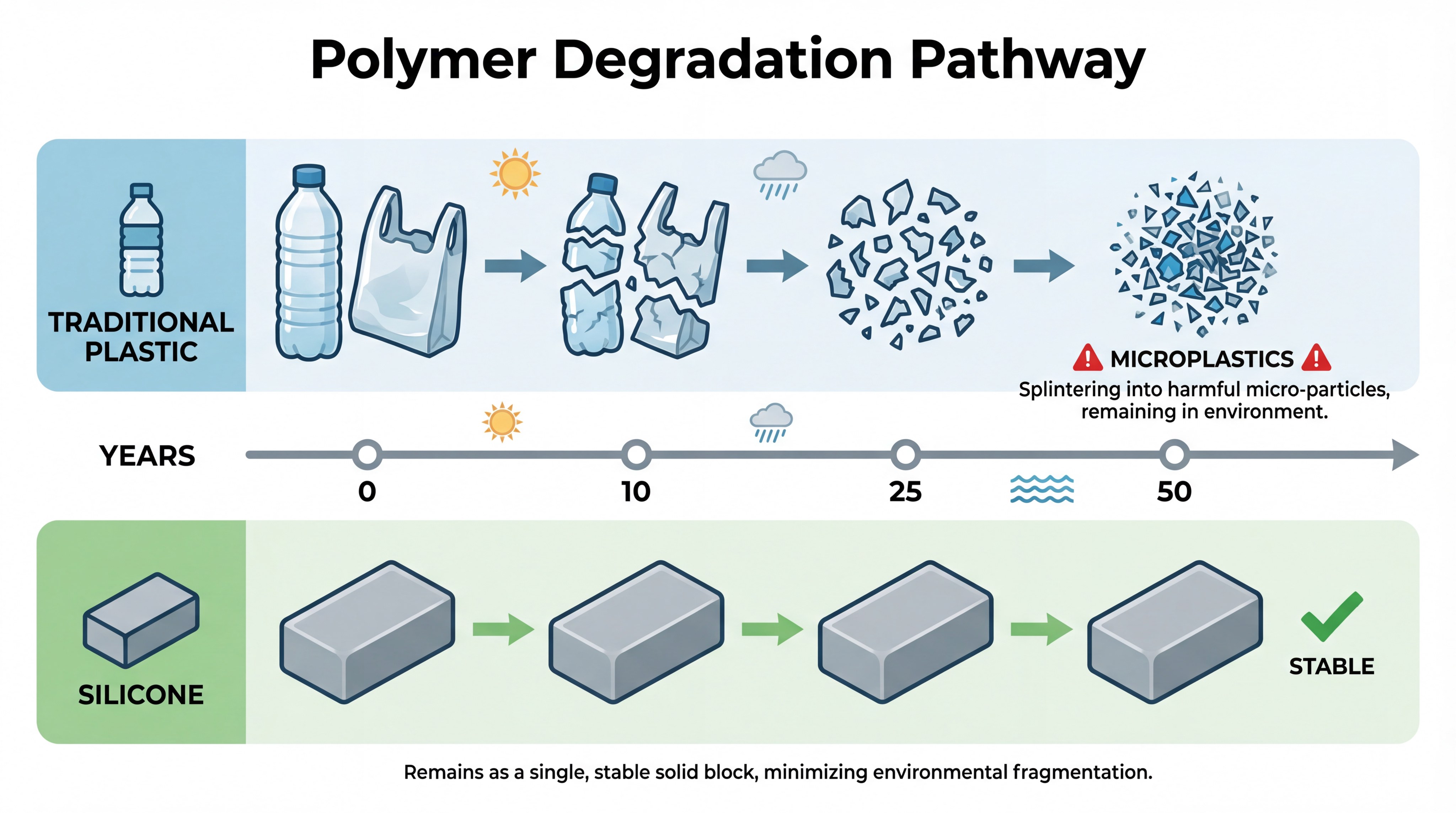
No, silicone does not degrade into microplastics because its molecular structure is not based on the petroleum monomers that fragment into persistent micro-particles. When environmental experts ask, does silicone have microplastics, they are contrasting silicone’s stability with the splintering nature of hydrocarbons. Since silicone is chemically inert, it does not shed the microscopic debris that currently contaminates the global water supply and food chain.
The Degradation Process
Unlike plastic, which breaks down into smaller and smaller pieces of plastic (microplastics), silicone is highly resistant to weathering and UV radiation. It maintains its structural integrity for decades without crumbling into the fine dust associated with polymer waste.
Environmental Persistence vs. Pollution
While silicone is not biodegradable, it remains a solid mass rather than fragmenting into the microscopic particles that organisms can ingest. This makes it a far safer choice for aquatic and terrestrial ecosystems over the long term.
- Chemical Inertness: It doesn’t react with environmental enzymes.
- High UV Resistance: It won’t become brittle and “flake” under sunlight.
- Structural Stability: The Si-O bond is significantly harder to break than C-C bonds.
Bucket Brigade:
But here is the kicker:
Key Takeaway: Silicone is a stable polymer that does not fragment into microplastics, making it an environmentally safer choice for long-term use.
| Property | Plastic Microplastics | Silicone Waste |
|---|---|---|
| Origin | Hydrocarbon fragmentation | Not applicable |
| Bioavailability | High (eaten by organisms) | Low (remains inert) |
| Environmental Half-life | Hundreds of years | Indefinite but stable |
The absence of microplastic shedding is perhaps the most significant environmental advantage silicone holds over conventional thermoplastic resins.
3. How does the manufacturing process for silicone differ?
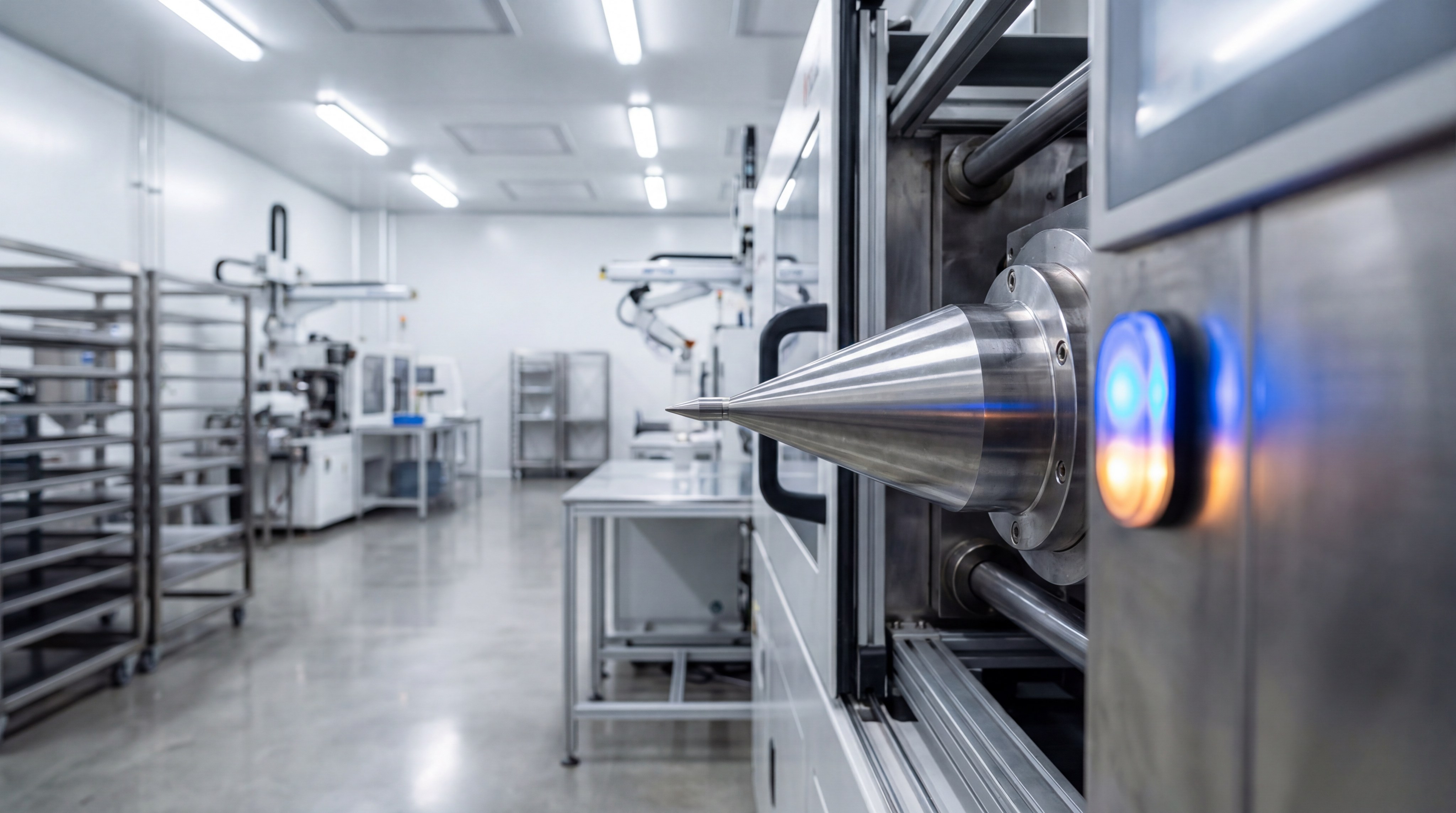
Silicone manufacturing involves a complex chemical synthesis that creates a permanent thermoset material, whereas most plastics are thermoplastic and can be remelted. For projects requiring medical-grade silicon parts, this process is highly controlled to ensure maximum purity. When auditing your suppliers, you should confirm: does silicone have microplastics? Because the material is cured through a chemical cross-linking reaction, it forms a dense matrix that is structurally distinct from the melt-processed resins used in the plastic industry.
From Sand to Siloxane
The process begins by heating silica sand with carbon to create pure silicon metal. This silicon is then reacted with methyl chloride and further processed to create the long-chain siloxane polymers that serve as the base for all silicone products.
Molding and Curing Techniques
Most industrial silicone parts are produced through Liquid Silicone Rubber (LSR) injection or compression molding. Once the material is “cured,” it undergoes a permanent chemical change that prevents it from ever being liquid again.
- Reduction: Turning silica into silicon metal.
- Synthesis: Creating chlorosilanes for polymer chains.
- Hydrolysis: Forming the siloxane backbone.
- Curing: Cross-linking the material into its final, permanent shape.
Bucket Brigade:
What does this mean for you?
Key Takeaway: Silicone manufacturing is a sophisticated chemical synthesis that results in a thermoset material with permanent structural bonds.
| Process Phase | Plastic (Thermoplastic) | Silicone (Thermoset) |
|---|---|---|
| Raw Material | Crude Oil | Silica Sand |
| Forming | Melting and Cooling | Chemical Curing |
| Reversibility | Can be remelted | Permanent shape |
The sophisticated synthesis of silicone ensures that the final product is free from the contaminants and structural weaknesses often found in mass-produced plastics.
4. Is silicone rubber distinct from other types of silicone?
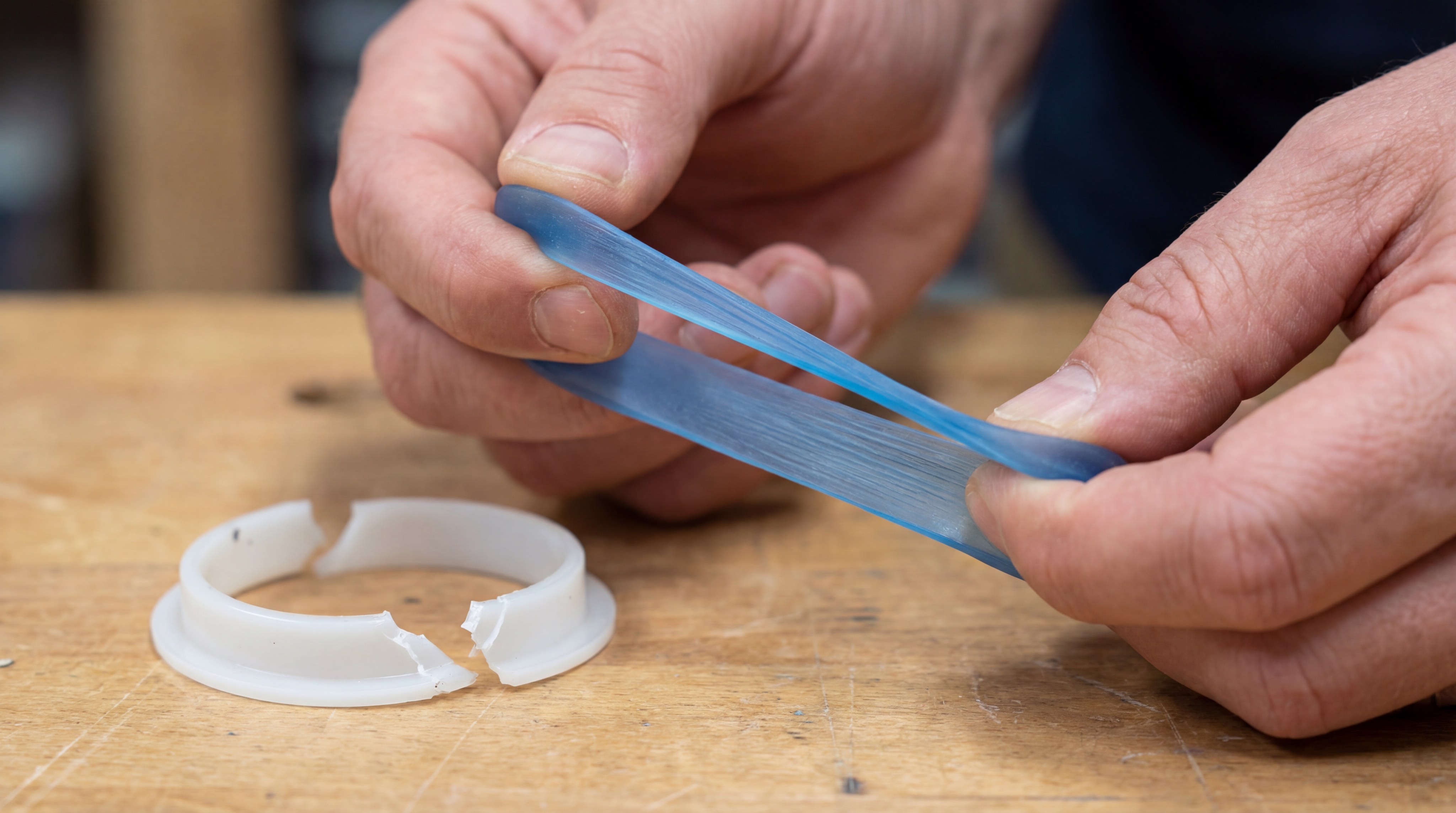
Yes, silicone rubber is a specific elastomeric form of silicone that has been cross-linked to provide physical flexibility and elastic memory. While “silicone” is a broad category including oils and gels, “silicone rubber” is what you use for industrial gaskets and consumer goods. Even in its most flexible state, the question remains: does silicone have microplastics? The answer is still no, as the rubbery texture comes from molecular architecture rather than the addition of fragmentable plasticizers.
The Role of Cross-linking
Silicone rubber is created when polymer chains are chemically tied together. This gives the material its ability to return to its original shape after being stretched, a property known as low compression set.
Liquid vs. Solid Silicone
Silicone can be formulated as a high-consistency rubber (HCR) for compression molding or as a liquid silicone rubber (LSR) for high-precision injection. Both forms share the same microplastic-free siloxane backbone.
- Elastic Recovery: Returns to shape after deformation.
- Low Compression Set: Maintains seal integrity over long periods.
- High Tear Strength: Resists ripping even under significant physical stress.
Bucket Brigade:
You might be wondering:
Key Takeaway: Silicone rubber is a specific, cross-linked form of silicone designed for elasticity and durability in demanding physical applications.
| Material Form | Typical Use | Consistency |
|---|---|---|
| Silicone Oil | Lubricants | Liquid |
| Silicone Gel | Damping/Medical | Semi-solid |
| Silicone Rubber | Gaskets/Pet Toys | Solid/Elastic |
Distinguishing between these forms allows engineers to select the exact viscosity and mechanical strength required for their specific industrial applications.
5. Can silicone withstand extreme temperatures better than plastic?
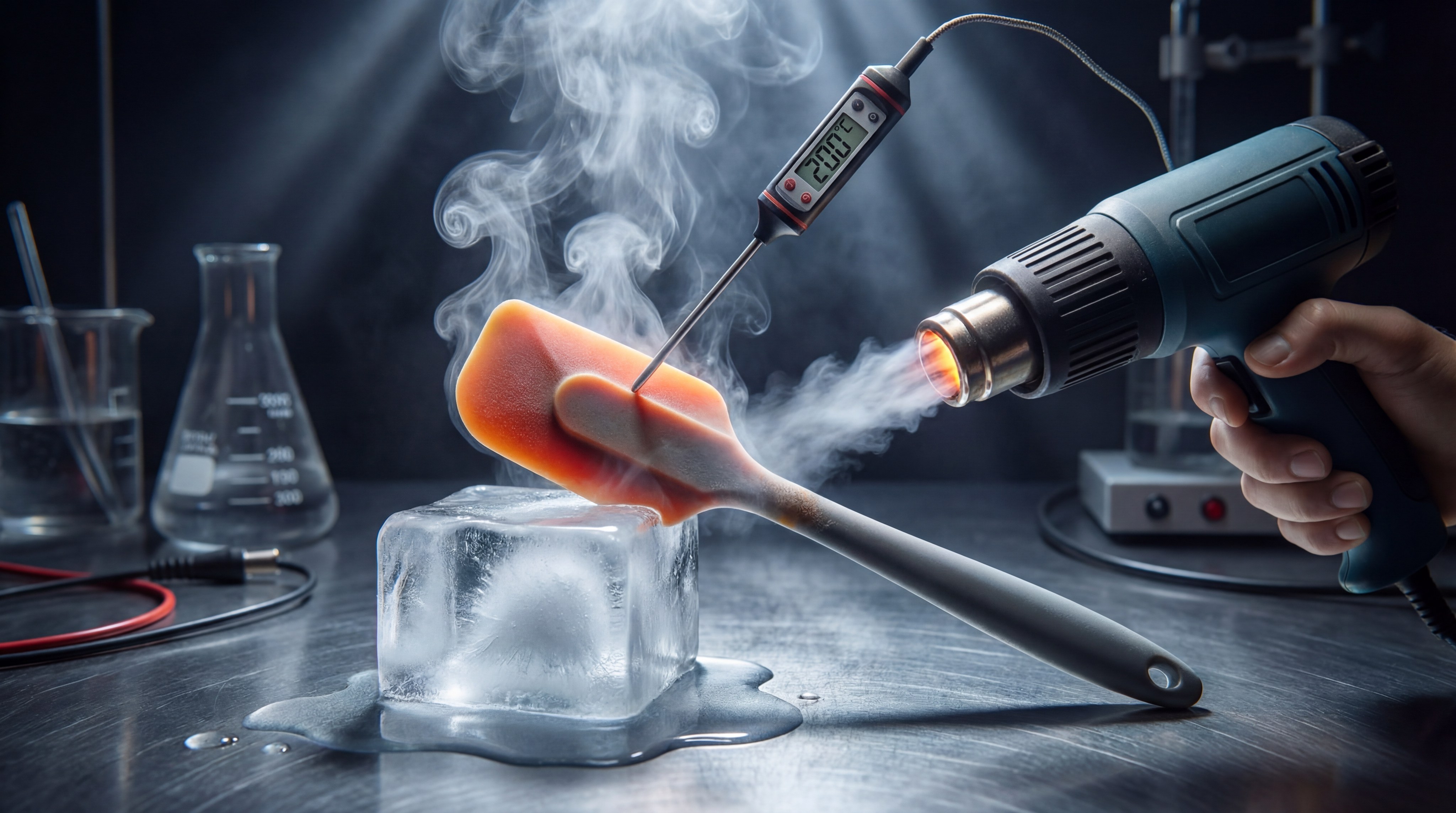
Absolutely; silicone possesses a massive operating temperature range that far exceeds the capabilities of standard industrial plastics. Most plastics begin to soften or release toxic fumes above 100°C, but silicone remains functional up to 200°C and beyond. When evaluating these materials for high-heat environments, you should check: does silicone have microplastics? Silicone’s resistance to thermal degradation ensures that it doesn’t break down into the harmful particles or gases that plastic might emit when exposed to the same heat.
High-Temperature Performance
Silicone is the gold standard for automotive seals and kitchenware because it does not lose its mechanical properties in the oven or under a car hood. It maintains its shape and doesn’t become “gummy” or brittle.
Low-Temperature Resilience
At the other end of the spectrum, silicone stays flexible at temperatures as low as -60°C. Many plastics become glass-like and shatter at these temperatures, making silicone essential for aerospace and outdoor industrial use.
- No Melting: It doesn’t liquefy like thermoplastic materials.
- Chemical Stability: No off-gassing of VOCs at standard cooking temperatures.
- Insulation: Excellent dielectric strength even when operating at high heat.
Bucket Brigade:
The best part?
Key Takeaway: Silicone’s massive operating temperature range (-60°C to 200°C+) far exceeds the capabilities of standard industrial plastics.
| Temperature Range | Plastic (Standard) | Silicone |
|---|---|---|
| High Limit | 80°C – 120°C | 200°C – 250°C |
| Low Limit | -10°C (becomes brittle) | -60°C (stays flexible) |
| Reaction to Heat | Melts/Warps | Maintains shape |
This thermal resilience makes silicone the only viable choice for applications where safety and performance cannot be compromised by extreme environmental conditions.
6. What makes silicone safer for medical and baby products?
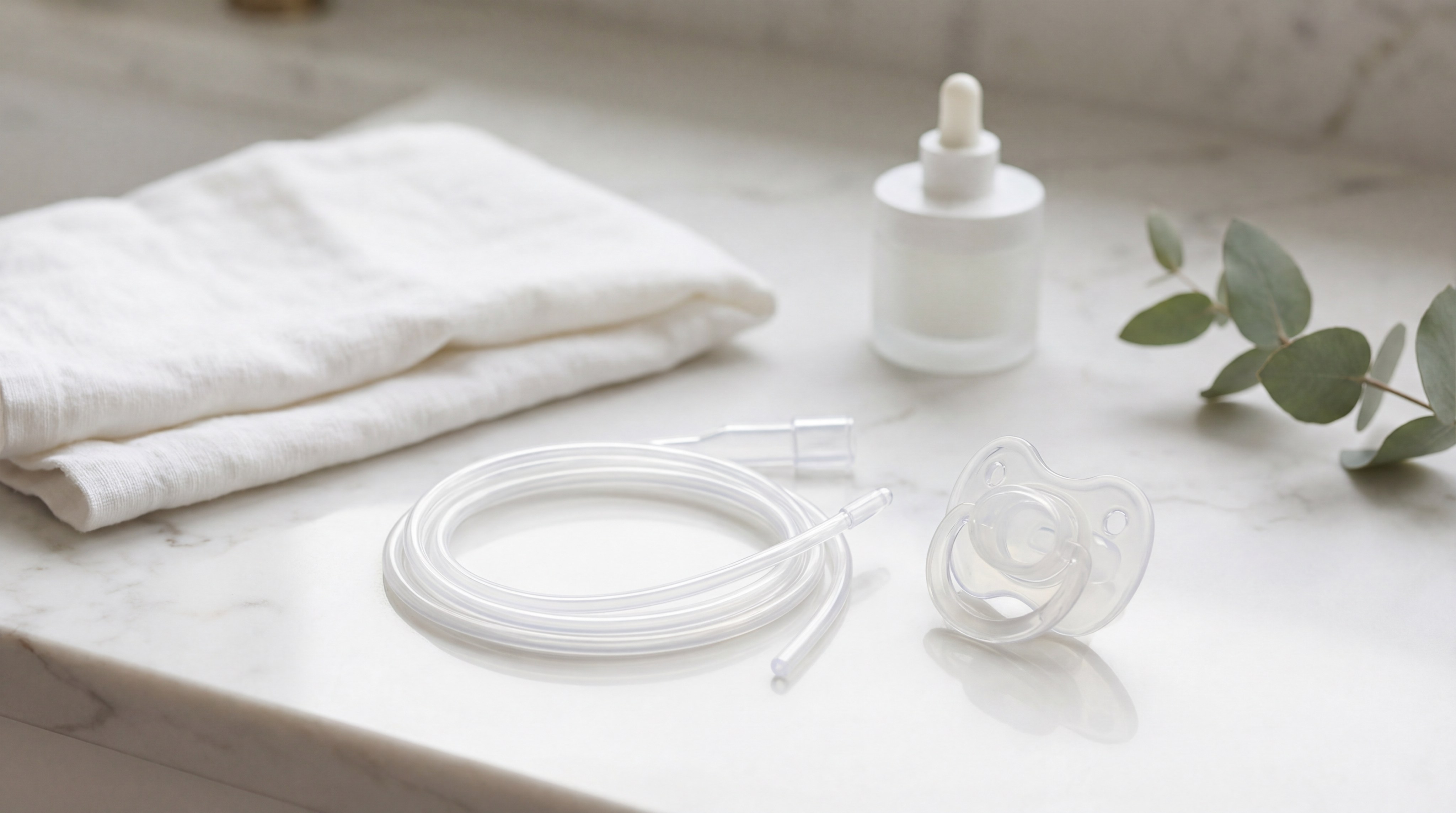
Silicone is inherently biocompatible and hypoallergenic, making it the preferred material for sensitive baby care applications. Because it is chemically inert and does not require plasticizers like BPA or phthalates, does silicone have microplastics that could harm a child? No. Unlike some plastics that may leach endocrine disruptors over time, pure silicone is non-reactive and does not release harmful substances into food, water, or the human body.
Biocompatibility and Cleanliness
Medical-grade silicone is specifically tested to ensure it does not react with biological tissue. Its non-porous surface resists bacterial growth and can be easily sterilized using high-heat methods like autoclaving or boiling.
Absence of Leachable Toxins
Plastic often requires chemical additives to make it flexible, which can eventually migrate out of the material. Silicone’s flexibility is an inherent property of its siloxane structure, eliminating the need for these dangerous additives.
- FDA Grade: Safe for direct food contact.
- LFGB: The stringent European standard for food safety.
- USP Class VI: The highest standard for medical device biocompatibility.
Bucket Brigade:
You see:
Key Takeaway: Silicone is inherently non-toxic and biocompatible, making it the superior choice for medical devices and infant products.
| Safety Factor | Plastic | Silicone |
|---|---|---|
| BPA Content | Common in many types | Zero |
| Phthalates | Often used as plasticizers | None required |
| Sterilization | Limited (may melt) | Excellent (heat resistant) |
Choosing silicone for infant and medical products provides a level of chemical safety and peace of mind that plastic alternatives simply cannot match.
7. Why is silicone considered a more durable alternative to plastic?
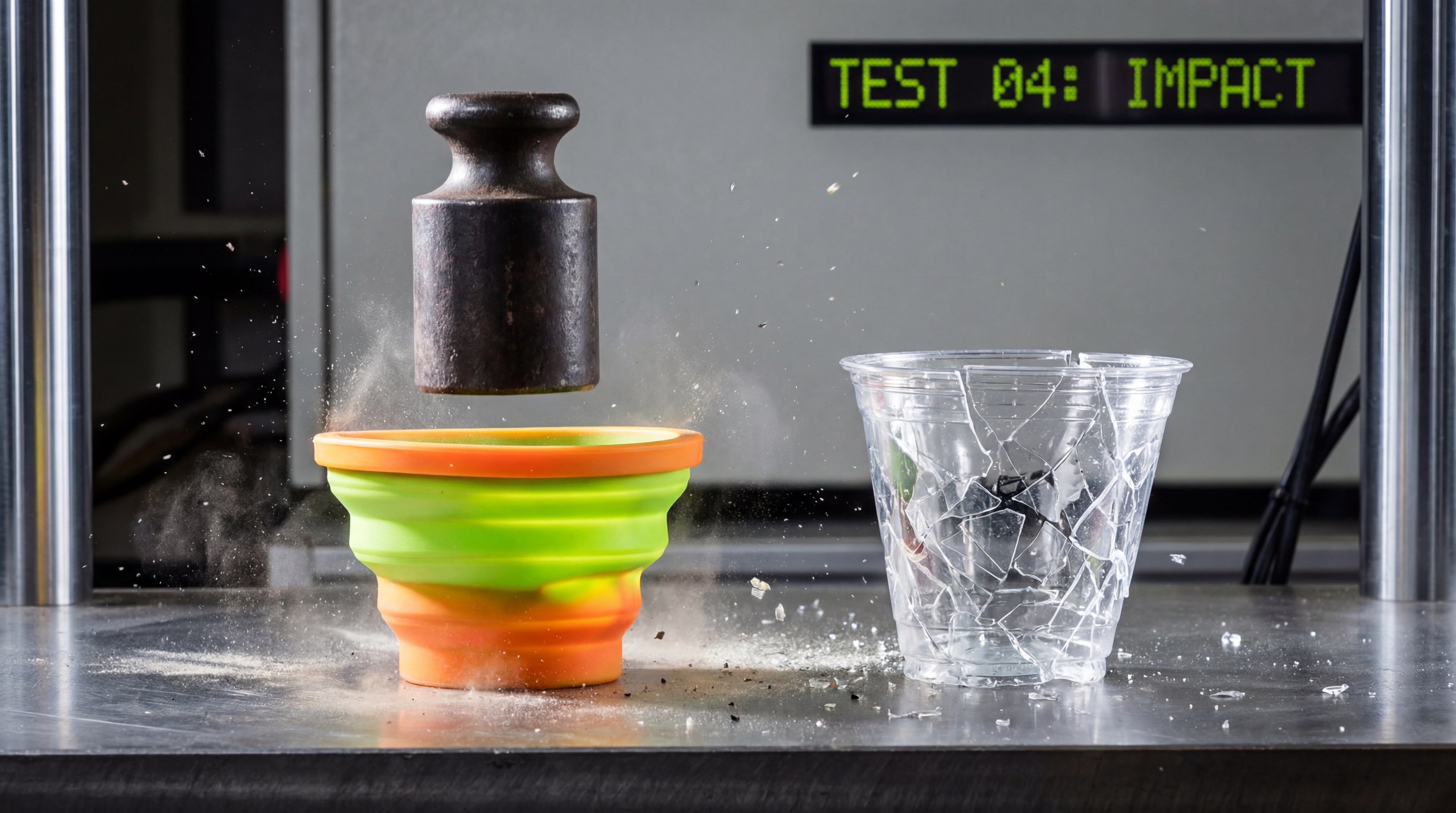
If you want your products to last for years rather than months, silicone is the clear winner due to its extreme fatigue resistance. While plastic items often crack after repeated use or exposure to the elements, silicone remains flexible and functional. When considering long-term durability, you might ask: does silicone have microplastics? Because silicone doesn’t degrade or “shed” over time, it maintains its mass and function for decades, significantly reducing the volume of waste generated by your brand.
Fatigue Resistance
Silicone can be flexed, stretched, and compressed millions of times without developing stress cracks. This makes it ideal for keypad buttons, valves, and wearable straps that see constant physical movement.
Weather and UV Resistance
Plastic items left outside will eventually turn yellow, become brittle, and snap. Silicone is virtually unaffected by sunlight, ozone, or rain, making it the perfect material for high-performance outdoor seals and gaskets.
- Flex Life: Superior to almost all organic rubbers and plastics.
- Tensile Strength: High enough for most consumer and industrial seals.
- Chemical Resistance: Withstands many oils, solvents, and cleaning agents.
Bucket Brigade:
It gets better:
Key Takeaway: Silicone’s resistance to environmental stressors and physical fatigue ensures a product lifespan that significantly outlasts plastic.
| Durability Stressor | Plastic Response | Silicone Response |
|---|---|---|
| UV Exposure | Yellowing/Brittleness | No change |
| Repeated Flexing | Stress whitening/Cracking | Highly resilient |
| Ozone/Weather | Rapid degradation | Stable for decades |
Silicone’s longevity not only provides better value for the end user but also supports a circular economy by moving away from disposable plastic culture.
8. How does the environmental impact of silicone compare?
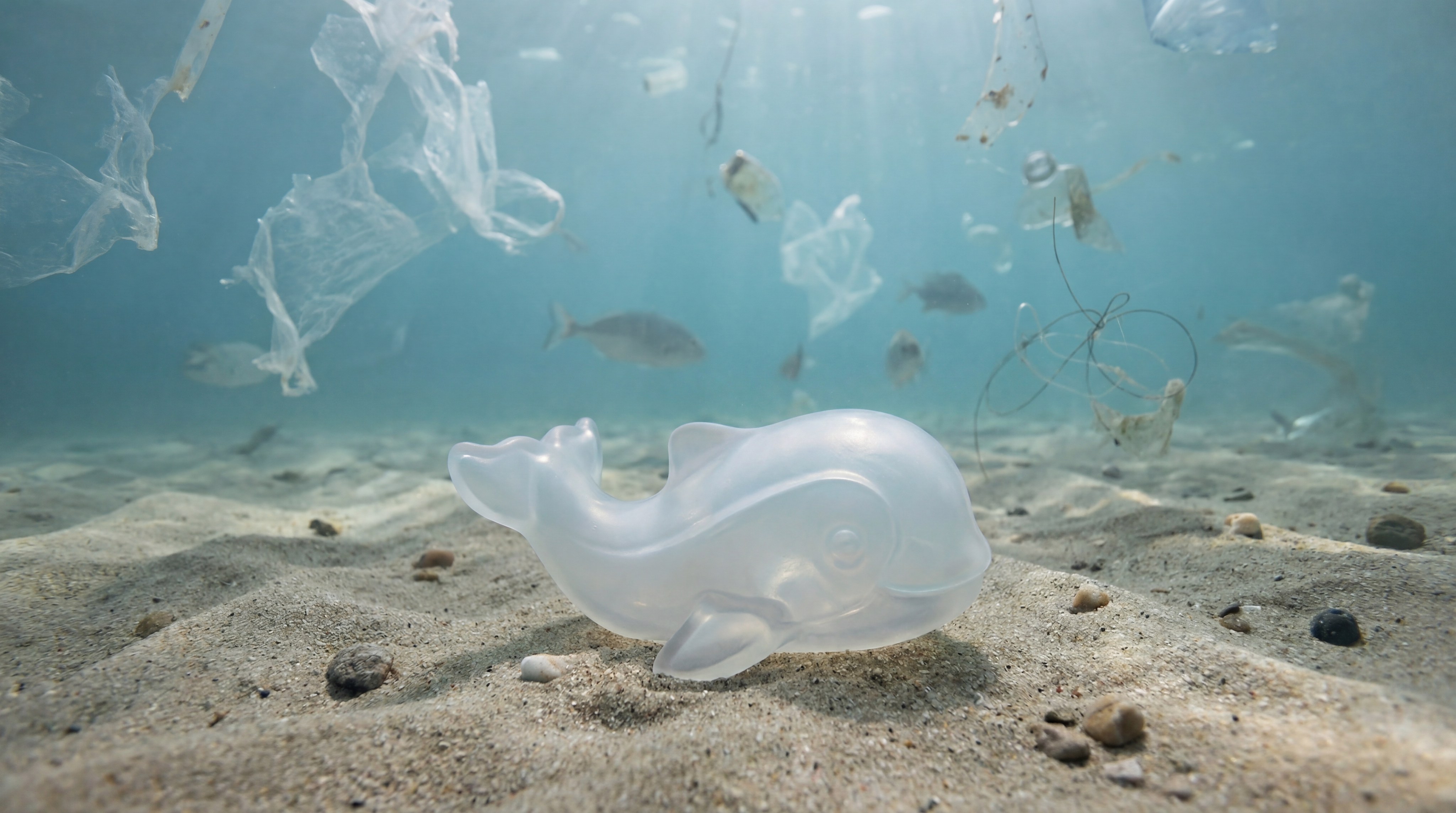
The environmental impact of silicone is generally lower than plastic because it is “ocean-friendly” and does not contribute to the microplastic crisis. When you evaluate the question: does silicone have microplastics? you realize that while silicone is not biodegradable, its lack of fragmentation prevents it from entering the biological food chain. Furthermore, silicone’s durability encourages a “reuse” culture rather than the “disposable” cycle associated with plastic.
Longevity as Sustainability
A single silicone bag can replace thousands of single-use plastic bags over its lifetime. By choosing a material that doesn’t need frequent replacement, you are effectively reducing the total carbon footprint of your supply chain.
Recyclability Challenges
Silicone can be recycled, though it requires specialized facilities that grind the material down for use in playground surfaces or industrial oils. While not as common as PET recycling, its long life reduces the frequency of it entering the waste stream in the first place.
- Non-Toxic: Does not release toxins if burned (primarily releases silica and CO2).
- No Microplastics: Remains a solid, inert mass in the ocean or soil.
- Durability: Reduces the need for frequent manufacturing and transportation.
Bucket Brigade:
Let’s be honest:
Key Takeaway: While not biodegradable, silicone’s extreme durability and lack of microplastic shedding make it a more responsible choice than disposable plastics.
| Eco-Metric | Single-Use Plastic | Silicone |
|---|---|---|
| Biodegradability | No (breaks into microplastics) | No (remains inert) |
| Reusability | Low | Very High |
| Leaching Risk | High | Negligible |
By preventing the formation of microplastics, silicone provides a critical safety barrier for marine life and global water systems.
9. What are the primary industrial categories for silicone?
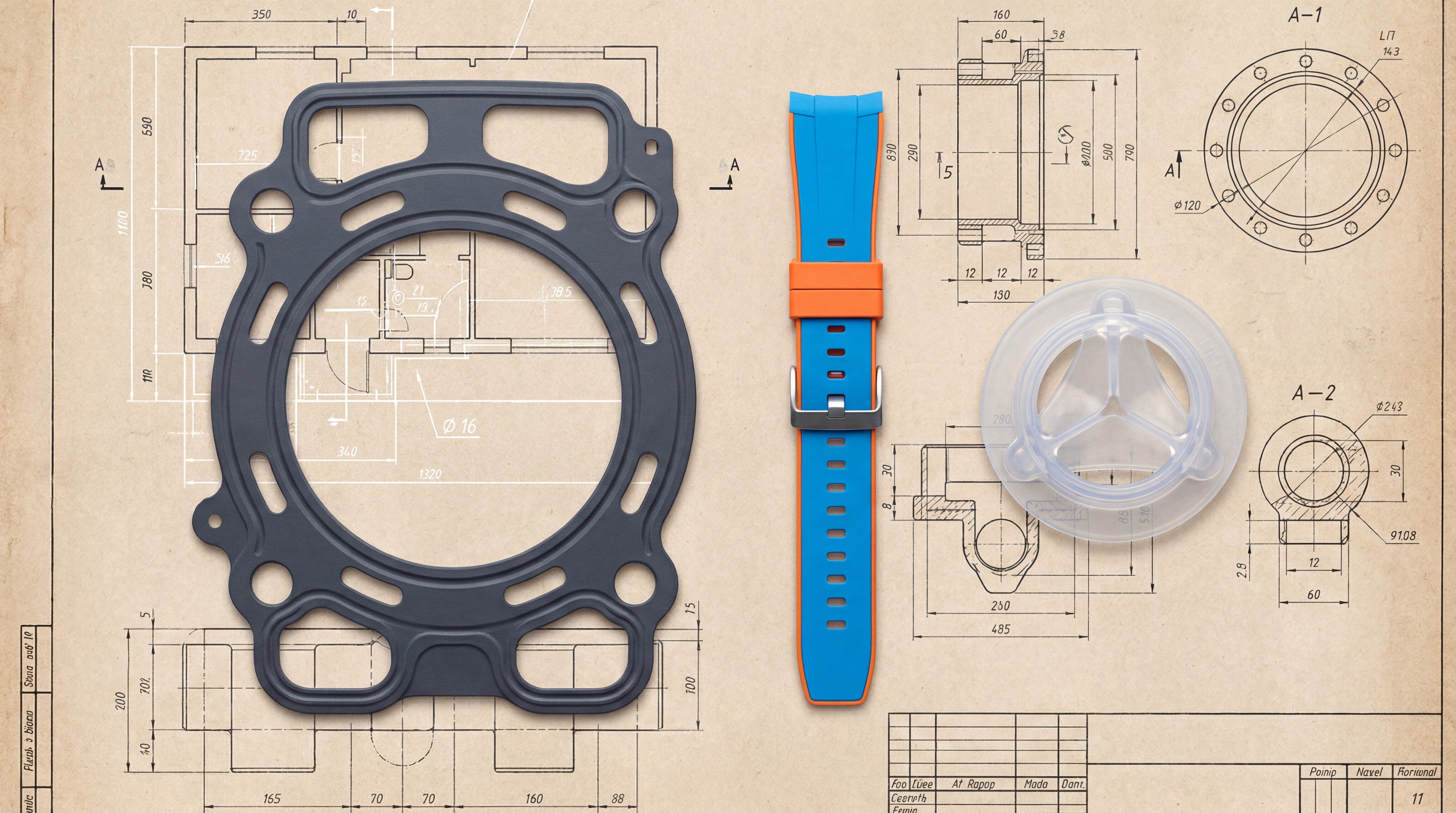
Silicone’s versatility allows it to bridge the gap between heavy automotive engineering and delicate medical-grade silicon parts. As global industries shift toward higher safety standards, the common inquiry is: does silicone have microplastics? This shift is driving adoption across sectors that previously relied on cheaper, less stable plastics, particularly in high-precision manufacturing.
Automotive and Aerospace
In these high-stakes industries, silicone is used for hoses, spark plug boots, and engine seals. Its ability to maintain a seal under extreme pressure and heat is vital for vehicle safety and performance.
Consumer Electronics and Wearables
The soft-touch feel and skin-safe properties of silicone make it the preferred material for smartwatch bands and earbud tips. It provides a premium aesthetic while ensuring user comfort and durability.
- Medical: Precision tubing, implants, and tactile keypads.
- Food Service: Bakeware, spatulas, and food storage seals.
- Electronics: Thermal interface materials and protective enclosures.
Bucket Brigade:
In short:
Key Takeaway: Silicone’s unique properties allow it to serve critical functions in industries ranging from healthcare to heavy aerospace engineering.
| Industry | Primary Silicone Use | Key Advantage |
|---|---|---|
| Medical | Catheters/Keypads | Biocompatibility |
| Automotive | Engine Gaskets | Heat resistance |
| Consumer | Kitchenware | Non-toxic/Non-stick |
The wide-ranging application of silicone highlights its role as a fundamental material in the future of high-performance manufacturing.

10. Is silicone really the best material for your project?
The decision between silicone and plastic depends on your specific performance requirements and brand values. If your product needs to withstand heat, remain safe for human contact, or last for years without degrading, silicone is almost always the better choice. Even when budgets are tight, the fact that does silicone have microplastics is a “no” often tips the scale for eco-conscious brands looking to differentiate themselves in a crowded market.
Cost vs. Value
Plastic is often cheaper to produce in massive volumes, but it carries hidden costs in environmental impact and potential health risks. Silicone represents a premium choice that signals quality and safety to your customers.
Design Flexibility
With Liquid Silicone Rubber (LSR), you can achieve incredibly complex geometries and tight tolerances that are difficult to replicate with traditional rubber or some plastics.
- Choose silicone when heat resistance is a core requirement.
- Choose silicone for any product intended for food or medical contact.
- Choose silicone for high-reusability consumer goods to enhance brand trust.
Bucket Brigade:
The choice is yours:
Key Takeaway: Silicone is a premium, high-performance material that provides safety and durability benefits that justify its higher initial cost over plastic.
| Decision Factor | Choose Plastic If… | Choose Silicone If… |
|---|---|---|
| Budget | Cost is the only factor | Quality and safety matter |
| Environment | Product is single-use | Long-term use is intended |
| Performance | Basic room-temp use | Extreme temps are likely |
In the modern B2B landscape, selecting silicone is an investment in product longevity and regulatory compliance.
FAQs
Can I recycle silicone products at home?
No, you cannot put silicone in standard curbside recycling bins. It requires specialized industrial processes to break down the siloxane bonds, so you should look for dedicated recycling programs.
What is the best way to clean silicone?
Silicone is non-porous and generally dishwasher safe. For medical or baby items, you can boil them or use a steam sterilizer without worrying about the material melting.
Can silicone melt on a stove?
Standard food-grade silicone is heat-resistant up to about 230°C (450°F). While it won’t melt like plastic, it can be damaged by direct contact with an open flame.
Does silicone contain latex?
No, silicone is completely synthetic and does not contain natural rubber latex proteins. This makes it an ideal material for people with latex allergies.
Is silicone safe for the dishwasher?
Yes, silicone is highly resistant to the high heat and harsh detergents used in dishwashers, making it much more durable for kitchen use than many plastics.
Summary
When choosing between these materials, remember that while silicone and plastic share some polymer traits, they are fundamentally different. Silicone offers a safer, more durable, and microplastic-free alternative for industries that value performance and environmental responsibility. Transitioning to silicone is an investment in your product’s future and your brand’s reputation. At HuaLin Silicone, we are dedicated to providing precision engineering that meets the highest global safety standards. If you are ready to explore high-quality manufacturing solutions for your next project, contact us today.