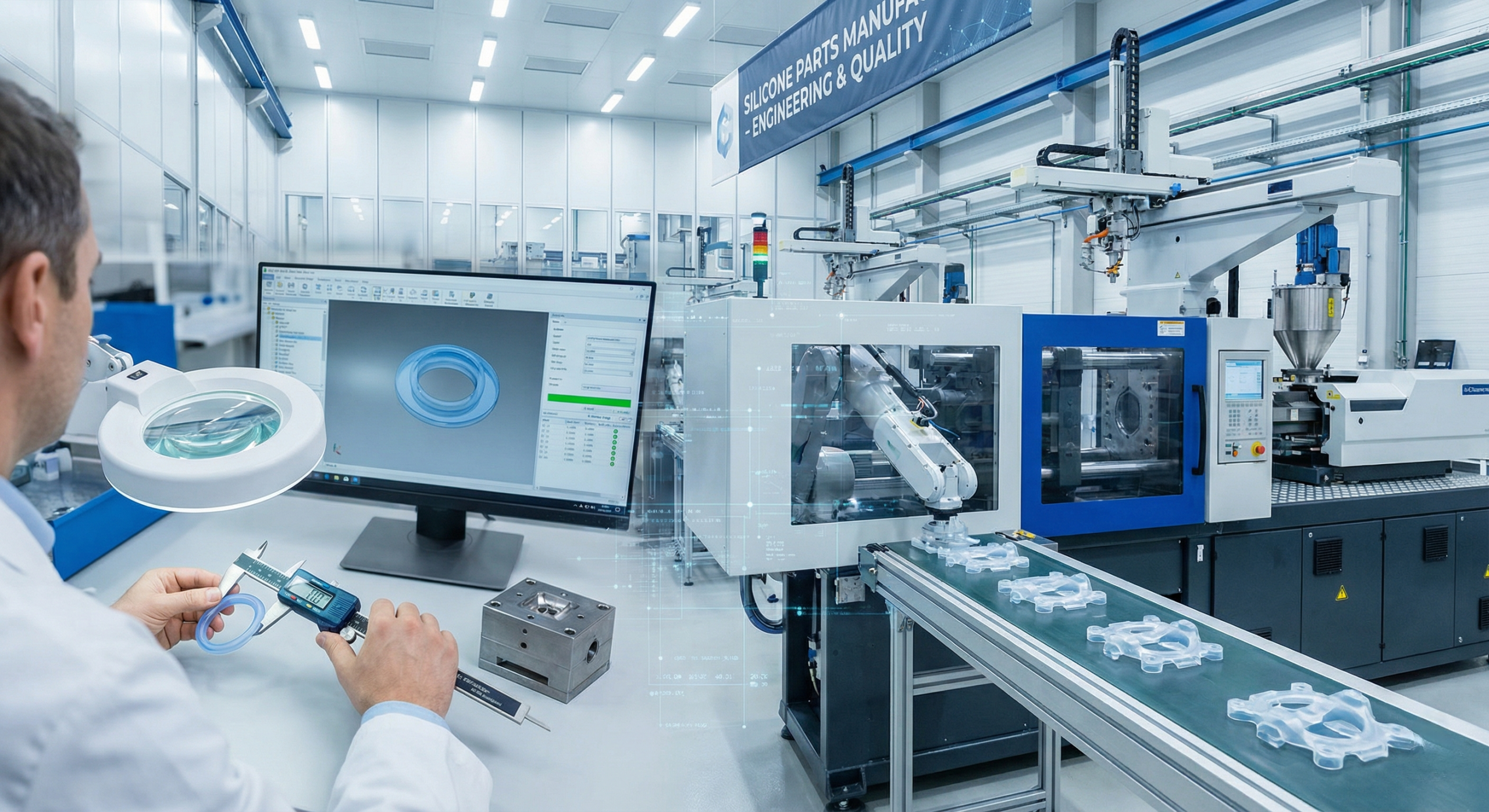
Choosing the right Silicone Parts Manufacturer involves evaluating their technical capabilities, quality standards, and scalability to ensure seamless production. Many companies struggle with inconsistent tolerances and material failures that lead to expensive delays. These manufacturing nightmares can compromise your supply chain and result in irreparable brand damage through product recalls. Partnering with an expert Silicone Parts Manufacturer provides the specialized knowledge needed to transform complex designs into high-performance components.
What Is the Manufacturer’s Core Expertise?
To determine a Silicone Parts Manufacturer’s core expertise, you must assess their specific molding technologies and production history. Not all facilities are equipped to handle the nuances of both liquid and high-consistency rubbers.
Do They Specialize in LSR or Compression Molding?
Think about it:
The choice between Liquid Silicone Rubber (LSR) and traditional compression molding determines the precision and speed of your project. Each method requires different machinery and operator skill sets to achieve optimal results.
- Proficiency in LSR for high-volume, high-precision electronic components.
- Expertise in Compression Molding for large-scale, less intricate industrial seals.
- Specialized knowledge in overmolding silicone onto metal or plastic substrates.
Key Takeaway: You must verify that the manufacturer’s equipment and historical success align with the specific geometry and volume requirements of your parts.
| Feature | LSR Injection Molding | Compression Molding |
|---|---|---|
| Best For | High volume, complex parts | Low to mid volume, simple parts |
| Cycle Time | Very Fast | Slower |
| Precision | Excellent | Moderate |
This comparison highlights how choosing the correct molding process directly impacts your production efficiency and part cost.
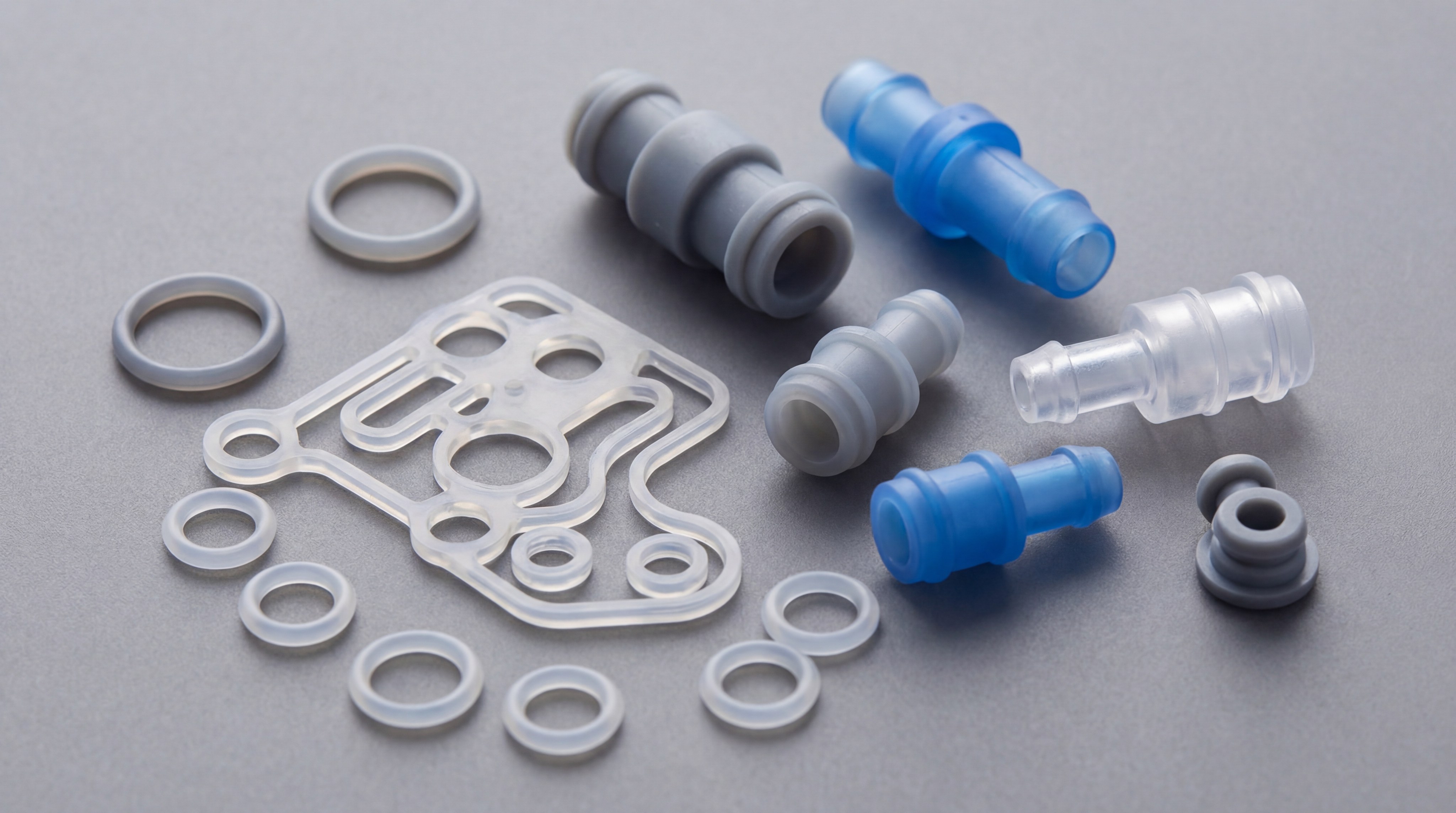
How Do They Ensure Consistent Quality Control?
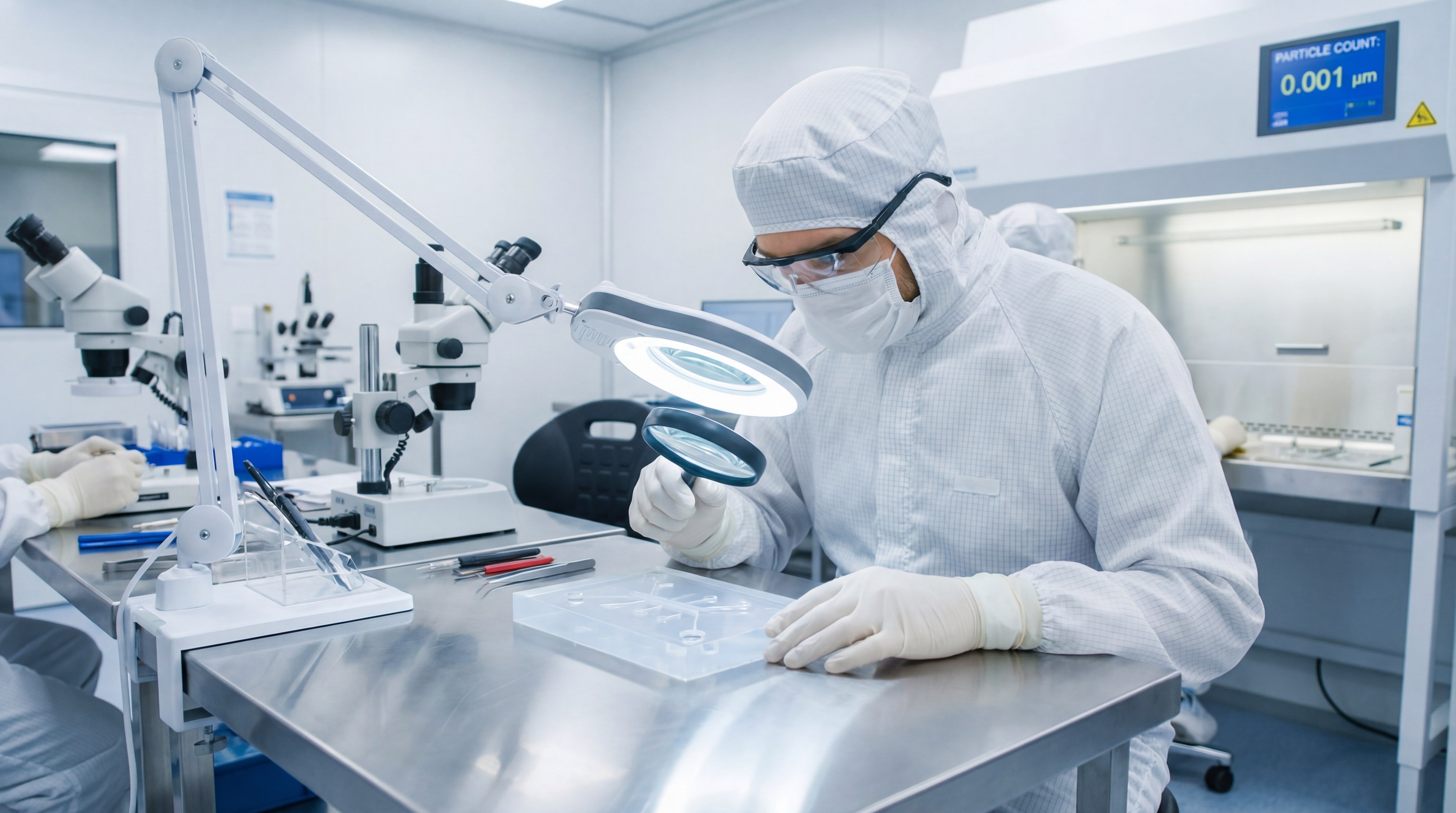
A reliable Silicone Parts Manufacturer ensures consistent quality through rigorous certifications and automated in-process monitoring. Quality is the foundation of long-term reliability in sensitive industries like medical and automotive.
Are They ISO 13485 or ISO 9001 Certified?
You might be wondering:
Certifications are more than just paperwork; they represent a commitment to standardized about-us operational excellence. A manufacturer with these credentials has proven their ability to maintain strict traceability and quality documentation.
- Presence of Class 7 or 8 cleanroom environments for medical-grade production.
- Integration of automated vision systems for 100% part inspection.
- Strict adherence to material batch recording and digital traceability.
Key Takeaway: While certifications establish a baseline, you should look for real-world proof of quality through advanced inspection technology and historical yield rates.
| Quality Metric | Standard Requirement | Manufacturer Capability |
|---|---|---|
| Certification | ISO 9001:2015 | Must be current |
| Tolerance | +/- 0.05mm | High-precision capability |
| Traceability | Full Lot Control | Digital record keeping |
Establishing these quality benchmarks early ensures your parts meet regulatory standards and performance expectations every time.
Can They Support Your Design and Engineering Needs?
The best Silicone Parts Manufacturer acts as a strategic extension of your internal engineering team during the development phase. Proactive feedback can prevent costly mistakes before the first mold is ever cut.
Do They Offer Design for Manufacturing (DFM) Support?
But that’s not all.
Expert DFM support involves analyzing your part design to optimize it for the specific characteristics of silicone flow. This collaborative approach helps identify potential defects like air traps or weld lines before they occur.
- Comprehensive mold flow analysis to predict material behavior during injection.
- Strategic advice on gate placement to minimize aesthetic and structural defects.
- Practical recommendations for draft angles and wall thickness consistency.
Key Takeaway: Early-stage engineering support is the most effective way to reduce the risk of expensive tooling revisions and long-term production delays.
| Engineering Phase | Benefit to Client |
|---|---|
| DFM Review | Reduces part cost and failure rate |
| Mold Flow | Optimizes cycle time and quality |
| Material Lab | Ensures chemical compatibility |
Integrating engineering expertise at the design stage ensures your product is optimized for both performance and manufacturability.
What Tooling Options and Capabilities Are Available?
Evaluating a Silicone Parts Manufacturer requires looking closely at their tooling capabilities, as the mold is your most significant upfront investment. Excellence in mold design is essential for maintaining tight tolerances over hundreds of thousands of cycles.
Is Tooling Managed In-House or Outsourced?
Let’s look closer:
In-house tooling shops provide a distinct advantage in terms of responsiveness and long-term mold maintenance. You can browse our products to see the complexity of tools we successfully manage for diverse applications.
- In-house tool shops for rapid repairs, modifications, and prototyping iterations.
- Utilization of high-grade stainless steel for maximum mold longevity and durability.
- Capability to design multi-cavity molds for high-volume scaling and efficiency.
Key Takeaway: Partnering with a manufacturer that controls their tooling process generally leads to faster project timelines and superior mold life.
| Tooling Type | Lifecycle Expectation | Ideal Application |
|---|---|---|
| Prototype Tool | 1,000 – 5,000 cycles | Validation and testing |
| Production Tool | 500,000+ cycles | Mass manufacturing |
| Family Mold | Variable | Multiple parts in one shot |
Proper tooling management ensures that your production remains stable and cost-effective throughout the entire product lifecycle.
Is the Facility Equipped with Modern Technology?
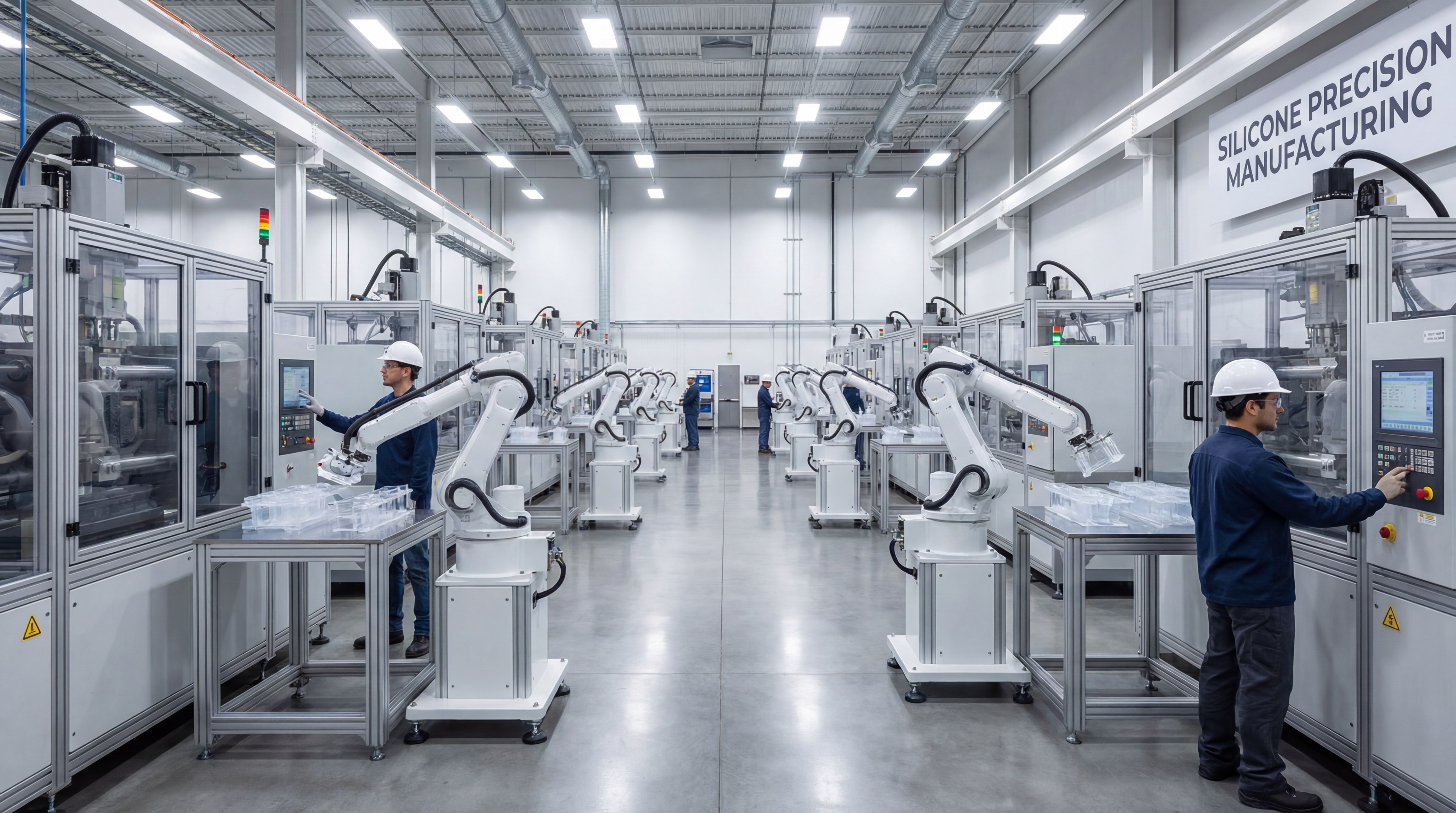
A forward-thinking Silicone Parts Manufacturer continuously invests in automation and the latest injection molding machinery to stay competitive. Modern equipment is the primary driver behind part consistency and reduced material waste.
Do They Utilize High-Precision Injection Machines?
It gets even better.
All-electric injection molding machines offer superior repeatability compared to older hydraulic systems, especially for small, intricate parts. These high-tech facilities utilize closed-loop systems to ensure every shot is identical.
- All-electric injection machines for maximum energy efficiency and precision control.
- Robotic end-of-arm tooling for rapid, flash-less part removal and handling.
- Integrated feeding systems that maintain precise material ratios for LSR.
Key Takeaway: Advanced manufacturing technology translates directly into lower scrap rates and more consistent part quality across long production runs.
| Technology | Impact on Production |
|---|---|
| All-Electric Machines | Higher repeatability |
| Automation | Lower labor costs |
| Closed-Loop Systems | Material waste reduction |
Investing in a partner with modern infrastructure protects your project from the variability inherent in older manufacturing methods.
How Scalable Is Their Production Capacity?
Your chosen Silicone Parts Manufacturer must be able to grow alongside your business, from initial prototypes to millions of units. Scalability ensures that you won’t need to switch vendors as your market demand increases.
Can They Handle Both Prototyping and Mass Production?
Think about it:
A manufacturer with a flexible liquid-silicone-rubber-injection-molding setup can pivot quickly between low-volume validation runs and high-volume output. This versatility reduces the friction of moving through different stages of product maturity.
- Dedicated production cells for low-volume, quick-turn prototyping and testing.
- High-cavitation tooling capabilities to meet large-scale annual volume demands.
- Availability of secondary shifts to accommodate sudden surges in customer orders.
Key Takeaway: You should choose a partner with the physical floor space and machine count necessary to support your long-term growth plan.
| Stage | Volume Level | Key Requirement |
|---|---|---|
| Prototyping | 10 – 100 units | Speed and flexibility |
| Pilot Run | 1k – 10k units | Process stabilization |
| Mass Production | 100k+ units | Efficiency and cost-control |
A scalable partner provides the stability needed to navigate the transition from a startup phase to full-scale market saturation.
What Material Selection Guidance Do They Provide?
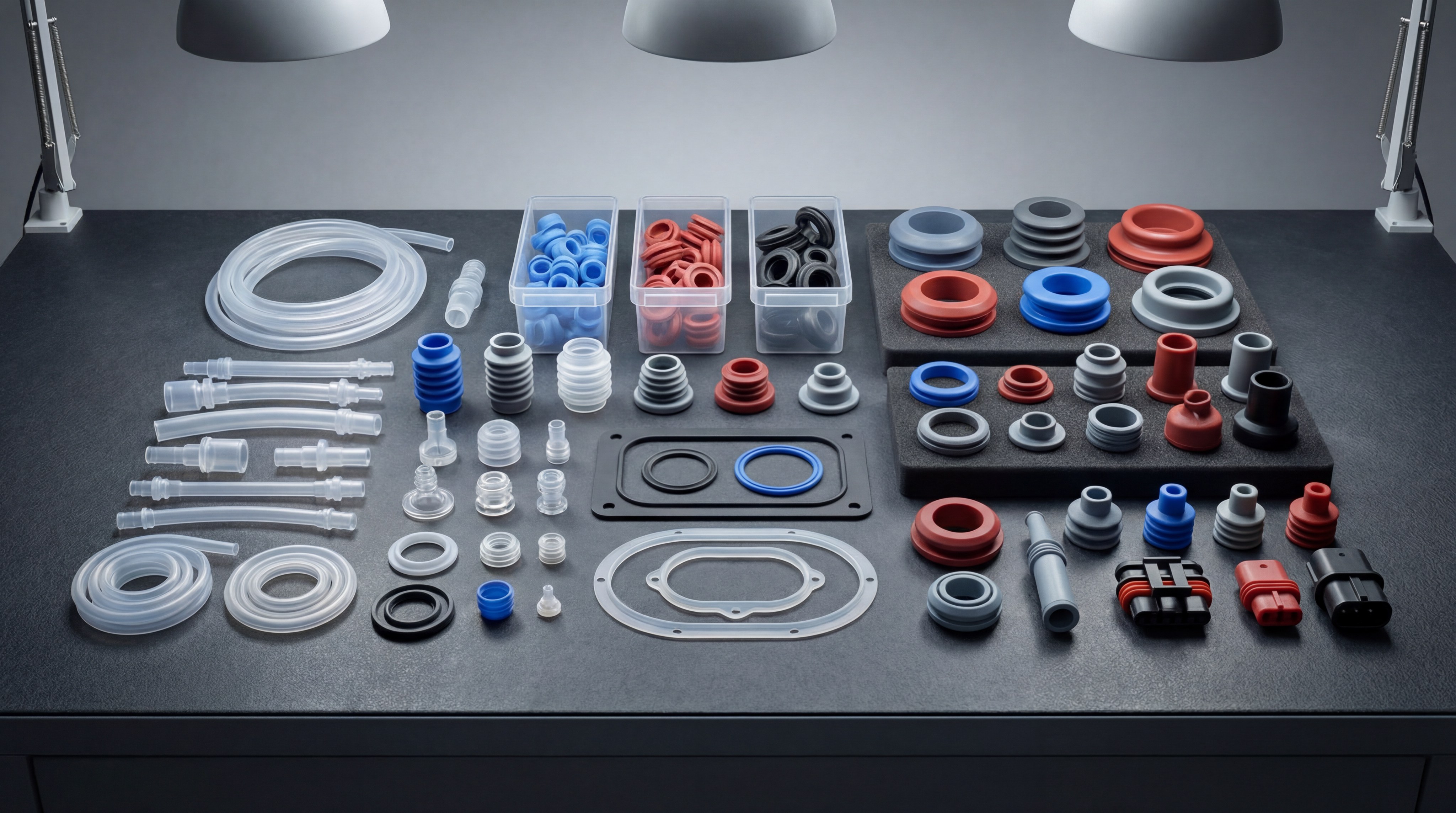
A specialized Silicone Parts Manufacturer should help you navigate the thousands of available silicone grades to find the perfect fit. Proper material selection is critical for ensuring the part performs as expected in its final environment.
Can They Help Match Silicone Grades to Specific Needs?
The best part?
Expert manufacturers understand how durometer, tensile strength, and chemical resistance interact in different applications. They can guide you toward materials that meet specific certifications, such as USP Class VI for medical devices.
- Knowledge of FDA and USP Class VI compliance for medical and food contact.
- Selection of specialty grades for high-temperature or flame-retardant industrial needs.
- Capabilities for custom color matching to ensure brand and pigment consistency.
Key Takeaway: Expert material guidance prevents over-engineering and ensures that you are not paying for properties your application doesn’t require.
| Material Property | Importance | Typical Range |
|---|---|---|
| Durometer | Hardness/Flexibility | 10 – 80 Shore A |
| Tensile Strength | Durability | 5 – 11 MPa |
| Elongation | Stretchability | 100% – 800% |
Matching the right material to your specific application requirements is essential for the long-term durability and safety of your product.
What Is the Typical Lead Time for Custom Parts?
Responsiveness is a key selection criterion for a Silicone Parts Manufacturer, as time-to-market often determines competitive success. You need a partner who provides transparent timelines and proactively manages their internal logistics.
How Do They Manage Supply Chain Disruptions?
Make no mistake:
The ability to navigate raw material shortages and shipping delays is what separates a world-class manufacturer from a standard vendor. Clear communication regarding lead times for DFM, tooling, and production is non-negotiable for project planning.
- Standardized lead times for engineering reviews and initial tooling design phases.
- Comprehensive logistics support for international shipping and customs clearance.
- Active inventory management programs like Kanban or safety stock for critical parts.
Key Takeaway: You should look for transparency in scheduling and a proven track record of meeting agreed-upon delivery dates consistently.
| Project Phase | Estimated Timeframe | Variable Factors |
|---|---|---|
| Tooling Design | 1 – 2 Weeks | Part complexity |
| Tool Fabrication | 4 – 8 Weeks | Cavitation count |
| Production Run | 2 – 4 Weeks | Order volume |
Understanding and managing these timelines effectively is crucial for maintaining your own production schedules and meeting customer demands.
How Transparent Is Their Communication and Support?
Technical manufacturing projects require constant dialogue with your Silicone Parts Manufacturer to ensure all requirements are met. Streamlined communication channels prevent misunderstandings that could lead to production errors or missed deadlines.
Will You Have a Dedicated Project Manager?
In other words:
A dedicated point of contact provides continuity and accountability throughout the entire manufacturing journey. This individual should be able to bridge the gap between your needs and the factory’s technical capabilities.
- Regular status updates provided during the critical tooling fabrication phase.
- Direct access to the engineering team for complex technical queries or changes.
- Provision of comprehensive post-production reports and full quality documentation.
Key Takeaway: A dedicated project manager reduces the risk of miscommunication and ensures that all project milestones are met on schedule.
| Support Level | Communication Method | Frequency |
|---|---|---|
| Technical Support | Engineer Consultation | As needed |
| Project Tracking | Weekly Status Report | Weekly |
| Quality Reporting | Certificate of Compliance | Per Shipment |
Clear and transparent communication builds the trust necessary for a successful long-term manufacturing partnership.
What Post-Production Secondary Services Are Offered?
A full-service Silicone Parts Manufacturer can add significant value by handling assembly, coating, or specialized packaging in-house. Consolidating these operations reduces your total cost of ownership and simplifies your supply chain.
Do They Provide Assembly and Custom Packaging?
Here is the kicker:
Secondary services like laser etching or cleanroom assembly allow you to receive a finished component ready for the next stage of your process. This reduces the number of vendors you need to manage and minimizes the risk of damage during transit.
- Capabilities for slitting, printing, or laser etching for permanent part identification.
- Specialized surface treatments like Parylene coating to reduce friction and tackiness.
- Cleanroom assembly services and sterile barrier packaging for medical applications.
Key Takeaway: Consolidating secondary operations with your primary manufacturer reduces shipping costs and ensures better overall quality control.
| Service | Benefit | Common Application |
|---|---|---|
| Surface Coating | Reduced tackiness | Medical valves |
| Laser Etching | Permanent marking | Serial numbers |
| Sub-Assembly | Reduced SKU count | Complex device builds |
Choosing a manufacturer with diverse secondary capabilities streamlines your production flow and enhances the final value of your parts.
Frequently Asked Questions
What is the minimum order quantity (MOQ) for custom silicone parts?
MOQs vary by manufacturer and process, but they typically range from 500 to 10,000 pieces depending on the complexity and setup costs involved.
How much does silicone tooling typically cost?
Tooling costs depend on cavitation and complexity; simple prototype molds might cost $3,000, while high-volume LSR production tools can exceed $30,000.
Can I overmold silicone onto other materials?
Yes, silicone can be successfully overmolded onto many thermoplastics and metals, provided the manufacturer has expertise in chemical bonding and temperature control.
What’s the best way to ensure material safety for medical use?
The best way is to verify that the manufacturer uses USP Class VI or ISO 10993 certified medical-grade LSR and operates in a cleanroom.
How do I know if my part is better suited for LSR or compression molding?
You should evaluate the part’s complexity and volume; high-volume, intricate parts generally favor LSR, while simpler, low-volume parts often favor compression molding.
Selecting the ideal manufacturing partner is an investment in your product’s long-term success. By evaluating expertise, quality systems, and technological capabilities, you can build a resilient supply chain that delivers excellence consistently. To begin your next project with an industry leader, contact us today.