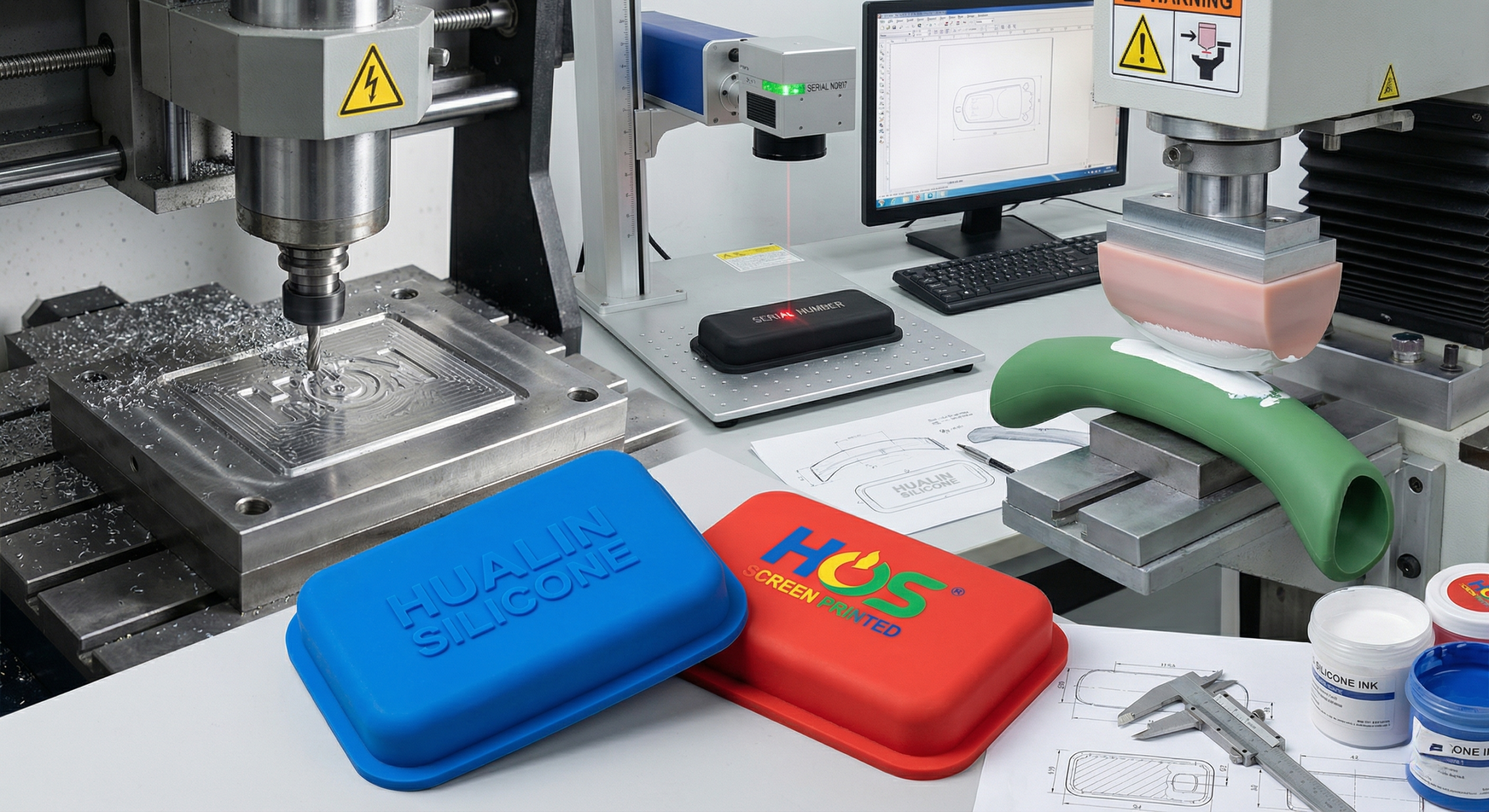
The most effective methods to add a logo or pattern to a silicone mold involve CNC engraving directly into the tooling, laser etching the surface, or using specialized printing techniques like screen and pad printing. You often face the challenge of generic products looking indistinguishable from competitors, which diminishes your brand’s perceived value in a crowded market. If your current branding peels off or appears blurry, it agitates your customers and suggests a lack of professional quality control. Fortunately, utilizing high-precision manufacturing solutions for your Silicone mold ensures that every pattern remains permanent, crisp, and aligned with your corporate identity.
What are the best ways to add a logo to a silicone mold?
Adding a logo to a silicone mold is best achieved through CNC milling for physical textures or industrial printing for colorful graphics. You must decide if you want a permanent physical mark or a topical ink application. Every Silicone mold requires a specific approach based on the final application and budget constraints.
CNC milling for internal branding
Think about it: carving the logo directly into the steel or aluminum tooling ensures that every part produced carries the mark naturally. You can choose between raised or sunken effects depending on how you want the user to feel the texture on the Silicone mold.
- Embossed logos stand out for a premium feel.
- Debossed logos are protected from surface wear.
- Tooling marks are permanent for the life of the mold.
But here is the kicker: this method eliminates all post-processing costs for branding.
Surface printing for color
Believe it or not, when your design requires vibrant colors, specialized silicone-based inks are the industry standard. These inks bond chemically to the surface of the Silicone mold during a secondary curing process to prevent delamination.
- Multi-color logos are possible through layered passes.
- High-contrast designs improve visibility on dark materials.
- Pantone matching ensures strict brand consistency.
The real secret is: choosing the right ink chemistry is vital for medical-grade silicon parts.
Key Takeaway: CNC milling offers the most permanent solution, while printing provides the color versatility needed for retail-facing products.
| Branding Method | Durability Level | Setup Cost | Per-Unit Cost |
|---|---|---|---|
| CNC Engraving | Permanent | High | Zero |
| Surface Printing | High | Moderate | Low |
| Laser Etching | Permanent | Low | Moderate |
Successful branding relies on selecting a technique that matches your production volume and the environmental stresses the product will face.
Can CNC milling engrave your silicone mold directly?
CNC milling can engrave your silicone mold tooling with extreme precision to create 3D patterns and logos. This process involves using computer-controlled bits to remove metal from the mold plates. A Silicone mold produced this way will have the branding integrated into its physical structure.
Embossed and debossed options
Here is the deal: the choice between embossed and debossed depends entirely on your functional requirements and aesthetic goals. You can create intricate geometric patterns that cover the entire surface of the Silicone mold to improve grip or style.
- Embossed patterns are easier to clean in food applications.
- Debossed logos are less likely to catch on external surfaces.
- Depth can be controlled to the micron level.
But wait, there’s more: these physical features can also serve as anti-slip textures for industrial components.
Key Takeaway: CNC engraving into the tooling provides a one-time setup that guarantees every molded part is perfectly branded without extra labor.
| Feature | Embossed Branding | Debossed Branding |
|---|---|---|
| Tactile Feel | Raised above the surface | Recessed into the surface |
| Tooling Effort | Requires deeper cavity removal | Requires bit paths on the surface |
| Longevity | Excellent | Superior |
Integrating branding into the tooling is the most cost-effective strategy for high-volume production runs.
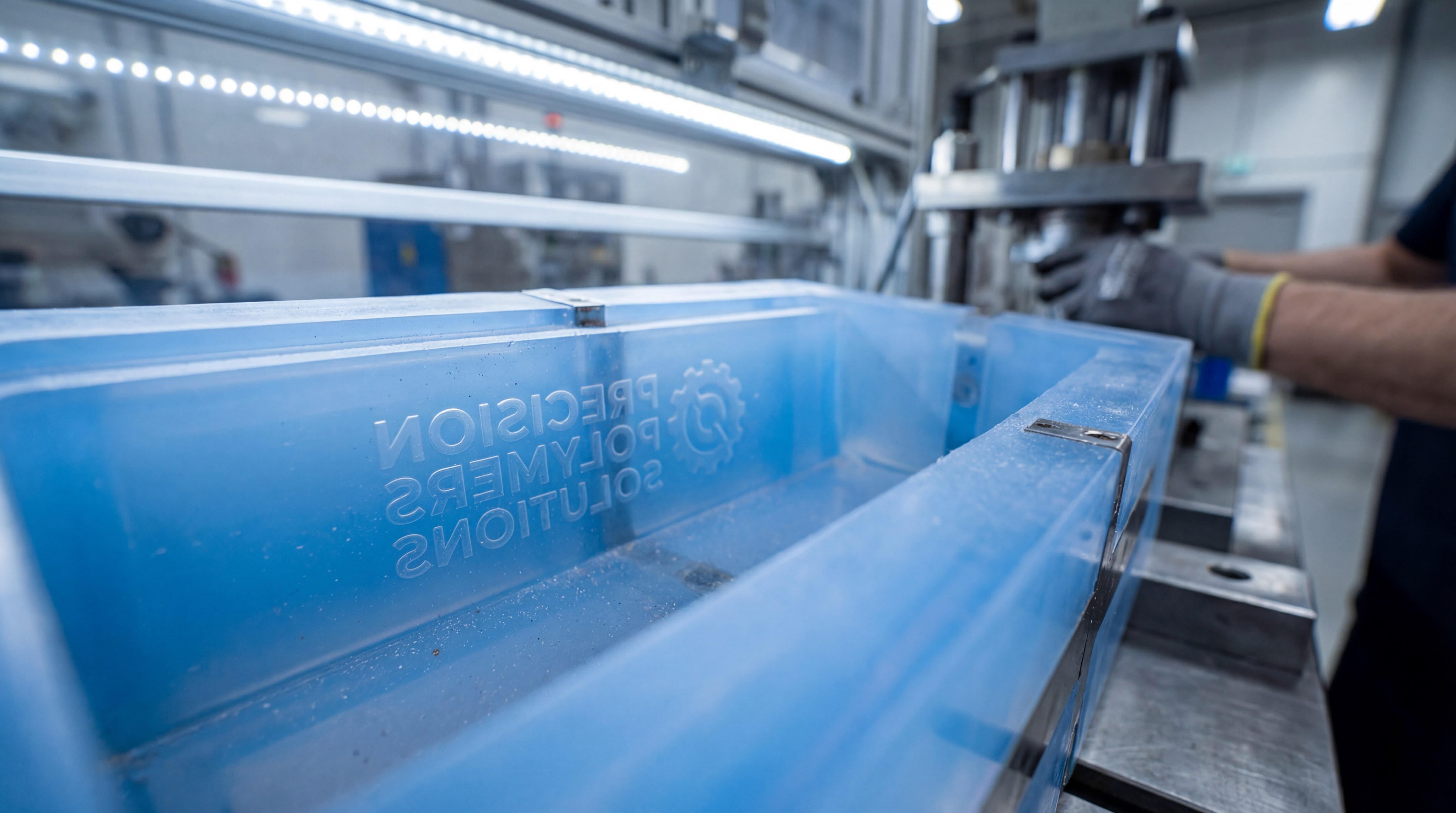
How does laser engraving mark a silicone mold surface?
Laser engraving marks a silicone mold by using a concentrated beam of light to vaporize a thin layer of the material. This creates a high-contrast, permanent mark that does not require any inks. Every Silicone mold can be serialized or personalized using this high-speed technology.
High-precision etching benefits
Look at it this way: laser technology allows you to achieve levels of detail that mechanical bits simply cannot reach. You can apply complex QR codes or fine-line art directly onto the finished Silicone mold surface without damaging the surrounding material.
- No physical contact means no part deformation.
- Extremely fast setup for small batch customization.
- Capable of etching on curved or irregular surfaces.
But here is the kicker: the mark is resistant to high heat and chemical cleaning agents.
Key Takeaway: Laser engraving is the premier choice for intricate designs, serialization, and low-volume customization where tooling changes are impractical.
| Attribute | Laser Engraving Performance |
|---|---|
| Precision | +/- 0.01mm accuracy |
| Speed | Seconds per logo |
| Safety | Chemical-free and food-safe |
Laser marking provides a clean, eco-friendly alternative to traditional ink-based branding methods.
Is screen printing effective for a silicone mold?
Screen printing is highly effective for a silicone mold when you need to apply large, opaque graphics with vibrant colors. This method uses a mesh stencil to transfer ink onto the flat surfaces of the part. A Silicone mold smart wearable product often utilizes this for clear, bright iconography.
Vibrancy for flat surfaces
Think about it: screen printing allows for a thicker ink deposit compared to other methods, resulting in very bold designs. You can apply high-density patterns that cover large areas of the Silicone mold with perfect color uniformity.
- Excellent opacity on dark-colored silicone.
- Cost-effective for medium to large production runs.
- Durable enough for daily consumer handling.
The bottom line is: properly cured silicone ink becomes part of the substrate itself.
Key Takeaway: Screen printing excels at delivering bold, colorful graphics on flat or slightly contoured surfaces at a low per-unit cost.
| Parameter | Screen Printing Capability |
|---|---|
| Color Count | Multiple (one per screen) |
| Max Size | Limited only by the part dimensions |
| Adhesion | Superior with heat curing |
While best for flat areas, screen printing remains the industry standard for high-visibility branding.
Why choose pad printing for curved silicone mold parts?
You should choose pad printing for curved silicone mold parts because the flexible silicone pad can wrap around 3D geometries. This allows you to transfer a logo from a flat plate onto a rounded or recessed surface. Every Silicone mold contacted for complex consumer designs usually requires this versatility.
Flexible ink transfer techniques
It gets better: the soft nature of the transfer pad ensures that your logo is applied without distortion even on spherical surfaces. You can brand the sides of a cup or the handle of a tool made from a Silicone mold with ease.
- High detail for small, intricate text.
- Adaptable to textures and uneven surfaces.
- Rapid cycle times for high-volume assembly lines.
But wait, there’s more: pad printing can reach into deep cavities where screens cannot fit.
Key Takeaway: Pad printing is the most versatile printing method for branding three-dimensional and ergonomically shaped silicone products.
| Surface Type | Compatibility | Detail Retention |
|---|---|---|
| Curved | Excellent | High |
| Recessed | Good | Moderate |
| Textured | Fair | Moderate |
The ability to conform to irregular shapes makes pad printing indispensable for modern product design.
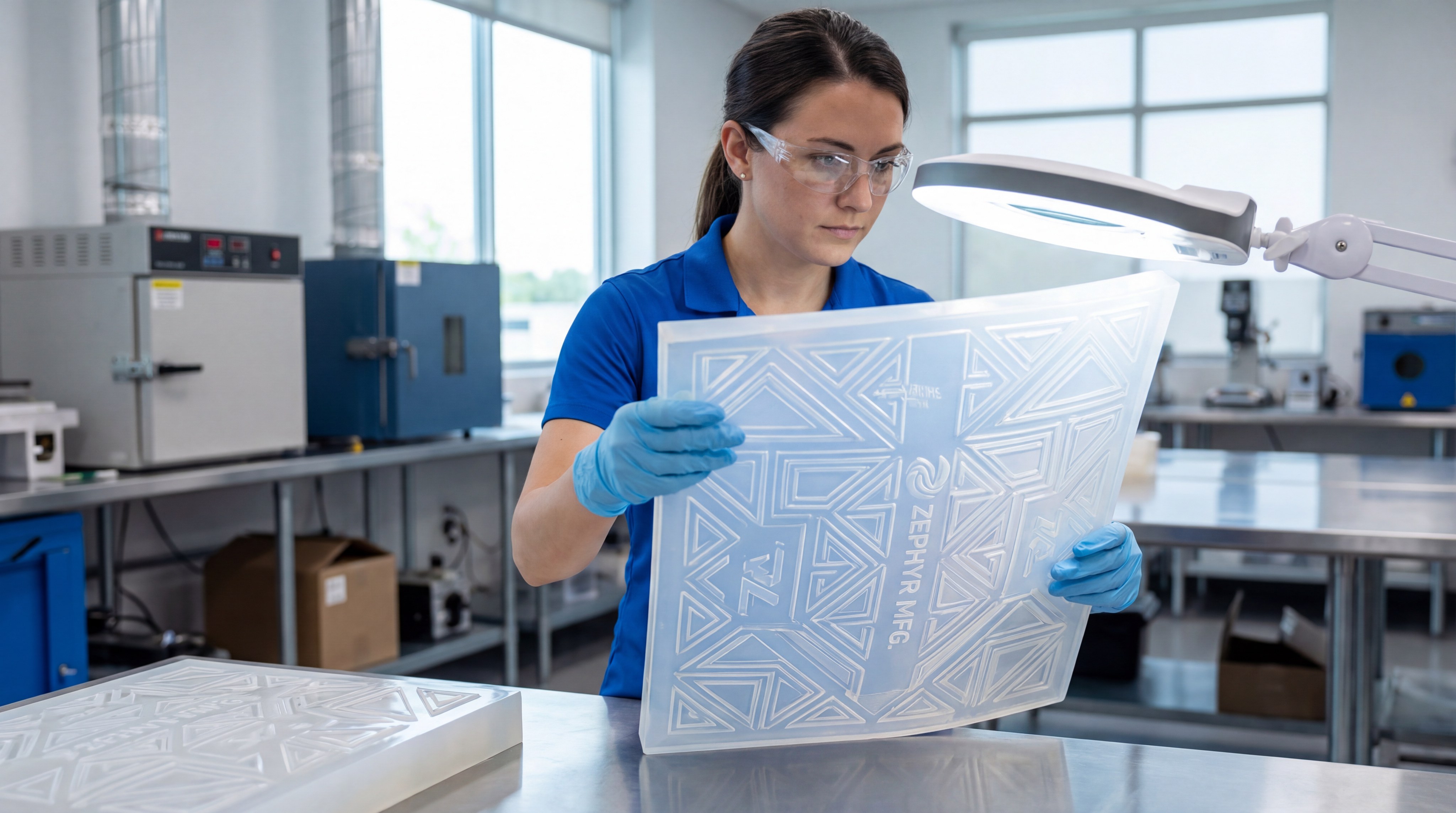
Does in-mold decoration improve a silicone mold?
In-mold decoration (IMD) improves a silicone mold by fusing the graphic directly into the part during the injection or compression cycle. This results in a brand mark that is virtually indestructible and flush with the surface. Each Silicone mold manufacturing route can be optimized for this integrated look.
Permanent bonding during production
Think about it: by placing a pre-decorated film into the cavity before molding, you eliminate all post-production labor. The heat of the process bonds the decoration to the Silicone mold material permanently.
- Graphics cannot be scratched or peeled off.
- High-definition photographic quality is achievable.
- Reduces the risk of contamination in secondary steps.
But here is the kicker: the decoration is protected by the material’s own chemical properties.
Key Takeaway: IMD offers the highest level of durability and visual sophistication by making the branding an internal component of the product.
| Feature | In-Mold Decoration |
|---|---|
| Durability | Permanent/Integrated |
| Visual Quality | Photographic/High Res |
| Process Step | Integrated into molding |
Integrating decoration during the molding phase is ideal for premium products requiring long-term brand presence.
Can you use silk screening on your silicone mold?
You can use silk screening on your silicone mold to apply industrial-grade patterns that require heavy ink coverage. This is a variation of screen printing that focuses on heavy-duty applications and specialized coatings. Your Silicone mold will benefit from the high resistance to environmental wear this method provides.
Industrial ink durability
Believe it or not, the inks used in silk screening are specifically formulated to withstand UV exposure and extreme temperatures. You can apply protective patterns to a Silicone mold used in automotive or outdoor environments without fear of fading.
- Heavy ink laydown for maximum chemical resistance.
- Ideal for large-scale mats and protective covers.
- Supports reflective and conductive ink types.
The real secret is: proper surface tension treatment before screening ensures an unbreakable bond.
Key Takeaway: Silk screening is the go-to method for industrial silicone applications that demand high-visibility and extreme environmental resistance.
| Application | Environmental Stress | Expected Life |
|---|---|---|
| Outdoor Gears | High UV/Moisture | 5+ Years |
| Industrial Mats | High Abrasion | 3+ Years |
| Tool Handles | Chemical Exposure | 4+ Years |
Using the right industrial ink transforms a simple logo into a functional, long-lasting brand asset.
What logo types work best for a silicone mold?
The best logo types for a silicone mold are bold, simplified designs that account for the material’s natural flexibility. You should avoid overly thin lines that might not release well from the tooling or could smudge during printing. A Silicone mold for baby care often uses rounded, chunky fonts for safety and clarity.
Design complexity considerations
Here is the deal: the physics of silicone flow means that sharp internal corners in a logo can cause air traps or tearing. You should optimize your Silicone mold branding by using radiused edges and consistent stroke widths.
- Minimum line thickness should be 0.5mm for engraving.
- Sans-serif fonts are generally more legible on flexible parts.
- High-contrast color pairings improve brand recognition.
But wait, there’s more: a well-designed logo can also double as a functional grip pattern.
Key Takeaway: Simplicity in design ensures higher production yields and better brand legibility across the entire product lifecycle.
| Design Element | Recommended Spec | Reason |
|---|---|---|
| Line Width | > 0.5 mm | Prevents tearing/smudging |
| Font Style | Sans-Serif | Maximizes legibility |
| Corner Radius | > 0.2 mm | Improves mold release |
Optimizing your artwork for the molding process reduces defects and lowers your total manufacturing cost.
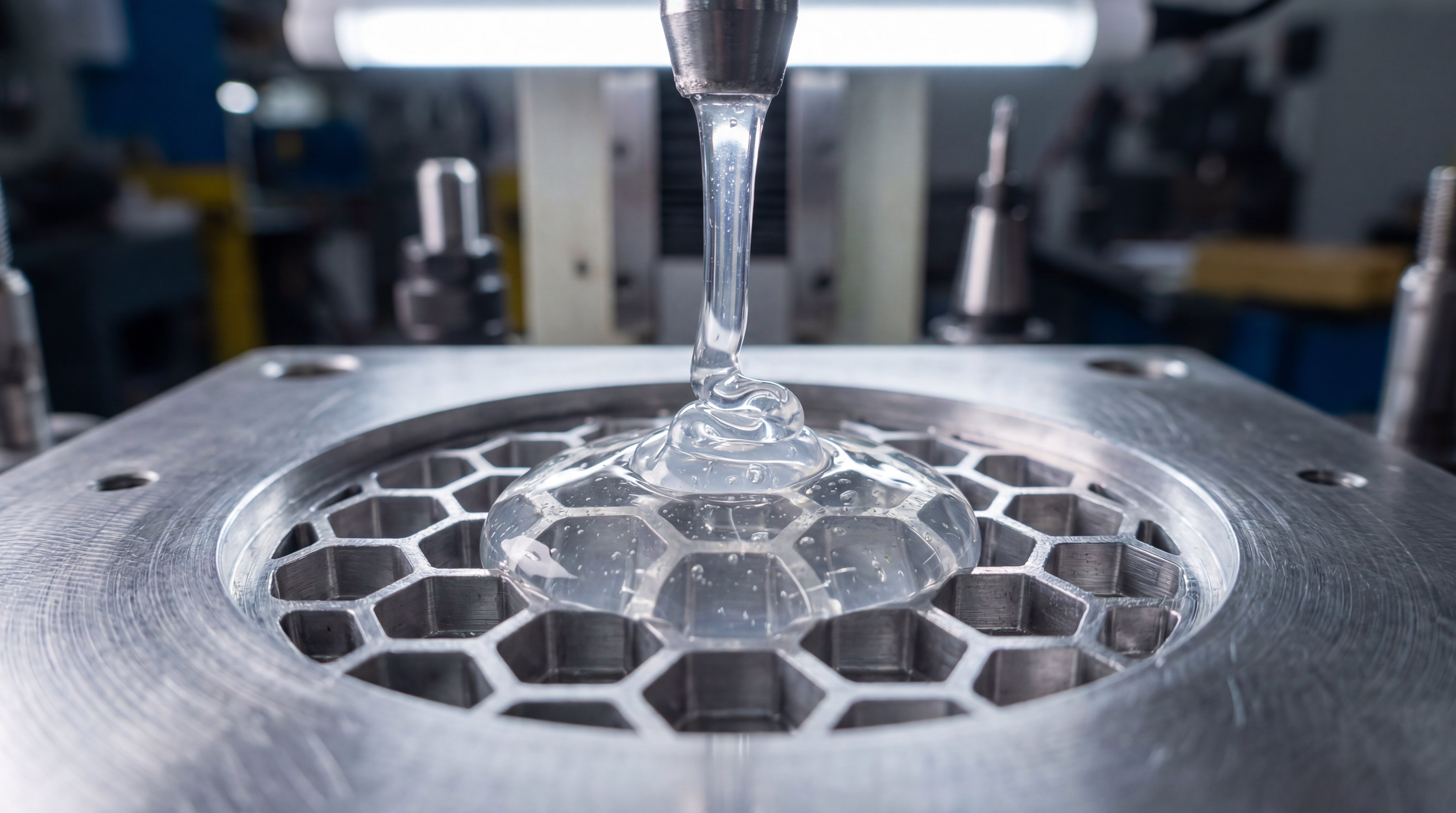
How does thermal stability affect silicone mold logos?
Thermal stability affects silicone mold logos by determining which inks and engraving depths are viable for high-temperature use. Because silicone can withstand up to 230°C, the branding must also survive these conditions. Every Silicone mold used in kitchens or engines must maintain its logo integrity under heat.
Performance in extreme temperatures
Think about it: if you use a standard ink that isn’t thermally rated, your logo will discolor or flake off in the oven. Engraved logos on a Silicone mold are naturally heat-proof since they are part of the raw material.
- Engraving is the safest choice for bakeware.
- Thermally-cured silicone inks are required for printing.
- Patterns remain stable even after thousands of heat cycles.
But here is the kicker: the “memory” of the silicone ensures the logo doesn’t distort permanently after cooling.
Key Takeaway: For products exposed to heat, CNC engraving or high-temp silicone inks are the only reliable branding solutions.
| Temperature Range | Engraving Success | Printing Success |
|---|---|---|
| -40°C to 0°C | 100% | 100% |
| 0°C to 100°C | 100% | 100% |
| 100°C to 230°C | 100% | Requires HT Inks |
Thermal endurance is a critical factor when designing branded silicone for professional or industrial use.
How do you select a logo method for your silicone mold?
Selecting a logo method for your silicone mold depends on balancing your upfront tooling budget with your long-term production goals. You must analyze whether the logo needs to be colorful or if a permanent tactile mark is sufficient. Every Silicone mold project has a unique “sweet spot” where cost meets quality.
Cost versus durability trade-offs
Look at it this way: paying more for CNC tooling today can save you thousands in printing fees over a million-unit run. However, for a small batch of promotional items, a Silicone mold branded with pad printing is much faster to execute.
- Tooling engraving is a one-time investment.
- Printing requires recurring labor and ink costs.
- Laser engraving offers the best middle ground for flexibility.
The bottom line is: the intended environment of the product dictates the necessary durability level.
Key Takeaway: Evaluate your total volume and the product’s lifespan to determine if the branding should be integrated into the tool or applied as a secondary step.
| Criteria | Tooling Engraving | Pad/Screen Printing | Laser Etching |
|---|---|---|---|
| Upfront Cost | High | Low | Moderate |
| Unit Cost | Zero | Moderate | Low |
| Flexibility | Low | High | High |
Choosing the right method ensures your brand remains visible without inflating your manufacturing overhead.
Frequently Asked Questions
Can I use multiple colors for a logo on a silicone mold?
Yes, this is entirely possible through screen or pad printing. You will need a separate setup for each color, which increases the per-unit cost but allows for very complex and vibrant brand designs.
What is the most permanent method for a silicone mold logo?
CNC engraving is the most permanent option available. Because the logo is carved directly into the metal mold, it becomes a physical part of the silicone part and can never wear off, fade, or peel.
How much does it cost to add a logo to a silicone mold?
The cost varies based on the method, ranging from a few hundred dollars for laser setup to thousands for custom CNC tooling. While tooling has a high entry price, it usually results in the lowest per-part cost for high-volume orders.
Will the logo on a silicone mold wear off over time?
Engraved logos will last for the entire life of the product, while printed logos may eventually fade. If you use high-quality silicone inks and proper heat-curing processes, printed logos can still withstand hundreds of industrial dishwasher cycles.
Is laser engraving safe for food-grade silicone molds?
Absolutely, as it is a physical process that does not introduce any foreign chemicals or inks. This makes it an ideal solution for branding kitchen tools and baby products where chemical leaching is a major concern.
Conclusion
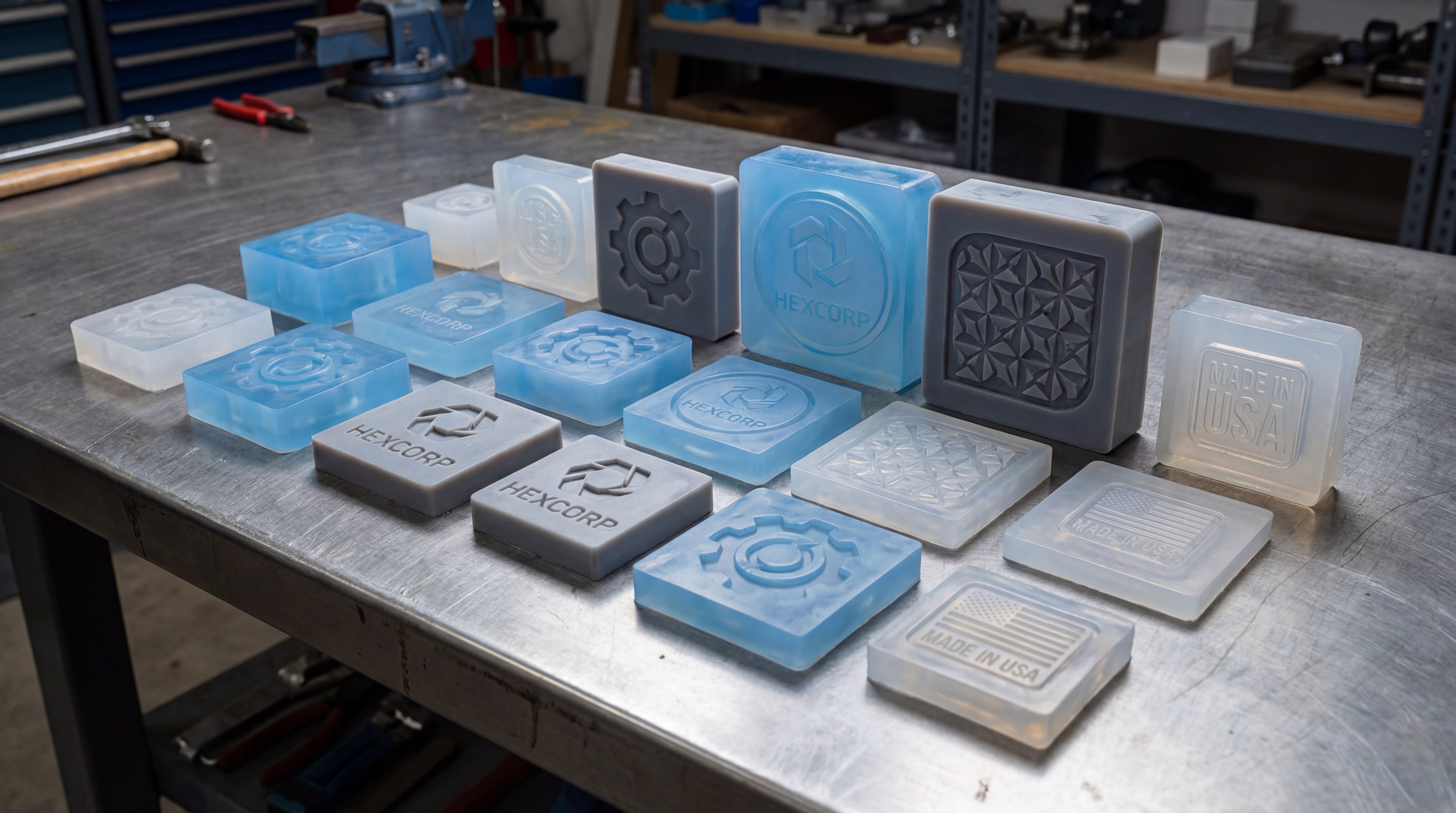
Successfully applying a logo or pattern to your silicone products requires a deep understanding of manufacturing processes like CNC milling, laser engraving, and specialized printing. We have explored how each method addresses the problems of brand visibility, durability, and production efficiency. By matching the right technique to your volume and budget, you ensure that your products stand out with professional quality that lasts. If you are ready to elevate your brand with precision-engineered silicone solutions, please contact us today to discuss your project requirements. Our vision is to empower global brands with stable, high-quality silicone manufacturing that transforms creative designs into market-leading products.