
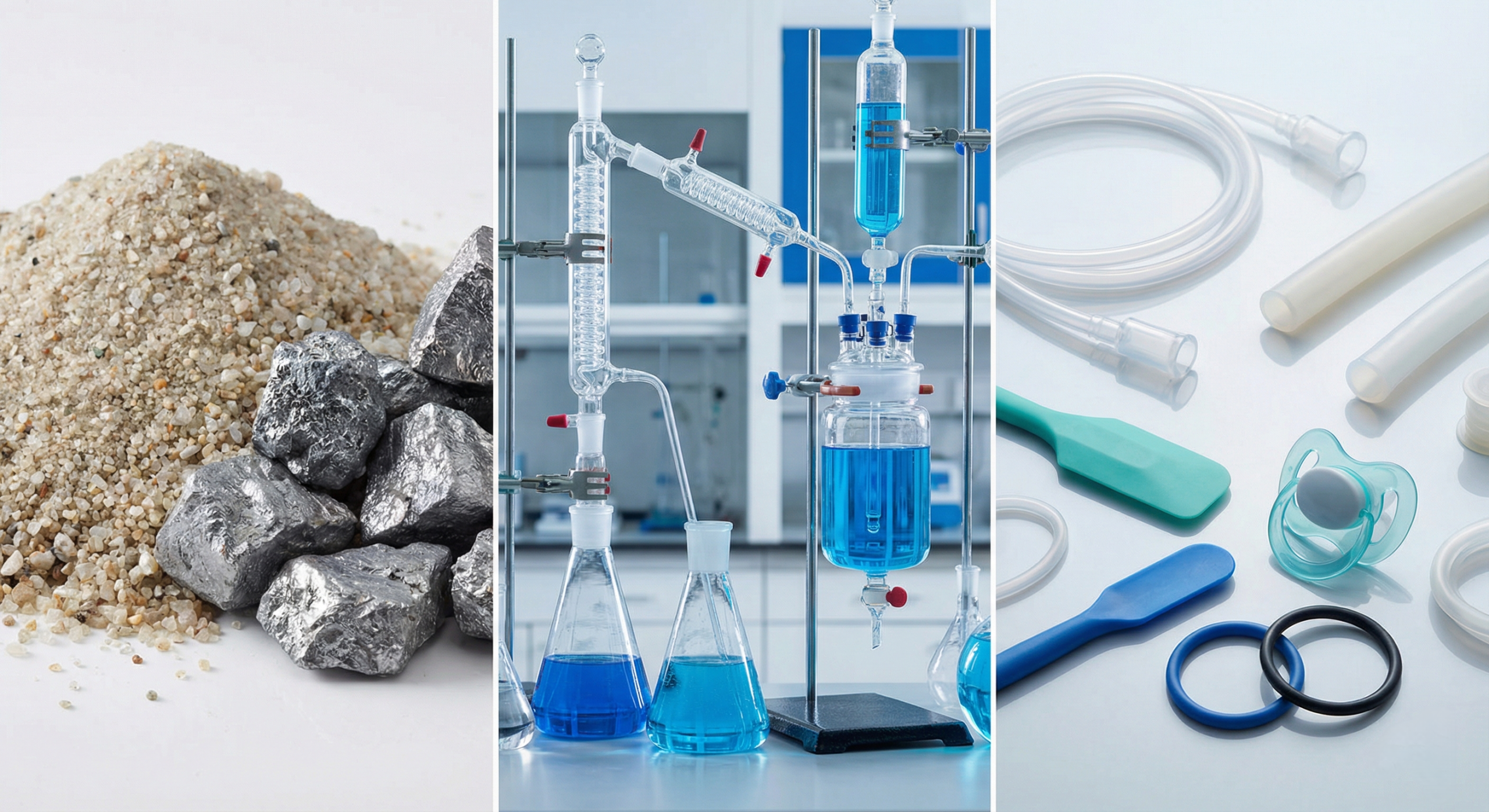
Silicone is produced through a multi-stage chemical synthesis that transforms natural silica into a high-performance synthetic polymer. Selecting the wrong material for sensitive industrial applications often feels like a high-stakes gamble between cost-efficiency and product safety. Many manufacturers struggle with traditional plastics that leach chemicals or degrade under thermal stress, leading to costly recalls and safety hazards. By understanding the specific science of what silicone made of, you can achieve a level of durability and biocompatibility that standard petroleum-based polymers simply cannot match.
What is the base material that silicone is made of?
Silicone is a synthetic elastomer derived from a backbone of silicon and oxygen atoms, which differentiates it from carbon-based plastics. The fundamental building blocks what silicone made of are found in common minerals like quartz, but they must undergo significant processing to become functional. This unique hybrid structure allows the material to bridge the gap between organic and inorganic substances.
The Role of Silica in Production
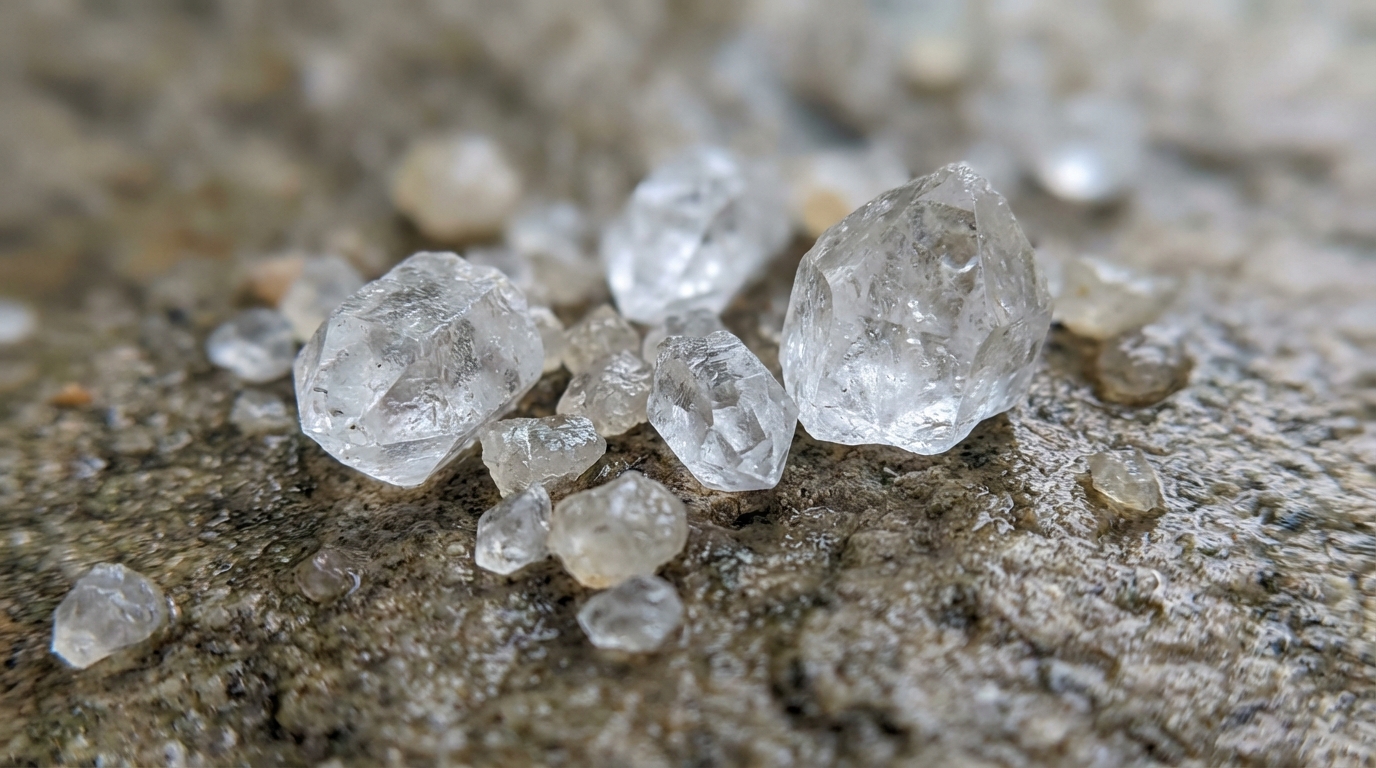
Silica, or silicon dioxide, serves as the primary raw feedstock for the entire manufacturing lifecycle. Think about it: without the high-purity quartz sand found in the earth’s crust, the modern electronics and medical industries would lack their most reliable sealing materials.
- Silica is harvested from quartz sand deposits.
- It provides the silicon atoms needed for the polymer chain.
- The purity of the silica determines the final quality of the rubber.
- High-grade silica is essential for medical and food-grade variants.
The reality is: the transition from sand to a flexible gasket is one of the most energy-intensive processes in modern material science.
Key Takeaway: Silicone begins as a mineral (silica) before being synthesized into a versatile polymer through industrial chemical reactions.
| Component | Origin | Function in Silicone |
|---|---|---|
| Silica | Quartz Sand | Provides the silicon atomic foundation |
| Carbon | Industrial Coke | Acts as a reducing agent in furnaces |
| Oxygen | Atmosphere/Silica | Forms the “siloxane” bond with silicon |
Selecting a manufacturer with traceable silica sources ensures that your end products maintain consistent physical properties across every production batch.
How do manufacturers transform raw silica into silicone?
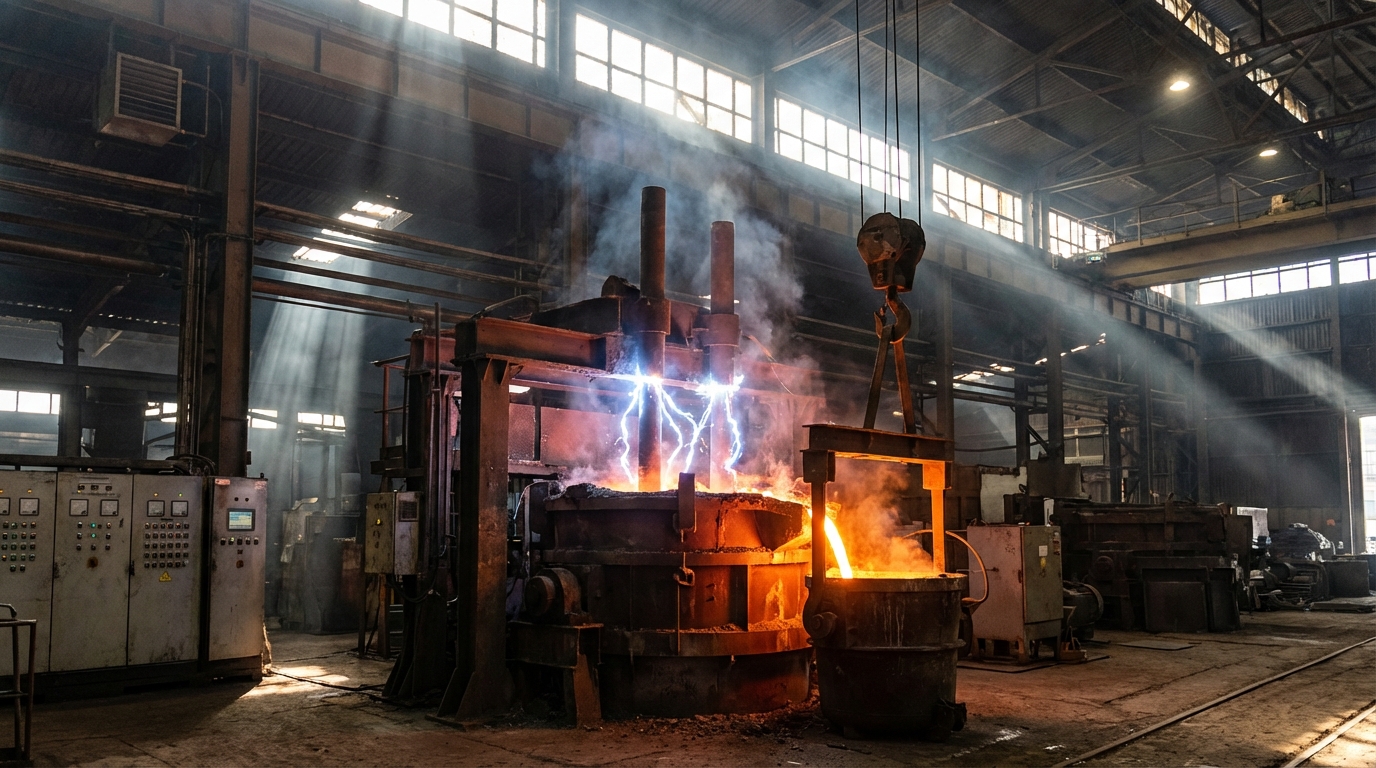
The industrial transformation of what silicone made of involves reducing silica to silicon metal and then reacting it with methyl chloride. This chemical journey requires temperatures exceeding 1,500°C to break the strong bonds between silicon and oxygen found in sand. Once the metal is isolated, it is ground into a fine powder to prepare for the next stage of polymerization.
From Mineral to Silane Gas
The process of refining these minerals is a feat of chemical engineering that happens in massive electric arc furnaces. But here is the kicker: the silicon metal produced at this stage is a brittle metalloid, not the flexible rubber you recognize.
- Silica is heated with carbon to remove oxygen.
- The resulting silicon metal is refined to 99% purity.
- Silicon powder is reacted with chemicals to form silanes.
- Distillation separates these silanes into specific grades.
You should know that the precise control of these gas-phase reactions is what determines the final viscosity and hardness of the material.
Key Takeaway: Industrial synthesis uses high heat and chemical reactions to turn brittle minerals into fluid silane precursors.
| Stage | Process | Resulting State |
|---|---|---|
| Reduction | Electric Arc Furnace | Liquid/Solid Silicon Metal |
| Grinding | Industrial Milling | Fine Silicon Powder |
| Reaction | Müller-Rochow Process | Methyl Chlorosilanes |
Advanced refining techniques are required to ensure that no heavy metal contaminants remain in the material intended for high-purity applications.
What are the main differences between silicon and silicone?
While silicon is a naturally occurring element, the synthetic polymer silicone made of is a complex human-made material. Silicon (Si) is the fourteenth element on the periodic table and exists as a hard, metallic-looking solid primarily used in semiconductors. Silicone, on the other hand, is the finished rubber or fluid that integrates that element with oxygen and organic side groups.
Elemental Silicon vs. Synthetic Polymer
Understanding the nomenclature is vital for procurement teams who need to specify material requirements accurately. Look at it this way: silicon is the ingredient, while silicone is the baked cake that has been modified for specific performance.
- Silicon is a chemical element and an inorganic metalloid.
- Silicone is a polymer containing silicon-oxygen-silicon chains.
- Silicon is conductive; silicone is an excellent insulator.
- Silicon is brittle, while silicone is highly elastic and flexible.
The bottom line is: you cannot use the terms interchangeably without causing significant confusion in technical documentation and material sourcing.
Key Takeaway: Silicon is a raw element used in chips, whereas silicone is an engineered elastomer used for seals, parts, and coatings.
| Feature | Silicon (Element) | Silicone (Polymer) |
|---|---|---|
| Physical State | Brittle, Metallic Solid | Flexible Rubber or Liquid |
| Chemical Class | Inorganic Element | Organosilicon Polymer |
| Heat Resistance | Melts at 1,414°C | Stable from -60°C to 230°C |
Identifying these differences helps engineers choose between the electrical properties of the element and the mechanical durability of the polymer.
Why is silica considered the foundation of silicone?
Silica is the core mineral component what silicone made of, providing the essential atoms needed to create the polymer’s inorganic backbone. Because silica is the second most abundant element in the Earth’s crust, it ensures a stable and scalable supply chain for global manufacturing. Its structural stability at the atomic level is what gives the final silicone material its legendary resistance to extreme temperatures.
The Abundance and Purity of Feedstock
The availability of high-quality quartz sand determines where the largest silicone production facilities are strategically located. Let’s be honest: the material’s reliability starts with the quality of the sand being fed into the electric furnace.
- Silica provides the $SiO_2$ molecular structure.
- Natural quartz is the preferred source for industrial production.
- Consistency in silica grain size improves furnace efficiency.
- Purity levels in the sand impact the final transparency of the rubber.
Think about it: the very sand you walk on at the beach contains the foundational elements for the high-tech seals in a spacecraft.
Key Takeaway: Silica’s prevalence and molecular strength make it the ideal, sustainable starting point for all silicone-based products.
| Property | Value of Silica | Benefit to Silicone |
|---|---|---|
| Chemical Stability | Extremely High | Resists chemical degradation |
| Abundance | >25% of Earth’s Crust | Ensures long-term supply stability |
| Thermal Resistance | High Melting Point | Contributes to heat stability |
A reliable supply of high-purity silica is the first checkpoint in a quality-controlled manufacturing process that prevents batch failures.
What chemical elements are found in silicone polymers?
The chemical chain silicone made of is a sophisticated arrangement of silicon, oxygen, carbon, and hydrogen. Unlike most organic polymers that rely on a carbon-to-carbon backbone, silicone uses a “siloxane” bond consisting of alternating silicon and oxygen atoms. This inorganic backbone is then shielded by organic groups, typically methyl groups, which provide the material with its unique water-repellent properties.
The Molecular Architecture of Siloxanes
The specific arrangement of these atoms determines whether the material will be a runny lubricant or a tough, industrial-grade gasket. The reality is: by swapping out a few organic molecules, chemists can completely change how the material reacts to UV light or chemicals.
- Silicon and oxygen form the primary structural backbone.
- Methyl groups ($CH_3$) are the most common organic attachments.
- Vinyl groups can be added to facilitate the curing process.
- Phenyl groups are used to enhance low-temperature flexibility.
But here is the catch: if the chemical balance is slightly off during synthesis, the material may fail to cure properly or lose its elasticity.
Key Takeaway: The Si-O-Si backbone is the secret to silicone’s superior environmental resistance compared to traditional carbon-based rubbers.
| Element | Atomic Symbol | Role in Polymer |
|---|---|---|
| Silicon | Si | Main structural element |
| Oxygen | O | Connects silicon atoms in the chain |
| Carbon | C | Forms the organic side groups |
| Hydrogen | H | Stabilizes the organic molecules |
Understanding this atomic structure allows engineers to predict how silicone will perform under the stress of high-voltage or corrosive environments.
How does the heating process affect silicone production?
Thermal energy is the catalyst used to rearrange the atoms what silicone made of from solid minerals into reactive chemicals. Without the intense heat of the electric arc furnace, it would be impossible to strip the oxygen away from the silica to create pure silicon metal. Later in the process, controlled heating is used again during “vulcanization” to cross-link the polymer chains and create a solid, rubbery state.
Thermal Reduction and Polymerization
The energy consumption required for these processes is one of the highest in the chemical industry due to the strength of the silicon-oxygen bond. Consider this: the heat used to make silicone is often recycled to pre-heat the next batch of raw materials to maximize efficiency.
- Furnaces reach temperatures above 1,500°C for reduction.
- Secondary heating occurs during the distillation of silanes.
- Curing ovens use heat to trigger the cross-linking of the rubber.
- Post-curing removes volatile organic compounds from the final part.
The truth is: temperature control is the most critical variable in preventing structural defects during the molding and extrusion stages.
Key Takeaway: Heat is required both at the beginning (to extract silicon) and at the end (to cure the rubber) of the production cycle.
| Heating Phase | Temperature Range | Industrial Purpose |
|---|---|---|
| Silica Reduction | 1,500°C – 1,900°C | Extracting pure silicon metal |
| Distillation | 50°C – 150°C | Purifying chemical precursors |
| Vulcanization | 120°C – 200°C | Turning liquid into solid rubber |
Strict adherence to thermal profiles during the molding process ensures that the finished parts do not suffer from shrinkage or internal voids.
What are the different forms of industrial silicone?
Depending on the specific additives used, the substances silicone made of can be manufactured into fluids, resins, gels, or elastomeric rubbers. This versatility allows the same base chemistry to be applied as a thin lubricant in a car engine or as a rigid insulating coating on an electrical circuit board. The choice of form depends entirely on the mechanical demands and the application environment of your project.
Fluids, Resins, and Elastomers
Manufacturers categorize these forms based on the length of the polymer chains and the degree of cross-linking achieved during production. Think about it: a shorter polymer chain results in a more liquid state, while extensive cross-linking creates a hard, durable resin.
- Silicone fluids are used for lubrication and personal care.
- Liquid Silicone Rubber (LSR) is ideal for high-precision injection molding.
- Solid Silicone Rubber (HCR) is used for extrusion and compression.
- Silicone resins provide heat-stable coatings and adhesives.
The reality is: Liquid Silicone Rubber has become the gold standard for high-volume, precision manufacturing in the electronics and medical fields.
Key Takeaway: Silicone’s physical state is highly customizable, ranging from free-flowing liquids to high-strength, solid elastomers.
| Form | Viscosity/State | Common B2B Use |
|---|---|---|
| Fluids | Low (Liquid) | Hydraulic oils and lubricants |
| LSR | Medium (Paste) | Precision medical and baby products |
| HCR | High (Solid) | High-voltage cables and seals |
| Gels | Soft (Semi-Solid) | Impact protection and breast implants |
Choosing the correct industrial form ensures that your manufacturing process remains efficient while meeting the end-user’s tactile and functional needs.
Is silicone a safer alternative to traditional plastics?
Because the elemental components silicone made of are chemically inert, it avoids many of the health risks associated with petroleum-based plastics. Unlike PVC or polycarbonate, high-quality silicone does not contain Bisphenol A (BPA), phthalates, or lead, which are known to leach into food or sensitive environments. This chemical stability makes it the preferred choice for any application where human health or long-term environmental safety is a priority.
Biocompatibility and Chemical Inertness
The low surface tension and lack of reactive molecules mean that bacteria struggle to grow on silicone surfaces. But here is the kicker: silicone can be sterilized repeatedly in an autoclave without losing its mechanical properties, a feat most plastics cannot match.
- Silicone does not leach chemicals at high temperatures.
- It is hypoallergenic and non-reactive with human tissue.
- The material is highly resistant to UV and ozone degradation.
- It does not emit toxic fumes even when exposed to open flames.
The bottom line is: for applications involving infants or patients, the safety profile of silicone is virtually unmatched by any other polymer.
Key Takeaway: Silicone’s lack of harmful additives and high chemical stability make it significantly safer than traditional plastics for sensitive uses.
| Safety Factor | Silicone | Traditional Plastic |
|---|---|---|
| BPA Content | None | Often Present |
| Leaching Risk | Extremely Low | High at high temperatures |
| Sterilization | Safe (High Heat) | Limited (May melt/degrade) |
Specifying medical-grade or food-grade silicone ensures compliance with international standards like the FDA and LFGB, protecting your brand from liability.
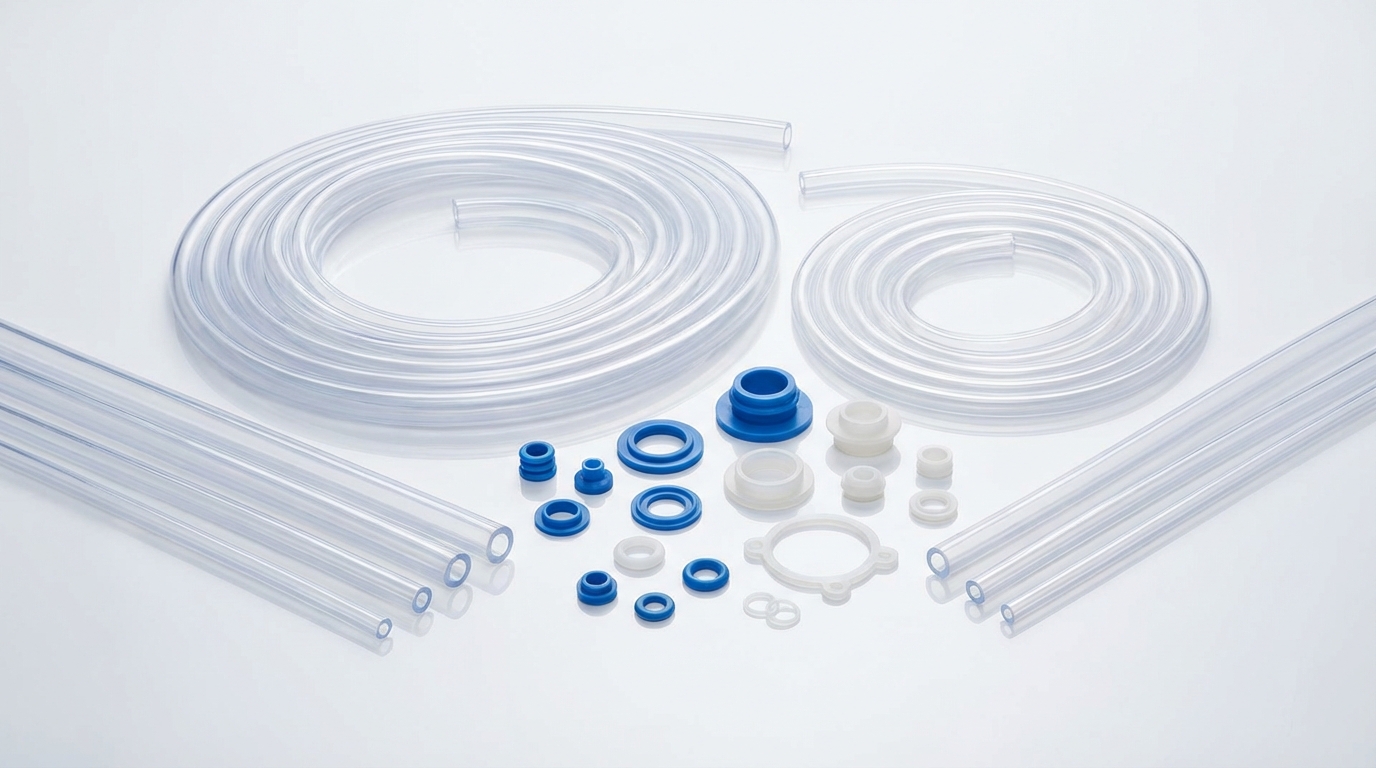
What common kitchen items use silicone material today?
High-performance kitchenware is often silicone made of because the material can transition from a freezer to a hot oven without cracking or melting. From non-stick baking mats and muffin molds to heat-resistant spatulas and oven mitts, silicone has replaced many traditional metal and plastic tools. Its flexibility also allows for space-saving designs, such as collapsible colanders and storage containers that maintain their shape for years.
Domestic Heat Resistance and Durability
The popularity of silicone in the kitchen stems from its ability to withstand temperatures up to 230°C while remaining cool to the touch. Look at it this way: a silicone spatula won’t scratch your expensive non-stick pans, and it won’t melt if left resting on the edge of a hot pot.
- Baking mats provide a reusable, non-stick surface.
- Ice cube trays remain flexible even at sub-zero temperatures.
- Oven mitts offer superior grip and thermal protection.
- Suction lids create airtight seals on various container sizes.
The reality is: silicone’s non-porous surface prevents it from absorbing food odors or stains, making it more hygienic than wooden or plastic alternatives.
Key Takeaway: Silicone’s thermal range and non-stick properties have made it the indispensable material for modern, safe, and durable kitchenware.
| Kitchen Item | Material Benefit | User Advantage |
|---|---|---|
| Baking Mold | Thermal Stability | Easy release without greasing |
| Spatula | High Heat Resistance | Will not melt or scratch cookware |
| Storage Bag | Durability | Reusable alternative to single-use plastic |
For B2B buyers in the housewares industry, silicone products represent a premium, eco-friendly segment that appeals to health-conscious consumers.
How is silicone used in modern medical applications?
Precision medical devices are frequently silicone made of to ensure they are biocompatible and safe for long-term contact with the human body. Because the body does not recognize silicone as a foreign threat, it is used for critical components like catheters, heart valves, and joint replacements. Its purity and resistance to common sterilization methods like steam and radiation ensure that clinical tools remain functional and sterile.
Life-Saving Precision and Purity
In the medical field, the cost of material failure is measured in human lives, making silicone’s reliability a non-negotiable requirement. Think about it: the same chemistry that makes a baby’s pacifier safe is used to create the seals in a complex surgical robot.
- Catheters use silicone for its softness and flexibility.
- Implants rely on the material’s long-term biocompatibility.
- Seals in ventilators must remain airtight under constant pressure.
- Medical keypads are designed for frequent chemical disinfection.
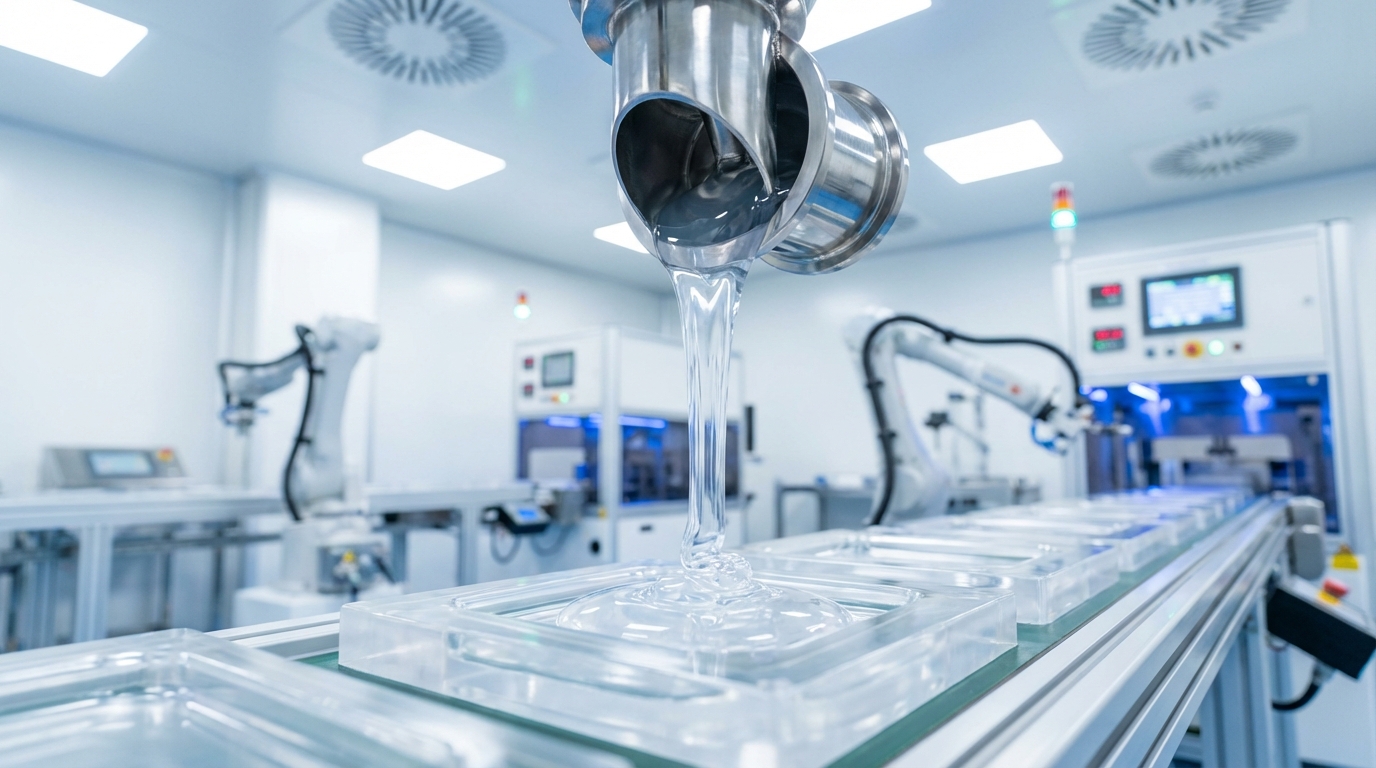
But here is the catch: only specific “medical-grade” silicone, processed in cleanroom environments, meets the rigorous standards required for surgical use.
Key Takeaway: Silicone’s unique biocompatibility allows it to perform safely inside the human body for years without triggering an immune response.
| Medical Use | Performance Requirement | Silicone’s Advantage |
|---|---|---|
| Implants | Biocompatibility | Does not react with bodily fluids |
| Tubing | Kink Resistance | Maintains flow in critical situations |
| Gaskets | Sterilizability | Withstands repeated autoclave cycles |
Partnering with a manufacturer that operates ISO-certified cleanrooms is essential for producing the high-purity parts demanded by the healthcare sector.

*
Frequently Asked Questions
Can I use silicone products in high-temperature ovens?
Yes, most industrial and food-grade silicone is rated for continuous use at temperatures up to 230°C (446°F), far exceeding the limits of standard plastics. The material will not melt or release toxic fumes at these temperatures, though you should always verify the specific rating for your component.
Can I recycle silicone components at home?
No, silicone cannot be processed in standard curbside recycling bins because it requires specialized industrial facilities to break down the siloxane bonds. However, specialized recyclers can grind old silicone into fillers or chemically revert it back into silicone oil for reuse in industrial applications.
Can I find silicone in liquid form for industrial use?
Yes, Liquid Silicone Rubber (LSR) and silicone oils are widely available for injection molding, lubrication, and dampening applications. LSR is particularly favored for high-precision B2B manufacturing because it flows easily into complex mold geometries and cures quickly.
Can I trust silicone for medical implants?
Medical-grade silicone is one of the most thoroughly tested materials in the world and is widely trusted for long-term implants due to its inert chemical nature. It does not support bacterial growth and maintains its physical properties even after years of exposure to bodily fluids.
Can I replace plastic baby bottles with silicone?
Yes, silicone is a superior alternative for infant care products because it is durable, soft, and completely free from BPA and other endocrine disruptors. It is also more resistant to the high temperatures used in bottle sterilizers compared to many transparent plastics.
Conclusion
At HuaLin Silicone, we believe that understanding the intricate details of what silicone made of is the first step toward engineering a superior product. Our commitment to using high-purity silica and advanced manufacturing processes ensures that every part we produce meets the most demanding global standards for safety and performance. Whether you are developing life-saving medical devices or durable consumer electronics, our team is ready to provide the technical expertise and ISO-certified quality you need to succeed. If you are looking for a reliable manufacturing partner to bring your complex designs to life, contact us today for a comprehensive project review and custom quotation.