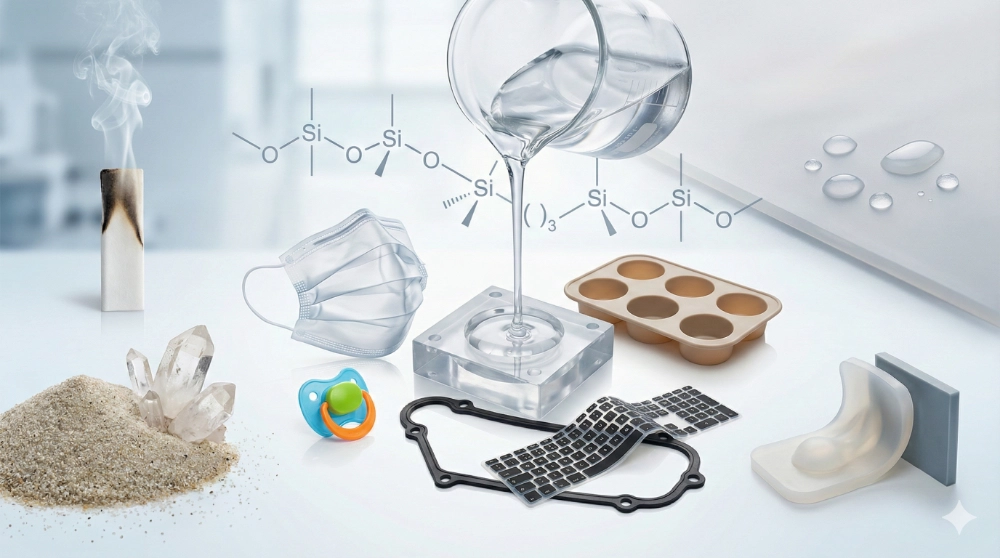
Many engineers and procurement specialists mistakenly believe that liquid silicone rubber is a simple, inflexible material with limited industrial utility. If you rely on outdated myths during the design phase, you risk over-engineering your components or choosing materials that drive up production costs unnecessarily. At HuaLin Silicone, we help you navigate these complexities by providing precision-engineered liquid silicone rubber solutions that debunk traditional manufacturing limitations and unlock new product possibilities.
Is Liquid Silicone Rubber a Simple Chemical Element?
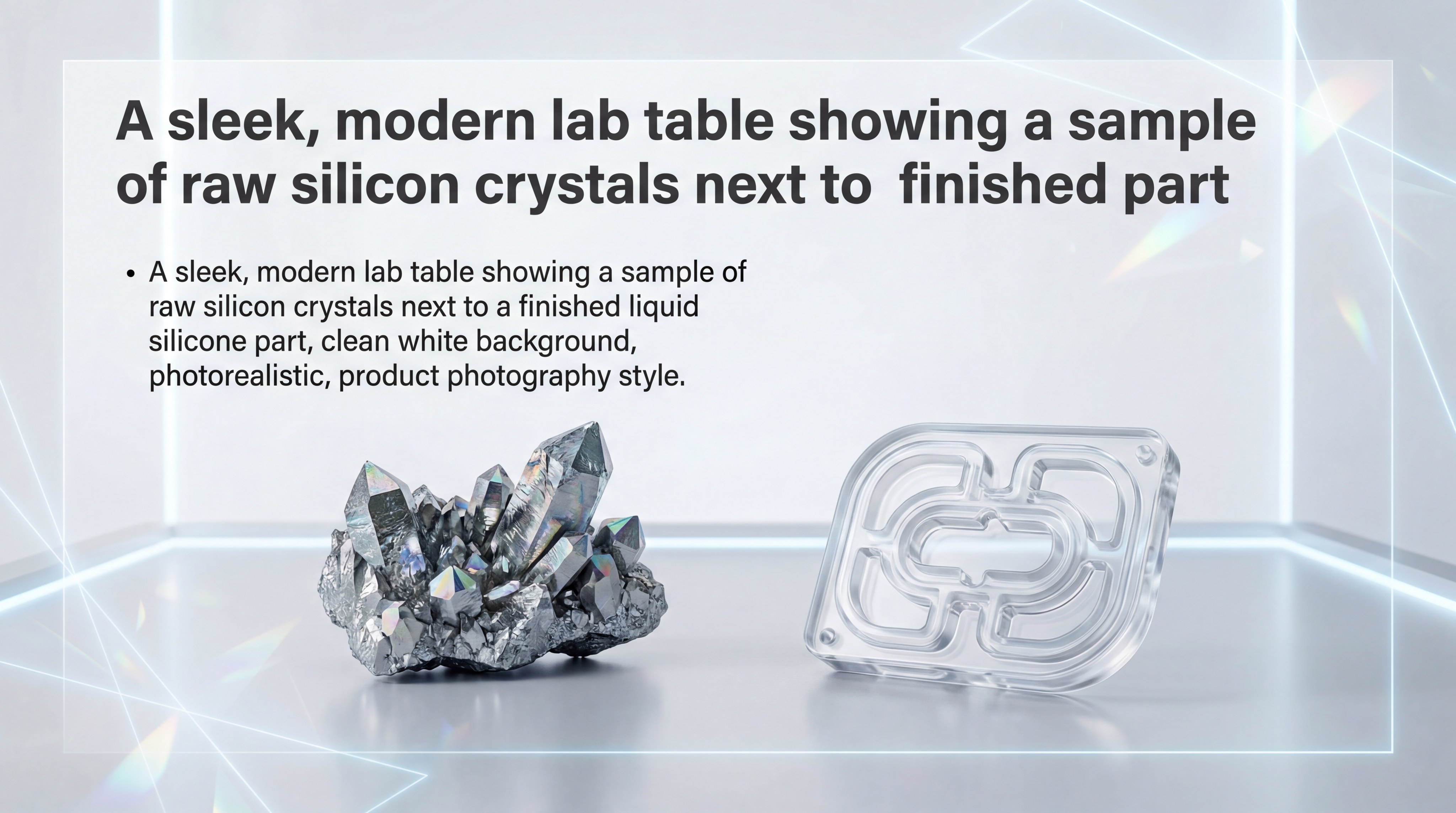
Liquid silicone rubber is not a raw chemical element but a sophisticated, multi-component engineered polymer. While it is derived from silicon, the final material is a complex macromolecule formed by alternating silicon and oxygen atoms. This molecular structure is what gives the material its unique stability and high-performance characteristics.
What Is the Difference Between Silicon and Silicone?
Think about it: many people use these terms interchangeably, yet they represent entirely different substances. Silicon is a naturally occurring element found in the periodic table, whereas silicone is a synthetic polymer created through chemical processing. The transition from element to elastomer requires significant engineering to achieve the desired mechanical properties.
How Is the Liquid Silicone Rubber Formulation Created?
Modern manufacturing involves a precise mix of long polysiloxane chains and specially treated silica.
- Component A: Often contains the platinum catalyst required for curing.
- Component B: Contains methyl hydrogen siloxane and inhibitors to control the reaction speed.
- Additives: Fillers and pigments are added to meet specific hardness or color requirements.
Key Takeaway: Understanding that LSR is a complex compound allows engineers to customize its chemical formulation for specific durability and thermal needs.
| Feature | Silicon (Element) | Silicone (Polymer) |
|---|---|---|
| Origin | Natural (Periodic Table #14) | Synthetic (Engineered) |
| State | Hard, brittle solid | Liquid, gel, or elastomer |
| Primary Use | Semiconductors/Electronics | Medical, Automotive, Consumer |
Use this comparison to ensure your technical documentation accurately identifies the material origins and processing requirements.
Is Liquid Silicone Rubber Synthetic or Natural?
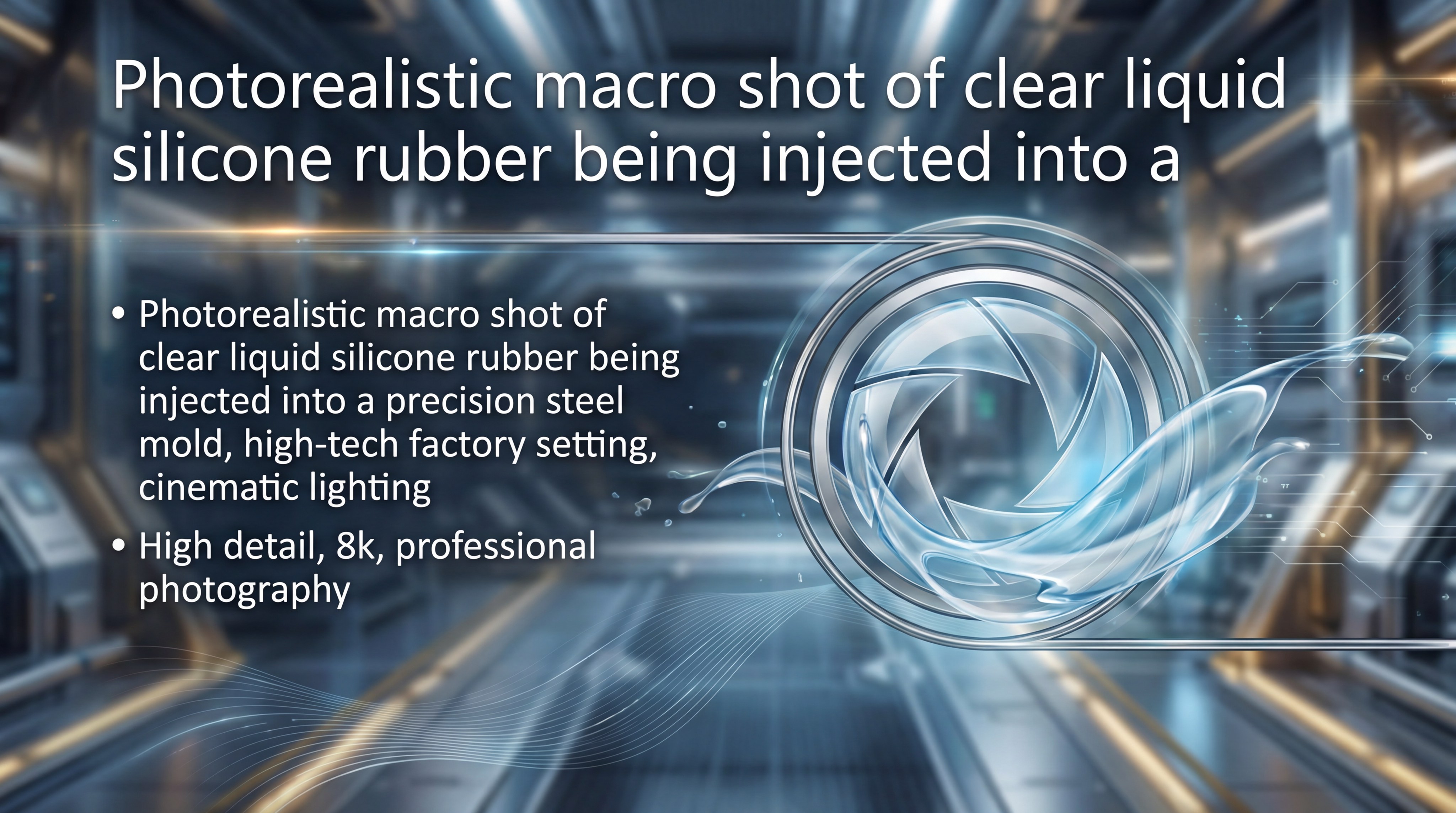
Liquid silicone rubber is considered a synthetic material because it is chemically manufactured by humans, though its foundational raw material is entirely natural. The process begins with silica, or common sand, which is the second most abundant element in the Earth’s crust. By modifying this natural element, we create high-performance polymers used in various industrial applications.
Why Is the Raw Material Sourcing Important?
The reality? The journey from sand to a finished gasket involves high-energy refinement to extract pure silicon. This silicon is then reacted with hydrocarbons to create the siloxane backbone that defines the material. This hybrid nature makes the material more sustainable than petroleum-based plastics while maintaining synthetic-level precision.
How Does This Impact Sourcing for Industrial Applications?
Because the base material is abundant, the supply chain for liquid silicone rubber remains relatively stable compared to rare-earth polymers.
- Abundance: Sourced from silica sand found globally.
- Stability: Not subject to the same price volatility as oil-based rubbers.
- Purity: Refinement processes ensure that the material remains free of heavy metal contaminants.
Key Takeaway: While the manufacturing process is synthetic, the natural silica foundation provides a more sustainable and stable raw material source for long-term production.
| Attribute | Natural Origins | Synthetic Processing |
|---|---|---|
| Source Material | Silica / Quartz Sand | Polysiloxane Synthesis |
| Consistency | High variability in raw state | Highly controlled batch consistency |
| Refinement | Extraction of pure Silicon | Addition of catalysts and cross-linkers |
Refer to this breakdown when evaluating the environmental footprint and supply chain reliability of your chosen elastomers.
Can LSR Only Be Processed at High Temperatures?
Liquid silicone rubber does not always require extreme heat, as modern formulations allow for curing at significantly lower temperatures than traditional rubbers. While high-volume injection molding often uses heat to speed up cycle times, the material can be modified for specialized low-temperature vulcanization. This flexibility is essential for overmolding sensitive electronic components that cannot withstand high heat.
What Are Low-Temperature Vulcanization Capabilities?
Here’s the kicker: specialized platinum catalysts can trigger the cross-linking process at much lower thresholds than peroxide-cured systems. This allows for the production of high-precision seals directly onto plastic housings without warping the substrate. It expands the design possibilities for multi-shot molding and complex assemblies.
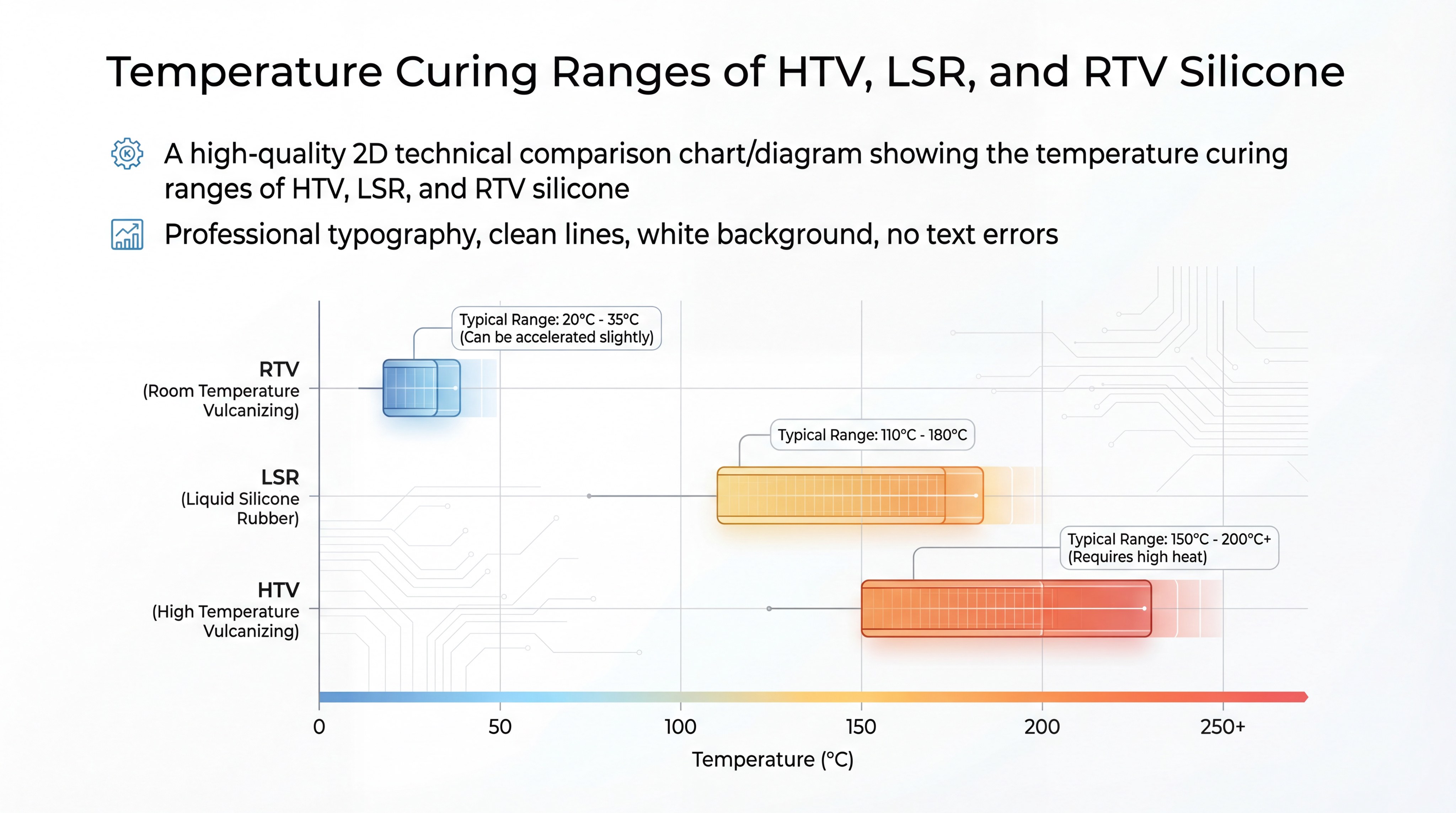
How Do Curing Temperatures Compare Across Silicone Types?
- RTV: Cures at room temperature, ideal for sealants and large-scale potting.
- LSR: Typically cured between 110°C and 180°C, but adjustable for sensitive parts.
- HTV: Requires high temperature and pressure, similar to traditional organic rubbers.
Key Takeaway: Temperature sensitivity is a controllable variable in LSR production, allowing for the protection of delicate internal components during the molding process.
| Silicone Type | Curing Range | Primary Processing Method |
|---|---|---|
| RTV | 20°C – 35°C | Manual dispensing or pouring |
| LSR | 110°C – 180°C | Liquid Injection Molding (LIM) |
| HTV | 150°C – 200°C+ | Compression or Transfer Molding |
Review these temperature profiles to determine the most cost-effective molding route for your specific part geometry and substrate.
Is the Surface of Liquid Silicone Rubber Always Tacky?
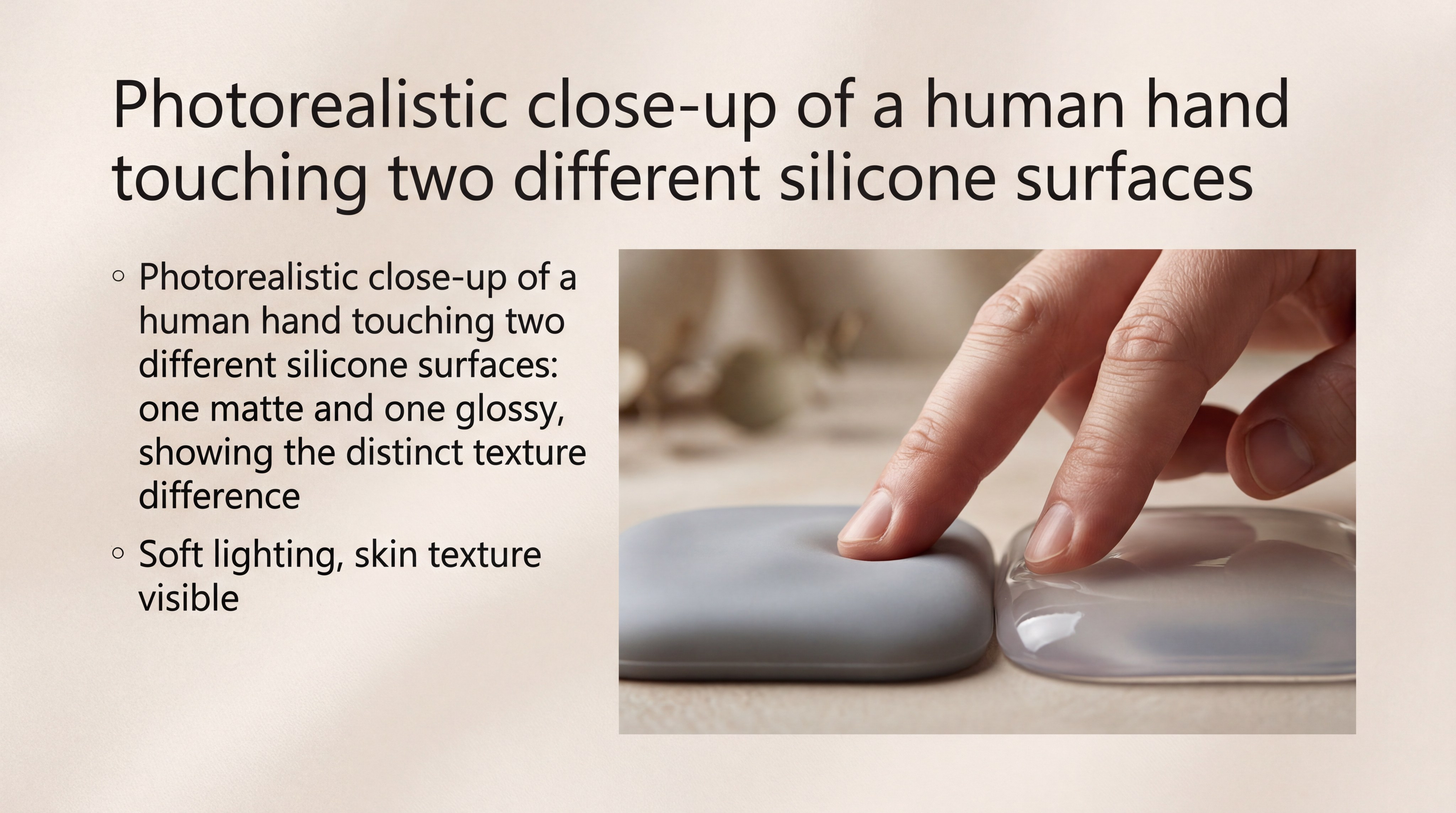
Liquid silicone rubber is not inherently sticky; its surface energy and tactile feel can be customized during the compounding or post-molding stages. Many users associate silicone with a high-friction feel, but professional-grade parts can be engineered to be incredibly smooth or even silky. This customization is particularly vital for LSR communication parts that require a premium, non-dust-attractive finish.
Can You Customize the Tactile Feel of Silicone?
You might be wondering: how do we achieve a “dry” feel on a material that starts as a liquid? By adjusting the chemical formulation or applying specialized surface coatings, we can eliminate the natural tackiness associated with raw elastomers. This allows the parts to slide easily into assemblies or provide a comfortable grip for consumer-facing devices.
What Surface Treatments Are Available for Technical Parts?
- Mica Additives: Mixing in mineral fillers can create a matte, low-friction surface.
- Spray Coatings: Polyurethane or specialized silicone inks can provide a protective, non-tacky barrier.
- Mold Texturing: Etching the steel mold creates physical micro-textures that diffuse surface stickiness.
Key Takeaway: Surface tackiness is a design choice that can be mitigated through material science and mold engineering to meet specific user-experience requirements.
| Surface Finish | Tactile Property | Common Application |
|---|---|---|
| Glossy | High friction, grippy | Non-slip feet, waterproof seals |
| Matte | Low friction, soft-touch | Wearable straps, remote controls |
| Coated | Silky, dust-resistant | Medical tubing, premium electronics |
Evaluate your part’s interaction with human skin or other components to select the appropriate surface energy level.
Are All Liquid Silicone Rubber Parts Soft and Flexible?
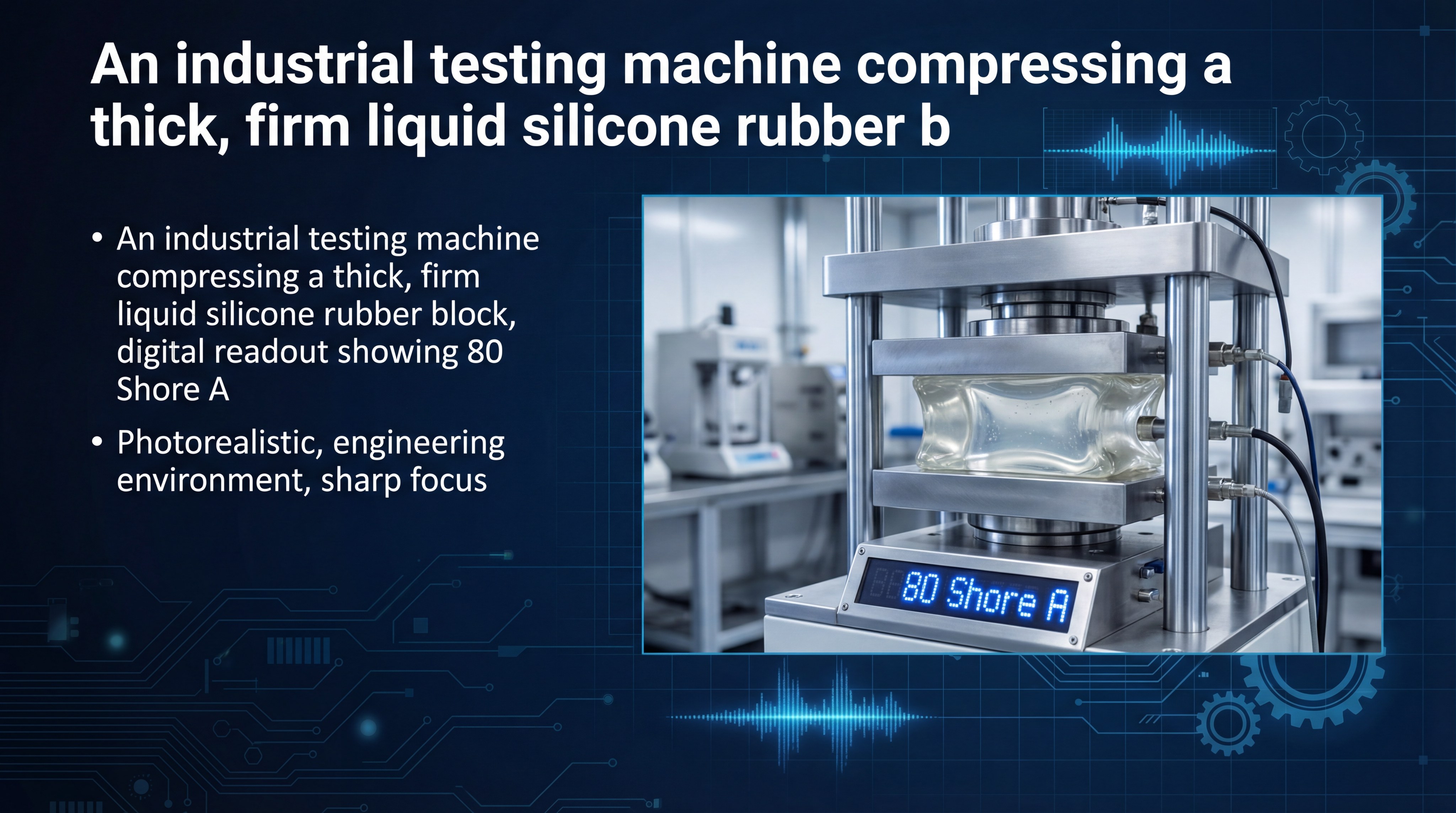
Liquid silicone rubber can be engineered to reach high levels of firmness, contradicting the myth that it is always gel-like or soft. While its flexibility is a hallmark feature, the Shore A hardness of the material can range from a soft 10 to a very firm 80 or higher. This versatility allows it to replace rigid plastics in applications where vibration damping and durability are both required.
How Is Hardness Measured on the Shore A Scale?
Why does this matter? Choosing the wrong durometer can lead to mechanical failure or poor sealing performance under pressure. A 10 Shore A material feels like a soft marshmallow, whereas an 80 Shore A material is as firm as a high-performance skate wheel. High-durometer LSR maintains its shape better under load while still offering superior heat resistance.
What Are High-Durability Applications for Harder LSR?
- Structural Gaskets: Harder grades prevent over-compression in high-pressure environments.
- Acoustic Dampeners: Specific hardness levels are used to tune sound frequencies.
- Industrial Rollers: Firm silicone provides chemical resistance and grip without deforming.
Key Takeaway: The durometer of LSR is a tunable specification, enabling the material to serve as either a soft cushion or a structural industrial component.
| Hardness Level | Visual/Tactile Reference | Mechanical Focus |
|---|---|---|
| 10 – 30 Shore A | Soft rubber band / Gel | Maximum elongation and flexibility |
| 40 – 60 Shore A | Pencil eraser | General purpose sealing and gaskets |
| 70 – 80+ Shore A | Hard plastic-like | High compression resistance and stability |
Select your durometer based on the required compression set and the mechanical load the part will endure during its lifecycle.
Does Liquid Silicone Rubber Emit Toxic Burning Fumes?
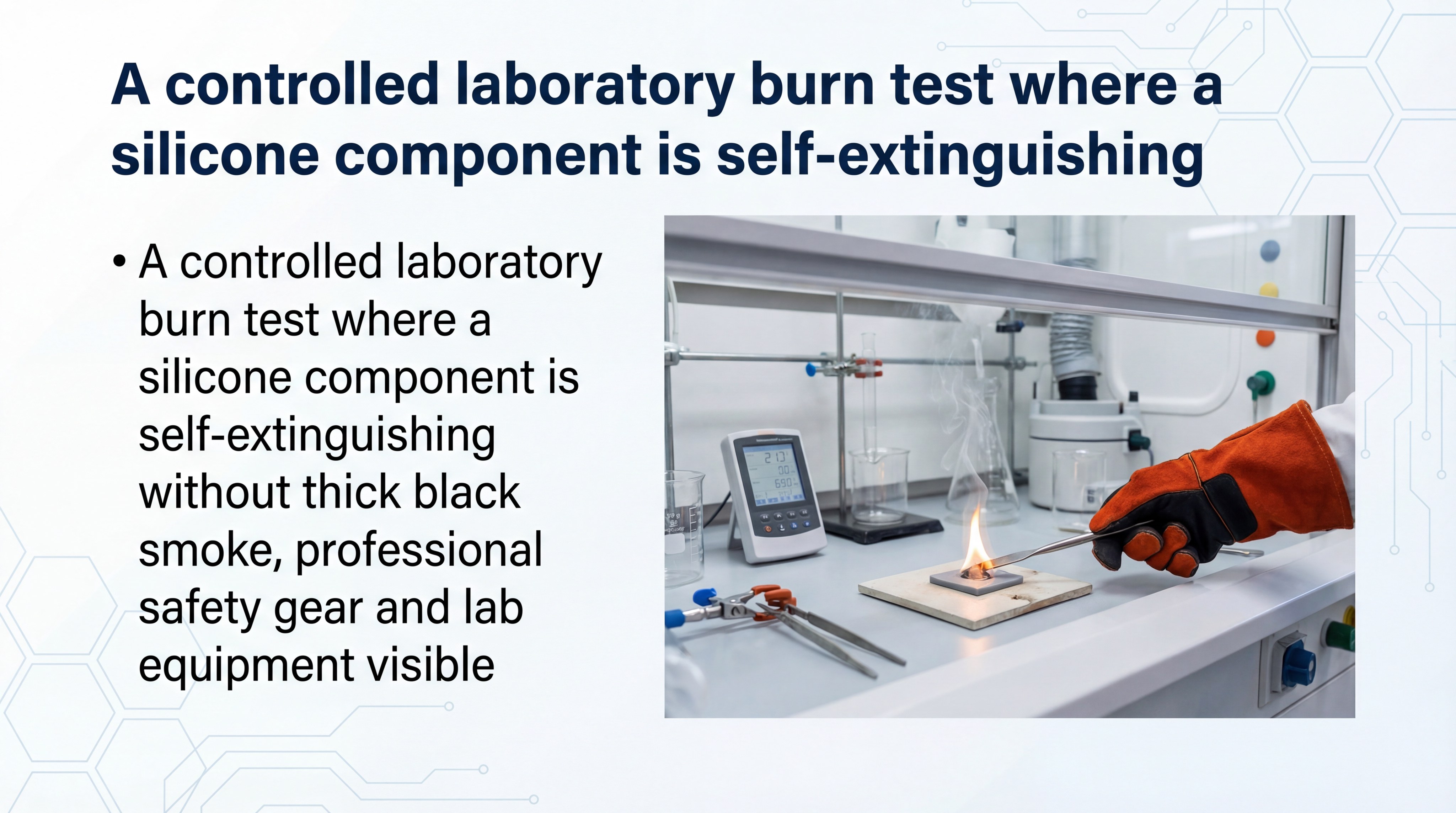
Liquid silicone rubber is inherently self-extinguishing and does not produce the thick, toxic black smoke typical of petroleum-based rubbers when exposed to fire. High-quality formulations, especially those used in food-grade silicone, are designed to be chemically stable at extreme temperatures. When burned, the material primarily decomposes into water vapor, carbon dioxide, and non-toxic silica ash.
Are Platinum-Cured Systems Safer in Fires?
Look: the choice of curing agent significantly impacts the emission profile of the material during a thermal event. Platinum-cured LSR is preferred because it does not leave behind the acidic byproducts common in peroxide-curing processes. This makes it the safest choice for enclosed environments like aircraft cabins, hospitals, or kitchens.
What Safety Standards Apply to Food-Grade Silicone?
- FDA Compliance: Ensures the material does not leach harmful chemicals under heat.
- Self-Extinguishing: The material stops burning once the external heat source is removed.
- LFGB Standards: Higher European standards for safety in food contact and cooking applications.
Key Takeaway: LSR is a superior safety material for high-heat applications due to its low-emission profile and ability to resist sustained combustion.
| Property | Standard Rubber | Platinum-Cured LSR |
|---|---|---|
| Smoke Color | Thick, black, acrid | Light white or translucent |
| Byproducts | Toxic VOCs and soot | Water, CO2, and Silica ash |
| Fire Response | Continues to burn | Naturally self-extinguishing |
Use these fire safety metrics to qualify materials for regulated industries where smoke toxicity is a critical risk factor.
Does Silicone Manufacturing Harm the Atmosphere?
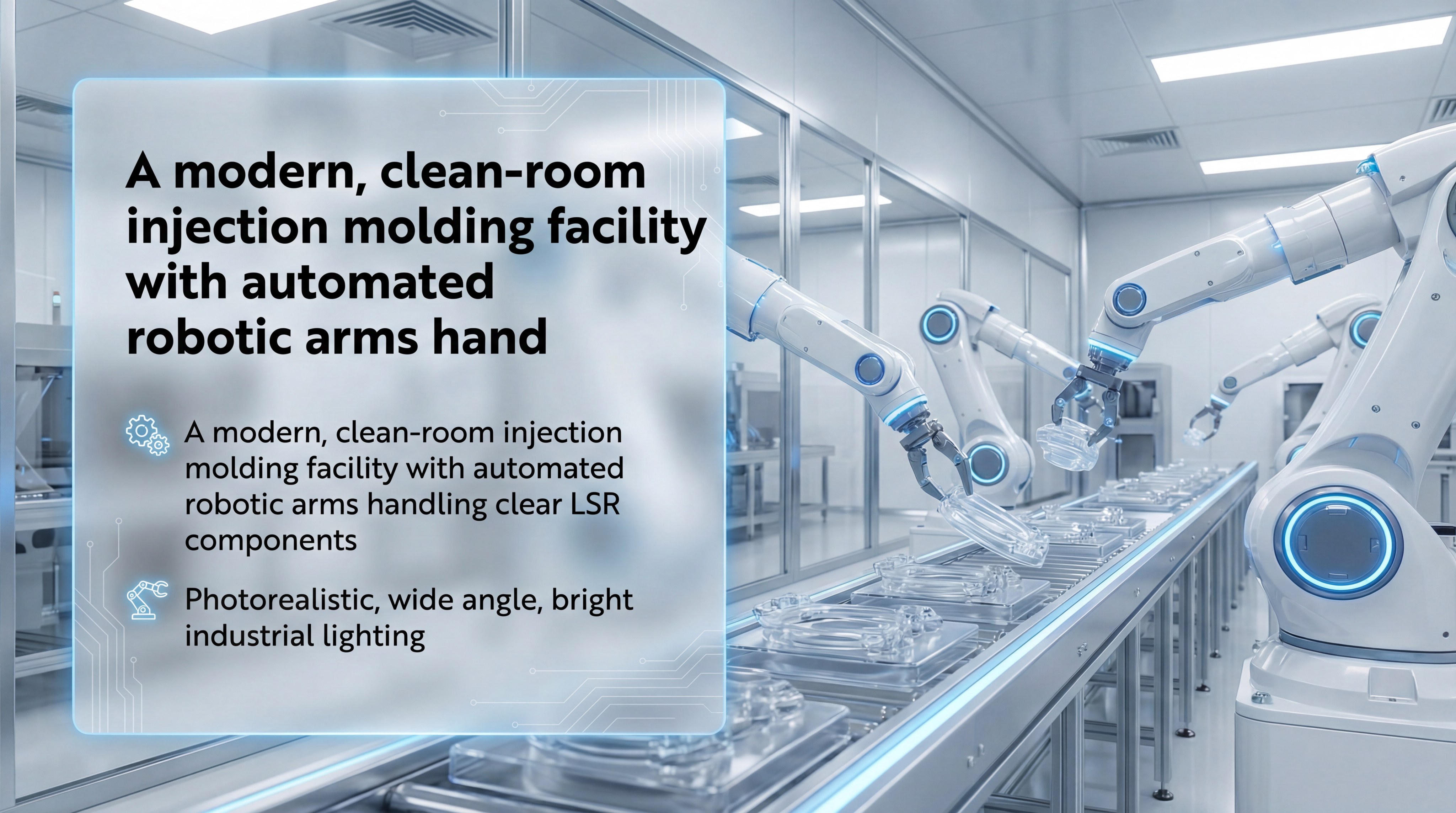
Liquid silicone rubber production is one of the cleanest manufacturing processes in the polymer industry because it is virtually free of volatile organic compounds (VOCs). Unlike many plastic injection molding processes that release harmful gases, LSR molding occurs in a closed-loop system that minimizes environmental exposure. The efficiency of the process also results in significantly lower energy consumption per part produced.
What Is the Environmental Impact of VOC-Free Production?
Best of all? The lack of solvents and CFCs in the liquid silicone rubber formulation means that factory workers and the surrounding environment are not exposed to hazardous air pollutants. This inorganic nature ensures that the material does not contribute to smog or ozone depletion, making it a “green” alternative for conscientious brands.
Why Is Modern Silicone Injection Molding So Efficient?
- Closed Systems: Materials are pumped directly from sealed drums to the mold, preventing spills.
- Cold Runner Technology: Reduces waste by keeping material in the distribution channels liquid for the next cycle.
- Flashless Tooling: Precision engineering eliminates the need for manual trimming and secondary waste.
Key Takeaway: The combination of VOC-free chemistry and high-precision molding makes LSR a leading choice for sustainable manufacturing initiatives.
| Metric | Traditional Plastic Molding | LSR Injection Molding |
|---|---|---|
| VOC Emissions | High (Solvents/Additives) | Negligible / Zero |
| Material Waste | 5% – 15% (Sprues/Runners) | <1% with Cold Runner tech |
| Hazardous Byproducts | Phthalates and BPA concerns | None |
Compare these environmental factors to meet corporate sustainability goals and reduce the carbon footprint of your supply chain.
Does Liquid Silicone Rubber Take Millennia to Degrade?
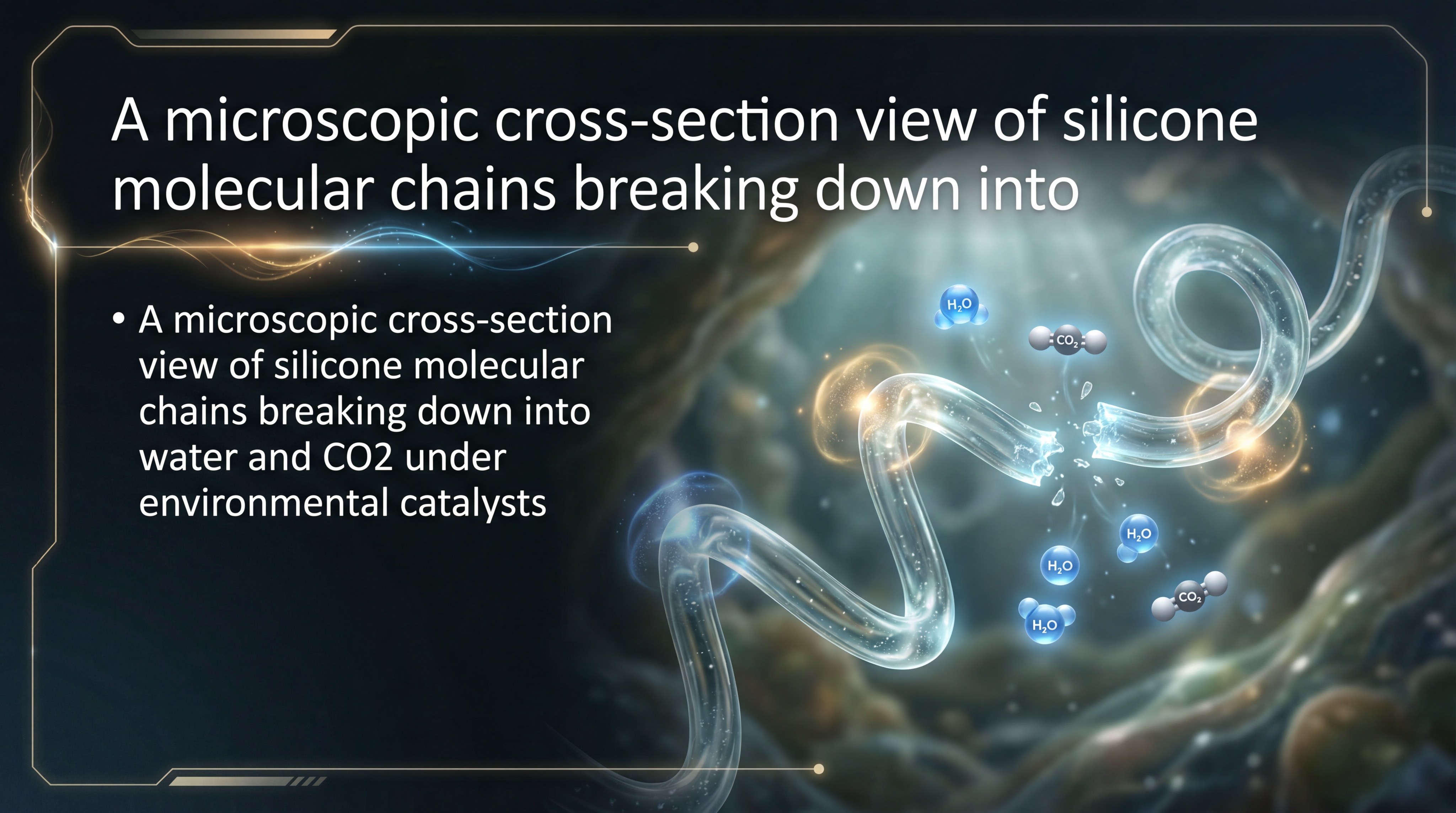
Liquid silicone rubber can degrade in a matter of days or weeks when exposed to specific environmental catalysts, debunking the myth that it persists forever in landfills. While the material is incredibly durable during its intended use, soil minerals and atmospheric oxygen can trigger the breakdown of the silicon-oxygen backbone. This process is particularly relevant for medical-grade silicone parts that require an environmentally responsible end-of-life cycle.
How Does Accelerated Degradation Occur in Soil?
Truth is: sunlight and soil minerals act as natural catalysts that cause the high-molecular-weight chains to fragment. These fragments eventually revert to silica (sand), carbon dioxide, and water vapor, which are harmless to the ecosystem. This makes it a much safer alternative to microplastic-shedding polymers.
Is Medical-Grade Silicone Truly Recyclable?
- Chain Scission: Triggered by UV light and specific mineral contact.
- Grinding/Re-use: Industrial silicone waste can be ground and used as fillers for low-spec parts.
- Inert Nature: Even before it breaks down, it does not leach toxins into the water table.
Key Takeaway: LSR offers a unique balance of extreme durability during product life and a non-toxic path to environmental decomposition.
| Condition | Petroleum Plastic | Liquid Silicone Rubber |
|---|---|---|
| Breakdown Product | Microplastics | Silica, CO2, Water |
| Soil Impact | Chemical leaching | Bio-inert / Harmless |
| Degradation Speed | Hundreds of years | Days to years (catalyzed) |
This data helps justify the use of silicone in products where long-term environmental safety is a primary consumer concern.
Can Liquid Silicone Rubber Cause Skin Irritations?
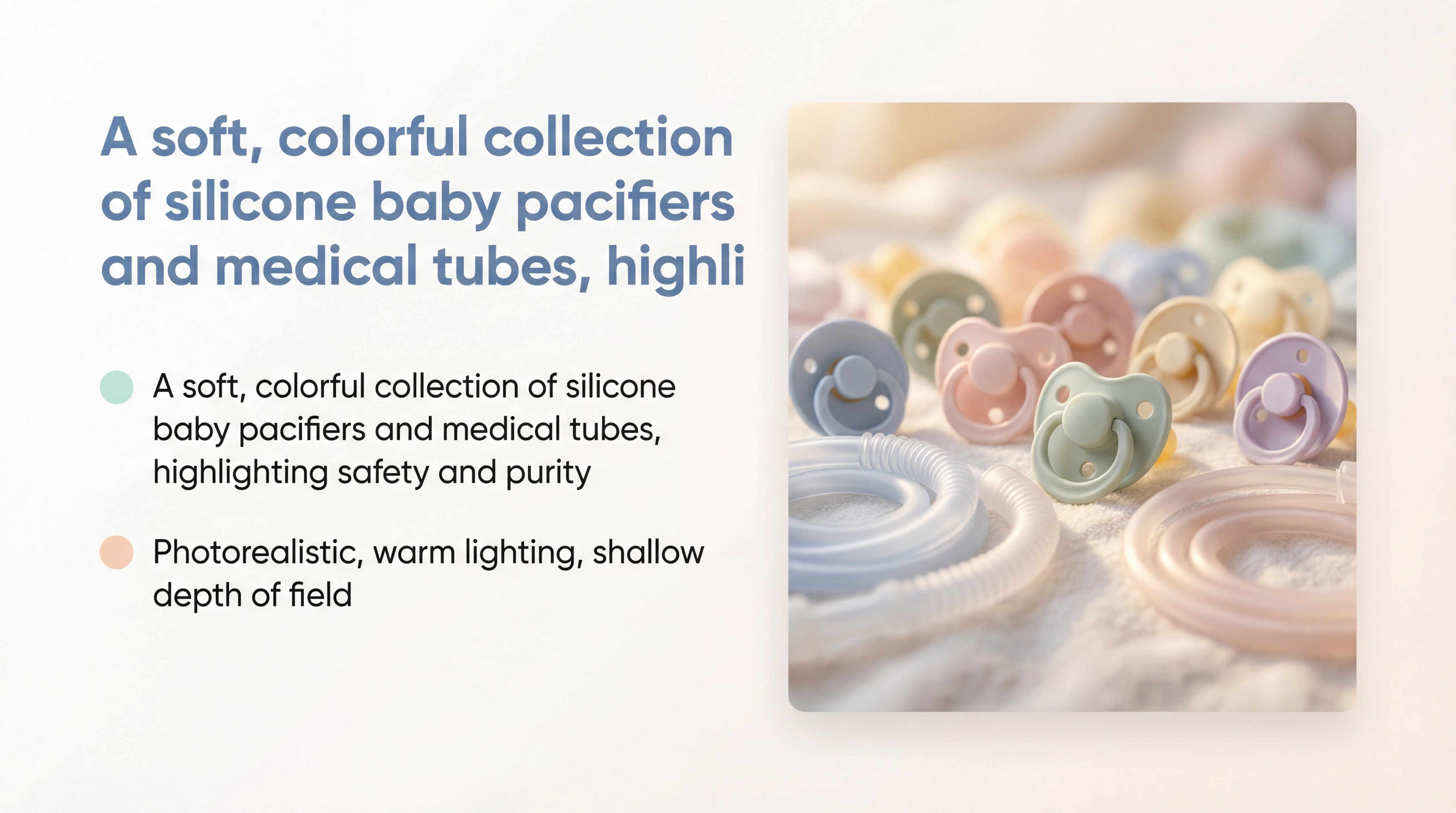
Liquid silicone rubber is one of the most biocompatible materials available and is widely considered hypoallergenic, making it ideal for prolonged skin contact. Unlike natural latex, which contains proteins that trigger allergic reactions in a significant portion of the population, silicone is inorganic and inert. This purity is why it is the gold standard for infant care and medical wearables.
How Does Biocompatibility Compare to Natural Latex?
In fact: most “silicone allergies” are actually reactions to dyes or cleaning chemicals rather than the liquid silicone rubber itself. Because the material does not support bacterial growth and is non-porous, it remains clean and irritation-free even in moist environments. This biological neutrality ensures patient safety across all medical applications.
What Makes LSR Profiles Hypoallergenic?
- No Protein Triggers: Absence of the organic proteins found in natural rubbers.
- Bacterial Resistance: Non-porous surface prevents the accumulation of irritants.
- Chemical Inertness: Does not react with skin oils or sweat during use.
Key Takeaway: The hypoallergenic nature of LSR makes it the safest choice for skin-sensitive applications, from baby pacifiers to surgical tools.
| Material | Allergy Risk | Skin Compatibility |
|---|---|---|
| Natural Latex | High (Protein-based) | High risk of dermatitis |
| Synthetic Rubber | Moderate (Chemical additives) | Variable sensitivity |
| Liquid Silicone Rubber | Extremely Low (Inert) | Excellent / Medical Grade |
Consult this chart when designing products for infants, elderly patients, or individuals with known latex sensitivities.
Does Liquid Silicone Rubber Bioaccumulate in the Body?
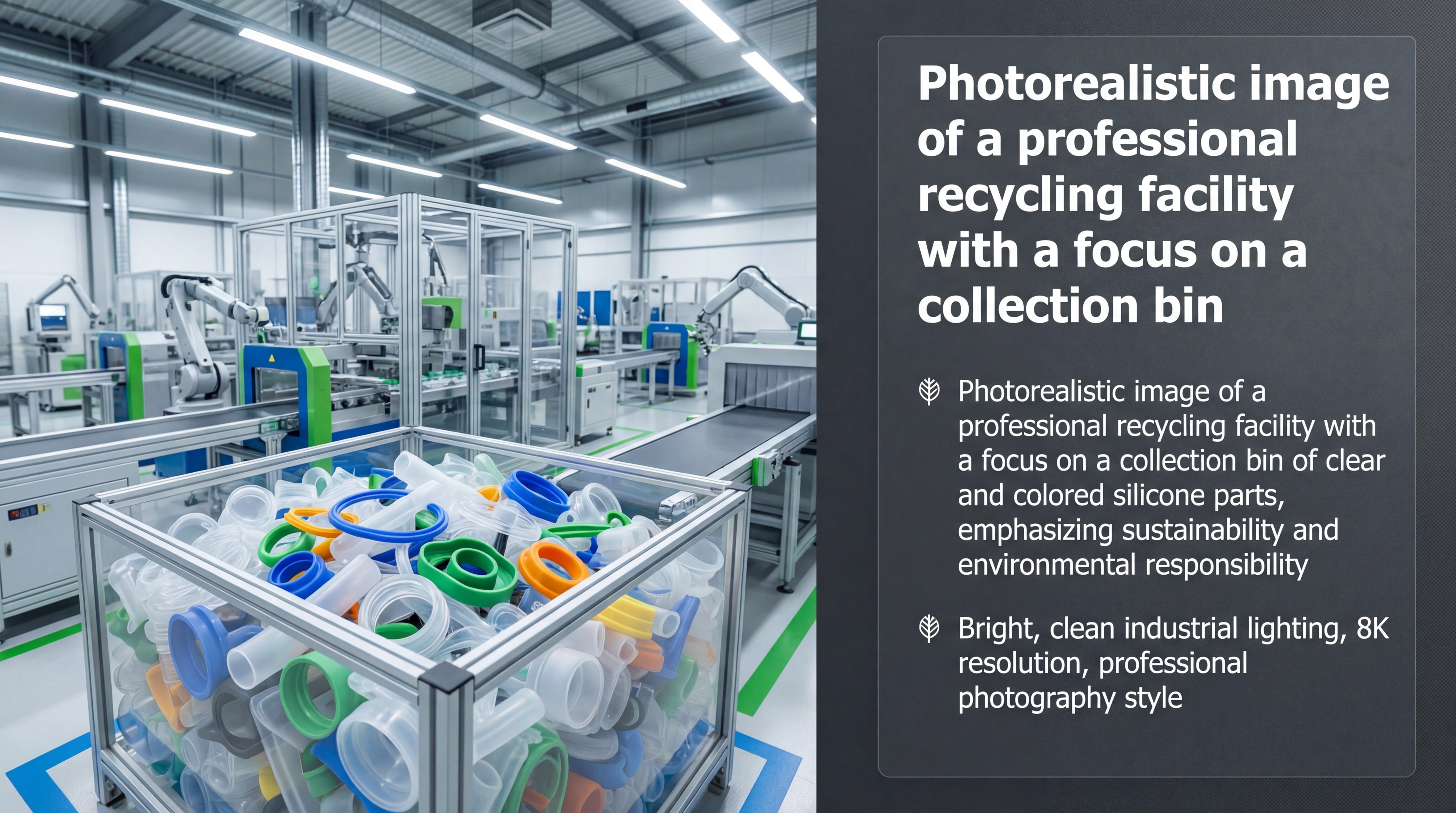
Liquid silicone rubber does not bioaccumulate in human tissues because its molecules are too large to penetrate biological barriers and are chemically stable against metabolic breakdown. Extensive clinical studies have shown that high-purity silicones elicit a very low tissue response, making them safe for long-term implants. This stability ensures that the material remains a reliable component in the most demanding healthcare environments.
Does it Meet FDA and ISO Biocompatibility Standards?
Bottom line? To be used in medical devices, liquid silicone rubber must pass rigorous ISO 10993 testing for cytotoxicity, sensitization, and irritation. These certifications guarantee that the material will not leach toxic substances into the bloodstream or accumulate in vital organs over time. This makes it a foundational material for modern prosthetic and cardiovascular engineering.
Why is LSR Stable in Medical and Implant Uses?
- Inorganic Backbone: Resists enzymatic and oxidative degradation within the body.
- High Purity: Platinum-cured systems ensure no heavy metals or catalysts migrate.
- Non-Porous: Prevents the absorption of body fluids that could lead to material swelling.
Key Takeaway: The biological stability of LSR prevents systemic accumulation, ensuring it remains the safest elastomer for internal medical applications.
| Certification | Requirement | LSR Performance |
|---|---|---|
| FDA 21 CFR | Food & Drug Safety | Fully Compliant |
| ISO 10993 | Medical Biocompatibility | Passes all major categories |
| USP Class VI | Highest Plastic Purity | Gold Standard Performance |
Verify these certifications with your manufacturer to ensure your medical components meet global regulatory safety mandates.
Conclusion
Debunking these common myths reveals that liquid silicone rubber is far more than just a “soft rubber”—it is a high-precision, environmentally responsible, and biologically safe material that solves modern engineering challenges. By moving past these misconceptions, you can leverage LSR’s unique ability to handle extreme temperatures, resist fire without toxic fumes, and provide hypoallergenic safety for the most sensitive users.
HuaLin Silicone brings over 15 years of integrated engineering and ISO-certified manufacturing to your most complex projects. We specialize in taking your designs from DFM review to stable, high-volume mass production with a focus on quality you can audit. To see how our precision molding can elevate your next product, contact us today for an expert consultation.
FAQ
Can I use LSR for food-contact items?
Yes, liquid silicone rubber is naturally FDA and LFGB compliant, making it highly resistant to bacteria and safe for repeated food and beverage contact.
What’s the best way to clean silicone parts?
Most LSR components are dishwasher safe and can withstand various sterilization methods, including steam autoclaving and mild chemical soaps, without degrading.
Can I customize the hardness of my LSR parts?
Absolutely; we can engineer the durometer to range from a very soft 10 Shore A to a firm 80 Shore A depending on your mechanical needs.
Is LSR better than traditional rubber for medical use?
Yes, because it is inorganic and hypoallergenic, it does not contain the proteins that cause latex allergies and is much more stable within the human body.
What’s the best way to choose between LSR and HTV?
The choice typically depends on volume and complexity; LSR is the superior choice for high-volume, high-precision parts, while HTV is often used for simpler shapes in smaller batches.