Choosing the best manufacturer for silicone products requires evaluating their technical molding capabilities, certification compliance, and Design for Manufacturability (DFM) expertise to ensure project success. You likely face the challenge of vetting hundreds of suppliers while worrying about hidden defects or missed deadlines that could stall your operations. This uncertainty can lead to expensive recalls or lost market share if your medical or automotive components fail in the field. Understanding how to choose silicone manufacturer allows you to secure a partner that guarantees precision, compliance, and scalable growth.
Why does manufacturer location matter for your project?
Manufacturer location determines your total cost of ownership by influencing logistics speed, import duties, and communication ease. When you research how to choose silicone manufacturer, you must weigh the benefits of offshore pricing against the risks of long-distance shipping. Proximity often dictates how quickly you can react to market shifts or technical adjustments.
Can global shipping impact your supply chain efficiency?
The bottom line: extended shipping routes introduce variables like customs delays and port congestion that can halt your assembly line. If your manufacturer is thousands of miles away, a single logistics bottleneck can turn into a multi-week delay for your silicone gaskets or medical seals.
Should you prioritize quality over local proximity?
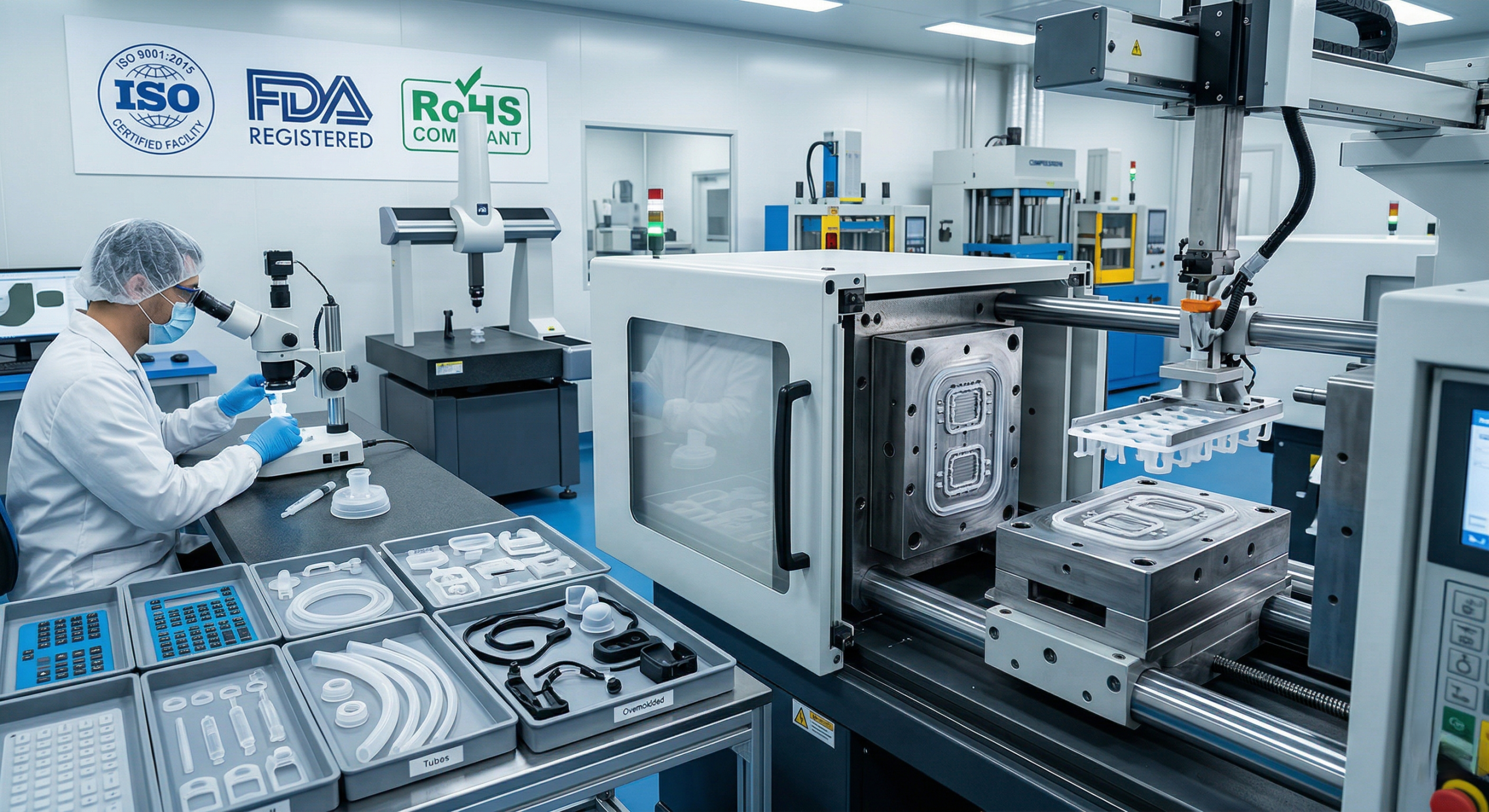
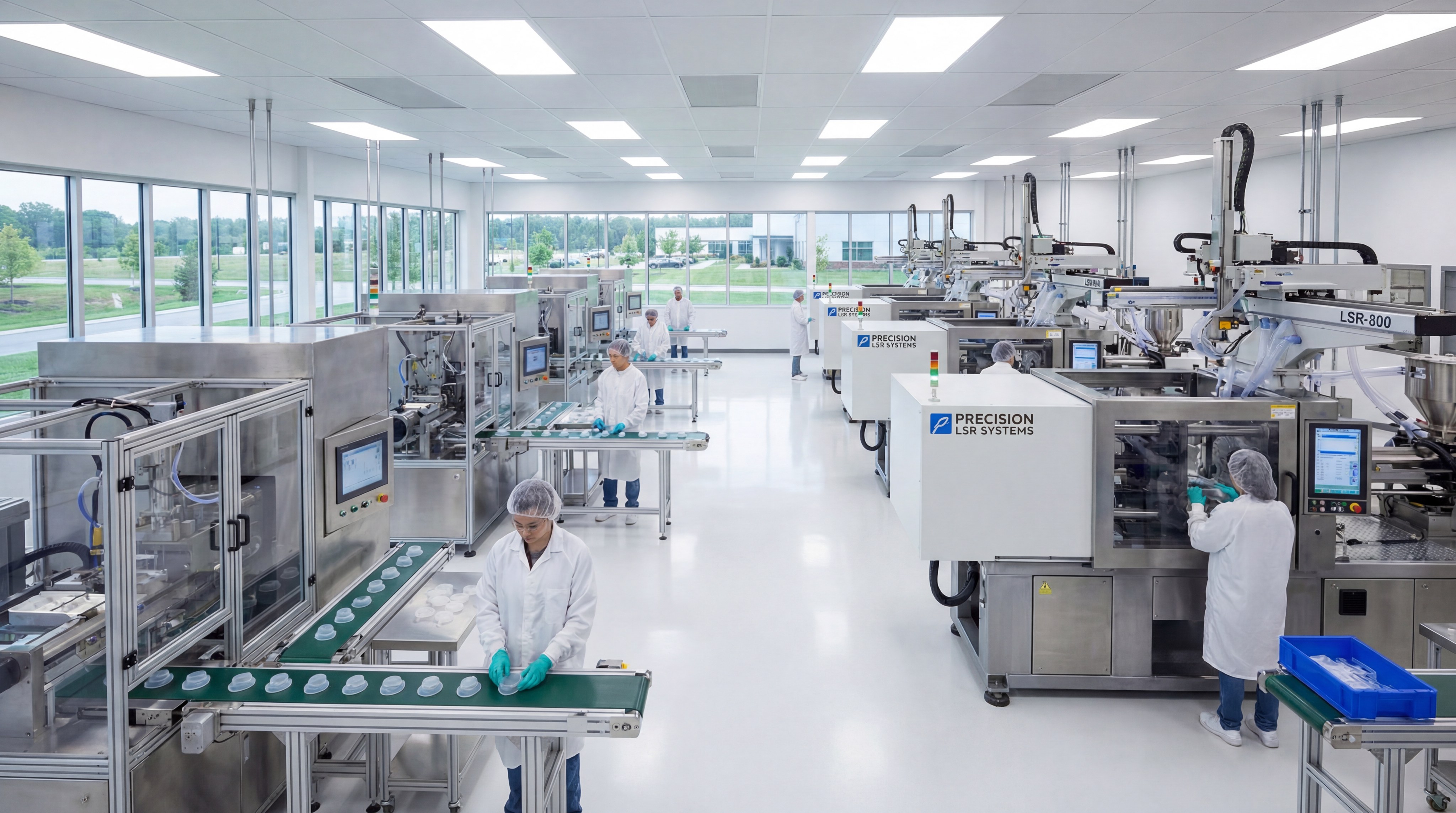
A factory’s technical capability is far more important than its physical distance from your warehouse. You should focus on suppliers who offer ISO 9001 certified quality management systems and advanced LSR injection molding machinery. Dedicated cleanroom environments are also essential for high-purity medical parts.
Key Takeaway
Choosing a manufacturer involves balancing geographic proximity with technical prowess to minimize logistics risks while maximizing product quality.
| Logistics Factor | Impact Level | Risk Mitigation |
|---|---|---|
| Transit Time | High | Buffering inventory and air-freight options. |
| Tariffs | Medium | Accurate HS code classification. |
| Time Zones | Low | Using digital project management tools. |
Evaluating geographical logistics is the first step in stabilizing your manufacturing overhead and ensuring a predictable supply chain.
How do production and delivery timelines affect your ROI?
Reliable production timelines ensure your product hits the market on schedule, which is why knowing how to choose silicone manufacturer is vital for your ROI. Assessing a supplier requires a deep dive into their machine capacity and workforce scheduling. If a partner overpromises on lead times, your entire project revenue is at risk.
Does the supplier provide a reliable turnaround time?
In short: a manufacturer that tracks real-time production data is more likely to provide an accurate delivery date. You need to verify that their estimated lead times include material procurement, tooling, and post-curing processes. This transparency prevents unexpected delays during the mass production phase.
How are lead times managed for custom silicone molds?
You should know that mold fabrication is usually the longest phase of silicone product development. A manufacturer with in-house tooling capabilities can often shave weeks off the schedule compared to those who outsource mold making. This control allows for faster iterations and quicker final approval.
Key Takeaway
Timely delivery is the backbone of procurement; always prioritize manufacturers with proven capacity management and in-house tooling resources.
| Phase | Standard Lead Time | Optimization Strategy |
|---|---|---|
| Tooling | 15–30 Days | In-house CNC and EDM machining. |
| Prototyping | 3–7 Days | Rapid compression molding. |
| Mass Production | 10–20 Days | Fully automated LSR injection cycles. |
Analyzing lead times allows you to synchronize your marketing efforts with physical inventory arrival.
What should you look for in a manufacturer’s track record?
A strong track record proves a manufacturer can handle complex projects consistently and solve technical challenges early. When you evaluate how to choose silicone manufacturer, look for a history of serving industries with high-stakes requirements like healthcare or automotive. Experience translates to fewer “short shots” and more reliable tolerances across large batches.
How does market reputation influence your choice?
It’s a fact: a manufacturer’s reputation among other B2B purchasers is the most honest indicator of their reliability. You can often judge a factory by the caliber of the brands they currently support and their longevity in the industry. A decade of steady operation suggests financial and technical stability.
Is the provider’s past project history relevant?
Seeing examples of previous work can reveal their true precision levels and technical versatility. You should request case studies or product photos that demonstrate complex overmolding of silicone to plastic or metal. High-cavitation molds for high-volume orders also demonstrate advanced engineering capability.
Key Takeaway
Past performance is the best predictor of future results; prioritize suppliers with a documented history of technical success and client satisfaction.
| Indicator | Significance | Verification Method |
|---|---|---|
| Client Longevity | High | Requesting client retention data. |
| Industry Awards | Medium | Checking certified industry recognitions. |
| Case Studies | High | Reviewing technical complexity of past parts. |
Reviewing a manufacturer’s history ensures you are not the test subject for their first complex silicone project.
How can you verify silicone quality assurance standards?
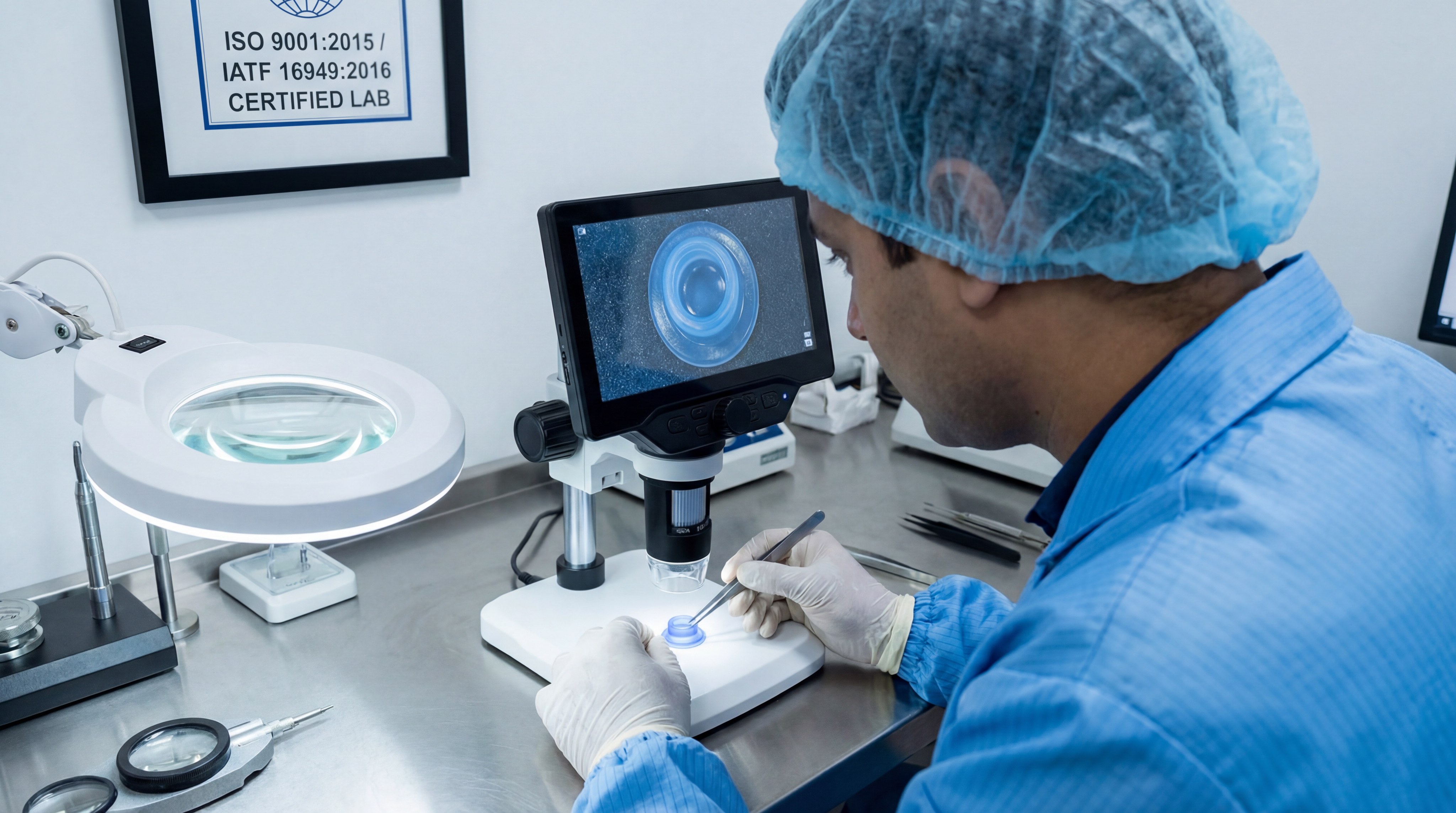
Verifying quality assurance involves auditing a factory’s internal inspection protocols, a critical step in learning how to choose silicone manufacturer. You must look beyond the sales pitch and inspect their quality control (QC) lab directly. High-performance silicone parts require rigorous testing to ensure they do not fail under environmental stress.
Do they offer physical samples for performance testing?
Never approve a mass production run without first testing “first article” samples in your specific application. These samples should be produced using the final production material and mold to ensure accurate performance data. Testing these parts in real-world conditions prevents expensive redesigns later.
What inspection protocols does the factory follow?
Quality is built during the molding process, not just checked at the end of the line. A reliable manufacturer uses visual inspection for flash and surface defects alongside dimensional checks using CMM systems. Shore A hardness testing is also required to verify the material cure.
Key Takeaway
Quality assurance is a non-negotiable requirement; ensure your supplier has the equipment and documentation to prove every part meets your specs.
| QC Tool | Purpose | Purchaser Benefit |
|---|---|---|
| Optical Comparator | Dimensional Accuracy | Parts fit perfectly in assemblies. |
| Hardness Tester | Cure Verification | Consistency across different batches. |
| Tensile Tester | Durability Check | Silicone won’t tear under pressure. |
Implementing strict QC verification steps protects your brand from the costs associated with defective hardware.
Why is a specialized workforce vital for LSR and molding?
A specialized workforce ensures that high-precision processes like Liquid Silicone Rubber (LSR) injection molding are executed with minimal wastage. As you learn how to choose silicone manufacturer, you will find that the skills of the engineering team are as important as the machines. Expert operators can troubleshoot flash issues and venting problems in real-time.
Do they employ experienced DFM engineers?
An experienced engineer can spot a design flaw in your CAD file that would otherwise cause a high scrap rate. They help you optimize part geometry to ensure the silicone flows correctly into every corner of the mold. This proactive approach saves thousands in wasted material and tooling adjustments.
How does technical expertise reduce production errors?
A team that understands silicone rheology can adjust injection pressures to avoid air entrapment or burning. Their expertise includes optimizing gate placement to reduce knit lines and designing effective venting. This level of technical control is essential for maintaining micron-level tolerances.
Key Takeaway
Machines are only as good as the people running them; choose a manufacturer that invests in engineering talent and continuous technical training.
| Role | Impact on Quality | Key Skillset |
|---|---|---|
| Tooling Engineer | Precision | Expertise in mold shrinkage rates. |
| QC Manager | Compliance | Mastery of ISO and FDA regulations. |
| LSR Operator | Efficiency | Real-time troubleshooting of injection. |
The human element of manufacturing is often the deciding factor in whether a project stays on budget or fails.
What communication standards define a reliable partner?
Professional communication standards include technical transparency and dedicated support, which are vital when researching how to choose silicone manufacturer. Prioritize those who treat communication as a core part of their manufacturing service. A lack of responsiveness during the quoting phase usually signals communication breakdowns during production.
Is the customer service team responsive and proactive?
You need a partner who tells you there is a problem before you have to ask why a shipment is late. Proactive communication saves time and allows you to adjust your internal schedules without the stress of the unknown. Fast responses indicate that the manufacturer values your business.
Do they offer collaborative support during production?
A great manufacturer acts as an extension of your own engineering team by providing weekly status reports. They should offer direct access to the lead engineer for technical discussions and transparent feedback on material availability. This collaboration ensures that the final product meets all functional requirements.
Key Takeaway
Clear and fast communication is a hallmark of a professional B2B relationship; never settle for a supplier that leaves you in the dark.
| Communication Channel | Frequency | Purpose |
|---|---|---|
| Project Kickoff Call | Once | Aligning goals and specs. |
| Production Updates | Weekly | Monitoring progress and timelines. |
| Quality Reports | Per Batch | Verifying material and part integrity. |
Establishing clear communication protocols early prevents misunderstandings and fosters a long-term manufacturing partnership.
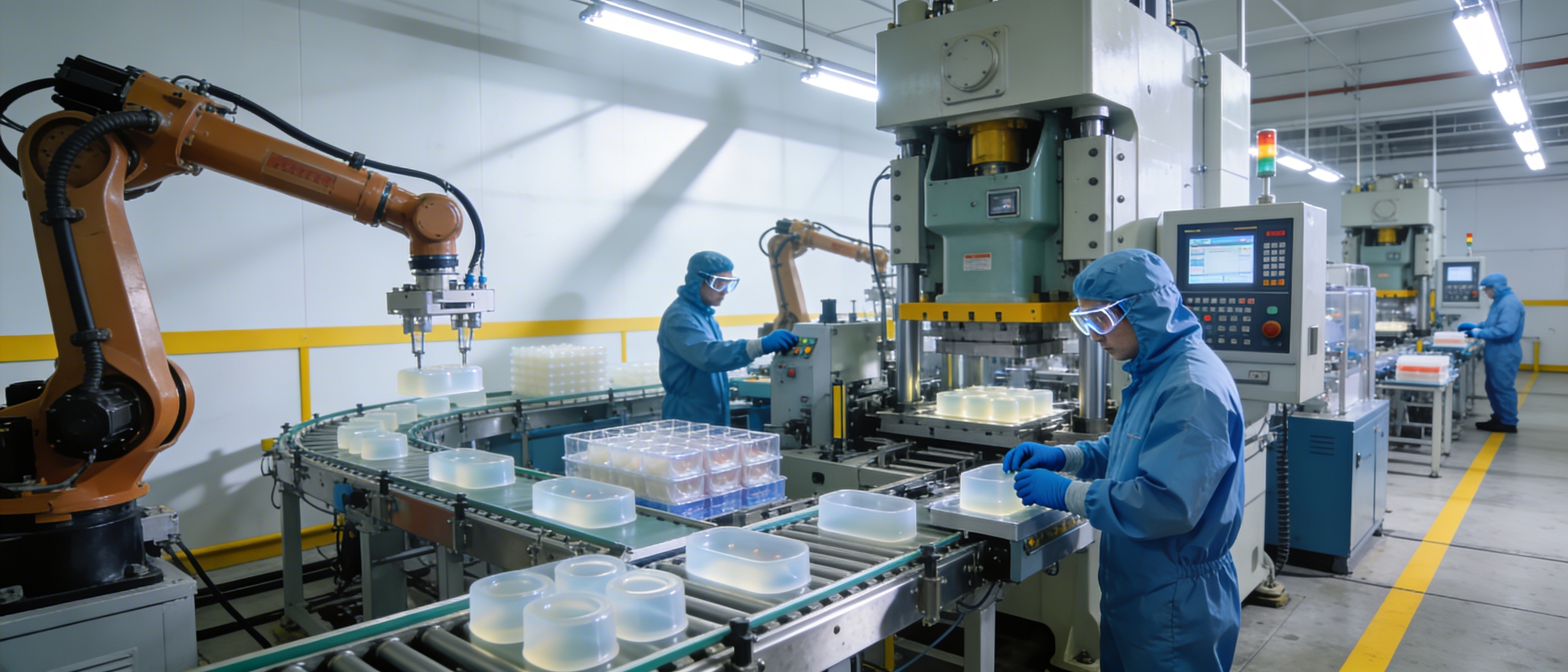
Does the factory meet global certification requirements?
Global certifications like ISO 9001 and FDA registration serve as objective proof of quality when deciding how to choose silicone manufacturer. You must verify these certifications directly with the issuing bodies to ensure they are current. Without proper certification, your products might be banned from certain markets or face legal scrutiny.
Does the facility hold ISO 9001 and FDA registrations?
These registrations mean the factory has documented processes for everything from raw material storage to final part inspection. This level of organization is essential for producing reliable automotive and medical silicone components. It ensures that every step of production is traceable and consistent.
Are materials compliant with RoHS and LFGB standards?
If you are selling in Europe or making food-contact items, your materials must pass RoHS and LFGB testing. Your manufacturer should provide FDA food-grade compliance documents and biocompatibility reports for medical parts. Flame retardant ratings are also necessary for electronic components.
Key Takeaway
Certifications are your safety net; they ensure that the manufacturer is qualified to produce parts for regulated industries like healthcare and food services.
| Standard | Industry Focus | Key Requirement |
|---|---|---|
| ISO 9001:2015 | General | Quality Management Systems. |
| FDA Registration | Medical/Food | Safe material sourcing and handling. |
| RoHS | Electronics | Absence of hazardous substances. |
Verification of certifications is the final barrier protecting your company from liability and compliance failures.
How do MOQ policies influence your procurement budget?
Minimum Order Quantity (MOQ) policies dictate financial feasibility, so check how to choose silicone manufacturer to find flexible options. Rigid MOQ requirements can force you to tie up too much capital in inventory you don’t need. Look for partners who offer a bridge between low-volume sampling and high-volume injection molding.
Can the supplier scale from prototypes to mass production?
The best partners support you from the first few hundred units up to hundreds of thousands without requiring a new supplier. This scalability prevents the need to qualify new vendors as your brand grows. It also ensures that the production quality remains consistent as volumes increase.
Are there price breaks for high-volume silicone orders?
Silicone manufacturing is highly efficient at scale, so you should expect significant discounts for large orders. As your volume increases, the per-unit cost of labor and machine setup is spread across more parts. Negotiating these tiers early helps you maintain profitability as demand peaks.
Key Takeaway
Flexible MOQ policies allow you to manage cash flow effectively while ensuring you have the capacity to scale when demand increases.
| Volume Tier | Typical Process | Cost Per Unit |
|---|---|---|
| < 500 Units | Compression Molding | Higher |
| 1,000–5,000 Units | Semi-Automated LSR | Moderate |
| > 10,000 Units | Fully Automated LSR | Lower |
Negotiating MOQs and volume pricing early ensures your product remains profitable at every stage of its lifecycle.
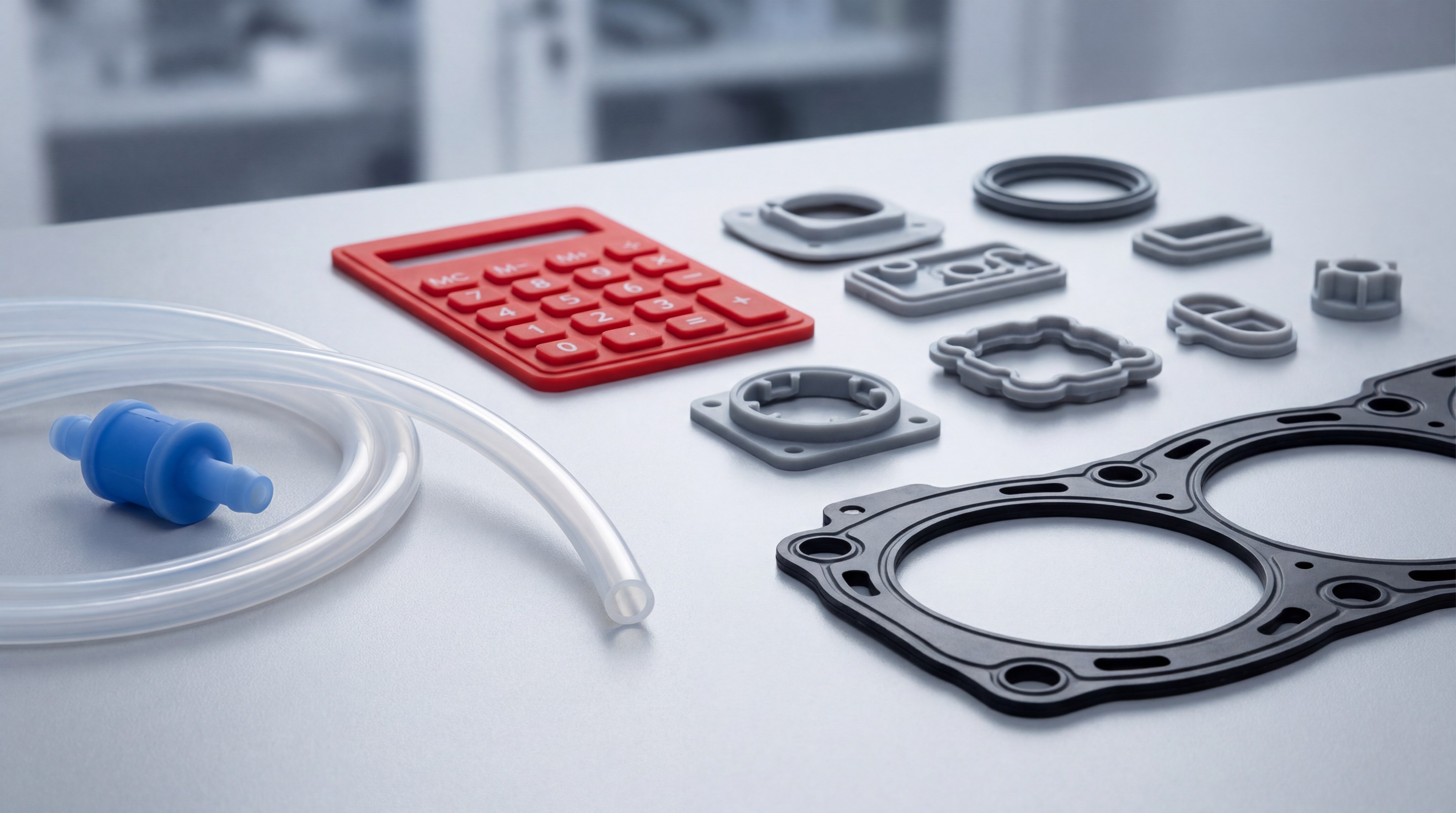
How does DFM support improve silicone part performance?
Design for Manufacturability (DFM) support allows engineers to optimize wall thickness, which is a key factor in how to choose silicone manufacturer. Look for a team that provides proactive feedback on your designs to prevent “sink marks” or weak joints. Good DFM ensures that your part is as durable as it is cost-effective.
Can design optimization reduce overall tooling costs?
A slightly simplified design can sometimes allow for a less expensive mold without sacrificing the part’s functionality. Your manufacturer should suggest ways to reduce complexity where it isn’t strictly necessary. This optimization often leads to faster cycle times and lower energy consumption.
How is material wastage minimized during design?
Silicone can be expensive, especially medical-grade LSR, so minimizing waste is a top priority. Optimized runner systems and cold-runner technology in the mold design can significantly reduce material waste. This efficiency directly lowers your total part cost and supports sustainability goals.
Key Takeaway
DFM is a value-added service that saves money and improves quality; never skip the design review phase with your manufacturer.
| Design Element | DFM Benefit | Result |
|---|---|---|
| Wall Thickness | Uniformity | No warping or air bubbles. |
| Parting Lines | Strategic Placement | Cleaner finish and less trimming. |
| Radius | Stress Distribution | Longer part life and durability. |
Integrating manufacturer feedback into your design ensures that your silicone components are as efficient to produce as they are effective to use.
Which molding process is best for your specific application?
Selecting the right process depends on part geometry and volume, so learn how to choose silicone manufacturer by matching their tech to your needs. A factory specializing only in compression molding might not suit high-precision medical valves. You must ensure their machinery can handle the specific curing and injection requirements of your design.
Can I request a factory audit before a large order?
Yes, most professional silicone manufacturers welcome factory audits to demonstrate their commitment to transparency and international quality standards.
What’s the best way to verify if silicone is medical grade?
You must request the biocompatibility test reports and FDA material certification data from the manufacturer for that specific raw material lot.
How do I know if my design is suitable for LSR?
You should request a DFM review from the factory engineers, as they can identify potential flow issues or air traps in your CAD file.
Secure Your Silicone Supply Chain Today
Finding the right manufacturing partner is the difference between a successful product launch and a costly technical failure. By focusing on technical expertise, certification compliance, and proactive communication, you can build a partnership that drives long-term value for your brand. Our team specializes in precision LSR molding, complex overmolding, and high-performance medical-grade parts, helping global purchasers solve their most difficult manufacturing challenges with ease. Whether you are developing a new medical device or scaling up automotive seal production, we are committed to delivering the quality and consistency your project deserves. To learn more about our capabilities or to request a quote for your next project, contact us today and let us turn your designs into high-performance reality.