Liquid silicone rubber (LSR) injection molding is a high-precision manufacturing process designed to produce durable, high-performance components that withstand extreme thermal and chemical environments. Many engineering teams hesitate to adopt this technology because they fear a high LSR tooling cost, yet sticking with traditional thermoplastics often leads to premature part failure and costly recalls. By moving beyond outdated misconceptions, you can leverage the unique elasticity and purity of silicone to optimize your product lifecycle.
What is Liquid Silicone Rubber Injection Molding?
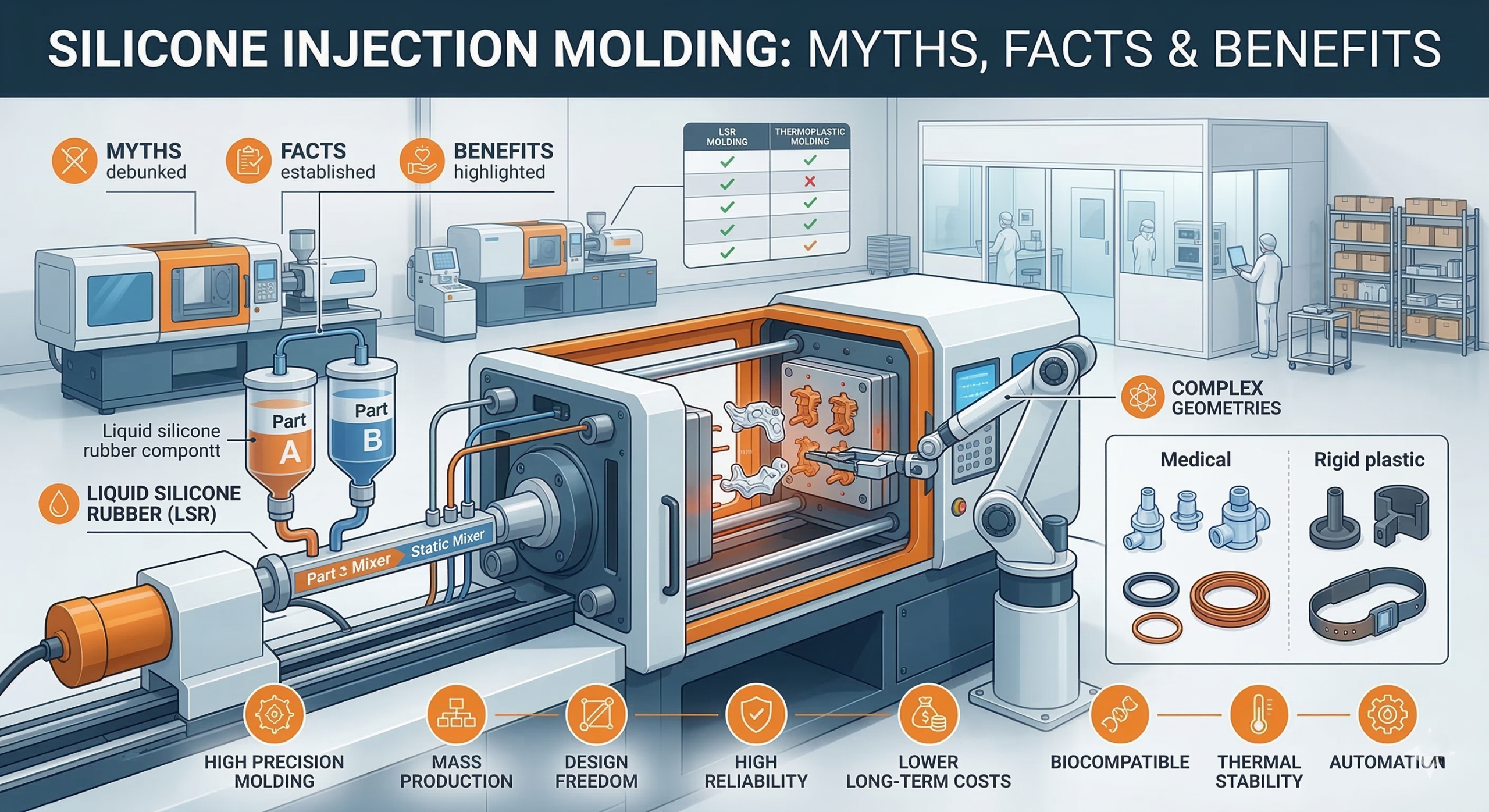
LSR injection molding is a thermosetting process where a two-part platinum-cured liquid silicone is mixed, chilled, and then injected into a heated mold cavity to form a solid part. While the initial LSR tooling cost involves high-grade steel and precision cooling systems, the result is a component with unparalleled thermal stability. Unlike thermoplastics that melt when heated, LSR undergoes a chemical cross-linking process that makes it permanently resilient.
Think about it this way: silicone molding turns a liquid into a permanent solid that won’t lose its shape even under intense pressure.
How does the LSR manufacturing process work?
The process begins by pumping two components, usually labeled Part A and Part B, into a static mixer at a 1:1 ratio. This mixture remains liquid until it hits the heated mold, where the platinum catalyst triggers a rapid curing reaction. Because the material is injected at a lower viscosity than plastic, it can fill incredibly thin sections without high pressure.
Why choose silicone over traditional plastics?
Silicone offers a range of properties that typical plastics cannot match, especially in harsh environments. It remains flexible at sub-zero temperatures and maintains its mechanical integrity well above 200°C.
- Thermal Resistance: Operates from -40°C to +250°C.
- Biocompatibility: Ideal for medical and food-contact use.
- Chemical Stability: Resists oils, ozone, and UV radiation.
Key Takeaway: By choosing LSR, you ensure your product remains functional in environments where standard plastics would melt, crack, or leach harmful chemicals.
| Feature | LSR Injection Molding | Thermoplastic Molding |
|---|---|---|
| Material State | Thermoset (Permanent) | Thermoplastic (Re-meltable) |
| Viscosity | Low (Liquid) | High (Molten Plastic) |
| Temperature Range | Extremely Broad | Limited |
This comparison highlights why silicone is the superior choice for high-reliability components in demanding sectors.
What are the Common Myths About Injection Molding?
Common myths about injection molding include the belief that it is only suitable for simple shapes and that the [LSR tooling cost] makes it impossible for smaller firms to compete. These misconceptions often prevent designers from exploring the extreme undercuts and complex geometries that silicone actually allows. In reality, the material’s flexibility makes it one of the most versatile options for modern engineering.
Here is the kicker: many engineers assume silicone is too difficult to handle because it is a liquid, but automation has made it more consistent than manual plastic molding.
Why do misconceptions deter business innovation?
When businesses rely on outdated information, they often choose cheaper materials that require frequent replacement or secondary finishing. This “savings” is quickly erased by labor costs and high scrap rates. Misunderstanding the capabilities of LSR keeps companies stuck in a cycle of product mediocrity.
Are technical limitations often exaggerated?
Most perceived limitations, such as the inability to handle thick-to-thin wall transitions, are actually solvable through advanced mold design. Silicone is naturally forgiving and can be pulled over mold cores that would trap a rigid plastic part.
- Myth: Silicone cannot handle complex internal threads.
- Fact: High elongation allows silicone to be stripped from threaded cores easily.
- Myth: You can’t overmold silicone onto plastic.
- Fact: Primer-less bonding makes silicone-to-plastic overmolding highly efficient.
Key Takeaway: Debunking these myths allows you to design more creative, integrated products that combine multiple functions into a single silicone component.
| Myth | Fact | User Benefit |
|---|---|---|
| Prohibitively High Cost | Fast cycles lower per-unit price | Better long-term ROI |
| Simple Geometries Only | Handles extreme undercuts | Greater design freedom |
| Long Lead Times | Automated systems speed up delivery | Faster time-to-market |
Recognizing the truth behind these myths is the first step toward significant manufacturing optimization.
Is Silicone Injection Molding Prohibitively Expensive?
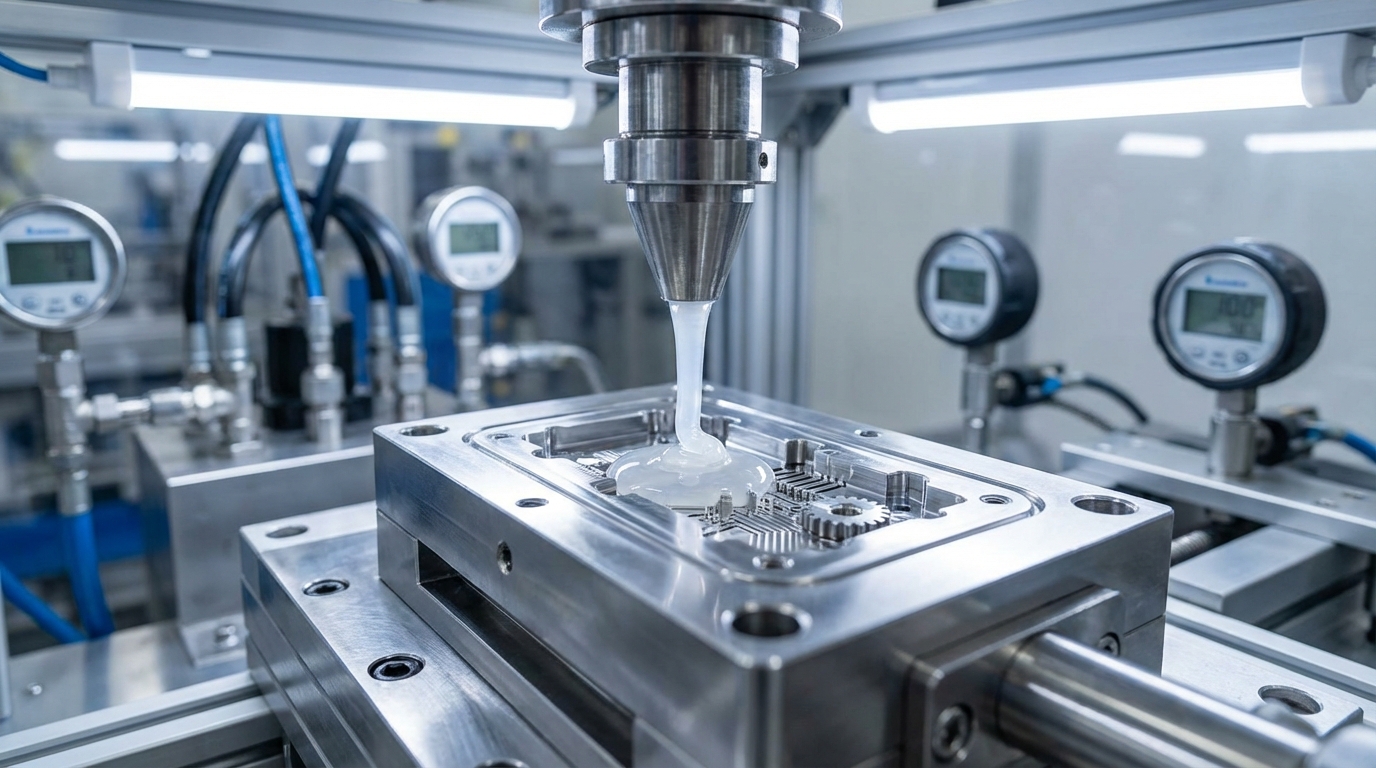
No, silicone injection molding is not prohibitively expensive because the initial LSR tooling cost is offset by rapid cycle times and the complete elimination of secondary finishing operations. While the mold itself requires a higher investment in precision steel, the high-volume output means your cost-per-part is often lower than other methods. Furthermore, the process produces virtually zero waste, as there are no sprues or runners to discard in cold-runner systems.
Let’s dive deeper: the efficiency of silicone molding comes from its ability to run fully unattended 24/7.
How do high-volume programs lower unit costs?
High-volume programs utilize multi-cavity molds that can produce dozens of parts in a single 20-second cycle. This high cavitation spreads the overhead costs across millions of units, making the individual part price extremely competitive. As your production scale increases, the efficiency of the automated LSR press becomes your greatest financial asset.
Can you eliminate secondary operation waste?
Standard molding often requires “de-flashing,” which is the manual removal of excess material. High-quality silicone molds are designed to be “flash-less,” meaning parts come out of the machine ready for assembly.
- No Manual Trimming: Saves significant labor costs.
- Cold Runner Systems: Eliminates material waste in the delivery channels.
- Automated Ejection: Reduces cycle interruptions and human error.
Key Takeaway: You save money by investing in high-quality tooling upfront, which eliminates the hidden costs of manual labor and material scrap over time.
| Cost Driver | Plastic Molding Impact | LSR Molding Impact |
|---|---|---|
| Material Waste | High (Sprues/Runners) | Near Zero (Cold Runner) |
| Labor Cost | High (Trimming/Finishing) | Low (Fully Automated) |
| Part Consistency | Variable | High (Pressure Controlled) |
Investing in silicone molding translates to a leaner, more profitable production line for high-volume needs.
Does Silicone Molding Offer Limited Design Capabilities?
Silicone molding actually provides more design freedom than plastics, though the [LSR tooling cost] is tied to the specialized engineering needed for its low-viscosity nature. Because silicone is elastic, it can be stretched over mold features that would be considered “die-locked” in the plastic world. This allows for integrated seals, complex internal cavities, and variable wall thicknesses within a single part.
The best part? You can consolidate multiple components into one silicone part to simplify your bill of materials.
Can it handle extreme undercuts and complex walls?
The material’s high elongation (often exceeding 500%) allows it to be deformed during ejection and return to its original shape instantly. This means you can design deep undercuts and ribs without needing expensive side-actions or collapsible cores in many cases.
Is dimensional complexity achievable for small parts?
Micro-molding with LSR allows for the creation of parts weighing less than a gram with tolerances measured in microns. This is essential for the next generation of wearable electronics and minimally invasive medical tools.
- Integrated Seals: No need for separate O-rings.
- Living Hinges: Durable and won’t fatigue like plastic.
- Soft-Touch Surfaces: Improves ergonomics and user grip.
Key Takeaway: Utilizing silicone’s flexibility allows you to create more compact and ergonomic designs that are impossible with rigid materials.
| Design Feature | Plastic Feasibility | Silicone Feasibility |
|---|---|---|
| Undercuts | Difficult/Expensive | Natural/Easy |
| Thin Walls | Flow Issues | High Flow (Liquid) |
| Consolidation | Limited by Rigidity | High (Multi-functional) |
Embracing these design advantages enables you to stay ahead of competitors stuck with traditional plastic limitations.
Why Do Molds Require Specific Lead Times and Precision?
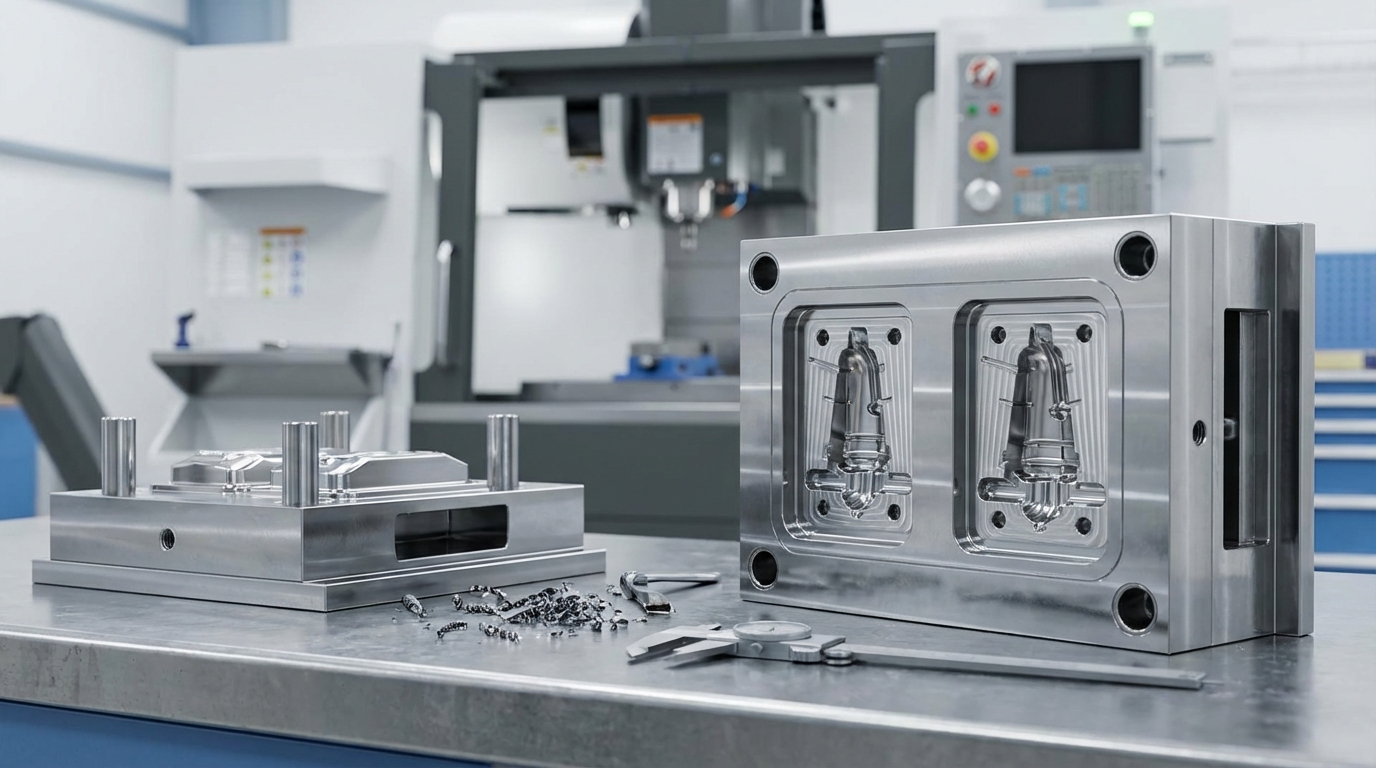
Silicone molds require specialized lead times because they must be machined to “zero-tolerance” fits to prevent the low-viscosity liquid from leaking, which justifies the LSR tooling cost. If the mold plates are off by even a few microns, the liquid silicone will “flash,” resulting in defective parts. This level of precision requires high-grade stainless steel and multiple stages of heat treatment and polishing.
But wait, there’s more: a precision-built silicone mold can often last for millions of cycles with minimal maintenance.
Why is micron-level precision necessary for tooling?
Unlike molten plastic, liquid silicone flows like water under pressure, finding even the smallest gap in a mold’s parting line. Precision engineering ensures that the air can escape the cavity through vents while the material remains contained. This balance is critical for achieving a perfect surface finish and dimensional accuracy.
How long do high-performance molds typically last?
When properly maintained, a hardened steel LSR mold can run for over 10 million shots. This longevity makes it an incredibly sustainable choice for long-term product lines, reducing the need for replacement tooling every few years.
- Hardened Steel: Prevents wear from high-pressure injection.
- Platinum Coatings: Enhances release and surface quality.
- Integrated Cooling: Ensures consistent cure times across all cavities.
Key Takeaway: The time invested in precision tooling pays off through millions of perfect parts and years of worry-free production.
| Tooling Factor | Standard Plastic Tool | High-Precision LSR Tool |
|---|---|---|
| Typical Life | 1,000,000 Cycles | 10,000,000+ Cycles |
| Precision Needs | Hundredths of mm | Thousandths of mm |
| Maintenance | Frequent Polishing | Minimal (Self-lubricating) |
Focusing on precision at the start ensures a stable and predictable manufacturing outcome for the life of your product.
What are the Key Facts About Silicone Injection Molding?
A fundamental fact about silicone injection molding is its biocompatibility and resistance to bacterial growth, making it safer than plastic regardless of the [LSR tooling cost]. It does not contain phthalates or BPA, which are common concerns in plastic manufacturing. Furthermore, silicone remains chemically inert when exposed to harsh disinfectants or high-pressure steam sterilization.
Make no mistake: silicone is not just “another elastomer”; it is a high-performance polymer designed for life-critical applications.
Is it more versatile than plastic design recommendations?
While plastic design guides warn against thick cross-sections due to sink marks, silicone’s curing process allows for significant wall variations. You can have a heavy mounting base and a paper-thin gasket on the same part without compromising structural integrity.
How stable is the production environment over time?
Automated LSR systems provide a highly stable production environment where every shot is electronically monitored for pressure and temperature. This data-driven approach ensures that part 1,000,000 is identical to part 1, providing the consistency required by medical and automotive standards.
- Hypoallergenic: Won’t irritate skin or tissues.
- UV Resistance: Won’t yellow or become brittle in sunlight.
- Electrical Insulation: High dielectric strength for electronics.
Key Takeaway: Relying on the facts of silicone’s stability helps you pass rigorous certification audits and ensures long-term customer safety.
| Property | Silicone Performance | User Value |
|---|---|---|
| Purity | Medical Grade Available | Safety and Compliance |
| Odor/Taste | Neutral | High Consumer Preference |
| Durability | Non-aging | Extended Product Life |
Understanding these core facts allows for more confident material selection in the early stages of product development.
How Does LSR Molding Benefit Mass Production?
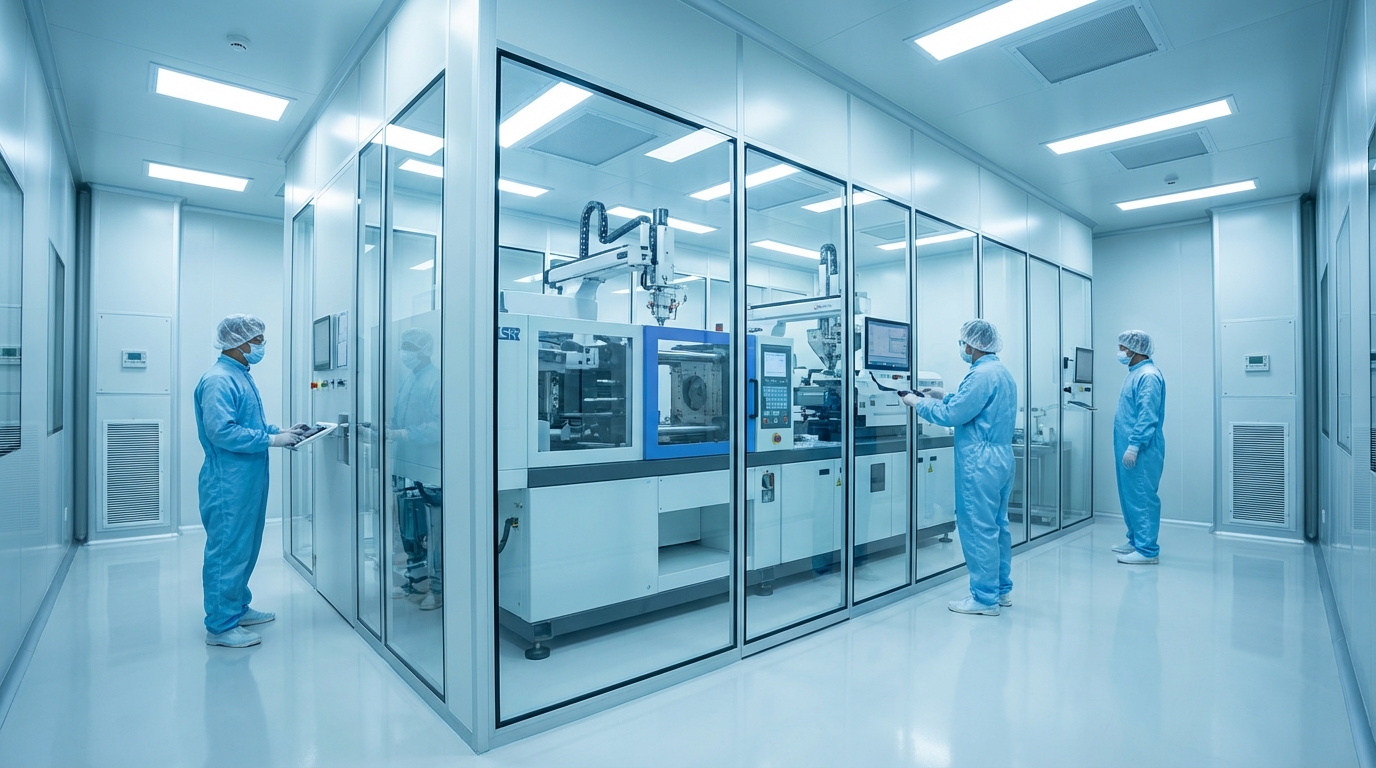
LSR molding benefits mass production by utilizing fully automated, high-cavitation systems that maximize the value of the LSR tooling cost. Once the process is dialed in, parts can be ejected and packaged with zero human contact, maintaining high purity levels. This automation also eliminates the variability and slow speeds associated with manual compression molding or plastic finishing.
Here is the bottom line: speed and consistency are the two pillars of high-volume silicone manufacturing.
Do fast cycle times improve speed-to-market?
Typical cure times for silicone are incredibly fast, often allowing for cycle times under 30 seconds for small parts. This rapid throughput allows you to build inventory quickly and respond to sudden market demands without waiting for long lead-time plastic runs.
What role does high cavitation play in efficiency?
Building a mold with 64 or 128 cavities might seem like a large investment, but it allows a single machine to produce hundreds of thousands of parts per week. This massive scalability is what makes silicone the standard for high-volume items like earbud tips and infant bottle nipples.
- Lights-Out Manufacturing: Operates without constant supervision.
- Robotic Pick-and-Place: Ensures delicate parts are handled safely.
- In-Line Quality Checks: Sensors detect pressure drops instantly.
Key Takeaway: Mass production with LSR allows you to scale from thousands to millions of units with minimal increase in labor or overhead.
| Production Factor | Manual Process | Automated LSR |
|---|---|---|
| Cycle Speed | Slow/Variable | Fast/Predictable |
| Rejection Rate | Moderate | Very Low |
| Scale Potential | Limited by Staff | Virtually Unlimited |
Automation turns silicone molding into a high-speed engine for your brand’s growth and scalability.
Can This Process Support Short-Run Applications?
Yes, the process can support short-run applications through modular tooling and rapid prototyping that reduces the burden of the [LSR tooling cost]. By using aluminum molds or modular steel inserts, you can produce small batches of 500 to 5,000 parts for specialized industrial gear or pilot market tests. This allows you to test the actual material properties of silicone before committing to a million-dollar mass-production tool.
Look at it this way: short-run silicone molding is your insurance policy against design flaws and market uncertainty.
Is prototyping economically feasible for startups?
For startups, “soft tooling” offers a path to get medical-grade silicone parts into the hands of testers without the lead time of hardened steel. Modern CNC and 3D-printed mold technology have made it possible to go from CAD to silicone parts in as little as two weeks.
How flexible are modern tooling options for small batches?
Modular mold bases allow you to swap out cavity inserts while keeping the same frame, significantly cutting down on the material costs of a new mold. This is ideal for product lines that require frequent updates or different sized variants.
- Bridge Tooling: Fills the gap between prototype and mass production.
- Validation Batches: Crucial for FDA clinical trials.
- Custom Colors: Easily changed for small, branded runs.
Key Takeaway: You don’t need a million-unit forecast to benefit from the precision and performance of silicone injection molding.
| Short-Run Method | Ideal For | Timeframe |
|---|---|---|
| Soft Tooling | Iterative Prototyping | 2-3 Weeks |
| Modular Inserts | Low-Volume Production | 4-6 Weeks |
| Insert Molding | Hybrid Prototypes | 3-5 Weeks |
Flexibility in tooling ensures that even small-scale projects can benefit from high-performance silicone components.
Which Industries Rely Most on LSR Components?
The medical, automotive, and pet care industries are the primary users of silicone because its performance justifies the LSR tooling cost. In medical settings, silicone is used for surgical tools and implants because it is non-reactive with human tissue. For automotive applications, its ability to maintain a seal under the hood amidst heat and vibrating fluids is unmatched by traditional rubbers.
The reality is: if a part is critical to safety or hygiene, it is likely made of silicone.
How is it used in medical and healthcare sectors?
Medical grade silicone is used for everything from infusion pumps and respiratory masks to wearable health monitors. Its purity and ability to be sterilized multiple times without degradation make it the only choice for clinical environments where patient safety is paramount.
Why is it essential for automotive and mobility safety?
Modern electric vehicles require advanced thermal management, and silicone gaskets protect sensitive battery cells from moisture and overheating. Its high dielectric strength also makes it a perfect insulator for high-voltage cables and connectors.
- Pet Products: Non-toxic, chew-resistant toys and feeders.
- Wearables: Flexible, skin-safe straps and seals.
- Industrial: High-pressure gaskets for chemical processing.
Key Takeaway: Across all sectors, silicone is the material of choice when failure is not an option for the end-user.
| Industry | Primary Benefit | Example Application |
|---|---|---|
| Medical | Biocompatibility | Heart Valve Seals |
| Automotive | Heat Resistance | Turbocharger Gaskets |
| Consumer | Durability/Safety | Pet Feeding Mats |
Industry leaders rely on silicone to build trust and ensure the longevity of their most critical products.
How Should You Choose an Expert Manufacturing Partner?
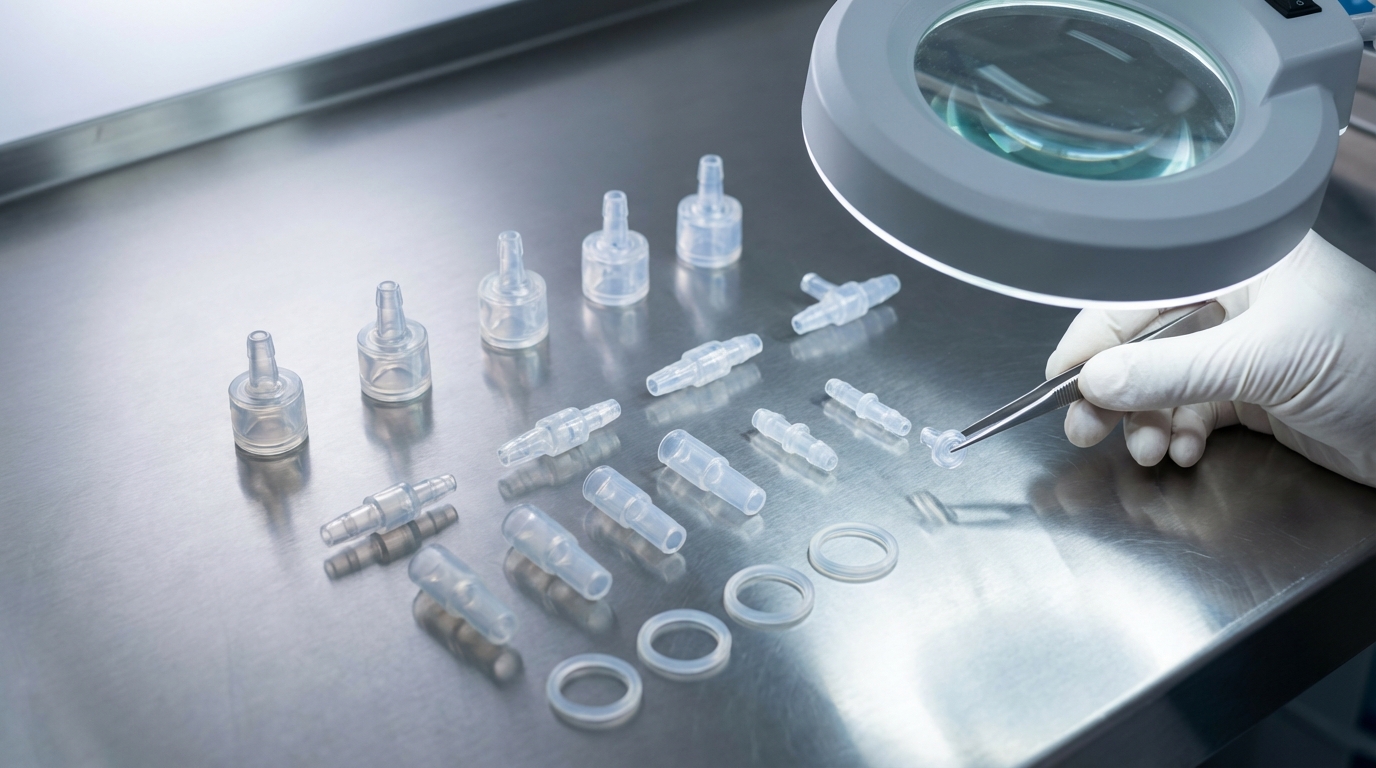
You should choose a manufacturing partner who offers integrated engineering support and full transparency regarding the [LSR tooling cost]. A true expert will conduct a Design for Manufacturability (DFM) review to identify potential issues before a single piece of steel is cut. They should also provide a range of services from rapid prototyping to high-volume cleanroom production to support your product’s entire lifecycle.
It all comes down to this: a cheap molder will cost you more in the long run through delays and defective parts.
What engineering expertise should you prioritize?
Prioritize a partner with in-house mold-making capabilities, as this allows for faster iterations and better control over the final part quality. They should understand the nuances of cold-runner systems and valve-gate technology to minimize material waste and maximize cycle efficiency.
Why is end-to-end quality assurance critical?
In B2B manufacturing, traceability and consistency are vital; your partner should have rigorous quality management systems in place. This includes everything from incoming material inspection to final functional testing of the molded parts.
- ISO Certifications: Ensures global standards are met.
- Cleanroom Access: Vital for medical and electronic purity.
- Global Export: Simplifies logistics and customs for international brands.
Key Takeaway: Selecting a partner with deep technical expertise ensures your product is built right the first time, saving you time and protecting your reputation.
| Partner Criteria | Why it Matters | Impact on You |
|---|---|---|
| In-House Tooling | Better control and speed | Lower risk of delays |
| DFM Reviews | Catches errors early | Prevents expensive reworks |
| Cleanroom Facilities | Guaranteed purity | Meets regulatory standards |
Choosing the right partner is the most important decision you will make in your silicone manufacturing journey.
*
Mastering the Future of Silicone Manufacturing
This article has debunked the myths that hold back innovation, established the facts of silicone’s superior performance, and highlighted the economic benefits of Liquid Silicone Rubber injection molding. By understanding how to manage tooling costs and leveraging silicone’s unique design freedom, you can solve persistent product failures and enhance your brand’s reputation for quality. Whether you are developing medical devices, automotive seals, or food-grade consumer goods, silicone provides the resilience your customers demand.
Our vision is to empower B2B leaders with the high-precision components they need to build a safer, more durable world. We provide end-to-end engineering, from DFM reviews to mass-market delivery, ensuring your vision is realized with perfect precision. If you are ready to elevate your product line and eliminate manufacturing bottlenecks, contact us today for a comprehensive consultation on your next project.
*
Frequently Asked Questions
Can I use silicone injection molding for very small batches?
Yes, you can utilize modular tooling or soft-tool inserts to make short-run production economically viable. Modern manufacturing techniques allow for batches as small as a few hundred units, making it accessible for specialized industrial or medical applications.
What’s the best way to reduce my initial investment?
The most effective way is to engage in a detailed Design for Manufacturability review with your molder to simplify part geometry. By optimizing the design for automated ejection and using modular mold bases, you can significantly lower the upfront engineering expenses.
How do I know if my part is better suited for silicone or plastic?
You should choose silicone if your part requires constant flexibility, high-temperature resistance, or biocompatibility that plastics cannot provide. If your application involves extreme environmental stress or needs to be skin-safe, silicone is the superior choice.
Can I overmold silicone onto metal or plastic components?
Yes, silicone can be bonded to a wide variety of substrates, including stainless steel, aluminum, and high-temperature plastics like PEEK. This allows you to create hybrid parts that combine the rigidity of a frame with the sealing properties of silicone.
What is the typical lead time for a high-precision silicone mold?
Lead times generally range from 4 to 8 weeks, depending on the complexity of the part and the number of cavities required. Hardened steel molds for mass production take longer to engineer because they must be machined to micron-level tolerances to ensure flash-free results.