
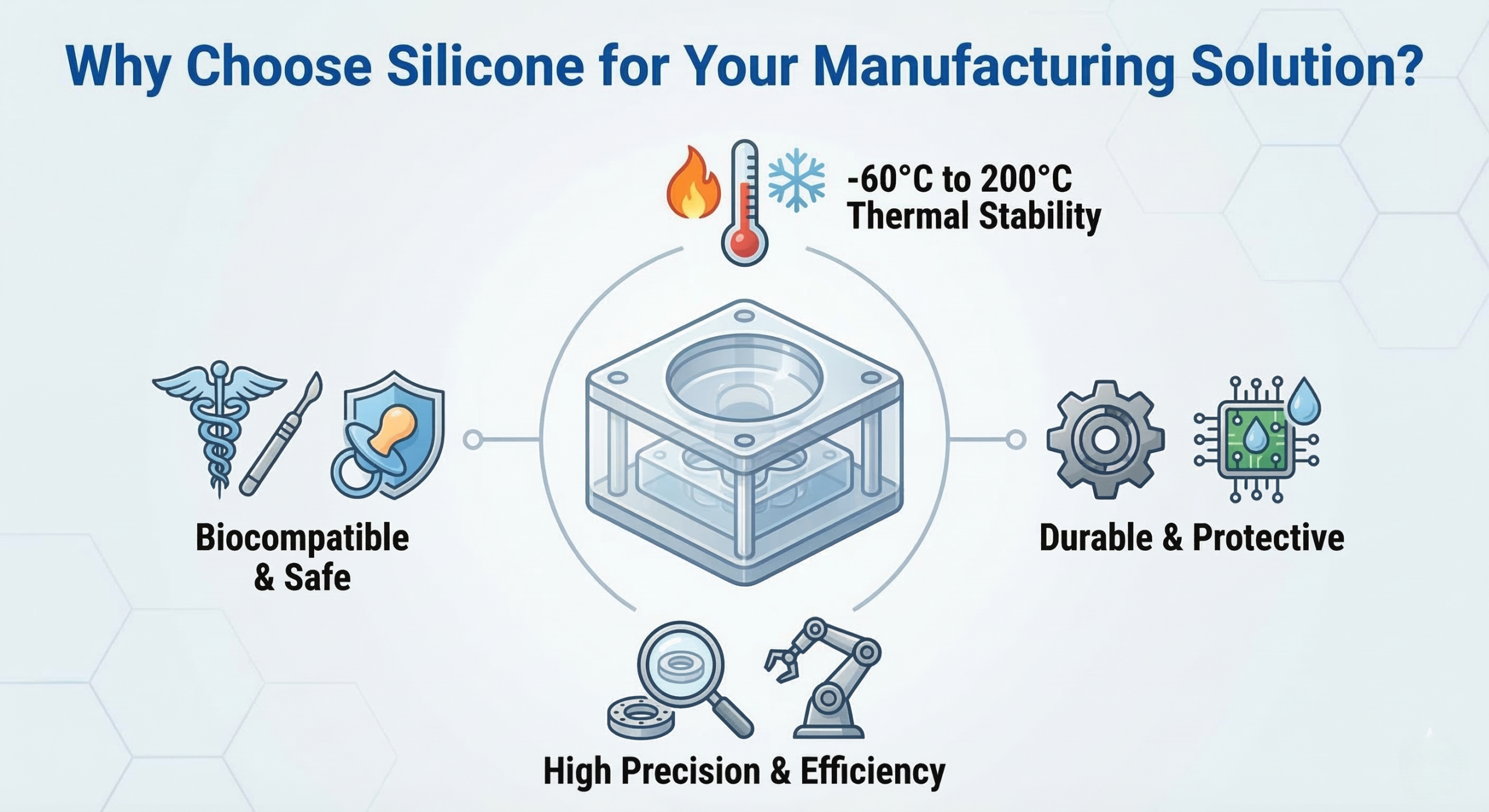
Silicone offers unparalleled thermal stability and biocompatibility, making it the premier choice for complex manufacturing projects. Many engineers face the constant headache of material degradation and inconsistent part dimensions when using standard plastics. These failures lead to expensive scrap rates and damage your brand’s reputation in high-stakes industries. By understanding why is silicone a great molding material, you can unlock superior performance and long-term reliability for your next product launch.
Why is silicone a great molding material for durability?
Silicone provides extreme resistance to environmental wear, ensuring long-term part integrity in harsh conditions. This resilience is exactly why is silicone a great molding material for outdoor and industrial applications. It withstands UV light, ozone, and oxygen without becoming brittle or losing its shape over time.
Maximizing Product Lifespan
Here is the deal: silicone does not age like organic rubbers. It maintains its physical properties even after years of exposure to rain, salt, and abrasion.
- High tensile strength prevents tearing.
- Excellent compression set maintains seals.
- UV resistance prevents discoloration.
Key Takeaway: Choosing silicone ensures your product survives the toughest environments without frequent replacements.
| Feature | Performance |
|---|---|
| UV Resistance | Excellent |
| Chemical Stability | High |
| Tensile Strength | 5.0 – 11.0 MPa |
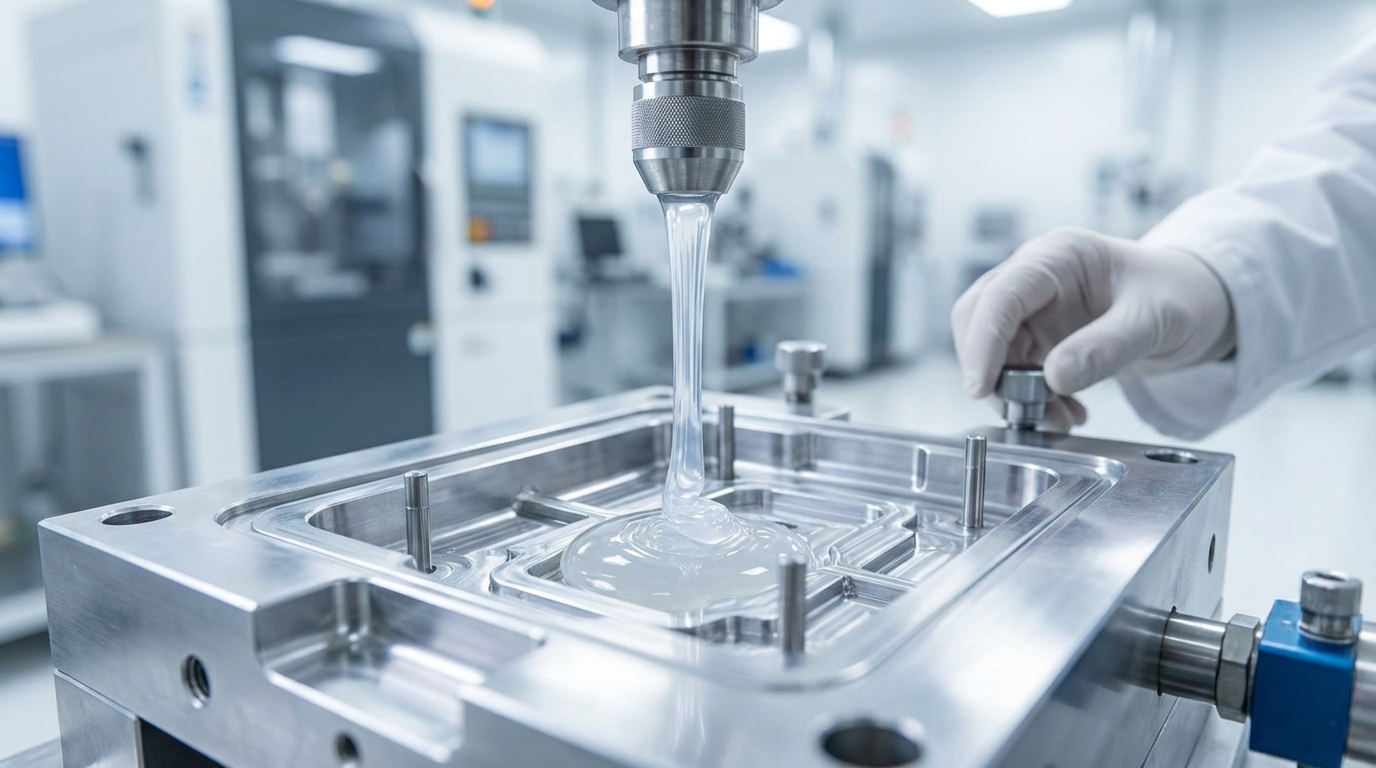
Modern manufacturing facilities leverage advanced liquid silicone to create components that outlast traditional alternatives.
How does temperature resistance benefit your production?
This material maintains its physical properties across a massive temperature range from -60°C to 200°C. High heat or extreme cold often causes other polymers to melt or crack, but understanding why is silicone a great molding material allows you to build products for aerospace and automotive sectors. It operates indefinitely at 150°C with virtually no change in performance.
Handling Extreme Thermal Cycles
Look: thermal stability is not just about heat. Silicone remains flexible in sub-zero temperatures where other materials fail.
- Operating range: -60°C to over 200°C.
- Low thermal conductivity for insulation.
- Minimal shrinkage during curing.
Key Takeaway: Temperature stability allows your components to function reliably in diverse climates and industrial heat.
| Temp Range | Stability |
|---|---|
| -60°C | Flexible |
| 150°C | Constant |
| 200°C+ | High Resistance |
Stable thermal performance reduces the risk of part failure during critical operational phases.
Why is silicone a great molding material for medical use?
Silicone is naturally inert and biocompatible, making it safe for internal and external medical applications. Its high purity level is a primary reason why is silicone a great molding material for healthcare devices. It is odorless, tasteless, and resistant to bacteria growth, ensuring compliance with strict safety certifications.
Meeting Strict Safety Standards
The best part? Medical-grade silicone does not irritate the human body or trigger allergic reactions.
- FDA and LFGB compliance.
- Sterilizable via autoclave or gamma.
- Non-reactive with most chemicals.
Key Takeaway: Silicone’s biocompatibility simplifies the certification process for surgical tools and implants.
| Standard | Compliance |
|---|---|
| Biocompatibility | ISO 10993 |
| Certification | FDA/LFGB |
| Purity | High Grade |
Inert properties prevent unwanted chemical interactions, protecting both the device and the patient.
What makes Liquid Silicone Rubber better than solids?
Liquid Silicone Rubber (LSR) offers superior precision and faster cycle times compared to traditional compression methods. Modern injection technology explains why is silicone a great molding material when you need complex geometries and high-volume output. It flows easily into intricate mold cavities, reducing the risk of air pockets or defects.
Achieving High-Precision Results
Think about it: LSR injection molding is a closed-system process that minimizes contamination.
- Flashless molding reduces waste.
- Automatic production increases speed.
- High dimensional accuracy (±0.05mm).
Key Takeaway: LSR injection molding is the most cost-effective way to scale production of complex parts.
| Process | Benefit |
|---|---|
| Injection | Fast Cycles |
| Accuracy | High Precision |
| Contamination | Minimal |
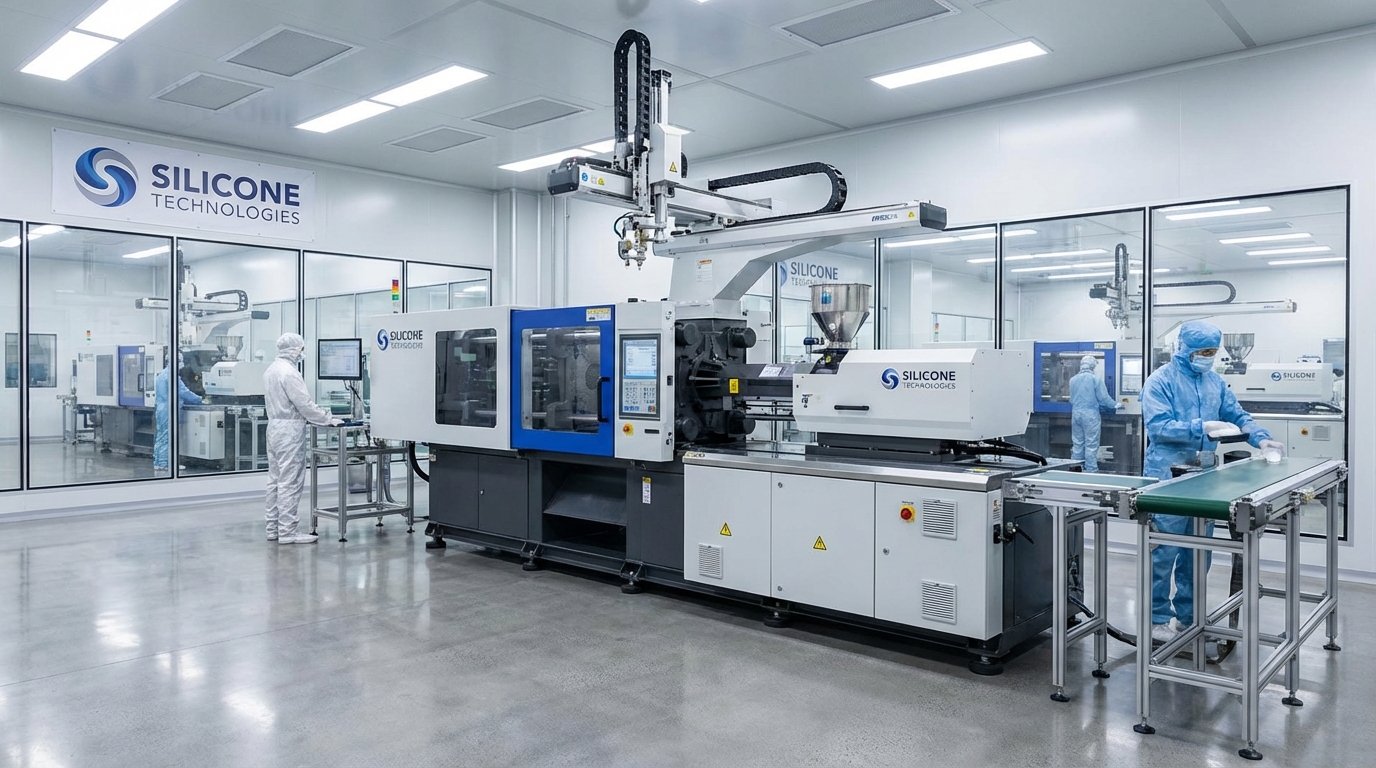
Advanced LSR injection machines provide the repeatability needed for high-volume manufacturing without sacrificing quality.
Why is silicone a great molding material for electronics?
The excellent dielectric properties of silicone make it the ideal insulator for sensitive electronic components. Its ability to protect circuits from moisture and shock is why is silicone a great molding material for the consumer electronics industry. It effectively absorbs vibrations and provides a waterproof seal for smart wearables.
Protecting Sensitive Components
But wait, there is more: silicone can be modified to be semi-conducting for specialized applications.
- Dielectric strength: 20-25 kV/mm.
- IP67/IP68 waterproof sealing.
- Shock and vibration damping.
Key Takeaway: Silicone protects your electronics from environmental hazards and physical impact during daily use.
| Property | Value |
|---|---|
| Dielectric Strength | 20+ kV/mm |
| Waterproofing | Up to IP68 |
| Vibration Damping | High |
High-performance insulation ensures long-term reliability for gadgets and industrial sensors alike.
Can overmolding improve your product’s performance?
Overmolding allows you to bond silicone directly to metal or plastic substrates for a seamless finish. Combining different materials is another reason why is silicone a great molding material for multi-functional parts. This process eliminates the need for adhesives and reduces assembly time, creating a more durable and ergonomic product.
Enhancing User Experience
Simply put: overmolding creates a soft-touch grip while maintaining a rigid structural core.
- Eliminates manual assembly steps.
- Creates permanent chemical bonds.
- Improves ergonomic handling.
Key Takeaway: Overmolding reduces manufacturing costs while significantly improving the look and feel of your product.
| Bonding Type | Efficiency |
|---|---|
| Mechanical | Reliable |
| Chemical | Permanent |
| Assembly | Reduced |
Integrated material solutions provide better functionality and a more professional aesthetic for consumer goods.
Why is silicone a great molding material for baby products?
Food-grade silicone is non-toxic and free from BPA, phthalates, and lead, ensuring maximum safety for infants. Its soft texture and heat resistance explain why is silicone a great molding material for pacifiers, teethers, and feeding sets. Unlike plastic, it does not leach chemicals when heated in a microwave or dishwasher.
Ensuring Infant Health
The deal is simple: silicone is soft on gums but tough enough to withstand constant chewing.
- Heat resistant for easy sterilization.
- Non-porous surface resists stains.
- Hypoallergenic and skin-safe.
Key Takeaway: Using food-grade silicone builds trust with parents who prioritize safety and hygiene for their children.
| Feature | Baby Safety |
|---|---|
| Toxins | BPA Free |
| Texture | Soft/Flexible |
| Hygiene | Dishwasher Safe |
Safety-first materials are essential for entering the highly regulated mother and baby care market.
How does material purity reduce your manufacturing risks?
High material purity ensures consistent physical properties across every batch of production. Standardizing your supply is why is silicone a great molding material because it prevents unpredictable failures during mass production. Using traceable, high-grade materials reduces the chance of batch rejections and assembly issues.
Implementing Rigorous Inspection
Look: a controlled process ensures that the part you prototype is the exact part you ship.
- Incoming material verification.
- 100% visual inspection options.
- Traceable production records.
Key Takeaway: Consistent material purity minimizes quality risks and ensures your production line runs smoothly.
| Quality Stage | Action |
|---|---|
| IQC | Material Verification |
| IPQC | Process Monitoring |
| FQC | Final Dimension Check |
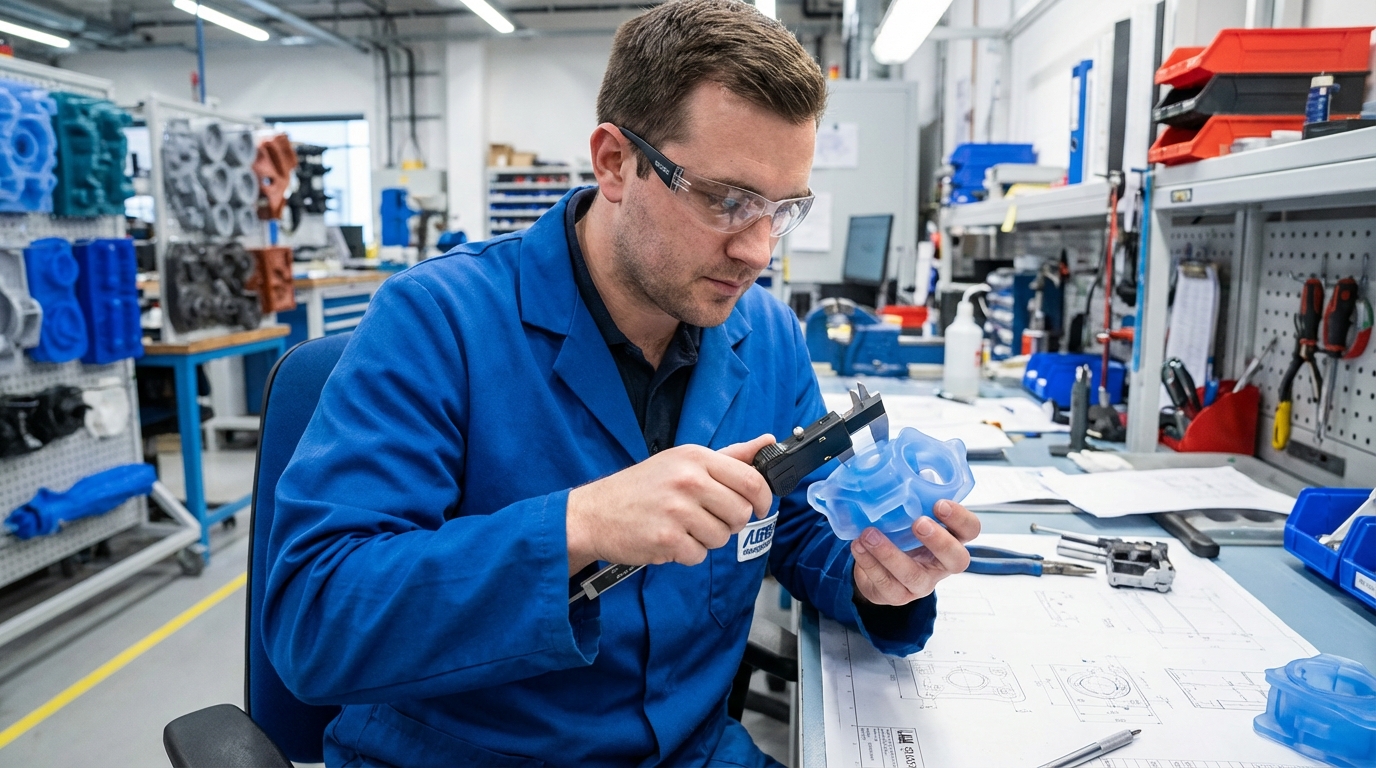
Dedicated engineers must monitor critical-to-quality dimensions to ensure every molded part meets your exact specifications.
Why is silicone a great molding material for automotive?
Automotive engineers rely on silicone for gaskets and seals that must withstand oil, heat, and vibration. Its long-term tensile strength is exactly why is silicone a great molding material for under-the-hood applications. It maintains a perfect seal even when subjected to the extreme pressure and thermal cycling found in modern engines.
Driving Vehicle Reliability
Here is the deal: silicone seals prevent leaks that can lead to catastrophic engine failure.
- Resistant to engine oils and fluids.
- Maintains flexibility at -60°C.
- Reduces noise, vibration, and harshness.
Key Takeaway: Silicone components improve the lifespan of vehicles by providing reliable sealing in high-stress environments.
| Automotive Use | Requirement |
|---|---|
| Gaskets | Oil Resistance |
| Spark Plug Boots | High Insulation |
| Cooling Hoses | Heat Stability |
Reliable sealing technology is critical for both internal combustion and new energy vehicle applications.
What customization options do silicone manufacturers offer?
Modern factories can customize silicone parts through color matching, hardness adjustments, and surface treatments. The versatility of the material is why is silicone a great molding material for brands that need a unique look and feel. From matte finishes to conductive coatings, the possibilities are virtually endless for your design team.
Tailoring Parts to Your Needs
The best part? You can choose a hardness range from Shore 10A to 80A to match your specific application.
- Custom Pantone color matching.
- Laser marking and pad printing.
- Adhesive backing for easy installation.
Key Takeaway: Customization allows you to differentiate your product in a crowded market while meeting functional goals.
| Customization | Options |
|---|---|
| Hardness | 10A – 80A Shore |
| Surface | Matte/Gloss/Soft-touch |
| Branding | Printing/Laser Marking |
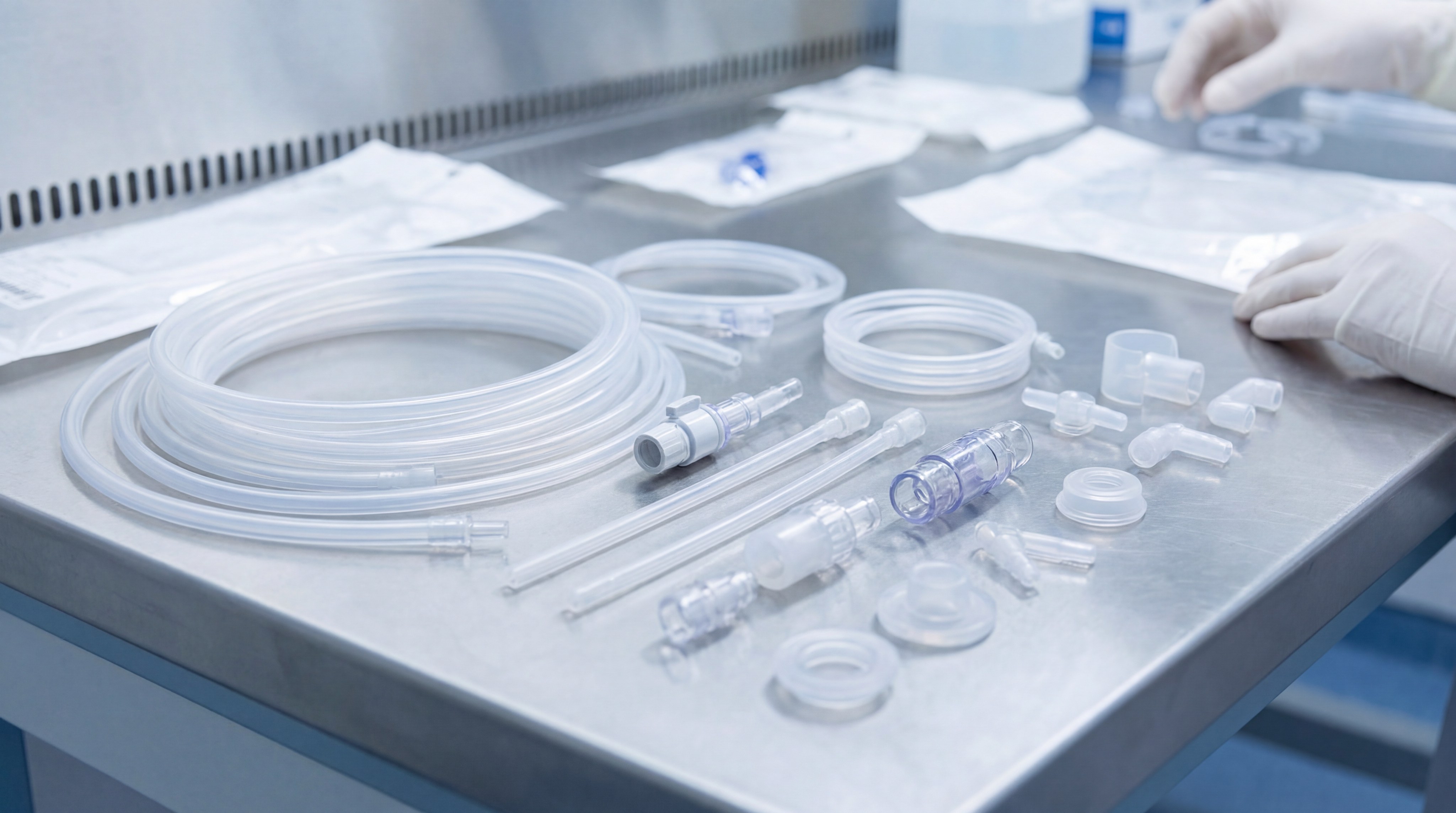
Customization options ensure that your silicone parts meet both the functional and aesthetic requirements of your industry.
FAQ
Can I use silicone for food-contact applications?
Yes, silicone is exceptionally safe for food use. When manufactured to FDA or LFGB standards, it is non-toxic, BPA-free, and does not leach chemicals into food, even at high temperatures.
What’s the best way to choose between LSR and compression molding?
LSR is the best choice for high-volume, precision parts. If your project involves complex geometries or needs a sterile environment, LSR injection molding offers superior consistency and lower long-term costs.
Can I get custom colors for my silicone parts?
Yes, manufacturers can match any Pantone or RAL color. Silicone is naturally translucent, making it very easy to pigment for vibrant or specific brand-aligned colors without affecting physical properties.
What’s the best shore hardness for a waterproof seal?
Generally, 40A to 60A Shore hardness is ideal for gaskets and O-rings. This range provides the perfect balance between flexibility for a tight seal and enough rigidity to maintain its shape under pressure.
Can I bond silicone to a metal insert?
Yes, overmolding is the preferred method for this. By using specialized primers and high-precision molds, silicone can be permanently bonded to metal or plastic substrates without the need for manual gluing.
Conclusion
At HuaLin, we specialize in transforming your complex designs into high-performance silicone realities. Whether you need medical-grade components or durable automotive seals, our Dongguan-based factory provides the DFM support and stable mass production required to launch your project successfully. We are committed to helping you reduce manufacturing risks through in-house mold making and 100% inspection protocols. Ready to start your next project? You can contact us today for a free DFM review and custom quote.