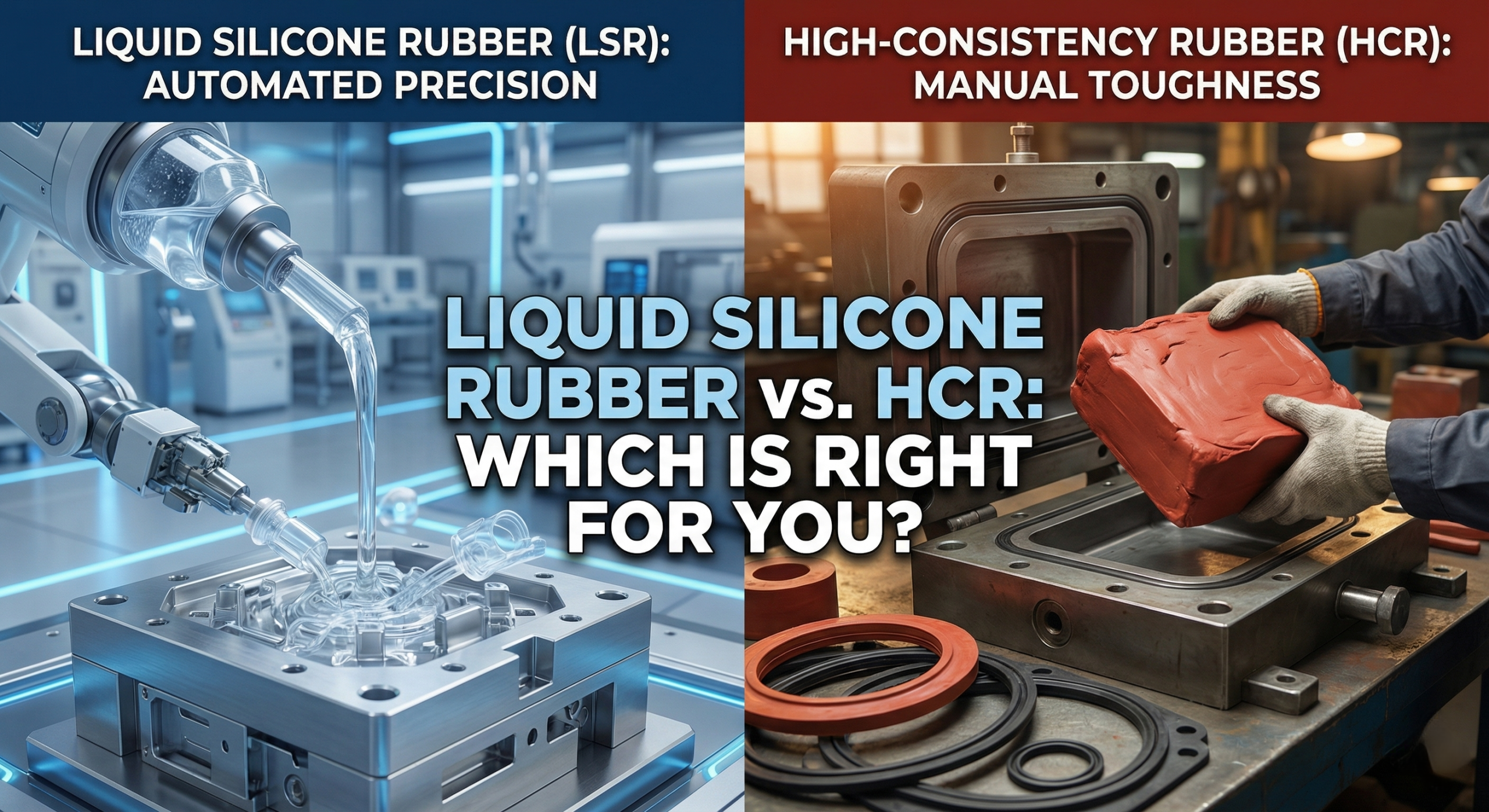
Selecting the ideal elastomer for your project is often a trade-off between manufacturing speed and material toughness. You may find that traditional molding methods lead to high labor costs and inconsistent part quality, especially when trying to scale complex designs. Transitioning to Liquid Silicone Rubber (LSR) offers a highly automated solution that resolves these inefficiencies while ensuring superior precision. To decide which is right for you, consider that LSR is the premier choice for high-volume, intricate parts, whereas High-Consistency Rubber (HCR) is better suited for heavy-duty, lower-volume industrial applications.
What is Liquid Silicone Rubber?
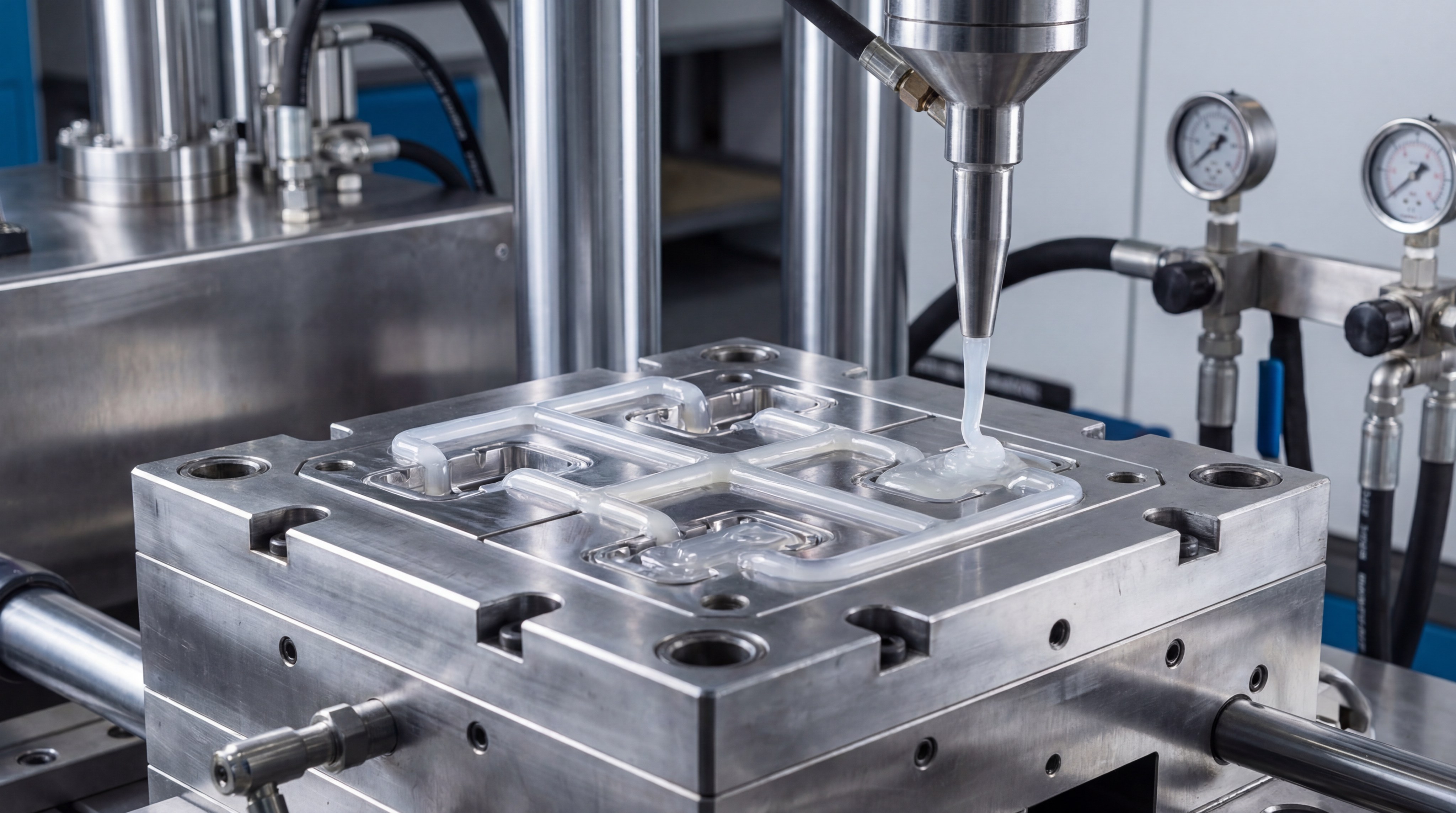
Liquid Silicone Rubber is a high-purity, two-part platinum-cured elastomer specifically designed for injection molding. This material is often preferred for medical-grade silicone components because of its biocompatibility and exceptional thermal stability. It starts as a low-viscosity liquid that flows easily into complex molds.
Understanding the Raw Material Form
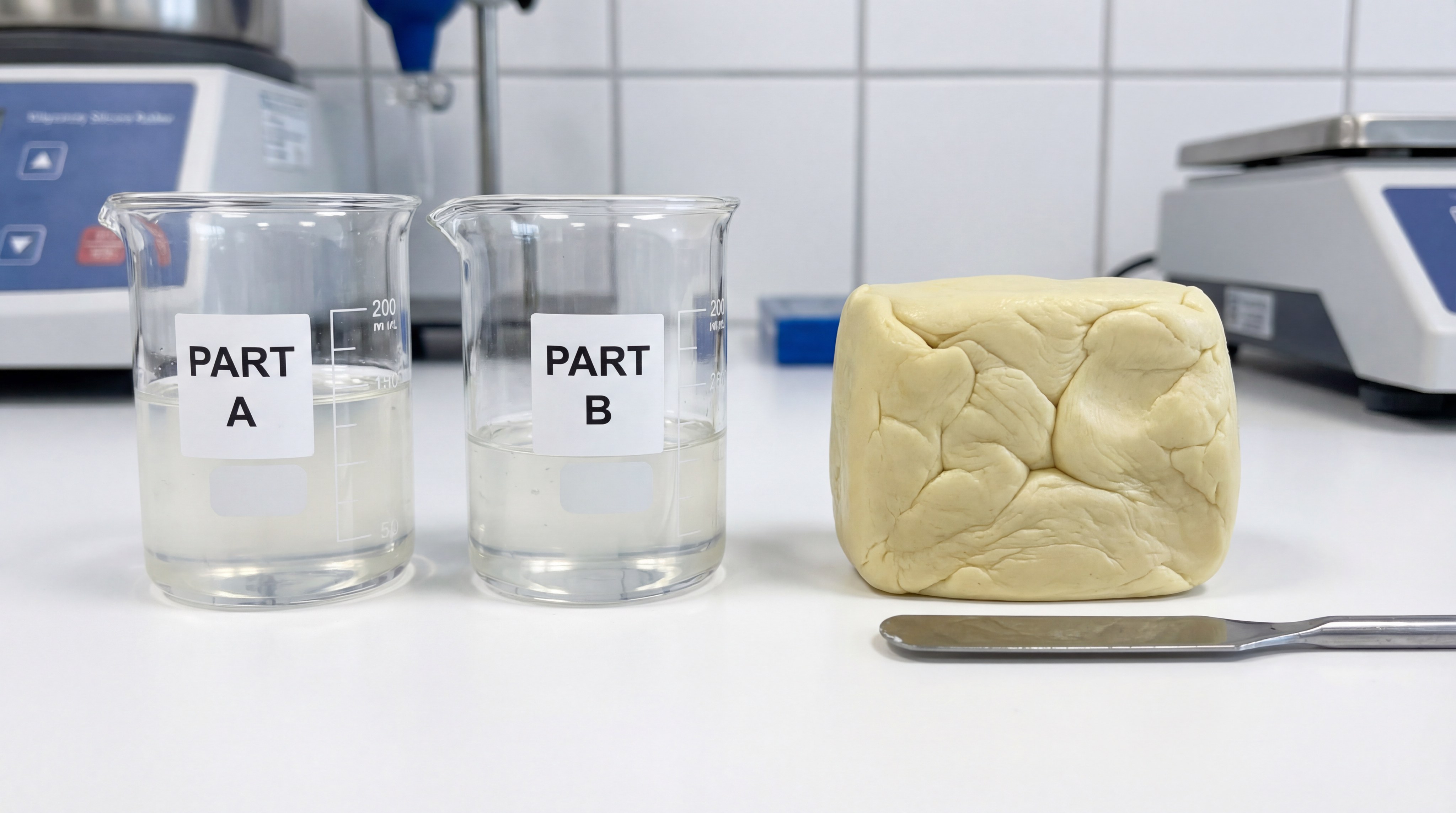
LSR arrives in two separate containers, typically labeled as Part A and Part B, which are mixed at a precise 1:1 ratio. This pumpable consistency allows for a completely closed and automated feeding system.
But wait, there’s more:
- Low viscosity for easy flow into thin-walled sections.
- Platinum-cured system resulting in no peroxide byproducts.
- Fast cycle times compared to solid gum-based rubbers.
- Excellent clarity and pigmentable options.
Key Takeaway: The liquid nature of this material is what enables the high-speed automation required for modern manufacturing.
| Feature | Liquid Silicone Rubber (LSR) |
|---|---|
| Physical State | Low-viscosity liquid |
| Cure System | Platinum-catalyzed addition |
| Handling | Pumped through closed systems |
The low viscosity of LSR minimizes the injection pressure needed to fill a cavity. This allows for the production of extremely delicate parts that would be crushed by the pressures required for HCR.
How does Liquid Silicone Rubber compare to HCR?
The primary difference lies in the viscosity and the resulting processing method used for Liquid Silicone Rubber versus HCR. While LSR is a pumpable liquid, HCR is a solid, gum-like substance that resembles clay. This fundamental difference dictates whether you use high-speed injection molding or more manual compression techniques.
Analyzing the Viscosity Gap
HCR consists of high-molecular-weight polymer chains that provide excellent physical toughness. However, its high viscosity makes it difficult to automate and requires labor-intensive handling.
Think about this:
- LSR is ideal for high-volume automation.
- HCR is better for low-volume, high-durability seals.
- LSR uses an addition cure, while HCR often uses peroxide.
- HCR requires manual loading into mold cavities.
Key Takeaway: Choosing between these materials is essentially a choice between production efficiency and raw material density.
| Property | LSR | HCR |
|---|---|---|
| Material Form | Liquid | Solid (Gum) |
| Automation | High | Low/Manual |
| Precision | Very High | Moderate |
LSR parts are typically more consistent because the process is machine-controlled. HCR relies heavily on operator skill, which can introduce variability in the final product.
Why choose Liquid Silicone Rubber for precision?
You should choose Liquid Silicone Rubber when your project requires extremely tight tolerances and intricate geometries that manual processes cannot achieve. Utilizing expert custom mold making services ensures that the low-viscosity LSR fills every detail of the cavity perfectly. This results in highly repeatable parts for critical applications like valves or sensors.
Achieving Dimensional Accuracy
Because the material is injected in a liquid state, it can reach into micro-features without leaving voids. The automated nature of the injection process ensures that every shot is identical.
Here is the deal:
- Flash-less tooling reduces secondary trimming operations.
- Consistent shrinkage rates across millions of cycles.
- Elimination of human error during material loading.
- Ability to mold very thin cross-sections.
Key Takeaway: Precision is the hallmark of the LSR process, making it indispensable for technical components.
| Benefit | Impact on Production |
|---|---|
| Repeatability | Billion-part consistency |
| No Flash | Lower labor costs for finishing |
| High Detail | Enables complex internal geometries |
The automated injection molding of LSR eliminates the “pre-form” step required in HCR. This not only saves time but also ensures that the material weight in every part is perfectly metered.
When is High-Consistency Rubber better than Liquid Silicone Rubber?
High-Consistency Rubber is often the superior choice when your application demands extreme mechanical toughness or very high durometers that Liquid Silicone Rubber cannot easily reach. HCR’s long polymer chains provide a level of tear resistance and tensile strength that is difficult to replicate in liquid systems. It remains a staple for heavy-duty industrial gaskets and large-profile extrusions.
Assessing Physical Resilience
In environments where parts undergo constant abrasion or mechanical stress, the density of HCR provides a protective advantage. It is also more economical for very large parts where the cost of high-precision LSR tooling is not justified.
It gets better:
- Superior tear strength for industrial applications.
- Easier to add specialized fillers for conductive or flame-retardant needs.
- Lower initial tooling investment for simple shapes.
- Capable of reaching durometers above 80 Shore A.
Key Takeaway: If your part is large, simple, and needs to survive extreme physical abuse, HCR is likely your best bet.
| Context | Preferred Material |
|---|---|
| High Mechanical Stress | HCR |
| Large Industrial Gaskets | HCR |
| Very High Durometer | HCR |
The trade-off for HCR’s toughness is the slower production speed. Each cycle typically takes longer due to the manual loading and slower curing of the thicker gum base.
How do you scale Liquid Silicone Rubber production?
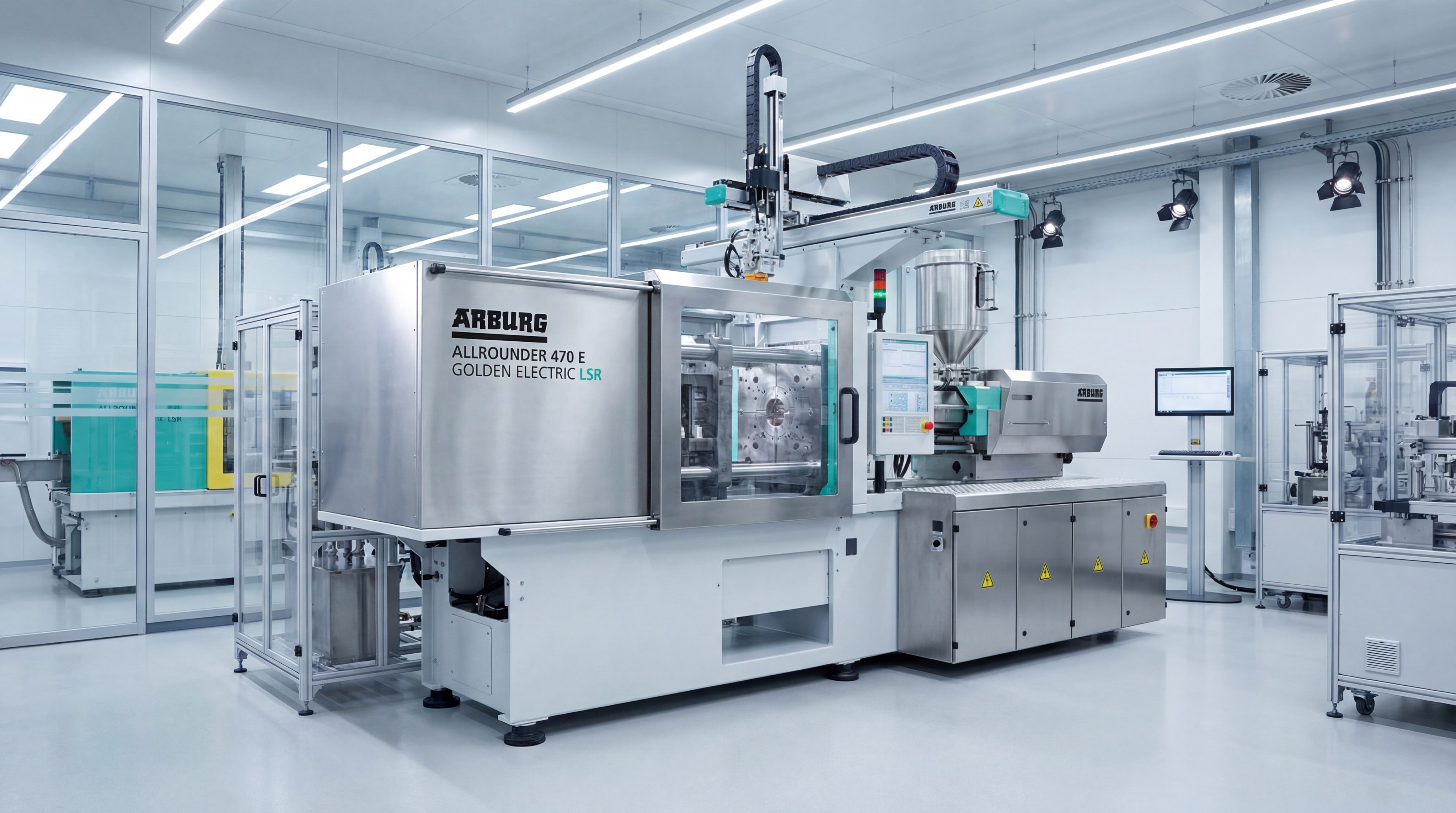
Scaling Liquid Silicone Rubber production is remarkably efficient due to the material’s compatibility with multi-cavity molds and 24/7 automated operation. High-volume manufacturing of silicone rubber products allows you to lower the per-part cost significantly over time. Once the initial tooling is optimized, the machine can run with minimal human intervention.
Maximizing Production Output
Modern injection molding machines can support molds with up to 128 cavities or more. This allows for the production of millions of parts per year from a single production line.
You might be wondering:
- How does the cycle time compare? (LSR is much faster).
- Can I use 2-shot molding? (Yes, for overmolding onto plastics).
- What about material waste? (Cold runner systems minimize waste).
- Is it easy to change colors? (Yes, via automated pigment injection).
Key Takeaway: LSR is the ultimate material for scalability, offering the lowest long-term cost for high-volume programs.
| Scaling Factor | LSR Performance |
|---|---|
| Cycle Time | Short (Seconds to Minutes) |
| Labor Requirement | Low (Automated) |
| Waste Rate | Very Low (Precise Metering) |
The transition from a single-cavity prototype to a multi-cavity production tool is seamless with LSR. This is because the material behavior remains consistent across different mold scales.
What are Liquid Silicone Rubber curing mechanisms?
The curing of Liquid Silicone Rubber typically relies on a platinum-catalyzed addition reaction that triggers when the two components meet heat. Unlike the peroxide curing often used in HCR, this addition cure generates no volatile byproducts or odors. This makes it a much cleaner process for sensitive environments like cleanrooms or food-handling facilities.
Exploring the Chemistry
The reaction is heat-activated, meaning the material remains liquid at room temperature but cures rapidly once injected into a hot mold. This allows for precise control over the “open time” and the “set time” of the elastomer.
Look at it this way:
- No post-curing is required for most applications.
- The reaction produces no outgassing.
- It is an environmentally friendly, “green” process.
- Cure speeds can be adjusted by varying the mold temperature.
Key Takeaway: The platinum addition cure ensures high purity and dimensional stability without the need for secondary oven cycles.
| Cure Type | Mechanism | Byproducts |
|---|---|---|
| LSR Addition Cure | Platinum Catalyst | None |
| HCR Peroxide Cure | Free Radical | Peroxide acids/odors |
Because there are no byproducts to escape the part, LSR exhibits very low shrinkage during and after the molding process. This is a critical factor for maintaining the seal integrity of technical components.
Which industries use Liquid Silicone Rubber most?
The medical, automotive, and consumer electronics sectors are the largest consumers of Liquid Silicone Rubber due to its versatility and safety. These industries rely on scaling LSR injection molding to keep up with the global demand for high-performance components. Whether it is a wearable device or an engine seal, LSR provides the reliability needed for long-term success.
Identifying Key Market Applications
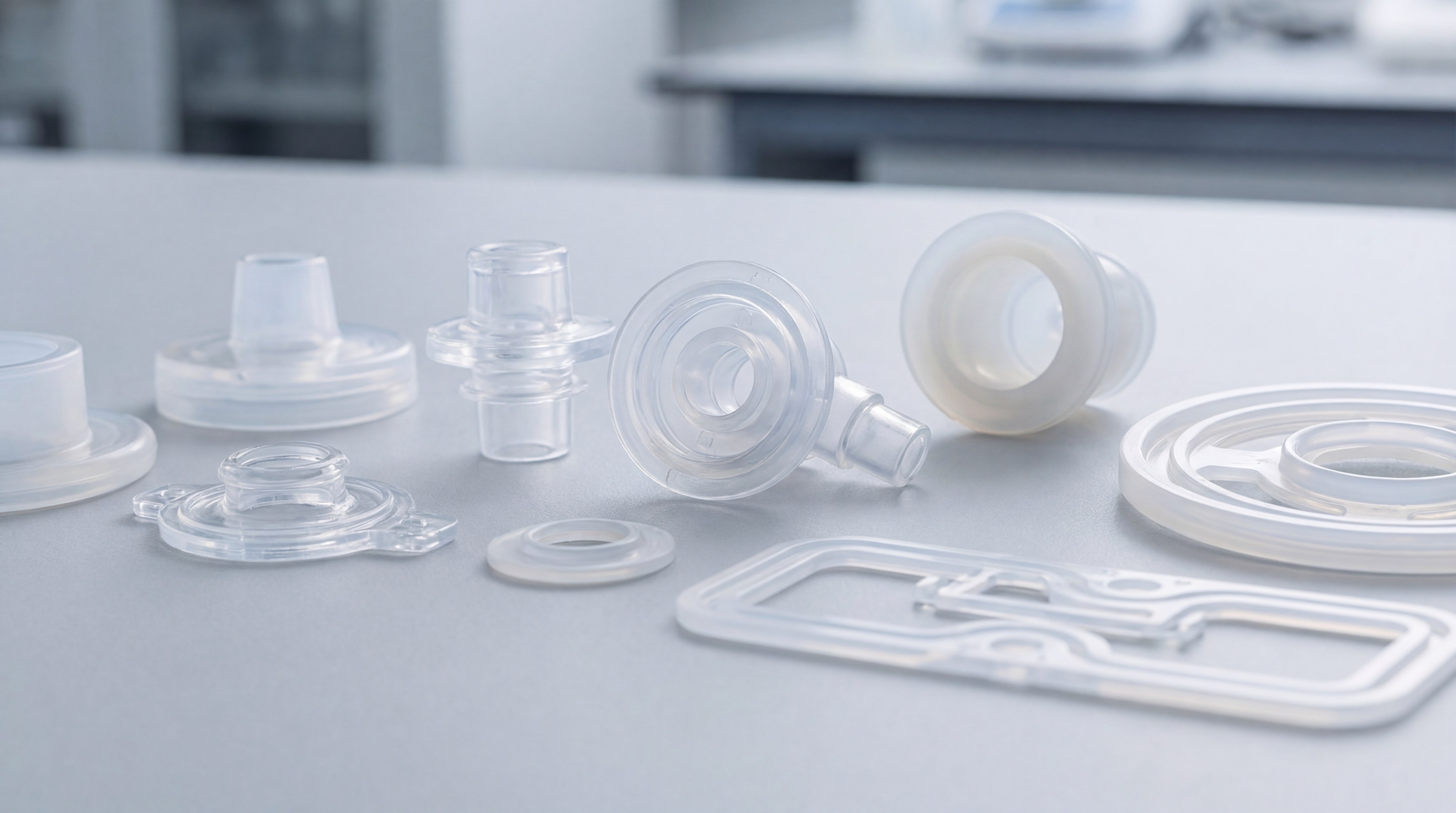
In the medical field, LSR is used for everything from infusion pumps to respiratory masks. In automotive, its ability to withstand oil and high heat makes it perfect for gaskets and electrical connectors.
The applications are endless:
- Medical: Septums, valves, and infant care products.
- Electronics: Keypads, waterproof seals, and wearable straps.
- Automotive: Wire harnesses, turbocharger hoses, and O-rings.
- Industrial: Specialty membranes and chemical-resistant liners.
Key Takeaway: If an industry requires high-purity, durable, and precise elastomer parts, it likely relies on LSR.
| Industry | Primary Use Case |
|---|---|
| Medical | Biocompatible seals and valves |
| Automotive | Heat-resistant engine components |
| Electronics | Micro-sealing and user interfaces |
LSR’s resistance to bacteria and ease of sterilization make it the gold standard for life-science applications. It can withstand repeated autoclave cycles without degrading or losing its physical properties.
Is Liquid Silicone Rubber more cost-effective?
While the initial tooling for Liquid Silicone Rubber is often more expensive than HCR, the total cost of ownership is frequently lower for high-volume runs. This is because the automation reduces labor costs and the precision reduces scrap rates. You must evaluate the “per-part” cost over the life of the project rather than just the initial capital expenditure.
Calculating the Return on Investment
The speed of the LSR process means you can produce more parts in a single shift compared to HCR. Additionally, the lack of secondary finishing operations like de-flashing further saves on production costs.
Consider these factors:
- Tooling cost (LSR is higher).
- Labor cost (LSR is significantly lower).
- Material waste (LSR is lower due to cold runners).
- Cycle time (LSR is much faster).
Key Takeaway: For projects exceeding 50,000 to 100,000 units, LSR almost always provides a better financial return than HCR.
| Cost Element | LSR Trend | HCR Trend |
|---|---|---|
| Tooling | Higher | Lower |
| Labor | Low (Auto) | High (Manual) |
| Total Cost @ High Vol | Lower | Higher |
The higher initial investment in LSR tooling pays for itself through the elimination of manual labor. Over the life of a high-volume program, these savings can amount to hundreds of thousands of dollars.
How to design for Liquid Silicone Rubber molding?
To succeed with Liquid Silicone Rubber, you must choose between LSR injection vs. compression molding based on your design’s complexity. Designing for LSR requires an understanding of its unique flow characteristics, such as its ability to fill thin walls and its tendency to flash if the mold is not perfectly sealed. Engineers should focus on uniform wall thicknesses and strategic gate placement.
Optimizing Part Geometry
LSR allows for undercuts and complex shapes that would be impossible with thermoplastics. However, because the material is so low-viscosity, the mold must be designed with extreme precision to prevent leaks.
Simply put:
- Use radiused corners to improve material flow.
- Maintain consistent wall thickness to prevent sink marks.
- Place gates in non-critical areas to avoid vestige.
- Leverage LSR’s elasticity for easy part ejection.
Key Takeaway: Proper design involvement early in the process ensures that you maximize the benefits of LSR while avoiding common molding defects.
| Design Feature | LSR Strategy |
|---|---|
| Undercuts | Generally acceptable due to elasticity |
| Wall Thickness | Aim for 0.25mm to 10mm |
| Draft Angles | Often not required for ejection |
Designers can push the limits with LSR by creating “overmolded” parts. This is where the silicone is injected directly onto a plastic or metal substrate, creating a permanent chemical bond without adhesives.
What is the future of Liquid Silicone Rubber?
The future of Liquid Silicone Rubber lies in the advancement of multi-shot molding and the integration of “smart” additives. As industries demand more compact and integrated designs, the ability to mold silicone alongside other materials in a single process will become standard. We are also seeing a rise in “low-volatile” grades that eliminate the need for any post-processing whatsoever.
Embracing Advanced Technologies
Innovations in 3D printing for LSR are also emerging, allowing for rapid prototyping before committing to expensive production tooling. Furthermore, the development of self-adhesive LSR grades is making overmolding even more accessible to a wider range of manufacturers.
But wait, there’s more:
- Increasing use of sustainable and recyclable silicone.
- Development of antimicrobial silicone for medical use.
- Higher integration of sensors directly into molded parts.
- Faster, smarter injection molding machines with AI monitoring.
Key Takeaway: The technology surrounding LSR is evolving rapidly, making it more efficient, cleaner, and versatile for the next generation of products.
| Innovation | Expected Impact |
|---|---|
| LSR 3D Printing | Faster prototyping cycles |
| Self-Bonding Grades | Simplifies complex assemblies |
| AI Monitoring | Zero-defect manufacturing |
As automation continues to dominate the factory floor, the pumpable, predictable nature of LSR makes it the perfect candidate for the “lights-out” manufacturing era.
*
FAQ
Can I use Liquid Silicone Rubber for low-volume prototypes?
Yes. While the tooling is more expensive, small-batch injection molding or 3D printing can be used for functional prototypes.
What’s the best way to reduce LSR tooling costs?
Judgment: Simplify your part design. Reducing complexity and using standard mold bases can lower initial costs significantly.
Is there a difference in heat resistance between LSR and HCR?
No. Both materials generally provide exceptional performance from -60°C to 250°C.
How often do Liquid Silicone Rubber molds require maintenance?
Judgment: Regularly. Due to the low viscosity of the material, even minor wear can cause flashing, so scheduled cleaning is vital.
Which is more environmentally friendly, LSR or HCR?
LSR. The platinum-cured addition system produces no toxic byproducts, making it a cleaner choice for the environment.
Elevate Your Manufacturing with Expert Silicone Solutions
The choice between Liquid Silicone Rubber and HCR isn’t just about material properties—it’s about the future of your production line. At our facility, we believe that precision and automation are the foundations of competitive manufacturing. By choosing the right elastomer for your specific needs, you ensure a product that is not only high-performing but also cost-effective and scalable. Whether you require medical-grade components or heavy-duty industrial seals, we have the expertise to guide your project from concept to completion.
Ready to optimize your next project with high-precision silicone molding? Contact us today to discuss your requirements and discover how our advanced manufacturing capabilities can work for you.