
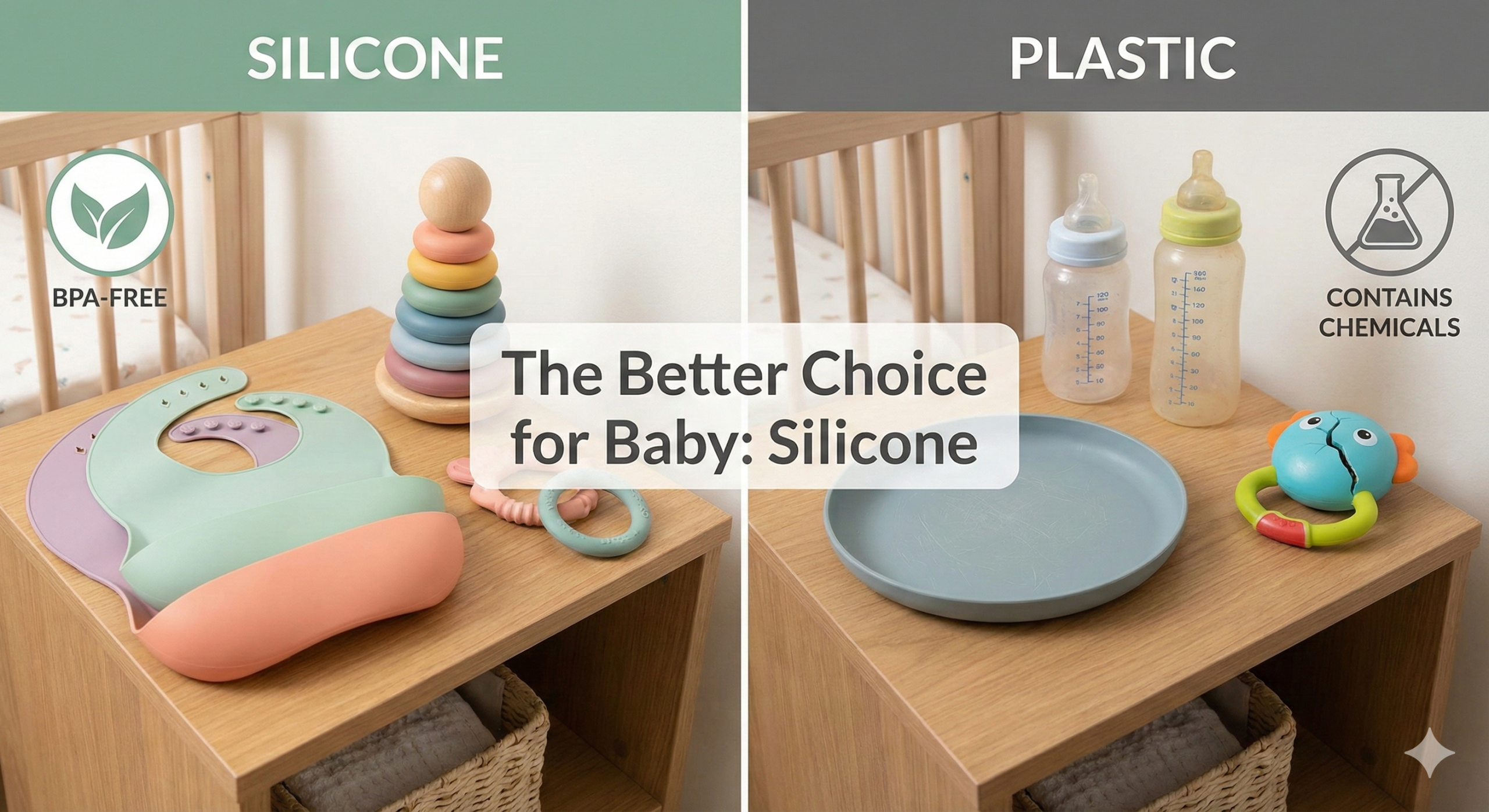
Determining whether is silicone better than plastic depends on your specific performance requirements, but for long-term industrial and consumer use, silicone is the superior choice. The global reliance on conventional plastics has created a mounting environmental crisis characterized by centuries-long decomposition times and the invasive spread of microplastics. Many industries find themselves stuck with fragile plastic products that crack under stress, leach harmful toxins when heated, and inevitably end up in landfills. Transitioning to high-quality silicone offers a robust solution; it is an inert, temperature-resistant, and highly durable material that bridges the gap between performance and sustainability.
Is Silicone Used for More Than Just Cooking?
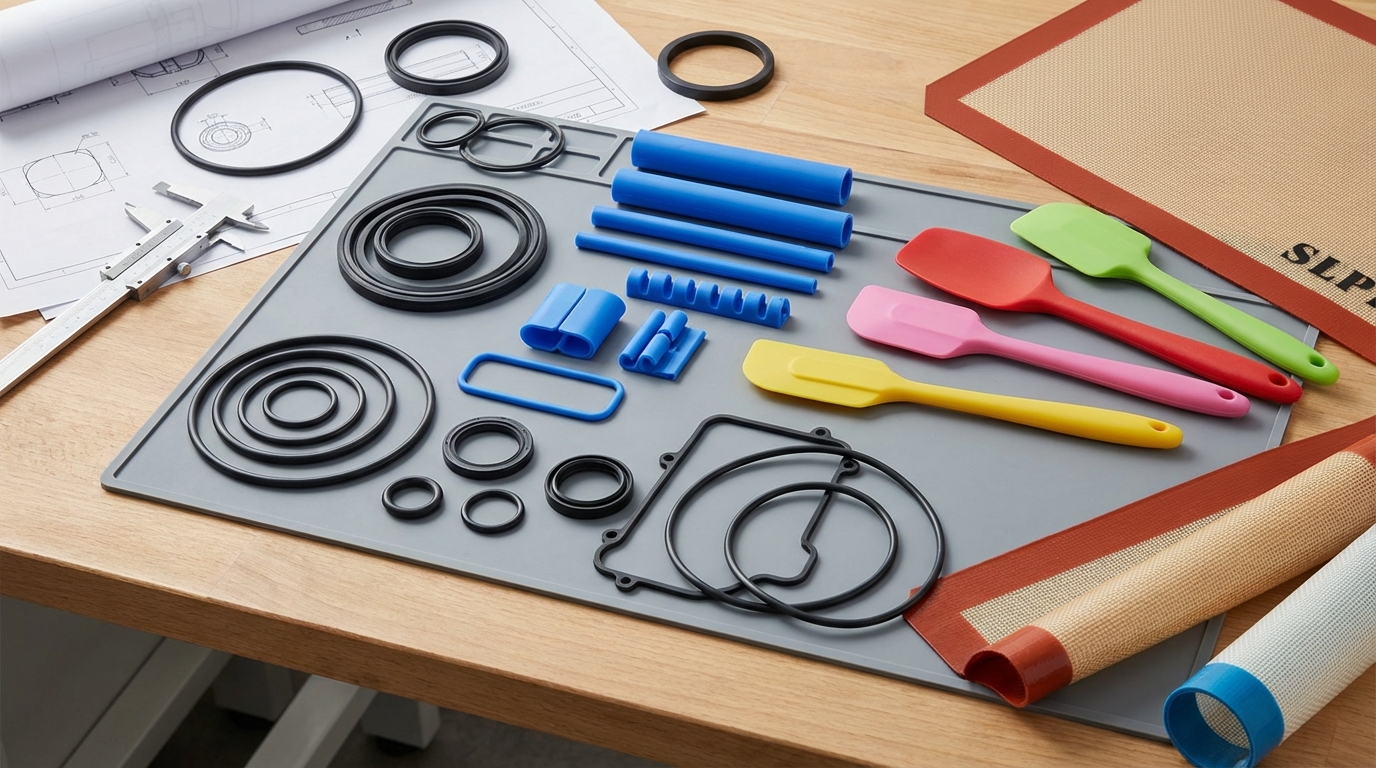
Yes, silicone is a remarkably versatile material used extensively across the electronics, aviation, automotive, and construction industries. When evaluating is silicone better than plastic, you must consider that silicone can be produced as a liquid, paste, grease, oil, or rubber. This adaptability allows it to serve as everything from high-precision electronic sleeves to heavy-duty automotive seals.
Here is the deal:
Silicone’s unique physical properties make it indispensable for demanding technical applications where standard plastics would fail.
- Aviation: Used for gaskets and seals that must withstand extreme altitude pressure.
- Electronics: Provides insulating sleeves and protective cases for sensitive components.
- Automotive: Essential for hoses and gaskets that endure constant vibration and chemical exposure.
- Construction: Acts as a durable sealant for weatherproofing and joint movement.
Industrial and Electronics Uses
Why does this matter? For B2B applications, silicone’s stability ensures that internal components remain protected from moisture and thermal shock. You can contact our team to learn more about how these components are engineered for precision.
Why Is Silicone Used in Aviation?
The aviation sector requires materials that do not become brittle in the freezing temperatures of high-altitude flight. Silicone maintains its rubbery flexibility, preventing seal failures that could lead to catastrophic pressure loss.
Key Takeaway: Silicone’s ability to exist in multiple physical states makes it a foundational material for complex global infrastructure.
| Metric | Silicone Application | Industry Relevance |
|---|---|---|
| Flexibility | High-Elasticity Rubber | Automotive & Aerospace |
| Protection | Protective Sleeves | Consumer Electronics |
| Sealing | Thermal Gaskets | Industrial HVAC |
Silicone transcends kitchenware to provide critical structural integrity for the world’s most advanced technical systems.
Is Silicone a Natural Material or Synthetic?
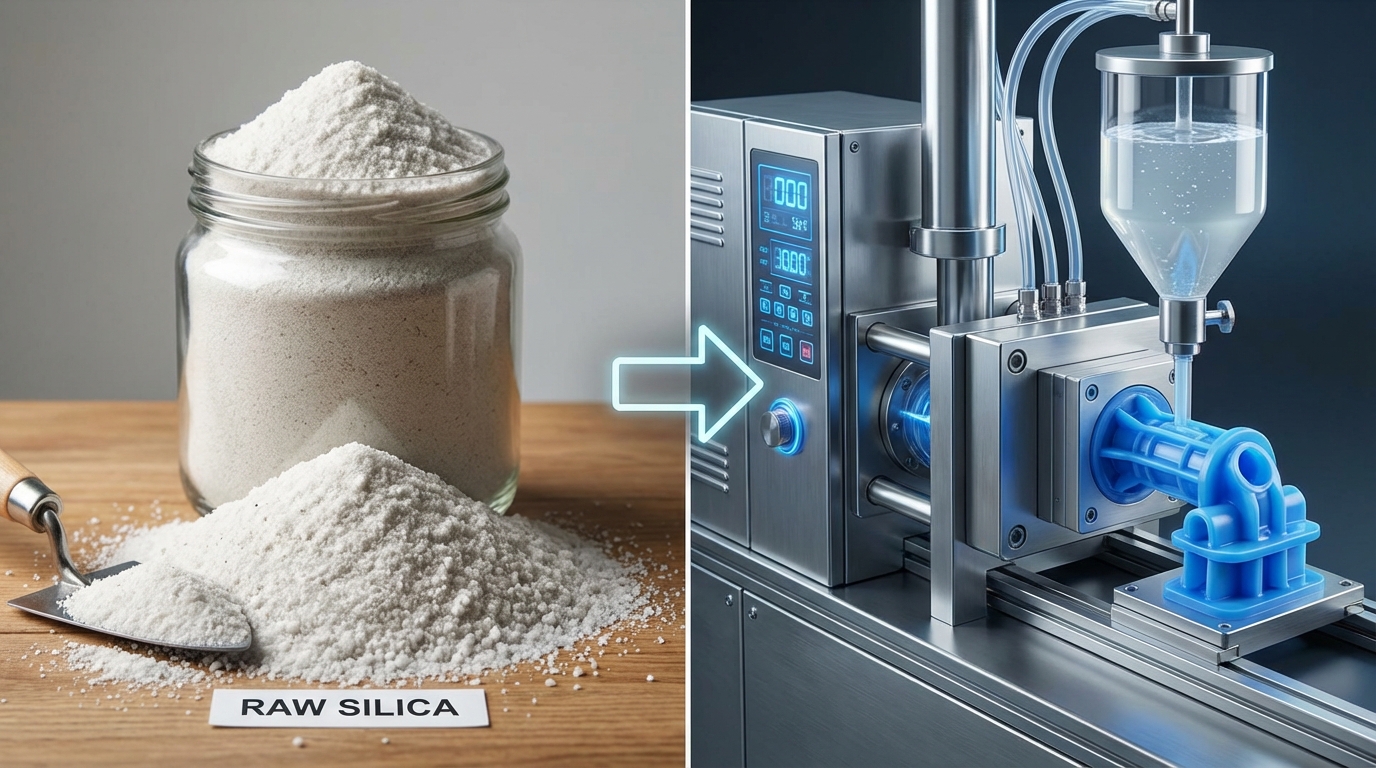
Silicone is a synthetic hybrid polymer, meaning it is not a 100% natural substance despite its origins in silica sand. While many wonder if is silicone better than plastic because of its “natural” image, it is actually processed using synthetic hydrocarbons. This chemical marriage creates a material that balances the abundance of earth-based minerals with the performance of modern polymers.
Why does this matter?
Understanding the molecular makeup helps you choose materials that meet specific regulatory and performance standards.
- Raw Silica: Derived primarily from common beach sand or quartz.
- Silicon Extraction: High-heat processing removes oxygen to create pure silicon.
- Chemical Reaction: Silicon is reacted with hydrocarbons to form the final silicone polymer.
- Versatile Grades: The resulting material can be tuned for various hardness levels.
What Raw Materials Are Used?
The process begins with silica, or silicon dioxide, which is one of the most abundant minerals on Earth. By heating this with a carbon fuel source, manufacturers extract the base element silicon.
Is It Made From Fossil Fuels?
While the backbone of silicone comes from sand, it still requires hydrocarbons derived from oil and natural gas during the synthesis stage. This means silicone is not entirely fossil-fuel-free, although its longevity often offsets this initial carbon debt.
The Extraction Process of Silica
Extracting silica is relatively straightforward compared to the intensive mining required for some heavy metals. This raw material abundance provides a more stable supply chain for long-term manufacturing projects.
Key Takeaway: While derived from abundant sand, silicone’s high-tech performance comes from a sophisticated synthetic chemical process.
| Material Component | Source | Function |
|---|---|---|
| Silica | Sand / Quartz | Structural Base |
| Silicon | Refined Element | Core Polymer Backbone |
| Hydrocarbons | Fossil Fuels | Flexibility & Stability |
Silicone represents a middle ground between natural mineral abundance and synthetic engineering precision.
How Does Silicone Differ From Traditional Plastics?
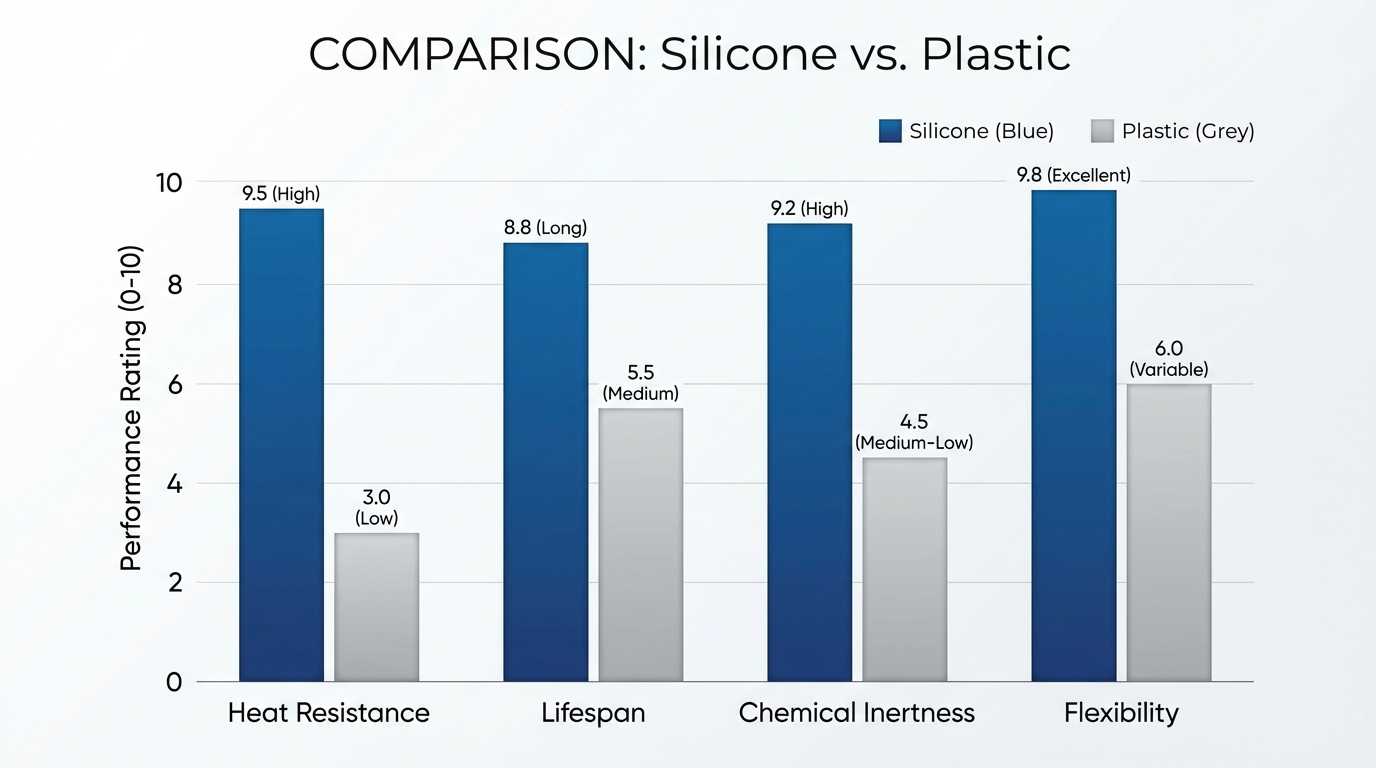
Silicone differs from plastic primarily through its inert chemical nature and its superior thermal and mechanical durability. When asking is silicone better than plastic, the answer lies in its structural integrity; unlike most plastics, silicone does not become brittle over time or leach harmful chemicals when exposed to stress. Our custom silicone engineering leverages these differences to create parts that outlast their plastic counterparts.
Here’s the deal:
Traditional plastics often rely on phthalates and BPA for flexibility, both of which can migrate out of the material.
- Flexibility: Silicone stays soft and pliable across a wider temperature range.
- Chemical Inertness: It does not react with food, acids, or industrial chemicals.
- Lifespan: Resists UV radiation and oxidation, preventing the “yellowing” common in plastic.
- Pore Structure: High-quality silicone is non-porous, resisting bacterial growth and odors.
Why Is Silicone More Flexible?
The molecular bonds in silicone are longer and more stable than those found in carbon-based plastics. This allows the material to stretch and bend repeatedly without developing the stress fractures seen in rigid polymers.
Does Silicone Leach Chemicals?
Because it is an inert material, silicone does not release toxins like BPA or BPS, even when heated or frozen. This makes it the preferred choice for applications where purity and safety are paramount.
Structural Integrity vs. Plastic Rigidity
While plastics are often chosen for their rigidity, they are prone to cracking under impact or thermal expansion. Silicone’s elastic nature allows it to absorb shocks and maintain a seal in environments with varying pressures.
Key Takeaway: Silicone’s inert chemical structure provides a level of durability and safety that carbon-based plastics cannot match.
| Feature | Traditional Plastic | Silicone |
|---|---|---|
| Heat Tolerance | Low (Melts/Warps) | High (Up to 230°C) |
| Toxicity | Potential Leaching | Non-Toxic / Inert |
| Aging | Brittle / Yellows | Remains Pliable |
The fundamental chemical difference between these materials results in silicone being significantly more reliable for long-term use.
Is Silicone Better for the Global Environment?

Yes, silicone is better for the environment because its extreme durability and multi-use nature significantly reduce the volume of waste generated. When questioning is silicone better than plastic, the primary ecological advantage is longevity; one silicone product can replace hundreds of single-use plastic items over its lifespan.
Why does this matter?
Reducing the total volume of materials entering the waste stream is the most effective way to lower an industry’s environmental footprint.
- Multi-Use: Designed to last decades rather than minutes or hours.
- Zero Microplastics: Does not break down into the microscopic particles that contaminate soil.
- Reduced Replacement: Lowers the carbon footprint associated with repeated manufacturing and shipping.
- Inert Decomposition: If incinerated, it returns to harmless silica ash rather than toxic fumes.
Does It Create Microplastics?
Unlike plastic, which fragments into tiny harmful pieces, silicone remains structurally intact for years. This prevents the pervasive microplastic pollution that currently affects almost every ecosystem on the planet.
Long Lifespan vs. Single-Use Waste
The robustness of silicone allows it to be washed and reused thousands of times without degrading. This directly combats the “throwaway culture” facilitated by cheap, fragile plastic alternatives.
Comparing Carbon Footprints of Production
While silicone production is energy-intensive, the carbon cost is amortized over a much longer product life. Investing in one durable silicone part is more efficient than sourcing multiple plastic replacements.
Key Takeaway: Silicone’s greatest environmental contribution is its ability to stop the cycle of single-use plastic consumption.
| Impact Category | Single-Use Plastic | Reusable Silicone |
|---|---|---|
| Waste Volume | Extreme | Minimal |
| Microplastic Risk | Very High | Zero |
| Product Life | Days | Years / Decades |
The environmental benefit of silicone is found in its performance as a permanent alternative to temporary materials.
Is Silicone Truly a Recyclable Material?
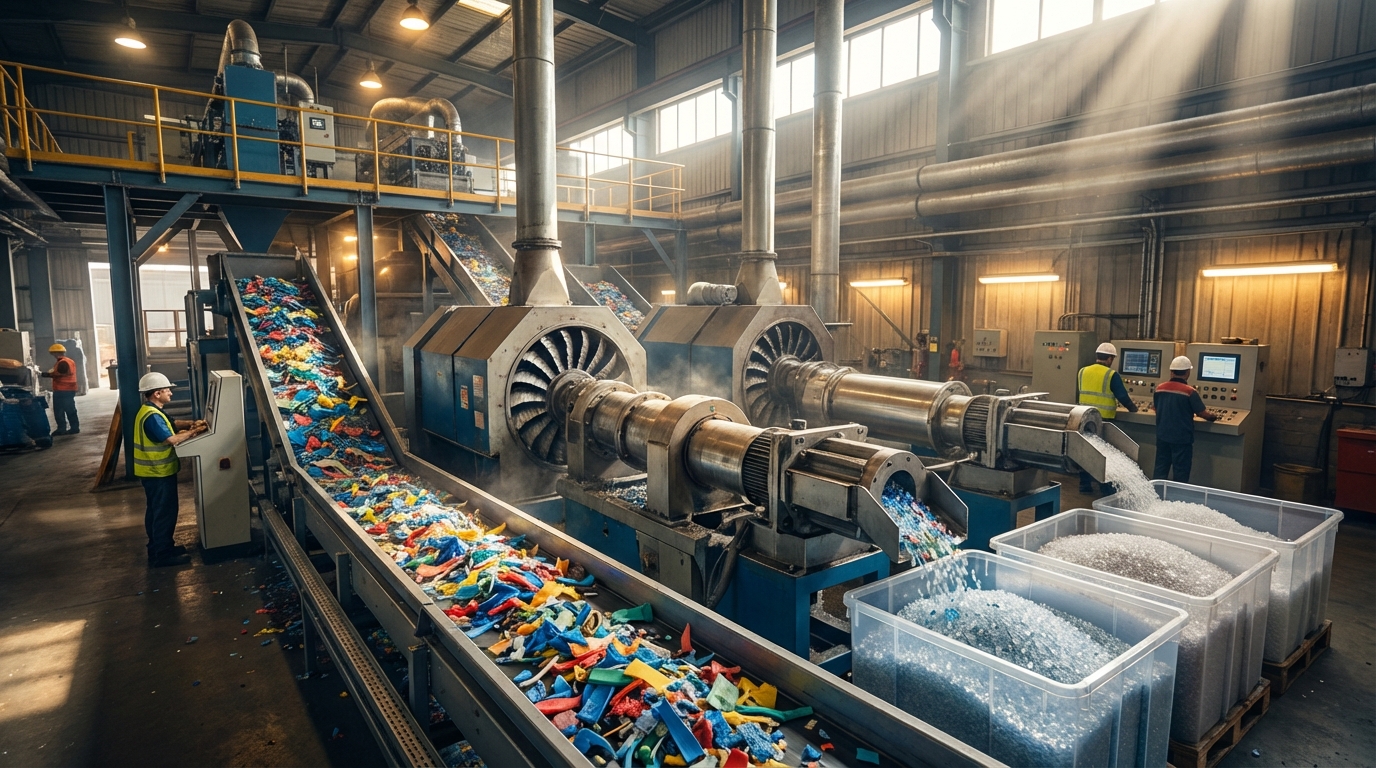
Silicone is technically recyclable, but it requires specialized industrial processes rather than standard curbside pickup. To determine is silicone better than plastic, you must understand that while plastic is easier to collect, silicone’s recycling results in higher-quality secondary materials. Our manufacturing capabilities include optimizing material use to minimize scrap from the start.
Here is the deal:
You cannot simply toss silicone into your home recycling bin because most municipal centers are not equipped to process it.
- Industrial Programs: Specialized facilities can grind and reprocess silicone into new products.
- Downcycling: Often recycled into playground mulch, oil, or industrial lubricants.
- Clean Incineration: Safely burned to create silica ash, which is non-toxic to the environment.
- Energy Recovery: Can be used as a clean fuel source in specific industrial kilns.
Can You Recycle It at Home?
Currently, home recycling for silicone is not widely available in most cities. You must seek out specialized “take-back” programs or private recycling firms to ensure the material is diverted from landfills.
Special Industrial Recycling Processes
In an industrial setting, silicone is broken down using heat and chemical catalysts to recover the base silicon. This recovered material can then be repurposed for lower-grade industrial applications.
Is Incineration a Safe Option?
When silicone is incinerated, it does not release the toxic dioxins or hydrochloric acid common with plastics like PVC. It simply converts back into silica, which has no negative impact on the land or air.
Key Takeaway: While recycling silicone requires more effort than plastic, the end-of-life options are far less hazardous to the environment.
| Recycling Stage | Plastic | Silicone |
|---|---|---|
| Collection | Curbside (Easy) | Specialized (Difficult) |
| Process | Melting / Re-pelletizing | Grinding / Chemical Recovery |
| Residuals | Potential Toxins | Inert Silica Ash |
Recycling silicone is a niche but growing industry that ensures this durable material stays within a circular economy.
Is Silicone Better for Ocean Health and Wildlife?
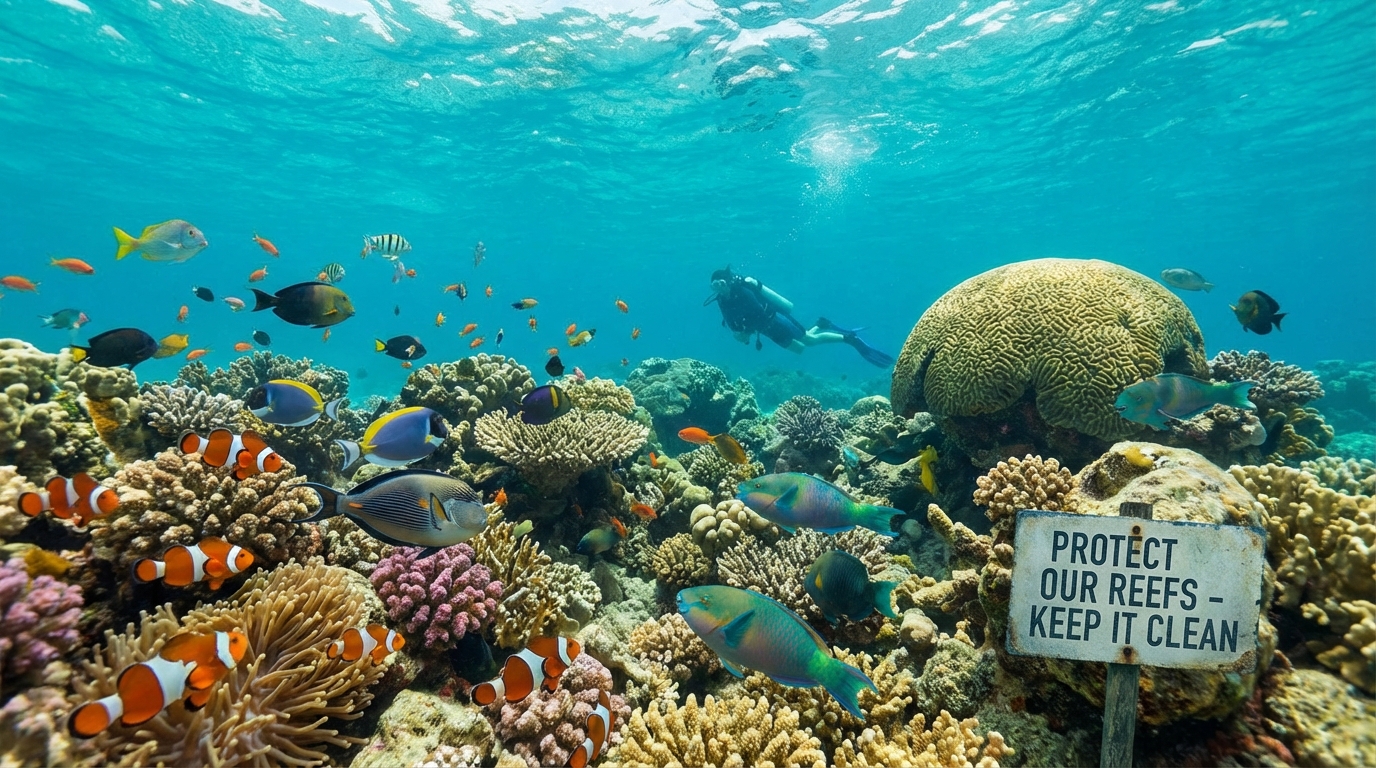
Yes, silicone is vastly safer for marine ecosystems because it is chemically inert and does not fragment into microplastics. When considering is silicone better than plastic for the ocean, the fact that marine life will not ingest toxic silicone particles is the most significant factor for conservation.
Why does this matter?
Marine plastic pollution is currently one of the greatest threats to global biodiversity and the human food chain.
- Non-Toxic: Does not leach chemicals that disrupt the endocrine systems of aquatic life.
- Durability: Silicone items sink or remain intact rather than breaking into “bite-sized” plastic pieces.
- Inertness: It does not absorb other waterborne toxins like some plastics do.
- Physical Safety: High-quality silicone products are less likely to tangle or choke wildlife.
Does It Harm Marine Life?
Because silicone does not degrade into micro-particles, it is not mistaken for plankton or small prey. This prevents the bioaccumulation of synthetic materials in the digestive tracts of fish and whales.
Why Is It Better for the Ocean?
Plastic acts like a sponge for ocean pollutants, concentrating them before being eaten by wildlife. Silicone’s inert surface does not attract these harmful chemicals, making it much safer if it accidentally enters the water.
Avoiding the Global Microplastic Crisis
By switching to silicone, you are actively preventing the creation of new microplastics. This is a critical step in preserving the health of our coral reefs and the clarity of our oceans.
Key Takeaway: Silicone provides a biological safety margin that plastic cannot offer, protecting the foundation of marine ecosystems.
| Threat to Oceans | Plastic Impact | Silicone Impact |
|---|---|---|
| Ingestion | High (Microplastics) | Very Low (Intact) |
| Toxicity | Chemical Leaching | Inert / Safe |
| Habitat Damage | High (Entanglement) | Low (Durable) |
Silicone’s chemical stability makes it an ocean-friendly choice for any brand focused on environmental stewardship.
Is Silicone Safe for Human Health and Food Use?
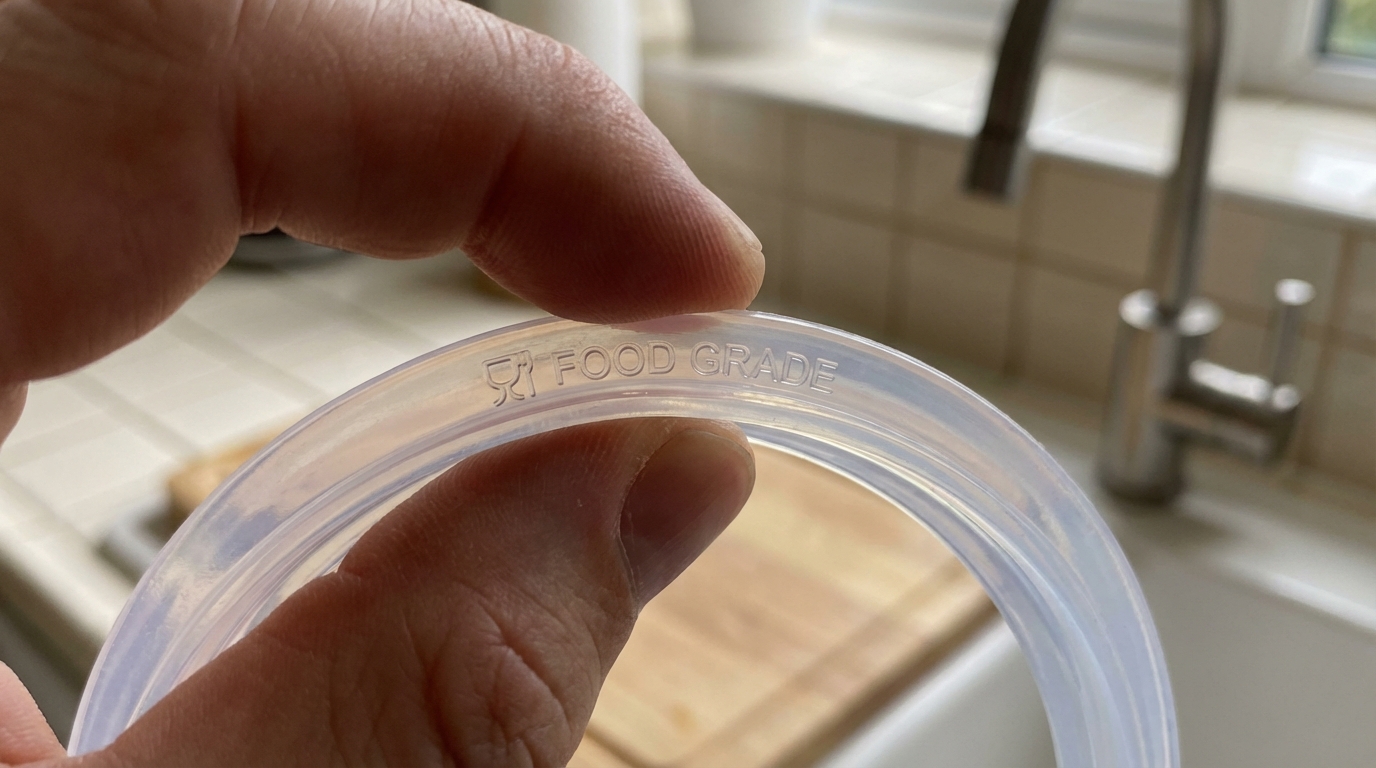
Yes, food-grade silicone is one of the safest materials for human contact because it is non-reactive and hypoallergenic. When you ask is silicone better than plastic for health, the absence of endocrine-disrupting chemicals like BPA gives silicone a clear advantage. We produce high-purity medical-grade silicone parts to meet the strictest safety requirements.
Here’s the deal:
Not all silicone is created equal, and verifying the purity of your material is essential for safety.
- Food Grade: Verified 100% silicone without harmful chemical fillers.
- Pinch Test: A simple way to check for fillers; if it turns white when pinched, it has additives.
- Hypoallergenic: Does not irritate the skin or cause allergic reactions in most people.
- Odorless/Tasteless: Will not affect the flavor of food or beverages stored within it.
What Is Food-Grade Silicone?
Food-grade silicone is a specialized version of the polymer that is certified to be free of fillers and harmful byproducts. It is tested to ensure it remains stable when in contact with acidic or fatty foods.
How to Test for Chemical Fillers
You can easily check the quality of your silicone by twisting or pinching a small section. High-purity silicone maintains its color, while cheaper versions with fillers will show white stress marks.
Is It Safe to Freeze Silicone?
Silicone remains flexible and stable even in sub-zero temperatures, unlike plastic which often becomes brittle and cracks. This makes it ideal for long-term food storage in both the freezer and the refrigerator.
Key Takeaway: High-quality silicone offers a non-toxic, reliable surface for food and medical applications that far exceeds plastic safety standards.
| Health Feature | BPA-Free Plastic | Food-Grade Silicone |
|---|---|---|
| Chemical Fillers | Often Present | Absent in High Purity |
| Reaction to Heat | Potential Leaching | Fully Stable |
| Allergy Risk | Low to Moderate | Very Low |
For health-conscious consumers and medical professionals, silicone is the gold standard for material safety.
Is Silicone More Durable Than Standard Plastic?
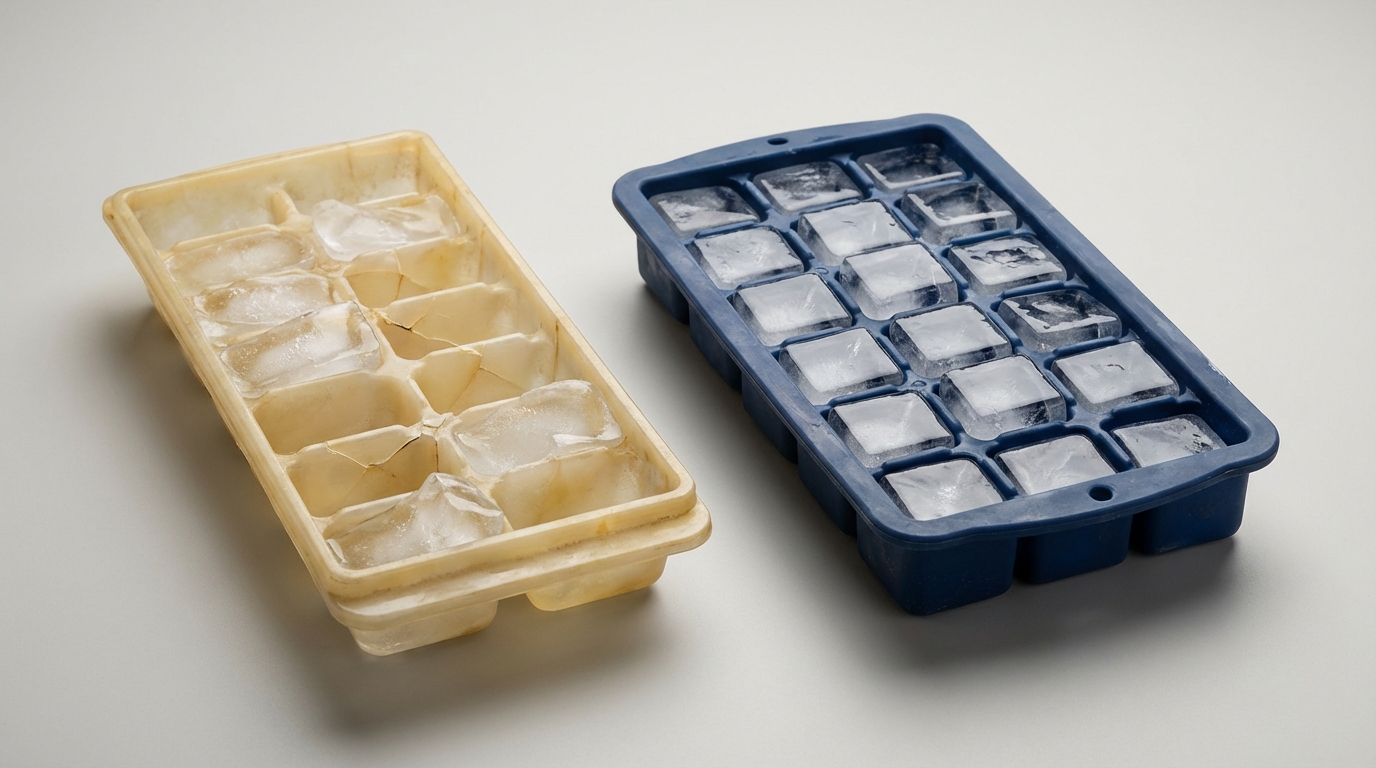
Yes, silicone is significantly more durable than plastic because it maintains its physical properties across extreme conditions for decades. Is silicone better than plastic for long-term value? Absolutely, as its resistance to cracking and UV damage means it rarely needs replacement.
Why does this matter?
Durability directly translates to cost savings and reduced environmental impact over the lifetime of a product.
- UV Resistance: Does not degrade or become chalky when exposed to sunlight.
- Thermal Stability: Can go from the freezer to the oven without structural failure.
- Elastic Memory: Returns to its original shape even after prolonged compression or stretching.
- Impact Resistance: Will not shatter or crack if dropped on hard surfaces.
Will Silicone Crack Like Plastic?
Plastics are prone to “environmental stress cracking,” where cold temperatures or chemical exposure cause the material to fail. Silicone’s rubbery matrix absorbs these stresses, allowing it to remain intact where plastic would snap.
Resilience Under Heavy Industrial Use
In industrial settings, silicone components endure millions of cycles of compression without losing their sealing ability. This mechanical fatigue resistance is why silicone is used for high-frequency vibration dampening.
How Long Does a Silicone Part Last?
With proper care, a high-quality silicone part can last for 20 years or more. This longevity makes it a much better investment for both household items and industrial machinery.
Key Takeaway: Silicone’s mechanical resilience ensures that it remains functional long after plastic alternatives have failed and been discarded.
| Durability Factor | Hard Plastic | Industrial Silicone |
|---|---|---|
| Crack Resistance | Low (Brittle) | Very High (Elastic) |
| Outdoor Use | Moderate (UV Damage) | Excellent (Weatherproof) |
| Impact Recovery | Permanent Deformation | Full Recovery |
The long-term performance of silicone makes it the most cost-effective material choice for demanding environments.
Is Silicone More Resistant to Extreme Heat?
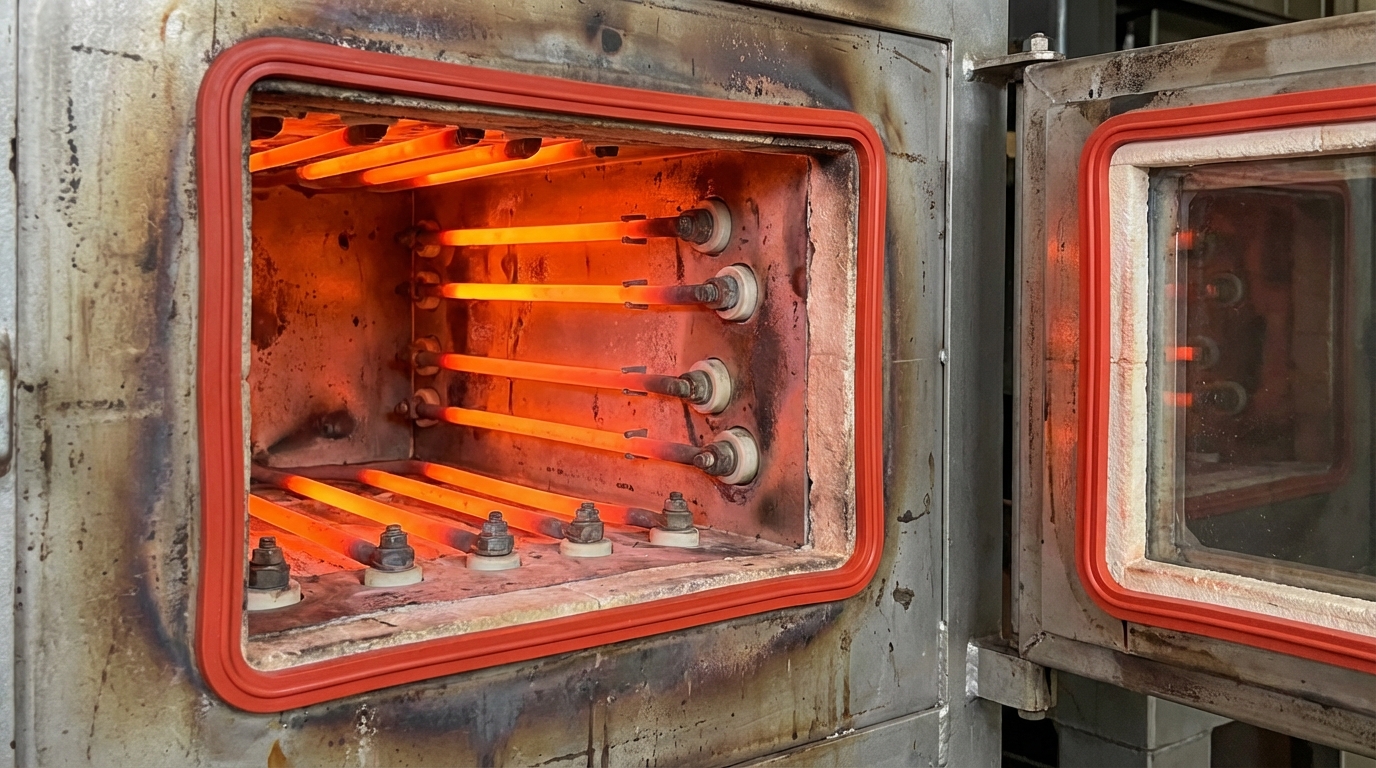
Yes, silicone is exceptionally heat-resistant, typically withstanding temperatures up to 230°C (450°F) without melting or warping. When evaluating is silicone better than plastic, its thermal stability is one of its most critical advantages in industrial and culinary settings.
Here is the deal:
Most consumer plastics begin to soften or release odors at temperatures as low as 70°C, making them dangerous for high-heat use.
- Operating Range: Stable from -60°C to well over 200°C.
- Non-Flammable: Silicone does not ignite easily and is self-extinguishing in many forms.
- Consistent Performance: Does not lose its flexibility or strength when heated.
- Low Thermal Conductivity: Acts as an excellent insulator for heat protection.
Can Silicone Withstand Oven Heat?
Silicone is commonly used for baking mats and molds because it can handle standard oven temperatures with ease. Unlike plastic, it will not melt onto your cookware or release toxic fumes into your kitchen.
Thermal Stability and Performance
The silicon-oxygen backbone of the polymer is much stronger than the carbon-carbon bonds in plastic. This high bond energy allows silicone to maintain its molecular structure even under intense thermal stress.
Why Does Plastic Melt Faster?
Plastics are thermoplastic, meaning they are designed to melt at specific temperatures so they can be molded. Silicone is a thermoset or high-stability polymer that maintains its shape once cured, regardless of heat exposure.
Key Takeaway: Silicone’s superior thermal properties make it the only safe choice for applications involving extreme heat or rapid temperature changes.
| Temperature Limit | PET/LDPE Plastic | Industrial Silicone |
|---|---|---|
| Maximum Heat | ~80°C – 100°C | 230°C+ |
| Minimum Cold | -20°C (Brittle) | -60°C (Flexible) |
| Thermal Shock | High Risk of Failure | No Effect |
Silicone provides a thermal safety margin that is simply unattainable with standard plastic polymers.
Why Is Silicone Better for Medical Grade Parts?
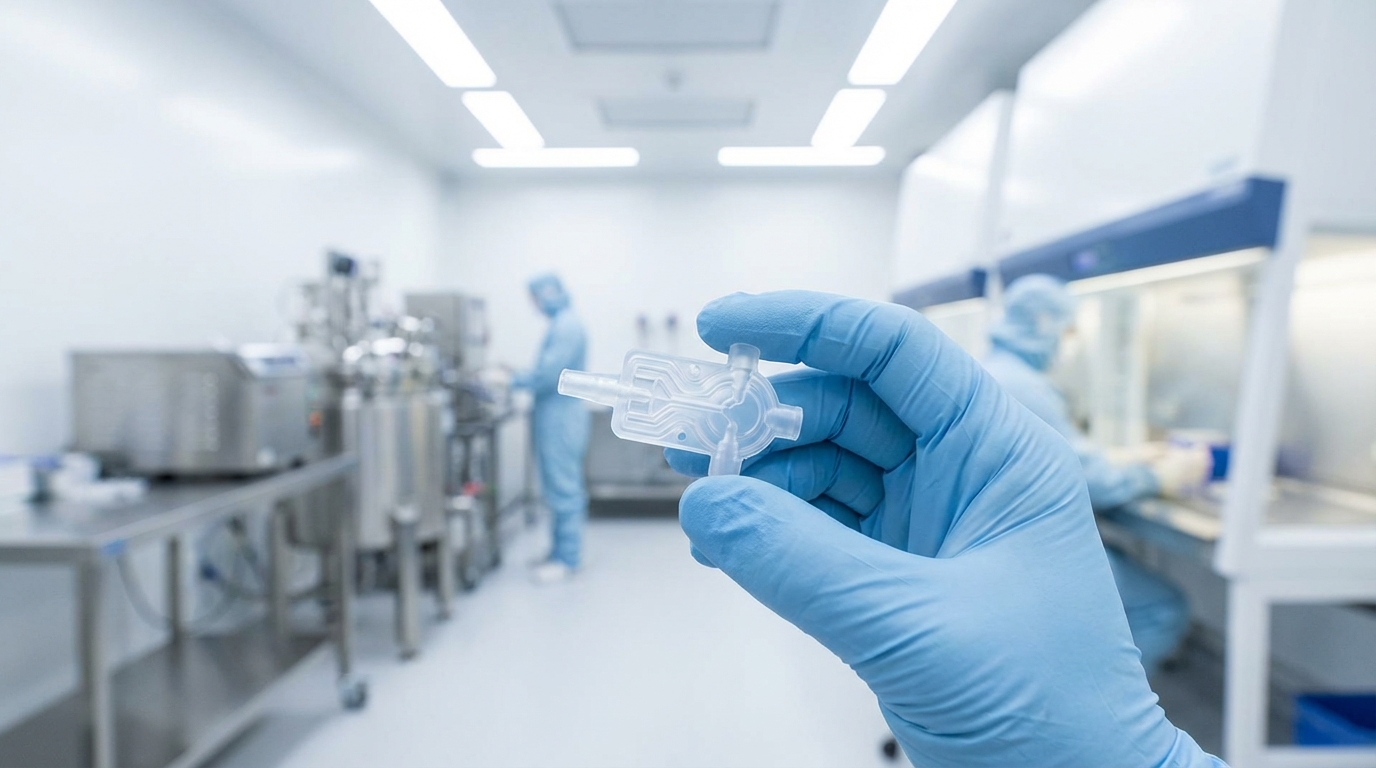
Silicone is the preferred material for medical applications because it is biocompatible, easily sterilizable, and chemically inert. Is silicone better than plastic for healthcare? Yes, because it does not support bacterial growth and can withstand repeated autoclave cycles without degrading.
Why does this matter?
In a clinical environment, material failure or contamination can have life-threatening consequences for patients.
- Biocompatibility: Does not cause adverse reactions when in contact with human tissue or blood.
- Sterilization: Can be sterilized via steam, gamma radiation, or ethylene oxide.
- Purity: Medical-grade silicone is manufactured in cleanrooms to prevent contamination.
- Durability: Maintains a perfect seal in life-support equipment and surgical tools.
Is Liquid Silicone Biocompatible?
Liquid Silicone Rubber (LSR) is highly biocompatible, making it ideal for long-term implants, catheters, and respiratory masks. It does not leach any substances into the body, ensuring patient safety.
Why Use LSR for Medical Seals?
LSR molding allows for high-precision parts with complex geometries and tight tolerances. This is essential for creating leak-proof seals in sensitive diagnostic and therapeutic medical devices.
Sterilization and Safety Standards
Medical-grade silicone meets ISO 13485 and USP Class VI standards, ensuring it is safe for the most demanding healthcare environments. It remains stable through hundreds of sterilization cycles, making it more sustainable than single-use plastic medical supplies.
Key Takeaway: Silicone’s unique combination of purity and resilience makes it the most trusted material in modern medical manufacturing.
| Medical Criteria | Standard Plastic | Medical-Grade Silicone |
|---|---|---|
| Biocompatibility | Variable / Limited | Excellent |
| Sterilization | Single-Use Often | Multi-Cycle Capable |
| Bacterial Growth | Possible | Naturally Resistant |
Silicone is an essential component of modern healthcare, providing the reliability and safety required for life-saving technology.
Conclusion
While both materials involve synthetic processing, silicone’s extreme durability, safety profile, and resistance to environmental degradation make it the superior choice for nearly every long-term application. By choosing silicone over plastic, you can reduce your environmental footprint, eliminate microplastic pollution, and deliver higher-performing products to your customers. Whether you are developing medical devices, automotive components, or sustainable consumer goods, silicone provides the reliability and safety that modern industry demands. To explore how our expert team can optimize your next project with high-precision engineering, reach out today.
Frequently Asked Questions (FAQ)
- Can I microwave silicone products safely?
Yes, high-quality food-grade silicone is heat-stable and safe for microwave use because it does not contain the leachable chemicals found in many plastics. - How do I clean silicone to ensure it lasts?
You should wash silicone with warm soapy water or place it in the dishwasher, as its non-porous surface resists staining and bacterial buildup. - Can I replace all my single-use plastics with silicone?
Yes, for many items like storage bags, lids, and kitchen tools, silicone is a permanent and much more sustainable alternative. - How do I identify high-purity silicone?
Perform the “pinch test”—if you twist or pinch the material and white shows through, it likely contains unhealthy chemical fillers. - Can I use silicone for outdoor industrial applications?
Absolutely, because silicone is highly resistant to UV radiation and extreme weather, it is much more durable than plastic for outdoor seals.