
Yes, Optical liquid silicone rubber is the premier choice for replacing glass in high-performance engineering due to its unmatched clarity and resilience. High breakage rates and excessive weight often turn traditional glass components into a liability for your industrial projects. This fragility forces you into frequent replacements and complex assembly routines that drain your valuable resources. Fortunately, this advanced material offers a lightweight, flexible alternative that maintains optical precision in the most demanding environments.
What exactly is Optical liquid silicone rubber?
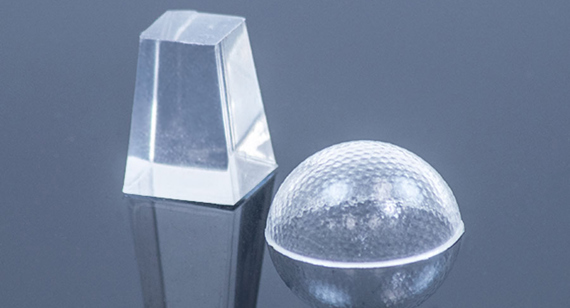
Optical liquid silicone rubber is a high-purity, transparent thermoset elastomer specifically engineered for applications that require maximum light transmission and thermal stability. Unlike standard silicone used in consumer goods, this specific grade is formulated to rival glass in clarity while maintaining a rubbery consistency that resists cracking. It is delivered as a two-part liquid system that, when mixed and heated, undergoes a chemical reaction to form a solid, stable part.
The Thermoset Advantage for Stability
Here is the deal:
Thermoplastic materials often soften when exposed to heat, but this elastomer remains dimensionally stable even at elevated temperatures. This makes it a prime candidate for high-output LED applications where heat management is critical.
- Remains stable up to 150°C (302°F).
- Resists deformation under constant stress.
- Prevents yellowing from localized heat sources.
Precision Through Injection Processes
Believe it or not:
The manufacturing of these parts involves a precise injection process that handles the low viscosity of the raw material. This fluidity allows it to fill intricate mold details that would be impossible to reach with glass or rigid plastics.
- In-house mold design manages material flow efficiently.
- Precision pumps ensure consistent two-part mixing.
- Automated de-molding speeds up production cycles.
Key Takeaway: Optical liquid silicone rubber serves as a bridge between rigid glass and flexible elastomers, offering you a clear material that can withstand mechanical stress and thermal loads simultaneously.
| Property | Standard Silicone | Optical LSR Grade |
|---|---|---|
| Transparency | Translucent | Water-White Clear |
| Hardness | 40-50 Shore A | 70 Shore A |
| Light Transmission | Low/Moderate | >90% |
The data indicates that optical grades provide the necessary hardness and light transmission for precision engineering.
Why is Optical liquid silicone rubber superior to glass?

Optical liquid silicone rubber is superior to traditional glass because it offers a significant weight reduction and extreme impact resistance while maintaining comparable transparency levels. While glass has been the industry standard for centuries, its weight and susceptibility to vibration damage make it a liability in modern automotive and outdoor lighting. This silicone alternative allows you to design parts that are lighter, easier to install, and virtually unbreakable under standard operating conditions.
Significant Weight Reduction Benefits
Think about this:
Weight is a critical factor in aerospace and automotive engineering, where every gram affects fuel efficiency or battery range. Silicone is much less dense than glass, allowing for the creation of thick lenses that do not add unnecessary bulk to your assembly.
- Reduces overall product shipping weight.
- Lowers stress on mounting hardware and housings.
- Enables thicker designs without massive weight penalties.
Extreme Impact and Vibration Resistance
Now:
In environments like vehicle headlights or industrial machinery, vibration is a constant threat to material integrity. Glass will shatter under impact or crack over time due to stress, whereas silicone absorbs energy without failing.
- Prevents dangerous shards if the part fails.
- Maintains a tight seal during high-vibration events.
- Protects internal electronics from shock waves.
Key Takeaway: Choosing Optical liquid silicone rubber over glass simplifies your bill of materials by allowing for impact-resistant, lightweight, and multi-functional designs.
| Feature | Traditional Glass | Optical Silicone |
|---|---|---|
| Breakage Risk | High | Negligible |
| Design Complexity | Very Limited | High Flexibility |
| Weight | Heavy | Lightweight |
This comparison highlights how transitioning to silicone can drastically reduce the physical risks associated with glass components.
What specific properties define Optical liquid silicone rubber?
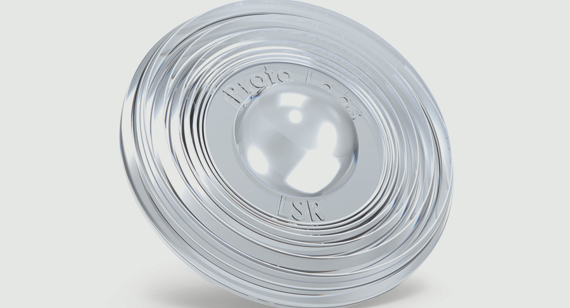
Optical liquid silicone rubber is defined by its exceptional refractive index, thermal stability, and long-term resistance to yellowing under UV exposure. These properties ensure that the material does not degrade or lose its light-transmitting capabilities even after years of use in harsh environments. For your engineering team, these technical characteristics provide the predictability needed to simulate light paths and ensure consistent performance.
High Refractive Index and Light Transmission
Check this out:
The primary function of any optical material is to direct light effectively, and this silicone grade excels with transmission rates often exceeding 90%. You can rely on consistent refractive indices to create precise light pipes and magnifying lenses for your hardware.
- Consistent indices from 1.41 to 1.54.
- Water-white clarity across visible and UV spectra.
- Minimal light scattering within the material.
Resistance to Environmental Yellowing
Make no mistake:
Many clear plastics, like polycarbonate, eventually turn yellow when exposed to sunlight or heat. Optical-grade silicone is inherently UV stable, meaning it maintains its clarity for the duration of the product’s life.
- No loss of transparency with age.
- Resistant to discoloration from intense UV lamps.
- Thrives in direct sunlight for over a decade.
Key Takeaway: The material properties of Optical liquid silicone rubber provide a “set-and-forget” solution for high-performance optics that must endure heat, cold, and sunlight.
| Environmental Threat | Rigid Plastic | Optical LSR |
|---|---|---|
| UV Exposure | Yellowing / Brittle | Remains Clear |
| High Heat | Warping / Outgassing | Dimensionally Stable |
| Salt Spray | Fogging | Naturally Resistant |
These environmental advantages ensure that your optical systems remain functional regardless of the external conditions.
How does Optical liquid silicone rubber optimize production?
Optical liquid silicone rubber manufacturing optimizes production through a highly automated injection molding process that reduces cycle times and eliminates the need for secondary polishing. Unlike glass, which requires energy-intensive melting and slow cooling, silicone can be molded into complex shapes at lower temperatures and faster rates. This allows you to scale from prototypes to mass production rapidly, significantly lowering the total cost of ownership for complex optical components.
Automation and Cycle Time Reduction
In other words:
Modern injection molding machines are designed for high-speed operation, meaning they can run continuously with minimal human intervention. This automation ensures that every part you receive is identical to the last, reducing the scrap rate associated with manual glass finishing.
- Lower injection pressures extend mold life.
- Faster cooling cycles increase daily throughput.
- Reduces labor-intensive manual de-burring.
Elimination of Secondary Operations
The best part?
When you mold glass or certain plastics, you often have to grind or polish the surfaces to achieve the necessary optical finish. This silicone is molded against a high-polish tool, meaning the part comes out of the mold with its final optical finish already achieved.
- Cavities can be diamond-turned for precision.
- Parts are assembly-ready immediately after de-molding.
- Multi-cavity tools lower the per-part cost.
Key Takeaway: The manufacturing efficiency of Optical liquid silicone rubber stems from its ability to be molded into finished, high-polish parts in a single, automated step.
| Production Factor | Manual Glass | Automated Silicone |
|---|---|---|
| Energy Consumption | Extremely High | Moderate |
| Finishing Steps | 3-5 Steps | 0 Steps |
| Scaling Potential | Limited | High Volume |
The transition to automated molding allows you to meet tight deadlines while maintaining a superior level of part consistency.
Which lighting applications benefit from Optical liquid silicone rubber?
Optical liquid silicone rubber is most beneficial for high-output LED optics, light pipes, and automotive lens covers where durability and heat resistance are paramount. As lighting technology moves toward smaller, more powerful sources, traditional materials often fail to handle the concentrated heat or complex geometries required. This material allows you to create sophisticated light-directing elements that remain stable and clear even when positioned near high-intensity heat sources.
LED Secondary Optics and Lenses
Simply put:
Secondary optics are placed over an LED to shape the beam of light into a specific pattern. Because silicone can be molded with micro-structures, it can create extremely precise diffusion or focusing patterns that would be difficult to achieve in glass.
- Enables total internal reflection (TIR) optics.
- Supports micro-lens arrays for beam shaping.
- Maintains focus under thermal expansion.
Advanced Light Pipes and Indicators
But wait, there is more:
The flexibility of this elastomer allows light pipes to be routed around internal components or even act as a flexible seal between the housing and the button. You can simplify your internal layout without sacrificing the brightness of your indicators.
- Bends without breaking during tight assembly.
- Transmits light over long distances effectively.
- Diffuses light evenly with specific additives.
Key Takeaway: Any application requiring high light transmission combined with thermal stress or mechanical vibration will see performance gains from Optical liquid silicone rubber.
| Market Segment | Application | Key Advantage |
|---|---|---|
| Automotive | Headlight TIR Optics | Impact Strength |
| Electronics | Status Light Pipes | Routing Flexibility |
| Aerospace | Cockpit Indicators | Mass Reduction |
Leveraging silicone in these sectors allows for more compact, reliable, and brighter illumination solutions.
Is Optical liquid silicone rubber safe for medical uses?

Optical liquid silicone rubber is completely safe for medical use, as it is inherently biocompatible, non-toxic, and capable of withstanding various sterilization methods. In medical applications, clarity is often required for visual fluid monitoring or light-based therapies, but the material must also meet strict regulatory standards. This elastomer grade is manufactured in controlled environments to ensure it remains free of contaminants and compliant with global health standards.
Biocompatibility and Compliance
Believe it or not:
Medical-grade silicone is one of the most tested materials in the world. It is naturally inert, meaning it does not react with biological tissues or fluids, making it ideal for components that come into contact with the human body.
- Passes ISO 10993 biological safety tests.
- Meets strict FDA and USP Class VI standards.
- Naturally resists bacterial growth on the surface.
Resistance to Sterilization Cycles
Here is the deal:
Medical devices often need to be reused, requiring them to go through intense cleaning and sterilization. Silicone maintains its clarity and physical properties through multiple cycles of autoclaving or chemical cleaning without becoming brittle.
- Withstands high heat in autoclave cycles.
- Resistant to gamma radiation sterilization.
- Hydrophobic surface allows for easy cleaning.
Key Takeaway: The biocompatible nature of Optical liquid silicone rubber, combined with its transparency and sterilization resistance, makes it essential for modern medical device design.
| Sterilization Method | Effect on Plastic | Effect on Silicone |
|---|---|---|
| Autoclave (Heat) | Warping / Melting | Dimensionally Stable |
| Gamma Radiation | Yellowing | Optically Stable |
| Chemical Wash | Stress Cracking | Chemically Inert |
Medical engineers can rely on silicone to maintain both its optical function and its safety profile through repeated clinical use.
How can you leverage Optical liquid silicone rubber flexibility?
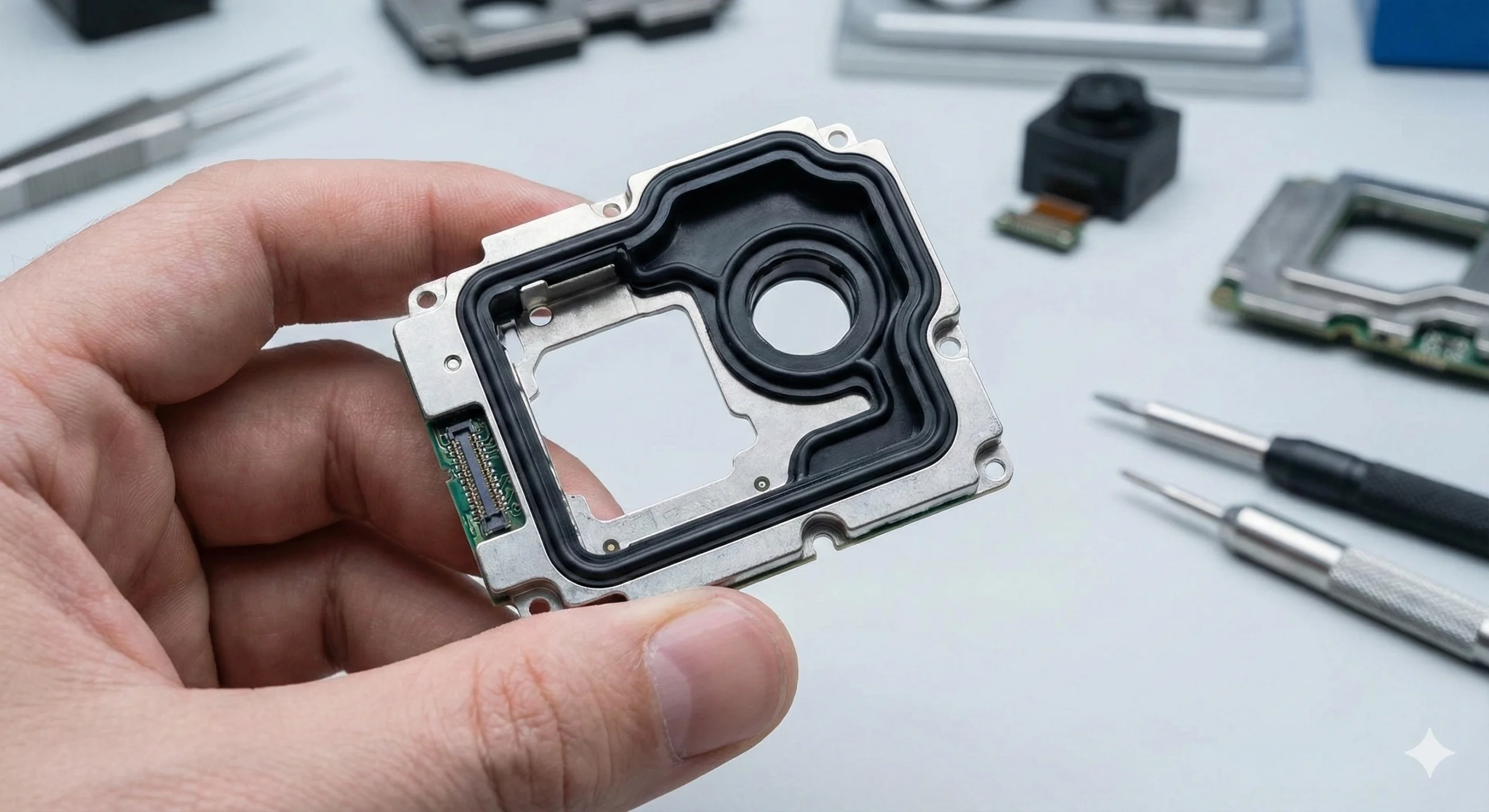
You can design parts for Optical liquid silicone rubber with significant undercuts and negative drafts that would be impossible with rigid materials. Because the material is flexible, the finished part can be “bumped off” or manually pulled from the mold without damaging its intricate features. This opens up a new world of design possibilities, allowing you to create complex internal geometries or integrated mounting clips.
Managing Undercuts and Internal Geometries
Now:
In plastic molding, undercuts usually require expensive side-actions or slides in the mold. With this elastomer, the part can simply stretch as it is removed from the tool, allowing for features like internal threads to be molded directly.
- Eliminates the need for complex tool slides.
- Allows for integrated snap-fit fasteners.
- Reduces the complexity and cost of the mold.
Drafting and Wall Thickness Ratios
Think about this:
While rigid plastics require specific draft angles to release from a mold, silicone is much more forgiving. You can design parts with nearly zero draft in certain areas, which gives you more control over the optical geometry of the lens.
- Supports walls as thin as 0.25mm.
- Combines thick and thin areas without sink marks.
- Maintains high-polish finishes without drag marks.
Key Takeaway: Designing for Optical liquid silicone rubber allows you to ignore many of the constraints of rigid molding, leading to more integrated and cost-effective parts.
| Feature | Plastic Constraints | Silicone Freedom |
|---|---|---|
| Draft Angle | 1-2 Degrees Required | Zero Draft Possible |
| Undercuts | Requires Tool Slides | Self-Releasing |
| Sink Marks | High Risk on Thick Walls | Low Risk / Stable |
By utilizing elasticity, you can combine multiple components into one, reducing the assembly time and complexity of your final product.
What are the cost advantages of Optical liquid silicone rubber?
The long-term cost advantages of using Optical liquid silicone rubber include a drastic reduction in maintenance, lower assembly labor costs, and decreased shipping expenses. While the initial tooling for silicone injection molding can be an investment, the ability to produce integrated components that do not break during transit or operation quickly pays for itself. In high-volume production, the speed and automation of the process far outweigh the slower, more manual methods required for glass assemblies.
Reduction in Part Count and Assembly Labor
Here is the deal:
When you design a single part that serves as both the lens and the gasket, you remove an entire line item from your inventory. This reduces the time your workers spend on the assembly line and eliminates the possibility of assembly errors that lead to leaks.
- Remains clear without secondary polishing.
- Eliminates the need for separate O-rings.
- Lowers warranty costs from field breakage.
Lower Shipping and Breakage Costs
Check this out:
Glass is heavy and fragile, requiring expensive protective packaging and driving up your shipping rates. Silicone parts are virtually indestructible during transport, allowing you to use lighter, less expensive packaging while enjoying a zero-percent breakage rate.
- Decreases fuel consumption during shipping.
- Allows for high-density bulk packaging.
- Reduces insurance costs for fragile shipments.
Key Takeaway: The total cost of ownership for Optical liquid silicone rubber is significantly lower than glass or complex plastic assemblies due to integration and durability.
| Cost Category | Glass Assembly | Silicone Integrated Part |
|---|---|---|
| Labor | High (Multi-part) | Low (Single part) |
| Scrap | High (Fragility) | Low (Resilient) |
| Shipping | High (Weight) | Low (Lightweight) |
Integrating seals and fasteners into your optical components removes the hidden costs associated with multi-part assemblies and fragile materials.
Does Optical liquid silicone rubber withstand outdoor weather?
Optical liquid silicone rubber survives extreme outdoor environments by resisting UV radiation, temperature fluctuations, and moisture ingress that would destroy other clear materials. In applications like outdoor streetlights or maritime navigation aids, the material must endure constant exposure to the elements. Unlike plastics that crack or turn opaque, this silicone maintains its “water-white” transparency and flexible seal, ensuring your internal electronics remain protected for years.
Immunity to UV Radiation and Weathering
Make no mistake:
Most polymers break down when exposed to the ultraviolet rays of the sun, leading to a yellowing effect that blocks light. Silicone is chemically structured to be unaffected by UV, making it the perfect choice for lenses that must remain clear for over a decade outdoors.
- No embrittlement from sun exposure.
- Maintains light transmission over 90%.
- Resists the growth of mold or mildew.
Wide Operating Temperature Resilience
Simply put:
Outdoor equipment must function in the freezing cold of a northern winter and the searing heat of a desert summer. Silicone remains flexible and optically stable from -60°C up to 150°C, a range that exceeds almost any other transparent elastomer on the market.
- Does not crack in sub-zero temperatures.
- Does not “sweat” or outgas when heated.
- Absorbs wind-driven vibrations in field units.
Key Takeaway: Optical liquid silicone rubber is the most resilient transparent material for outdoor use, offering a combination of UV stability and environmental sealing that glass cannot match.
| Environment | Acrylic/Polycarbonate | Optical LSR |
|---|---|---|
| Salt Spray | Surface Hazing | Naturally Immune |
| Winter Cold | High Crack Risk | Remains Flexible |
| Summer Heat | Warping Risk | Dimensionally Stable |
Superior environmental sealing and permanent clarity ensure that your outdoor optical systems operate reliably in any climate on Earth.
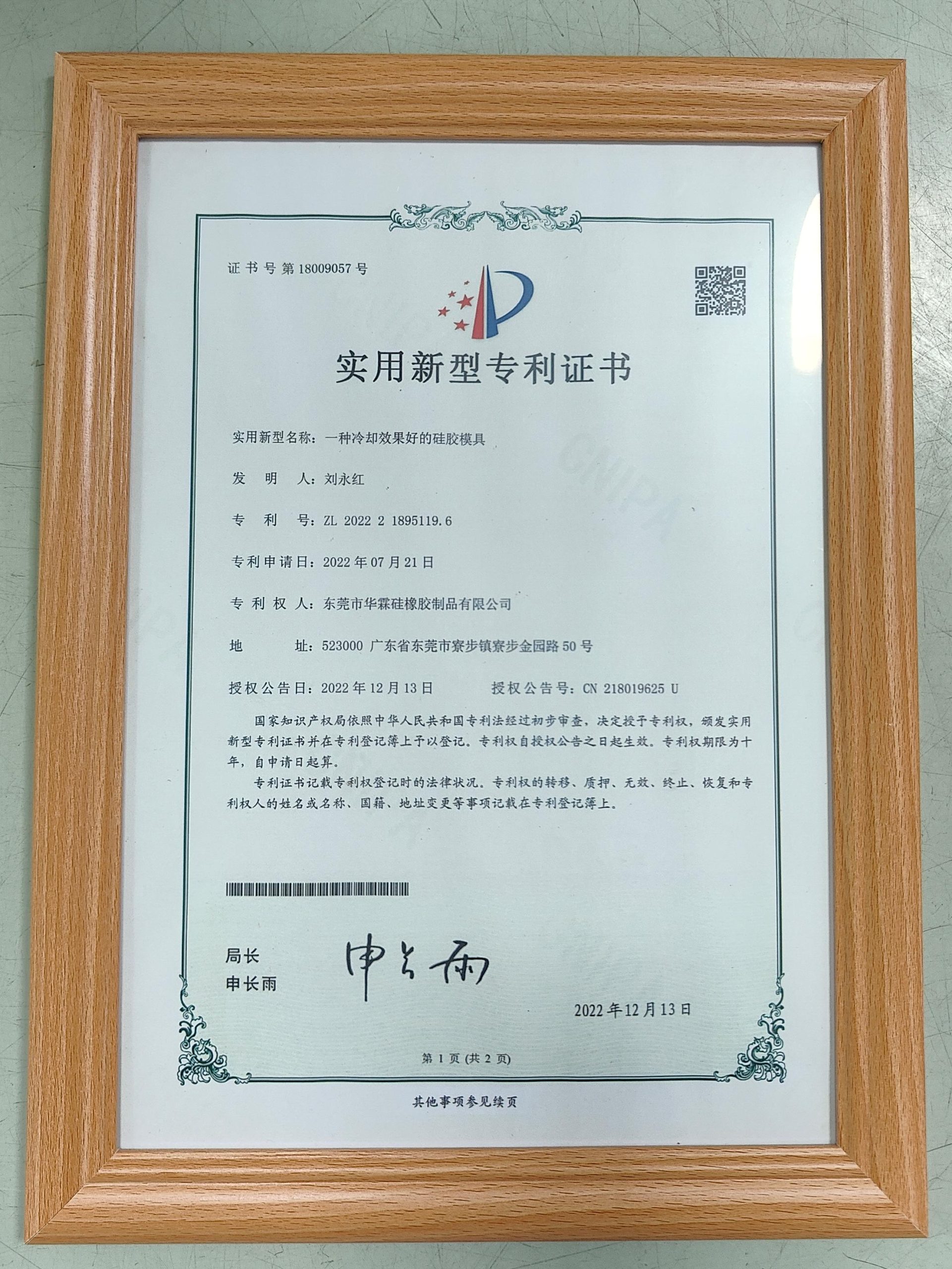
Why is HuaLin the right partner for Optical liquid silicone rubber?
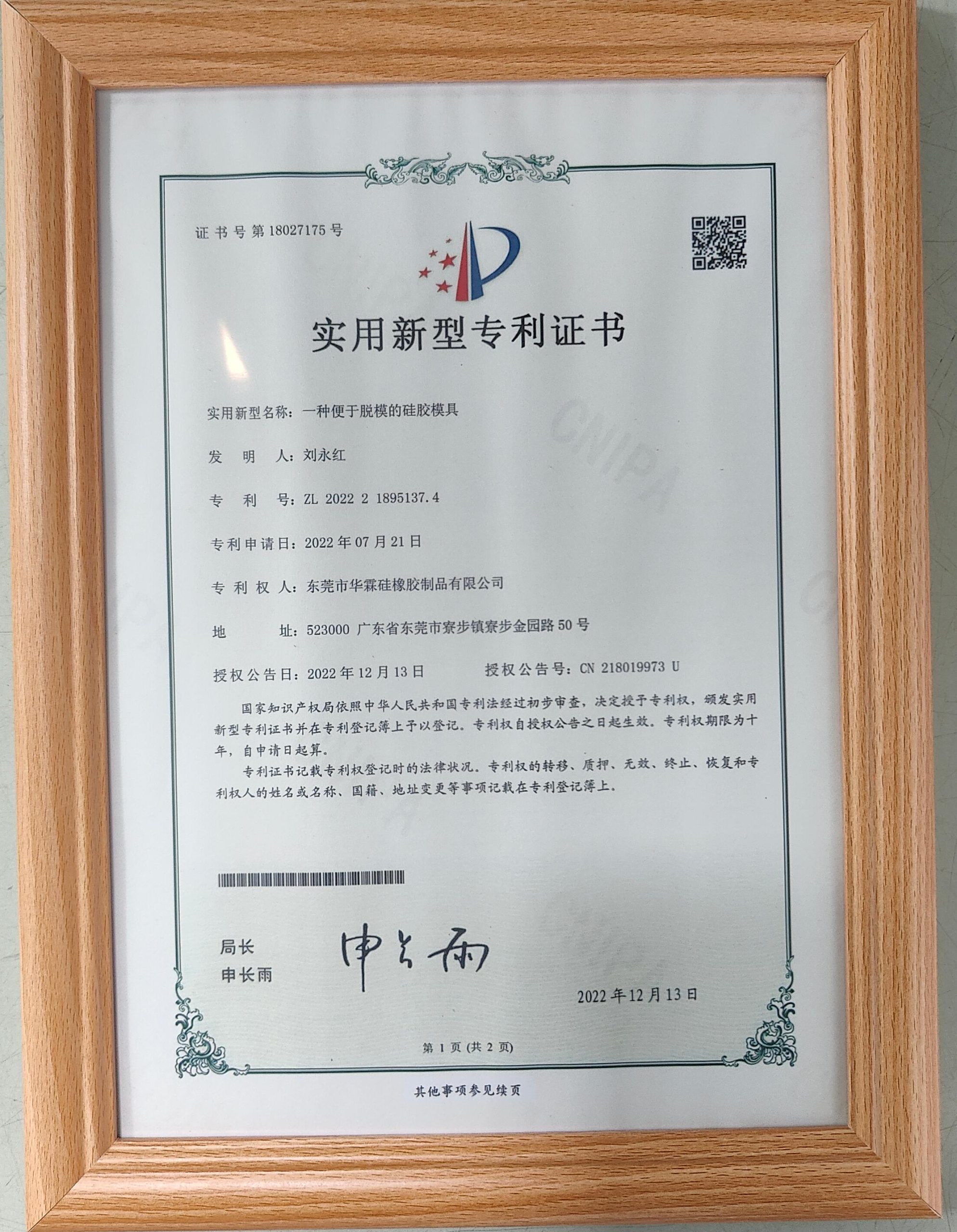
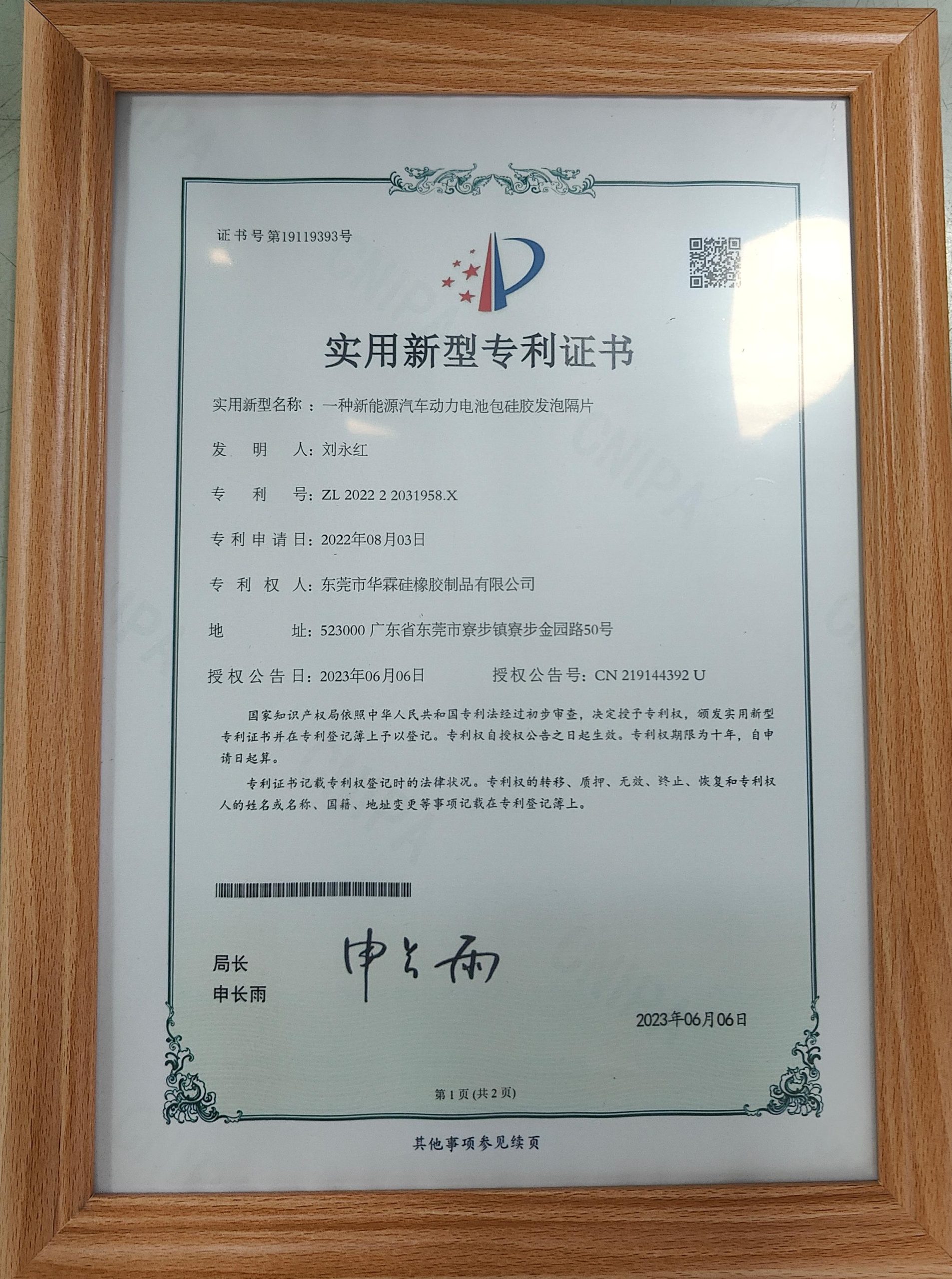
Optical liquid silicone rubber projects require a partner like HuaLin because we offer factory-direct OEM/ODM expertise, ISO-certified quality systems, and in-house mold making capabilities. Our facility in Dongguan is equipped with advanced injection molding machines that are specifically calibrated for optical-grade materials. By controlling the entire workflow—from DFM suggestions and material selection to final inspection—we ensure that your high-precision optical parts are delivered on time.
In-House Tooling and Production Control
The best part?
By manufacturing our own molds, we can iterate faster and maintain tighter control over the optical finishes of the cavity. This integration eliminates the supplier gaps that often lead to quality drift or delayed launch schedules for your project.
- 13,000 m² modern manufacturing facility.
- Full control over cavity polish levels.
- Rapid prototyping to mass production shift.
Global Export and Compliance Readiness
Now:
We understand the requirements of international buyers, particularly in the US and EU markets. Our team handles all export documentation and ensures that every batch meets RoHS, REACH, and FDA standards for your peace of mind.
- ISO 9001 and IATF 16949 certified.
- 300+ employees dedicated to quality.
- 100% visual inspection available.
Key Takeaway: Partnering with HuaLin gives you access to a fully integrated manufacturing process designed to minimize risk and maximize the performance of your components.
| Capability | Standard Vendor | HuaLin Advantage |
|---|---|---|
| Mold Making | Outsourced | In-House Design |
| Quality Control | Periodic Checks | 3-Stage Full Audit |
| Communication | Multiple Agents | Direct Engineering |
Choosing a factory-direct partner with specialized optical experience ensures your project moves smoothly from initial concept to global distribution.
Conclusion
Transitioning to optical liquid silicone rubber is a strategic upgrade for your entire product line. By embracing the clarity, durability, and flexibility of this advanced elastomer, you can outpace competitors who are still limited by the weight of glass or the instability of traditional plastics. At HuaLin Silicone, we are ready to turn your complex designs into high-performance reality with our precision molding expertise. Don’t let design constraints or material failures hold your innovation back—contact us today for a free DFM review and an instant quote on your next project.
FAQ
Can I overmold Optical liquid silicone rubber directly onto plastic?
Yes, you certainly can. This process allows for a strong chemical or mechanical bond between the clear silicone and a rigid thermoplastic substrate, creating a single, integrated part that functions as both a housing and a lens.
What is the best way to prevent flash during the molding process?
The best way is to design for clean, flat parting lines. Because of the material’s low viscosity, the mold must be built with extreme precision and clamped with sufficient force to prevent the liquid silicone from escaping the cavity.
Can Optical liquid silicone rubber be colored or made diffuse?
Yes, it is highly customizable. During the liquid state, we can add colorants or specific light-scattering particles (diffusers) to achieve the exact aesthetic or optical performance your specific application requires.
What is the maximum temperature Optical LSR can withstand?
Most standard optical grades are stable up to 150°C (302°F). However, specific high-performance formulations can handle brief exposures or continuous use at even higher temperatures, depending on the chemical grade selected by your engineer.
Is the material scratch-resistant?
Yes, it is naturally resilient. While it is a soft elastomer that can be cut with a sharp blade, its “rubbery” nature allows it to resist the scuffing and abrasion that would permanently mar the surface of materials like acrylic or polycarbonate.