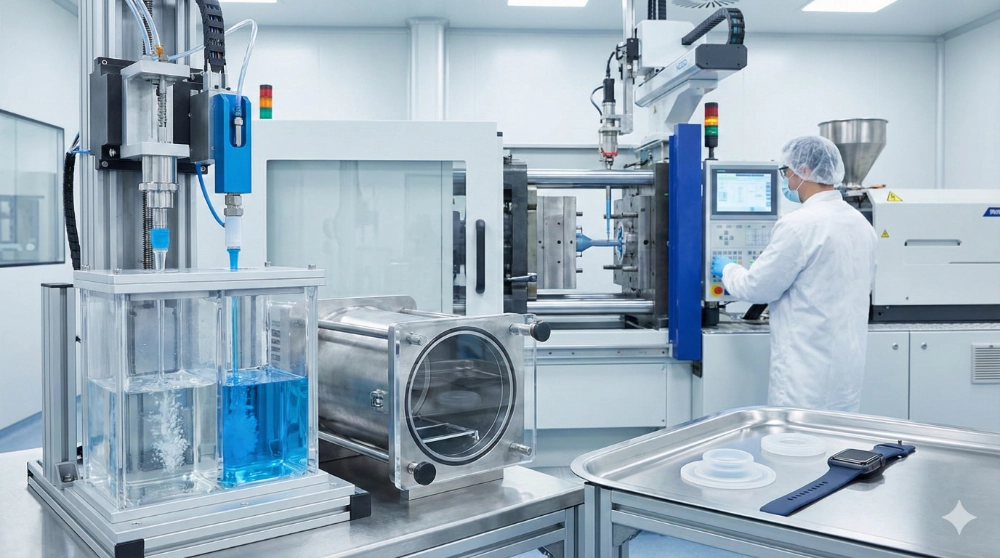
Using liquid silicone rubber involves a precise sequence of mixing two components (A and B) in a 1/1 ratio, degassing the mixture to remove air, and then pouring or injecting it into a mold to cure. Many manufacturers and engineers face high scrap rates due to air entrapment or improper mixing ratios when working with silicone. A single air bubble or a slight dimensional variance in a medical-grade seal can lead to catastrophic product failure and expensive recalls. By implementing a controlled manufacturing workflow using professional liquid silicone rubber from specialized partners, you can achieve consistent, high-performance results that meet global export standards.
What is Liquid Silicone Rubber Exactly?
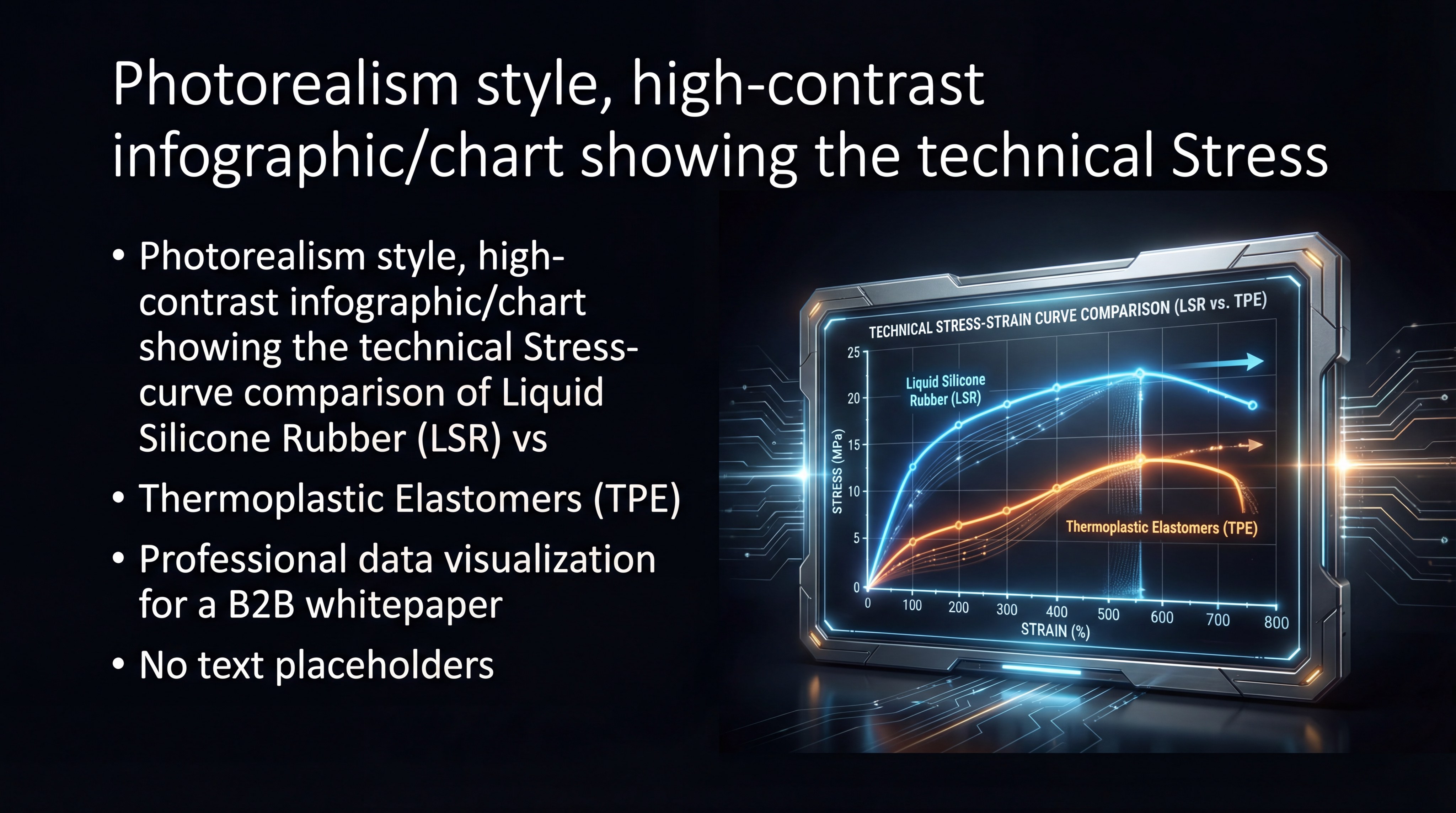
Liquid silicone rubber is a high-purity platinum-cured elastomer composed of silicone, oxygen, carbon, and hydrogen. This specific liquid silicone rubber formulation provides superior heat resistance and flexibility compared to organic polymers. It is typically processed through injection molding to create intricate parts for medical and automotive industries.
How does LSR differ from solid silicone?
You will find that LSR is pumped into molds as a liquid, whereas solid silicone is processed as a high-consistency dough-like material. This liquid state allows you to achieve better flow for intricate designs and faster cycle times in mass production.
Think about it:
- LSR offers higher precision.
- It is more suitable for automation.
- Cycle times are significantly reduced.
The result? You can scale production much faster than with solid alternatives.
What are the primary chemical components?
You should know that the material consists of a base polymer (Part A) and a catalyst (Part B) that initiate a chemical reaction. These two parts create a chemical bond that results in a highly durable and flexible end product.
Here’s the deal:
- Part A contains the base polymer.
- Part B contains the cross-linker.
- The reaction is platinum-catalyzed.
Key Takeaway
Understanding the chemical composition helps you predict how the material will behave under different thermal stresses during the curing phase.
| Feature | Liquid Silicone Rubber (LSR) | Solid Silicone (HCR) |
|---|---|---|
| Viscosity | Low (Liquid) | High (Putty) |
| Precision | High | Standard |
| Automation | Full | Partial |
The chemical stability of LSR ensures it remains the superior choice for high-performance industrial seals.
How Do You Prepare for Application?
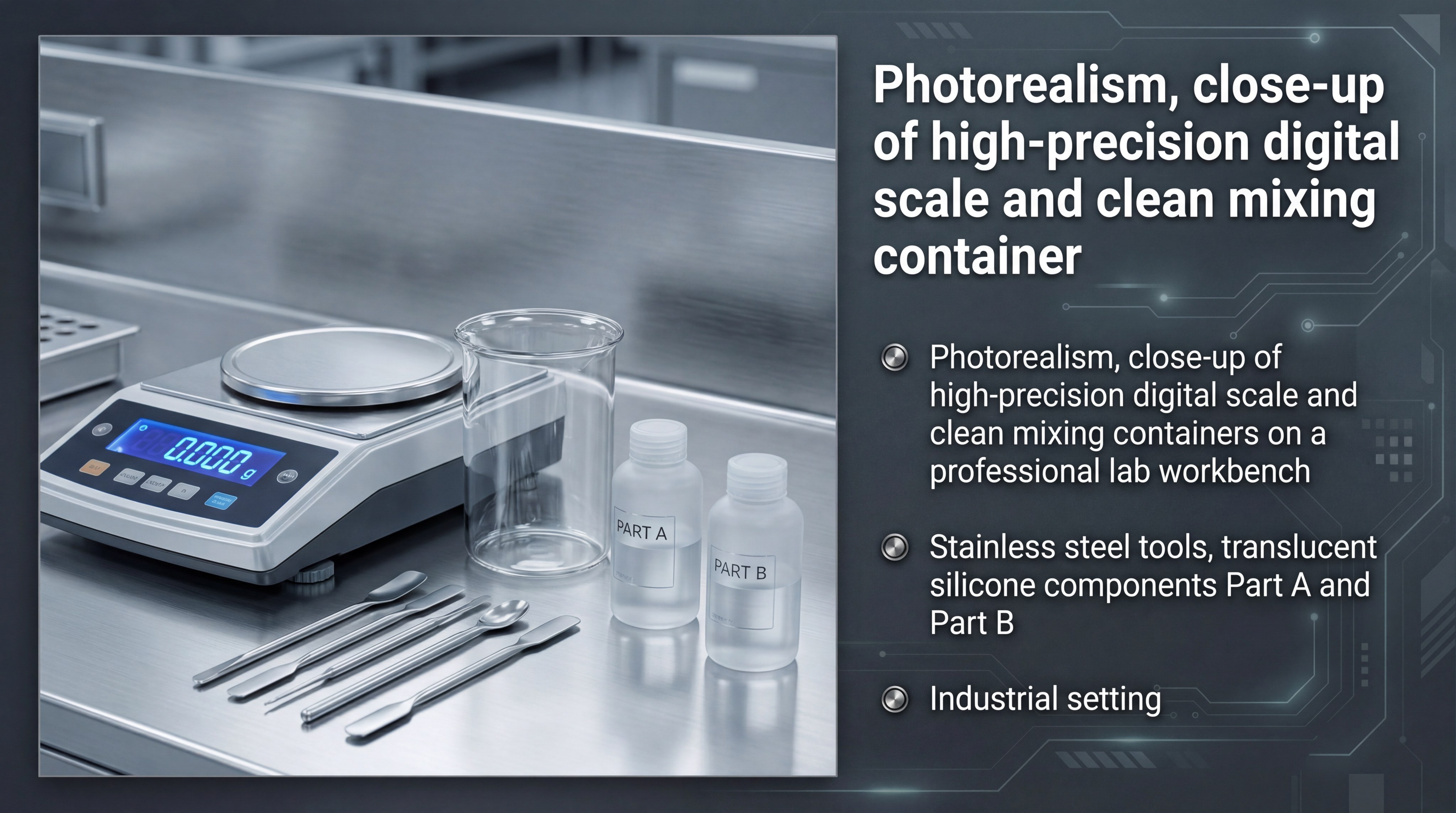
Preparation involves cleaning all contact surfaces and calibrating mixing equipment to ensure no contamination occurs during the molding process. You must ensure that the liquid silicone rubber is handled in a controlled environment to maintain its purity. This step prevents adhesive failure and structural weaknesses in the final component.
Why is surface preparation critical for bonding?
You need to remove all oils and residues that might prevent the material from adhering to inserts or mold walls. Proper cleaning ensures the structural integrity of the final seal or part you are manufacturing.
Let’s dive in:
- Use non-reactive cleaning agents.
- Ensure surfaces are completely dry.
- Avoid silicone-based lubricants nearby.
Simply put: clean surfaces equal strong bonds.
Which tools are essential for mixing?
You will need a high-precision digital scale for manual batches or an automated dosing system for mass production. You should choose mixing containers made of non-reactive materials like stainless steel or HDPE plastic to avoid chemical interference.
In other words:
- Digital scales ensure ratio accuracy.
- Stainless steel prevents contamination.
- Dosing pumps reduce human error.
Key Takeaway
The quality of your preparation directly correlates to the lifespan and reliability of the finished silicone product.
| Tool Type | Manual Application | Industrial Production |
|---|---|---|
| Scale | Digital Lab Scale | Automated Dosing Pump |
| Container | HDPE Plastic | Stainless Steel Vats |
| Cleaning | Isopropyl Alcohol | Ultrasonic Cleaner |
Investing in the right tools prevents material waste and ensures consistent part dimensions across batches.
What is the Best Way to Mix Silicone?
The most effective method is a mechanical mix that ensures Part A and Part B are perfectly homogenous without introducing excessive air. Utilizing professional liquid silicone rubber mixing equipment ensures that the catalyst is distributed evenly throughout the base material. This process is vital for achieving a uniform cure and consistent mechanical properties.
Should you use manual or mechanical mixing?
You should prefer mechanical mixing for industrial applications because it provides consistent shear force and uniform distribution. Manual mixing is only suitable for you if you are working on small-scale prototypes where speed is not a factor.
The best part?
- Mechanical mixers eliminate “soft spots.”
- They save significant labor time.
- High-shear mixing improves clarity.
Think about it: inconsistent mixing is the leading cause of part failure in complex assemblies.
How do you maintain the 1:1 mixing ratio?
You can eliminate human error by using a dual-cartridge dispensing system or a computer-controlled dosing pump. Even a 2% variance in the ratio can lead to incomplete curing or sticky surfaces in the finished part you produce.
Here’s the deal:
- Dosing pumps track volume precisely.
- Static mixers blend parts in-line.
- Ratio sensors provide real-time alerts.
Key Takeaway
Achieving a perfect 1:1 ratio is the most critical step in ensuring the chemical stability of your silicone parts.
| Mixing Method | Precision Level | Best Use Case |
|---|---|---|
| Manual | Moderate | Prototyping |
| Static Mixer | High | Low-Volume Production |
| Dosing Pump | Elite | Mass Manufacturing |
Strict adherence to mixing protocols guarantees that every part meets the required hardness and durability specifications.
How Do You Eliminate Air Bubbles?
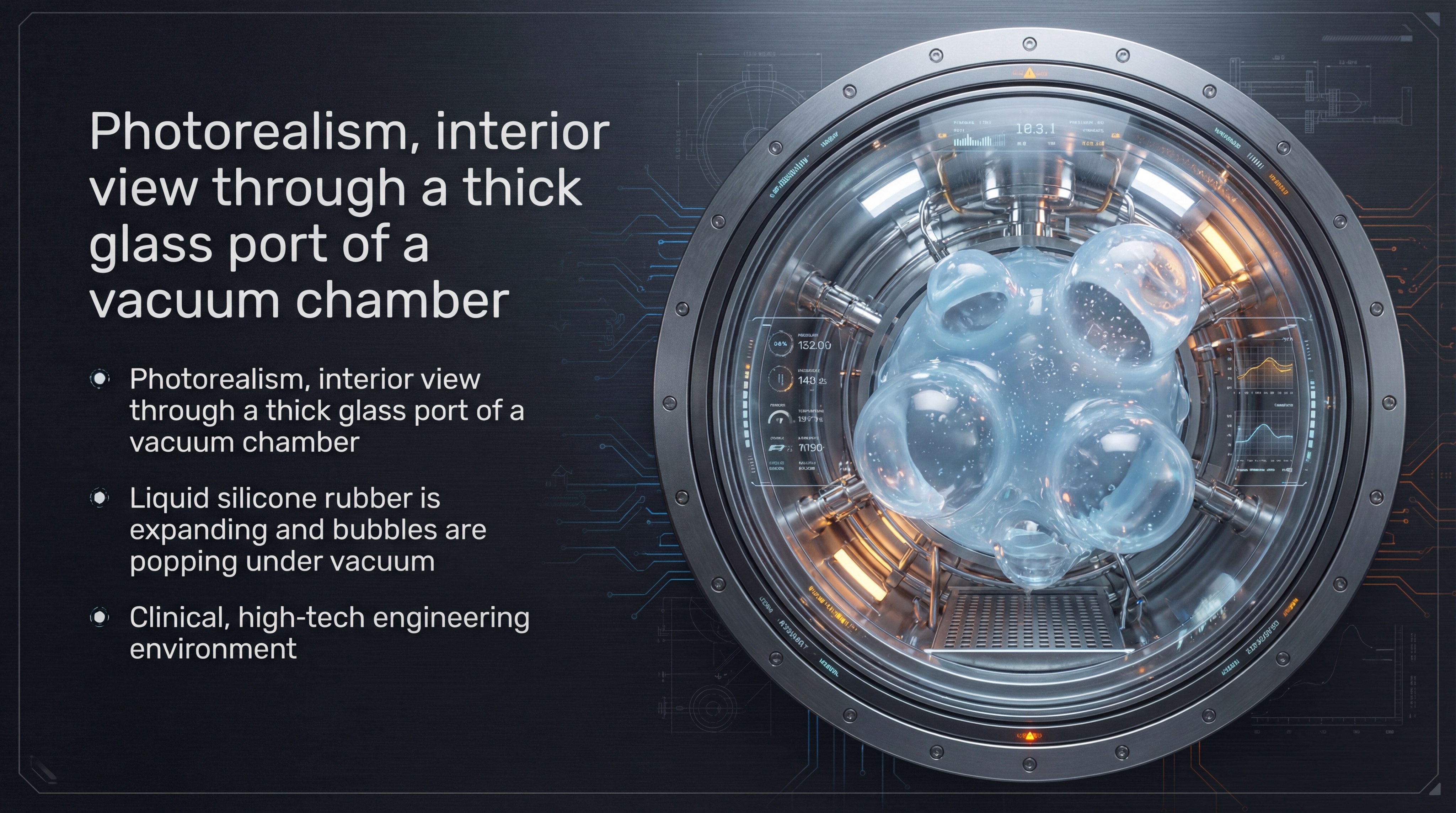
Air bubbles are removed by placing the mixed silicone into a vacuum chamber until the material expands and then collapses back to its original volume. This process, known as degassing, is essential for maintaining the clarity and strength of the liquid silicone rubber. Failure to degas can lead to internal voids that weaken the structural integrity of your components.
Is a vacuum chamber necessary for all projects?
You will find a vacuum chamber mandatory for any part requiring high-detail retention or structural strength, such as medical-grade components. Without degassing, internal voids can cause the part you make to fail under mechanical stress.
Let’s dive in:
- Degassing prevents surface pitting.
- It ensures uniform density.
- Optical clarity is improved.
Simply put: if you want professional results, you cannot skip the vacuum stage.
What pouring techniques prevent air entrapment?
You should pour the silicone in a thin, continuous stream into the lowest point of the mold to allow the material to displace air naturally. This “long-pour” technique minimizes the risk of you trapping air pockets against the mold surface.
In other words:
- Pour from a height to thin the stream.
- Target the deepest corner first.
- Keep the flow steady and unbroken.
Key Takeaway
Degassing ensures that your parts are free from microscopic flaws that could lead to electrical or mechanical failure.
| Degassing Stage | Pressure Level | Duration |
|---|---|---|
| Expansion | 29 inHg | 2-5 Minutes |
| Collapse | 29 inHg | 1-2 Minutes |
| Stabilization | Ambient | Immediate |
Removing trapped gases is a non-negotiable requirement for high-precision manufacturing and long-term part reliability.
How Do You Design Precision Molds?
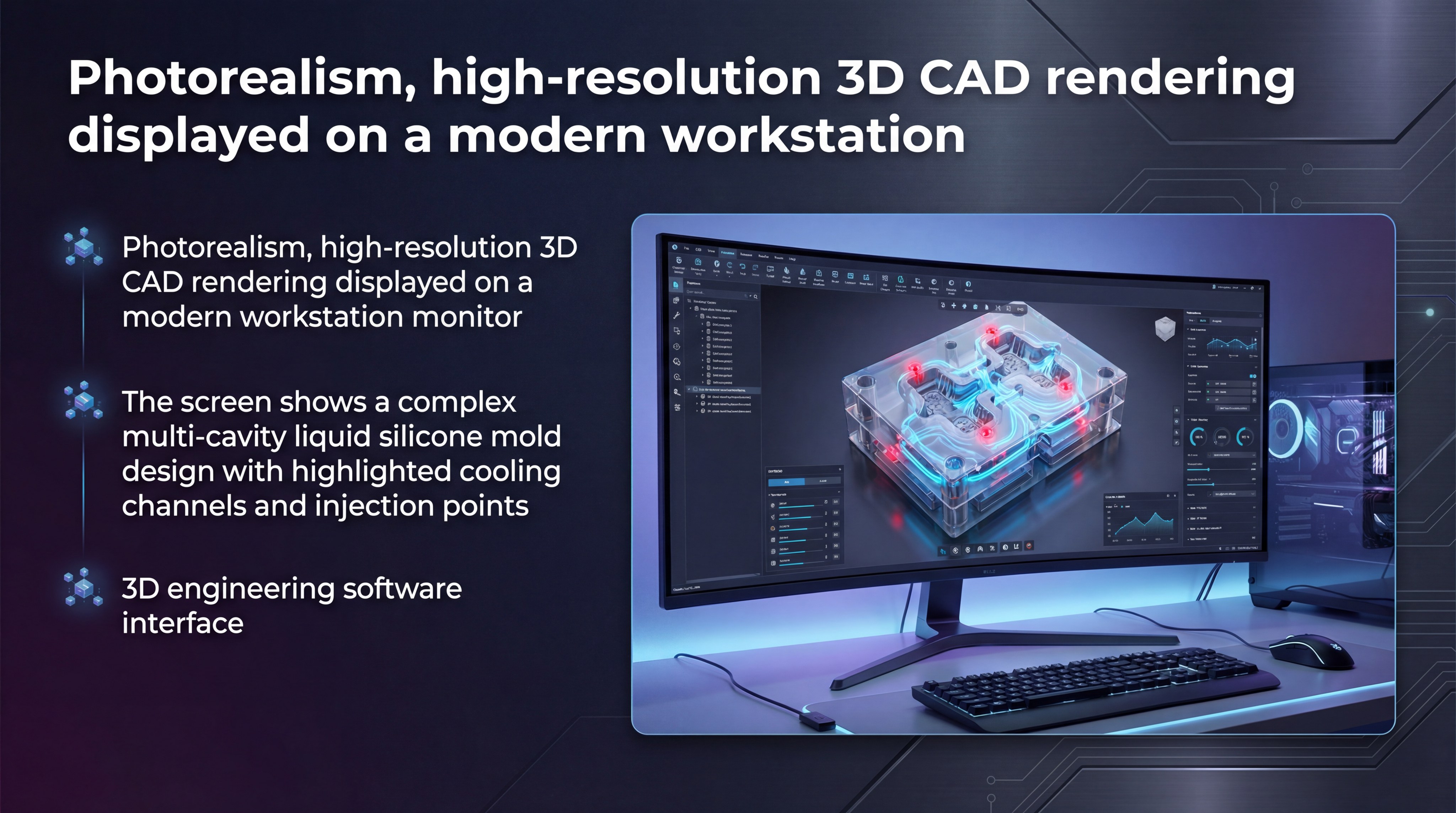
Mold design involves creating a cavity that accounts for material shrinkage and includes venting for air escape. When working with liquid silicone rubber, your mold must have tight tolerances to prevent flashing, which is common in low-viscosity materials. Advanced engineering ensures that the part can be demolded without tearing or deformation.
How do you design for complex geometries?
You should use 3D-printed or CNC-machined master patterns with drafted angles to make part removal easier. Design for Manufacturing (DFM) helps you identify potential thin-wall issues before you commit to expensive tool cutting.
Here’s the deal:
- Draft angles prevent sticking.
- Venting stops air traps.
- Cooling lines speed up production.
The result? You get a mold that produces perfect parts every single time.
When should you use multi-piece mold designs?
You will need multi-piece molds for parts with undercuts or intricate internal features that a standard two-part mold cannot release. These molds ensure that even your most complex acoustic silicone parts maintain their precise dimensions.
Think about it:
- Under-cuts require sliding cores.
- Multi-piece designs allow for complexity.
- They reduce the risk of part damage.
Key Takeaway
Investing in high-quality mold design reduces your long-term costs by minimizing scrap and secondary finishing operations.
| Design Element | Purpose | Impact |
|---|---|---|
| Venting | Air Removal | Prevents Voids |
| Draft Angles | Part Release | Prevents Tearing |
| Mirror Finish | Aesthetics | Improves Clarity |
Precision mold engineering is the foundation of successful liquid silicone manufacturing and high-volume consistency.
What are the Steps for RTV Curing?
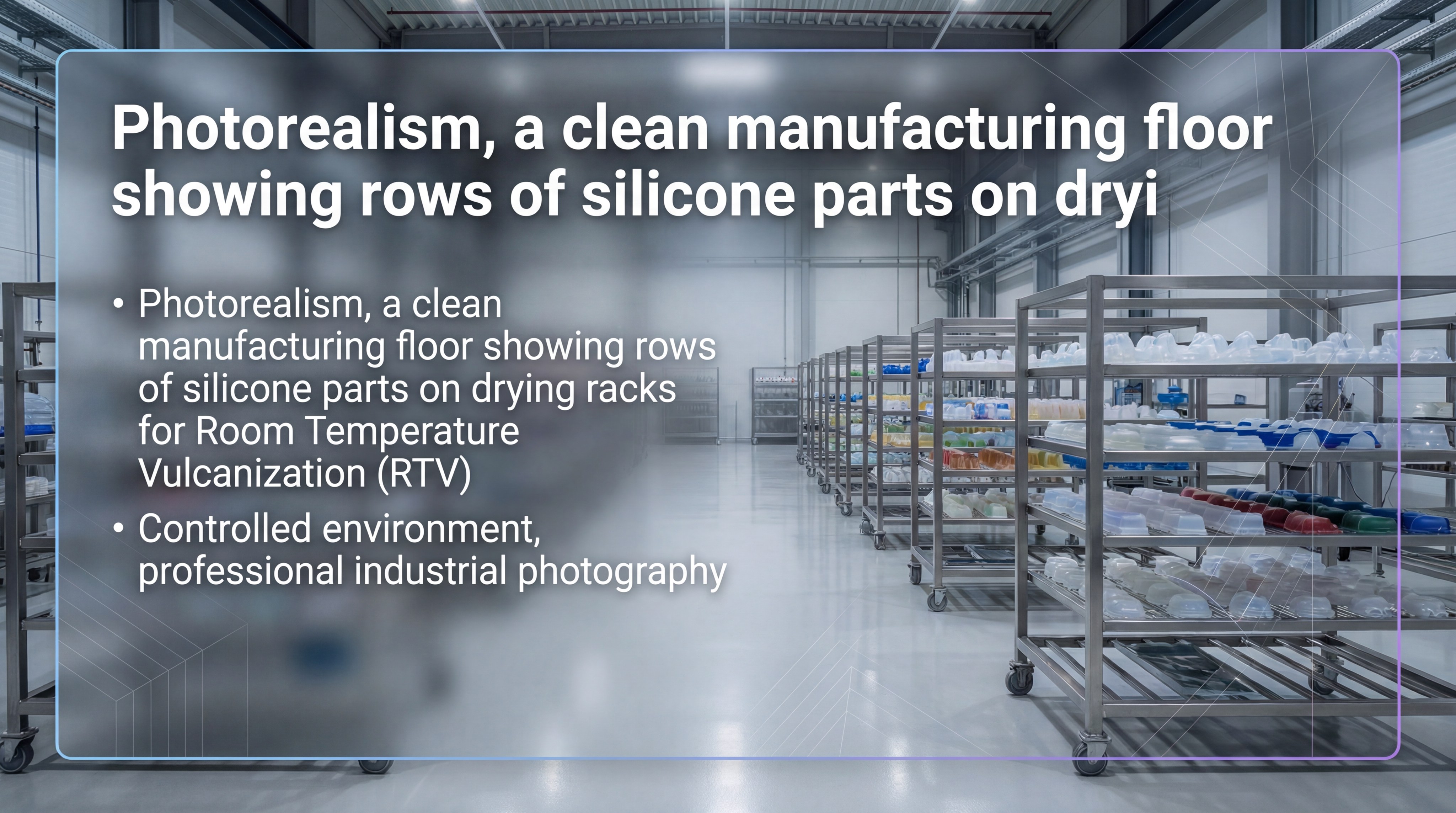
Room temperature vulcanization (RTV) occurs when the mixed material is left at ambient temperatures to cross-link over a specific period. You must provide a clean, dust-free environment for the liquid silicone rubber to set properly without surface contamination. This method is highly energy-efficient and ideal for parts that cannot withstand the high heat of injection molding.
How long does the RTV process take?
You will notice the initial set usually happens within 1 to 4 hours, but full physical properties are typically achieved after 24 hours. The exact timing you experience depends on the specific formulation and thickness of the material.
Let’s dive in:
- Thicker sections take longer.
- Humidity can accelerate some types.
- Total cure takes a full day.
In other words: patience is required for the strongest chemical bonds to form.
Which environmental factors influence speed?
You should monitor humidity and ambient temperature as they are the two primary drivers of curing velocity. Higher temperatures will accelerate the chemical reaction you see, while extreme cold can stall the process indefinitely.
Simply put:
- Warmth speeds up cross-linking.
- Humidity affects moisture-cure types.
- Airflow prevents solvent buildup.
Key Takeaway
Controlled curing environments ensure that your parts develop their full tensile strength and tear resistance properties.
| Cure Factor | High Influence | Low Influence |
|---|---|---|
| Temperature | Accelerates Reaction | Minimal Impact (<10°C) |
| Humidity | Critical for RTV | Irrelevant for Heat Cure |
| Airflow | Prevents Surface Tacky | No Chemical Effect |
Maintaining a stable environment is the only way to ensure repeatable curing times and consistent production schedules.
How Do You Apply it as a Sealant?
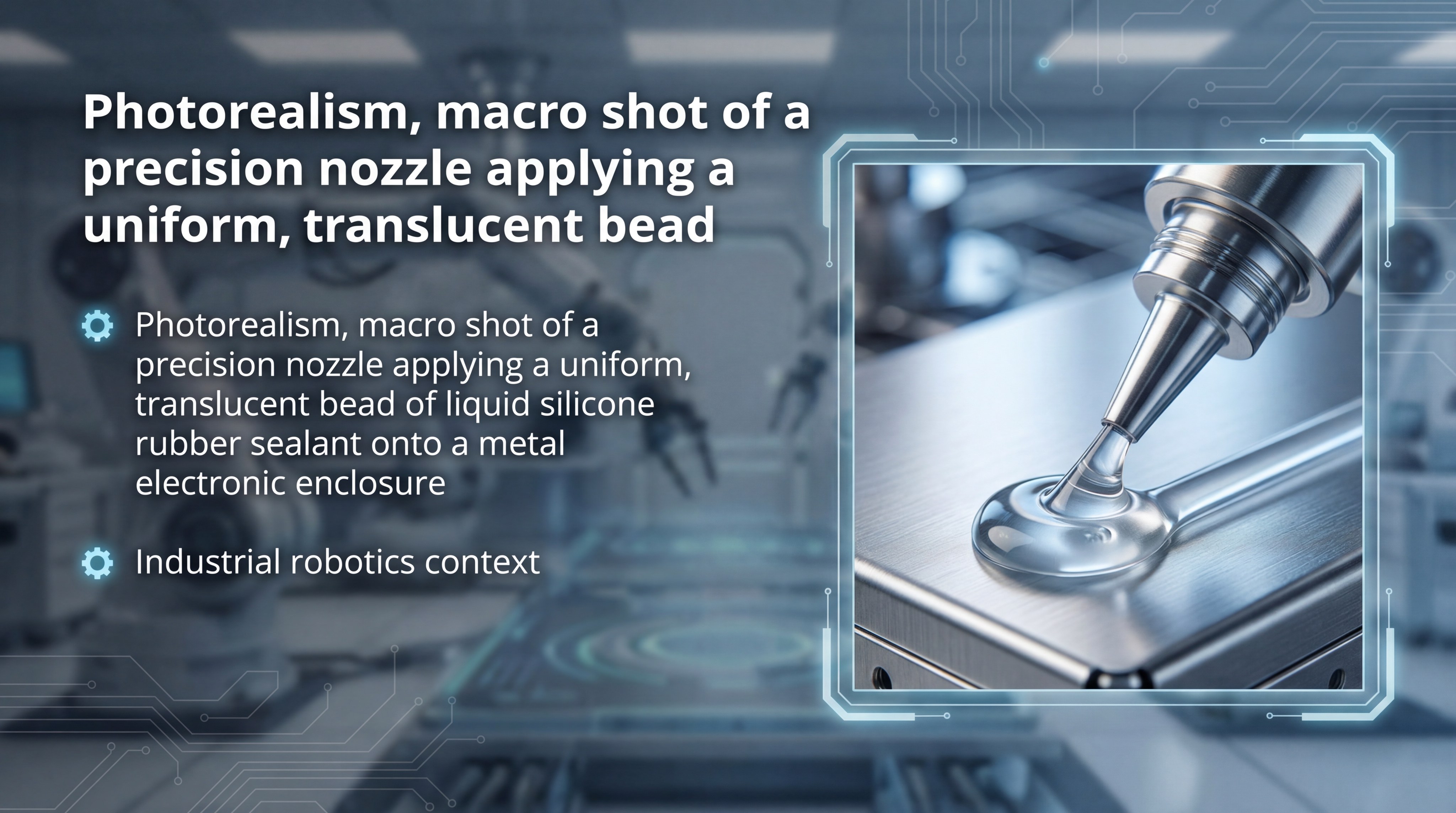
As a sealant, the liquid is applied via a nozzle in a continuous bead to ensure a waterproof and airtight barrier. Using high-grade liquid silicone rubber as a sealant provides better UV and temperature resistance than traditional organic adhesives. This precision application is critical for electronics enclosures and automotive lighting.
How do you achieve a self-leveling uniform coat?
You should select a low-viscosity silicone to allow the material to flow evenly across the surface before the curing begins. This is particularly useful for you when creating protective sleeves or sealing electronic housing units.
Think about it:
- Low viscosity fills gaps better.
- Self-leveling reduces manual work.
- Uniform coats provide better protection.
The result? A professional finish that looks as good as it performs.
What ensures long-term adhesive durability?
You must apply a specialized primer to the substrate before the silicone application to create a permanent chemical bridge. This step is critical for you if the parts will be exposed to significant vibration or thermal cycling.
Here’s the deal:
- Primers improve chemical bonding.
- Proper cleaning prevents peeling.
- Correct bead size avoids stress.
Key Takeaway
Proper application techniques transform liquid silicone from a simple material into a high-performance industrial sealing solution.
| Application Goal | Requirement | Benefit |
|---|---|---|
| Waterproofing | Continuous Bead | No Leak Paths |
| Vibration Dampening | Thick Cross-section | Energy Absorption |
| Thermal Shielding | Uniform Thickness | Heat Dissipation |
Precision dispensing is the key to creating reliable, long-lasting seals in demanding industrial environments.
What Industries Use LSR Injection Molding?
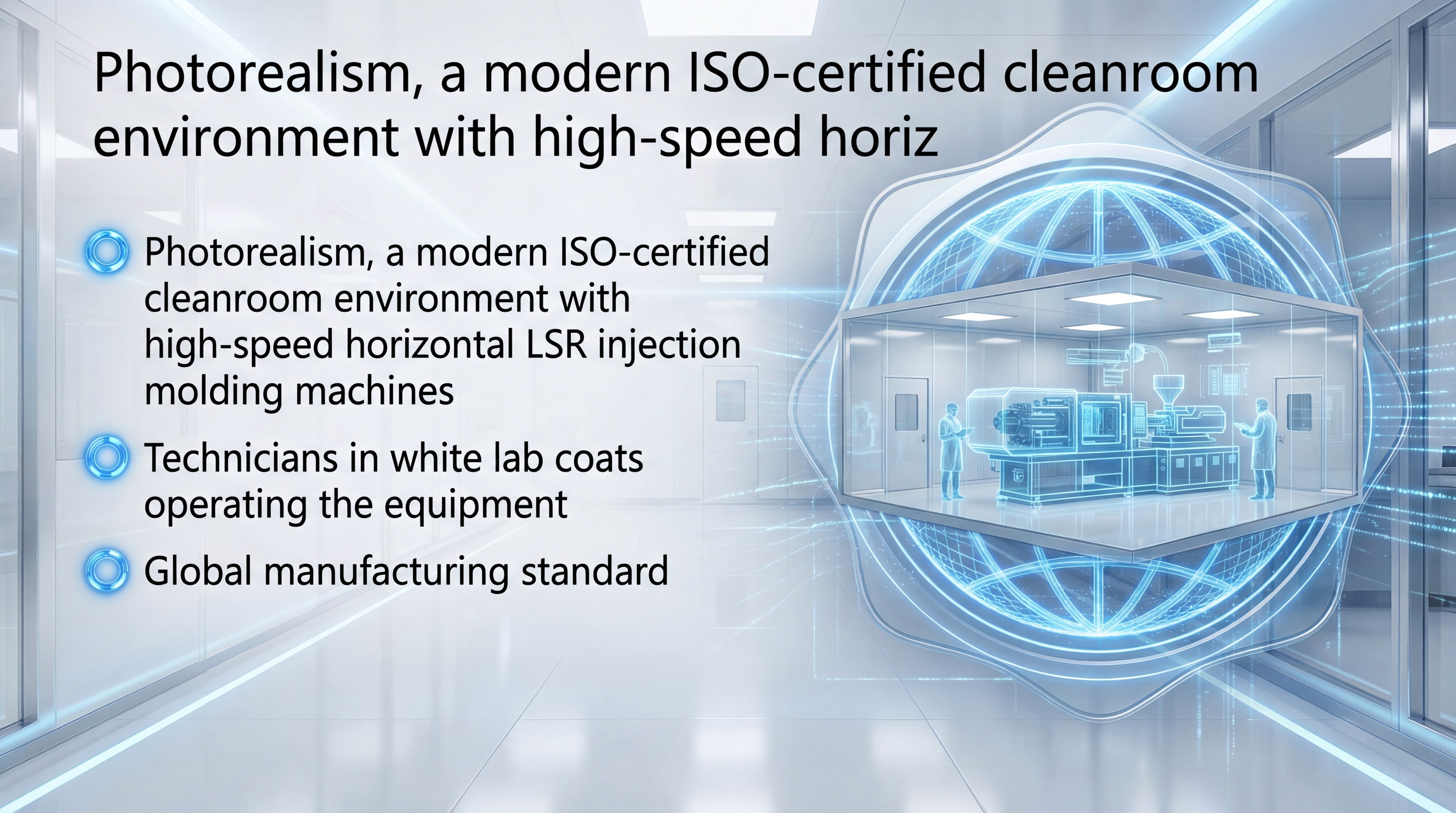
Industries requiring biocompatibility, extreme temperature resistance, and high precision rely heavily on liquid silicone rubber technology. Injection molding allows for the mass production of millions of parts with micron-level consistency. This process is the gold standard for medical, automotive, and high-end consumer electronics.
Why is LSR preferred for medical parts?
You should know that LSR is naturally inorganic and resistant to bacteria growth, making it ideal for skin-contact devices. It meets the rigorous standards you need for healthcare applications, including ISO 13485 compliance.
Let’s dive in:
- It is hypoallergenic and safe.
- Sterilization is easy and fast.
- Long-term stability is unmatched.
Simply put: LSR is the safest choice for medical innovation.
How does it improve smart wearables?
You will find that the material’s sweat resistance and soft-touch feel provide comfort for your users during long-term wear. It protects internal sensors from moisture while maintaining a premium aesthetic that consumers demand.
In other words:
- It stays comfortable all day.
- Colors do not fade easily.
- It resists skin oils and sweat.
Key Takeaway
The versatility of LSR allows it to solve complex engineering challenges across a wide variety of regulated industries.
| Industry | Primary Benefit | Common Part |
|---|---|---|
| Medical | Biocompatibility | Valve / Catheter |
| Electronics | Sealing | Smartwatch Strap |
| Automotive | Heat Resistance | Gasket / O-ring |
LSR remains the material of choice for engineers who refuse to compromise on safety, performance, or durability.
How Do You Verify Final Part Quality?
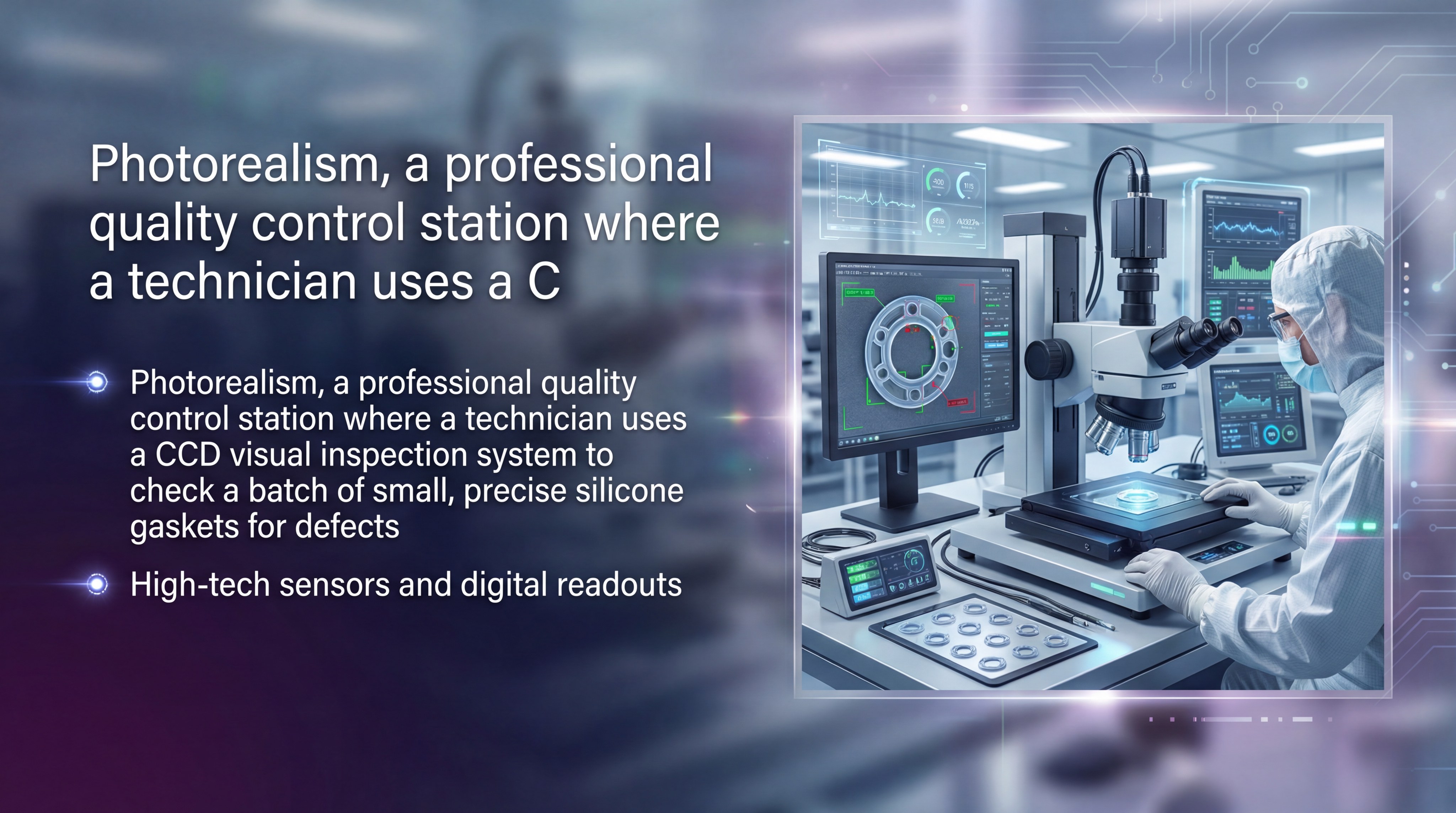
Quality verification involves a three-stage inspection process covering incoming materials, in-process dimensions, and final functional testing. You must ensure that the liquid silicone rubber meets all tensile and hardness specifications before shipping. This rigorous checking process eliminates defects and ensures high customer satisfaction.
What are the standard inspection protocols?
You should use Shore A hardness checks and tensile strength measurements to verify the material’s physical properties. For waterproof components, you must perform IP-rating verification and leak testing to ensure total reliability.
The best part?
- CCD systems catch tiny flaws.
- Digital measurements are precise.
- Automated testing saves time.
Think about it: automated inspection is the only way to maintain zero-defect standards in mass production.
Why is DFM guidance important?
You can identify potential failure modes like air traps or weld lines early in the design phase through DFM. This proactive approach ensures that the parts you mass-produce are stable, repeatable, and cost-effective.
Here’s the deal:
- It prevents expensive tool rework.
- It speeds up the launch time.
- It optimizes material usage.
Key Takeaway
Rigorous quality control and DFM planning are the two pillars that support a zero-defect manufacturing philosophy.
| Test Type | Metric | Importance |
|---|---|---|
| Hardness | Shore A Durometer | Part Feel/Function |
| Dimensions | Tolerance (mm) | Assembly Fit |
| Visual | Surface Finish | Brand Quality |
Consistency in quality verification builds the trust necessary for long-term B2B manufacturing partnerships.
How Do You Scale Global Production?
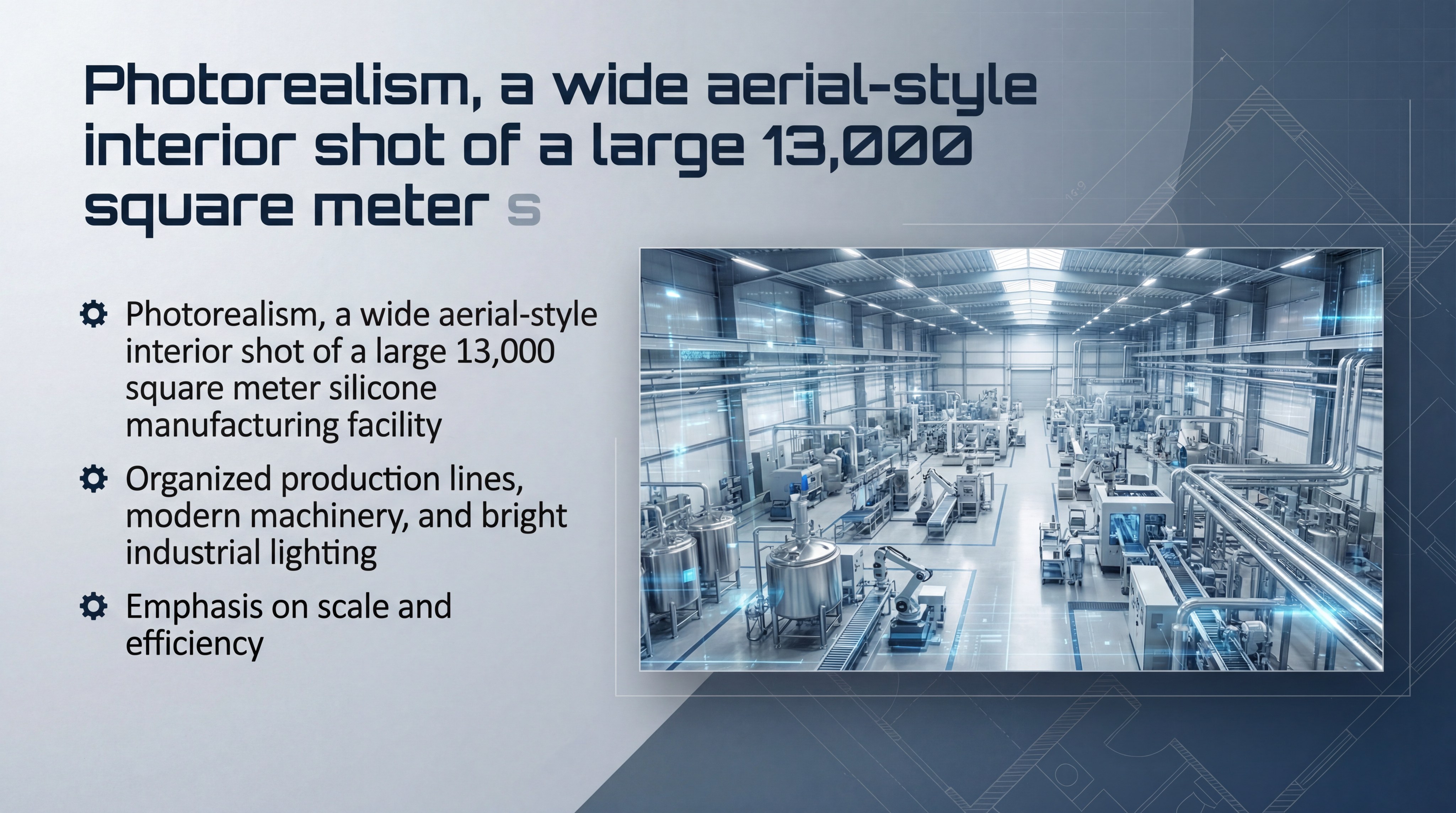
Scaling production requires an integrated facility that can handle everything from mold making to high-volume liquid silicone rubber injection. You need a partner with the capacity to scale from a few prototypes to millions of units while maintaining strict ISO standards. Global logistics and export-ready delivery are the final steps in a successful manufacturing journey.
Can you scale without losing quality?
You can maintain quality at scale by using automated process controls and centralized data monitoring. This allows you to track every batch and ensure that the performance remains consistent across thousands of cycles.
In other words:
- Automation ensures repeatability.
- Data tracking catches drifts.
- Scale lowers unit costs.
Simply put: professional facilities make scaling look easy.
What are the benefits of an integrated factory?
You will find that keeping mold making and production under one roof reduces your lead times and communication errors. An integrated approach allows you to solve engineering problems in real-time without moving between different suppliers.
Let’s dive in:
- Faster iterations for you.
- Lower logistics costs overall.
- Unified quality accountability.
Key Takeaway
A professional, large-scale manufacturing partner is essential for any company looking to dominate its market with silicone products.
| Scale Factor | Prototyping | Mass Production |
|---|---|---|
| Lead Time | 1-2 Weeks | 4-6 Weeks |
| Unit Cost | High | Low |
| Consistency | Variable | Absolute |
Choosing a facility with global export experience ensures that your supply chain remains resilient and efficient.
Conclusion
Mastering the use of liquid silicone is a journey that begins with material science and ends with rigorous quality assurance. By choosing high-performance liquid silicone rubber and following a controlled manufacturing process, you can create products that lead their respective industries in safety and durability. Our vision is to empower global brands with the precision and reliability of world-class silicone engineering. We are committed to reducing your manufacturing risks through expert DFM guidance and stable mass production. To see how our ISO-certified facility can support your next project, contact us today.
Frequently Asked Questions
Can I use liquid silicone for food-contact applications?
Yes, but only if you select a formulation that is specifically FDA or LFGB compliant. These materials undergo post-curing to remove volatile organic compounds and ensure safety for food use.
What’s the best temperature for curing liquid silicone rubber?
It depends on your goals; while it cures at room temperature (RTV) for low-volume work, industrial mass production uses heat (150°C to 200°C) to reduce cycle times to seconds.
How do I know if my silicone has been mixed correctly?
You should look for a completely uniform color and texture without any visible streaks or “soft” patches. If you use pigments, an even color distribution is the best visual indicator of a homogenous mix.
Can I pigment liquid silicone to match specific colors?
Absolutely. You can add silicone-based color pastes during the mixing phase to achieve exact Pantone or RAL color matches without negatively affecting the cure.
What is the shelf life of unmixed liquid silicone?
Typically, the shelf life ranges from 6 to 12 months. You must store it in original, unopened containers in a cool, dry place to prevent premature degradation.