
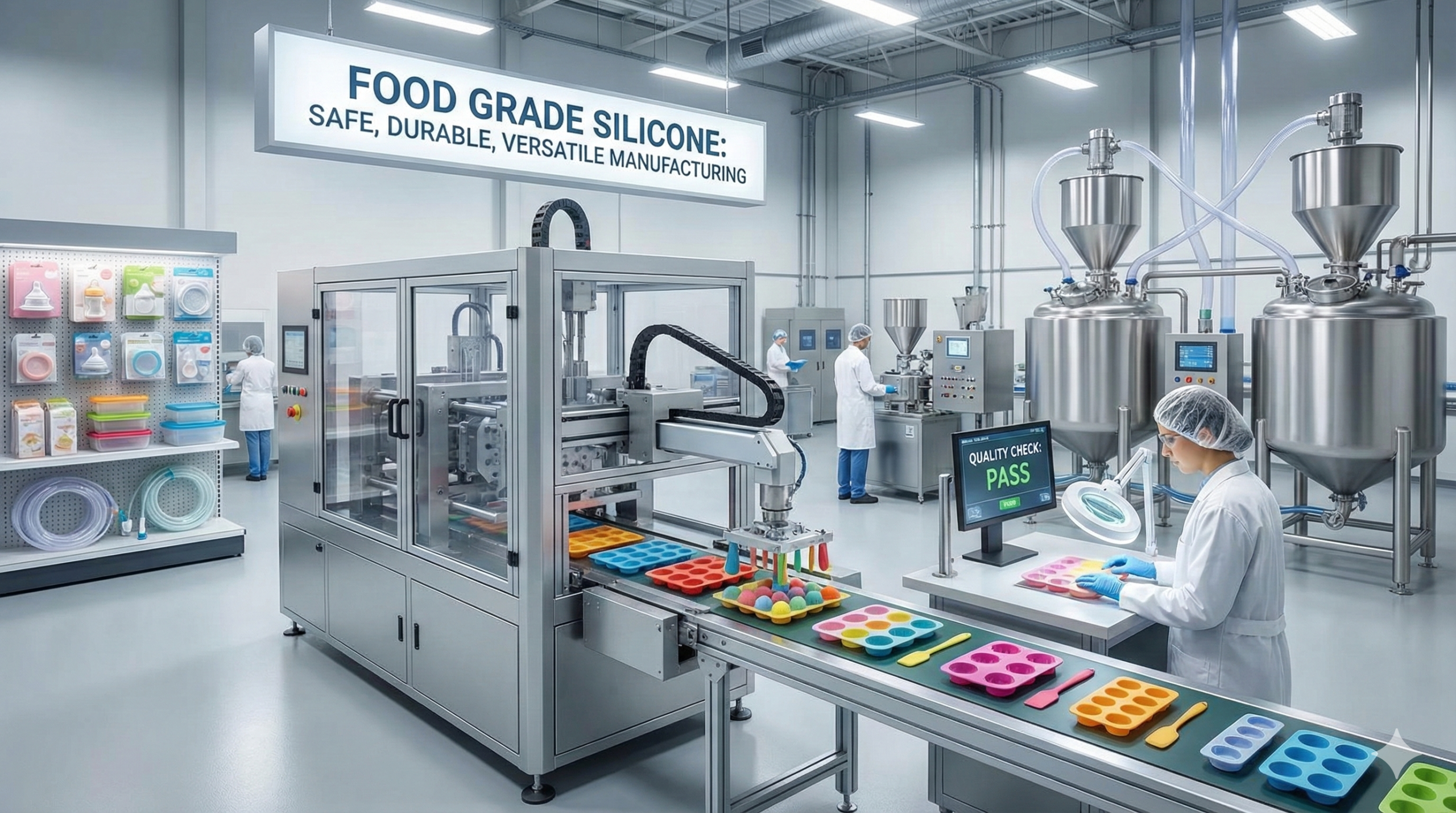
Food grade silicone represents a highly purified synthetic polymer designed safely for direct culinary contact across diverse global manufacturing sectors effortlessly. You continuously manufacture delicate consumer goods but unexpected material failure often causes massive product recalls that destroy profit margins entirely. Such devastating recalls damage your brand reputation severely, costing millions in lost revenue while simultaneously alienating your extremely loyal customer base. Fortunately, food grade silicone provides incredible chemical stability and mechanical safety for your specific high-volume manufacturing needs consistently. This remarkably reliable synthetic rubber ensures complete regulatory compliance across all modern factory production lines seamlessly without fail.
1. What exactly is food grade silicone made of?
This highly specialized unique material consists primarily of alternating silicon and oxygen atoms combined intelligently with organic carbon molecules for maximum structural stability. Naturally, food grade silicone begins as exceptionally pure silica extracted painstakingly from ordinary quartz sand deposits located securely across the entire globe. Professional factory manufacturers process this raw silica carefully into a highly flexible polymer through incredibly complex industrial chemical reactions within tightly controlled environments. Premium platinum curing agents then transform the foundational base polymer slowly into a remarkably stable compound suited perfectly for sensitive human applications everywhere.
How does the specific manufacturing process actually work?
Here’s the deal: the modern highly advanced industrial production methodology requires extremely controlled sterile environments without any microscopic contamination risks whatsoever.
- Highly trained factory workers blend raw chemical materials carefully under incredibly strict temperature regulations daily.
- Skilled machine technicians vulcanize the precisely blended liquid mixture utilizing massively advanced injection molding machinery perfectly.
- This exceptionally critical manufacturing step ensures undeniably excellent physical properties across every single manufactured batch globally.
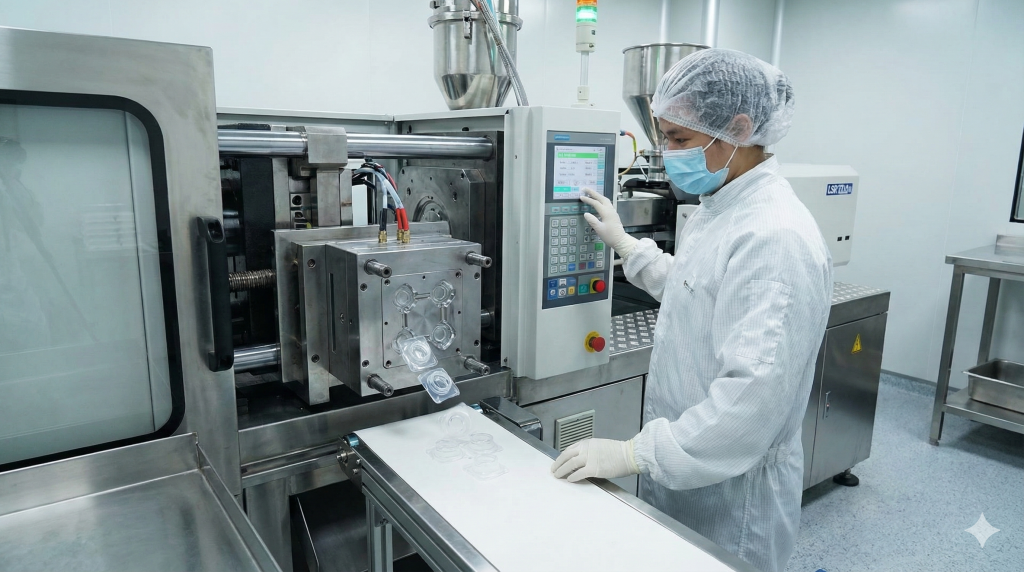
Thoroughly inspecting these complex raw ingredients protects your incredibly valuable corporate reputation from unexpectedly severe financial and legal repercussions globally today. Your highly dedicated quality assurance team must actively review specific material safety data sheets closely before approving any massive factory production runs internally. Consistently monitoring supply chains prevents low-quality industrial rubber from accidentally contaminating your pristine commercial food processing assembly lines completely. Key Takeaway: You must carefully verify your chosen material formulation thoroughly alongside respected independent testing laboratories to maintain absolute product safety permanently forever.
| Component | Function | Percentage |
| Silicon | Core structural element | High |
| Oxygen | Backbone connectivity | High |
| Carbon | Organic modifier | Medium |
This detailed table outlines those highly core elements forming a remarkably reliable polymer matrix.
2. How does food grade silicone differ from commercial alternatives?
The primary difference involves exact purity levels alongside incredibly strict manufacturing certifications required for safe human contact daily. Standard commercial grades often contain unregulated artificial fillers that reduce overall production costs considerably for budget-conscious factory operators. Conversely, food grade silicone utilizes highly refined components specifically designed for protecting human health during extended culinary usage. This rigorous refinement phase completely prevents any hazardous chemical migration during regular daily consumer usage across worldwide markets.
What specific properties distinguish premium grades immediately?
You might be wondering: what actually separates these two distinct material categories during standard physical factory inspections routinely?
- Premium grades demonstrate superior tensile strength without whitening terribly when stretched forcefully by manual inspectors.
- Industrial versions often emit incredibly strong chemical odors immediately after initial factory production finishes.
- Certified materials handle repeated thermal cycling perfectly without losing any core structural integrity whatsoever.
Using substandard materials risks catastrophic compliance failures during regulatory safety audits conducted by strict government health agencies annually. Industrial polymers degrade incredibly quickly when exposed frequently toward harsh commercial cleaning chemicals inside busy restaurant kitchens. Non-compliant rubber taints delicate consumable liquids rapidly with deeply unpleasant residual flavors that ruin entire beverage production batches. Key Takeaway: Always select certified materials strictly to avoid extremely costly regulatory penalties later down your business pipeline.
| Feature | Premium Grade | Commercial Grade |
| Purity | Exceptionally high | Moderate |
| Certification | Fully verified | None required |
| Heat Resistance | Superior | Variable |
This direct comparison highlights precisely why certified materials outperform cheaper industrial substitutes consistently.
3. Why is food grade silicone highly resistant against extreme heat?
This unique synthetic rubber maintains massive chemical stability across vast temperature fluctuations effortlessly during heavy commercial daily usage. Industrial processors rely heavily upon food grade silicone for intensely demanding high-temperature manufacturing environments globally. The incredibly strong silicon-oxygen molecular bonds successfully prevent disastrous structural breakdown during intense thermal exposure consistently. Consequently, these robust flexible components perform flawlessly inside massive commercial ovens and freezing chambers alike without failing.
How do molecular bonds enhance thermal durability completely?
This is where it gets interesting: the inorganic backbone provides exceptional thermodynamic resilience against incredibly harsh external environmental conditions. Carbon-based plastics melt rapidly because their weak molecular chains break apart easily under moderate thermal stress predictably.
- The rubber material handles scorching temperatures reaching 250 degrees Celsius seamlessly during continuous commercial baking operations.
- Sub-zero freezing environments cannot make the robust flexible rubber brittle or randomly fragile over long periods.
- Unmatched molecular stability guarantees flawless physical performance regardless of sudden extreme atmospheric temperature shifts occurring nearby.
Continuous extreme thermal stress typically destroys standard cheap elastomers within weeks of initial factory installation predictably. However, premium certified polymers retain their incredible flexibility easily after thousands of rigorous baking operations sequentially. They never release toxic dangerous microplastics into your carefully prepared consumer products during active high-heat commercial processing. Key Takeaway: You can trust these incredibly durable components for any extremely demanding temperature applications confidently.
| Temperature Range | Material Reaction | Suitability |
| Below Freezing | Remains highly flexible | Excellent |
| Room Temperature | Maintains original shape | Perfect |
| High Heat | Resists melting completely | Superior |
This empirical data proves how thermal stability benefits rigorous industrial production schedules continuously.
4. How does food grade silicone promote long-term eco-friendliness?
Sustainable modern manufacturing requires incredibly durable materials that reduce overall industrial waste significantly over long production cycles. Unlike fragile single-use plastics, food grade silicone withstands many years of heavy commercial usage without degrading completely. This wonderfully extended functional lifespan decreases the frequent desperate need for continuous expensive machine replacement parts. Ultimately, consciously choosing this resilient polymer helps your entire factory facility lower its massive carbon footprint successfully.
Are these premium materials truly better for nature?
Truth be told: replacing disposable plastics actively saves massive amounts of crowded landfill space globally every year.
- The flexible rubber does not break down slowly into dangerous oceanic microplastics over long periods.
- Commercial facilities can reuse these exact same robust components endlessly without experiencing noticeable structural degradation.
- Many specialized modern recycling centers now process older damaged silicone parts effectively into useful secondary industrial lubricants.
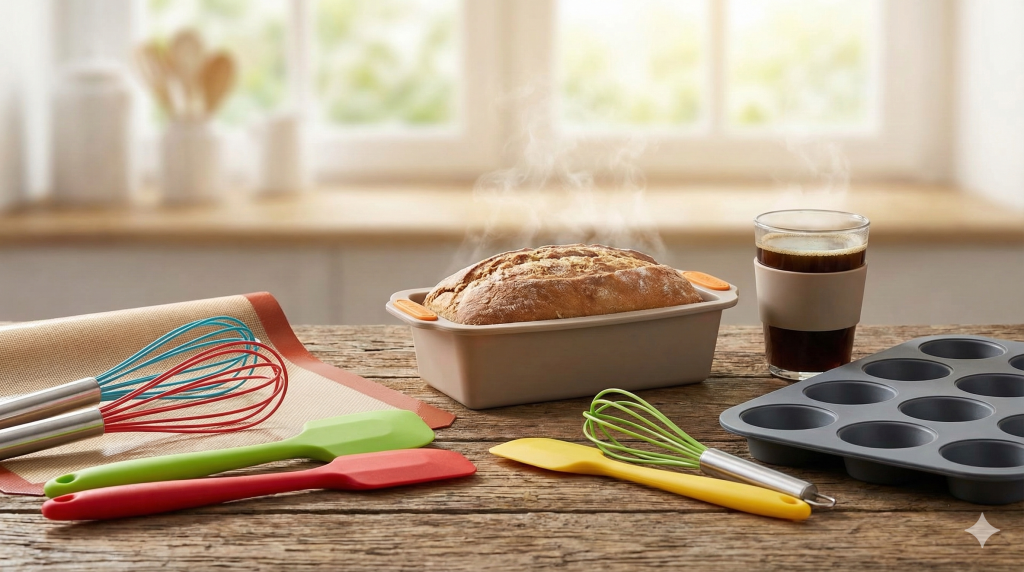
Constant mechanical equipment repairs generate completely unnecessary scrap metal alongside ruined plastic seals continuously. Installing incredibly high-quality rubber gaskets successfully prevents frequent mechanical failures across busy automated assembly lines. You simultaneously save operational money while actively protecting our highly fragile global natural ecosystem daily. Key Takeaway: Investing heavily into highly reusable components guarantees a wonderfully sustainable manufacturing future entirely.
| Material Type | Lifespan | Environmental Impact |
| Single-Use Plastic | Very short | Highly destructive |
| Standard Rubber | Moderate | Harmful waste |
| Premium Silicone | Exceptionally long | Very sustainable |
This direct lifespan comparison emphasizes the sheer environmental value of highly durable polymers perfectly.
5. What are common manufacturing applications of food grade silicone?
Countless diverse industries utilize this wonderfully versatile material for completely safe product handling processes globally today. Massive beverage companies install food grade silicone transfer tubing to move delicate liquids hygienically between giant steel vats. Bustling commercial bakeries depend completely upon non-stick flexible baking molds for incredible high-volume daily pastry production. Automated robotic packaging machines absolutely require highly resilient suction cups for moving fragile consumer items securely.
Which specific mechanical components utilize this material mostly?
Ready for the good part? You will find these fantastic specialized parts everywhere inside modern facilities.
- Specialized tight O-rings actively prevent catastrophic fluid leaks inside massive commercial dairy processing machines.
- Flexible rubber conveyor belts transport freshly baked sweet goods safely through massive factory cooling tunnels.
- Custom sealing gaskets maintain exact vacuum pressure effortlessly inside automated heavy-duty food packaging systems.
Reliable tight seals successfully prevent unexpected disastrous machine downtime during peak seasonal commercial production periods. Wonderful non-stick exterior surfaces drastically reduce the valuable time required for daily mandatory equipment cleaning routines. Your hardworking maintenance crew spends remarkably fewer hours replacing randomly broken or severely degraded plastic parts. Key Takeaway: Implementing highly reliable rubber components boosts your daily factory production output significantly without stressing workers.
| Component Type | Industry Use | Primary Benefit |
| Transfer Tubing | Beverage production | Hygienic flow |
| O-Ring Seals | Dairy processing | Leak prevention |
| Baking Molds | Commercial bakeries | Non-stick surface |
This functional application chart demonstrates the incredible unmatched versatility of specialized rubber parts clearly.
6. What makes silicone formally certified as safe for consumption?
Strict international regulatory agencies enforce incredibly demanding purity guidelines before ever granting official health safety certifications. Specialized independent testing laboratories test food grade silicone repeatedly against incredibly harsh chemical solvents regularly. These amazingly rigorous scientific evaluations perfectly ensure no toxic chemical compounds migrate into edible consumer goods. Successfully passing these specific demanding tests absolutely proves the rubber material handles daily direct culinary contact safely.
Which global health agencies regulate these safety standards?
Think about it: absolutely nobody wants dangerous synthetic chemicals randomly leaching into their refreshing drinks.
- The authoritative FDA outlines strictly mandatory requirements for repeated culinary contact materials globally across markets.
- Respected European LFGB standards mandate incredibly strict chemical solvent extraction testing protocols for imported goods.
- The recognized NSF provides highly regarded voluntary public health certifications for complex commercial water equipment.
Strict government safety inspectors demand highly verifiable scientific proof regarding your specific raw material supply chain. Without presenting proper official compliance certificates your entire expensive product inventory faces immediate disastrous recall. You absolutely must maintain incredibly detailed records successfully proving every component meets demanding international regulations. Key Takeaway: Always demand official laboratory testing certificates strictly from your chosen raw material manufacturing partner.
| Certification | Region | Primary Focus |
| FDA 21 CFR | United States | General contact |
| LFGB | Europe | Extraction limits |
| NSF 51 | Global | Commercial equipment |
This helpful regulatory breakdown highlights those distinctly different safety standards required globally today.
7. How can you identify premium food grade silicone reliably?
Visually distinguishing expertly between standard cheap rubber and premium polymers requires specific clever manual techniques. Fortunately, food grade silicone routinely exhibits incredibly distinct physical characteristics during simple manual stress tests. High-quality manufactured items perfectly maintain their uniform solid color completely when stretched or twisted aggressively. Conversely, cheaper substandard materials immediately show distinct white stretch lines indicating cheap toxic chemical fillers.
What simple manual tests reveal hidden material impurities?
Let’s get straight to the point: the classic manual pinch test never lies to inspectors.
- Stretch the flexible rubber firmly between your bare fingers to check for revealing white lines.
- Smell the molded component very closely to detect any surprisingly sharp industrial chemical odors.
- Feel the exterior surface incredibly carefully for any suspiciously greasy or unexpectedly sticky residual layers.

Accidentally accepting a massive expensive shipment of secretly contaminated parts completely ruins your tight production schedule. Teaching your busy receiving department these wonderfully simple inspection tricks routinely saves immense daily frustration. You immediately reject terrible bad material batches gracefully before they ever enter your pristine assembly line. Key Takeaway: Performing amazingly quick physical evaluations actively prevents low-quality dangerous materials from entering your factory.
| Inspection Method | Premium Result | Substandard Result |
| Stretch Test | Solid color | White streaks appear |
| Odor Check | Completely odorless | Strong chemical smell |
| Surface Feel | Smooth and dry | Sticky or greasy |
This practical testing guide provides highly actionable physical steps for evaluating incoming material quality.
8. Does food grade silicone leach chemicals into hot beverages?
Many concerned regular consumers constantly worry about hidden toxic plastics poisoning their warm morning coffee cups. Thankfully, authentic food grade silicone remains completely chemically inert even at exceptionally high boiling temperatures. This truly incredible molecular stability successfully guarantees zero harmful invisible microplastics transfer into your delicate liquids. Your completely satisfied loyal customers continuously enjoy perfectly safe refreshing drinks without any strangely altered flavors.
How does incredible chemical stability protect consumer health?
Here’s a quick question: why exactly do cheap disposable plastics taste so incredibly terrible sometimes?
- Standard cheap plastics unfortunately degrade remarkably rapidly when exposed directly toward boiling hot water.
- Premium robust siloxane bonds absolutely refuse to ever break down under similar extreme thermal stress.
- Zero highly dangerous endocrine disruptors actively exist inside properly manufactured premium high-quality rubber products.
Strong natural fruit juices and dark roasted coffee contain powerful organic acids that destroy weaker plastics. However, premium advanced polymers resist such acidic chemical corrosion effortlessly during enormously prolonged commercial storage periods. The incredibly smooth material surface remains completely structurally intact without releasing any tiny microscopic particles whatsoever. Key Takeaway: You can highly confidently store harsh naturally acidic beverages inside these wonderfully resilient modern containers.
| Liquid Type | Plastic Reaction | Silicone Reaction |
| Boiling Water | Melts and leaches | Remains entirely stable |
| Hot Coffee | Absorbs strong odors | Resists flavor transfer |
| Citrus Juice | Corrodes the surface | Highly chemical resistant |
This simple interaction comparison successfully proves why fully inert materials strictly protect consumable liquids perfectly.
9. How should you maintain food grade silicone production equipment?
Following highly proper strict sanitation protocols massively extends the overall operational lifespan of your factory components. Professional industrial cleaners wash food grade silicone incredibly effortlessly using standard strong chemical liquid sanitizers. The wonderfully non-porous smooth surface successfully prevents dangerous bacterial microbial colonies from secretly forming inside tiny scratches. Consequently, your dedicated hardworking maintenance teams actively achieve pristine perfect hygienic conditions amazingly quickly and efficiently.
Which industrial cleaning methods work best for commercial facilities?
You might be surprised: these remarkably tough parts handle extreme commercial sterilization procedures absolutely beautifully.
- Advanced autoclave machines use highly pressurized hot steam to expertly kill dangerous microscopic pathogens instantly.
- Massive commercial automatic dishwashers fiercely blast hot soapy water without ever warping the highly flexible rubber.
- Strong chemical solvent soaks perfectly dissolve surprisingly sticky residues without ever degrading the underlying polymer matrix.
Carelessly using incredibly abrasive rough scrubbing pads permanently scratches the amazingly smooth exterior surface over time. These surprisingly deep microscopic gouges silently trap tiny organic food particles that eventually cause dangerous biological contamination. Factory employees must exclusively use highly soft sponges carefully when actively cleaning delicate precision rubber molds. Key Takeaway: Implementing incredibly gentle daily cleaning procedures actively protects your extremely valuable expensive equipment from premature destruction.
| Cleaning Method | Safety Level | Recommended Usage |
| Steam Autoclave | Perfectly safe | Daily sterilization |
| Soft Sponge Wash | Highly effective | Routine maintenance |
| Abrasive Scrubbing | Very damaging | Strictly avoid |
This clear maintenance summary perfectly outlines those absolutely best professional practices for preserving component integrity.
10. How do you choose a trusted supplier for your business?
Carefully selecting a highly reliable manufacturing partner successfully determines your ultimate long-term commercial business success entirely. A truly professional modern facility utilizes massively advanced injection molding technology for incredibly precise component creation. They actively provide wonderfully comprehensive material traceability reports constantly alongside their standard global product shipments. Partnering intelligently with highly experienced dedicated experts actively guarantees consistently excellent batch quality across your entire supply chain.
What specific factory qualifications indicate a truly professional manufacturer?
Here is the kicker: certainly not all massive overseas factories successfully operate with complete business integrity.
- Official verified ISO certifications actively demonstrate a wonderfully clear commitment toward incredibly strict quality management systems.
- Amazing in-house custom mold design capabilities successfully ensure dramatically faster rapid prototyping for your complex projects.
- Radically transparent honest communication regarding global raw material sourcing actively builds immense lasting mutual business trust.
Disastrous unexpected consumer recalls occasionally happen despite actively implementing the absolute strictest factory safety protocols imaginable. When terrible disaster unexpectedly strikes you absolutely must quickly identify the exact contaminated material batch instantly. A highly trusted excellent supplier happily provides incredibly detailed documentation actively linking every manufactured part toward its origin. Key Takeaway: Always prioritize remarkably transparent communication alongside fully verified international certifications when carefully evaluating any new suppliers.
| Supplier Trait | Importance | Business Impact |
| ISO Certification | Very high | Guarantees quality systems |
| In-house Tooling | High | Speeds up development |
| Material Traceability | Critical | Mitigates recall risks |
This helpful detailed evaluation matrix completely helps busy procurement managers correctly identify truly capable manufacturing partners.
Navigating incredibly complex global material compliance requirements routinely frustrates many highly experienced corporate procurement managers today. We happily provide amazingly stable synthetic polymer solutions that successfully eliminate your massive supply chain anxieties completely. Our remarkably advanced modern manufacturing capabilities absolutely guarantee incredible absolute precision for every single custom molded component. Please contact us today immediately to happily discuss your highly specific complex engineering requirements in incredible detail. We completely firmly believe that delivering uncompromised exceptional material quality actively builds amazingly lasting global consumer trust forever.
Frequently Asked Questions
Q1: Can I safely put these highly flexible rubber molds directly into my extremely hot commercial oven?
Yes, absolutely without hesitation. The incredibly tough inorganic siloxane bonds withstand extreme commercial baking temperatures wonderfully effortlessly daily. They simply entirely refuse to ever melt or chemically degrade during your highly rigorous active daily operations.
Q2: What’s the absolutely best professional way to properly clean my busy factory’s highly reusable transfer tubing?
Standard chemical liquid soaking actually works incredibly perfectly. The wonderfully non-porous robust material surface successfully resists harsh industrial liquid sanitizers without ever taking any structural damage. You can highly confidently also use fully pressurized steam autoclaves for complete absolute microbial pathogen destruction.
Q3: How do I exactly reliably know if my chosen supplier actually utilizes properly certified pure materials?
Always strictly demand fully official laboratory documentation immediately. Highly reputable professional manufacturers gladly happily provide fully valid verified FDA or strict LFGB testing certificates upon request. Authentic premium parts successfully pass the simple physical manual stretch test without ever showing any white lines.
Q4: Will highly acidic natural fruit juices slowly chemically destroy my incredibly expensive custom beverage rubber seals?
No, they beautifully remain completely structurally intact forever. High-quality synthetic advanced polymers boast truly incredible amazing chemical resistance against remarkably strong natural organic fruit acids. Your expensive precision parts will absolutely never chemically corrode or secretly release dangerous microplastics into the liquid.
Q5: Are these exceptionally premium synthetic mechanical components truly entirely safe for incredibly long-term human consumer usage?
Yes, they definitely provide truly exceptional unmatched human safety. The incredibly highly refined factory manufacturing process absolutely eliminates all highly dangerous toxic industrial plasticizers completely. The amazingly stable clean rubber never secretly leaches any highly harmful unknown chemicals into delicate human food supplies.