
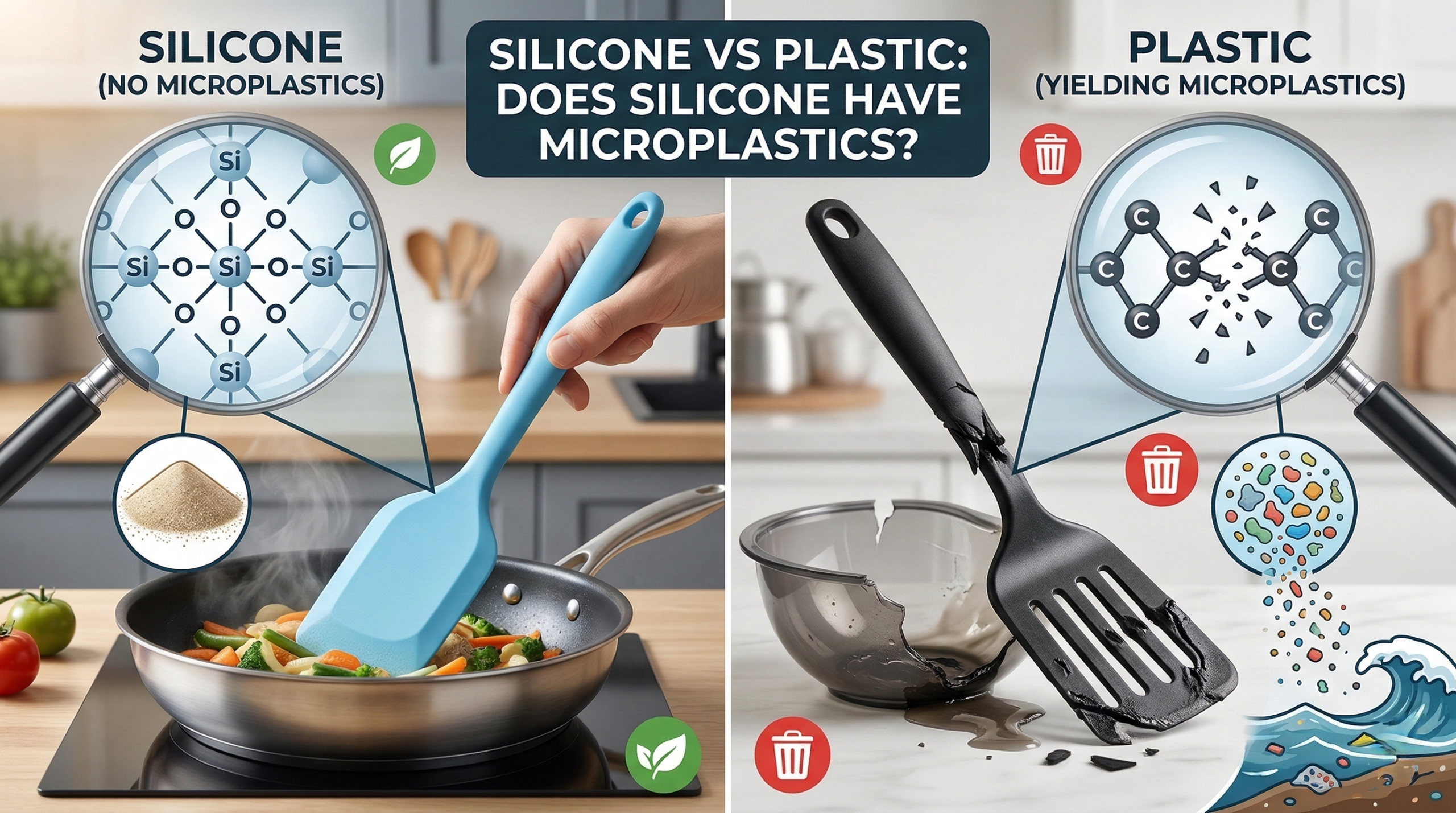
Silicone does not contain microplastics, offering a completely pure alternative for cooking. Many buyers struggle with fragile utensils that contaminate meals with dangerous fragments. Broken tools cause immense frustration and financial loss daily. We offer a highly durable answer. Resolving does silicone have microplastics remains a vital task for brands seeking reliable, heat-resistant manufacturing partners.
1. How Do Silicone and Plastic Utensils Compare?
These two materials contrast sharply regarding durability and extreme heat resistance. Many clients ask does silicone have microplastics during initial product sourcing. Synthetic polymers degrade rapidly under kitchen stress. Food-grade rubber performs exceptionally well over decades.
Buyers demand absolute reliability. They need manufacturing solutions that last permanently. We manufacture highly stable products. Your business requires consistent component quality.
What Are Core Material Differences?
Here is the deal: silicone relies heavily upon silicon-oxygen bonds. Traditional plastic uses carbon-based polymers derived directly from fossil fuels. This structural variance dictates daily performance. You get superior longevity by choosing rubber options.
Our engineers test everything rigorously. They check tensile strength on every batch.
Why Do Manufacturers Prefer Silicone?
Factories love its incredible manufacturing versatility. Brands appreciate receiving fewer customer complaints. You save considerable money long-term.
- It resists extreme temperatures easily.
- Molding complex custom shapes happens quickly.
- Bright colors stay vibrant without fading.
Key Takeaway: Understanding core material structures helps you pick better inventory for competitive retail channels.
Feature Comparison
| Feature | Rubber Option | Traditional Polymer |
|---|---|---|
| Heat Tolerance | High | Low |
| Lifespan | Extended | Short |
| Table analysis: Data proves modern buyers heavily favor heat-resistant materials over fragile traditional alternatives. |
2. Does Silicone Have Microplastics Inside It?
High-quality rubber strictly avoids any microplastic contamination during normal production. does silicone have microplastics represents a question we answer clearly. No microscopic plastic fragments exist within its solid polymer matrix. You receive completely pure commercial items.
Global buyers seek absolute product safety. They demand rigorous laboratory testing protocols. Our factory guarantees total material integrity. We provide remarkably clean solutions.
Can Chemical Leaching Occur Here?
What’s the real story? Pure rubber remains totally inert under standard environmental conditions. High heat cannot force harmful toxins into your daily meals.
- No BPA exists in our supply.
- Phthalates never enter the active manufacturing phase.
- Consumer food remains completely uncontaminated.
What Makes Rubber Structure Stable?
Silicon-oxygen bonds create massive molecular physical strength. These tight links resist breaking down entirely. You will notice incredible product resilience.
Extreme cold fails against this unique material. Boiling water causes absolutely zero deformation.
Key Takeaway: Providing pure components guarantees your end-users consume healthy meals without hidden toxins.
Stability Assessment
| Risk Factor | Rubber Grade | Synthetic Grade |
|---|---|---|
| Particle Shedding | Zero | High |
| Toxin Release | None | High |
| Table analysis: Scientific testing confirms rubber matrices maintain superior chemical stability compared against fragile carbon polymers. |
3. How Does High Heat Affect Cooking Tools?
Temperatures above 400 degrees Fahrenheit easily melt standard cheap synthetic utensils. Clients wonder does silicone have microplastics when items face intense hot grilling. Rubber easily withstands a violently scorching environment. Heat leaves its original shape completely unchanged.
Standard synthetic items warp terribly fast. Spatulas bend completely out of shape. Professional cooks hate ruined expensive dinners. We solve this persistent problem.
Can Temperatures Destroy Polymer Bonds?
Look at the evidence: cheap materials break down molecularly when heavily heated. Rubber structures stay perfectly intact always.
You get excellent reliable performance from premium items. Commercial modern kitchens depend on tough reliable gear.
Are Metal Alternatives More Effective?
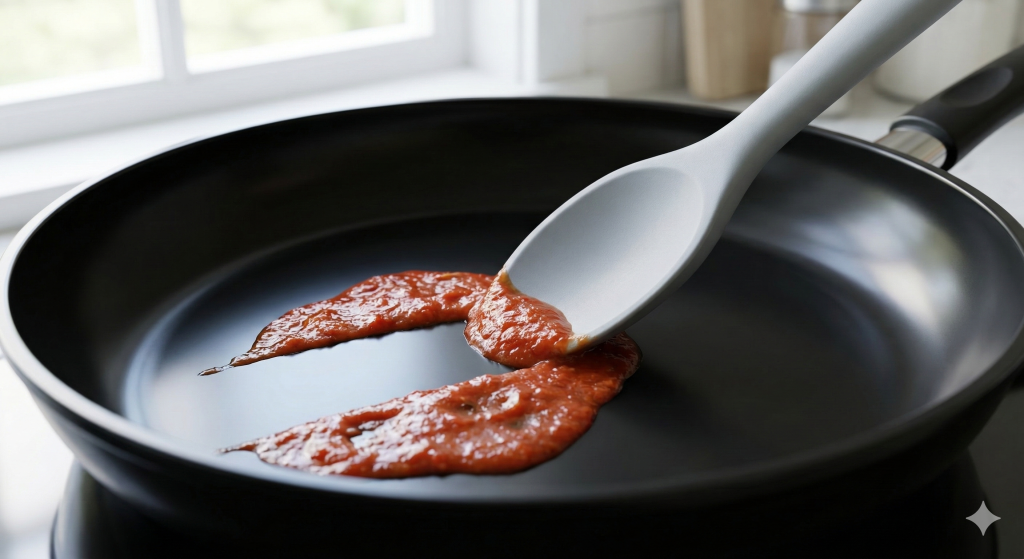
Steel scratches expensive non-stick pans badly. Rubber glides remarkably smoothly over delicate coated surfaces.
- Pans stay totally scratch-free forever.
- Cooks handle hot pots comfortably.
- Grip handles remain cool near open flames.
Key Takeaway: Equipping busy kitchens with heat-tolerant gear prevents costly daily damage and ruined restaurant recipes.
Thermal Tolerance
| Material | Max Temperature | Damage Risk |
|---|---|---|
| Rubber | 450 Fahrenheit | Low |
| Nylon | 350 Fahrenheit | High |
| Table analysis: Industry metrics clearly indicate rubber outperforms standard synthetics near dangerous high-heat cooking zones. |
4. Are Silicone Products Truly Safe for Health?
Medical and food-grade variations offer completely non-toxic daily user experiences. Evaluating does silicone have microplastics reveals incredible international safety standards. European regulatory authorities approve these chemical compounds heavily. You can trust certified honest manufacturers completely.
Families want absolutely risk-free family dinners. Busy restaurants demand fully compliant prep tools. Our advanced facility meets every strict governmental guideline. We prioritize ultimate consumer well-being.
Do Medical Grades Offer Security?
Truth be told: major hospitals use these materials for critical human implants. This medical application proves its profound biological biocompatibility.
Factories use similar pure formulations for consumer kitchenware. Your valuable customers deserve clinical-level daily safety.
What Certifications Prove Material Safety?
Reputable global suppliers carry heavy documentation validating their bold claims. You must ask factories for exact certified test reports.
- FDA approvals guarantee basic market compliance.
- LFGB standards demand rigorous strict German testing.
- ISO 9001 proves daily factory consistency.
Key Takeaway: Sourcing fully certified items heavily protects your brand reputation from sudden devastating health scandals.
Safety Standards
| Standard | Region | Rigor Level |
|---|---|---|
| FDA | USA | Standard |
| LFGB | Europe | Maximum |
| Table analysis: Reviewing proper certifications helps global buyers select highly reliable and thoroughly tested retail inventory. |
5. What Makes Plastic Kitchenware Break Faster?
Constant daily exposure toward boiling hot water quickly weakens standard carbon bonds. While analyzing does silicone have microplastics, astute buyers notice synthetic alternatives crumbling rapidly. Brittle cheap tools snap under very minor pressure. Commercial kitchens suffer from broken gear frequently.
Frequent tool replacements cost big companies money. Angry customers complain about cracked serving spoons. We provide a highly resilient alternative. You deserve far better ROI.
Do Harsh Detergents Cause Damage?
Consider this fact: commercial dishwashers spray highly abrasive harsh chemicals daily. These strong cleaners strip away thin protective layers.
Rubber resists severe chemical erosion effortlessly. Commercial heavy washing cycles cause absolutely zero harm.

How Quickly Will Degradation Happen?
Cheap tools show severe visible wear within few short months. Deep scratches harbor dangerous invisible bacteria quickly.
- Fraying rough edges appear after basic washing.
- Bright colors fade noticeably under standard light.
- Brittle handles snap during heavy daily stirring.
Key Takeaway: Avoiding cheap brittle compounds keeps your product lines looking totally fresh and functioning perfectly.
Degradation Rates
| Stressor | Rubber Reaction | Synthetic Reaction |
|---|---|---|
| Dishwasher | Unchanged | Brittle |
| UV Light | Stable | Faded |
| Table analysis: Field observations confirm harsh cleaning environments destroy conventional synthetic materials extremely rapidly. |
6. Can Silicone Utensils Outlast Plastic Ones?
Premium rubber items easily survive decades of intense brutal culinary abuse. Clients researching does silicone have microplastics quickly discover vastly superior lifespan metrics. Flexibility prevents sudden catastrophic tool snapping. Your initial investment pays off quite handsomely.
Restaurants buy new replacement spatulas constantly. Sudden breakage disrupts busy evening dinner service. We supply heavy items built incredibly tough. You gain massive operational efficiency.
Will Heavy Usage Ruin Them?
Ready for the good part? Fast chefs can bend rubber aggressively without any bad consequence. The flexible material returns instantly into its proper place.
Busy noisy diners rely on this supreme flexibility. Professional cooks work much faster without constant fear.
Why Might Flexibility Prevent Cracking?
Rigid hard materials absorb sudden physical impacts poorly. Soft chemical compounds distribute applied kinetic energy evenly.
- Dropping heavy tools causes zero tool shattering.
- Bending large spoons leaves no permanent creases.
- Scraping metal bowls damages absolutely nothing.
Key Takeaway: Supplying highly elastic reliable equipment heavily reduces replacement budgets for demanding elite commercial clients.
Physical Resilience
| Attribute | Rubber | Rigid Polymer |
|---|---|---|
| Flexibility | High | None |
| Impact Resistance | Excellent | Poor |
| Table analysis: Engineering metrics show elastic properties actively prevent sudden structural failure during busy kitchen operations. |
7. Does Silicone Have Microplastics When Heated?
High oven temperatures absolutely cannot force solid rubber to generate dangerous microplastics. We address does silicone have microplastics directly for deeply concerned buyers. The underlying chemical structure entirely lacks tiny plastic particles. Hot ovens pose absolutely zero contamination risk.
Consumers fear hidden toxic dietary contaminants. Professional bakers worry about toxic chemical shedding. We manufacture completely structurally stable compounds. You get complete peace of mind.
Are There Risks During Baking?
Let’s get real: flat baking mats face repeated 400-degree hot oven cycles. They never break down into microscopic dangerous fragments.
Your sweet pastries stay perfectly totally clean. Large bakeries trust our robust daily supplies.
How Can Consumers Prevent Issues?
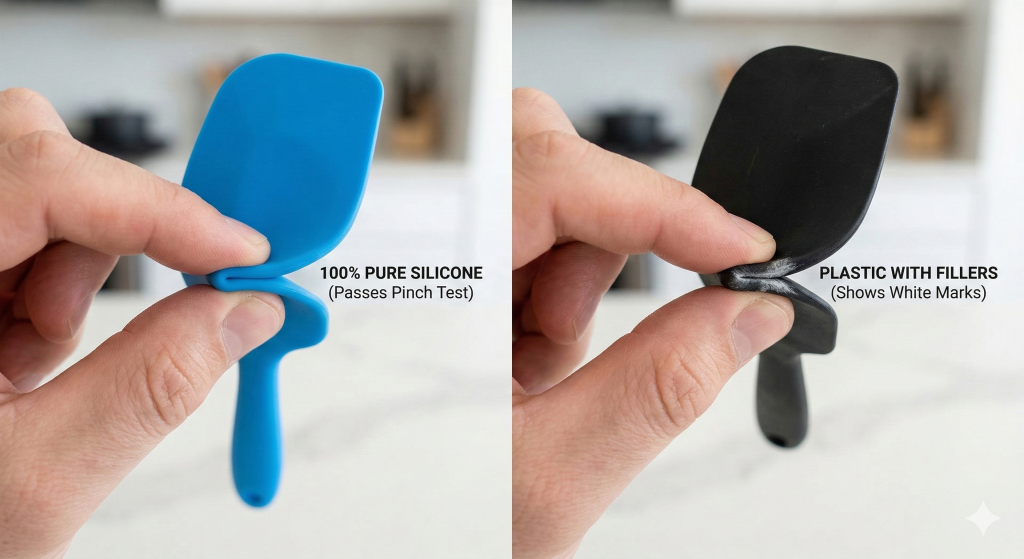
Smart buyers must purchase 100-percent totally pure items always. Cheap fillers ruin baseline material integrity.
- Perform a quick simple pinch test.
- White stretch marks indicate cheap bad fillers.
- Pure good items keep their original color.
Key Takeaway: Verifying baseline material purity ensures your end-users never accidentally consume dangerous unseen industrial fragments.
Purity Testing
| Purity Level | Pinch Test Result | Safety |
|---|---|---|
| 100% Pure | No White Marks | Total |
| With Fillers | White Marks Show | Risky |
| Table analysis: Proper purity testing guarantees global buyers avoid accidentally supplying compromised products containing hidden dangerous elements. |
8. Is Silicone Better for Our Environment?
This resilient material offers a far greener global footprint than standard disposable alternatives. Debating does silicone have microplastics leads directly toward deep ecological discussions. Rubber outlasts cheap standard synthetic items easily. Fewer daily replacements mean drastically reduced landfill waste.
Deep oceans choke on discarded cheap synthetic trash. Eco-conscious modern brands demand truly sustainable options. Our advanced factory supports strict green initiatives. You reduce massive ecological damage.
Does Recycling Benefit Global Markets?
Here is a wild thought: highly specialized facilities actually recycle these tough compounds successfully. They grind them entirely down into useful industrial lubricants.
Municipal public plants struggle with standard basic synthetic trash. Specialized heavy recycling creates entirely new circular economies.
Can Landfills Process Degraded Waste?
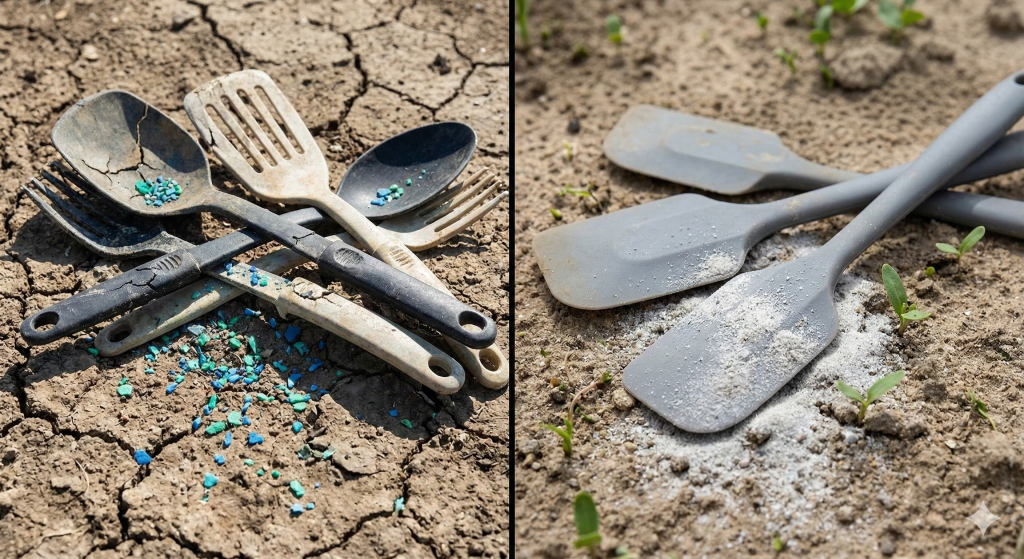
Rubber breaks down into totally harmless silica dust eventually. It never releases dangerous toxic microplastics underground.
- Deep soil remains completely totally uncontaminated always.
- Local wildlife avoids ingesting dangerous floating fragments.
- Natural waterways stay incredibly pristine over time.
Key Takeaway: Choosing sustainable responsible manufacturing partners helps your modern brand project a responsible clean ecological image.
Ecological Impact
| Material | Landfill Output | Recyclable |
|---|---|---|
| Rubber | Silica Dust | Yes (Specialized) |
| Polymer | Toxic Particles | Sometimes |
| Table analysis: Ecological data proves rubber breakdown leaves behind completely harmless natural sand rather than lingering toxins. |
9. How Can You Identify Safe Food-Grade Gear?
Visual factory inspections and rigorous official documentation reveal true underlying manufacturing quality instantly. Customers asking does silicone have microplastics need absolute concrete proof. A pure finished product feels very hefty and solid. Cheap bad imitations feel extremely suspiciously light.
Counterfeit dangerous goods flood massive global markets. Overseas sourcing agents struggle identifying real quality. We welcome rigorous complete factory audits. You receive totally transparent production data.
Should Buyers Request Testing Reports?
Make no mistake: completely legitimate factories gladly provide third-party validation laboratory documents. You must absolutely demand current detailed laboratory results.
Hidden cheap fillers compromise thermal heat stability completely. Real official documents eliminate massive overseas sourcing risks.
What Visual Cues Matter Most?
Expert trained buyers check external surface finish carefully. Flawless smooth molds indicate high-end careful production.
- Outer edges must feel perfectly totally smooth.
- Surface colors should appear completely visually uniform.
- Chemical smells must be totally noticeably absent.
Key Takeaway: Mastering visual checks and demanding documentary proof heavily empowers buyers against fraudulent cheap overseas suppliers.
Quality Inspection
| Inspection | Pass Criteria | Fail Criteria |
|---|---|---|
| Odor Test | Odorless | Chemical Smell |
| Visual | Smooth Edges | Rough Flashing |
| Table analysis: Strict internal quality control guidelines heavily protect bulk purchasers from acquiring highly defective or dangerous goods. |
10. Will B2B Buyers Shift Completely to Silicone?
Massive global procurement trends indicate a huge permanent shift toward highly durable rubber. Answering does silicone have microplastics clearly satisfies strict modern corporate ESG requirements. Corporations aggressively abandon fragile outdated legacy materials. Future global supply chains demand absolute resilience.
Smart retailers face immense pressure from highly educated consumers. Bad online reviews kill new product lines. We deliver zero-defect massive manufacturing. Your brand catalog becomes highly fiercely competitive.
Are Supply Chains Adjusting Fast?
You better believe it: massive global retail chains currently mandate strictly sustainable sourcing. They actively drop non-compliant bad legacy vendors.
Smart bulk buyers lock in highly reliable factories early. Our massive capacity handles huge monthly volumes.
What Does Future Manufacturing Hold?
Advanced automation will drive down basic unit costs significantly. Precision robotic molding eliminates costly material waste.
- Factory defect rates approach absolute true zero.
- Global delivery times shrink very drastically soon.
- Custom complex shapes become much radically cheaper.
Key Takeaway: Aligning heavily with advanced progressive manufacturers securely establishes your strong position in a rapidly evolving marketplace.
Market Trends
| Market Trend | Current Status | Future Projection |
|---|---|---|
| Rubber Demand | Growing | Dominant |
| Legacy Polymer | Declining | Obsolete |
| Table analysis: Professional industry forecasts highlight an absolutely inevitable transition away from fragile synthetics toward advanced flexible alternatives. |
We provide highly durable direct manufacturing solutions that entirely eliminate modern consumer fears regarding toxic chemical shedding. You get extremely reliable safe inventory that continuously builds deep trust and easily outlasts cheap fragile alternatives. Reach out and contact us today for upgrading your entire professional catalog. We promise unmatched B2B direct production excellence.
FAQ
Q1: How do I know if my spatula is safe?
A pure rubber product passes a firm pinch test without turning white. Visible white fillers indicate much lower quality and potential chemical hazards.
Q2: Can I put these tools inside an oven?
Yes, absolutely. Food-grade rubber easily withstands intense temperatures reaching 450 degrees Fahrenheit without melting.
Q3: What’s the best way to clean them?
Use a standard heavy commercial dishwasher. The tough material resists harsh liquid detergents perfectly and will not physically degrade.
Q4: Can I recycle broken rubber items?
Yes, but only through highly specialized facilities. They grind the old material down into useful industrial lubricants.
Q5: How do I know if the factory is reliable?
Request current certified FDA or LFGB testing laboratory reports immediately. Legitimate honest B2B partners provide full documentary transparency.