
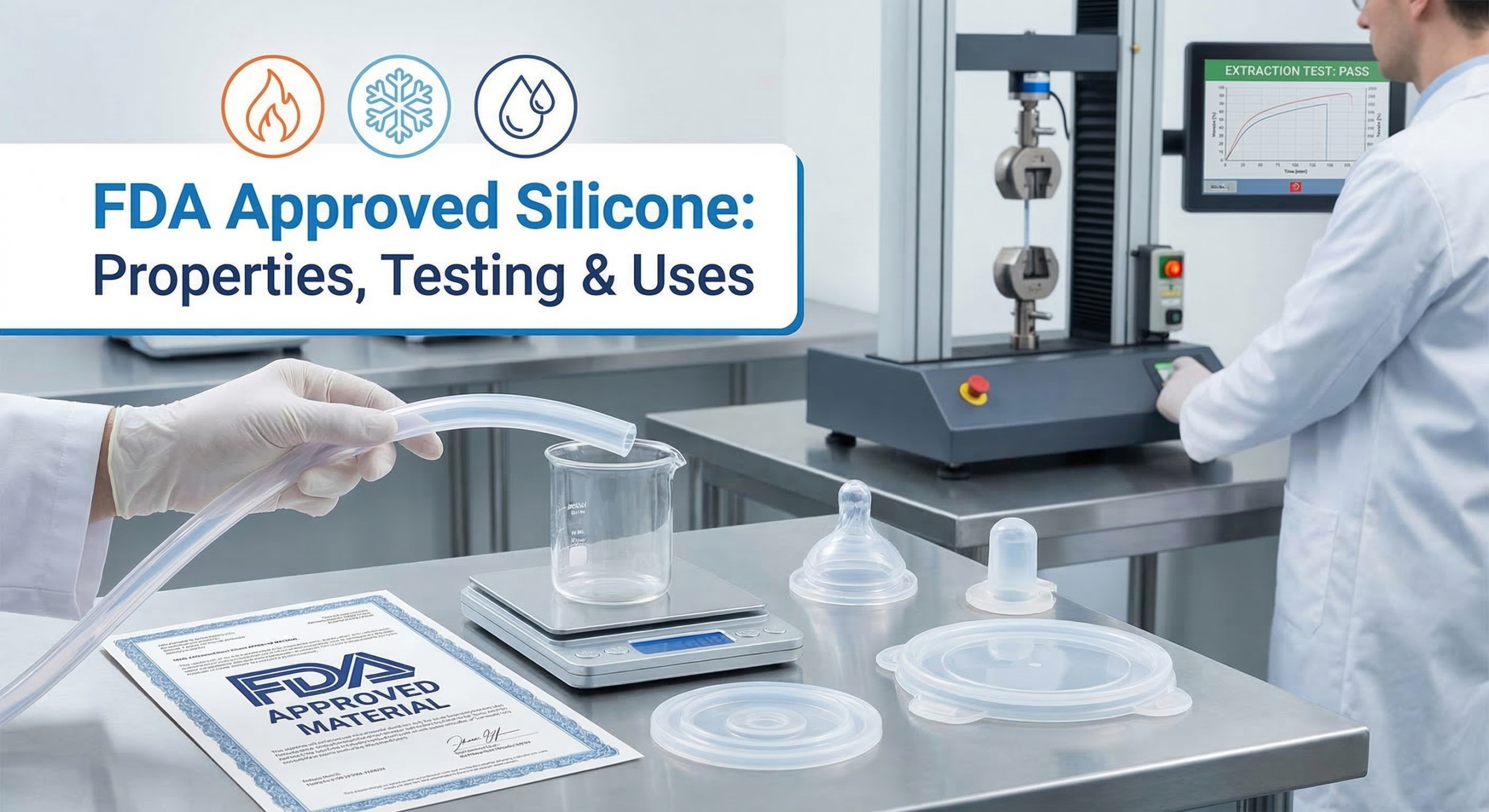
What is FDA approved silicone and how is it tested? It is a high-purity elastomer that meets the safety standards of the U.S. Food and Drug Administration for direct contact with consumables. Launching a food-grade product or medical device can be a regulatory nightmare if you choose the wrong materials. A single batch failure or accidental chemical leaching can lead to massive recalls and permanent brand destruction. High-quality silicone provides the biocompatibility and safety you need to scale your production with total confidence.
What exactly defines FDA approved silicone?
FDA silicone is a specific grade of silicone rubber that has been verified as safe for contact with food, beverages, and medical equipment. What is FDA approved silicone and how is it tested? involves analyzing the material’s chemical composition to ensure it does not leach harmful substances under varied conditions.
The material must be manufactured in controlled environments to prevent any contamination from industrial lubricants or non-food-safe particles. Think about it: this purity is what allows the material to remain odorless and tasteless during use.
Understanding the Purity Standards
Here is the deal: not all silicone is created equal, and FDA compliance acts as a critical filter for quality.
- High-grade raw polymer bases are used exclusively.
- Catalysts must be non-toxic and thoroughly cured.
- Finished parts undergo post-curing to remove volatile residues.
What does this mean for you? By using certified materials, you eliminate the risk of chemical migration into your final product.
Key Takeaway: Using FDA-certified silicone protects your brand from liability and ensures your products remain safe for end-consumers.
| Certification Feature | FDA Food Grade | Industrial Grade |
|---|---|---|
| Material Purity | High / Controlled | Variable |
| Leaching Risk | Minimal to None | Higher Risk |
| Traceability | Fully Documented | Often Minimal |
Reliable documentation is the only way to prove your supply chain is compliant with international safety laws.
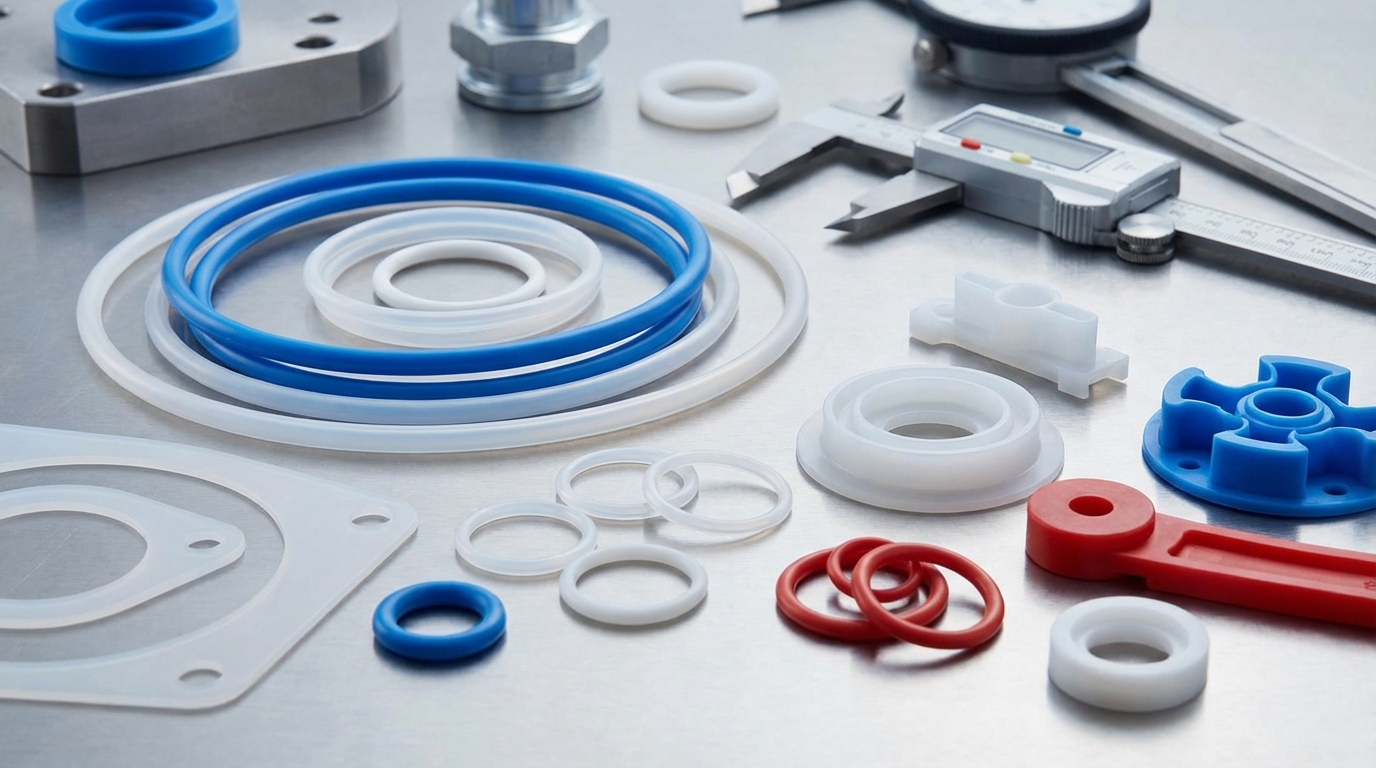
Which properties make FDA silicone so essential?
Its unique thermal stability and chemical inertness allow it to perform in high-stakes environments where other elastomers would fail. You must understand What is FDA approved silicone and how is it tested? to appreciate how it maintains its structural integrity across a temperature spectrum of -60°C to 230°C.
Beyond temperature, this material is highly resistant to bacteria growth and moisture absorption. This makes it a primary choice for high-hygiene applications like baby care and medical tubing.
Resilience in Extreme Conditions
The best part? Silicone does not become brittle in the freezer or melt during high-temperature steam sterilization.
- Resists ozone and UV radiation.
- Maintains flexibility across thousands of compression cycles.
- Withstands harsh cleaning chemicals and detergents.
Think about it: a seal that lasts longer reduces your total cost of ownership by preventing frequent maintenance shutdowns.
Key Takeaway: The physical durability of FDA silicone ensures that your equipment remains operational even under the most demanding sterilization protocols.
| Property | Benefit for Food/Medical |
|---|---|
| Thermal Range | Safe for cooking and autoclaving |
| Inertness | No flavor transfer or chemical reactions |
| Hydrophobicity | Prevents mold and microbial buildup |
Stability is the hallmark of a material designed for safety-critical industrial applications.
How does FDA silicone differ from industrial grades?
It undergoes strict purification processes that remove the volatile organic compounds typically present in standard industrial grades. Learning What is FDA approved silicone and how is it tested? reveals the massive difference in extraction limits and material traceability protocols.
Industrial silicone often uses cheaper fillers or catalysts that may leave an “oily” residue or a strong chemical scent. For food and medical applications, these impurities are strictly prohibited by federal law.
The Role of Extraction Testing
Believe it or not: the FDA requires specific testing to see how much material “migrates” into liquids like oil or alcohol.
- Simulates real-world contact with fatty foods.
- Measures weight loss of the silicone after exposure.
- Ensures the total extractables stay below 20 milligrams per square inch.
In other words: industrial grades skip these expensive validations, making them unsuitable for any contact with the human body.
Key Takeaway: Choosing the correct grade prevents “off-gassing” and chemical migration that could compromise your product’s purity.
| Grade Type | Typical Catalyst | Safety Testing |
|---|---|---|
| FDA/Medical | Platinum or High-Pure Peroxide | Extraction / Biocompatibility |
| Industrial | Standard Peroxide | Physical Durability Only |
The presence of a certification seal is the primary indicator of a material’s safety for consumer use.
Where is FDA silicone used in global industries?
It is the gold standard for food processing, pharmaceutical packaging, and medical device manufacturing across the globe. You might ask What is FDA approved silicone and how is it tested? for specific applications like surgical-grade tubing or high-precision dosing pumps.
Because it is biocompatible, it is also found in smart wearables and personal care products. It provides a soft, non-irritating surface that is safe for prolonged skin contact.
Common Industrial Applications
But wait, there is more: silicone is found in everything from commercial coffee makers to high-speed pharmaceutical filling lines.
- Seals for industrial mixers and ovens.
- Tubing for beverage dispensing systems.
- Gaskets for medical monitoring equipment.
Look at it this way: if a part touches something a human consumes, it almost certainly requires FDA silicone.
Key Takeaway: Versatility across industries makes silicone the most adaptable safety material for modern manufacturing needs.
| Industry Sector | Primary Use Case |
|---|---|
| Food & Beverage | Conveyor belts and liquid seals |
| Pharmaceutical | Vial stoppers and fluid transfer |
| Consumer Electronics | Waterproof seals for smartwatches |
The broad adoption of this material is a testament to its reliability and safety profile.
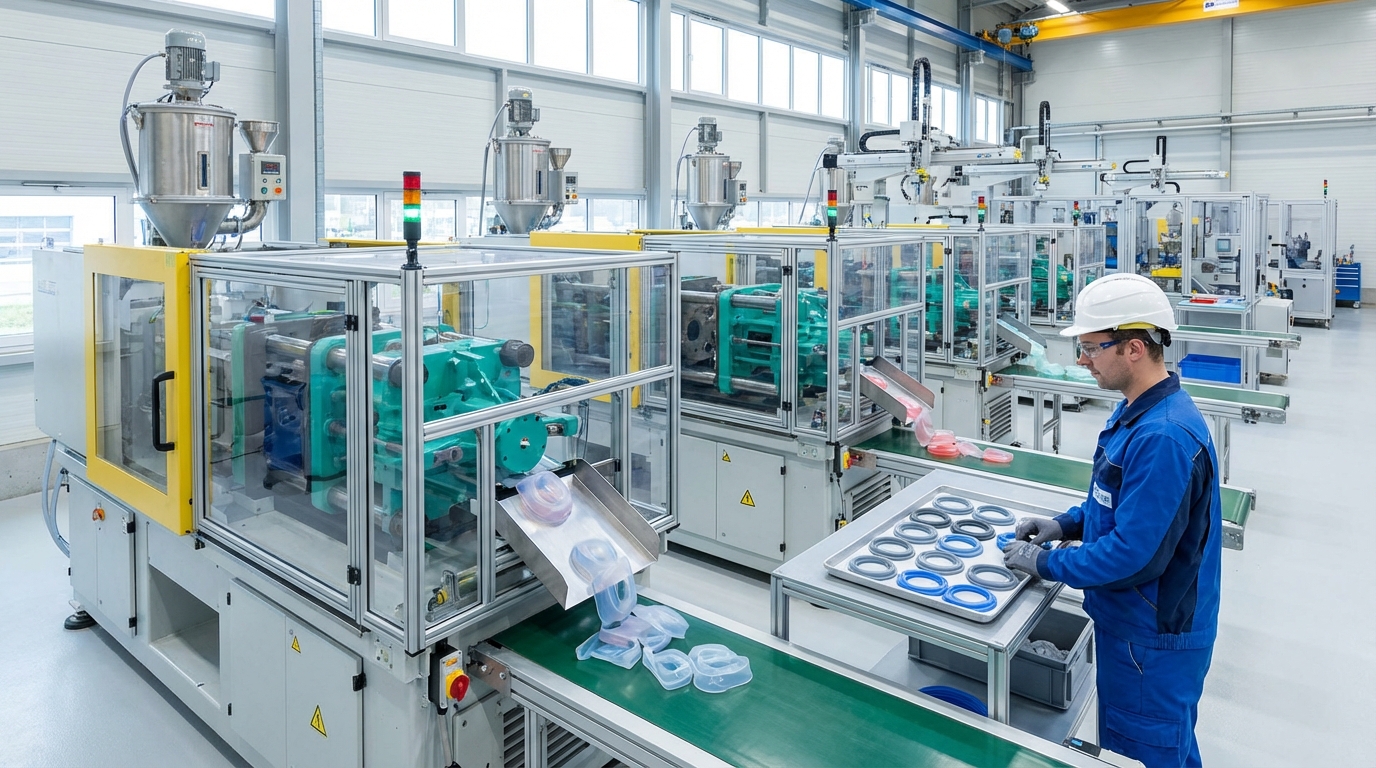
What factors influence your FDA silicone selection?
Temperature requirements, hardness levels, and specific regulatory certificates should guide your final engineering choice. Researching What is FDA approved silicone and how is it tested? helps you match the material’s physical properties with your application’s stress environment.
Hardness, measured in Shore A, ranges from very soft (10A) to very rigid (80A). Selecting the wrong durometer can lead to leaks in seals or failure in mechanical components.
Matching Material to Environment
Here is the deal: environment dictates the specific compound you need to order from your manufacturer.
- Identify if the part needs to be “metal detectable” for food safety.
- Determine if platinum-cured silicone is required for medical clarity.
- Check for compatibility with specific sterilization gases or chemicals.
Think about it: a high-pressure seal requires different elasticity than a simple protective sleeve for a medical probe.
Key Takeaway: Precise material specification during the design phase prevents mechanical failure and regulatory rejection later.
| Selection Factor | Consideration |
|---|---|
| Durometer | Flexibility vs. Pressure resistance |
| Coloring | Must use FDA-approved pigments |
| Curing Agent | Platinum for high-purity needs |
An informed selection process ensures that the part performs exactly as intended in its final environment.
Why prefer FDA silicone over plastics or rubber?
Silicone offers superior biocompatibility and longevity compared to typical plastics that may leach harmful phthalates. Knowing What is FDA approved silicone and how is it tested? ensures you choose a material that remains flexible and safe over thousands of use cycles.
While natural rubber is durable, it often contains proteins that can cause allergic reactions in medical settings. Silicone is hypoallergenic, making it the safer choice for patient-facing equipment.
The Advantage of Long-Term Stability
But wait, there is more: plastics tend to degrade and yellow when exposed to UV light or repeated heat.
- Silicone maintains its “like-new” appearance longer.
- It does not release microplastics into food or water.
- The material is naturally non-stick and easy to clean.
Let’s face it: the longer a part lasts, the less you spend on replacement parts and labor over the year.
Key Takeaway: Investing in silicone leads to a safer product and a more sustainable manufacturing lifecycle.
| Material | Heat Resistance | Chemical Leaching |
|---|---|---|
| FDA Silicone | Excellent | None |
| Natural Rubber | Moderate | Potential Allergens |
| PVC / Plastic | Poor | Phthalate Risks |
Durability and safety are the two most significant reasons to choose silicone over traditional alternatives.
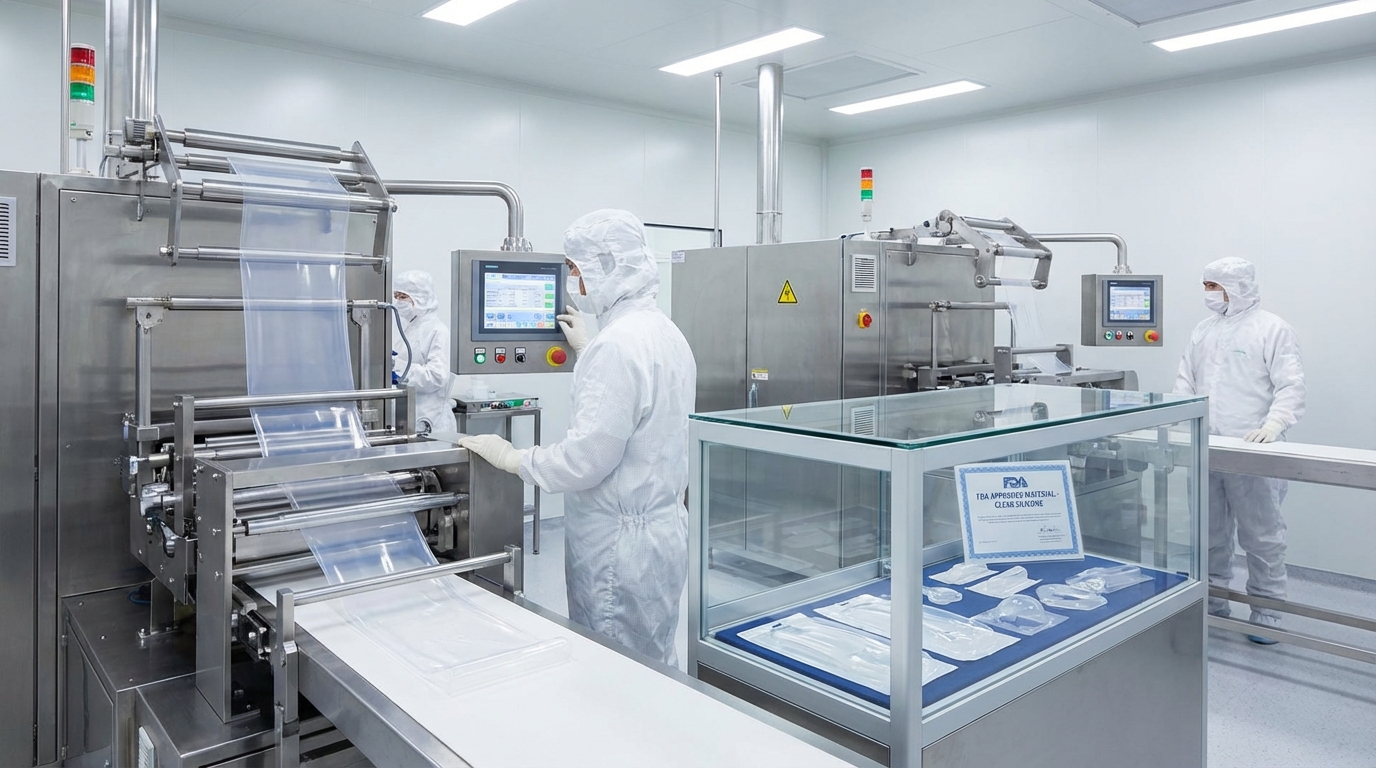
How are food and medical grades distinguished?
Medical grades often require higher biocompatibility certifications like USP Class VI compared to standard food contact grades. Clarifying What is FDA approved silicone and how is it tested? is the first step in determining if you need medical-grade or food-grade compliance.
Food-grade silicone focuses on preventing the migration of flavors and smells. Medical-grade silicone focus on the “biological” response of the human body to the material.
Defining USP Class VI Compliance
Bottom line: medical-grade silicone undergoes the most extreme testing in the rubber industry.
- Involves systemic toxicity testing in lab environments.
- Checks for skin irritation and muscle implantation reactions.
- Requires strict lot-to-lot traceability and manufacturing records.
What does this mean for you? If your product enters the human body, standard food-grade silicone is legally insufficient.
Key Takeaway: Understanding the tier of safety required for your specific product is essential for legal and medical compliance.
| Feature | Food Grade (CFR 177.2600) | Medical Grade (USP Class VI) |
|---|---|---|
| Primary Goal | Consumer safety | Biocompatibility |
| Testing Scope | Extraction limits | Biological response |
| Cost Profile | Standard Premium | High Premium |
The distinction between these grades is a matter of both engineering and legal necessity.
Why trust a certified facility for silicone parts?
Specialized factories maintain cleanroom environments to prevent cross-contamination during the molding and curing process. Understanding What is FDA approved silicone and how is it tested? highlights why controlled manufacturing environments are non-negotiable for safety.
A certified facility will have an ISO 9001 or ISO 13485 quality management system in place. This ensures that every part is inspected for visual defects and dimensional accuracy.
The Value of In-House Tooling
Here is the deal: a factory that makes its own molds can control the quality from the very first step.
- Prevents surface contamination from external mold shops.
- Allows for faster iterations on complex safety designs.
- Ensures the mold material itself doesn’t react with the silicone.
Think about it: a dirty mold can ruin an entire batch of expensive medical-grade material.
Key Takeaway: Partnering with a certified manufacturer ensures that the material purity is maintained throughout the production cycle.
| Capability | Importance for Quality |
|---|---|
| Cleanroom Molding | Prevents dust and hair contamination |
| Automated Inspection | Catches tiny surface imperfections |
| Batch Traceability | Allows for targeted recalls if needed |
Manufacturing rigor is the only way to guarantee the safety of high-precision silicone components.
How is safety testing verified for FDA compliance?
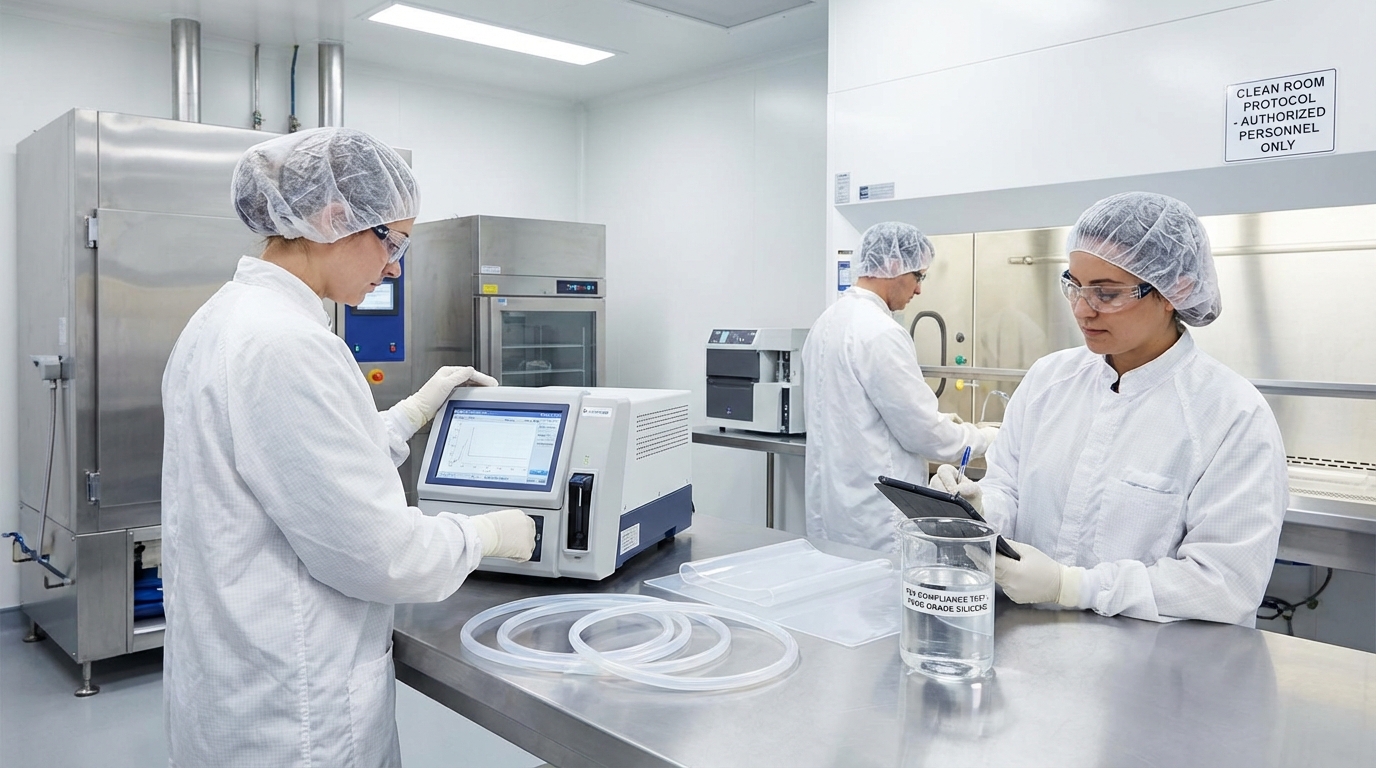
Verification involves third-party laboratory analysis of material extractions under simulated usage conditions. Deep diving into What is FDA approved silicone and how is it tested? provides the empirical data required for your technical compliance file.
Standard tests involve soaking the silicone in distilled water and n-hexane for 24 hours. The laboratory then measures how many “parts per million” of the silicone have dissolved into the liquid.
The Process of Laboratory Analysis
But wait, there is more: compliance is not a “one-time” event; it must be verified periodically.
- Material samples are burned to check for hazardous ash content.
- Hardness and tensile strength are tested post-extraction.
- Manufacturers provide “Certificates of Conformance” with every order.
Look at it this way: testing is the only bridge between a manufacturer’s promise and actual consumer safety.
Key Takeaway: Robust testing protocols provide the evidence needed to pass government audits and safety inspections.
| Test Type | Objective |
|---|---|
| Distilled Water Extraction | Simulates contact with aqueous foods |
| n-Hexane Extraction | Simulates contact with fatty/oily foods |
| Toxicity Screening | Ensures no poisonous chemicals are present |
Empirical data from laboratory testing is the foundation of any successful FDA-regulated product launch.
What are the maintenance needs for FDA silicone?
It requires regular cleaning with non-abrasive agents to preserve its surface integrity and hygiene. Even after knowing What is FDA approved silicone and how is it tested?, maintaining the finished parts properly ensures they stay within regulatory limits during their lifespan.
Aggressive scrubbing or the use of industrial solvents can micro-tear the surface of the silicone. These tiny tears can harbor bacteria, defeating the purpose of using a food-grade material.
Extending the Life of Silicone Parts
What does this mean for you? Proper maintenance routines can double the lifespan of your gaskets and seals.
- Use mild detergents or enzymatic cleaners.
- Air dry in a dust-free environment after cleaning.
- Inspect for discoloration or “tackiness” which indicates degradation.
The best part? Silicone is naturally resistant to sticking, so most food residues can be rinsed away with minimal effort.
Key Takeaway: Careful maintenance preserves the safety certifications of your parts and lowers long-term replacement costs.
| Maintenance Step | Purpose |
|---|---|
| Visual Inspection | Checking for cracks or wear |
| Enzymatic Cleaning | Removing organic proteins |
| Low-Heat Storage | Preventing thermal aging |
Consistency in cleaning and storage keeps your silicone components safe and functional for years.
Conclusion
Navigating the complexities of material selection doesn’t have to be a burden. We have solved the problems of material contamination and regulatory non-compliance for hundreds of global partners. What we can do for you is provide end-to-end manufacturing support, from initial DFM guidance to mass production in our ISO-certified facilities. Our vision is to lead the industry in biocompatible material innovation, ensuring that every part we produce contributes to a safer world. To start your journey toward high-quality, compliant components, contact us today for a professional consultation.
FAQ
Can I use standard silicone for food contact?
No. Standard silicone may contain catalysts or fillers that leach chemicals into food; you must use verified food-grade materials that pass FDA 21 CFR 177.2600 tests.
What’s the best way to verify an FDA certificate?
The best way is to request a Certificate of Analysis (CoA) and a third-party lab report from the manufacturer. These documents should show the material passed specific extraction tests like those from the FDA or LFGB.
How do I know if my part needs medical-grade silicone?
If the part is intended for long-term skin contact, mucosal contact, or surgical implantation, you should always opt for USP Class VI medical-grade silicone. Direct consultation with a regulatory expert is recommended to confirm your product’s classification.
Can I autoclave FDA silicone parts?
Yes. Most FDA silicone can withstand the high-pressure steam of an autoclave, typically around 121°C to 134°C, without losing its physical properties or safety profile.
How do I know if the silicone has degraded?
You can identify degradation if the surface feels sticky to the touch, shows visible cracks when bent, or has turned a dark yellow or brown color. If any of these signs appear, the part should be replaced immediately to ensure safety.