
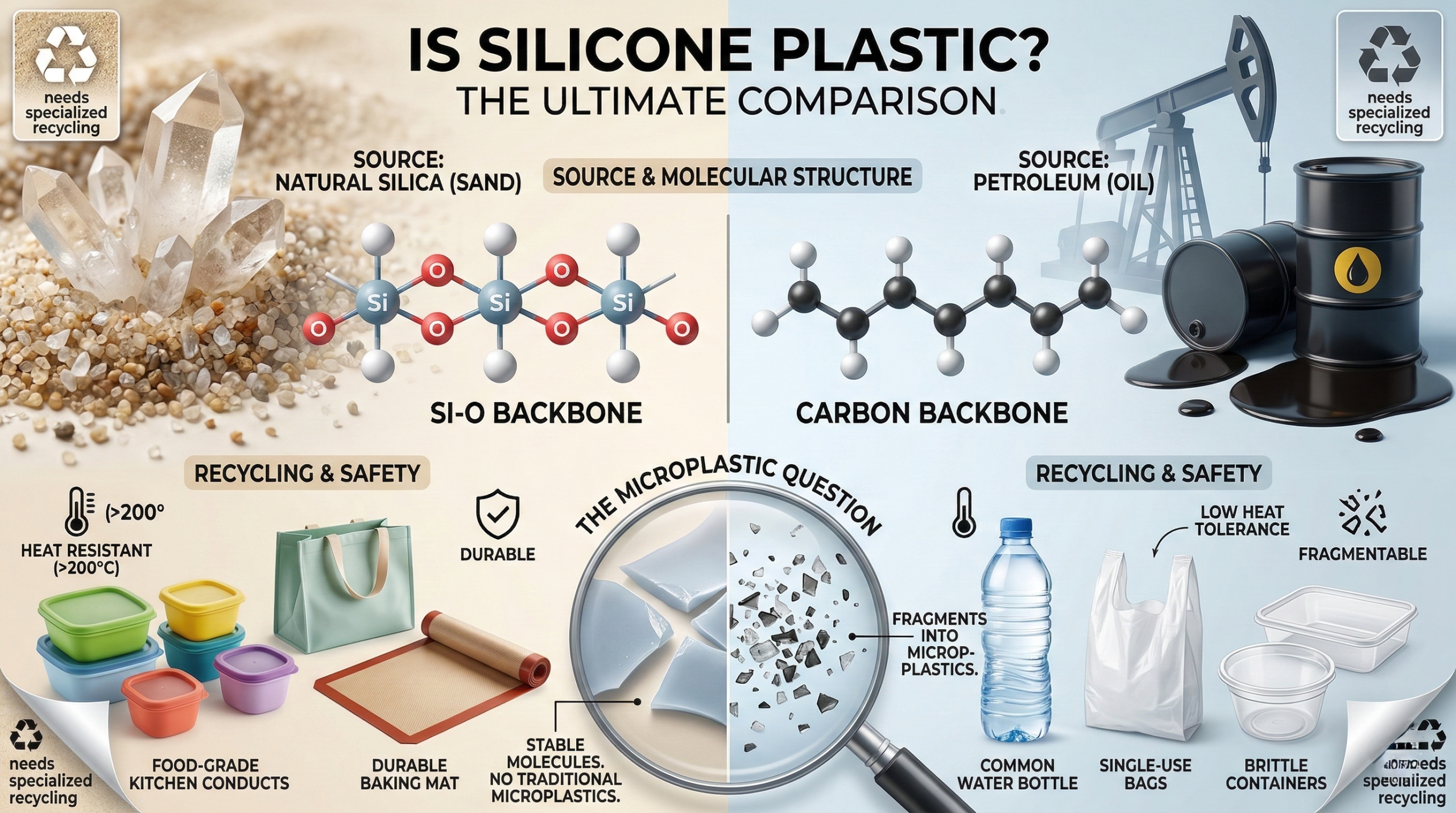
Silicone shares traits with plastic but remains a distinct synthetic material made from silica rather than pure petroleum. Manufacturing facilities often struggle with material stability. Low-quality parts break down fast causing massive supply chain headaches. Downtime costs thousands of dollars. Here is an easy way for your business to source reliable materials. When evaluating suppliers many procurement managers ask does silicone have microplastics. We will address this concern clearly.
Is Silicone The Same As Plastic?
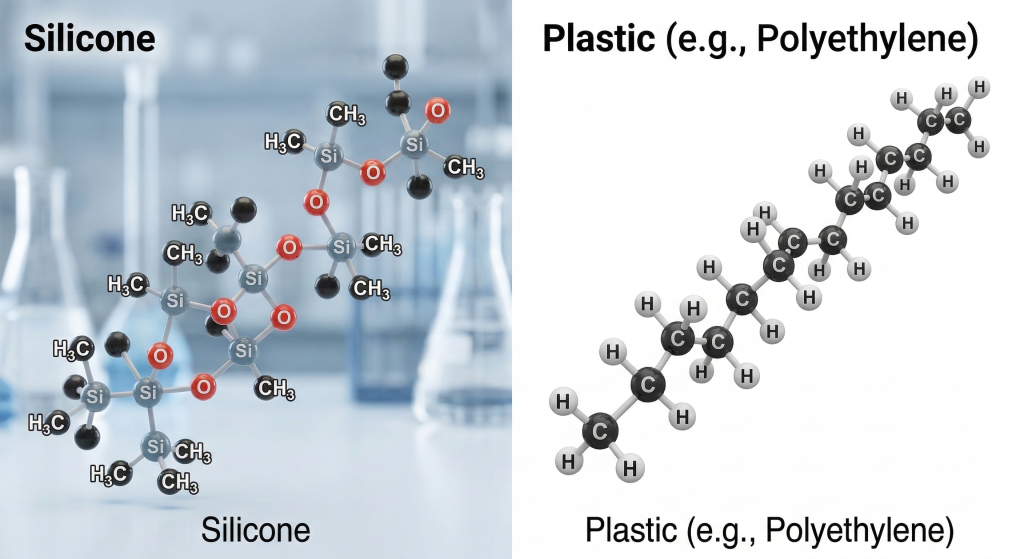
Silicone differs entirely from conventional plastics because it features a silicon-oxygen backbone instead of a carbon-based framework. You might wonder does silicone have microplastics given these structural similarities. These materials share flexibility but behave differently under stress. Your procurement team must understand these differences before placing large orders.
What makes silicone unique?
You might be wondering… how this material achieves such incredible heat resistance. Sand serves as a primary raw material for silicone production. Engineers combine silica with oxygen and hydrocarbons. This hybrid nature creates exceptional durability.
- Silicone resists extreme temperatures.
- This material repels water naturally.
- Medical applications require such stable properties.
How do their chemical structures differ?
Plastics rely heavily on petroleum-derived carbon chains. Silicone utilizes alternating silicon and oxygen atoms. This robust structure prevents rapid degradation.
Key Takeaway: Understanding molecular differences helps your sourcing team select better raw materials for long-term manufacturing success.
This data table illustrates key differences.
| Feature | Silicone | Plastic |
| Backbone | Silicon-oxygen | Carbon-based |
| Source | Silica | Petroleum |
| Heat Resistance | Very high | Low |
Is Silicone Recyclable At Local Facilities?
Local municipal programs rarely accept silicone waste due to its specialized recycling requirements. Consumers question does silicone have microplastics when it eventually breaks down in these facilities. Specialized private centers handle this material by downcycling it into industrial lubricants. You cannot toss these items into a standard curbside bin.
Where can you recycle silicone items?
Here is the deal… finding proper disposal centers takes effort. Very few towns process synthetic rubber hybrids. You must ship used products directly to specialized chemical plants.
- Contact private waste management companies.
- Ask suppliers about take-back programs.
- Research regional downcycling centers.
What happens to recycled silicone?
Recyclers grind raw material into tiny fragments. Chemical processes convert these pieces into lubricating oil. This oil keeps heavy factory machinery running smoothly.
Key Takeaway: Establishing a proper end-of-life plan for your manufactured goods improves overall corporate sustainability metrics.
Analyzing disposal paths reveals stark contrasts.
| Disposal Method | Accessibility | End Product |
| Municipal Bin | Very Low | Landfill |
| Private Center | Medium | Industrial Oil |
| Supplier Take-back | Low | Varies |
Does Silicone Have Microplastics Within It?
Silicone avoids shedding traditional microplastics because its molecular bonds are incredibly stable. Buyers question does silicone have microplastics as a primary component. It lacks a brittle structure that causes standard plastics to fragment easily. Small pieces can still snap off under extreme physical stress.
How does molecular structure affect degradation?
What is the real story? Molecular density dictates material lifespan. Strong oxygen bonds prevent rapid fragmentation. This stability appeals greatly to procurement managers seeking reliable components.
- Oxygen bonds resist environmental wear.
- UV light causes less damage.
- Physical tearing requires massive force.
Can silicone break down in waterways?
Large fragments might enter oceans if improperly discarded. These chunks do not dissolve quickly. Marine life could potentially ingest these larger pieces.
Key Takeaway: Choosing high-density synthetic rubbers reduces environmental fragmentation risks while delivering superior product longevity.
This chart compares degradation behaviors.
| Material | Fragmentation Rate | Waterway Impact |
| Common Plastic | Fast | High toxicity |
| Silicone | Very slow | Physical hazard |
| Natural Rubber | Medium | Moderate |
Is Silicone Environmentally Friendly Overall?
This synthetic material impacts our environment moderately since it relies heavily on petroleum-derived hydrocarbons. A common question arises regarding does silicone have microplastics when evaluating green credentials. Producing these polymers requires significant fossil fuel extraction. Its long lifespan offsets some initial carbon footprint concerns.

Are hydrocarbons used in production?
Ready for the good part? Manufacturers actively seek greener production methods. Current processes still depend on non-renewable fossil fuels. Extracting these resources generates measurable carbon emissions.
- Petroleum derivatives act as precursors.
- Energy consumption remains high.
- Factories implement stricter emissions controls.
How does reusability offset its footprint?
Durable goods replace thousands of single-use items. One heavy-duty baking mat outlasts countless parchment paper rolls. Your factory can reduce waste by sourcing reusable components.
Key Takeaway: Prioritizing reusable B2B components minimizes long-term waste generation despite initial manufacturing energy costs.
Evaluating environmental tradeoffs requires careful analysis.
| Factor | Environmental Cost | Longevity Benefit |
| Raw Extraction | High | N/A |
| Reusability | Low | Replaces disposables |
| Disposal | Moderate | Can be downcycled |
Is Silicone Safer Than Plastic For Food Storage?
Food-grade silicone offers superior safety profiles because it resists chemical leaching at extreme temperatures. Customers ask does silicone have microplastics that could contaminate stored meals. High-quality polymers remain stable inside microwaves and freezers. You can trust certified products for commercial food applications.
What is food-grade silicone?
This is where it gets interesting… Strict regulatory bodies test these materials rigorously. Only pure formulations achieve food-safe certification. Manufacturers must eliminate toxic fillers during production.
- FDA approval ensures safety.
- LFGB standards are incredibly strict.
- Pure materials show no white coloration when pinched.
Can toxic chemicals leach over time?
Low-quality versions might release siloxanes into fatty foods. Heat accelerates this potential chemical migration. Always demand comprehensive testing documentation from your supplier.
Key Takeaway: Sourcing certified food-grade materials protects your brand reputation and ensures end-user safety.
Safety certifications separate premium suppliers from unreliable ones.
| Certification | Region | Stringency |
| FDA | USA | Standard |
| LFGB | Europe | Very High |
| ISO 22000 | Global | Manufacturing |
Are There Reliable Alternatives To Silicone?
Several natural materials serve as excellent substitutes depending on your specific manufacturing needs. You must determine does silicone have microplastics before exploring other synthetic options. Glass works beautifully for static storage containers. Natural rubber provides decent flexibility for temporary applications.
What are natural material substitutes?
Think about it… nature provides fantastic raw materials. Bamboo offers incredible tensile strength. Beeswax wraps replace synthetic films effectively.
- Glass containers never leach chemicals.
- Wood cutting boards last decades.
- Natural rubber decomposes naturally.
When is glass a better option?
Glass excels in permanent chemical storage. It never absorbs odors from strong compounds. Heavy industrial setups often prefer borosilicate glass over synthetic polymers.
Key Takeaway: Diversifying your raw material supply chain reduces dependence on any single synthetic polymer.
Comparing alternatives highlights their unique strengths.
| Material | Best Use Case | Drawback |
| Glass | Chemical storage | Fragile |
| Wood | Structural support | Porous |
| Natural Rubber | Flexible parts | Degrades fast |
Can Silicone Withstand High Heat Better Than Plastic?
Silicone easily outperforms standard plastics when exposed to severe industrial heating environments. Engineers wonder does silicone have microplastics that melt away during high-temperature operations. Its robust atomic structure prevents melting up to 400 degrees Fahrenheit. Standard thermoplastics warp quickly under similar thermal stress.
What is the maximum temperature limit?
Let that sink in… premium formulations handle unbelievable thermal loads. Aerospace engineers rely on these heat-resistant properties. Parts maintain their structural integrity inside active engines.
- Continuous use at 400°F remains safe.
- Short bursts up to 500°F work.
- Extreme cold does not cause brittleness.
How does heat affect its stability?
Prolonged thermal exposure eventually causes physical hardening. This material loses some elasticity after years of baking. It never melts into a dangerous liquid puddle.
Key Takeaway: Selecting high-temperature resistant polymers prevents catastrophic equipment failures in demanding industrial settings.
Thermal performance dictates application suitability.
| Polymer Type | Melting Point | Cold Tolerance |
| Standard Plastic | 250°F | Becomes brittle |
| Commercial Silicone | 450°F | Remains flexible |
| Industrial Rubber | 300°F | Cracks easily |
How Do Manufacturers Ensure Silicone Material Quality?
Reputable factories utilize rigorous testing protocols to verify material purity and dimensional accuracy. Procurement teams often investigate does silicone have microplastics during these quality audits. Advanced optical sorting machines detect microscopic surface defects. Strict adherence to ISO standards guarantees batch consistency.
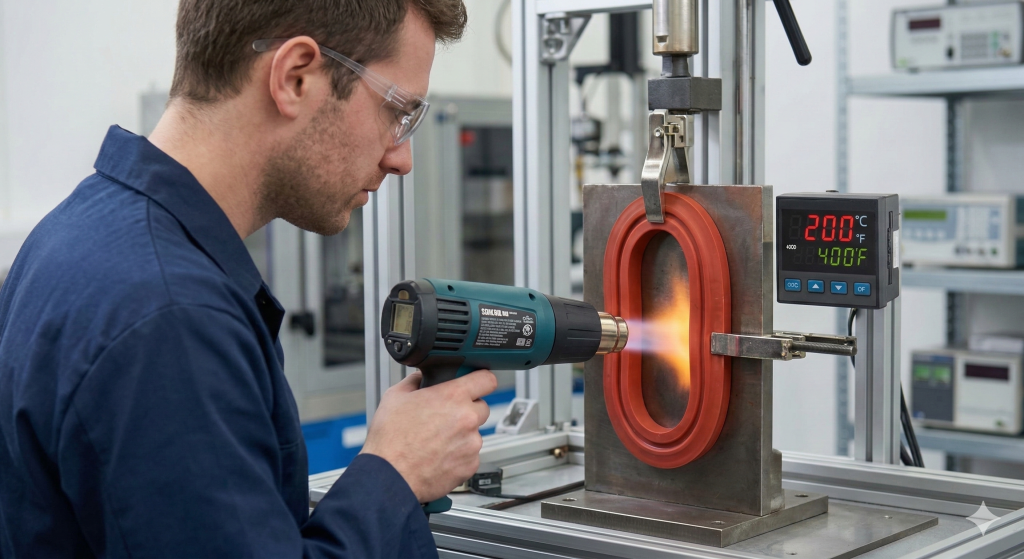
Why are strict QC standards necessary?
Why does this matter? Tiny variations ruin complex mechanical assemblies. Medical devices require absolute dimensional perfection. A failed seal could cause disastrous leaks.
- Dimensional tolerances must remain tight.
- Visual inspections catch obvious flaws.
- Tensile strength testing ensures durability.
What certifications matter most?
IATF 16949 serves automotive supply chains perfectly. ISO 13485 dictates medical device manufacturing rules. Demand these documents before signing any vendor contract.
Key Takeaway: Partnering with fully certified manufacturers eliminates supply chain risks and guarantees product reliability.
Certifications prove a factory possesses true capability.
| Standard | Industry Focus | Difficulty to Obtain |
| ISO 9001 | General | Medium |
| IATF 16949 | Automotive | Very High |
| ISO 13485 | Medical | Extreme |
What Are The Top Industrial Applications For Silicone?
Engineers deploy this versatile material across automotive aerospace and medical sectors globally. Designers ask does silicone have microplastics that might interfere with sensitive electronics. Its non-conductive nature makes it perfect for insulating high-voltage components. Modern manufacturing relies completely on these advanced synthetic parts.
How is it used in medical devices?
The truth is… healthcare depends entirely on biocompatible materials. Pacemaker leads require incredibly flexible insulation. Surgical tubing must withstand repeated autoclave sterilization cycles.
- Tubing transports sterile fluids.
- Seals protect electronic implants.
- Respiratory masks ensure perfect fits.
Why do automotive parts rely on it?
Modern engines run hotter than ever before. Traditional rubber hoses fail under these extreme conditions. Synthetic seals prevent oil leaks effectively.
Key Takeaway: Understanding industrial applications helps your engineering team design better commercial products.
Industry usage shows massive versatility.
| Industry | Primary Application | Key Benefit Required |
| Medical | Surgical tubing | Biocompatibility |
| Automotive | Engine seals | Heat resistance |
| Electronics | Wire insulation | Non-conductive |
How Does Silicone Impact Supply Chain Sustainability?
Direct factory partnerships reduce unnecessary transportation emissions and streamline global logistics significantly. We must consider does silicone have microplastics when evaluating overall vendor sustainability. Consolidation of manufacturing steps lowers overall carbon footprints. B2B buyers wield massive power to influence green manufacturing.
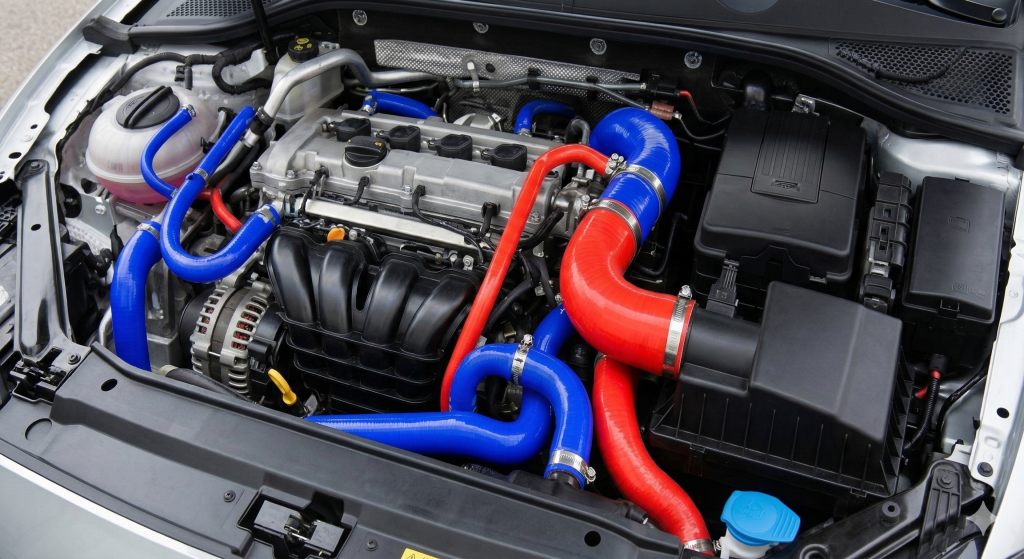
Why is a stable material supply critical?
Here is the deal… production halts cost millions daily. Raw material shortages ruin quarterly revenue projections. Securing traceable raw materials protects your brand.
- Traceable materials prevent compliance issues.
- Consistent batches reduce scrap rates.
- Long-term contracts stabilize pricing.
Can factory direct models reduce waste?
Eliminating middlemen cuts down on redundant packaging. Factories ship directly to your assembly line. This efficiency saves money and helps our planet.
Key Takeaway: Optimizing your procurement strategy through direct factory relationships boosts corporate sustainability and profit margins simultaneously.
Supply chain efficiency drives modern business success.
| Supply Model | Carbon Footprint | Cost Efficiency |
| Factory Direct | Lowest | Very High |
| Multi-Broker | High | Low |
| Local Distributor | Medium | Medium |
Silicone represents a powerful synthetic alternative to traditional plastics. Its robust molecular framework prevents rapid degradation and micro-particle shedding. Sourcing high-quality components requires partnering with certified manufacturers who prioritize strict quality control. Your business can achieve superior product reliability while maintaining strong environmental standards. Feel free to contact us today for comprehensive B2B manufacturing solutions. We resolve supply chain instabilities by delivering consistent premium components. HuaLin stands as a reliable partner committed to manufacturing excellence.
FAQ
Q1: Can I recycle my silicone baking mats?
You cannot recycle them in a standard municipal bin. Specialized private facilities must process these synthetic polymers into industrial lubricants.
Q2: What’s the best way to ensure food safety?
You must verify a manufacturer holds FDA or LFGB certifications. These strict standards guarantee your material contains no toxic fillers.
Q3: How do I know if my product uses pure materials?
You can perform a simple pinch test. Pure formulations retain their original color without turning white when stretched or pinched.
Q4: Can I use these products in an industrial oven?
Yes high-quality formulations handle extreme heat perfectly. They maintain structural integrity up to 400 degrees Fahrenheit without melting.
Q5: What’s the best alternative for chemical storage?
Borosilicate glass provides absolute best chemical resistance. Glass never absorbs odors and prevents toxic chemical leaching entirely.