
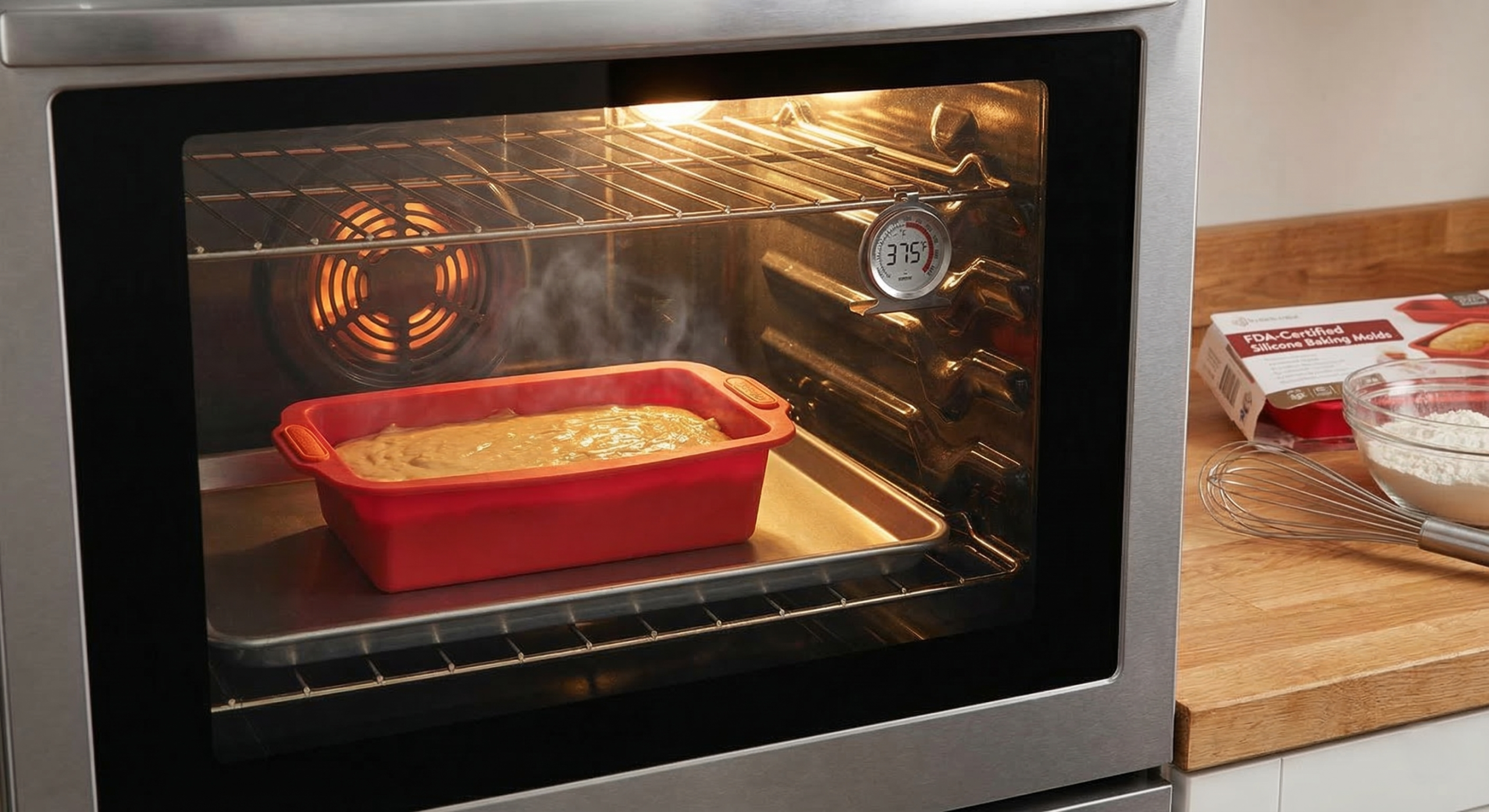
Yes, high-quality silicone baking molds are perfectly safe for use in the oven at temperatures up to 428°F (220°C). Many professional bakers and home cooks struggle with traditional metal pans that rust, warp, or cause delicate cakes to stick and tear. This frustration is compounded by the fear of chemical leaching from low-quality plastic alternatives. By choosing professional-grade products from HuaLin, you can ensure a non-stick, durable experience every time you ask can you put silicone in the oven.
Are silicone baking molds safe for oven use?
High-quality food-grade silicone is specifically designed to withstand the high-heat environment of a standard kitchen oven. When you wonder can you put silicone in the oven, the answer is a resounding yes, provided the material is 100% silicone without cheap fillers. These molds maintain their shape and structural integrity even under repeated thermal stress.
What makes silicone oven-safe?
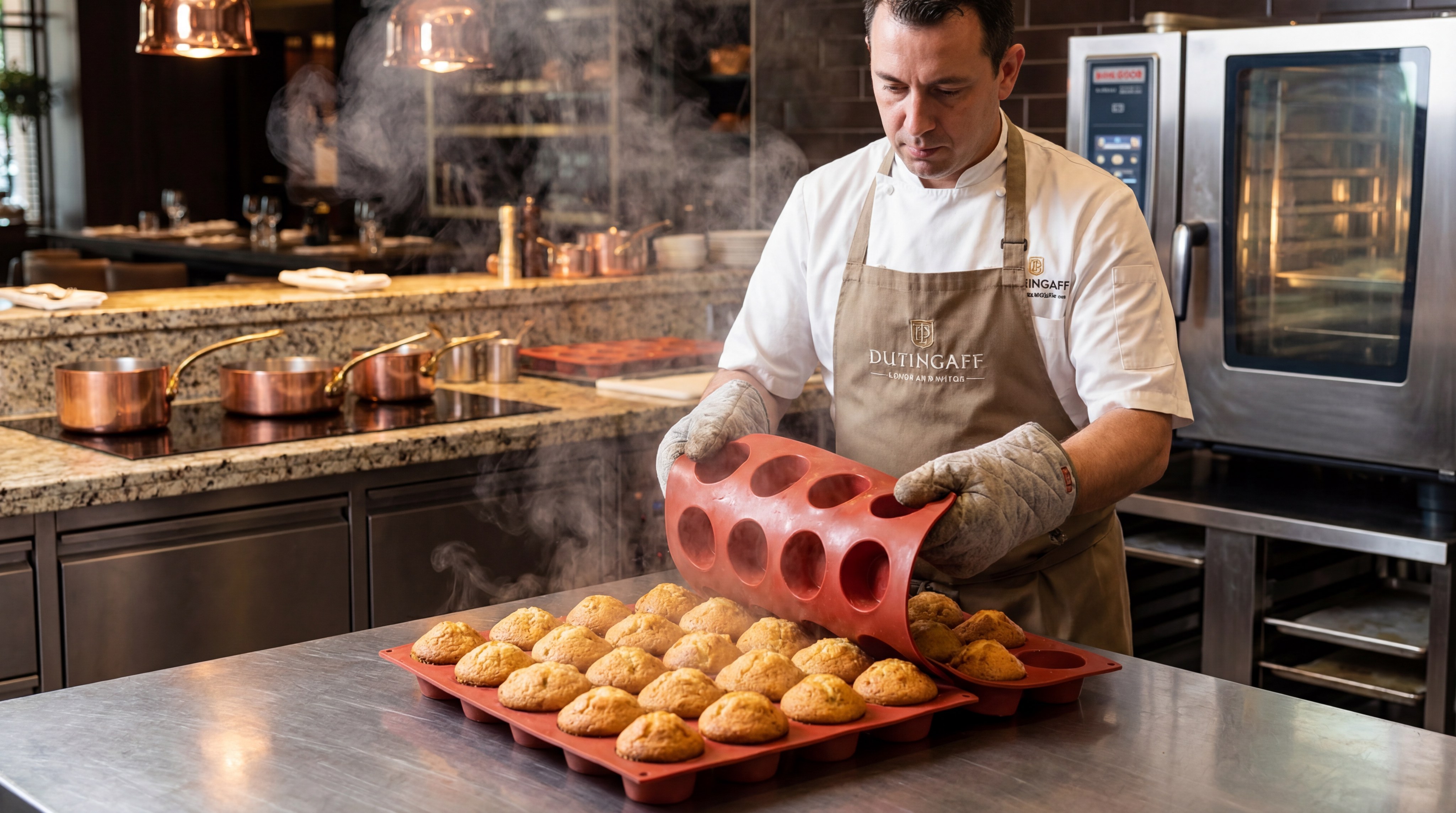
The safety of silicone comes from its unique molecular structure, which consists of silicon-oxygen bonds that are much stronger than the carbon-carbon bonds found in plastic. This stability prevents the material from melting or releasing fumes at standard baking temperatures.
Here is the deal:
- It remains flexible at extreme temperatures.
- The material is chemically inert and non-reactive.
- It does not contain BPA or phthalates.
The following data provides a quick look at the chemical stability of silicone compared to common polymers.
| Material Property | Silicone (Food Grade) | Standard Plastic |
|---|---|---|
| Melting Point | ~932°F (500°C) | 320°F – 400°F |
| Chemical Reactivity | Extremely Low | Moderate to High |
| Toxicity | Inert / Non-toxic | Potential leaching |
Key Takeaway: Silicone is a superior oven-safe material because its silicon-oxygen backbone provides exceptional thermal stability and safety.
How do you identify oven-safe silicone labels?
You should always look for clear markings on the packaging or the bottom of the mold that confirm its safety standards. When checking [can you put silicone in the oven], verify that the product carries either FDA or LFGB certification. These labels guarantee that the manufacturer has met strict safety requirements for food contact materials.
Which certifications should you trust?
Not all silicone is created equal, so focusing on recognized international standards is essential for kitchen safety. FDA-compliant silicone is the standard in the US, while LFGB is the more rigorous European standard that involves stricter testing.
Think about it:
- FDA (21 CFR 177.2600) covers basic food contact.
- LFGB involves sensory and migration testing.
- BPA-free labels ensure no harmful plasticizers are used.
Below is a comparison of the primary certification standards you will encounter in the market.
| Certification | Region | Testing Intensity |
|---|---|---|
| FDA | USA | Standard |
| LFGB | Europe | High / Rigorous |
| BPA-Free | Global | Specific to Plasticizers |
Key Takeaway: Always prioritize LFGB or FDA-certified molds to ensure your bakeware is free from harmful fillers and chemicals.
What is the maximum temperature for silicone?
Most food-grade silicone molds can safely handle temperatures between -50°C and 220°C (up to 428°F). Before you decide can you put silicone in the oven, it is crucial to check the specific rating from the manufacturer. Exceeding these limits can lead to material degradation over time, making the mold brittle.
What happens if you exceed the limit?
While silicone won’t melt into a liquid like plastic, exceeding 450°F can cause the polymer chains to break down. This results in a loss of elasticity and can eventually cause the mold to crack or develop a “chalky” surface.
The best part?
- It handles rapid temperature changes easily.
- You can go from freezer to oven without cracking.
- Thermal shock is not an issue for this material.
The following table outlines the performance of silicone across various temperature ranges.
| Temperature Range | Performance Level | Recommended Use |
|---|---|---|
| -50°C to 0°C | Flexible / Stable | Freezing / Chilling |
| 1°C to 180°C | Optimal Performance | Standard Baking |
| 181°C to 220°C | Maximum Safety Limit | High-Heat Roasting |
Key Takeaway: Staying within the 220°C limit ensures your molds remain flexible and safe for hundreds of baking cycles.
Does silicone release toxins when heated?
Pure silicone is highly inert and does not off-gas or release toxic chemicals like BPA or lead during the baking process. When people ask [can you put silicone in the oven], they are often concerned about the “new car smell” or smoke. Genuine food-grade silicone is odorless; any strong chemical smell usually indicates the presence of cheap plastic fillers.
How can you test for purity?
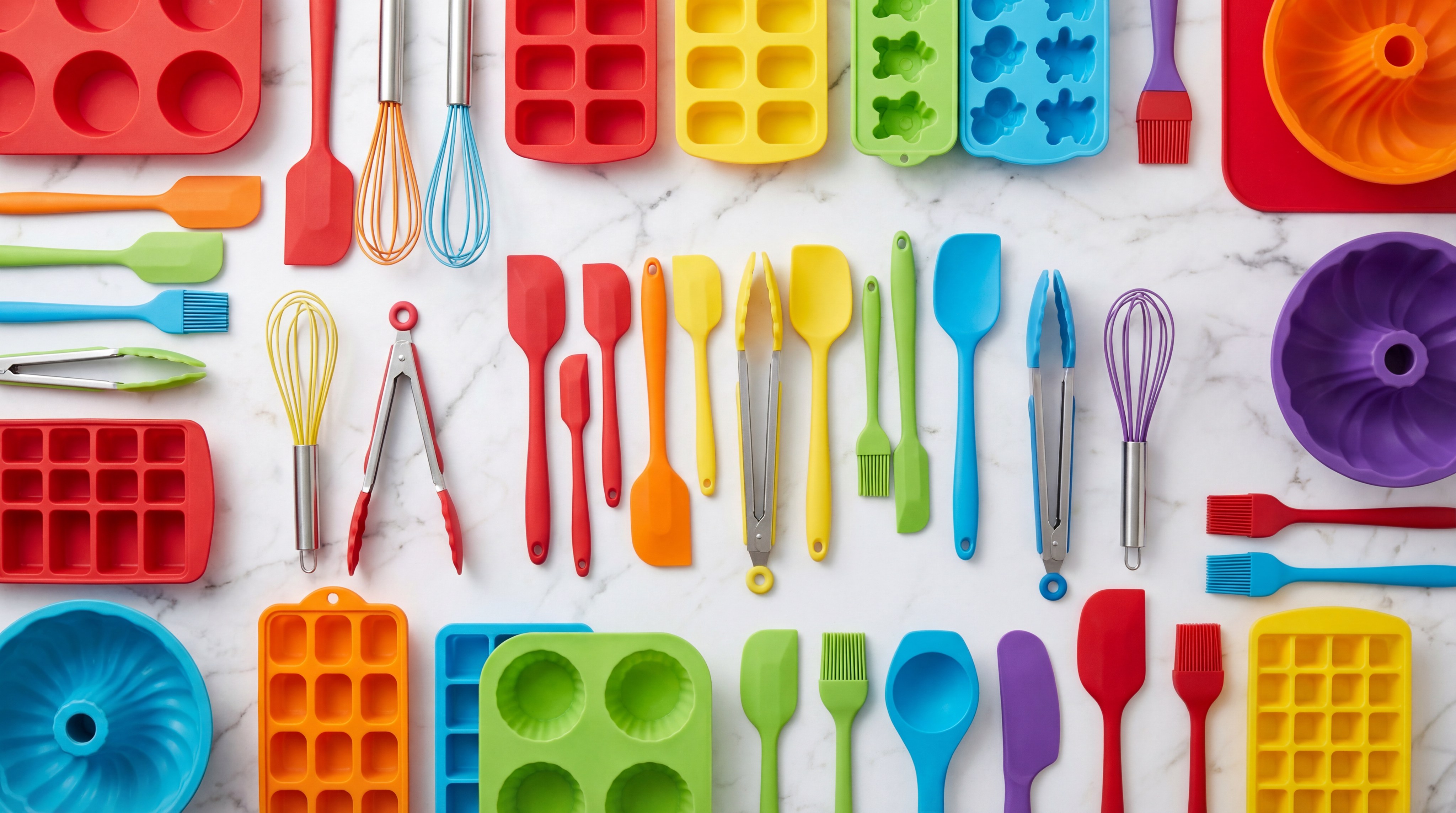
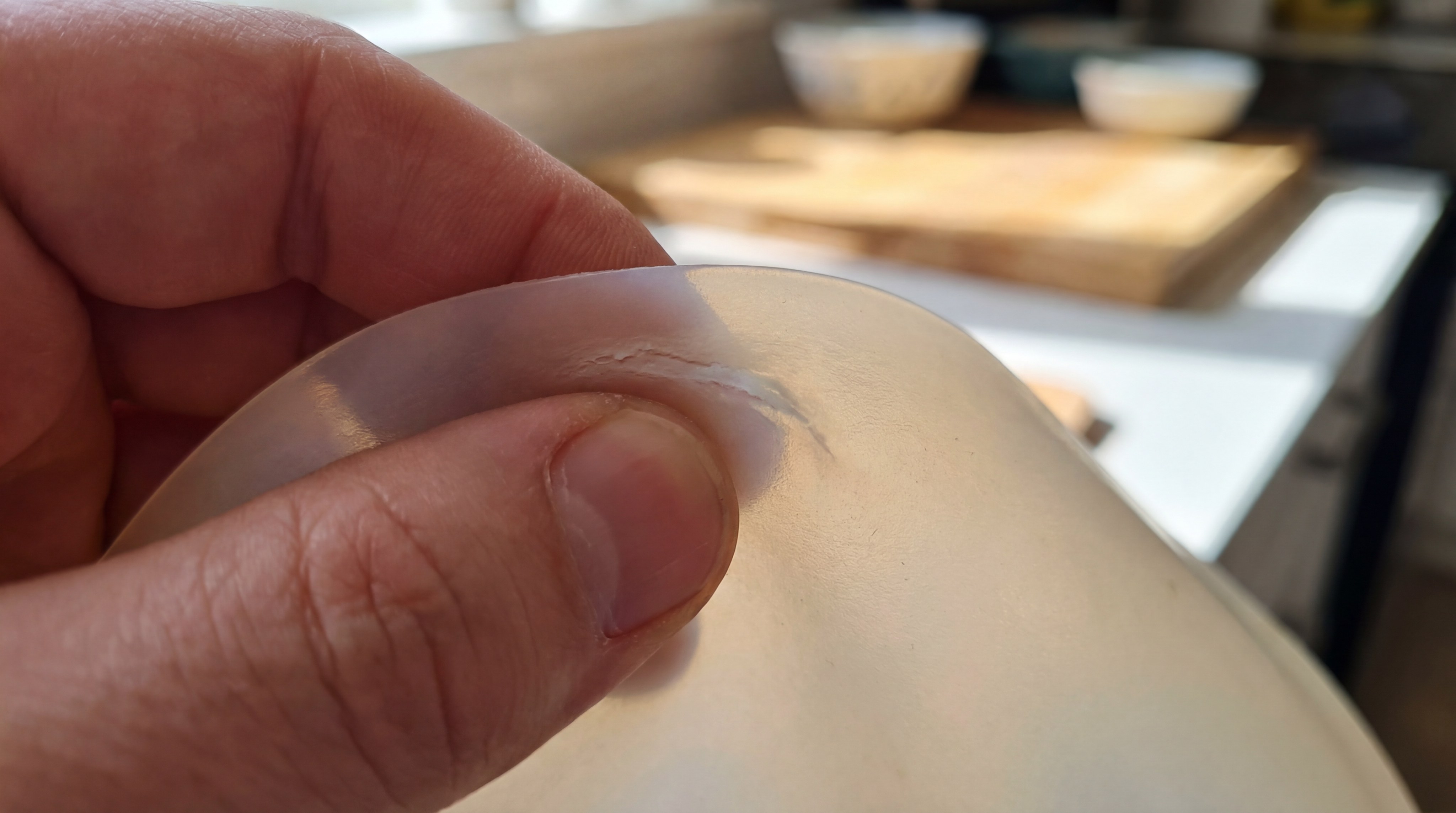
One of the easiest ways to ensure your mold doesn’t have toxic fillers is the “pinch test.” If you twist or pinch the silicone and see white showing through, it likely contains fillers that are not heat-stable.
But wait, there is more:
- Pure silicone stays the same color when pinched.
- Fillers can cause uneven heating.
- Pure silicone is naturally non-stick without coatings.
Here is a summary of the differences between pure silicone and those containing fillers.
| Characteristic | 100% Pure Silicone | Silicone with Fillers |
|---|---|---|
| Pinch Test | No color change | Turns white |
| Odor at High Heat | None | Chemical / Rubber smell |
| Durability | High (Years) | Low (Months) |
Key Takeaway: Toxins are only a concern in low-quality products; pure, certified silicone is one of the safest materials for oven use.
Why use a baking sheet with silicone molds?
Using a metal baking sheet provides the structural support that flexible silicone molds lack when filled with heavy batter. To ensure safety when can you put silicone in the oven, always slide the mold onto a tray before pouring in your mixture. This prevents the mold from sagging or spilling as you move it in and out of the oven.
How does a tray improve results?
A baking sheet helps distribute heat more evenly across the bottom of the mold, which can be an insulator. It also protects the silicone from direct contact with the hot oven rack, which could cause localized overheating.
It gets better:
- Easier handling of liquid batters.
- Prevents accidental spills in the oven.
- Improves the consistency of the bake.
The table below shows the benefits of using a support tray versus placing molds directly on the rack.
| Feature | Direct on Rack | On Baking Sheet |
|---|---|---|
| Stability | Poor (Wobbly) | Excellent (Stable) |
| Heat Distribution | Uneven | Even |
| Clean-up Ease | Difficult (Spills likely) | Easy |
Key Takeaway: A baking sheet is essential for stability and heat management when using flexible silicone molds.
Can you use silicone molds under a broiler?
You should never use silicone baking molds under a broiler or near an open flame. When determining [can you put silicone in the oven], you must distinguish between the ambient heat of baking and the intense, direct infrared heat of a broiler. Broilers often exceed 500°F, which is far beyond the safety threshold of even the best silicone.
What are the risks of high direct heat?
Direct exposure to a broiler’s heating element can cause the silicone to scorch, smoke, and eventually degrade. This ruins the non-stick surface and can damage the mold permanently within seconds.
Here is the deal:
- Broilers create “hot spots” that exceed 500°F.
- Direct flame contact can cause ignition.
- Scorched silicone cannot be repaired.
Consider these safety distances and limits for different oven settings.
| Oven Setting | Typical Temp | Silicone Safe? |
|---|---|---|
| Conventional Bake | 350°F – 400°F | Yes |
| Convection Bake | 325°F – 375°F | Yes |
| Broil (High/Low) | 500°F – 550°F | NO |
Key Takeaway: Avoid direct high-heat sources to protect your investment and maintain the safety of your kitchen.
How does silicone compare to metal bakeware?
Silicone acts as an insulator, whereas metal is a conductor, meaning heat transfers differently between the two. When researching can you put silicone in the oven, you will find that silicone provides a more gentle, even bake. This makes it perfect for delicate recipes like muffins or cakes that might burn on the edges in a metal pan.
Which material is better for your recipe?
Metal is superior for achieving a crispy, dark crust, such as for artisan breads or roasted vegetables. Silicone is the winner for easy release and intricate shapes where sticking would be a disaster.
Think about it:
- Metal pans need heavy greasing.
- Silicone molds are naturally non-stick.
- Metal cools faster, while silicone holds heat longer.
Compare the thermal properties and usage requirements of both materials below.
| Feature | Silicone Bakeware | Metal Bakeware |
|---|---|---|
| Heat Transfer | Slow / Insulating | Fast / Conducting |
| Release Method | Flex and pop | Knife / Greasing |
| Shape Variety | Complex / Detailed | Simple / Geometric |
Key Takeaway: Choose silicone for delicate bakes and intricate designs, and reserve metal for recipes requiring a crunchy exterior.
Why do cakes take longer in silicone molds?
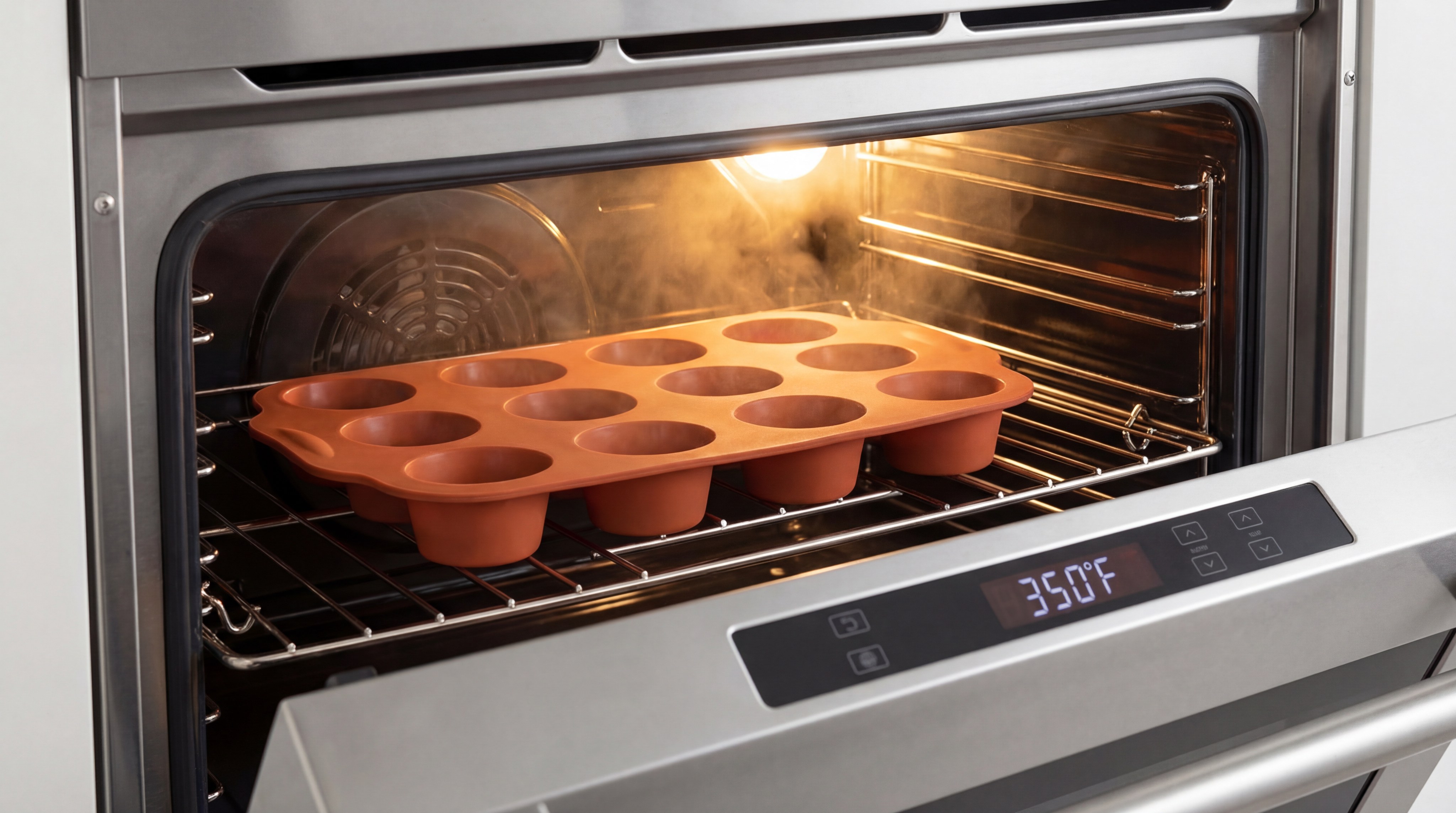
Because silicone is a poor conductor of heat, your cakes and muffins may require an extra 5 to 10 minutes of baking time. Many people worry [can you put silicone in the oven] if it changes their recipes, but this is simply a physical property of the material. The gentle heat penetration ensures the center is cooked thoroughly without over-browning the edges.
How do you adjust your baking?
You don’t necessarily need to change the temperature, but you should start checking for doneness a few minutes after the recipe’s suggested time. Using a toothpick or cake tester is the best way to ensure the middle is set.
The best part?
- No more burnt edges and raw centers.
- Consistent results across the entire batch.
- Perfect for high-moisture recipes like cheesecakes.
Use this simple adjustment guide for transitioning recipes from metal to silicone.
| Recipe Type | Time in Metal | Est. Time in Silicone |
|---|---|---|
| Small Muffins | 18 – 22 mins | 23 – 27 mins |
| Standard Cake | 30 – 35 mins | 35 – 42 mins |
| Loaf Bread | 45 – 55 mins | 52 – 62 mins |
Key Takeaway: Be patient and allow for slightly longer bake times to achieve the perfect, even texture that silicone provides.
How do you maintain silicone molds for years?
Proper cleaning and storage can extend the life of your silicone molds to over five years of regular use. When considering can you put silicone in the oven, you should also consider how you treat them afterward. While most are dishwasher safe, hand-washing with mild soap is often better for preserving the smooth, non-stick surface.
What should you avoid during cleaning?
Never use abrasive sponges, steel wool, or harsh chemicals, as these can create microscopic scratches. These scratches allow food particles and oils to build up, which can eventually lead to sticking and odors.
It gets better:
- They fold or stack for easy storage.
- Oils can be removed with a baking soda paste.
- They won’t rust or dent like metal.
Follow these maintenance tips to keep your molds in top condition.
| Maintenance Task | Recommended Method | Frequency |
|---|---|---|
| General Washing | Warm soapy water / Soft sponge | After every use |
| Deep Cleaning | Baking soda soak | Every 10-15 uses |
| Storage | Flat or nested in a cool place | When dry |
Key Takeaway: Gentle care and avoiding sharp utensils will ensure your silicone molds remain a staple in your kitchen for years.
Is platinum-cured silicone better for baking?
Platinum-cured silicone is the gold standard for oven use because it is more durable and has a higher heat tolerance than peroxide-cured versions. If you are serious about [can you put silicone in the oven], investing in platinum-cured products ensures there are no chemical by-products left in the material. This process creates a cleaner, more stable polymer that is ideal for professional food applications.
What are the benefits of platinum curing?
Platinum-cured silicone has better “rebound” and won’t turn yellow or brittle over time. It is also completely odorless, ensuring that your delicate bakes never pick up a “rubbery” taste or scent.
Here is the deal:
- It is much more resistant to tearing.
- It stays clear and vibrant for longer.
- It meets the highest medical and food-grade standards.
Compare the two curing methods to understand why quality matters for your health and bakes.
| Feature | Platinum-Cured | Peroxide-Cured |
|---|---|---|
| Safety Profile | Highest / No by-products | Low / Potential residues |
| Heat Resistance | Up to 260°C (Short term) | Up to 200°C |
| Price Point | Premium | Budget |
Key Takeaway: Platinum-cured silicone offers the best longevity and safety for anyone using silicone molds in a high-heat oven environment.
Finding the right balance between convenience and safety in the kitchen shouldn’t be a struggle. At HuaLin, we specialize in high-precision, FDA-compliant silicone solutions that take the guesswork out of baking. Our vision is to empower creators with durable, non-toxic tools that stand the test of time and heat. If you are looking for a manufacturing partner for custom silicone molds or kitchenware, contact us today to see how our Dongguan-based expertise can elevate your brand.
Frequently Asked Questions
Can I put my silicone mold directly on the oven rack?
No, it is best to place it on a metal baking sheet. This provides the necessary stability to prevent the mold from sagging and makes it much easier to move.
How do I know if my mold is 100% silicone?
You should perform the pinch test by twisting a small part of the mold. If white shows through the color, it contains fillers; pure silicone will stay the same color.
Why does my silicone mold smell like plastic in the oven?
It shouldn’t, as high-quality silicone is odorless. A plastic smell usually means the mold contains cheap fillers or was not properly cured during manufacturing.
Can I use a knife to cut cake inside the silicone mold?
No, you must avoid using metal knives or sharp utensils. Silicone is soft and can be easily punctured or sliced, which will ruin the mold.
Are silicone molds dishwasher safe?
Yes, most are top-rack dishwasher safe. However, frequent dishwasher use can eventually dull the finish, so hand-washing is recommended for maximum longevity.