
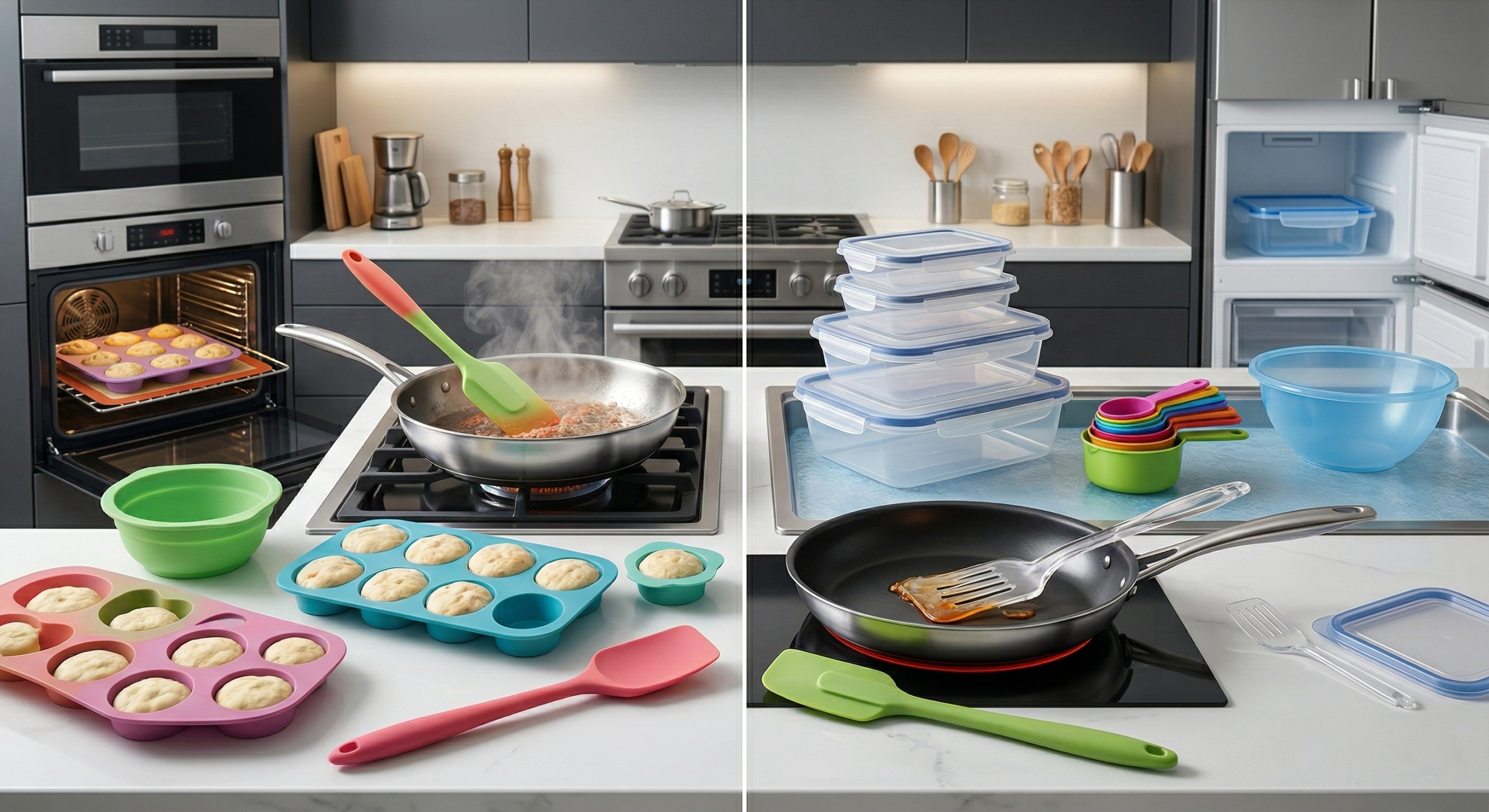
Silicone is generally superior for high-heat cooking and food safety, while plastic offers a budget-friendly solution for cold storage and lightweight needs.
You likely manage a high-traffic kitchen or supply chain where equipment failure translates directly into lost revenue and safety risks. Using brittle plastic spatulas that melt at the first sign of a hot pan creates a constant cycle of replacement costs and potential chemical contamination in your food. By upgrading to premium Silicone Products, you eliminate the danger of melting tools and ensure a non-toxic environment for your clients. Our manufacturing expertise provides the durable, heat-resistant solutions your business requires to maintain professional standards.
What Are the Primary Benefits of Silicone?
Silicone provides exceptional heat resistance and a non-stick surface that simplifies both cooking and cleanup. Investing in high-quality Silicone Products ensures that your kitchen tools remain functional across a wide temperature range without degrading.
Unmatched Thermal Stability
Think about it: most kitchen materials fail when the heat turns up. Silicone maintains its structural integrity from freezing temperatures up to 230°C (446°F), making it ideal for stovetop use.
- Excellent resistance to thermal shock.
- Microwave and oven-safe properties.
- Cold resistance for freezer storage.
Superior Surface Performance
But that’s not all. The naturally non-stick nature of the material prevents food from bonding to the surface during high-heat applications.
- Minimizes the need for oils or fats.
- Protects delicate non-stick coatings on pans.
- Facilitates rapid cleaning in commercial dishwashers.
Key Takeaway: Silicone serves as the gold standard for high-temperature durability and non-reactive cooking surfaces.
| Feature | Performance Level | Benefit |
|---|---|---|
| Heat Limit | 230°C+ | Prevents melting |
| Surface Type | Non-stick | Easy release |
This material ensures long-term reliability in environments where heat is a constant factor.
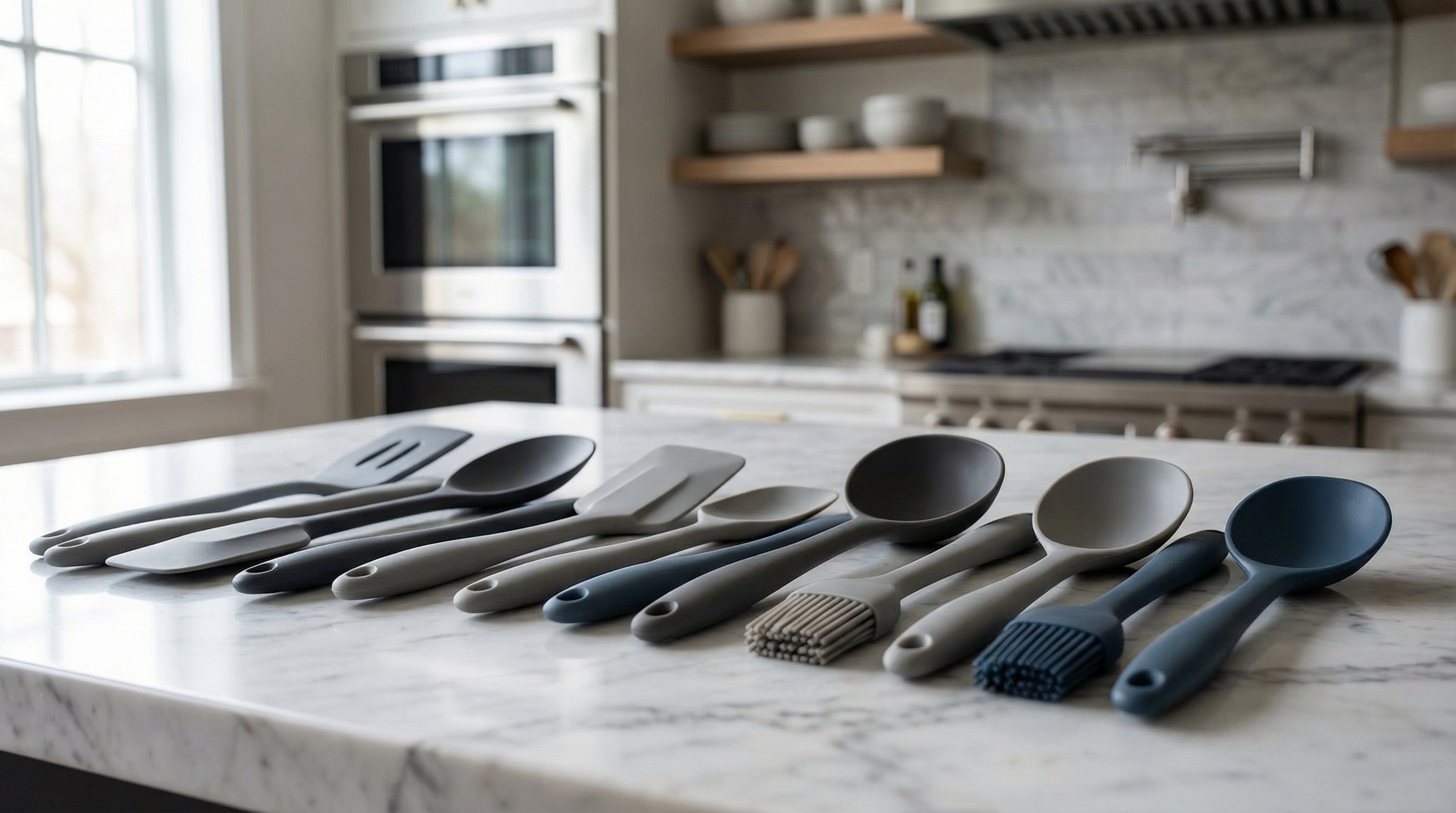
Why Is Plastic Often Used in Kitchens?
Plastic remains a popular choice primarily due to its low production cost and lightweight characteristics. You will find that many Silicone Products are supplemented by plastic components in areas where high heat is not a concern.
Cost-Effective Mass Production
Here’s the kicker: plastic is significantly cheaper to manufacture at scale. This makes it a go-to option for high-volume, low-margin kitchen accessories like measuring cups or dry storage.
- Lower upfront investment for businesses.
- Wide availability across global suppliers.
- Economical for disposable or short-term items.
Versatile Rigid Design
Think about it: sometimes you need a tool that doesn’t bend. Plastic provides the rigidity required for structural items like heavy-duty bowls or stackable crates.
- High structural stiffness.
- Lightweight for easy transport.
- Available in various densities and colors.
Key Takeaway: Plastic excels in low-heat, high-volume scenarios where rigidity and budget are the primary drivers.
| Feature | Performance Level | Benefit |
|---|---|---|
| Unit Cost | Low | Budget-friendly |
| Rigidity | High | Structural support |
While cost-effective, plastic lacks the thermal resilience necessary for professional stovetop cooking.
How Does Heat Resistance Compare?
Silicone significantly outperforms plastic in heat resistance, remaining stable while plastic warps or melts. Utilizing Silicone Products allows you to move seamlessly from the freezer to the oven without material failure.
Stability Under Pressure
Believe it or not, many plastics begin to leach chemicals at temperatures as low as 70°C. Silicone remains chemically inert even at its maximum temperature limit, ensuring no fumes or toxins enter the food.
- No warping or melting in boiling water.
- Safe for use near direct heat sources.
- Retains shape after repeated heating cycles.
Prevention of Leaching
Here’s the deal: heat is the enemy of plastic polymers. When plastic gets hot, the bonds break down, which can lead to microplastic shedding and chemical migration.
- Zero risk of BPA leaching.
- Does not release toxic fumes.
- Maintains food purity under heat.
Key Takeaway: High-heat applications demand silicone to ensure both physical durability and chemical safety.
| Material | Melting Point | Safety Status |
|---|---|---|
| Silicone | 230°C+ | Safe/Stable |
| Plastic | 100°C – 150°C | Risk of melting |
Silicone is the only viable choice for tools that directly contact hot pans or boiling liquids.
Is Food Safety a Major Consideration?
Food-grade silicone is inherently safer for long-term health than most plastic alternatives. While Silicone Products are inert, many plastics contain phthalates or BPA that can interfere with health standards.
Non-Porous Surface Hygiene
Think about it: bacteria love to hide in scratches. Silicone is highly resistant to scratching and does not support bacterial growth, making it a more hygienic choice.
- Resistant to odors and stains.
- Easy to sterilize in high-heat cycles.
- Non-reactive with acidic food ingredients.
Absence of Harmful Additives
Here’s the kicker: you don’t have to worry about “mystery chemicals” with certified food-grade silicone. It is manufactured to meet strict FDA or LFGB standards for food contact.
- Free from BPA and phthalates.
- No microplastic shedding into meals.
- Lead and latex-free composition.
Key Takeaway: For professional environments where hygiene and health are paramount, silicone provides the safest interface for food.
| Factor | Silicone | Plastic |
|---|---|---|
| Chemical Leaching | None | High Risk |
| Porosity | Very Low | Moderate |
Choosing silicone mitigates the risk of chemical contamination in commercial food preparation.
Which Material Offers Better Durability?
Silicone is far more durable than plastic because it remains flexible and does not become brittle over time. Specifying high-grade Silicone Products reduces your replacement rate and long-term overhead.
Resilience Against Impact
But that’s not all. Unlike rigid plastic that cracks if dropped, silicone is shatterproof and absorbs impact without damage.
- Will not chip or break.
- Maintains flexibility in extreme cold.
- Resists peeling and flaking.
Longevity in Commercial Use
The best part? Silicone can last for years in a busy kitchen environment, whereas plastic often yellows, warps, or cracks within months of heavy use.
- High fatigue resistance.
- UV and ozone resistance.
- Consistent performance over thousands of cycles.
Key Takeaway: The flexible nature of silicone prevents common mechanical failures that plague plastic kitchenware.
| Metric | Silicone | Plastic |
|---|---|---|
| Impact Resistance | High | Low/Brittle |
| Lifespan | Multi-year | Short-term |
Durability tests consistently show that silicone retains its physical properties longer than standard polymers.
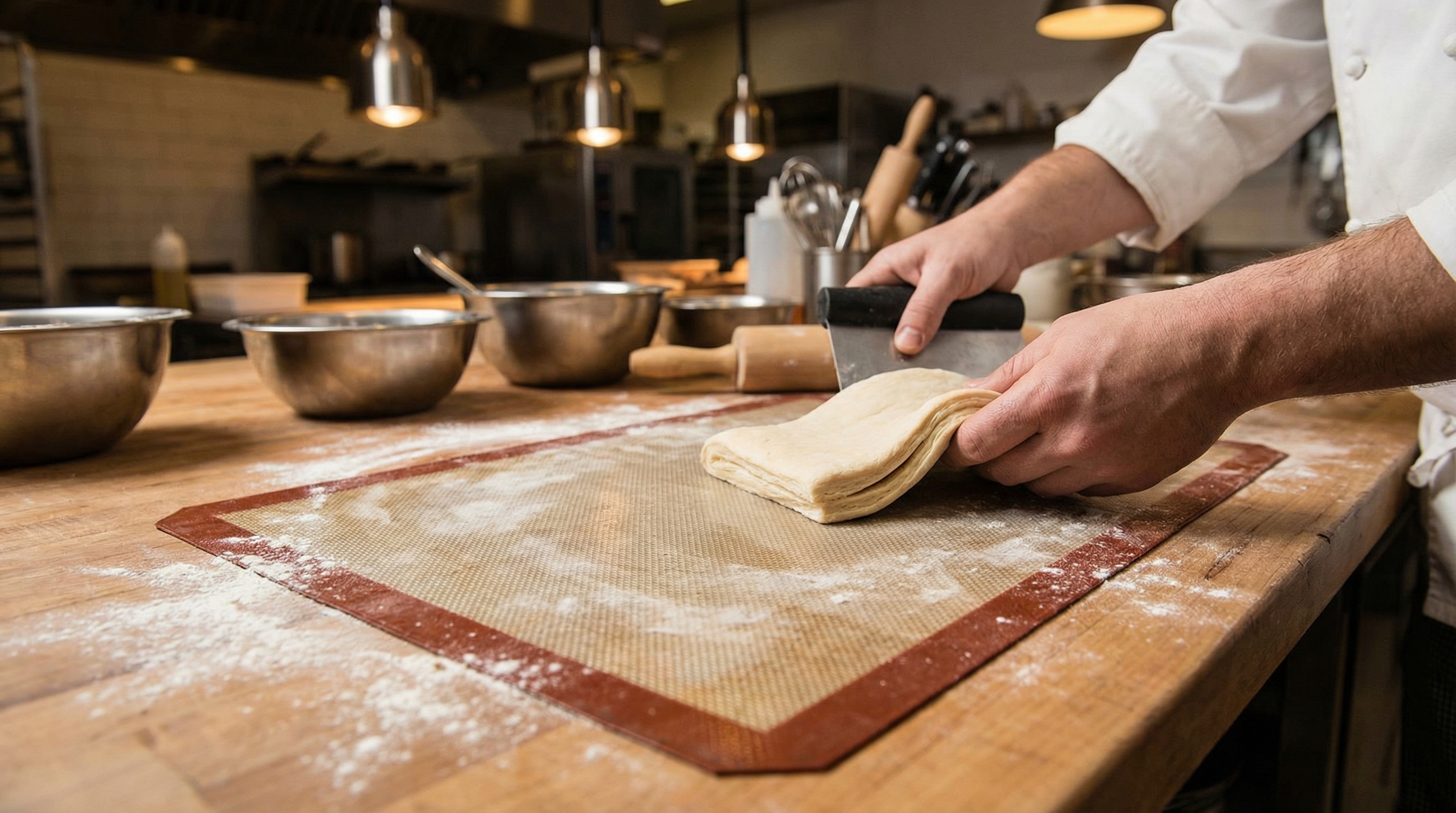
Why Is Silicone Preferred for Baking?
Professional bakers choose silicone because it offers superior release and thermal distribution. You can rely on Silicone Products to produce consistent results for delicate pastries and breads.
Precision in Release
Here’s the deal: sticking is the enemy of a perfect bake. Silicone’s flexible and non-stick surface allows you to pop out intricate shapes without damaging the product.
- Eliminates the need for parchment paper.
- Reduces grease buildup in pans.
- Handles delicate meringues and chocolates with ease.
Uniform Heat Distribution
Think about it: uneven baking ruins profits. Silicone mats and molds promote even heating across the entire surface, preventing burnt edges.
- Consistent browning on cookies.
- Insulates delicate batters.
- Rapid cooling for faster turnover.
Key Takeaway: Silicone transforms the baking process by providing a reliable, non-stick interface for high-precision tasks.
| Baking Tool | Silicone Benefit | Plastic Limitation |
|---|---|---|
| Molds | Easy release | Melts in oven |
| Mats | Reusable | Not heat-safe |
The thermal properties of silicone make it an indispensable tool for any professional bakery.
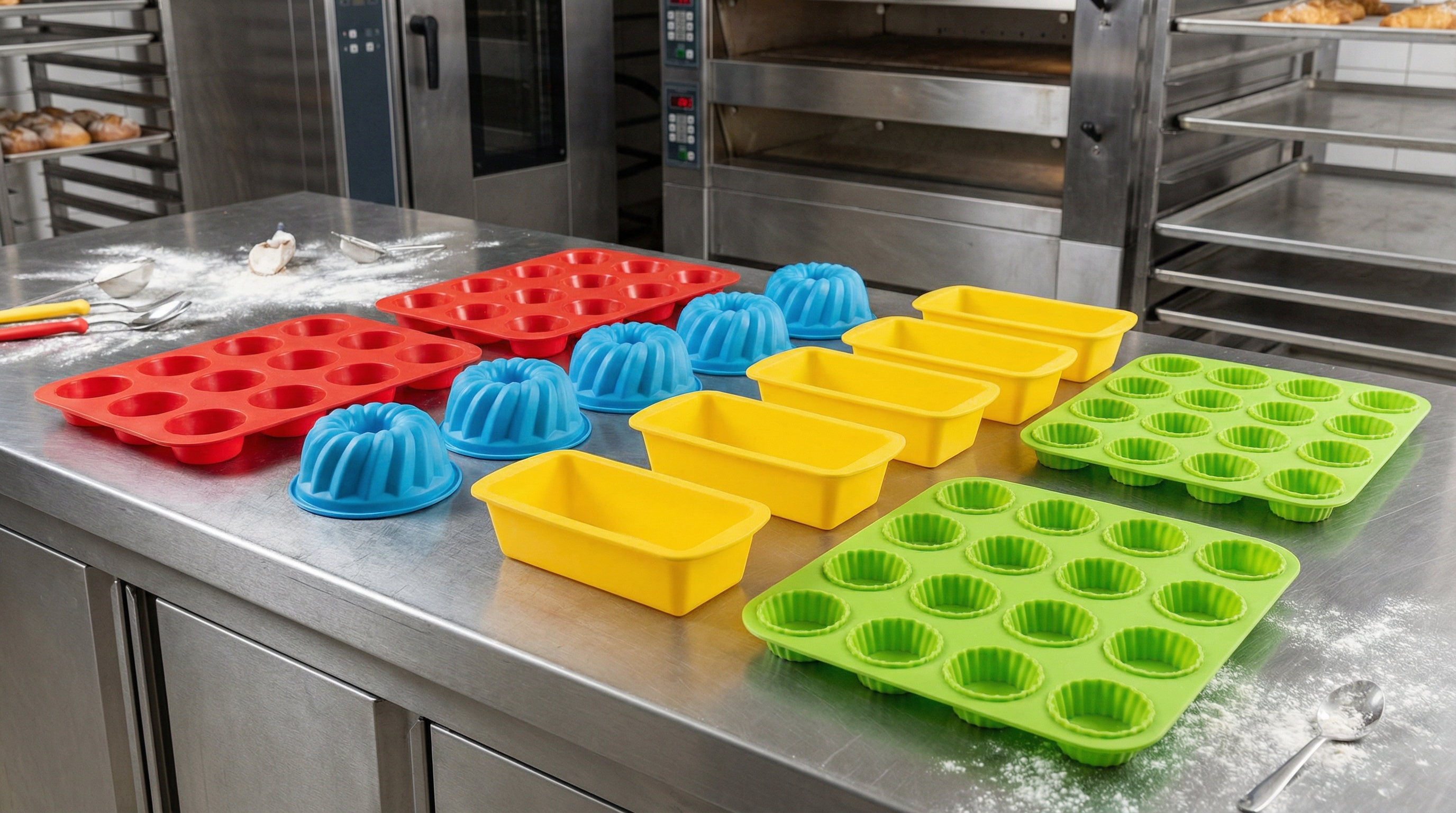
Does Silicone Have Any Disadvantages?
While superior in performance, silicone can be more expensive and sometimes retains strong odors. Monitoring the manufacturing of Silicone Products is essential to minimize these minor drawbacks.
Odor and Oil Retention
But that’s not all. Because silicone is slightly porous at a microscopic level, it can sometimes absorb strong scents like garlic or onion if not cleaned properly.
- Requires high-heat washing to clear scents.
- Can feel “tacky” if grease is not fully removed.
- Best used for specific tasks to avoid cross-smell.
Higher Upfront Investment
Here’s the kicker: you will pay more initially for quality silicone. However, the cost-per-use is typically lower than plastic due to its extended lifespan.
- Higher raw material costs.
- Complex manufacturing processes.
- Premium pricing for certified food-grade grades.
Key Takeaway: Most disadvantages are manageable through proper maintenance and viewing the purchase as a long-term investment.
| Disadvantage | Impact | Solution |
|---|---|---|
| Odor | Minor | Boil or bake to clean |
| Cost | Initial | Amortize over time |
Despite the cost, the performance gains and safety profile usually outweigh the initial expenditure.
What Should You Use for Food Storage?
For food storage, the choice depends on whether the contents will be reheated or kept cold. Silicone Products are the safest for microwave reheating, while plastic works for bulk dry storage.
Safety During Reheating
Think about it: reheating in plastic is where most health risks occur. Silicone is perfectly safe for the microwave or oven, ensuring no chemicals migrate into your leftovers.
- High thermal stability for steaming.
- Reusable lids replace single-use plastic wrap.
- Airtight seals for freshness.
Efficiency in Dry Storage
The best part? For dry goods like flour or pasta, lightweight plastic containers are often more practical and stackable for organization.
- Lower weight for pantry shelves.
- Transparent options for visibility.
- Rigid shapes for maximizing space.
Key Takeaway: Use silicone for storage that involves temperature changes and plastic for cold, dry organization.
| Storage Type | Recommended Material | Reason |
|---|---|---|
| Freezer-to-Oven | Silicone | Thermal range |
| Dry Pantry | Plastic | Cost/Visibility |
A hybrid approach allows you to leverage the strengths of both materials in your storage systems.
How Does Manufacturing Impact Quality?
Not all silicone is created equal, as low-quality versions may contain cheap fillers. Choosing a manufacturer that prioritizes high-grade material selection is the only way to guarantee safety.
The Problem with Fillers
Believe it or not, some manufacturers add plastic fillers to silicone to lower costs. These fillers can leach toxins and melt at much lower temperatures than pure silicone.
- “Pinch test” reveals white marks in fillers.
- Reduced heat resistance in low-grade products.
- Potential for chemical odors during use.
Certified Production Standards
Here’s the kicker: professional-grade silicone must undergo rigorous testing to ensure it meets international food-safety standards.
- FDA and LFGB compliance.
- Precise mold engineering for durability.
- Consistent material density.
Key Takeaway: Sourcing directly from reputable manufacturers is the only way to avoid dangerous fillers and ensure product longevity.
| Quality Marker | Premium Silicone | Low-Grade Silicone |
|---|---|---|
| Fillers | 0% | Up to 30% |
| Compliance | Certified | Often uncertified |
High manufacturing standards are the foundation of kitchen safety and tool reliability.
Which Is Better for Your Specific Needs?
The right choice depends on your specific application, but silicone is the winner for most high-performance tasks. You should integrate Silicone Products into your workflow wherever heat, safety, and durability are required.
Choosing for Professional Environments
But that’s not all. In a commercial setting, the reduced risk of contamination and equipment failure makes silicone the obvious choice for long-term ROI.
- Lower frequency of replacement.
- Compliance with health inspections.
- Better protection for expensive cookware.
Choosing for Budget Constraints
Think about it: if you are running a temporary operation or need high-volume, low-heat items, plastic may serve your immediate needs.
- Ideal for high-turnover events.
- Good for non-critical dry storage.
- Easy to source in bulk on short notice.
Key Takeaway: Silicone is the superior investment for professional cooking, while plastic remains a niche solution for low-impact storage.
| Application | Winner | Why? |
|---|---|---|
| Cooking/Baking | Silicone | Heat/Safety |
| Dry Storage | Plastic | Cost/Weight |
Prioritizing performance and safety leads most professional operators to choose silicone for their primary tools.
Final Summary Comparison
| Criteria | Silicone Kitchenware | Plastic Kitchenware |
|---|---|---|
| Safety | High (BPA-free, no toxins) | Moderate (Leaching risks) |
| Heat Resistance | Up to 230°C+ | Low (100°C – 150°C) |
| Durability | Excellent (Flexible) | Low (Brittle/Warps) |
| Cost | Higher Investment | Budget-Friendly |
| Best Use | Professional Cooking/Baking | Cold/Dry Storage |
The analytical data confirms that silicone’s thermal stability and safety profile make it the preferred choice for modern professional kitchens.
Conclusion
Navigating the choice between silicone and plastic is about balancing safety, performance, and budget. While plastic has its place in dry storage, the overwhelming benefits of silicone—its heat resistance, non-toxic nature, and long-term durability—make it the superior choice for any high-performance kitchen environment. By choosing the right materials, you protect your customers, your equipment, and your bottom line.
At Hualin, we are dedicated to manufacturing high-precision, food-grade silicone solutions that meet the world’s most demanding standards. We believe that professional tools should be as resilient as the people who use them. To upgrade your kitchen equipment or discuss custom manufacturing solutions, contact us today.
FAQ
Can I use silicone in a high-temperature commercial oven?
Yes, food-grade silicone is designed to withstand temperatures up to 230°C (446°F) and is safe for both convection and microwave ovens.
What’s the best way to remove food odors from silicone spatulas?
The most effective method is to bake the clean silicone tool in an oven at 120°C (250°F) for 20 minutes or soak it in boiling water with a dash of vinegar.
How do I know if my silicone products contain cheap plastic fillers?
Perform the “pinch test” by twisting a flat surface of the material; if white shows through the color, it likely contains fillers and is not pure silicone.
Can I recycle silicone kitchenware once it reaches the end of its life?
While silicone is not picked up by most curbside recycling, specialized facilities can grind it down into oil or playground mulch, making it more eco-friendly than many plastics.
What’s the best material for children’s plates and bowls?
Silicone is the ideal choice for children’s items because it is shatterproof, free from endocrine-disrupting chemicals like BPA, and easy to sanitize.