
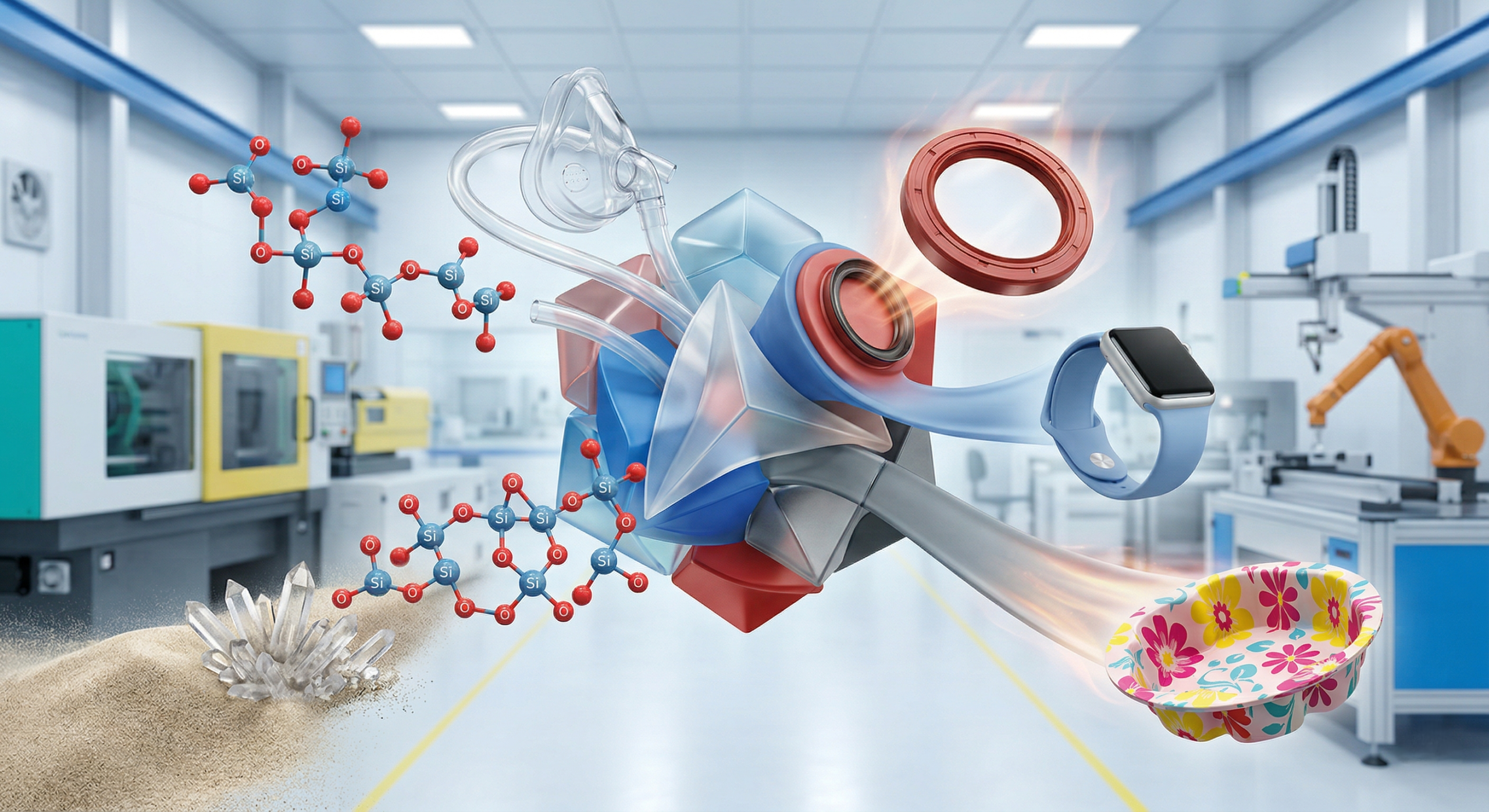
Finding a proper manufacturing material often leads you down a frustrating path. You spend months designing brilliant components only for cheap parts to fail under extreme heat. Your solution rests in comprehending What is Silicone thoroughly. Applying this resilient compound helps you build flawless industrial goods.
1. What is Silicone and How Do We Define It?
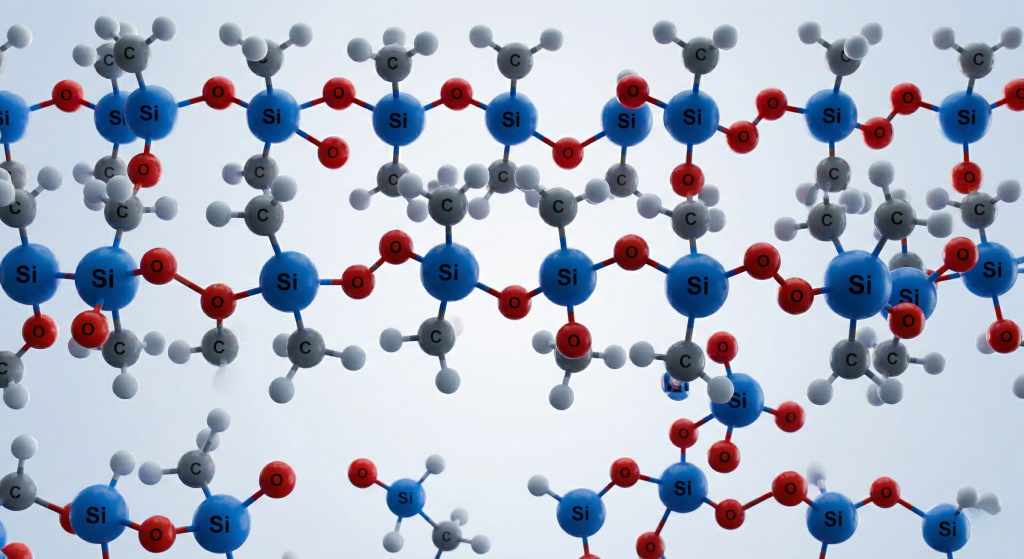
Silicone operates as a synthetic elastomeric compound built from linear polymers mixed with specific reinforcing agents. When examining What is Silicone for your factory line, you observe a remarkably versatile substance bridging organic chemistry with inorganic stability. This distinct chemical makeup delivers incredible flexibility alongside extreme temperature resistance. Manufacturers consistently rely on such resilience to forge parts outlasting normal rubber.
Why Do Manufacturers Rely on This Material?
Here is the truth: traditional substances fail rapidly under heavy stress. This advanced elastomer withstands blazing temperatures exceeding 250°C without shedding its baseline tensile strength. It repels atmospheric ozone and resists radiation beautifully.
- Maintains physical form under immense pressure
- Repels caustic chemicals effortlessly
- Tolerates severe freezing climates
What Are the Main Structural Components?
At its deepest core, this elastomer utilizes a strong backbone of alternating silicon atoms paired with oxygen. Consider this: standard plastics utilize weaker carbon bonds while this configuration creates unbreakable molecular chains. You receive unparalleled durability for highly demanding mechanical environments.
Key Takeaway: A specialized molecular backbone yields unmatched temperature tolerance for massive industrial projects.
| Component | Primary Function |
| Polymer Backbone | Supplies massive flexibility |
| Crosslinking Agent | Cures raw material solid |
| Chemical Catalyst | Accelerates production speeds |
This architecture directly upgrades any component’s ability to survive harsh physical abuse.
2. Beyond Basics: What is Silicone Made Of?
Mastering What is Silicone demands a closer look at its base chemical synthesis. Chemists generate this material by extracting pure silicon straight from silica sand. They mix this base element alongside methyl chloride, forming a highly pliable polymer chain. Such a synthetic process yields an industrial resource functioning like rubber while delivering superior molecular stability.
How Do Engineers Process Raw Materials?
Think about it: producing premium elastomers necessitates immense precision inside advanced mixing facilities. Raw compounds pass through rigorous blending phases where technicians introduce specific crosslinkers.
- Extracts pure silica efficiently
- Forms durable polymer chains
- Blends chemical crosslinkers perfectly
What Role Do Catalysts Play in Production?
Adding a specialized platinum catalyst accelerates curing speeds immensely without abandoning toxic chemical residues. What’s the real story? Platinum-cured batches deliver pristine clarity alongside massive purity for demanding medical requirements. You procure finished goods meeting strict health regulations effortlessly.
Key Takeaway: Blending raw silica with premium catalysts dictates a final product’s ultimate structural integrity.
| Production Element | Base Purpose |
| Raw Silica Sand | Acts as structural foundation |
| Methyl Chloride | Generates flexible polymer bonds |
| Platinum Catalyst | Accelerates clean material curing |
This specific ingredient mixture determines exactly how tough your final components become.
3. What Are the Main Types of Silicone Rubber?
When evaluating What is Silicone for specific project requirements, you face several distinct formulation choices. Industry leaders primarily separate these compounds into solid High Consistency Rubber (HCR) alongside Liquid Silicone Rubber (LSR). Each variant delivers specific physical properties customized for entirely different mechanical shaping methods. You must match your formulation choice perfectly with your factory’s production style.
How Does High Consistency Rubber Function?
Let me explain: HCR works magnificently for standard compression molding tasks. Massive vacuum vulcanization machines press these dense solid blocks into perfect seals.
- Excels at crafting standard keypads
- Works well for simple extrusion
- Requires intense heat curing
Why Do Engineers Choose Liquid Formulations?
LSR flows smoothly into highly complex steel molds under massive pressure. Ready for the good part? Fluid material cures astonishingly fast, allowing completely automated injection procedures. You capture incredibly tight dimensional tolerances for tiny intricate components.
Key Takeaway: Picking between solid versus fluid formulations relies solely on your component’s geometric complexity.
| Elastomer Variant | Best Shaping Method | Ideal Factory Application |
| High Consistency Rubber | Compression Molding Machinery | Standard automotive seals |
| Liquid Silicone Formulations | Automated Injection Systems | Highly complex tiny parts |
Aligning material traits with proper machinery massively slashes your daily defect rates.
4. Why is Liquid Silicone Necessary for Medical Devices?
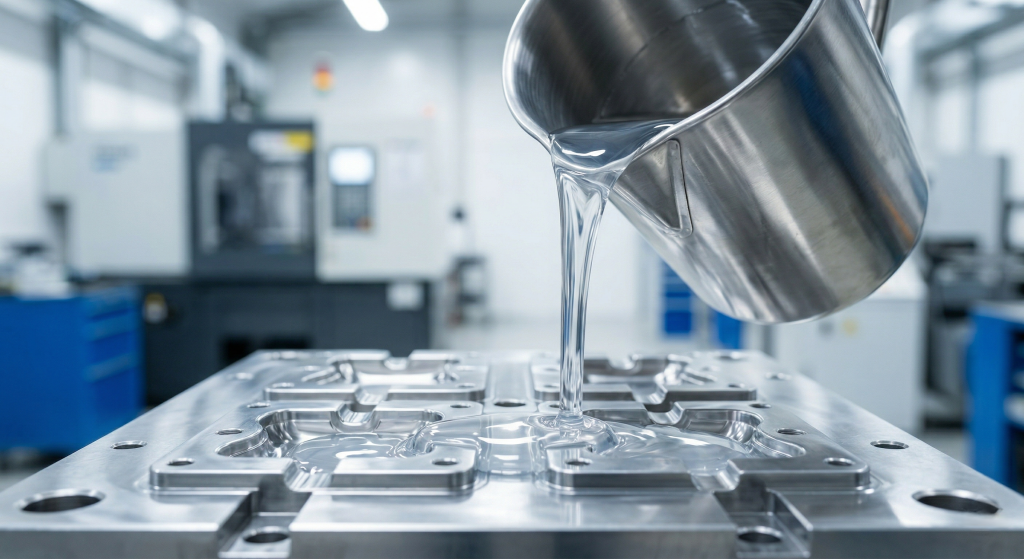
Engineers frequently wonder What is Silicone capable of achieving within highly regulated healthcare environments. LSR delivers absolute biocompatibility, meaning it never reacts negatively touching human skin. Premium factories process these specialized compounds inside Class 100k Clean Rooms, completely preventing dangerous microscopic contamination. Such a pristine manufacturing environment perfectly satisfies rigorous ISO 13485 regulations.
Can These Materials Withstand Sterilization?
Here is the truth: hospital equipment must survive punishing cleaning protocols without breaking down. LSR parts endure boiling water alongside aggressive chemical disinfectants perfectly.
- Resists dangerous bacterial growth
- Survives intense steam autoclaves
- Retains extreme flexibility permanently
Why Does LSR Suit Wearable Monitors?
Advanced patient monitoring necessitates skin-safe textures remaining incredibly comfortable over many days. But here’s the kicker… LSR completely prevents skin irritation while flexing smoothly across moving joints. You easily engineer wearable health patches that patients barely feel wearing.
Key Takeaway: Flawless biocompatibility paired with intense heat resistance establishes LSR as healthcare’s golden standard.
| Medical Requirement | Elastomer Capability |
| Deep Biocompatibility | Completely safe touching sensitive skin |
| Repeated Sterilization | Endures chemical wipes daily |
| Factory Cleanliness | Crafted inside pure cleanrooms |
These stellar traits consistently pass rigorous global healthcare certification audits without fail.
5. Compared to Plastics: What is Silicone’s Unique Edge?
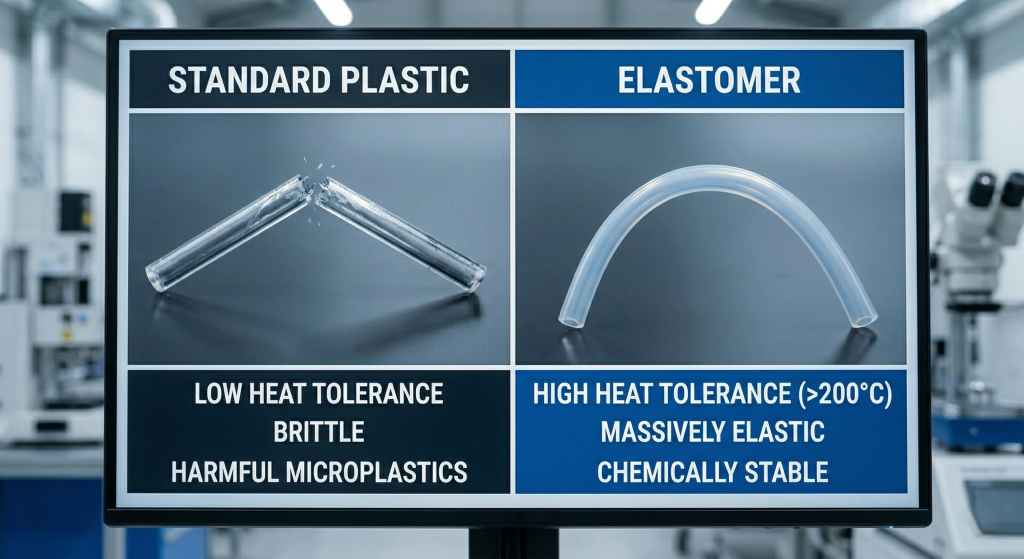
Many sourcing managers question what is Silicone providing that normal plastics lack entirely. While cheap plastics utilize weak carbon structures becoming brittle quickly, elastomers deploy sturdy silicon-oxygen bonds. This stellar chemistry lets rubbery parts stretch repeatedly without suffering microscopic fractures. You gain remarkably longer lifespans for heavily used mechanical parts.
How Do These Materials Handle Heat?
Consider this: normal plastics melt rapidly while releasing noxious toxic gases inside hot ovens. Premium elastomers retain perfect structural integrity at temperatures approaching 250°C.
- Outlasts cheap plastics thermally
- Prevents cracking during deep freezes
- Repels damaging UV radiation
Which Material Benefits the Environment More?
Plastic garbage slowly disintegrates into dangerous microplastics, polluting fragile oceanic ecosystems permanently. Think about it: heavy-duty elastomers never shed toxic microplastics, remaining chemically stable inside modern landfills. You shrink your brand’s ecological footprint by deploying phenomenally long-lasting materials.
Key Takeaway: Elastomers easily outperform normal plastics regarding temperature resilience while remaining ecologically benign.
| Physical Trait | Standard Plastic Rating | Elastomer Rating |
| High Heat Tolerance | Extremely Low | Exceeds 200°C easily |
| Long-term Flexibility | Highly Brittle | Massively Elastic |
| Ecological Impact | Generates harmful microplastics | Highly stable chemically |
This precise comparison clearly highlights why demanding projects abandon cheap plastics entirely.
6. Why is Silicone Preferred for Automotive Sealing?
Designing advanced vehicle engines requires understanding exactly What is Silicone contributing towards strict automotive safety. Powerful engines generate massive heat alongside intense vibrations during heavy highway driving. Specially formulated rubber gaskets seal core engine compartments tightly, preventing catastrophic oil leaks. Automotive buyers depend heavily on IATF 16949 certified factories supplying these flawless seals.
How Do Seals Handle Engine Fluids?
What’s the real story? Normal rubbers swell drastically when encountering harsh synthetic motor oils. Advanced fluorosilicone mixtures repel aggressive automotive fluids while sustaining a tight vacuum seal.
- Blocks synthetic oil penetration
- Stops corrosive moisture completely
- Absorbs heavy engine vibrations
Why Are These Materials Key for EVs?
Modern electric vehicle batteries demand massive protective barriers blocking dangerous road moisture. Let me explain: tailored elastomeric blends supply fantastic electrical insulation, stopping deadly short circuits. You shield insanely expensive battery cells while keeping passengers perfectly safe.
Key Takeaway: Phenomenal fluid resistance combined with high electrical insulation makes these seals completely indispensable for automakers.
| Auto Application | Primary Engineering Benefit |
| Engine Block Gaskets | High oil resistance |
| EV Battery Casings | Superior electrical insulation |
| Internal Wire Harnesses | Extreme vibration dampening |
Deploying highly certified rubber gaskets directly prevents terrifying engine malfunctions on highways.
7. What Are the Key Benefits of Silicone in Electronics?
Smart device designers continually investigate What is Silicone bringing towards modern wearable consumer technology. This compound supplies a luxurious soft-touch texture that users adore on wireless earbud tips. Advanced manufacturing procedures allow pristine color matching alongside incredibly smooth surface finishes. You easily craft visually stunning gadgets boasting massive ergonomic comfort.
How Does It Protect Sensitive Electronics?
Ready for the good part? Dropping fragile smartphones easily destroys complex internal circuit boards. Rubbery protective casings absorb massive physical shock waves, stopping delicate glass screens from shattering.
- Absorbs heavy drop impacts
- Repels tiny dust particles
- Waterproofs fragile charging ports
What Does LSR Overmolding Accomplish?
Advanced engineers utilize overmolding techniques, bonding liquid elastomers directly onto hard plastic frames. But here’s the kicker… this action creates an impenetrable watertight barrier protecting expensive action cameras. You bypass messy liquid glues entirely during factory assembly.
Key Takeaway: Brilliant shock absorption alongside flawless overmolding makes elastomers absolutely ideal for rugged electronics.
| Electronic Component | Material Function |
| Wearable Smartwatch Band | Delivers hypoallergenic skin comfort |
| USB Charging Port Seal | Provides complete waterproofing |
| Heavy Protective Case | Deflects massive drop shocks |
Consumer electronics depend heavily on these resilient properties surviving daily physical abuse.
8. In Food Industries: What is Silicone Graded As?
Brands designing baby pacifiers must confirm What is Silicone officially rated regarding direct human consumption. Pure food-grade materials face rigorous FDA testing proving they harbor zero dangerous bisphenol A. Elite factories deploy automated CCD cameras verifying no foreign dirt ruins the final batch. You guarantee total safety for highly sensitive consumer goods.
Does the Material Transfer Odors to Food?
Here is the truth: cheap plastic containers frequently leave nasty chemical tastes on hot meals. Platinum-cured elastomeric products remain totally odorless, preserving a meal’s natural delicious flavor.
- Emits zero toxic fumes
- Blocks lingering food odors
- Survives heavy dishwasher cycles
Why Do Kitchen Brands Prefer This Material?
Baking spatulas must survive blazing ovens alongside freezing refrigerators continuously. Think about it: premium food-grade elastomers seamlessly transition from freezing cold into 200°C heat without melting. You supply amateur chefs with phenomenally versatile cooking tools.
Key Takeaway: Rigorous food-grade testing guarantees these rubbery kitchen tools remain completely non-toxic under stress.
| Consumer Product | Primary Safety Requirement |
| Chewing Baby Pacifiers | Completely BPA-free |
| Flexible Baking Molds | Massive heat tolerance |
| Kitchen Storage Bins | Totally odorless |
Securing proper food-grade certifications fiercely protects your brand’s pristine global reputation.
9. What Are Key Differences from Natural Rubber?
Many purchasing managers ask what is Silicone lacking when compared against traditional harvested tree rubber. Pure natural rubber supplies magnificent tensile strength for crafting heavy-duty truck tires. However, natural latex degrades horribly fast when facing direct sunlight or atmospheric ozone. You must pivot toward synthetic elastomers whenever projects demand extreme outdoor longevity.
How Do Their Lifespans Compare Outdoors?
Consider this: natural latex dries rapidly, crumbling apart after minimal sun exposure. Synthetic elastomeric polymers deflect harsh UV rays flawlessly, surviving decades outdoors without cracking.
- Deflects intense UV rays
- Prevents drying and cracking
- Survives extreme summer heat
Are There Any Hidden Allergy Concerns?
Harvested natural rubber harbors volatile latex proteins triggering nasty allergic reactions across many populations. What’s the real story? Synthetic elastomeric chains lack latex proteins completely, remaining entirely hypoallergenic. You erase nasty medical allergy risks by deploying purely synthetic compounds.
Key Takeaway: Synthetic elastomers vastly outperform natural latex regarding weather resilience while eliminating severe allergy risks.
| Material Variant | UV Light Resistance | Human Allergy Risk |
| Natural Tree Rubber | Incredibly Poor | Dangerously High |
| Synthetic Elastomer | Outstandingly Strong | Completely Zero |
Choosing synthetic materials directly guarantees a vastly superior product lifespan outdoors.
10. How Can You Choose the Right Silicone Partner?
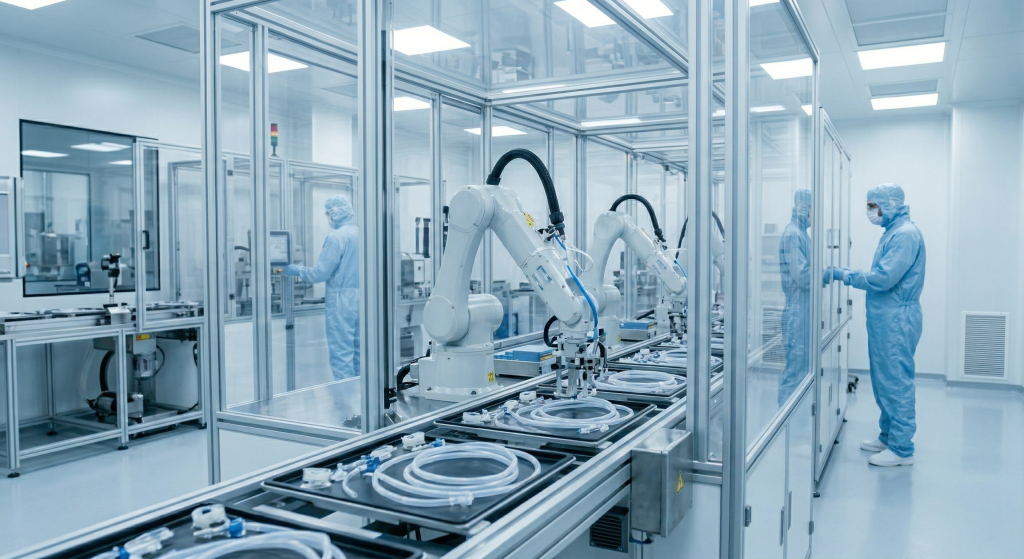
Comprehending What is Silicone means nothing if you hire a terrible factory delivering defective parts. You require a manufacturing partner wielding advanced Sodick CNC machines alongside dedicated testing laboratories. Top-tier suppliers carry elite certifications like ISO 9001 proving their internal quality controls actually function. You should always demand absolute operational transparency from any chosen supplier.
Why Does In-House Tooling Matter?
Let me explain: factories outsourcing mold creation constantly suffer massive shipping delays. A dedicated partner boasting internal tooling workshops modifies steel molds rapidly.
- Speeds up product launches
- Secures high mold precision
- Slashes overall project costs
What Makes an Integrated Partner Better?
Ambitious startups require far more than basic molding; they need comprehensive retail packaging services. Ready for the good part? Integrated trade companies handle everything from raw chemical mixing toward final boxing. You simplify your complex supply chain while acquiring goods ready for shipping.
Key Takeaway: Partnering alongside a heavily certified, fully integrated factory accelerates your market launch smoothly.
| Factory Capability | Direct Client Advantage |
| Internal Steel Tooling | Much faster design prototyping |
| ISO Factory Certifications | Extremely low part defects |
| Final Assembly Services | Delivers ready-to-ship boxes |
Securing a highly capable manufacturing partner completely transforms your overall production efficiency.
Final Thoughts on Upgrading Your Manufacturing Strategy
Understanding the chemical architecture of these brilliant elastomers helps you engineer vastly superior goods. From sterile medical cleanrooms toward rugged automotive gaskets, selecting proper synthetic compounds stops costly mechanical failures. We deliver comprehensive factory production, from precision CNC tooling right into final product assembly. If you desire building components that crush your competition, contact us today to discuss custom solutions.
Frequently Asked Questions
Q1: Can I define this material simply?
It acts as a synthetic elastomeric compound built upon a sturdy silicon-oxygen backbone. This remarkable chemistry provides enormous flexibility alongside incredible thermal stability.
Q2: How do I know if LSR suits my specific project?
You should pick LSR if your design requires tight dimensional tolerances and highly complex geometries. A fluid state allows incredibly precise automated injection molding.
Q3: What’s the best way to use these compounds inside medical facilities?
Specific healthcare-grade mixtures remain entirely biocompatible and wonderfully safe touching human skin. They easily survive repeated harsh chemical sterilization protocols daily.
Q4: Can I trust these materials touching hot cooking food?
You must hire a factory deploying platinum-cured compounds passing strict LFGB testing standards. This action guarantees your final baking product harbors zero nasty toxins.
Q5: How do production speeds compare against standard cheap plastics?
Automated liquid injection lines pump out finished parts incredibly fast. Once engineers perfect a steel mold, rapid curing times allow massive weekly volumes.