
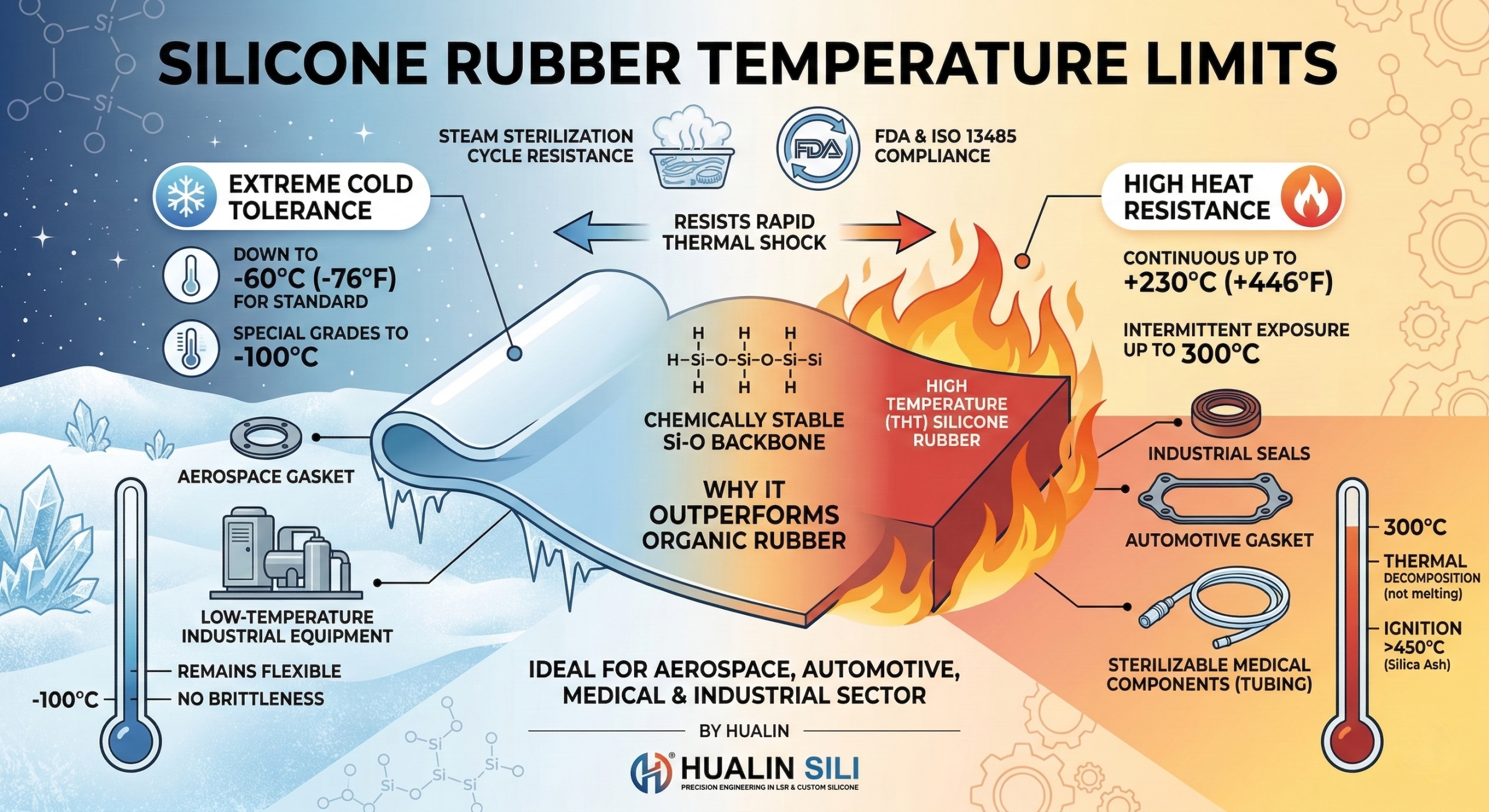
Silicone rubber can generally withstand temperatures ranging from -60°C to +230°C (-76°F to +446°F) for continuous use, with specialized grades surviving intermittent exposure up to 300°C. You likely face the challenge of selecting materials for environments where high heat causes standard plastics and rubbers to fail prematurely. If your industrial seals or medical components lose flexibility mid-operation, you risk expensive system failures and safety breaches. Understanding the thermal limits and asking does silicone melt is the first step toward optimizing your product’s lifespan and performance.
What are the high-temperature limits of silicone?
Standard industrial silicone maintains its physical properties and structural integrity up to 230°C in most continuous-use scenarios. When determining if does silicone melt under these loads, you will find that it typically hardens rather than turning into a liquid. This high thermal threshold makes it superior to EPDM and other organic elastomers.
Why silicone outperforms organic rubber
Silicone rubber features a backbone of silicon and oxygen, which is much more stable than the carbon-carbon bonds found in most other rubbers. This chemical structure allows your components to stay functional where others would char or melt.
Here is the deal:
- Thermal stability up to 230°C.
- Minimal change in hardness over time.
- Resistant to UV and ozone degradation.
Key Takeaway: Silicone is the premier choice for applications exceeding 150°C where durability is non-negotiable.
| Property | Standard Silicone | EPDM Rubber |
|---|---|---|
| Max Continuous Temp | 230°C | 150°C |
| Intermittent Max | 300°C | 175°C |
| Chemical Backbone | Siloxane (Si-O) | Carbon (C-C) |
The comparison shows that silicone offers nearly 80°C of additional thermal headroom over standard EPDM materials.
What is the lowest temperature silicone survives?
Silicone rubber is remarkably resilient in cold environments, remaining flexible at temperatures as low as -60°C without becoming brittle. Designers often ask if [does silicone melt] or shatter when moving from these cryogenic states to high-heat zones. Unlike many polymers, silicone does not undergo a dramatic phase change that would cause it to snap under stress in extreme cold.
Flexibility in sub-zero applications
Maintaining seal integrity at -60°C is critical for aerospace and outdoor industrial equipment. You will find that silicone does not reach its glass transition point until much lower than competitive elastomers.
Believe it or not:
- Low-temperature flexibility down to -60°C.
- Special grades can reach -100°C.
- No cracking during rapid thermal cycling.
Key Takeaway: Silicone’s wide operating window makes it an “all-weather” material for global industrial applications.
| Feature | Performance Level |
|---|---|
| Brittleness Point | Below -60°C |
| Glass Transition | Approx -120°C |
| Cold Flexibility | Excellent |
Silicone remains functional in temperatures that would cause standard plastics to become as fragile as glass.
How does exposure time affect heat resistance?
The duration of heat exposure is the most critical factor in determining how long your silicone parts will last in the field. When analyzing if does silicone melt, you must consider that “melting” is less likely than “thermal aging” over extended periods. A part might survive 300°C for ten minutes but fail if held there for ten hours.
The relationship between time and degradation
Long-term exposure at 200°C will eventually cause the silicone to lose its elasticity and become brittle. You need to estimate the total duty cycle of your application to choose the correct grade for longevity.
But wait, there’s more:
- Intermittent vs. continuous load matters.
- Short bursts allow for higher peaks.
- Life expectancy drops as temperature rises.
Key Takeaway: Always match your material’s rated continuous temperature to your application’s longest expected heat cycle.
| Temperature (°C) | Expected Lifespan |
|---|---|
| 200°C | 10,000+ Hours |
| 250°C | 2,000 Hours |
| 300°C | Intermittent Only |
This data indicates that lifespan decreases exponentially as you push the material toward its upper thermal limits.
At what specific point does silicone melt into a liquid?
Strictly speaking, silicone rubber does not melt in the way ice or typical plastics do when they reach a certain temperature. If you are investigating [does silicone melt], you should know that it undergoes thermal decomposition rather than melting. At temperatures approaching 450°C, the material will eventually ignite or turn into a powdery silica ash.
Decomposition vs. Melting Points
Most polymers have a distinct melting point where they become fluid and lose all shape. Silicone remains a solid until the chemical bonds themselves break down entirely.
Here is the truth:
- Auto-ignition occurs around 450°C.
- No liquid phase during high-heat failure.
- Residue is non-conductive silica ash.
Key Takeaway: Because silicone doesn’t melt, it won’t drip or flow into other components during a fire or extreme heat failure.
| State Change | Temperature Range | Resulting State |
|---|---|---|
| Thermal Aging | 200°C – 300°C | Hardening/Loss of stretch |
| Decomposition | 350°C – 400°C | Cracking and crumbling |
| Ignition | >450°C | White ash (Silica) |
The lack of a liquid phase makes silicone a safer choice for fire-resistant seals and electronic enclosures.
How do special grades enhance thermal stability?
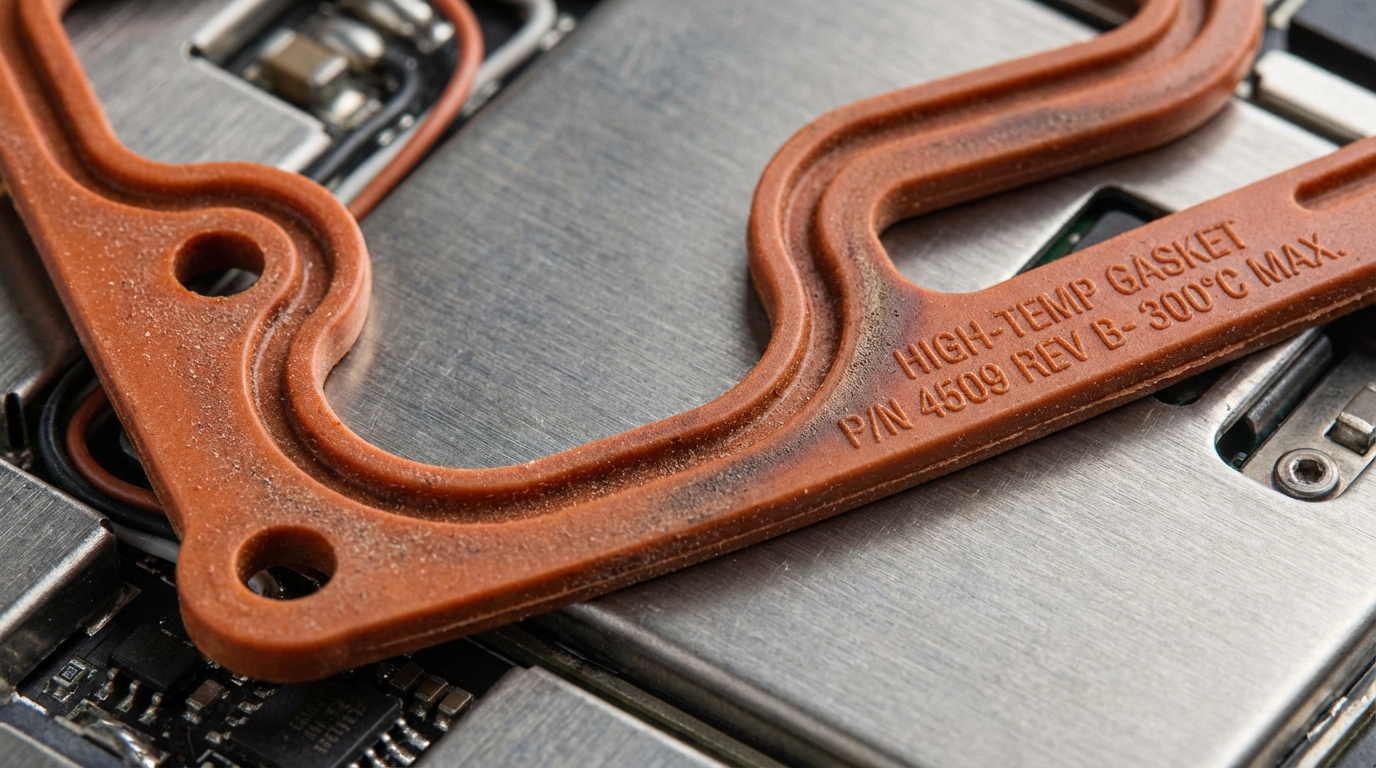
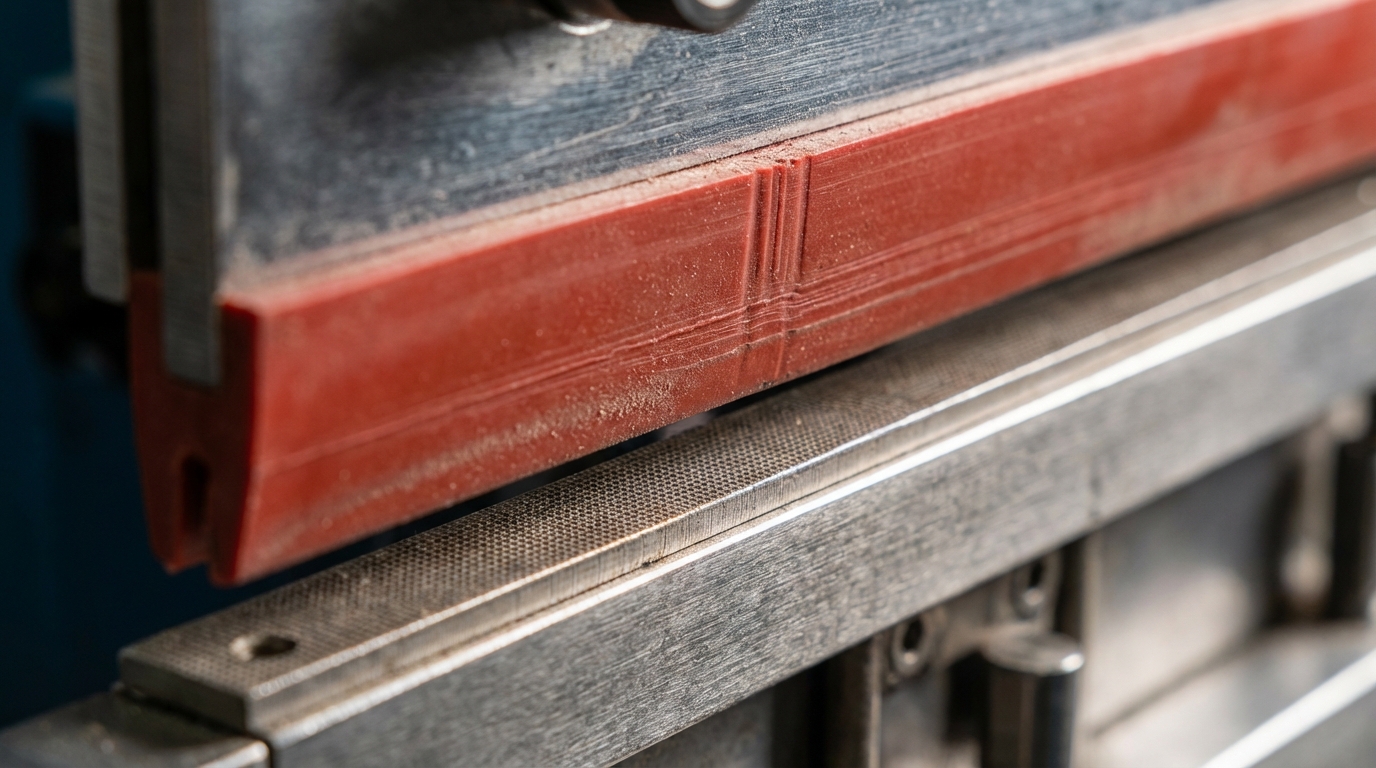
You can specify high-temperature (THT) grades of silicone that use specialized additives to push performance beyond the standard 230°C. When considering if does silicone melt, these additives act as stabilizers that prevent the polymer chain from unzipping. These materials are essential for heavy-duty gaskets in automotive engines and industrial ovens.
Additives for extreme heat
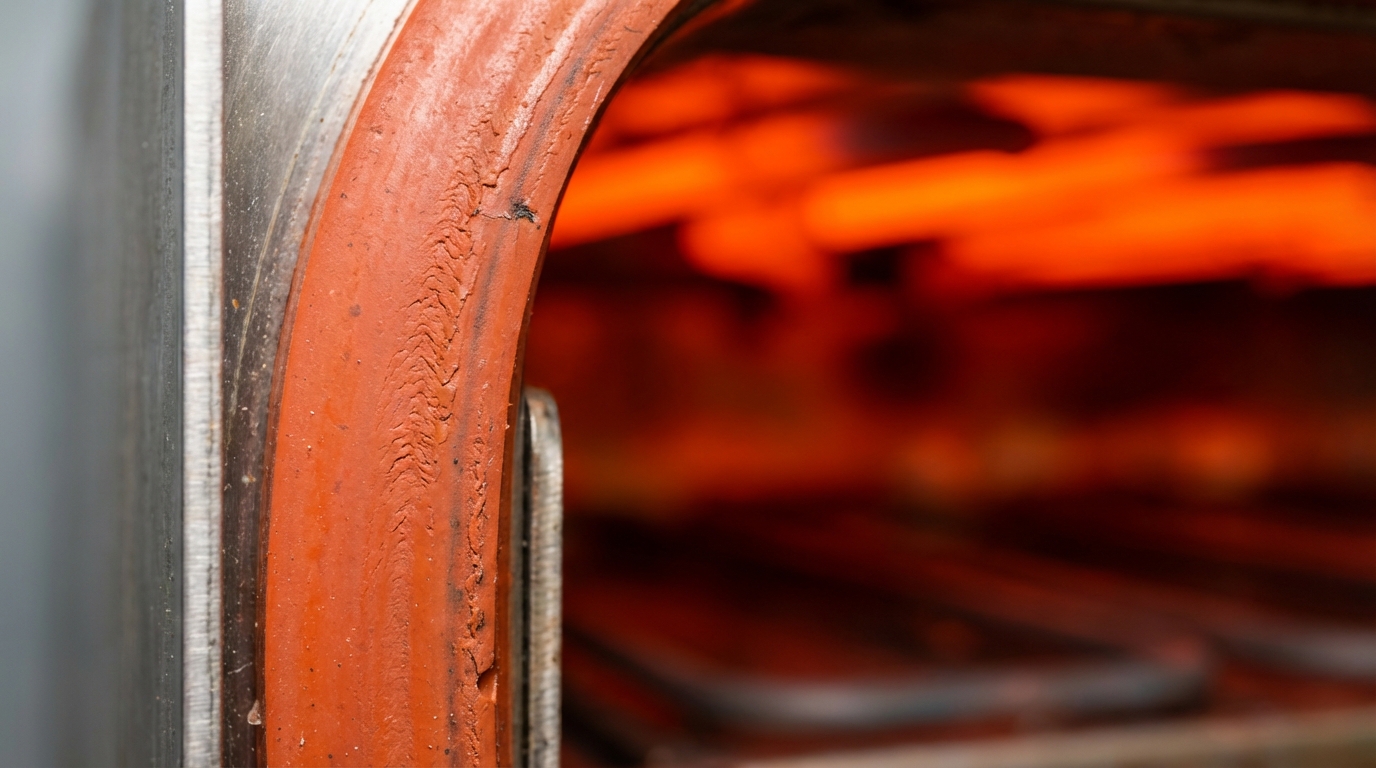
Thermal stabilizers like iron oxide are often added to silicone to increase its resistance to oxidation at high temperatures. These grades typically have a distinctive red or orange color due to the iron content.
The secret is:
- Iron oxide improves heat aging.
- Flame retardants stop combustion.
- Specialized curing agents boost stability.
Key Takeaway: Custom-engineered silicone grades allow you to tackle environments that would destroy general-purpose elastomers.
| Grade Type | Max Continuous | Best Use Case |
|---|---|---|
| General Purpose | 200°C | Wearables, Pet products |
| THT (High Temp) | 250°C | Industrial seals, Gaskets |
| Fluorosilicone | 230°C | Oil & Gas exposure |
Utilizing THT grades provides an extra 50°C of protection for mission-critical industrial components.
Can silicone withstand extreme thermal shock?
Silicone rubber excels in applications where it must transition rapidly between extreme cold and intense heat. If you wonder [does silicone melt] during a sudden blast of 200°C steam after a cold cycle, the answer is no. Its low coefficient of thermal expansion ensures that it does not crack or warp during these rapid shifts.
Resistance to rapid temperature changes
Thermal shock can cause metals to fatigue and plastics to shatter. Silicone’s unique molecular flexibility allows it to absorb the energy of rapid expansion and contraction.
You should know:
- High resistance to thermal cycling.
- No fatigue after repeated shocks.
- Ideal for sterilization equipment.
Key Takeaway: Silicone is the most reliable material for components that face unpredictable and violent temperature fluctuations.
| Property | Silicone Performance |
|---|---|
| Thermal Expansion | Very Low |
| Cycle Resistance | High |
| Shock Survival | Excellent |
Silicone’s ability to maintain its dimensions during shock prevents leaks in critical pressurized systems.
Is silicone safe for steam sterilization cycles?
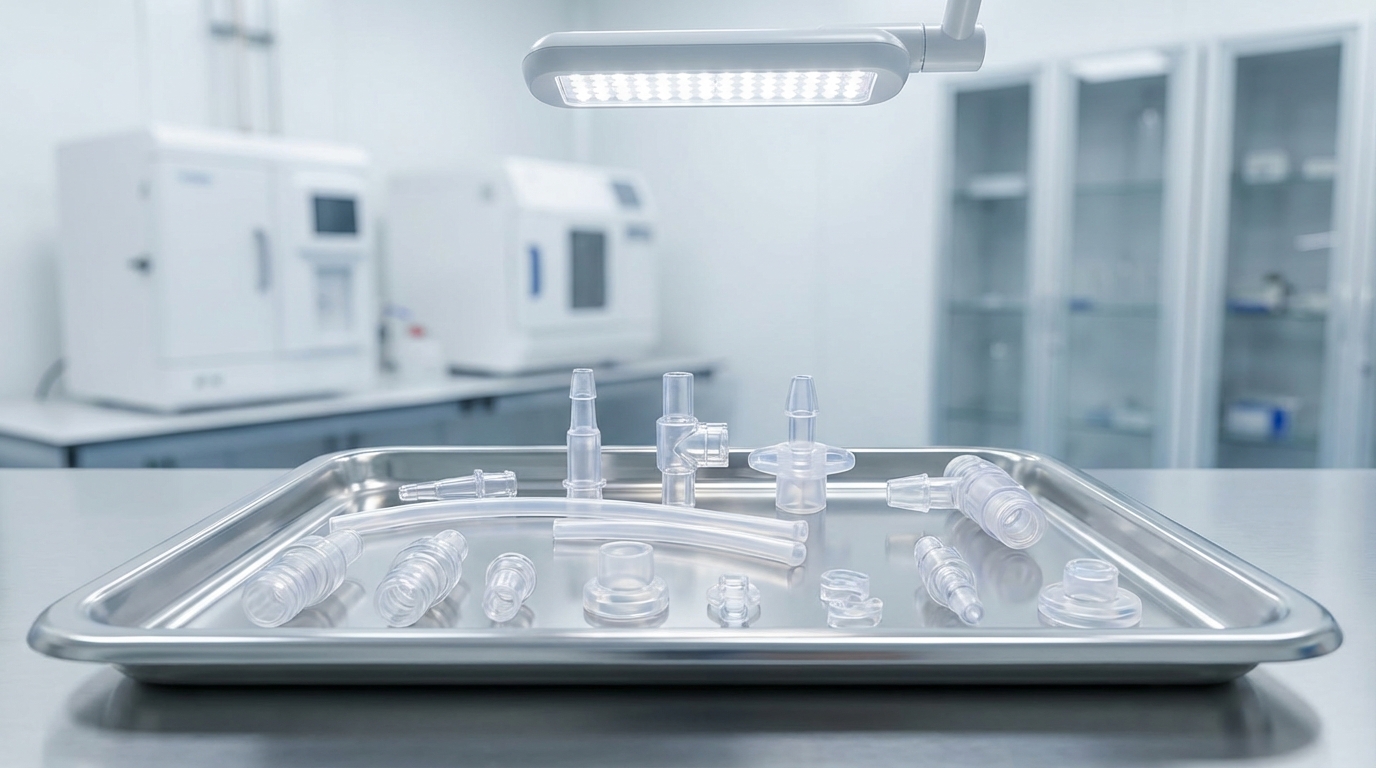
In medical and food processing industries, silicone is the gold standard because it survives repeated autoclave cycles at 134°C. When users ask does silicone melt during sterilization, they are usually concerned about the combination of heat and moisture. Silicone is hydrolytically stable, meaning it won’t break down when exposed to high-pressure steam.
Biocompatibility under heat
Medical-grade silicone retains its biocompatibility even after hundreds of sterilization rounds. This makes it ideal for surgical tools, tubing, and respiratory masks that require frequent cleaning.
Here is the deal:
- FDA and LFGB compliant.
- Survives 134°C steam cycles.
- No leaching of chemicals at high temps.
Key Takeaway: Silicone’s stability under steam ensures your medical and food-grade products remain safe and sterile.
| Process | Temperature | Silicone Status |
|---|---|---|
| Autoclave | 121°C – 134°C | Fully Resistant |
| Dry Heat Sterilizing | 160°C | Fully Resistant |
| Boiling Water | 100°C | Fully Resistant |
Repeated sterilization does not compromise the mechanical properties of high-quality liquid silicone rubber (LSR).
How does heat impact physical properties over time?
While silicone won’t turn to liquid, excessive heat will gradually change its hardness, tensile strength, and elongation. You might notice that [does silicone melt] isn’t the problem, but rather the loss of the “spring-back” effect known as compression set. If a seal loses its ability to push back against a surface, it will eventually leak.
Understanding the compression set
Compression set is the permanent deformation that happens when a material is compressed under heat for a long time. High-quality silicone is designed to have a very low compression set, often less than 15%.
But wait, there’s more:
- Hardness increases with heat aging.
- Elongation (stretch) decreases.
- Tensile strength remains stable until failure.
Key Takeaway: Monitor the compression set of your seals to predict when they will need replacement before a failure occurs.
| Property Change | Effect of Heat |
|---|---|
| Durometer (Hardness) | Increases |
| Elongation at Break | Decreases |
| Seal Integrity | Decreases over time |
Predictive maintenance of silicone seals involves checking for increased hardness caused by prolonged thermal exposure.
What industries require high-temp silicone parts?
Aerospace, automotive, and industrial manufacturing are the primary drivers for high-performance thermal silicone. When these sectors ask does silicone melt, they are usually evaluating it against fluorocarbons or high-performance plastics. Silicone often wins due to its cost-to-performance ratio in environments under 250°C.
Application across critical sectors
From engine gaskets that seal hot oil to gaskets in commercial LED lighting, silicone manages heat better than almost any other elastomer. Its insulating properties also make it vital for protecting high-voltage electronics.
Believe it or not:
- EV batteries use silicone for thermal pads.
- Turbocharger hoses require high heat resistance.
- Aerospace seals must handle -60°C to 200°C.
Key Takeaway: If your industry involves power, engines, or sterilization, silicone is likely your most versatile material option.
| Industry | Core Use Case |
|---|---|
| Automotive | Turbo hoses, gaskets |
| Lighting | High-power LED seals |
| Medical | Sterilizable tubing |
The versatility of silicone allows it to bridge the gap between heavy industrial use and delicate medical applications.
How do you choose the right grade for your heat needs?
Selecting the right silicone depends on balancing peak temperature, continuous load, and environmental factors like oil or chemical exposure. You shouldn’t just ask [does silicone melt], but rather how it will interact with other elements in your system. A standard LSR grade might be perfect for a wearable device, but a solid compression-molded grade might be better for an industrial oven seal.
Customizing your thermal solution
Working with an experienced manufacturer allows you to tailor the hardness and thermal properties of your parts. You can choose specific curing methods, like platinum cure, to ensure maximum purity and thermal stability.
Here is the deal:
- Platinum cure offers better stability.
- Peroxide cure is cost-effective for seals.
- Hardness (Shore A) affects seal pressure.
Key Takeaway: Consult with a technical expert to ensure your selected grade meets both your thermal and mechanical requirements.
| Selection Factor | Consideration |
|---|---|
| Peak Temp | Use THT for >230°C |
| Chemical Contact | Use Fluorosilicone |
| Precision | Use LSR Injection |
Matching the manufacturing process to your thermal requirements is the final step in successful product design.
*
Conclusion
Navigating the thermal complexities of silicone ensures your products remain reliable in the most demanding environments. This article explored the high and low-temperature limits of silicone, the myth of its melting point, and how exposure time dictates component longevity. We’ve solved the problem of material uncertainty by providing clear data on how silicone responds to heat aging and thermal shock.
At Hualin, we specialize in high-precision Liquid Silicone Rubber (LSR) and custom silicone parts that meet the world’s strictest standards, including ISO 13485 and FDA compliance. Our Dongguan-based facility utilizes advanced CNC tooling and cleanroom manufacturing to deliver parts with tolerances as tight as ±0.01mm. We believe that precision engineering shouldn’t just meet specifications—it should push the boundaries of what is possible in material science.
Whether you need heat-resistant automotive gaskets or sterilizable medical components, our team provides full DFM support to optimize your designs. We are committed to accelerating your time-to-market while maintaining 100% traceability and quality.
To discuss your specific thermal requirements or to start a custom project, contact us today.
*
FAQ
Can I use silicone in a commercial oven at 500°F?
Yes, but only for short durations. 500°F is approximately 260°C, which is within the intermittent range for high-temperature silicone grades, though continuous use at this heat will lead to hardening.
What’s the best way to test silicone heat resistance in my lab?
The most effective method is a heat-aging test according to ASTM D573 standards. You should place the sample in a forced-air oven at your target temperature and measure changes in hardness and tensile strength over 70 hours.
How do I know if my silicone is degrading from heat?
Look for physical signs like discoloration, a noticeable increase in hardness (stiffness), and the appearance of surface cracks when the material is flexed. If it crumbles into a powder when pinched, it has reached its thermal end-of-life.
Can I use medical grade silicone for high-heat seals?
Yes, medical-grade silicone is naturally very heat-resistant and survives 134°C sterilization easily. However, if the seal needs to withstand 250°C+ continuously, an industrial THT (High Temperature) grade may be more cost-effective.
What’s the lowest temperature for standard silicone?
-60°C is the standard lower limit for most silicone rubber products. While it stays flexible at this temperature, specialized “Low-Temp” grades can be engineered to remain functional at -100°C for extreme aerospace applications.