
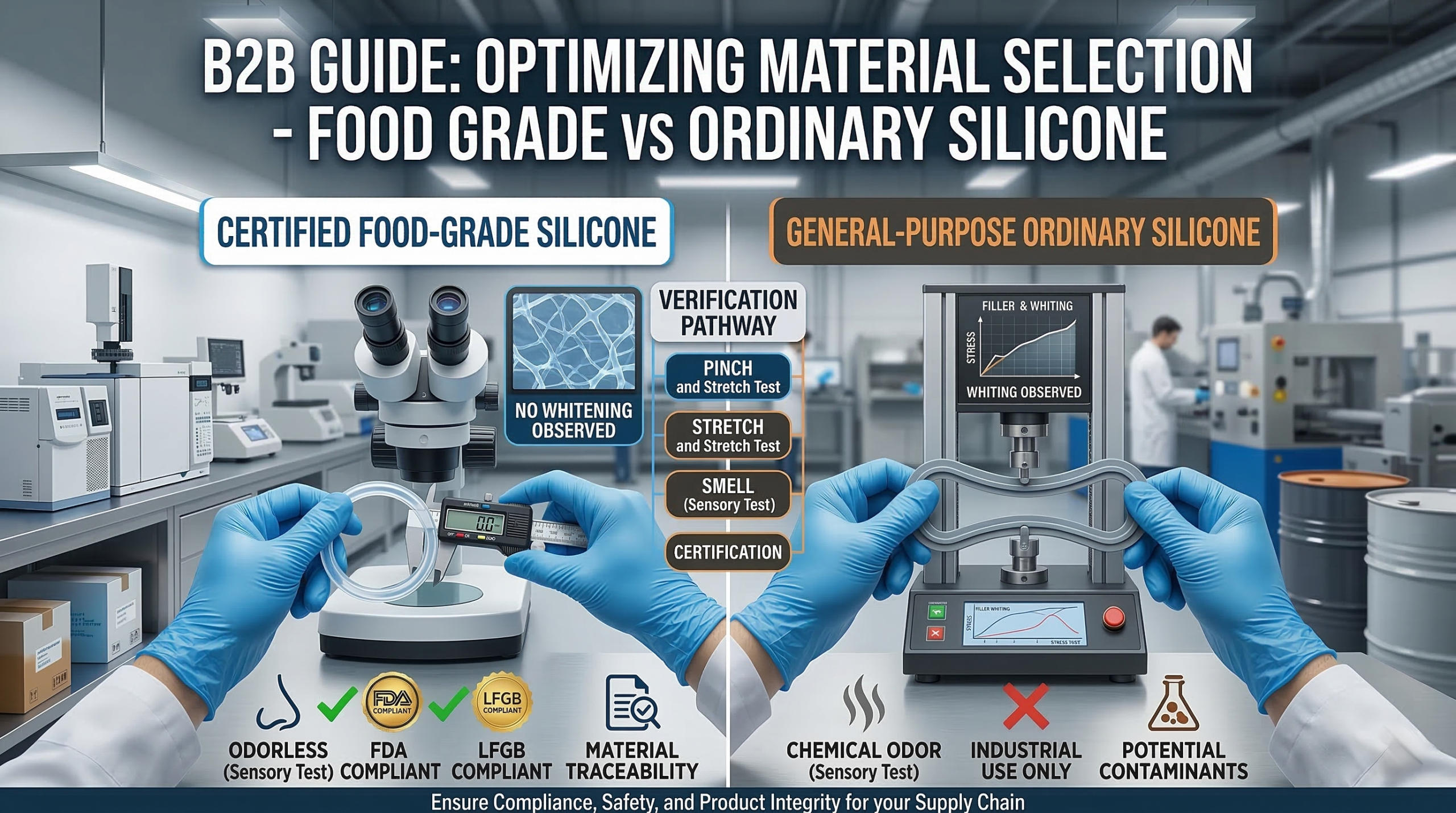
What is ordinary silicone?
Is medical grade silicone the same as food grade silicone? Ordinary silicone, also known as industrial-grade, is an inorganic polymer material primarily used in mechanical, electronic, and automotive applications where direct human or food contact is not a priority. It is characterized by moderate cost and a wide temperature stability range but may contain various fillers and additives that can release odors or turn yellow over time.
Why is it unsuitable for food contact?
Ordinary silicone may release harmful substances or chemical odors when subjected to high heat. But wait, there’s more. The surface of this material often attracts dust and lacks the high purity required for safety.
- Lower transparency levels.
- Tendency to stick to particulates.
- Potential for chemical off-gassing.
Key Takeaway: Ordinary silicone is best reserved for industrial seals and mechanical components where purity is secondary to cost-effectiveness.
| Property | Ordinary Silicone |
|---|---|
| Transparency | Opaque or low transparency |
| Odor | Pungent or chemical scent |
| Safety | Not certified for food contact |
Use this data to quickly eliminate low-grade materials during the initial sample inspection phase.
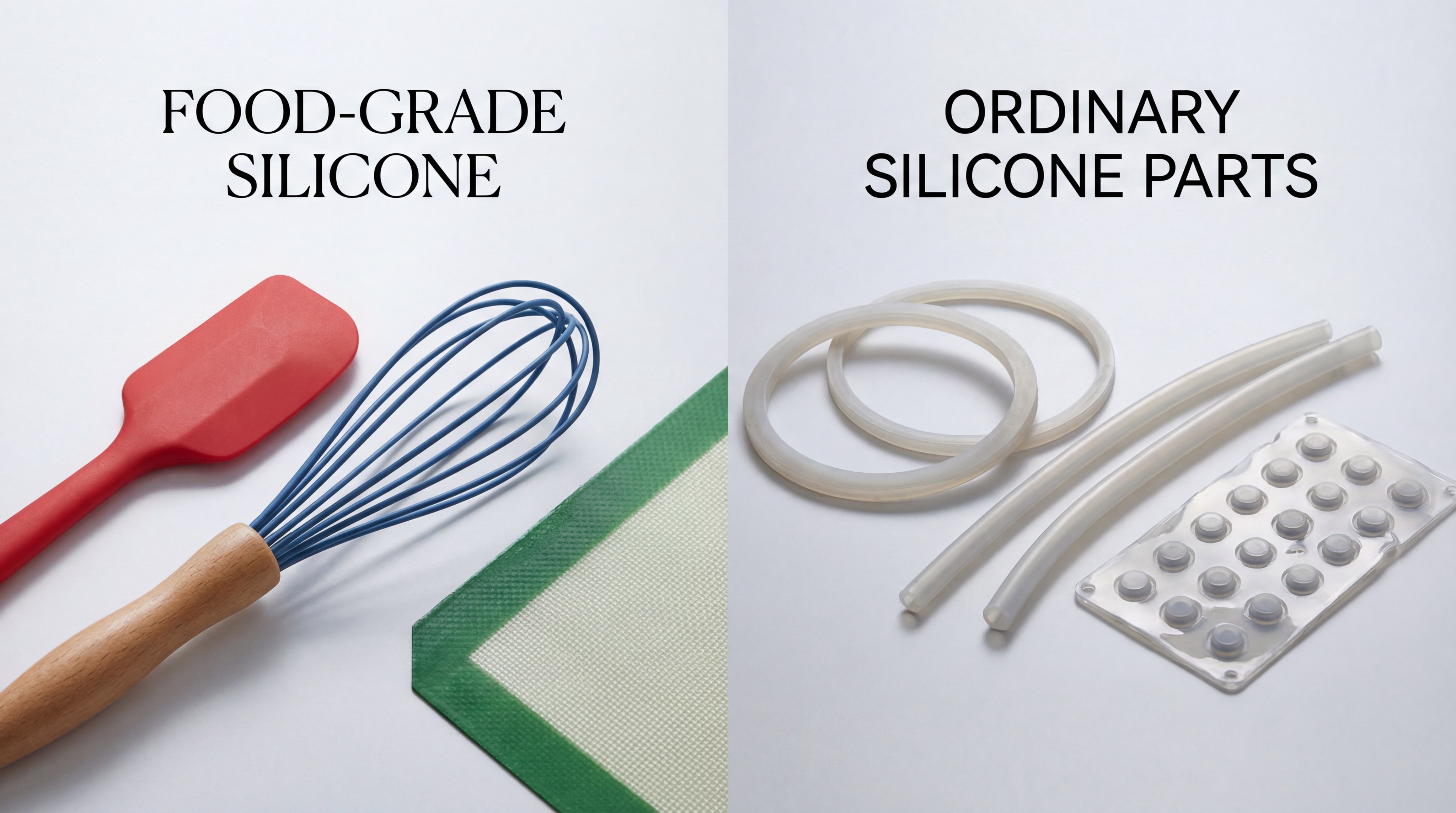
What is food grade silicone?
Is medical grade silicone the same as food grade silicone? Food grade silicone is a refined, non-toxic colloidal material with a silicon dioxide content exceeding 98%. It is specifically engineered to interact safely with edibles, maintaining its integrity without migrating chemicals into the food.
What are its key physical properties?
You will find that food-grade material is highly elastic and resistant to permanent deformation. You might be wondering how it maintains such purity. The secret lies in the platinum-curing process and post-vulcanization steps that eliminate impurities.
- High tear strength.
- Cold and high temperature resistance.
- Zero yellowing or fading.
Key Takeaway: Food grade silicone is the industry standard for kitchenware and baby products due to its extreme purity and chemical stability.
| Property | Food Grade Silicone |
|---|---|
| Safety Standards | FDA/LFGB Compliant |
| Durability | High tear resistance |
| Odor | Odorless after vulcanization |
Review these specifications to ensure your product meets international safety standards for consumer health.
Why distinguish between ordinary and food grade?
Is medical grade silicone the same as food grade silicone? Distinguishing between these grades is a legal and ethical necessity for any brand manufacturing consumer-facing products. Using industrial grade where food grade is required can lead to chemical contamination and serious health risks for the end-user.
Can misuse lead to brand damage?
If you inadvertently use the wrong grade, the long-term impact on your reputation is devastating. And the best part? Proper material identification can act as a competitive advantage in your marketing strategy.
- Risk of product recalls.
- Legal liability issues.
- Consumer health safety.
Key Takeaway: Accurate grade identification is the first line of defense against regulatory non-compliance and brand erosion.
| Impact | Correct Grade Choice |
|---|---|
| Compliance | Full regulatory approval |
| Trust | High consumer confidence |
| Risk | Low liability exposure |
Evaluating these impacts helps justify the investment in higher-quality silicone for sensitive applications.
Who cares about the difference in silicone grades?
Is medical grade silicone the same as food grade silicone? Global procurement experts, product designers, and cross-border e-commerce sellers must maintain a deep understanding of these material differences. Stakeholders in the maternal, infant, and medical sectors are particularly sensitive to these distinctions as they directly impact safety.
Do end consumers really notice?
Today’s consumers are more informed and health-conscious than ever before. You might be wondering if they check for certification logos. In fact, many high-end markets now demand transparency in material sourcing as a prerequisite for purchase.
- Maternal and infant brands.
- Kitchenware retailers.
- Medical device manufacturers.
Key Takeaway: Understanding grade differences is vital for any professional involved in the design or sale of high-purity products.
| Stakeholder | Primary Concern |
|---|---|
| Engineer | Material performance |
| Buyer | Regulatory compliance |
| End User | Health and safety |
Identify which stakeholder perspective is most relevant to your current project to prioritize material testing.
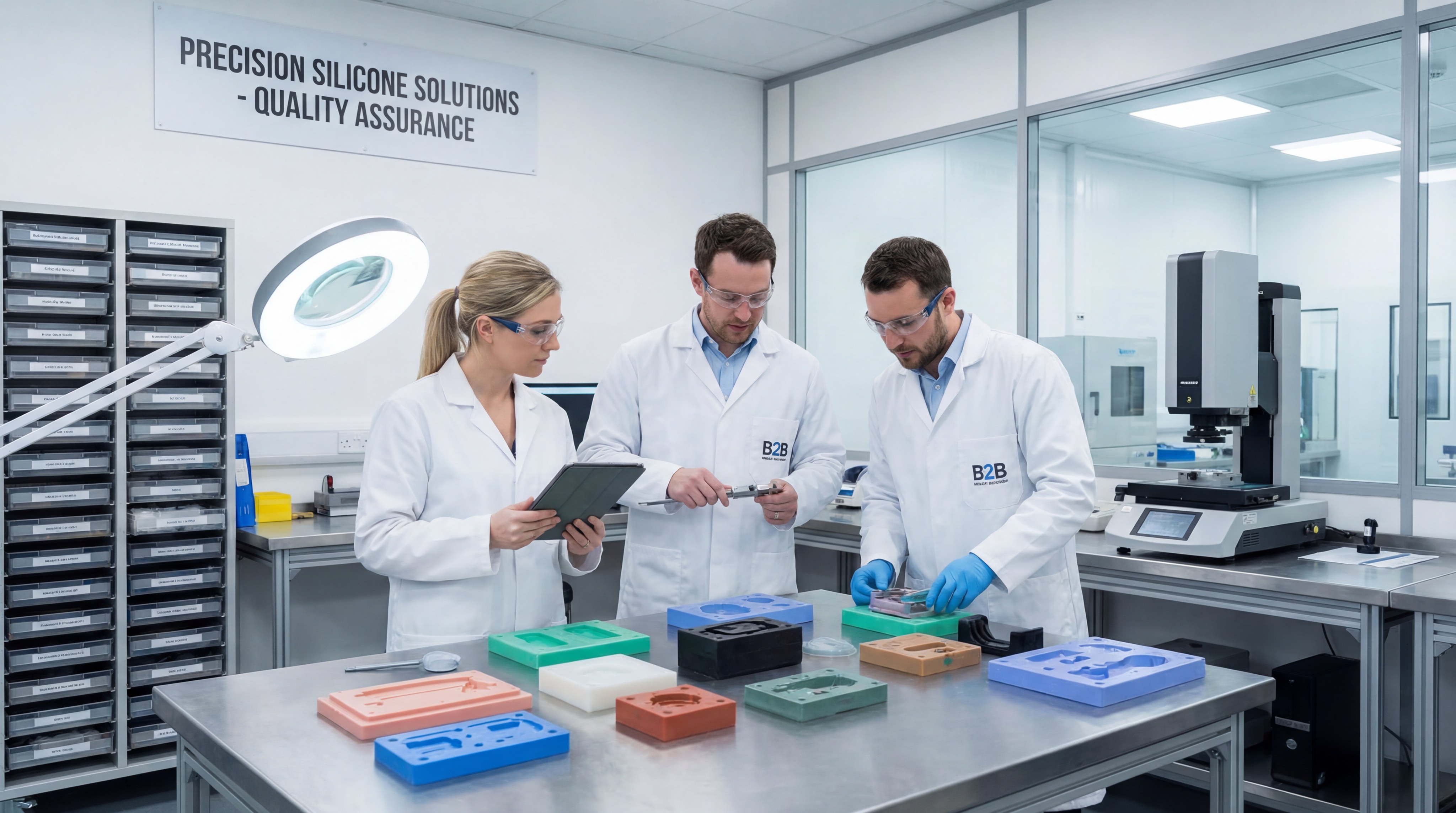
When and where will you use each silicone type?
Is medical grade silicone the same as food grade silicone? Application scenarios dictate the grade selection; food grade is mandatory for pacifiers, straws, and baking mats, while ordinary grade suffices for mechanical seals. Choosing the wrong type in a regulated environment is a recipe for failure.
Are industrial applications different?
You can use ordinary silicone for outdoor sports equipment dust plugs or industrial pipelines safely. But wait, there’s more. If the part touches human skin for extended periods, you should still consider a higher grade for comfort and safety.
- Baby products: Food Grade.
- Kitchen utensils: Food Grade.
- Mechanical gaskets: Ordinary Grade.
Key Takeaway: Match the material grade to the specific contact risk of the application to balance cost and safety.
| Application | Recommended Grade |
|---|---|
| Medical Tubing | Medical/Food Grade |
| Industrial Pipe | Ordinary Grade |
| Baby Teether | Food Grade |
Use this classification guide to streamline your bill of materials (BOM) during the development phase.
How can you distinguish them by smell?
Is medical grade silicone the same as food grade silicone? The olfactory test is one of the quickest ways to identify low-quality silicone, as ordinary grades often retain a sharp, pungent chemical scent. High-quality food-grade silicone is virtually odorless after the secondary vulcanization process is complete.
Is a slight smell always bad?
Even some food-grade products may have a faint scent immediately after production. But wait, there’s more. This “new” smell should dissipate quickly, whereas industrial scents remain permanent.
- Pungent = Ordinary.
- Neutral = Food Grade.
- Acidic = Possible low purity.
Key Takeaway: A lingering chemical odor is a definitive red flag indicating that the material is not food-grade.
| Scent Profile | Likely Grade |
|---|---|
| Pungent/Sharp | Ordinary Industrial |
| Neutral/None | Food Grade |
| Faint/Fading | Newly produced FG |
Conduct a simple smell test in a controlled environment to verify your sample quality instantly.
Is there a difference in touch and texture?
Is medical grade silicone the same as food grade silicone? Texture and tactile feedback offer subtle clues; food-grade silicone feels smoother, more delicate, and significantly less oily than its industrial counterpart. Ordinary silicone often feels rougher and is more prone to attracting surface dust due to its static properties.
Does toughness indicate quality?
You will notice that food-grade silicone has superior toughness and will not permanently deform under stress. And the best part? It maintains a soft touch even after thousands of uses.
- Smooth and non-greasy surface.
- Excellent elastic recovery.
- High resistance to surface debris.
Key Takeaway: The tactile quality of silicone is often a direct reflection of its internal purity and curing method.
| Tactile Feature | Food Grade | Ordinary |
|---|---|---|
| Surface Feel | Smooth/Silk-like | Rough/Sticky |
| Elasticity | Very High | Moderate |
| Dust Attraction | Low | High |
Analyze the surface finish of your samples to gauge the refinement of the production process.
What is the pinch or twist test for silicone?
Is medical grade silicone the same as food grade silicone? The “pinch test” involves twisting the silicone to see if white stress marks appear on the surface. If you see white streaks, the material likely contains plastic fillers or is a lower ordinary grade.
What does the color change mean?
A high-quality FDA or LFGB certified product will maintain its color consistency even when stretched to its limit. You might be wondering why some “food grade” items still turn white. This often indicates the use of peroxide curing instead of platinum curing.
- White streaks = Filler presence.
- No color change = High purity.
- Fast recovery = Platinum cured.
Key Takeaway: The pinch test is a reliable field method to detect the presence of cheap fillers in silicone products.
| Test Result | Indication |
|---|---|
| Turns White | Contains fillers (Ordinary) |
| Remains Same | Pure Silicone (Food Grade) |
| Slow Recovery | Low-quality curing |
Perform this physical test on every sample batch to ensure material consistency across your inventory.
How do certifications like FDA and LFGB differ?
Is medical grade silicone the same as food grade silicone? Certifications provide the legal framework for food-grade status; FDA (USA) and LFGB (Germany/Europe) are the two primary global standards. While both ensure safety, LFGB is generally considered more rigorous as it involves stricter migration testing.
Which standard should you choose?
You should choose LFGB if you are exporting to Europe or want the absolute highest quality tier. But wait, there’s more. Products passing LFGB will almost always pass the twist test without any color change.
- FDA: Basic food safety standard.
- LFGB: Premium safety standard.
- Post-curing: Essential for both.
Key Takeaway: LFGB certification is the “gold standard” for brands demanding zero chemical migration and maximum material purity.
| Certification | Market Focus | Strictness |
|---|---|---|
| FDA | North America | Standard |
| LFGB | Europe/High-end | High |
| ISO 10993 | Medical | Extreme |
Consult with your manufacturer to determine which certification aligns best with your target market’s regulations.
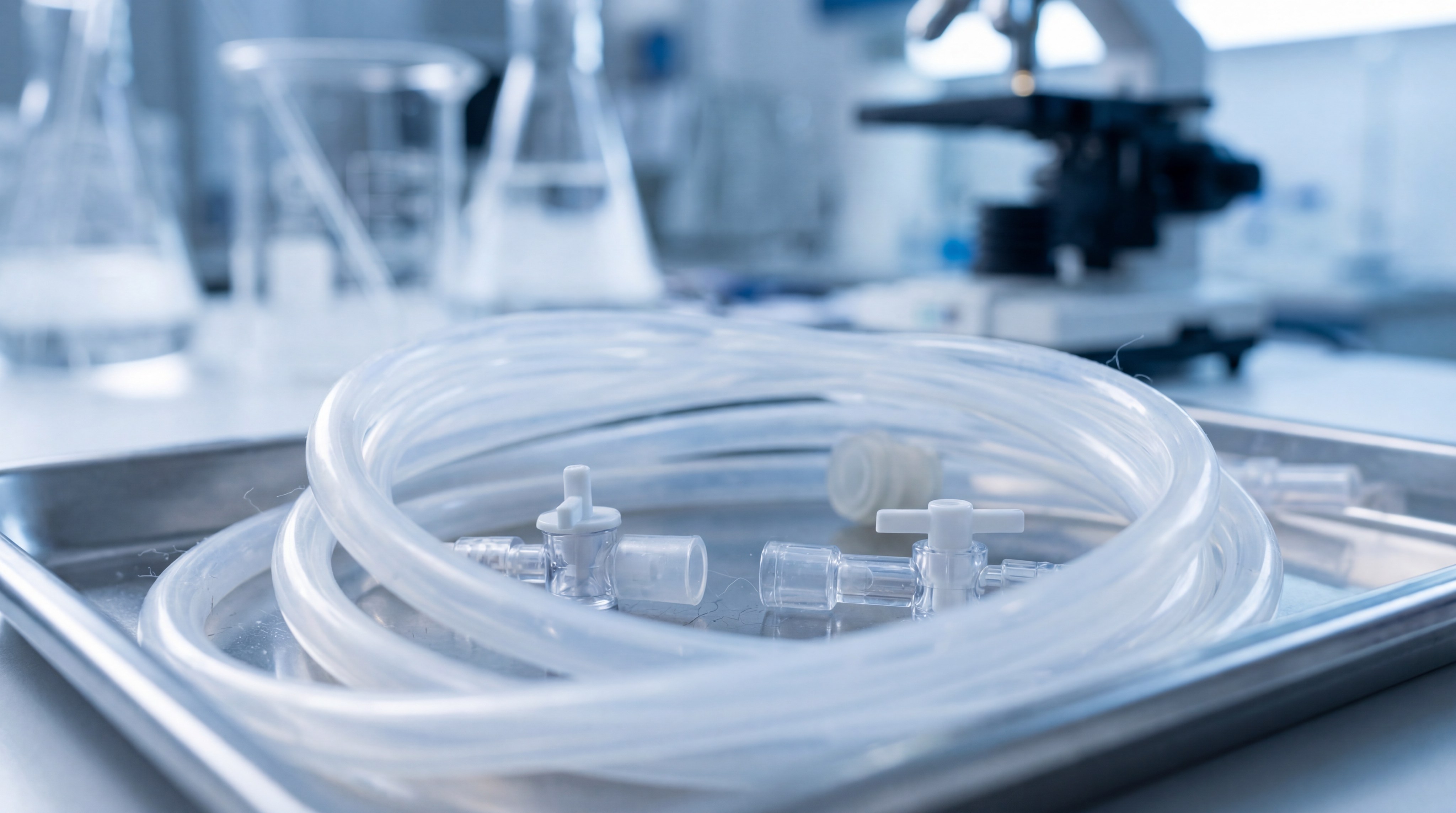
What role does manufacturing play in silicone quality?
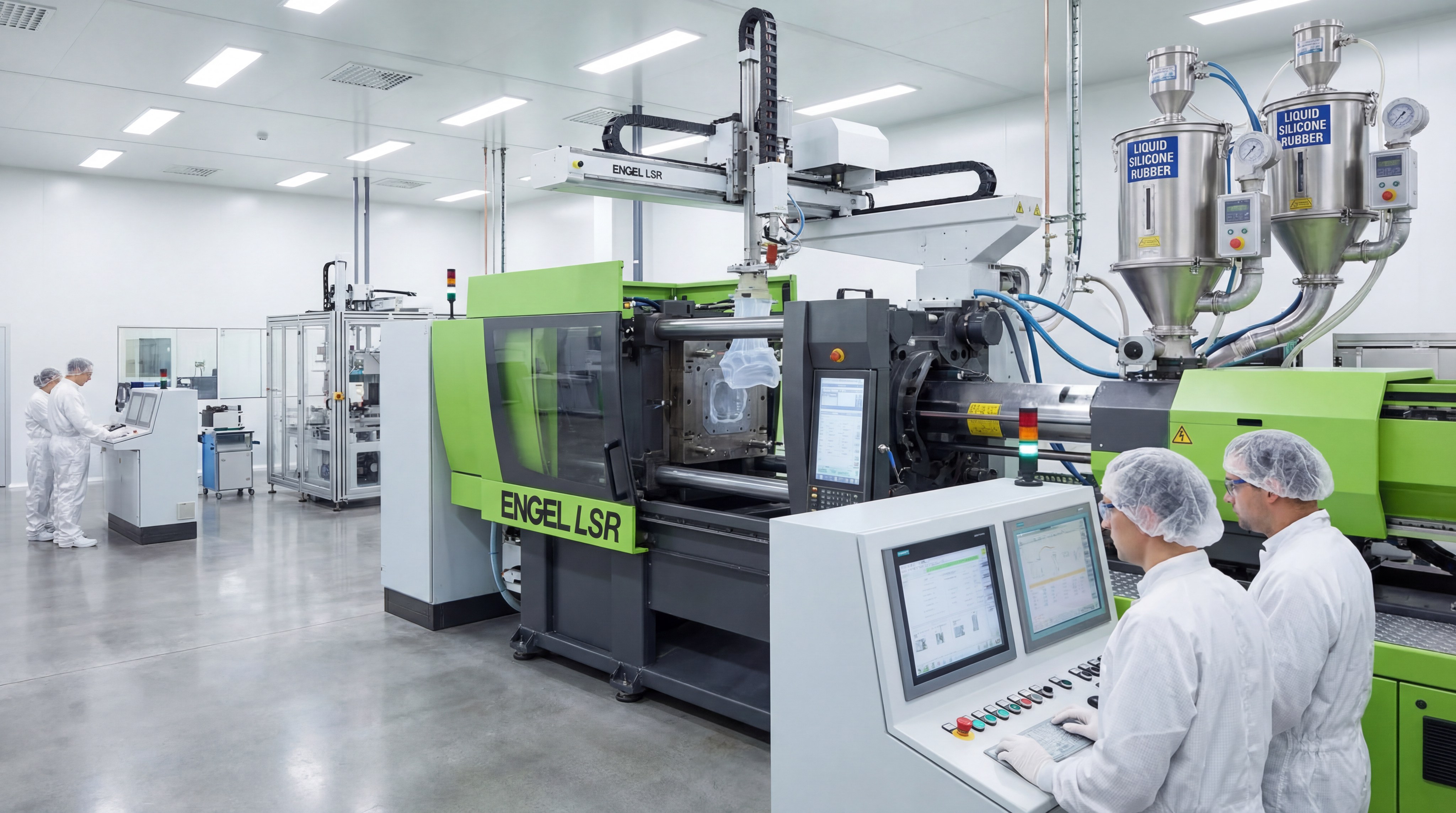
Is medical grade silicone the same as food grade silicone? Quality silicone is not just about the raw material; it depends on the precision of the molding process and the cleanliness of the production environment. High-end manufacturers like Hualin utilize Liquid Silicone Rubber (LSR) injection molding to achieve superior consistency and purity.
Why is post-curing necessary?
You might be wondering why some food-grade silicone still has a faint odor. The best part of a professional manufacturing process is the “secondary vulcanization” step, which bakes out residual volatiles.
- LSR vs. Solid Compression.
- Cleanroom production standards.
- Automated injection precision.
Key Takeaway: Professional manufacturing ensures that the food-grade potential of the raw material is fully realized in the final product.
| Manufacturing Step | Purpose |
|---|---|
| Platinum Catalyst | Ensures no toxic byproducts |
| Secondary Cure | Removes volatile organic compounds |
| LSR Injection | Provides airtight precision |
Partner with a factory that integrates these advanced processes to guarantee the safety of your silicone components.
Expert Analysis of Silicone Differentiation
Identifying the correct silicone grade is a multi-layered process involving sensory testing, physical stress trials, and certification verification. While the pinch test and odor check provide immediate field results, laboratory certification remains the only definitive proof of compliance. For high-stakes B2B procurement, focusing on platinum-cured LFGB standards offers the most robust protection against material failure.
Common Questions Regarding Silicone Grades
Can I use ordinary silicone for a temporary food-contact part?
No, you should never use ordinary silicone for food contact as it can leach harmful chemicals into edibles even during short exposure.
What’s the best way to verify a supplier’s food-grade claim?
The most reliable method is to request a recent test report from a third-party lab like SGS, TUV, or Intertek that matches the batch number of your order.
How do I know if my silicone is platinum-cured or peroxide-cured?
Platinum-cured silicone usually passes the pinch test without turning white and lacks the faint vinegar-like odor often associated with peroxide-cured variants.
Can food-grade silicone turn yellow over time?
Generally, high-quality food-grade silicone is resistant to yellowing; if it changes color, it likely contains impurities or was not properly post-cured.
Is food-grade silicone safer than BPA-free plastic?
Yes, food-grade silicone is widely considered safer because it is chemically inert and does not contain phthalates or other endocrine disruptors common in plastics.
Conclusion & Action Strategy
Distinguishing between ordinary and food-grade silicone is the foundation of product safety and brand integrity. By utilizing sensory tests like smell and touch, alongside physical evaluations like the pinch test, you can identify high-purity materials effectively. Always prioritize FDA and LFGB certifications to ensure global compliance.
At Hualin, we are dedicated to advancing the standards of silicone manufacturing through rigorous quality control and technical expertise. We invite you to contact us today to discuss how our certified food-grade solutions can elevate your next project.