
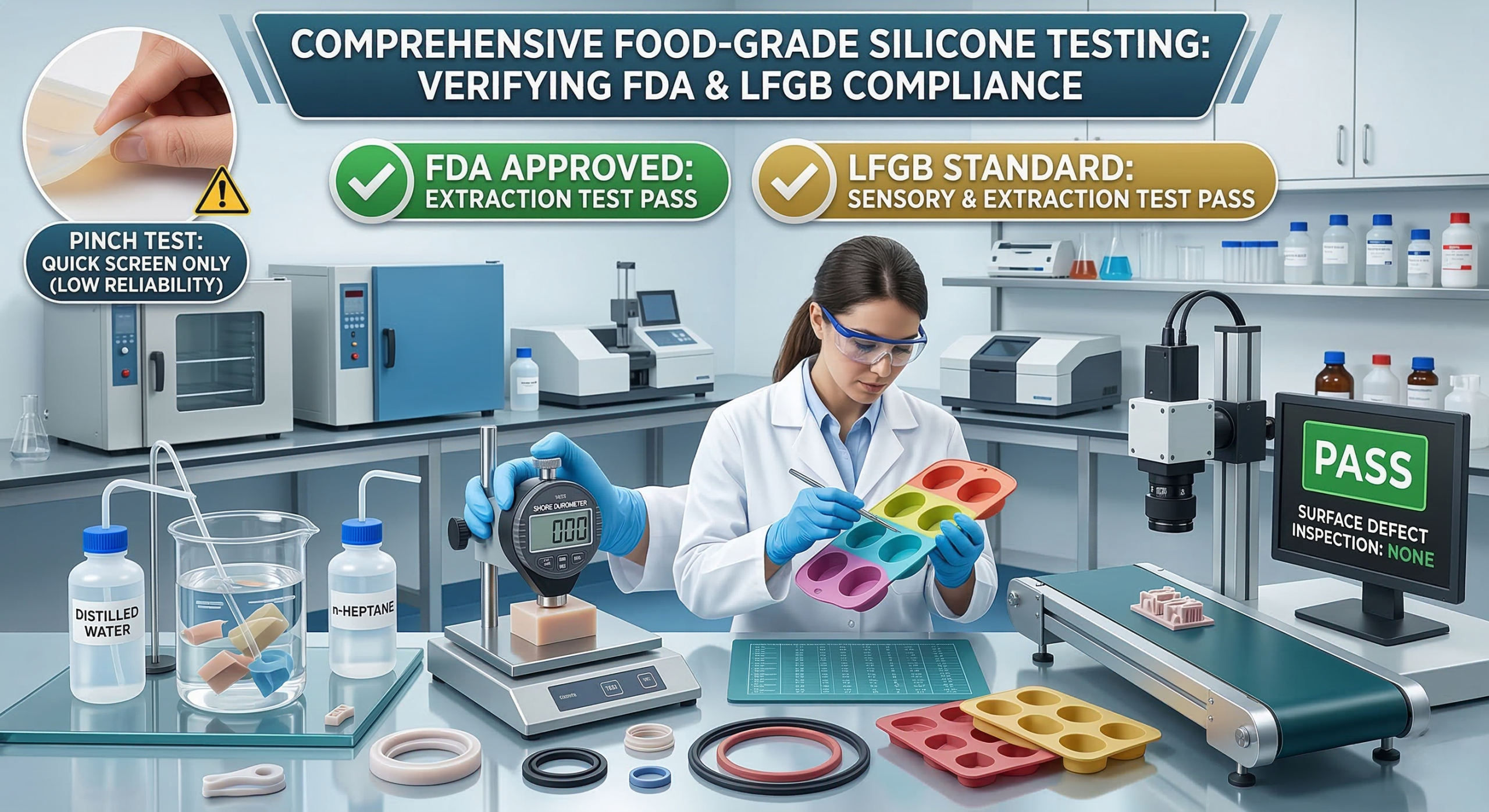
You test food-grade silicone by subjecting it to lab-verified extraction tests and chemical resistance evaluations. Using non-compliant silicone in food production leads to toxic leaching and massive financial loss. A single failed batch can trigger global recalls, legal nightmares, and the permanent death of your brand reputation. By learning What is FDA approved silicone and how is it tested?, you can choose verified materials that guarantee consumer safety.
What defines food-grade silicone?
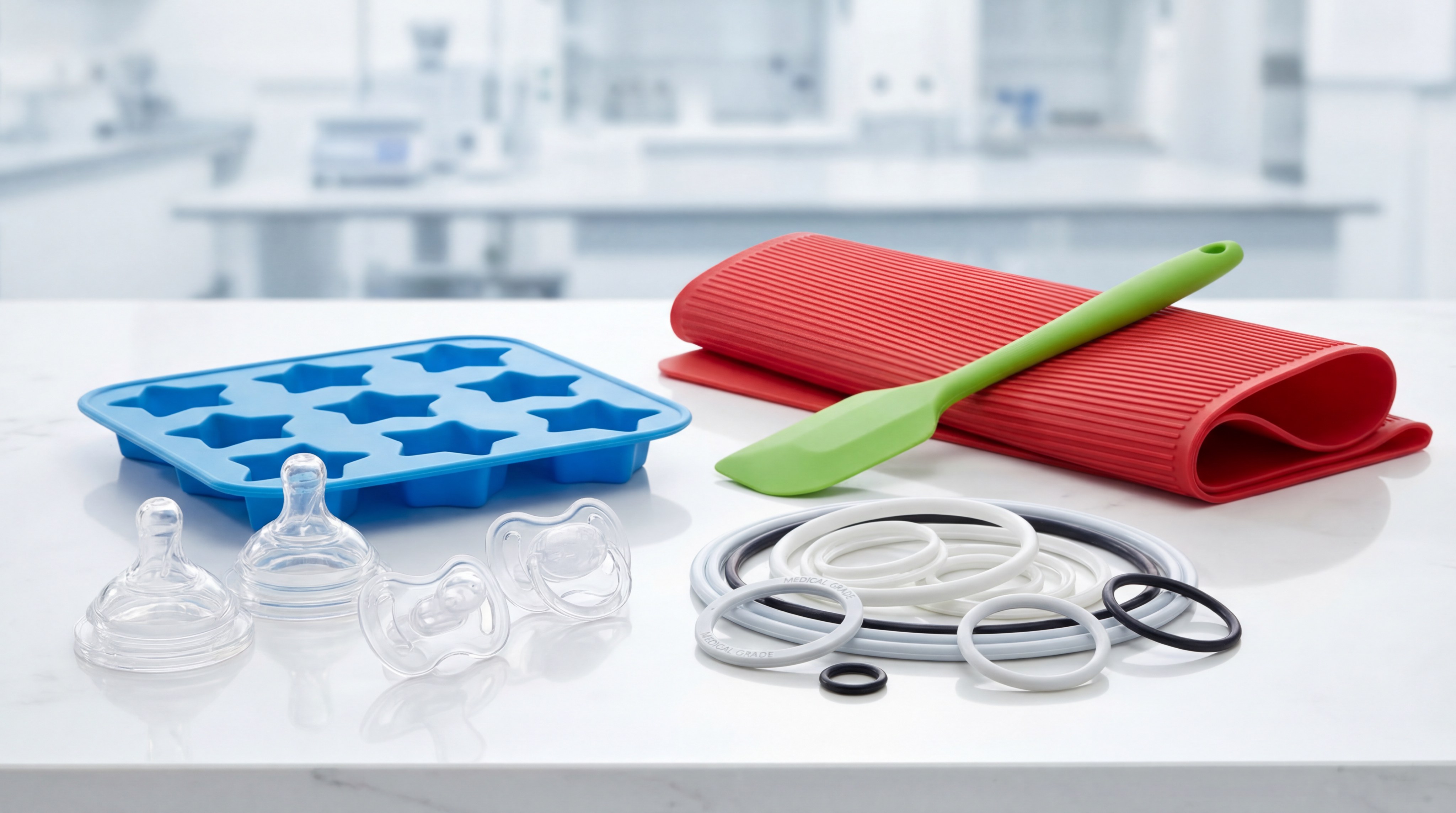
Food-grade silicone is a synthetic polymer made of non-toxic silica that remains stable under thermal stress. To secure your supply chain, you must understand What is FDA approved silicone and how is it tested? before production. This material is resistant to extreme temperatures and stresses common in industrial kitchens.
Think about it.
- It must be animal fat resistant.
- Waterproof properties are mandatory.
- Chemical resistance is a core requirement.
- It must not leach toxic fillers.
Is silica naturally safe?
Silica is the primary component and is generally non-toxic. However, the manufacturing process determines final safety.
Why use it over plastic?
Silicone offers superior heat resistance and durability. It does not crack or degrade like traditional plastics.
Key Takeaway: Verified food-grade silicone must be animal fat and chemical resistant to be safe for kitchen use.
| Feature | Requirement |
|---|---|
| Primary Material | Non-toxic Silica |
| Temperature Range | -60°C to 200°C+ |
| Chemical Stability | High |
This material foundation ensures that your products do not react with diverse food groups during processing.
Is the pinch test actually reliable?
The pinch test is a quick manual check where you twist the material to see if white fillers appear. Knowing what is FDA approved silicone and how is it tested? involves more than just physical tugging. While helpful for a quick check, it is not a scientific verification.
In short:
- Twist the silicone firmly.
- Watch for white color changes.
- Pure silicone retains its color.
- Fillers cause white streaks.
What does the white mean?
White streaks indicate the presence of cheap fillers like plastic or clay. These fillers can off-gas during high-heat cooking.
Should you trust your eyes?
Visual checks are a great first step but cannot replace lab results. Always request official material reports.
Key Takeaway: The pinch test is a useful screening tool for fillers but lacks the precision of laboratory extraction analysis.
| Test Method | Reliability | Primary Goal |
|---|---|---|
| Pinch Test | Low | Filler detection |
| Lab Extraction | High | Chemical safety |
Relying solely on manual tests exposes your business to significant compliance risks and potential product failure.
How does the FDA test for extraction?
The FDA uses specific aqueous and fatty food simulants to measure the amount of substances that migrate into food. Understanding What is FDA approved silicone and how is it tested? involves reviewing CFR Title 21 requirements. These tests ensure the material is safe for direct contact during manufacturing or holding.
The best part?
- Extractives are measured in milligrams.
- Distilled water is a common simulant.
- n-Heptane mimics fatty food contact.
- Limits are strictly regulated by law.
What is the migration limit?
The FDA sets strict thresholds for total extractives. Exceeding these limits renders the material non-compliant for food use.
Is the test destructive?
Yes, samples are usually submerged in solvents for set periods. This simulates long-term exposure in real-world scenarios.
Key Takeaway: FDA testing focuses on the quantity of chemicals that migrate from the silicone into different food types.
| Simulant | Food Type Mimicked | Requirement |
|---|---|---|
| Distilled Water | Aqueous foods | Low extraction |
| n-Heptane | Fatty foods | High resistance |
Successful extraction results prove that the silicone remains chemically inert when in contact with various ingredients.
Why is the LFGB standard more strict?
LFGB testing is more rigorous than FDA standards because it includes additional sensory tests for odor and taste transfer. While many ask what is FDA approved silicone and how is it tested?, the European market demands higher compliance via the LFGB framework. This ensures no “off” flavors are imparted to delicate food items.
Here is why:
- It includes a sensory test.
- Odor transfer is strictly monitored.
- Taste changes are grounds for failure.
- LFGB products are often premium.
Is LFGB better for Europe?
Yes, it is the legal standard for Germany and much of the EU. It is widely considered the “gold standard” globally.
Does it cost more?
LFGB certified materials are typically more expensive due to higher purity. Many premium brands prefer this for better consumer trust.
Key Takeaway: LFGB standards surpass the FDA by evaluating sensory impacts like smell and taste on the final food product.
| Standard | Region | Focus |
|---|---|---|
| FDA | USA/International | Chemical extraction |
| LFGB | Germany/Europe | Extraction + Sensory |
Choosing between these standards depends on your target market and the sensitivity of the food being processed.
Does scent indicate low quality?
A strong chemical smell usually suggests that the silicone has not been properly post-cured or contains low-grade additives. If you want to know What is FDA approved silicone and how is it tested?, checking for residual odors is a vital field check. High-quality silicone should be virtually odorless once it reaches the consumer.
The bottom line:
- Strong odors indicate volatile compounds.
- Post-curing removes these residues.
- Cheap catalysts often cause smells.
- Food safety requires odor-neutrality.
Can smells be removed?
Proper baking at high temperatures during manufacturing usually eliminates odors. If a smell persists, the material may be low-grade.
How do I test scent?
Smell the product at room temperature and then after heating. If it smells like plastic when warm, it likely contains fillers.
Key Takeaway: Odor is a primary indicator of improper curing or the presence of non-food-grade chemical catalysts.
| Odor Profile | Likely Cause | Safety Status |
|---|---|---|
| Neutral/None | Proper Post-Curing | High |
| Sharp/Chemical | Residual Volatiles | Questionable |
Professional manufacturers use secondary curing processes to ensure every component meets high-purity, odor-free requirements.
How do factory labs verify materials?
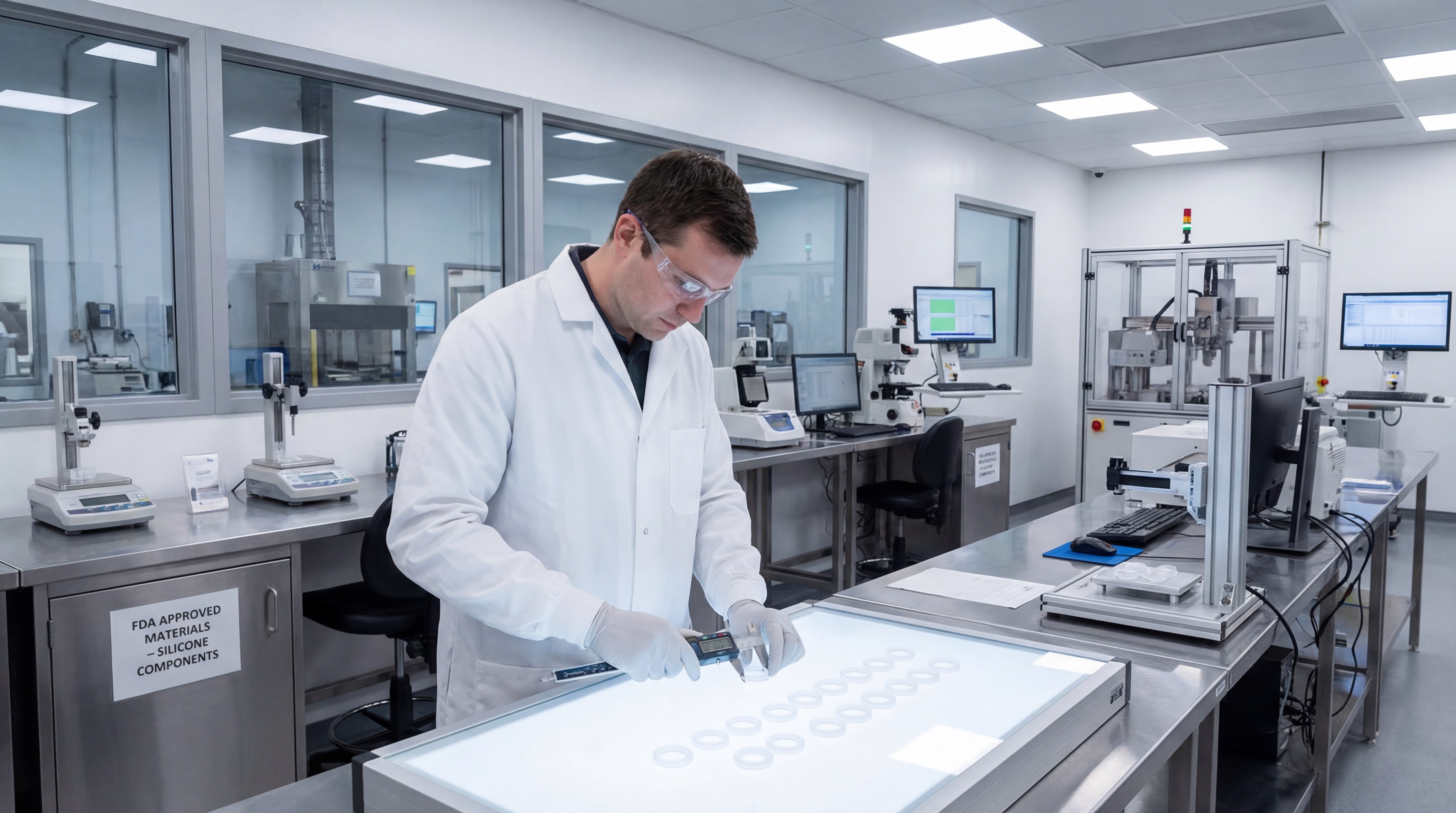
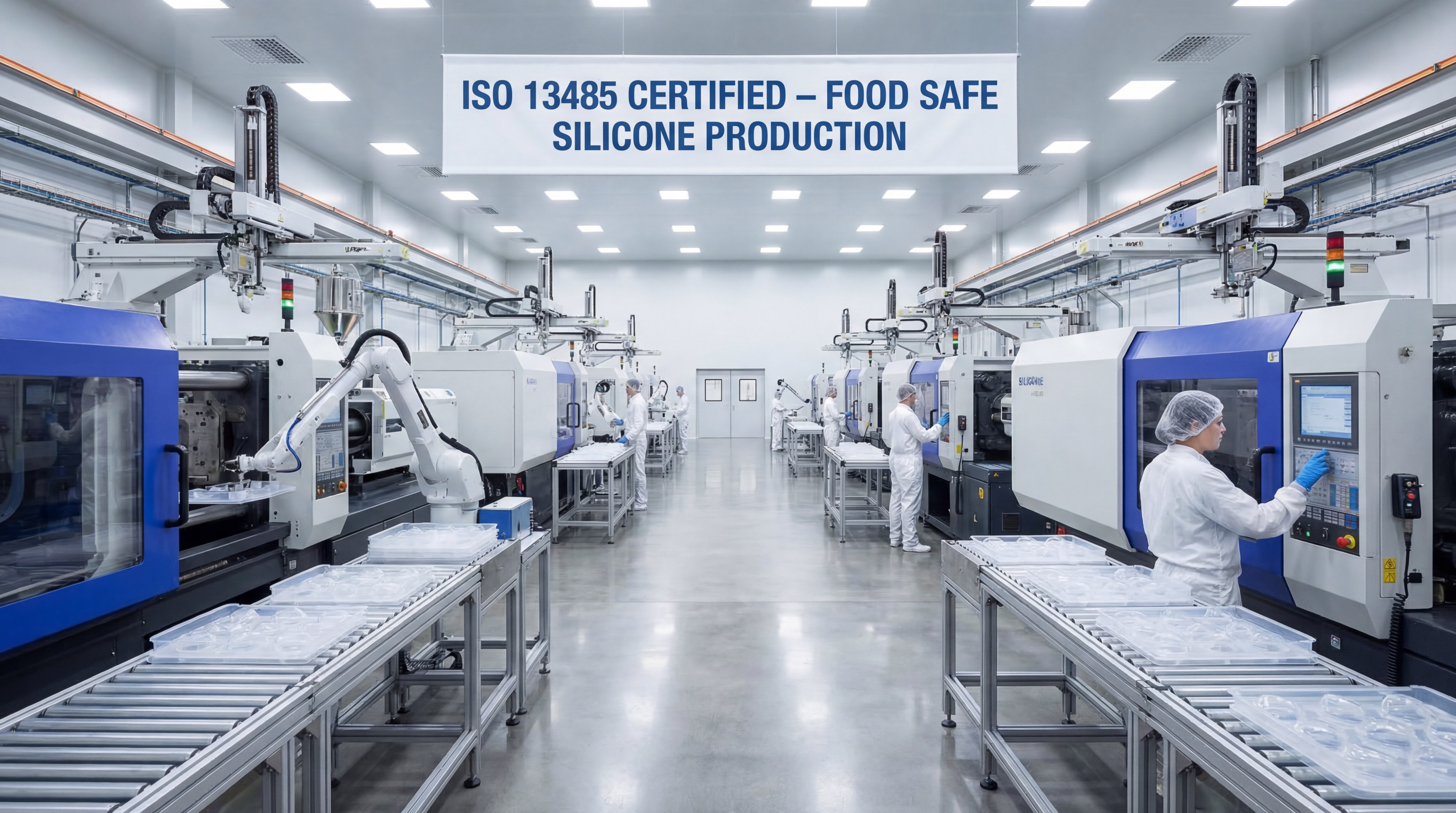
Factories use specialized equipment like Shore durometers and optical comparators to verify the physical properties of every batch. Knowing what is FDA approved silicone and how is it tested? is only half the battle; the other half is consistent QC. At HuaLin, we utilize a three-stage quality control system to ensure material integrity.
It gets better.
- IQC checks incoming raw materials.
- IPQC monitors real-time production.
- FQC performs the final inspection.
- Batch records ensure full traceability.
What is a Shore durometer?
This device measures the hardness of the silicone. Standard food-grade silicone usually ranges from 10A to 80A.
Is automated inspection used?
Yes, CCD visual inspection systems catch surface defects. This ensures appearance consistency for high-end Smart Wearable Silicone and food parts.
Key Takeaway: Factory-level testing ensures that mass-produced items match the approved laboratory samples in every batch.
| Inspection Stage | Primary Tool | Goal |
|---|---|---|
| Incoming (IQC) | Material Reports | Purity |
| In-Process (IPQC) | Shore Durometer | Consistency |
This rigorous workflow prevents defective or non-compliant materials from ever reaching the shipping department.
Can silicone withstand extreme heat?
Silicone is famous for its thermal stability, maintaining its shape and safety from -60°C to well over 200°C. Investigating What is FDA approved silicone and how is it tested? confirms its suitability for both freezing and baking. Unlike rubber or plastic, it does not melt or become brittle under these conditions.
Consider this:
- It handles oven temperatures easily.
- Freezer storage does not crack it.
- It remains flexible when cold.
- Thermal shock does not damage it.
Does heat cause leaching?
Properly tested food-grade silicone remains inert at high temperatures. This is why it is preferred for professional baking molds.
Is it safe for microwaves?
Yes, silicone does not absorb microwaves and remains stable. This makes it ideal for modern kitchenware and food storage.

Key Takeaway: High heat resistance is a core safety feature that prevents chemical leaching during cooking or sterilization.
| Environment | Temperature | Silicone Behavior |
|---|---|---|
| Freezer | -60°C | Stays flexible |
| Oven | 220°C | Maintains shape |
This thermal versatility allows for the creation of multi-functional tools that transition from the freezer to the oven.
What role does DFM play in safety?
Design for Manufacturing (DFM) ensures that the silicone part is structured to prevent bacterial traps and ensure even curing. Even if you understand what is FDA approved silicone and how is it tested?, a poor design can still lead to safety failures. Expert DFM suggestions help optimize the geometry for both performance and hygiene.
Think about it.
- Smooth surfaces prevent bacteria growth.
- Proper wall thickness ensures curing.
- Draft angles help in clean demolding.
- Radiused corners are easier to wash.
Can design affect toxicity?
If a part is too thick, the core might not cure properly. Uncured silicone can contain higher levels of volatile compounds.
Why use DFM for food parts?
It reduces the risk of air bubbles and surface defects. These defects can harbor food particles and lead to mold.
Key Takeaway: Intelligent design is just as important as material purity for maintaining long-term food safety and hygiene.
| Design Aspect | Safety Benefit |
|---|---|
| Rounded Edges | Easier cleaning |
| Uniform Walls | Complete curing |
| Smooth Finish | Bacteria resistance |
Optimizing your design early in the development cycle prevents costly tooling changes and hygiene-related product recalls.
How to spot a fake certification?
Verifying a certification requires checking the registration number against the issuing lab’s official database. When researching What is FDA approved silicone and how is it tested?, always ask for a traceable report from a third party like SGS or TUV. Fake reports often lack specific batch numbers or have mismatched company names.
Don’t be fooled.
- Check the laboratory name.
- Verify the report date.
- Look for the material grade.
- Call the lab to confirm.
What should a report include?
A valid report lists the specific test methods used. It must clearly state whether the sample passed or failed the extraction limits.
Why are batch numbers key?
A certification is only valid for the specific material lot tested. Always ensure your supplier provides reports for the current batch.
Key Takeaway: Authentic safety certifications are third-party verified and directly traceable to the specific material batch produced.
| Report Element | Checkpoint |
|---|---|
| Lab Signature | Must be official |
| Test Method | Must be FDA/LFGB |
| Result | Must say “Pass” |
Verification protects your brand from deceptive suppliers who might use industrial-grade silicone to save on production costs.
Are batch records vital for safety?
Batch records provide a complete history of the material, from raw components to the final molded product. While knowing what is FDA approved silicone and how is it tested? is fundamental, records allow you to pinpoint issues if a failure occurs. This traceability is a requirement for medical and high-end food applications.
The reality is:
- Records prove consistent material use.
- They show precise curing times.
- Operator logs track quality steps.
- Shipping data links batches to customers.
How long are records kept?
Professional factories usually keep records for several years. This allows for long-term accountability and safety audits.
Do I need them for retail?
Yes, many major retailers require full traceability before listing a product. It is a standard part of modern supply chain management.
Key Takeaway: Comprehensive batch records are the final pillar of a safety system, ensuring accountability for every part produced.
| Record Type | Data Captured |
|---|---|
| Raw Material Log | Purity & Source |
| Production Log | Time & Temperature |
| QC Report | Dimensions & Pass/Fail |
Traceability ensures that any quality deviations can be isolated quickly, minimizing the impact of potential safety issues.
*
Summary and Action Plan
Navigating the world of food-grade silicone requires a balance of chemical knowledge and rigorous manufacturing discipline. By focusing on verified FDA and LFGB standards, you eliminate the risks associated with toxic leaching and brand-damaging recalls. Our factory-direct approach integrates engineering support with stable mass production to protect your project from concept to delivery.
We focus on delivering high-precision components that meet the strictest international requirements. Whether you are developing kitchenware or industrial seals, our team provides the DFM guidance and material verification you need to succeed. Ensure your next product launch is built on a foundation of safety and quality by choosing a partner that understands the nuances of silicone technology.
If you are ready to secure your supply chain with certified materials, contact us today for a comprehensive quote and DFM review.
FAQ Section
Can I test silicone at home?
No, because accurate testing requires specific chemical simulants and precision measuring equipment found only in professional laboratories.
What’s the best way to verify a supplier?
The best way is to request a traceable third-party lab report and verify the report number directly with the issuing laboratory.
How do I know if it’s medical grade?
Directly check for biocompatibility certifications such as USP Class VI, which involve much more rigorous biological testing than food-grade standards.
What is the best way to clean food-grade silicone?
Use warm, soapy water or a dishwasher, as high-quality silicone is non-porous and naturally resistant to bacterial buildup.
Can I use industrial silicone for food?
No, because industrial grades often contain toxic catalysts and fillers that can leach into food during heating or prolonged contact.