
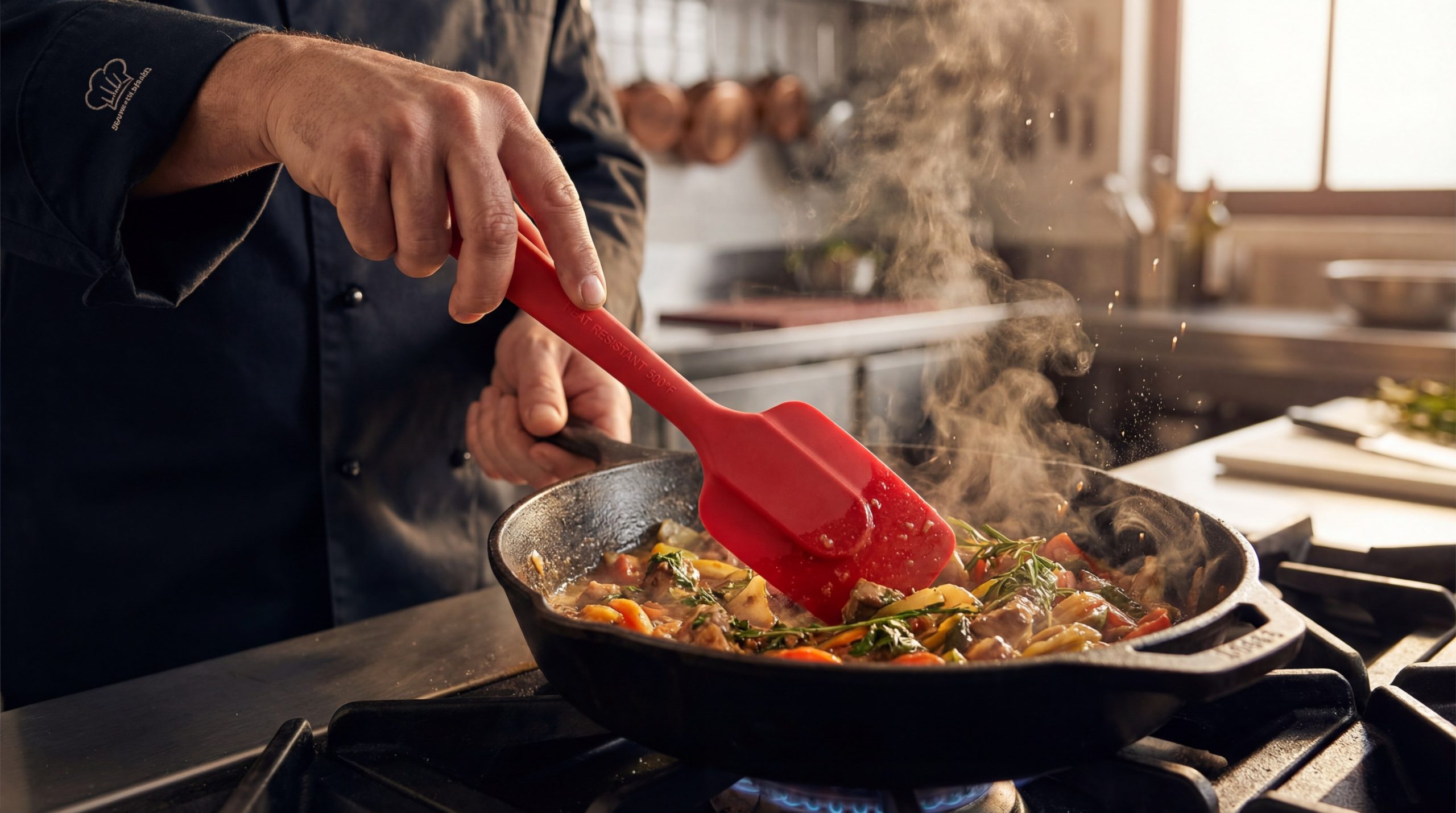
Yes, high-quality food-grade silicone utensils are safe and non-reactive for all your daily cooking needs. You likely worry about hidden toxins leaching into your family’s dinner when using traditional kitchen tools. Melting plastics and bacteria-harboring wood create unnecessary health risks and kitchen messes. Fortunately, determining if are silicone utensils safe to cook with becomes easy when you understand the stability of the material.
What is Food-Grade Silicone?
Food-grade silicone is a non-toxic polymer made primarily from silicon, oxygen, carbon, and hydrogen. When you wonder if are silicone utensils safe to cook with, you are looking at a material specifically tested for contact with consumables. It bridges the gap between the flexibility of rubber and the heat resistance of glass.
Is silicone a natural material?
While silicon is a natural element found in sand, silicone itself is a man-made substance.
Think about it:
- It is naturally BPA-free.
- The material is inert and non-reactive.
- It provides a durable alternative to petroleum-based plastics.
How is food-grade silicone manufactured?
The process involves bonding silicon and oxygen to create a stable, flexible structure. You can learn more about these manufacturing standards to ensure your tools meet high safety benchmarks. Advanced molding techniques ensure that professional tools remain seamless and easy to sanitize.
Common types of silicone kitchen tools
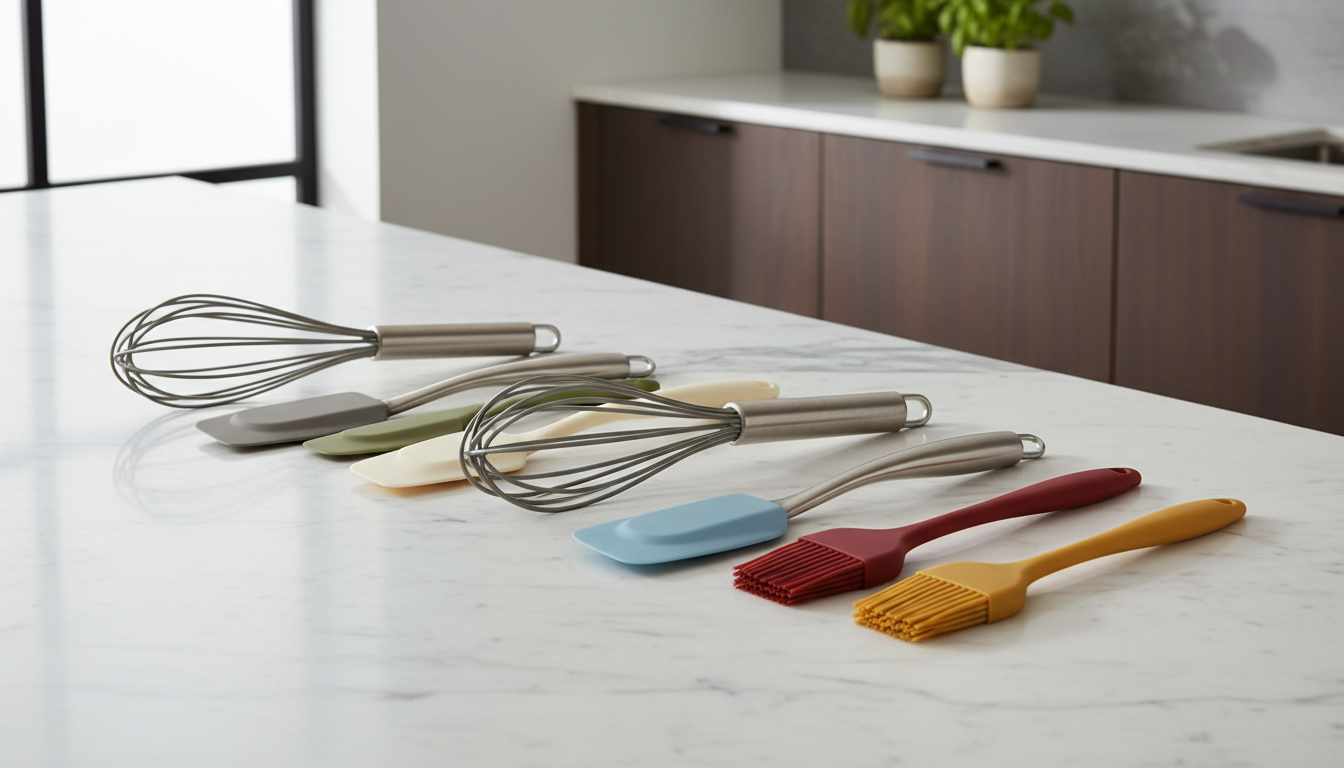
Silicone is incredibly versatile and can be molded into various shapes for specific kitchen tasks.
- Spatulas: Perfect for scraping bowls without scratching.
- Baking Mats: Provides a reusable non-stick surface for ovens.
- Tongs: Offers a secure grip that won’t damage coatings.
Key Takeaway: Food-grade silicone is a stable, non-reactive material designed to replace traditional plastics with a safer, high-performance alternative.
| Tool Type | Primary Use | Key Benefit |
|---|---|---|
| Spatula | Mixing/Scraping | High flexibility |
| Baking Mat | Oven Lining | Reusable & non-stick |
| Tongs | Gripping | Heat resistant |
This table highlights why silicone has become a staple in modern homes, offering durability that outlasts traditional materials.
Are Silicone Utensils Safe to Cook With at High Heat?
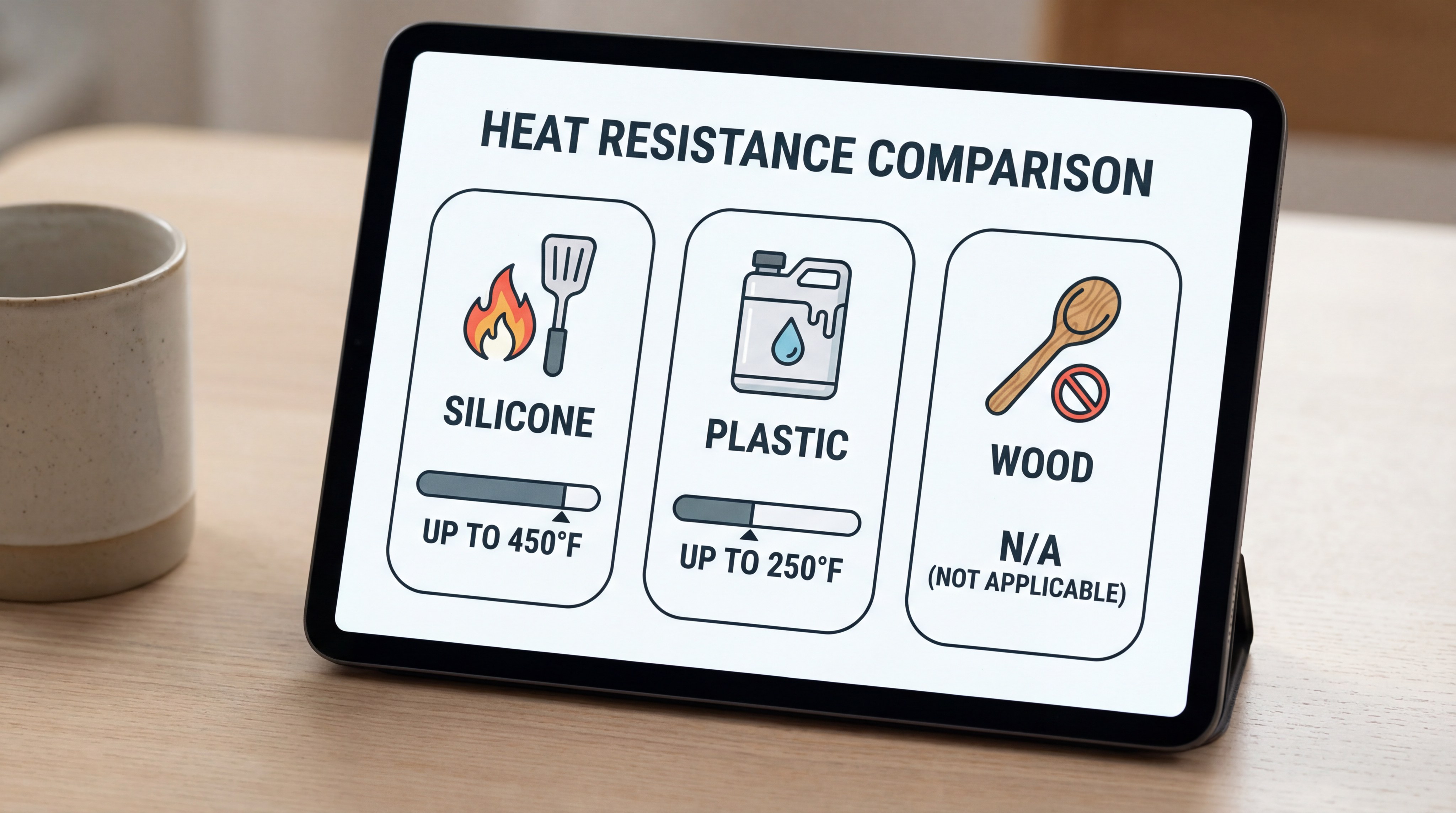
Silicone utensils are safe to use at high temperatures, often reaching thresholds up to 450 degrees Fahrenheit. Many home cooks worry that are silicone utensils safe to cook with when a pan is screaming hot. Unlike plastic, which can warp or release toxic fumes, silicone maintains its integrity under intense thermal stress.
What is the maximum heat threshold?
Most high-quality tools are rated for continuous use at 448°F (231°C).
Here is the thing:
- They won’t melt if left against a hot pan.
- They do not conduct heat like metal handles.
- The material remains stable during boiling or deep-frying.
Does silicone melt like plastic?
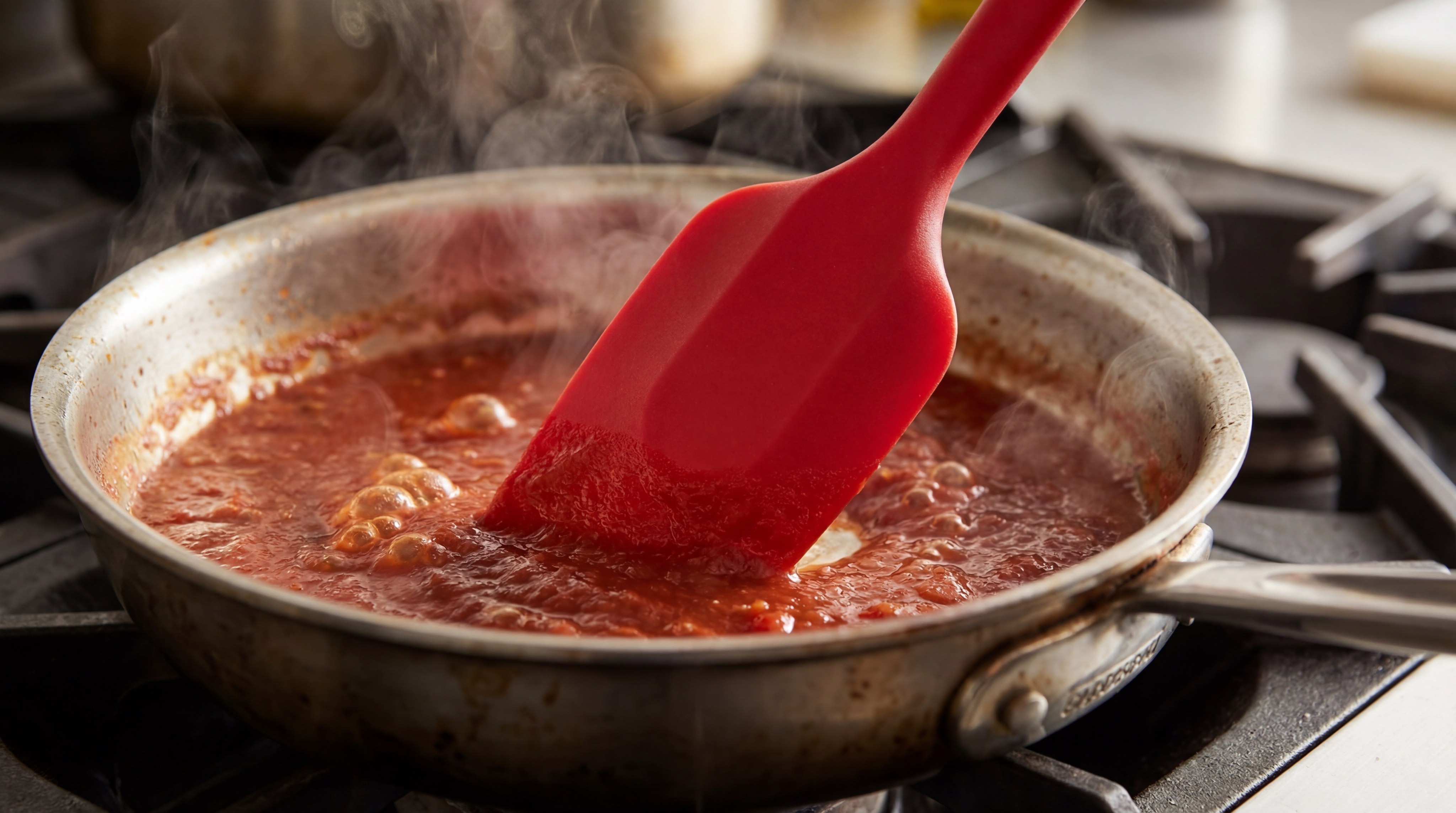
Silicone does not melt in the traditional sense; rather, it eventually degrades if exposed to direct flame. You will notice that it remains pliable and strong even when stirring thick, boiling sauces on the stove.
Key Takeaway: Silicone’s superior thermal stability makes it significantly safer than plastic for all high-heat cooking applications.
| Material | Heat Limit | Reaction to Heat |
|---|---|---|
| Silicone | 450°F | Remains Stable |
| Plastic | 200°F | Melts/Warps |
| Wood | N/A | Scorches |
This comparison illustrates how silicone provides a safety buffer that other synthetic materials simply cannot match in a hot kitchen environment.
Does Silicone Leach Chemicals into Food?
High-quality silicone is chemically inert and does not leach harmful substances into your meals. When assessing if are silicone utensils safe to cook with, the primary concern is often chemical migration. Because silicone does not react with food or liquids, it maintains the purity and flavor of your ingredients.
What does the FDA say about silicone safety?
The FDA classifies food-grade silicone as a “GRAS” (Generally Recognized as Safe) substance. You can read our blog to see how these regulations protect consumers from potential contaminants. This certification ensures that no hazardous fillers or chemicals will end up in your dinner.
Is silicone reactive with acidic foods?
The best part?
- It won’t react with tomato sauce or lemon juice.
- It does not pick up or transfer food odors.
- The surface remains smooth and non-corrosive over time.
Key Takeaway: Because it is chemically inert, silicone is a safe choice for cooking all types of food, including highly acidic ingredients.
| Interaction | Silicone | Metal/Plastic |
|---|---|---|
| Acidic Foods | Non-reactive | Possible corrosion |
| Flavor Transfer | None | High (in plastic) |
| Chemical Leaching | None | High (in cheap plastic) |
The lack of reactivity ensures that your food tastes exactly as intended without any metallic or chemical aftertastes.
How Do Silicone Utensils Compare to Plastic or Wood?
Silicone generally outperforms plastic and wood due to its extreme heat resistance and non-porous nature. While you might appreciate the natural look of wood, it often harbors bacteria in hidden cracks. Plastic tools are cheap but frequently crack, potentially leaving micro-plastics in your food.
Why is silicone better than traditional plastic?
Plastic contains additives like phthalates and BPA that can be problematic for long-term health.
Think about it:
- Silicone is naturally free of these chemicals.
- It lasts for years without warping or chipping.
- It is safer for the environment due to its longevity.
Silicone vs. wooden kitchen tools
Wood is a classic choice, but it is highly porous and difficult to fully sanitize.
- Silicone is non-porous and resists bacterial growth.
- It doesn’t require seasoning or special oils.
- You can safely put it in the dishwasher without fear of cracking.
Key Takeaway: Silicone combines the non-scratch benefits of wood with the hygiene and durability of high-grade modern materials.
| Feature | Silicone | Wood | Plastic |
|---|---|---|---|
| Durability | High | Medium | Low |
| Hygiene | Excellent | Poor | Medium |
| Heat Safety | High | Medium | Low |
Choosing silicone over wood or plastic results in a more hygienic kitchen and tools that don’t need frequent replacement.
Are There Different Quality Grades of Silicone?
Yes, silicone comes in different grades ranging from pure food-grade to low-quality versions with fillers. To truly know if are silicone utensils safe to cook with, you must distinguish between 100% pure silicone and cheaper alternatives. Some manufacturers use fillers to cut costs, which can compromise the tool’s safety.
What are silicone fillers?
Fillers are often plastic or chemical extenders that reduce the heat resistance of the tool. In industries like medical grade silicone parts, such impurities are strictly prohibited to ensure maximum safety. You should look for tools that are certified as 100% food-grade to avoid these risks.
How to perform the “pinch test” for purity?
You can easily check the quality of your utensils at home using a simple method.
- Take the silicone material and pinch it firmly.
- Twist the material while keeping it pinched.
- If white shows through the stretch, it likely contains fillers. Pure silicone stays the same color.
Key Takeaway: Always prioritize 100% pure food-grade silicone to ensure you are not introducing unknown fillers into your cooking.
| Attribute | Pure Silicone | Filler-Based |
|---|---|---|
| Pinch Test | No white color | White shows through |
| Odor | Odorless | Chemical smell |
| Heat Rating | Up to 450°F | Often lower |
Using the pinch test empowers you to verify the quality of your kitchenware before it touches your food.
What Are the Environmental Impacts of Silicone Cookware?
Silicone has a moderate environmental impact because it is durable but not biodegradable. While the longevity of these tools is a major plus, you should consider their “end of life” cycle. Because silicone lasts so long, it helps reduce the waste generated by disposable or low-quality pet products and kitchenware.
Is silicone biodegradable?
Silicone is highly resistant to environmental degradation and does not break down easily.
Here is the thing:
- It won’t shatter into micro-plastics in the ocean.
- It stays out of landfills longer because it is so durable.
- Specialized facilities can recycle it into industrial lubricants.
How long do silicone utensils last?
A single silicone spatula can replace dozens of cheap plastic ones over a decade.
- This durability reduces the overall carbon footprint of your kitchen.
- Less energy is spent on manufacturing replacements.
- It represents a “buy it once” philosophy for sustainable living.
Key Takeaway: While not biodegradable, silicone’s extreme lifespan makes it a more eco-friendly choice than short-lived plastic alternatives.
| Metric | Silicone | Plastic | Bamboo |
|---|---|---|---|
| Lifespan | 10+ Years | 1-2 Years | 2-3 Years |
| Recyclability | Specialized | Common | Compostable |
| Waste Impact | Low | High | Very Low |
The long-term value of silicone means you contribute less to the global waste problem while enjoying high-quality tools.
Can Silicone Utensils Withstand Extreme Temperatures?
Silicone can withstand extreme temperature fluctuations without cracking or losing its structural integrity. You might wonder if are silicone utensils safe to cook with when moving from a cold freezer to a hot oven. The unique molecular structure of silicone allows it to remain flexible and safe in both environments.
Is silicone safe for freezer use?
Silicone remains perfectly pliable even at temperatures as low as -60°F.
Think about it:
- It won’t become brittle like plastic in the cold.
- It is ideal for ice cube trays and frozen food molds.
- You can easily “pop” items out because it stays flexible.
Can you use silicone in the oven?
Silicone is explicitly designed for oven use and provides even heat distribution for baking.
- It eliminates the need for disposable parchment paper.
- The material is safe for microwave use as well.
- It won’t release any odors even when heated for long periods.
Key Takeaway: Silicone is one of the few materials that can safely transition from the freezer to the oven without risk of damage.
| Appliance | Safe? | Benefit |
|---|---|---|
| Oven | Yes | Non-stick baking |
| Microwave | Yes | Stays cool to touch |
| Freezer | Yes | Remains flexible |
This versatility makes silicone an essential material for multi-purpose kitchen tools that simplify your workflow.
How Should You Properly Clean and Maintain Silicone?
You can keep silicone utensils safe and hygienic by cleaning them with mild soap or in a dishwasher. Because silicone is non-porous, it does not trap food particles or oils. For items like silicone sleeves, proper maintenance ensures they continue to provide a safe, non-slip grip.
Are silicone utensils dishwasher safe?
Yes, almost all food-grade silicone is completely dishwasher safe.
- High heat helps sanitize the surface.
- It won’t melt or warp during the drying cycle.
- The material does not absorb the scent of the detergent.
How to remove stubborn odors or stains?
If your tools start to smell like garlic or look stained from turmeric, don’t worry.
- Boil the utensil in water for five minutes to lift odors.
- Use a paste of baking soda and water for stubborn stains.
- Avoid abrasive scrubbers that could create tiny scratches.
Key Takeaway: Regular dishwasher cleaning and occasional boiling will keep your silicone tools in pristine, hygienic condition.
| Method | Recommended? | Purpose |
|---|---|---|
| Dishwasher | Yes | Daily cleaning |
| Boiling Water | Yes | Deodorizing |
| Abrasive Pads | No | Prevents damage |
Maintaining your tools properly extends their life and ensures your kitchen remains a safe environment for food preparation.
What Are the Signs of Damaged Silicone Utensils?
Damaged silicone utensils should be replaced if they show signs of pitting, stickiness, or deep cuts. Knowing if are silicone utensils safe to cook with involves checking your gear for wear and tear. While durable, the polymer can eventually break down due to age or improper care.
When should you discard silicone tools?
You should stop using a tool immediately if you notice physical degradation.
Here is the thing:
- Deep nicks can harbor bacteria that washing won’t reach.
- A sticky residue indicates the material is chemically breaking down.
- Hardened edges mean the tool has lost its heat resistance.
Does discoloration affect safety?
Most staining from dark foods like tomatoes is purely cosmetic.
- If the color change is accompanied by a texture change, replace it.
- Significant chalky residue is a sign of low-quality fillers.
- Pure silicone should maintain its texture even if slightly stained.
Key Takeaway: Inspect your tools regularly; any change in texture or deep structural damage means it is time for a replacement.
| Sign | Safety Risk | Action |
|---|---|---|
| Sticky Surface | Medium | Replace |
| Deep Tears | High | Replace |
| Surface Stains | Low | Continue Use |
By being proactive about replacing damaged tools, you ensure that no compromised materials ever come into contact with your family’s meals.
Is Silicone the Best Choice for Professional Kitchens?
Professionals prefer silicone for its high heat tolerance and ability to prevent cross-contamination. Chefs need tools that are indestructible and precise under the pressure of a busy service. When experts ask if are silicone utensils safe to cook with, they look for the reliability that high-grade silicone provides.
Why do chefs prefer silicone spatulas?
Silicone allows for precise movement and perfect scraping in hot pans.
Think about it:
- The “one-piece” design prevents food from getting stuck in seams.
- They withstand the high heat of commercial ranges.
- They are easy to sanitize quickly between different dishes.
Is silicone cost-effective for high-volume use?
While the initial cost may be higher than plastic, the long-term savings are significant.
- You won’t need to replace them every few months.
- They do not damage expensive non-stick or copper cookware.
- Professional-grade silicone survives hundreds of dishwasher cycles.
Key Takeaway: For high-volume cooking, the safety, hygiene, and durability of silicone make it the gold standard for professional tools.
| Benefit | Professional Impact |
|---|---|
| High Heat Safety | No melting during rushes |
| One-Piece Design | Prevents bacteria buildup |
| Longevity | Reduces replacement costs |
Investing in high-quality silicone ensures that both home cooks and professional chefs can focus on flavor without worrying about tool failure.
At Hualin, we believe that safety and performance should go hand in hand. By choosing high-quality, food-grade silicone, you solve the problems of chemical leaching, tool degradation, and kitchen hygiene. If you are looking for reliable manufacturing or custom silicone solutions, contact us today to discuss your needs.
FAQ
Can I use silicone utensils in an air fryer?
Yes, silicone is perfectly safe for air fryers because it can withstand the high circulating heat without melting. Always ensure the silicone does not block essential airflow for the best results.
What is the best way to tell if my silicone is pure?
The “pinch test” is the most reliable method; simply twist the material and look for any white color showing through. Pure silicone will maintain its color while lower-quality fillers will reveal a white stretch.
Does silicone release fumes when heated?
No, high-quality food-grade silicone does not release toxic fumes or odors when used within its rated temperature range. If you notice a strong chemical smell, the product likely contains low-quality fillers.
Is silicone safer than non-stick coatings like Teflon?
Yes, silicone is generally considered safer because it does not flake off or release gases at high temperatures like some older non-stick coatings. It is an excellent companion for non-stick pans because it won’t scratch the surface.
Can I leave a silicone spoon in a hot pan?
Yes, silicone has low thermal conductivity, meaning the handle will stay relatively cool even if the head is in a hot pan. However, you should avoid leaving it in direct contact with the heating element or open flames.