
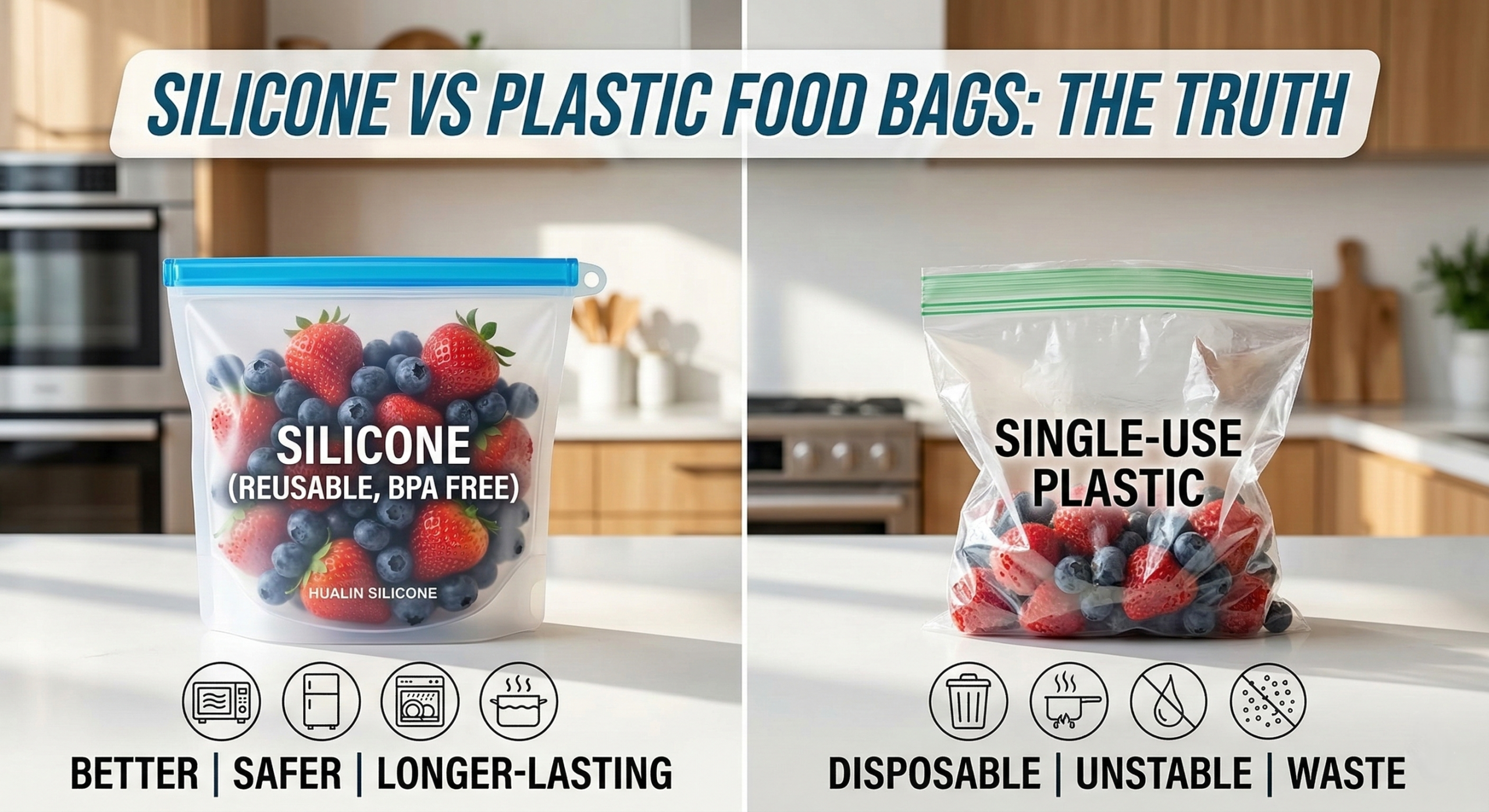
Yes, silicone bags are significantly better than plastic because they offer superior heat resistance, chemical stability, and long-term reusability without leaching toxic additives. Traditional single-use plastic bags often tear easily and create a massive environmental burden that clogs our oceans and landfills. This constant waste cycle not only drains your budget but also exposes your family to microplastics and harmful endocrine disruptors during meal prep. Transitioning to high-quality silicone storage is the ultimate solution for a modern, eco-conscious kitchen where safety and efficiency are paramount. When you ask is silicone better than plastic, the answer lies in the material’s ability to withstand extreme temperatures while remaining completely inert and food-safe.
Is silicone better than plastic for long-term food safety?
Silicone is much safer than plastic for food storage because it is an inert material that does not react with food or release harmful toxins. When you consider the question, is silicone better than plastic, safety is the primary metric where silicone truly excels. Unlike plastic, which often contains BPA, phthalates, and other fillers, food-grade silicone provides a clean environment for your leftovers.
Why is silicone non-toxic for your family?
The truth is simple: high-quality silicone is free from the estrogen-mimicking chemicals found in many common plastics. You can use these bags daily without worrying about chemical migration into your children’s snacks or school lunches.
Here is the deal:
- Silicone is made from silica (sand), not petroleum.
- It is naturally hypoallergenic and resistant to bacteria.
- No chemical softeners like phthalates are required for flexibility.
How does silicone prevent chemical leaching?
You will find that silicone remains stable even when in contact with acidic or oily foods that typically degrade plastic surfaces. This stability ensures that your food retains its original flavor and nutritional integrity over time.
Think about this:
- Plastic degrades over time, releasing microplastics.
- Silicone maintains its molecular structure for decades.
- Heat does not trigger the release of gaseous toxins in silicone.
Key Takeaway: Choosing silicone ensures your food remains free from industrial chemicals and plastic-related health risks.
| Feature | Food-Grade Silicone | Standard Plastic |
|---|---|---|
| BPA/Phthalates | Completely Free | Often Present |
| Chemical Stability | Extremely High | Low to Moderate |
| Toxin Leaching | None | Possible with heat |
This comparison highlights why professional kitchens are rapidly moving away from traditional plastic toward inert silicone alternatives.
What are the core materials found in high-grade silicone bags?
High-grade silicone bags are primarily composed of siloxane polymers derived from natural silica found in common sand. When debating if is silicone better than plastic, it is essential to understand that silicone is a synthetic rubber, not a petroleum-based polymer. This mineral-based origin gives it distinct physical advantages over traditional polyethylene.
What ingredients create the silicone structure?
The backbone of your silicone storage consists of alternating silicon and oxygen atoms that create a durable and flexible chain. Manufacturers add curing agents like platinum to ensure the material reaches its final resilient shape without compromising purity.
Here is the deal:
- Siloxane polymers provide the primary structural foundation.
- Natural fillers like clay or silica increase heat resistance.
- Platinum curing ensures a higher level of material purity.
How does material quality affect performance?
You need to verify that your bags are “food-grade” or “platinum-cured” to ensure they meet the highest global safety standards. These premium materials prevent the “whitening” effect seen in lower-quality silicone when stretched or twisted.
Consider these components:
- Pure silicone does not use cheap plastic fillers.
- Colorants must be encapsulated and food-safe.
- Stabilizers protect the bag from UV damage and aging.
Key Takeaway: Understanding that silicone originates from silica allows you to trust its stability in diverse kitchen environments.
| Component | Purpose in Silicone | Petroleum Plastic Equivalent |
|---|---|---|
| Base Material | Silica (Sand) | Crude Oil/Petroleum |
| Curing Agent | Platinum (Safe) | Various Catalysts |
| Flexibility | Natural Property | Phthalate Additives |
The mineral-based structure of silicone provides a sustainable alternative to the depleting petroleum resources used for plastic.
Which heat-resistant features define professional silicone bags?
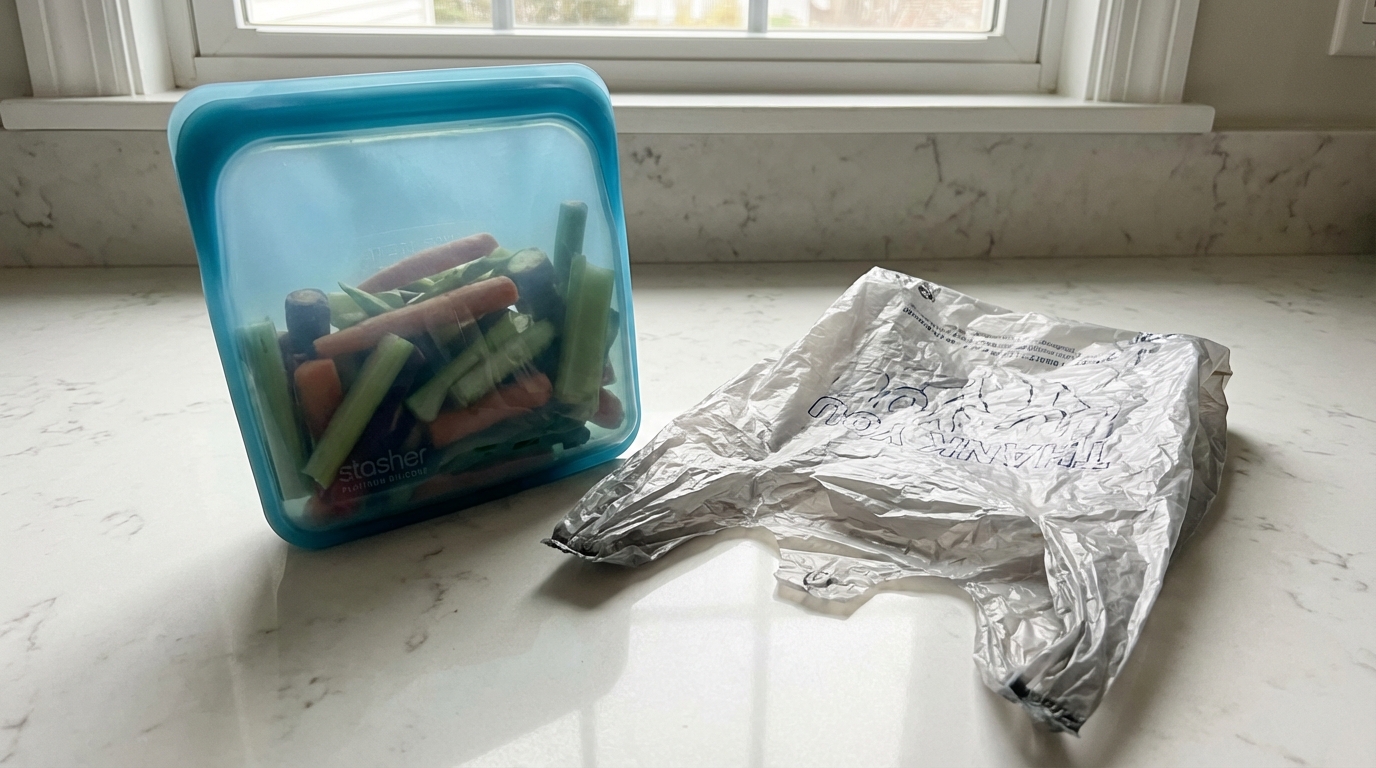
Professional silicone bags can withstand temperatures up to 428°F (220°C), making them vastly superior to plastic bags that melt or warp near boiling points. If you are investigating is silicone better than plastic, the thermal range is a deciding factor for cooking and sterilization. Silicone’s ability to transition from the freezer to the oven without damage is a hallmark of its professional utility.
Can silicone bags handle boiling water?
You can safely use silicone bags for sous vide cooking or boiling frozen vegetables directly in the pouch. Unlike plastic, which can melt or release “plastic smell” when heated, silicone remains odorless and structurally sound in hot water.
Here is the deal:
- Silicone maintains its shape at 200°C+.
- Plastic begins to lose integrity at just 100°C.
- You can use silicone for poaching and steaming.
Why is thermal stability important for storage?
Thermal stability ensures that the bag won’t become brittle in the freezer or sticky in a hot pantry during summer months. You will appreciate how the material stays supple and easy to open regardless of the surrounding climate.
Check these benefits:
- Rapid temperature changes do not cause cracking.
- Safe for high-heat dishwasher sanitization cycles.
- Compatible with professional steam ovens and warmers.
Key Takeaway: The extreme thermal tolerance of silicone unlocks new cooking methods that are impossible with standard plastic.
| Temperature Range | Silicone Performance | Plastic Performance |
|---|---|---|
| Boiling (100°C) | Perfectly Stable | Warping/Leaching Risk |
| Baking (200°C) | Fully Functional | Complete Melting |
| Freezing (-40°C) | Remains Flexible | Becomes Brittle/Cracks |
Thermal resilience transforms a simple storage bag into a versatile cooking tool that survives the harshest kitchen conditions.
Is silicone better than plastic for microwave and freezer use?
Silicone is significantly better for microwave and freezer applications because it conducts heat evenly and resists “freezer burn” due to its thick, airtight walls. When assessing if is silicone better than plastic, the ability to steam food in the microwave without melting is a massive convenience. Silicone’s flexible nature also prevents the bag from cracking when exposed to sub-zero temperatures for months.
How does silicone behave in the microwave?
You can safely reheat soups or steam vegetables in the microwave using silicone pouches without fear of toxic fumes. Because silicone is non-conductive, it doesn’t get as dangerously hot as some plastic containers, reducing the risk of burns.
Here is the deal:
- Open the seal slightly to allow steam to escape.
- Silicone distributes heat more uniformly than thin plastic.
- No dangerous chemicals leach into your food during heating.
Does silicone prevent freezer damage better?
The airtight seals on high-end silicone bags protect your expensive meats and berries from the dehydrating effects of cold air. You will save money by reducing food waste caused by the poor sealing and thinness of disposable plastic.
Look at these freezer facts:
- Thick walls act as a thermal barrier for food.
- The material won’t stick to other bags in the freezer.
- Expansion of liquids won’t cause the silicone to burst.
Key Takeaway: Silicone provides a seamless transition between extreme cold and high heat, protecting your food and your health.
| Storage Method | Silicone Advantage | Plastic Limitation |
|---|---|---|
| Microwave | Steam-safe and non-toxic | Risk of melting/fumes |
| Freezer | Airtight and crack-proof | Prone to punctures/leaks |
| Transition | Cold to hot safely | Must thaw before heating |
The durability of silicone in these two common appliances makes it the most practical choice for busy modern households.
How many common types of silicone food bags exist today?
There are generally four primary types of silicone food bags: zip-locks, flat sandwich pouches, stand-up pouches, and specialized cooking bags. When you explore the market to see is silicone better than plastic, the variety of specialized shapes highlights silicone’s versatility. Each design is engineered to solve a specific kitchen frustration, from disorganized pantries to leaking school lunches.
What are the benefits of stand-up pouches?
Stand-up pouches feature a wide, gusseted base that allows them to remain upright while you pour in liquids like soup or smoothies. You will find these much easier to fill and organize compared to floppy plastic bags that collapse under pressure.
Here is the deal:
- Wide openings make for easy “hands-free” filling.
- They act like flexible jars for pantry organization.
- Perfect for storing large batches of liquid stocks.
How do zip-lock and flat bags differ?
Flat bags are the ideal reusable replacement for traditional snack and sandwich bags, offering a slim profile for lunch boxes. You can choose from various closure types, including pinch-press seals or sliding bars, depending on your preference for airtight security.
Consider these options:
- Flat bags save space in crowded refrigerators.
- Zip-top designs are intuitive for children to use.
- Heavy-duty seals prevent messy leaks in your bag.
Key Takeaway: The diverse range of silicone bag shapes allows you to customize your storage system for every type of food.
| Bag Type | Best Used For | Key Advantage |
|---|---|---|
| Stand-Up | Soups, Liquids, Bulk Grain | Remains upright, easy fill |
| Flat Pouch | Sandwiches, Sliced Fruit | Slim profile, lunchbox fit |
| Mini/Snack | Nuts, Berries, Small Treats | Portable and lightweight |
Selecting the right shape for the task ensures your kitchen stays organized while drastically reducing your reliance on disposables.
What specific food types are best suited for silicone storage?
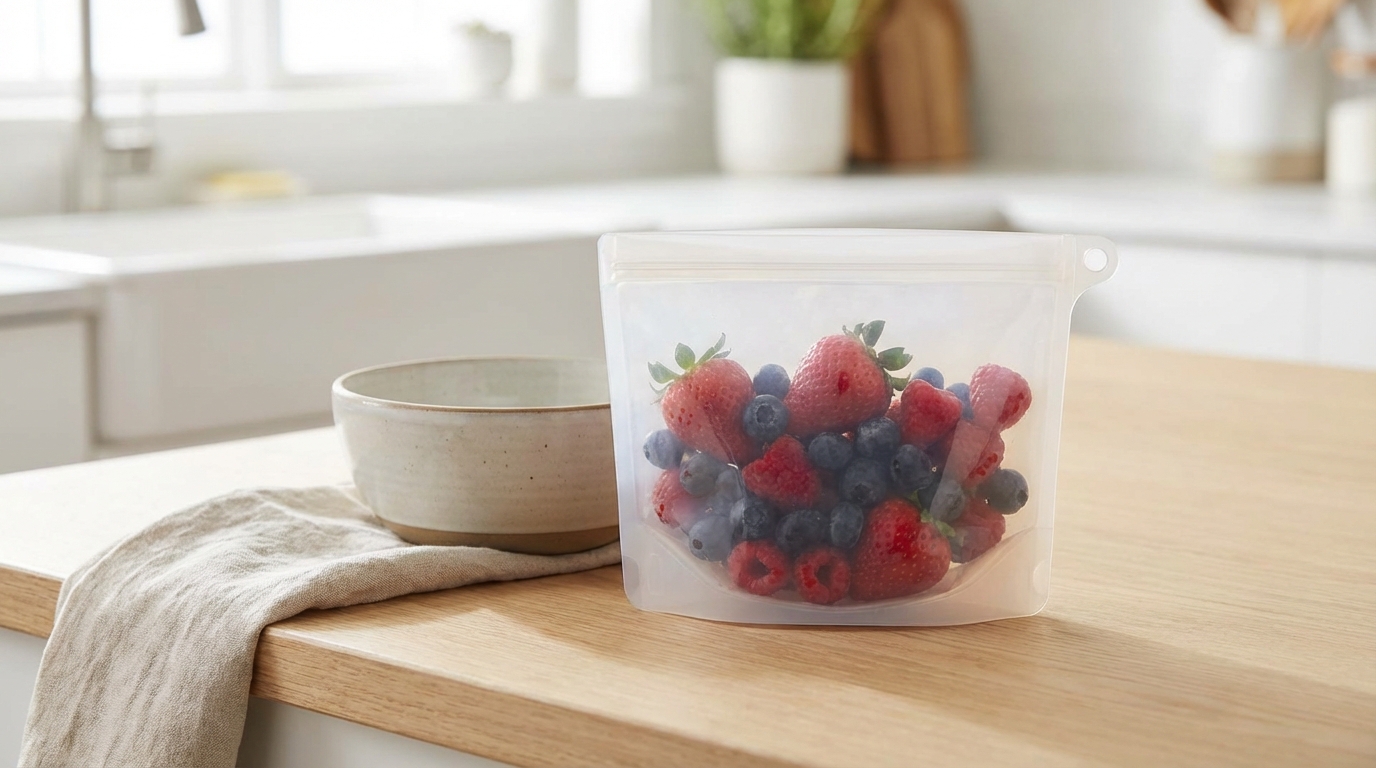
Silicone bags are exceptionally well-suited for storing fresh produce, solid proteins, and even complex liquids like sauces. When evaluating if is silicone better than plastic, the ability to store juicy fruits without the bag absorbing odors or staining is a major perk. The non-porous surface of silicone makes it an ideal environment for keeping food fresh for longer periods.
Why are fruits and vegetables better in silicone?
You will notice that leafy greens stay crisp longer in silicone because the material maintains a consistent moisture balance without the “sweating” common in plastic. The airtight seal prevents premature ripening caused by external ethylene gas, extending the life of your produce.
Here is the deal:
- Berries remain firm and protected from bruising.
- Cut vegetables don’t dry out or lose their crunch.
- You can wash produce directly inside the bag.
Can you safely store liquids and marinated meats?
Silicone is perfect for marinating chicken or fish because it won’t react with acidic ingredients like lemon juice or vinegar. You can squeeze the air out of the bag to ensure the marinade completely coats the meat, leading to better flavor infusion.
Try these liquid uses:
- Freeze leftover broth for easy future portioning.
- Store homemade salad dressings without oily leaks.
- Keep smoothies fresh for your morning commute.
Key Takeaway: Silicone’s non-reactive surface protects the flavor and texture of everything from delicate berries to savory steaks.
| Food Category | Storage Success | Why it Works |
|---|---|---|
| Produce | High | Moisture control prevents rot |
| Proteins | Excellent | Deep marinating, freezer-safe |
| Liquids | Superior | Leak-proof seals and stability |
Using silicone for these varied food groups ensures that you maximize freshness while maintaining a clean, chemical-free kitchen.
Why should you avoid certain foods in silicone containers?
While versatile, you should avoid storing highly dyed foods, extremely sharp items, and very fatty oils in silicone bags for extended periods. In the context of is silicone better than plastic, it’s important to recognize that silicone’s porous nature can occasionally lead to staining. While these issues don’t affect safety, they can impact the aesthetic longevity of your premium storage bags.
Can spicy or dyed foods stain silicone?
Foods like turmeric-heavy curries or artificial candy dyes can leave a permanent tint on the translucent walls of your silicone bags. You should use darker-colored silicone bags for these specific items to hide any potential discoloration over time.
Here is the deal:
- Turmeric and tomato sauce are common staining culprits.
- Stains are purely aesthetic and don’t harbor bacteria.
- Sunlight exposure can often naturally bleach these stains.
Why are sharp and fatty foods a concern?
You must be careful with bones, hard-shelled nuts, or sharp kitchen tools, as they can puncture the silicone if forced. Additionally, some very low-quality silicones can interact with heavy oils, though this is rarely an issue with certified food-grade materials.
Watch out for these:
- Punctures will ruin the airtight and waterproof seal.
- Oily residues can sometimes require extra scrubbing.
- Avoid using knives directly inside the silicone bag.
Key Takeaway: Proper food selection and care will keep your silicone bags looking new and functioning perfectly for years.
| Food to Avoid | Potential Issue | Solution/Alternative |
|---|---|---|
| Turmeric/Beets | Surface Staining | Use dark-colored bags |
| Sharp Bones | Punctures/Tears | Debone meat before storage |
| Heavy Oils | Residue Buildup | Use warm soapy soak |
By following these simple guidelines, you protect your investment and ensure your silicone storage remains in peak condition.
What environmental problems do silicone bags solve for users?
Silicone bags solve the problem of catastrophic plastic pollution by providing a single product that replaces thousands of disposable bags. When asking if is silicone better than plastic, the environmental impact is perhaps the most compelling argument for the switch. Every reusable silicone bag you purchase prevents an average of 500 plastic bags from entering our ecosystems every single year.
How does silicone reduce landfill waste?
You contribute to a circular economy when you choose silicone because its extreme durability means it won’t end up in a landfill after one use. Unlike plastic, which breaks down into toxic microplastics that enter the food chain, silicone is much more stable in the environment.
Here is the deal:
- One silicone bag lasts for thousands of uses.
- It reduces the demand for petroleum-based plastics.
- Silicone does not degrade into harmful micro-particles.
Why is silicone’s lifespan an eco-advantage?
The long lifespan of silicone means you spend less energy and resources over time compared to the constant manufacturing of thin plastic. You are investing in a product that stays in your kitchen for a decade, rather than a product that lasts for twenty minutes of use.
Consider the cycle:
- Plastic bags have a 12-minute average lifespan.
- Silicone bags are designed for 10+ years of service.
- Fewer replacements mean a smaller carbon footprint.
Key Takeaway: Switching to silicone is a high-impact personal action that significantly reduces your household’s total plastic waste.
| Metric | Single-Use Plastic | Reusable Silicone |
|---|---|---|
| Usability | 1 Time | 3,000+ Times |
| Degradation | Releases Microplastics | Remains Structurally Inert |
| Ocean Impact | Major Pollutant | Low Risk (Heavy/Sinks) |
Your transition to silicone storage creates a tangible, positive shift in the health of our planet’s oceans and soil.
Is silicone better than plastic regarding kitchen space saving?
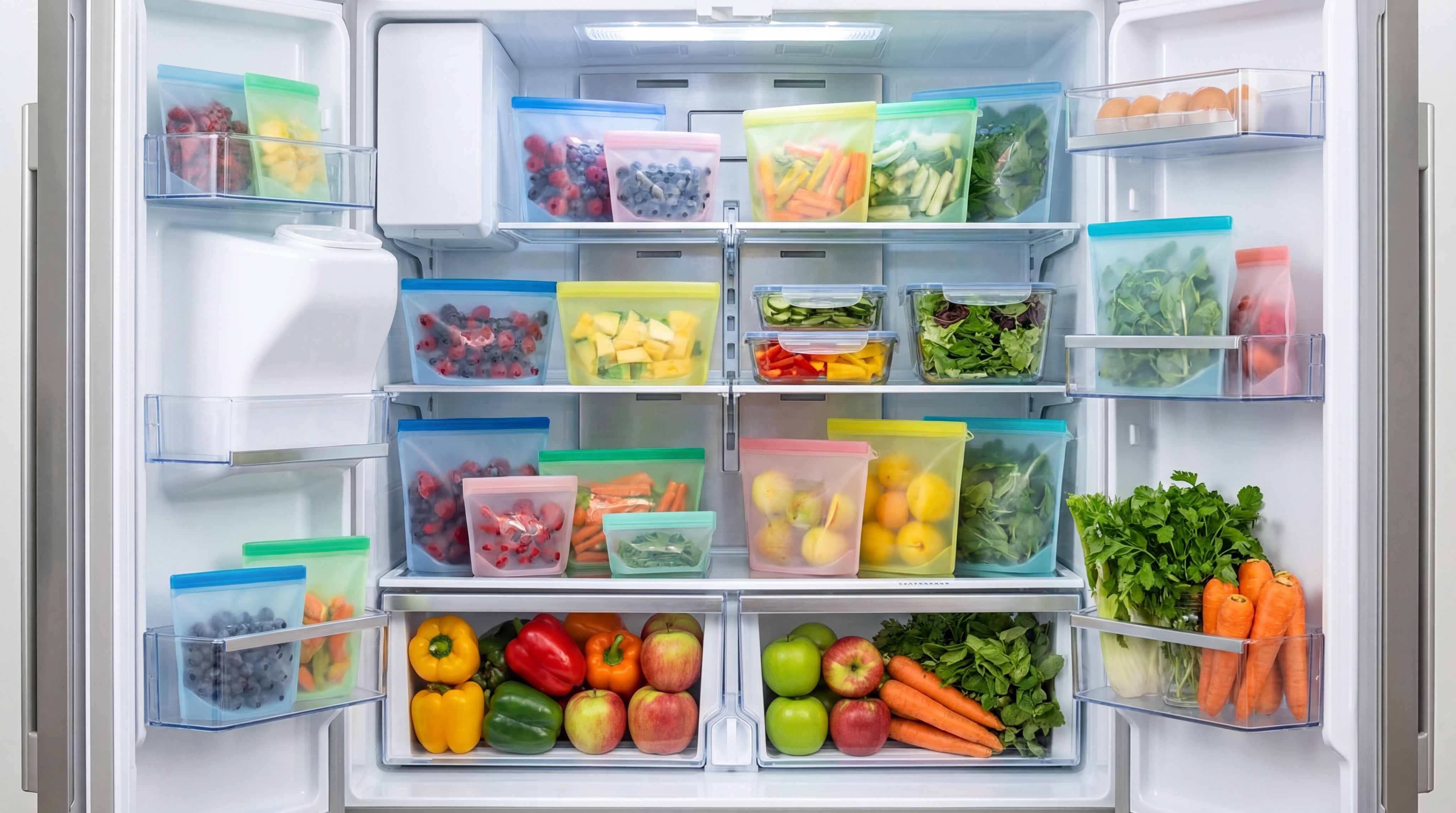
Silicone is superior for space-saving because it is flexible, collapsible, and can be stored flat or rolled up when not in use. When debating is silicone better than plastic, the rigid nature of plastic Tupperware often leads to cluttered cabinets and “lost lid” syndrome. Silicone bags allow you to maximize every square inch of your refrigerator by conforming to the shape of the food inside.
How does flexibility help with organization?
You can tuck silicone bags into tight corners of the fridge or stack them horizontally to create a streamlined storage system. Their ability to “breathe” slightly while maintaining a seal allows you to remove excess air, making the bags as thin as possible.
Here is the deal:
- They fit into irregular spaces where boxes won’t.
- You can roll them up to store in small drawers.
- Empty bags take up virtually zero cabinet space.
Are silicone bags easier to manage than Tupperware?
You will never have to hunt for matching lids again, as the seals are integrated directly into the bag’s design. This simplicity reduces the mental clutter of kitchen management and makes cleaning up after dinner much faster and more efficient.
Check these features:
- Integrated seals eliminate the need for extra parts.
- Lightweight materials make them easy to transport.
- Transparent walls let you see contents instantly.
Key Takeaway: Silicone storage adapts to your kitchen’s needs, providing a clutter-free environment that saves both time and space.
| Storage Method | Rigid Plastic Boxes | Flexible Silicone Bags |
|---|---|---|
| Empty State | Bulky, takes up shelf space | Flat or rolled, stays hidden |
| In Fridge | Leaves empty air pockets | Hugs food, saves 30% space |
| Portability | Heavy and awkward | Light and packable |
By choosing flexible storage, you regain control over your kitchen organization and eliminate the frustration of bulky containers.
What must you check before buying your first silicone bag?
Before purchasing, you must verify the product is 100% food-grade silicone, check the seal type, and confirm dishwasher safety. In the final comparison of is silicone better than plastic, quality control is what separates a lifetime investment from a disappointing knock-off. High-quality silicone should feel substantial, remain odorless, and carry certifications from agencies like the FDA or LFGB.
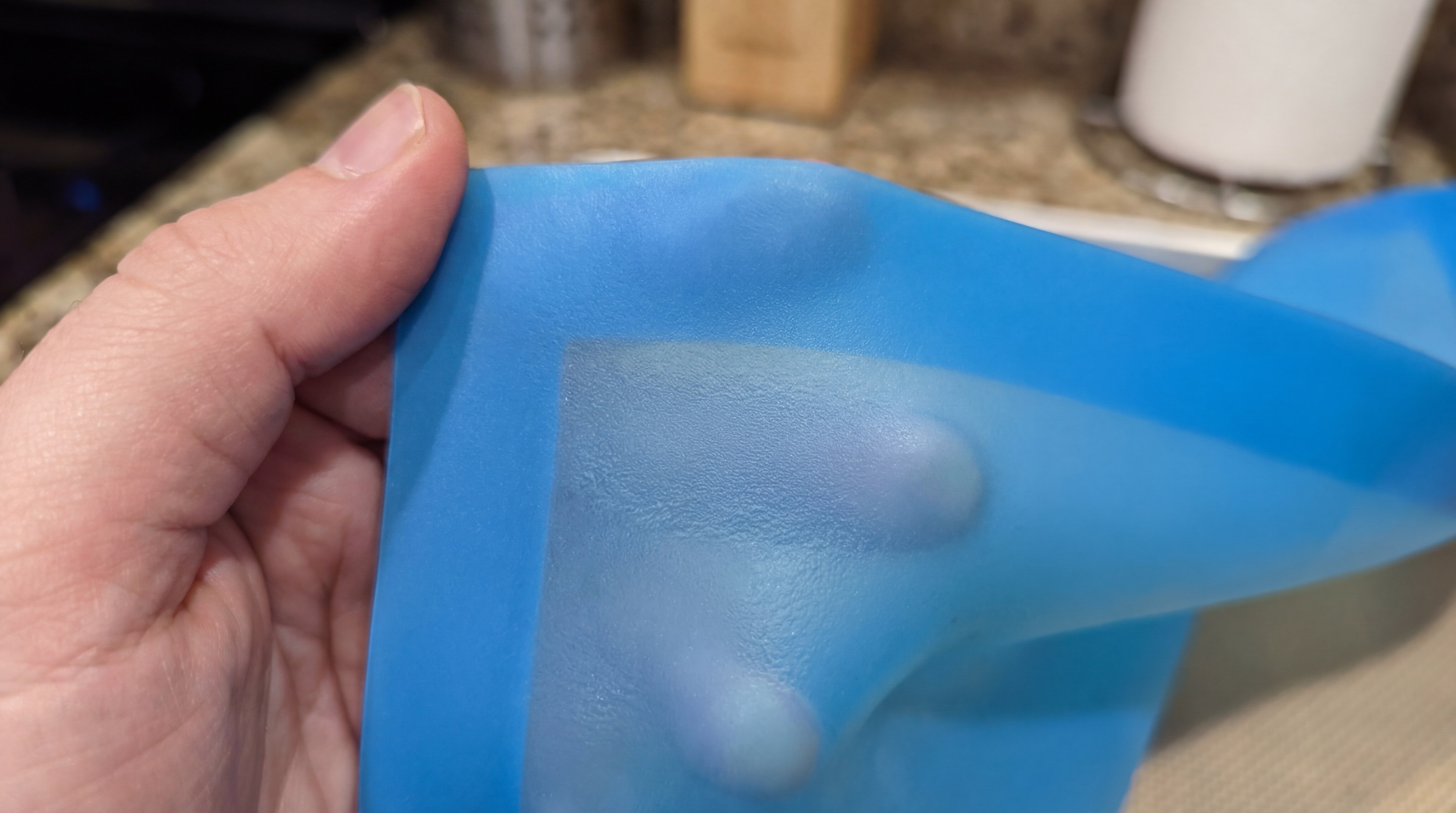
How do you identify high-quality silicone?
You can perform the “pinch test” by twisting a small part of the bag; if it turns white, it likely contains cheap plastic fillers. Genuine, high-purity silicone will maintain its color regardless of how much you stretch or compress the material.
Here is the deal:
- Look for “Platinum Cured” labels for the best purity.
- Ensure the bag has no chemical or “rubbery” smell.
- Check for a high Shore hardness for long-term durability.
What features ensure the best user experience?
You should choose bags with wide openings for easy cleaning and robust seals that won’t degrade after hundreds of washings. If you plan on sous vide cooking, make sure the bag is specifically rated for high-temperature immersion and has a secure, leak-proof closure.
Consider these specs:
- Dishwasher-safe for easy, high-heat sanitizing.
- Volume markings for easy meal prep measurements.
- Loop holes for hanging and air-drying.
Key Takeaway: Investing in certified, high-purity silicone ensures you receive all the health and durability benefits discussed.
| Feature to Check | Premium Silicone | Low-Quality Imitation |
|---|---|---|
| The Pinch Test | Stays the same color | Turns white (Fillers present) |
| Odor | Completely Odorless | Chemical/Plastic Smell |
| Certification | FDA/LFGB Approved | No Certifications |
Careful selection at the point of purchase guarantees a safe, professional-grade tool that will serve your kitchen for many years.
Solving the Plastic Problem with HuaLin Silicone
Transitioning from disposable plastic to professional-grade silicone solves the critical challenges of chemical leaching, environmental waste, and kitchen inefficiency. At HuaLin Silicone, we understand that B2B buyers and eco-conscious consumers need more than just a bag—they need a high-performance solution backed by rigorous engineering. Our Dongguan-based factory specializes in custom LSR and compression molding, ensuring every product we manufacture meets ISO 9001 and FDA standards. Whether you are developing medical-grade components or premium consumer storage, our vision is to provide the world with durable, non-toxic silicone alternatives that protect both people and the planet. To learn how our precision manufacturing can support your brand’s sustainability goals, contact us today.
Frequently Asked Questions
Is Silicone BPA free?
Yes, all authentic food-grade silicone is naturally BPA-free because it is not made from plastic polymers. You should always check the manufacturer’s certification to ensure no cheap fillers were added.
Do silicone bags leach chemicals?
No, high-quality silicone is chemically inert and does not leach toxins even when exposed to high heat. You can safely use them for boiling, baking, and microwaving without compromising food safety.
Does silicone release microplastics?
No, silicone is a mineral-based synthetic rubber that does not break down into the harmful microplastic particles associated with petroleum plastics. It is a much cleaner alternative for our oceans and soil.
Can I microwave any silicone bag?
Yes, most food-grade silicone bags are microwave-safe, but you must check the specific manufacturer’s heat rating first. Always leave the seal slightly open to allow steam to escape during the heating process.
How do I know if silicone is high quality?
You can verify quality by performing the pinch test; pure silicone will not turn white when twisted or stretched. High-quality bags will also be completely odorless and carry FDA or LFGB safety certifications.