
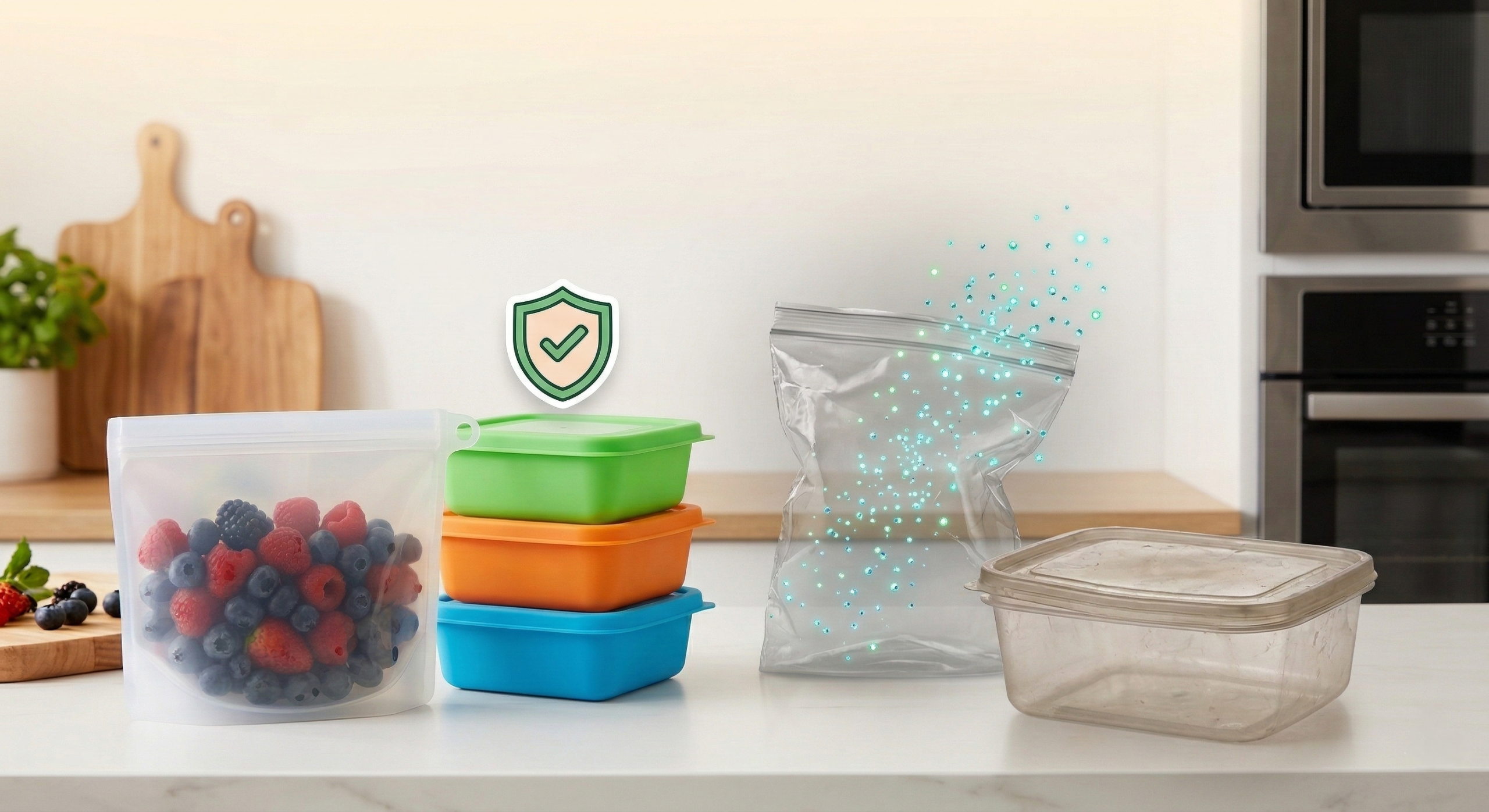
Yes, high-quality silicone is completely safe for long-term food storage. Many families struggle daily with brittle plastic boxes that shatter easily and ruin perfectly cooked meals. You probably feel immense frustration when a ruined container leaks hot soup all over your clean refrigerator shelves. Upgrading to premium rubber kitchenware instantly eliminates these messy disasters forever. Your primary concern is likely safety. You might wonder, does silicone have microplastics? Certified materials provide an incredibly secure, durable, and toxin-free solution for all your culinary needs.
1. Is Silicone Safe for Food Storage?
Yes, high-quality silicone provides a tremendously secure method for preserving your meals. Many shoppers frequently ask, does silicone have microplastics when heated? Fortunately, premium food-grade rubber materials never shed harmful microscopic fragments into your dinner. You can confidently rely on these robust vessels for daily usage.
These durable bowls resist extreme temperature changes without warping or degrading. Modern households heavily depend on such reliable household items. Proper equipment fundamentally transforms how busy parents manage their weekly meal preparations safely.
How do you verify manufacturing quality?
Here is the truth: buyers must actively check for proper regulatory certifications. Authentic items always display clear manufacturing standards on their packaging. You must refuse unverified supplies completely.
- Look for FDA approval stamps.
- Verify strict European LFGB compliance.
- Ensure zero chemical fillers exist within the material.
Why does material stability matter?
Key Takeaway: Choosing certified supplies drastically reduces your daily chemical exposure risk. You ultimately save money through exceptional long-term product durability. This smart investment guarantees permanent peace of mind for parents.
| Feature | Certification Need | Benefit |
| FDA | Mandatory | Basic safety assurance |
| LFGB | Recommended | Premium quality standard |
| Fillers | None | Prevents chemical leaching |
This table clearly illustrates the critical standards required for premium kitchen storage solutions.
2. Does Silicone Have Microplastics Like Plastic?
No, this resilient synthetic rubber does not break down into dangerous tiny shards. People constantly wonder does silicone have microplastics during normal degradation? Unlike traditional petroleum-based plastics, this stable polymer structure remains entirely intact across its lifespan. Your family avoids consuming invisible synthetic pollutants entirely.
Scientists widely recognize this material as a significantly safer alternative. You actively protect our delicate marine ecosystems by rejecting single-use plastics. Responsible consumption starts with choosing superior synthetic polymers wisely.
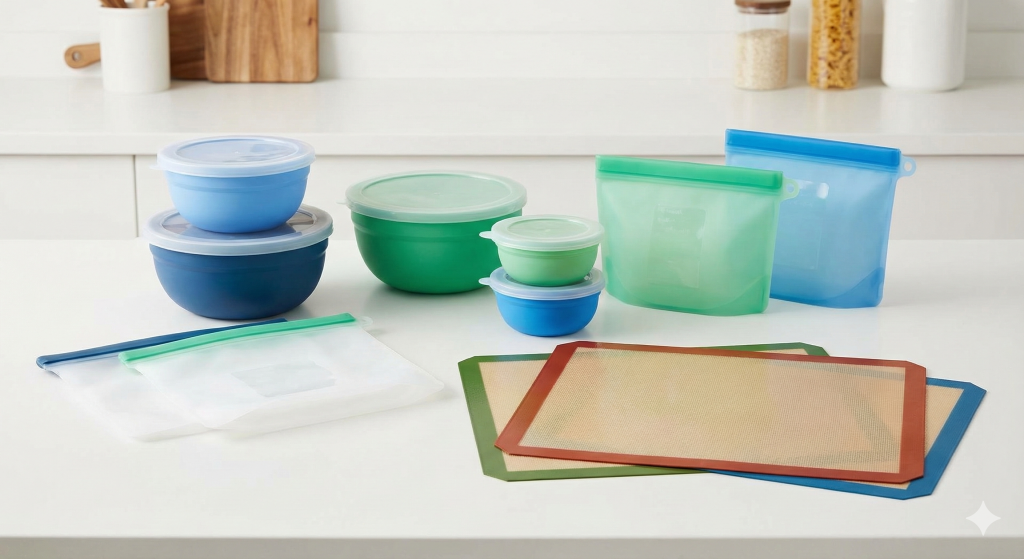
What makes this polymer structure different?
What is the real story? The underlying chemical bonds in rubber resist environmental wear remarkably well. This unique composition prevents fragmentation under intense physical stress. You receive unmatched longevity from every single purchase.
- Strong siloxane bonds form a durable backbone.
- Extreme friction rarely causes surface splintering.
- Ultraviolet light causes negligible structural damage.
Can we prevent ocean pollution?
Key Takeaway: Switching materials immediately stops your personal contribution to global aquatic contamination. You dramatically improve environmental health through simple household choices. Sustainable living becomes completely effortless with these upgrades.
| Material | Degradation Risk | Microplastic Shedding |
| Premium Rubber | Extremely Low | Zero |
| Traditional Plastic | Very High | Severe |
| Recycled Plastic | Moderate | High |
This comparison highlights why synthetic polymers present a substantially lower environmental contamination threat.
3. What Are the Main Benefits of Silicone for Food?
The primary advantages include unmatched durability and complete chemical stability. When evaluating safety, consumers often ask does silicone have microplastics inside the matrix? Quality rubber products contain absolutely no hidden synthetic fragments or toxic adhesives. You experience superior culinary performance without compromising physical well-being.
These flexible bags never absorb pungent odors from spicy dishes. You can wash them repeatedly without degrading their structural integrity. Smart chefs consistently praise this incredible operational versatility daily.
Are these products truly versatile?
You might be wondering: how many different ways can you utilize these items? Their remarkable flexibility allows for countless creative applications inside your modern kitchen. You will quickly abandon rigid plastic containers forever.
- Freeze soup broths seamlessly.
- Bake delicate pastries directly inside the molds.
- Marinate savory meats without staining the container.
How do they save you money?
Key Takeaway: Investing in these reusable assets significantly lowers your monthly grocery accessory budget. You stop wasting hard-earned cash on disposable wrapping papers. Financial savings accumulate rapidly over several busy months.
| Storage Type | Odor Retention | Washability |
| Frozen Broth | None | Excellent |
| Spicy Curry | Very Low | High |
| Raw Meat | Zero | Superior |
This summary vividly demonstrates the unparalleled flexibility provided by these robust culinary accessories.
4. How Does Silicone Compare to Single-Use Plastic?
Flexible rubber dramatically outperforms flimsy disposable containers in longevity and environmental safety. Skeptics still question does silicone have microplastics after repeated washing cycles? Testing confirms that this robust material completely resists microscopic fragmentation under rigorous scrubbing. You gain a permanent kitchen ally instead of generating endless trash.
Traditional plastic relies heavily on unstable chemical plasticizers for flexibility. Those dangerous compounds eventually leach directly into your warm beverages. Switching materials effectively removes these hidden biological hazards completely.
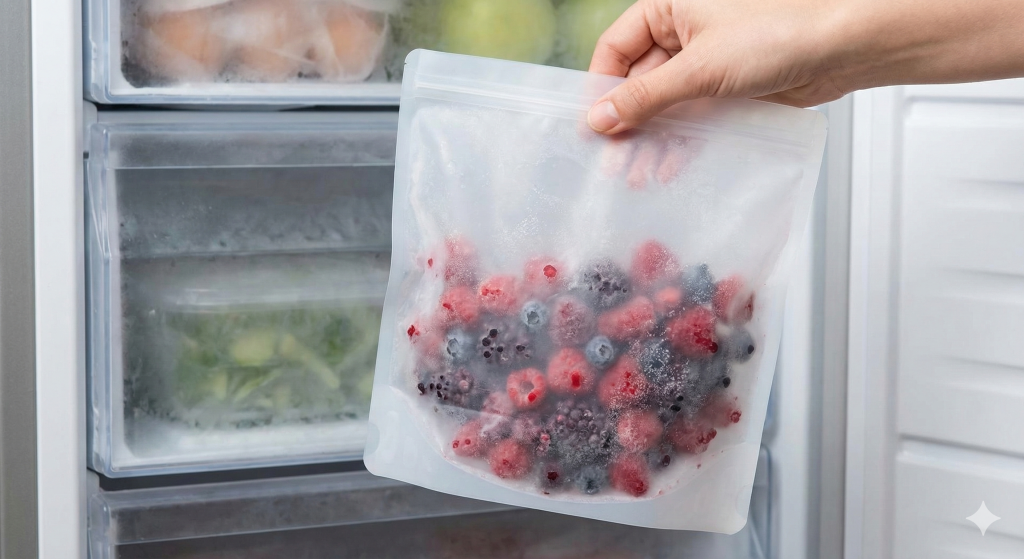
Why are disposables failing us?
Think about this for a moment: our landfills overflow with discarded lunch boxes. These cheap alternatives break easily and ruin our natural landscapes. We desperately need a permanent paradigm shift regarding packaging.
- Disposables shatter under minimal pressure.
- Toxic chemicals migrate during microwave heating.
- Recycling rates remain staggeringly low globally.
What makes rubber the superior choice?
Key Takeaway: Upgrading your storage habits provides immediate health benefits while drastically reducing household waste. You actively contribute to a cleaner planet daily. Your children will directly inherit this positive environmental legacy.
| Container Type | Expected Lifespan | Breakage Risk |
| Reusable Pouch | Five Years | Minimal |
| Hard Plastic | Six Months | High |
| Glass Bowl | Ten Years | Moderate |
This data perfectly proves how upgrading your supplies drastically reduces continuous replacement costs.
5. Can Silicone Withstand Extreme Temperatures?
Yes, these exceptional items tolerate freezing cold and blistering heat effortlessly. Many chefs wonder does silicone have microplastics that melt into hot soups? High-grade polymers maintain solid molecular bonds even at exceedingly high temperatures. You can safely transfer a dish from your freezer directly into a hot oven.
This incredible thermal resistance prevents warping or sudden structural collapse. Kitchen routines become remarkably efficient with such adaptable tools. Professional cooks highly recommend these durable baking accessories universally.
What are the exact temperature limits?
Here is the kicker: most premium brands handle heat up to four hundred degrees Fahrenheit easily. They also survive deep freezing temperatures without becoming dangerously brittle. You basically own an indestructible culinary tool set.
- Microwave heating causes zero toxic leaching.
- Dishwasher cycles thoroughly sanitize the surface safely.
- Freezer storage prevents unwanted freezer burn efficiently.
Why is thermal shock resistance vital?
Key Takeaway: You save precious time by using a single vessel for cooking and freezing. This unmatched versatility simplifies your chaotic evening meal preparations. Less dirty dishes means significantly more relaxing family time.
| Environment | Maximum Temperature | Structural Integrity |
| Oven Baking | Four Hundred Fahrenheit | Maintained |
| Deep Freezer | Negative Forty Fahrenheit | Excellent |
| Microwave | High Heat | Stable |
This breakdown proves that exceptional thermal tolerance significantly simplifies your complex meal preparations.
6. Is Silicone Environmentally Friendly and Reusable?
Yes, this long-lasting material offers a highly sustainable alternative to disposable goods. Environmentalists frequently ask does silicone have microplastics that pollute local rivers? Because this substance never breaks down into tiny shards, it protects delicate marine habitats beautifully. You can confidently reuse these items for many consecutive years.
Many reputable manufacturers now offer dedicated recycling programs for damaged products. This closed-loop system prevents unnecessary landfill accumulation completely. Consumers enthusiastically embrace this remarkably progressive environmental conservation strategy today.
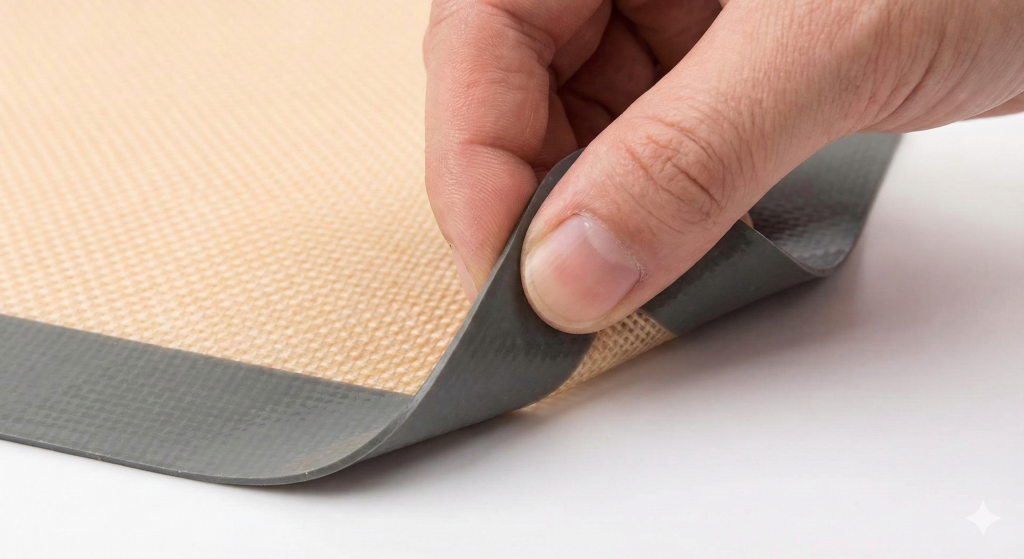
How does reusability impact nature?
Truth be told: replacing hundreds of plastic bags with one reusable pouch creates massive positive changes. Your conscious purchasing decisions directly lower global carbon emissions over time. We hold tremendous collective power through smart shopping habits.
- Reduces global demand for petroleum extraction.
- Minimizes deadly ocean debris accumulation.
- Supports eco-friendly manufacturing innovations.
Can you recycle old items?
Key Takeaway: Choosing sustainable goods transforms your home into a powerful force for environmental conservation. You proudly leave a much healthier planet for future generations. Small daily adjustments yield incredibly profound global results eventually.
| Material Choice | Landfill Contribution | Ocean Pollution Risk |
| Synthetic Rubber | Extremely Low | None |
| Single-Use Bags | Massive | Severe |
| Paper Wraps | Moderate | Low |
This overview clearly reveals how conscious purchasing behavior rapidly decreases harmful global waste.
7. Are There Harmful Chemicals in Food-Grade Silicone?
No, authentic culinary-grade rubber contains absolutely zero toxic additives or dangerous fillers. Cautious parents naturally wonder does silicone have microplastics or hidden bisphenol compounds? Certified manufacturers meticulously eliminate all hazardous substances during the rigorous curing process. You can safely serve warm purees to your vulnerable infants.
Inferior counterfeit items often incorporate cheap glues that emit foul odors. You must diligently verify brand authenticity before completing any purchase. Only strict regulatory compliance guarantees complete biological safety consistently.
What dangerous substances are missing?
Listen to this: premium products proudly boast complete freedom from common industrial toxins. This pure composition guarantees your meals remain entirely uncontaminated. You actively defend your immune system against synthetic disruption.
- Zero BPA or BPS chemicals present.
- No phthalates disrupt your sensitive hormones.
- Heavy metals never enter the production line.
How do fillers ruin quality?
Key Takeaway: Purchasing pure materials effectively shields your family from invisible hormonal disruptors. You gain total confidence in your daily nutritional safety. Eliminating dangerous plastics fundamentally improves overall cellular health long-term.
| Toxic Substance | Presence Risk | Health Danger |
| BPA Compounds | Zero | Hormonal Disruption |
| Phthalates | None | Metabolic Issues |
| Heavy Metals | Absent | Neurological Harm |
This analysis confirms that pure manufacturing protocols successfully eliminate incredibly dangerous biological threats.
8. How Can You Verify High-Quality Silicone Products?
You can easily confirm quality through simple physical tests and careful label inspections. Shoppers routinely ask does silicone have microplastics if it turns white when stretched? The appearance of white streaks indicates cheap chemical fillers, not microscopic plastics. You should solely purchase items that maintain solid colors under extreme tension.
Reading customer reviews provides invaluable insights regarding long-term performance. Legitimate factory certifications offer the strongest guarantee of material purity. Savvy shoppers never blindly trust unverified promotional marketing claims anymore.
What is the pinch test?
Let us dive in: twisting the rubber firmly reveals its true hidden composition instantly. Pure polymer structures never change color when you manipulate them aggressively. You must perform this check immediately upon unboxing anything.
- Pinch a small section tightly.
- Watch for any sudden white discoloration.
- Discard items failing this simple examination.
Why are certifications crucial?
Key Takeaway: Mastering these quick inspection techniques prevents you from buying dangerous counterfeit kitchenware. You protect your wallet and your physical health simultaneously. Knowledge firmly empowers consumers against deceptive retail manufacturing practices everywhere.
| Inspection Method | Pass Result | Fail Indicator |
| Firm Pinch | Solid Color | White Streaks |
| Strong Odor | Neutral Scent | Chemical Smell |
| Extreme Stretch | Fast Recovery | Warped Shape |
This guide provides incredibly straightforward methods for accurately verifying product authenticity at home.
9. What Are the Best Practices for Cleaning Silicone?
Thorough cleaning requires gentle scrubbing with mild dish soap and hot water. Homeowners sometimes ask does silicone have microplastics that wash down the kitchen drain? Since the polymer remains completely intact, no microscopic debris ever enters your local water supply. You effortlessly maintain spotless hygiene without harming the surrounding environment.
Avoid using abrasive steel wool pads that create deep surface scratches. Those microscopic crevices can unfortunately harbor unwanted bacterial growth over time. Proper maintenance guarantees maximum sanitation for countless upcoming dinners.
How do you remove stubborn odors?
Ready for the good part? Baking soda naturally eliminates pungent garlic smells trapped inside the material. A simple heated vinegar soak restores the original neutral scent perfectly. You easily conquer the toughest culinary messes without harsh chemicals.
- Boil heavily stained items briefly.
- Apply a thick baking soda paste.
- Rinse thoroughly with hot running water.
Can you use strong detergents?
Key Takeaway: Implementing proper maintenance routines significantly extends the functional lifespan of your supplies. You enjoy pristine culinary tools for many joyful years. Taking care of premium equipment ultimately maximizes your financial investment.
| Stain Type | Best Solution | Expected Result |
| Heavy Grease | Boiling Water | Completely Removed |
| Strong Odor | Baking Soda | Neutralized |
| Mineral Spots | Vinegar Soak | Pristine Surface |
This reference matrix expertly shows how simple household ingredients maintain your accessories perfectly.
10. Why Is Silicone the Future of Kitchen Storage?
This extraordinary material perfectly combines unmatched safety with incredible environmental sustainability. Industry experts firmly answer does silicone have microplastics with a resounding and scientifically backed no. Consumer demand rapidly shifts toward these reliable and endlessly reusable household staples. You will soon see these products dominating every modern pantry worldwide.
Technological advancements continuously improve the curing process for even greater durability. Innovative designs now accommodate extremely specific culinary preparation requirements beautifully. The modern cooking experience heavily relies upon these brilliant material innovations.
How are manufacturing standards evolving?
This is where it gets interesting: elite factories constantly adopt stricter medical-grade production protocols. This relentless pursuit of excellence ensures unparalleled consumer protection globally. You confidently purchase goods engineered through uncompromising modern scientific rigor.
- Automated inspections eliminate human error entirely.
- Advanced molding techniques create seamless durable edges.
- Traceable supply chains guarantee complete material transparency.
Why should you switch today?
Key Takeaway: Embracing these modern solutions elevates your cooking experience while protecting our fragile planet. You actively participate in a vital global sustainability movement. Transforming your kitchen habits effectively builds a much brighter tomorrow.
| Production Standard | Consumer Benefit | Quality Assurance |
| Automated Checks | Zero Defects | Maximum Safety |
| Medical Grade | Ultimate Purity | Guaranteed Trust |
| Traceable Supply | Total Transparency | Complete Confidence |
This evaluation perfectly illustrates why modern factories continuously achieve unprecedented global safety benchmarks.
This comprehensive guide successfully resolved your deep concerns regarding chemical leaching and microplastic contamination in kitchen storage. We expertly provide global clients with incredibly stable, medical-grade rubber manufacturing solutions that completely eliminate these dangerous household risks. You can trust our advanced automated production facilities to deliver flawless customized merchandise consistently. Please contact us today to discuss your specific large-scale manufacturing requirements in detail. HuaLin firmly stands as a reliable long-term partner dedicated to creating exceptionally safe and highly compliant global polymer innovations.
FAQ
Q1: Can I microwave silicone containers safely?
Yes, you can easily heat meals inside these vessels. Premium rubber polymers gracefully handle extreme microwave radiation without melting.
Q2: What is the best way to clean these items?
Hot soapy water provides excellent sanitation results. You should avoid highly abrasive scrubbing pads completely.
Q3: How do I know if my product contains fillers?
The simple pinch test reveals hidden impurities instantly. Pure polymers never turn white when you stretch them.
Q4: Can I freeze leftover soups in these bags?
Absolutely, these flexible pouches excel in freezing conditions. The robust material firmly resists dangerous freezer burn.
Q5: Why do some bowls smell like soap?
Abrasive detergents sometimes leave lingering chemical odors behind. A quick vinegar soak easily neutralizes those unpleasant smells.
Understanding OEM Manufacturing
This video provides an excellent breakdown of how Original Equipment Manufacturers operate, which is highly relevant for businesses looking to source custom silicone products.