
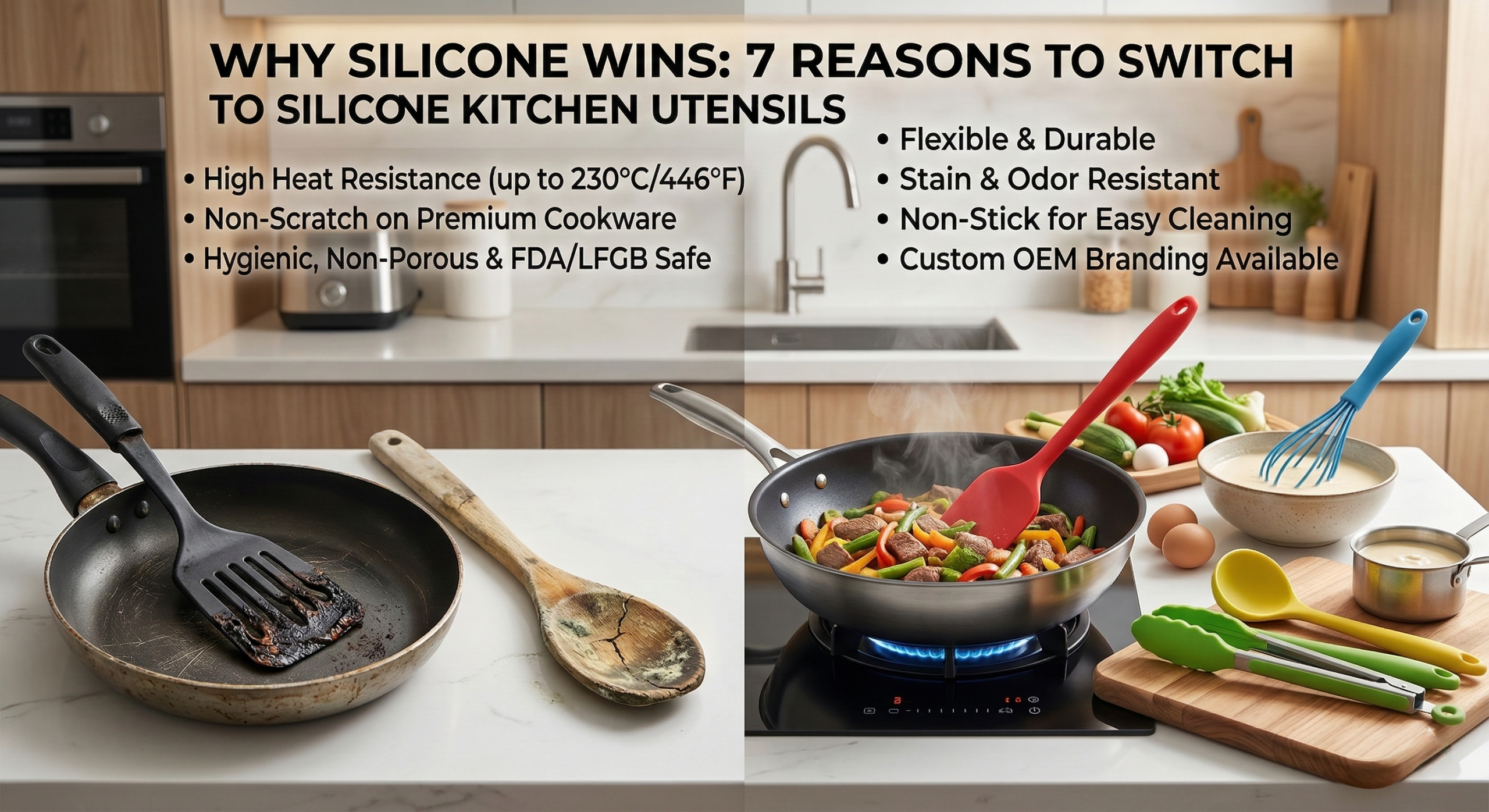
You should use silicone kitchen utensils because they offer a unique combination of high heat resistance, food safety, and non-scratch properties that traditional plastic or wood cannot match. In the demanding world of commercial food service, using the wrong tools leads to melted plastic in food or bacterial growth in porous wooden spoons. This creates significant health risks and frequent replacement costs that drain your operational budget.
By switching to professional-grade silicone cooking utensils, you solve these durability and hygiene issues simultaneously. When sourcing high-quality silicone cooking utensils, understanding the material science is critical for product longevity. These tools are designed to thrive in high-volume environments where performance and safety are non-negotiable.

Can silicone withstand high cooking temperatures?
Silicone can withstand extreme temperatures ranging from -60°C to over 230°C without melting or warping. This thermal stability makes silicone cooking utensils the ideal choice for high-heat applications like stir-frying or deep-frying.
Does silicone melt or release toxic fumes?
The bottom line? High-quality silicone is chemically inert and does not off-gas or degrade when exposed to standard cooking heat. Unlike nylon, it won’t curl at the edges or leave plastic residue in your signature dishes.
- Maintains structural integrity up to 446°F (230°C).
- Does not conduct heat, keeping handles cool to the touch.
- Resistant to thermal shock during rapid temperature changes.
| Material Type | Melting Point | High-Heat Safety |
|---|---|---|
| Food-Grade Silicone | 230°C+ | Excellent |
| Standard Nylon | 150°C – 200°C | Poor |
| Common Plastic | < 120°C | Critical Failure |
This data confirms that silicone’s thermal threshold is significantly higher than alternative synthetic materials.
Key Takeaway: Thermal stability reduces the frequency of utensil replacement in busy kitchens, ensuring that tools remain safe and functional even under constant heat stress.
Will silicone scratch my premium cookware?
Silicone will not scratch or damage non-stick, ceramic, or polished stainless steel surfaces because of its soft-touch material properties. Procurement managers often prioritize silicone cooking utensils to extend the lifespan of their professional cookware inventory.
How does silicone protect non-stick coatings?
Believe it or not, even a single scratch on a non-stick pan can lead to coating failure and food adhesion issues. Silicone provides a protective barrier that allows for vigorous stirring without the risk of surface abrasion.
- Shore A hardness ratings ensure a gentle contact surface.
- Prevents the peeling of PTFE or ceramic layers.
- Safe for use on delicate copper and enameled cast iron.
| Cookware Surface | Tool Material | Surface Impact Risk |
|---|---|---|
| Non-Stick / Teflon | Silicone | Zero Risk |
| Enameled Cast Iron | Stainless Steel | High Risk |
| Ceramic Coating | Hard Plastic | Moderate Risk |
Using soft-touch tools is the most effective way to preserve the ROI of your expensive kitchen equipment.
Key Takeaway: Protecting the integrity of cookware surfaces through silicone use eliminates the need for premature pan replacements, directly improving the bottom line.
How does flexibility improve food preparation?
The inherent flexibility of silicone allows it to conform to the shape of any bowl or pan, ensuring no food is left behind. Using professional silicone cooking utensils enables your staff to scrape containers clean with minimal effort.
Why do professional bakers prefer silicone?
Here is the kicker: the “memory” of silicone allows it to flex and snap back to its original shape instantly. This makes it the perfect material for spatulas that need to reach into tight corners and curved edges.
- Conforms to various bowl diameters and angles.
- Reduces ingredient waste in high-volume production.
- Provides better ergonomic comfort for repetitive tasks.
| Tool Design | Flex Rating | Scraper Efficiency |
|---|---|---|
| Silicone Spatula | High | 99% Recovery |
| Wooden Spoon | None | 65% Recovery |
| Rigid Plastic | Low | 80% Recovery |
The superior flexibility of silicone results in higher ingredient recovery rates and faster cleanup times.
Key Takeaway: Increased flexibility leads to significant waste reduction, which is a vital metric for maintaining profitability in commercial food production.
Is silicone truly stain and odor resistant?
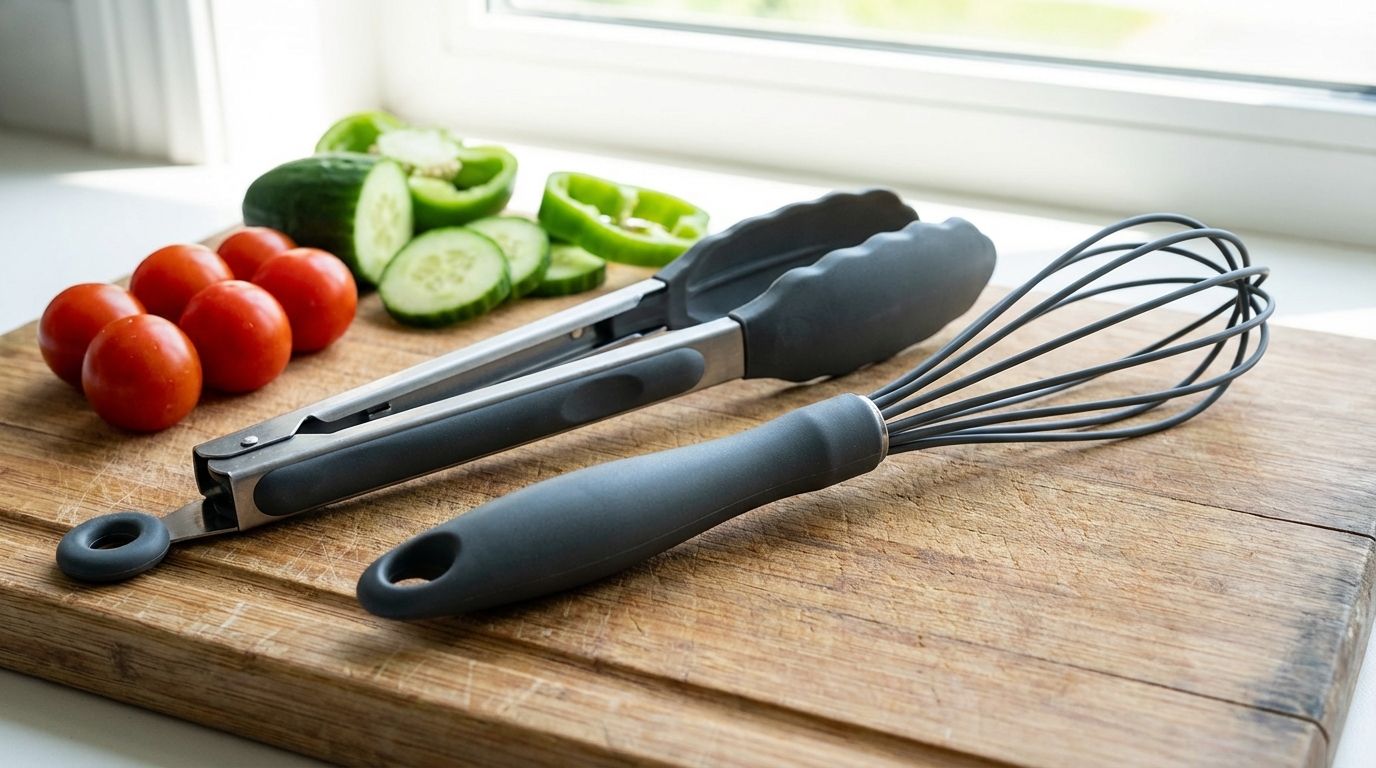
Silicone is naturally non-porous, meaning it does not absorb liquids, colors, or strong food odors during the cooking process. For sensitive applications like silicone cooking utensils, ensuring the material is non-porous is vital for meeting global hygiene standards.
Why does silicone outlast wood and plastic?
Think about it: wooden spoons often carry the scent of garlic or onions long after they have been washed. Silicone stays neutral and clean, preventing cross-contamination between different menu items.
- Resists staining from high-pigment ingredients like turmeric.
- Does not harbor bacteria or mold in hidden pores.
- Neutralizes odor transfer between sweet and savory dishes.
| Property | Silicone | Wood | Nylon |
|---|---|---|---|
| Porosity | Non-Porous | High | Low |
| Stain Resistance | Excellent | Poor | Moderate |
| Odor Retention | Minimal | High | Moderate |
Hygienic performance metrics highlight silicone’s clear advantage in preventing bacterial growth and flavor transfer.
Key Takeaway: Non-porous surfaces simplify the sanitation process and ensure that flavor profiles remain pure across different cooking batches.
What makes silicone exceptionally hard-wearing?
Silicone is exceptionally hard-wearing because it resists cracking, peeling, and degradation from repetitive dishwasher cycles. High-performance silicone cooking utensils maintain their structural integrity for years, even under the stress of industrial cleaning agents.
How does silicone resist long-term warping?
It gets better: silicone does not suffer from the brittleness that affects old plastic or the splitting that occurs in dried-out wood. It remains supple and strong, providing a consistent user experience throughout its lifecycle.
- Resistant to corrosive detergents and sanitizers.
- Does not splinter or create sharp edges over time.
- Withstands thousands of high-pressure wash cycles.
| Durability Factor | Silicone | Plastic | Wood |
|---|---|---|---|
| Dishwasher Safe | Yes | Limited | No |
| Impact Resistance | High | Moderate | Low |
| Lifecycle (Years) | 5-10 | 1-2 | 1-3 |
Durability testing suggests a significantly lower replacement frequency for silicone-based tools compared to traditional alternatives.
Key Takeaway: Investing in hard-wearing silicone tools results in a lower total cost of ownership (TCO) over the lifetime of the product.
Are silicone utensils safe for food contact?
Silicone is a chemically stable material that does not leach chemicals into food, making it one of the safest materials for kitchen use. Our silicone cooking utensils undergo rigorous testing to meet FDA and ISO 9001 standards for total safety.
Is silicone chemically stable under heat?
You might be wondering if heat causes chemical migration. Rest assured, food-grade silicone is BPA-free and inert, meaning it won’t react with acidic foods or release harmful toxins during cooking.
- Compliant with FDA and LFGB food safety regulations.
- Lead-free and phthalate-free construction.
- Hypoallergenic and safe for medical-grade applications.
| Safety Standard | Compliance Level | Risk of Leaching |
|---|---|---|
| FDA Food Grade | Certified | Negligible |
| LFGB (European) | Certified | Negligible |
| Standard Plastic | Variable | High (BPA/Phthalates) |
Compliance frameworks ensure that no harmful leachates enter the food chain during high-heat culinary applications.
Key Takeaway: Using certified food-safe silicone mitigates brand risk and protects consumer health, which is paramount for any food service business.
Does silicone offer superior non-stick properties?
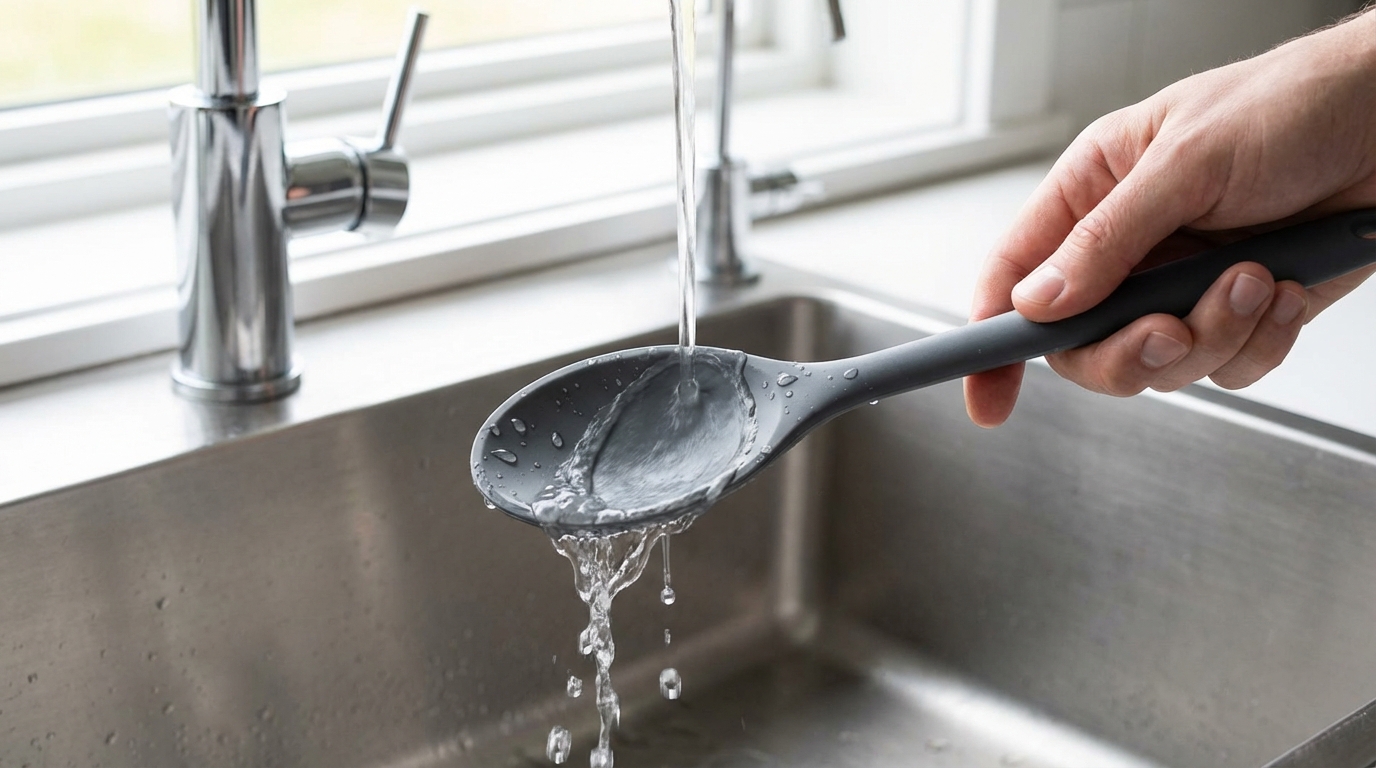
The surface tension of silicone is naturally low, which prevents sticky foods from adhering to the tools during use. This non-stick nature of silicone cooking utensils makes them perfect for handling eggs, caramel, and thick doughs.
How does silicone streamline the cleanup process?
But wait, there’s more. Because food slides right off, your cleaning crew spends less time scrubbing and uses less water and soap to achieve a perfect result.
- Ideal for low-fat cooking and delicate protein handling.
- Reduces the need for excess oil on the tools themselves.
- Minimizes mechanical damage to soft or flaky foods.
| Cleaning Metric | Silicone | Stainless Steel | Wood |
|---|---|---|---|
| Scrubbing Time | < 10 sec | 30-60 sec | 45-90 sec |
| Water Usage | Low | High | Moderate |
| Residue Risk | 0% | 15% | 20% |
Labor-saving analysis shows a marked reduction in cleanup time and resource consumption when utilizing silicone tools.
Key Takeaway: Non-stick properties directly translate into labor savings and improved kitchen throughput during peak service hours.
Can silicone utensils be custom OEM branded?
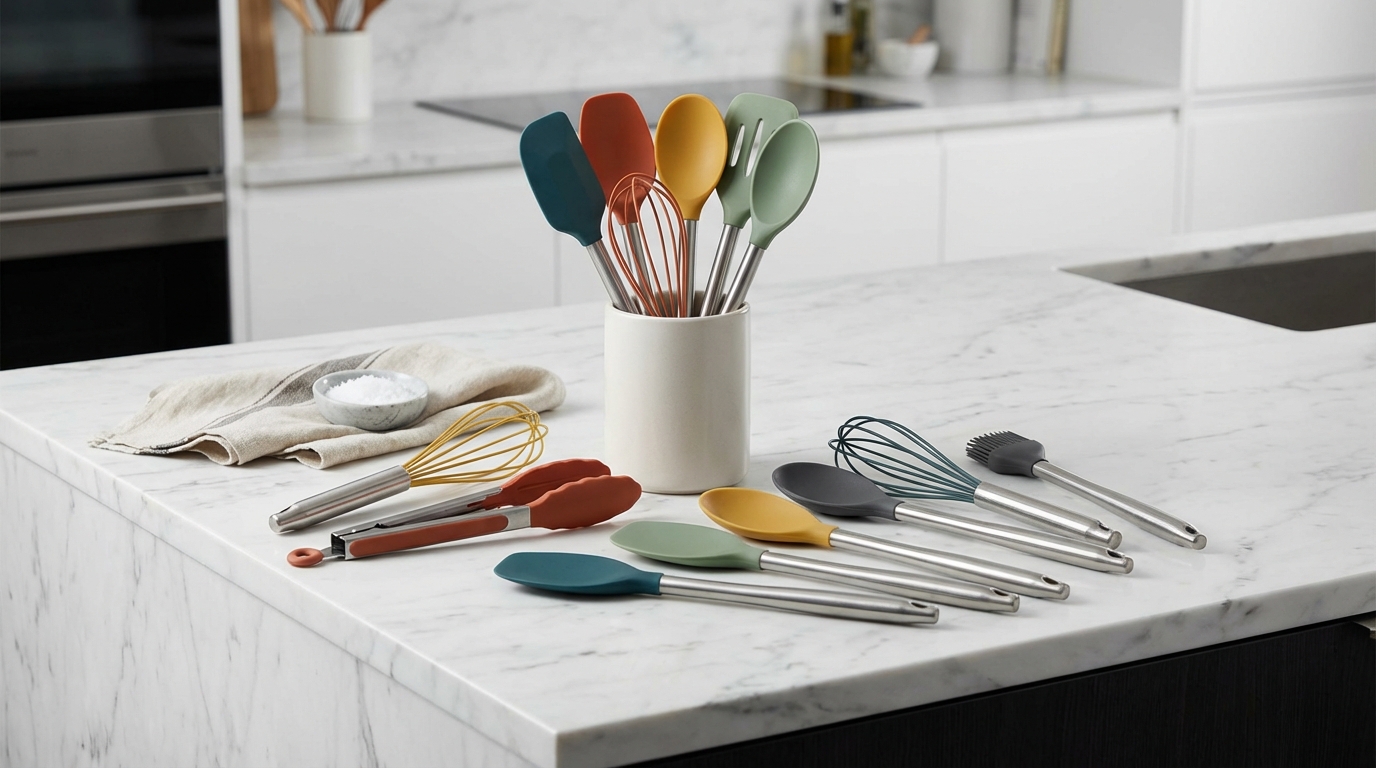
Silicone is highly versatile and can be molded into custom shapes or matched to specific brand colors using Pantone references. Professional buyers often request silicone cooking utensils to create a cohesive brand identity for retail or hospitality environments.
Why choose custom-tooled silicone designs?
The possibilities are endless. Whether you need a specific handle length for deep vats or a custom logo embossed on the spatula head, silicone manufacturing allows for high-precision customization.
- Full Pantone color matching for brand consistency.
- Laser engraving or embossed logo placement.
- Custom Shore hardness for specific functional needs.
| Customization Option | Capability | Business Benefit |
|---|---|---|
| Color Matching | Precise | Brand Identity |
| Logo Integration | Permanent | Marketing |
| Custom Geometry | Unlimited | Functional Edge |
Customization options allow brands to differentiate themselves effectively in a crowded global marketplace.
Key Takeaway: Custom OEM silicone tools provide a competitive advantage by aligning product functionality with specific brand aesthetics and requirements.
Why is bulk purchasing silicone more profitable?
Purchasing silicone utensils in bulk directly from the manufacturer reduces per-unit costs and ensures consistent quality across all batches. Sourcing large quantities of silicone cooking utensils allows you to leverage economies of scale and optimize your supply chain logistics.
How does direct factory sourcing reduce risk?
Here’s the deal: buying directly from a factory like HuaLin eliminates middleman markups and gives you direct access to technical support and DFM (Design for Manufacturing) guidance.
- Lower price-per-unit for large volume orders.
- Stable lead times for inventory planning.
- Direct control over material specifications and QC.
| Order Volume | Unit Cost Reduction | ROI Impact |
|---|---|---|
| 500 Units | Base Price | Standard |
| 5,000 Units | 15% Discount | High |
| 50,000 Units | 30% Discount | Maximum |
Direct factory sourcing eliminates middleman markups and improves overall supply chain transparency and reliability.
Key Takeaway: Optimizing inventory turnover with a stable manufacturing partner is the most effective way to scale a kitchenware business.
How to verify industrial quality standards?
Verifying quality standards involves checking for ISO certifications and requesting material test reports from the supplier. For high-volume silicone cooking utensils, implementing a 100% inspection protocol is the only way to guarantee zero defects.
Why is ISO 9001 certification essential?
Make no mistake, certification is the foundation of trust. It proves the manufacturer follows a repeatable, controlled process to ensure every part meets your specific dimensions and performance criteria.
- IQC (Incoming) material verification and batch records.
- IPQC (In-Process) first-article approval and monitoring.
- OQC (Outgoing) final visual and functional testing.
| Inspection Stage | Key Checklist Item | Goal |
|---|---|---|
| Incoming | Material Purity | No Fillers |
| In-Process | Dimensional Accuracy | Perfect Fit |
| Outgoing | Surface Finish | Aesthetic Quality |
Rigorous QC protocols are the foundation of a reliable silicone manufacturing partnership and product success.
Key Takeaway: Strict adherence to industrial quality standards ensures batch-to-batch consistency, which is vital for maintaining brand reputation.
Frequently Asked Questions
Can I put silicone utensils in a commercial dishwasher?
Yes. Professional silicone is high-heat resistant and chemically stable, meaning it can withstand the aggressive detergents and high temperatures of industrial washing cycles.
What’s the best grade of silicone for utensils?
100% Food-grade silicone. Always look for platinum-cured silicone that is FDA or LFGB compliant to ensure the highest levels of safety and durability.
Can I use silicone utensils for deep frying?
Yes. Most silicone tools are rated up to 230°C (446°F), which is well above the standard temperature for deep frying oils, though you should avoid direct contact with heating elements.
How do I know if it’s 100% food-grade silicone?
Use the twist test. If you twist the silicone and see white stress marks, it likely contains cheap fillers; 100% pure silicone will maintain its color throughout the twist.
How do I know if the manufacturer is reliable?
Check certifications. A reliable partner should hold ISO 9001 certification, provide transparent DFM reviews, and have in-house mold-making capabilities to ensure quality control.
Conclusion
Transitioning to silicone kitchen utensils is the smartest move for any B2B buyer focused on durability, hygiene, and cost-efficiency. By resolving the common problems of melting, scratching, and bacterial growth, these tools provide a superior return on investment for both commercial kitchens and retail brands. HuaLin Silicone specializes in custom LSR and compression molding, offering 15+ years of expertise to help you launch stable, high-quality products faster.
Ready to upgrade your product line or solve complex manufacturing challenges? For custom manufacturing and bulk quotes, please contact us today to speak with our engineering team about your specific requirements.