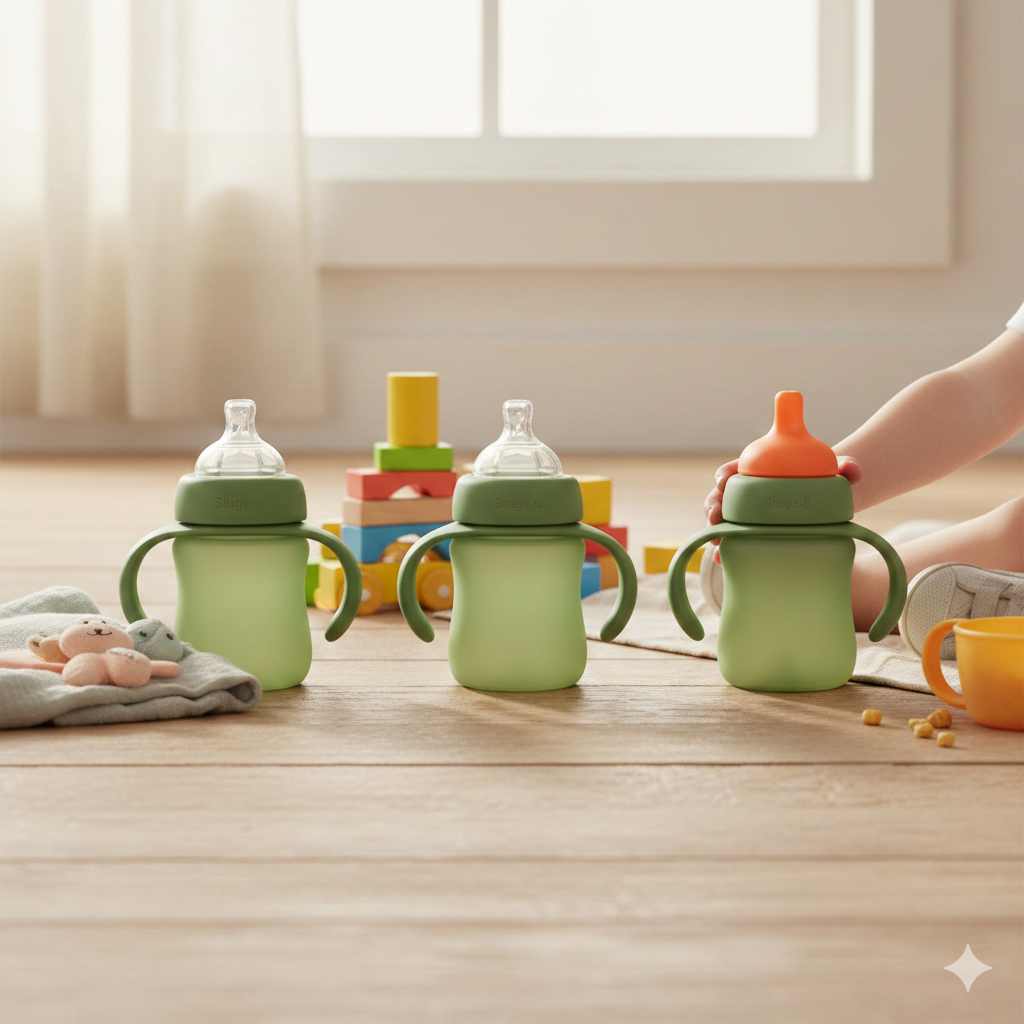
Yes, the best silicone baby bottles are highly suitable for toddlers because they offer a durable, unbreakable, and chemical-free feeding solution that bridges the gap between infancy and independent drinking. Retailers and brand owners often face the challenge of inventory turnover as infants outgrow standard feeding products, leading to lost revenue opportunities in the toddler segment. If your current product line only caters to newborns, you are missing a critical demographic that prioritizes safety and longevity. By sourcing premium silicone bottles, you provide a versatile solution that withstands toddler tantrums and rigorous sterilization while ensuring 100% BPA-free safety.
Why are the best silicone baby bottles considered safe for toddlers?
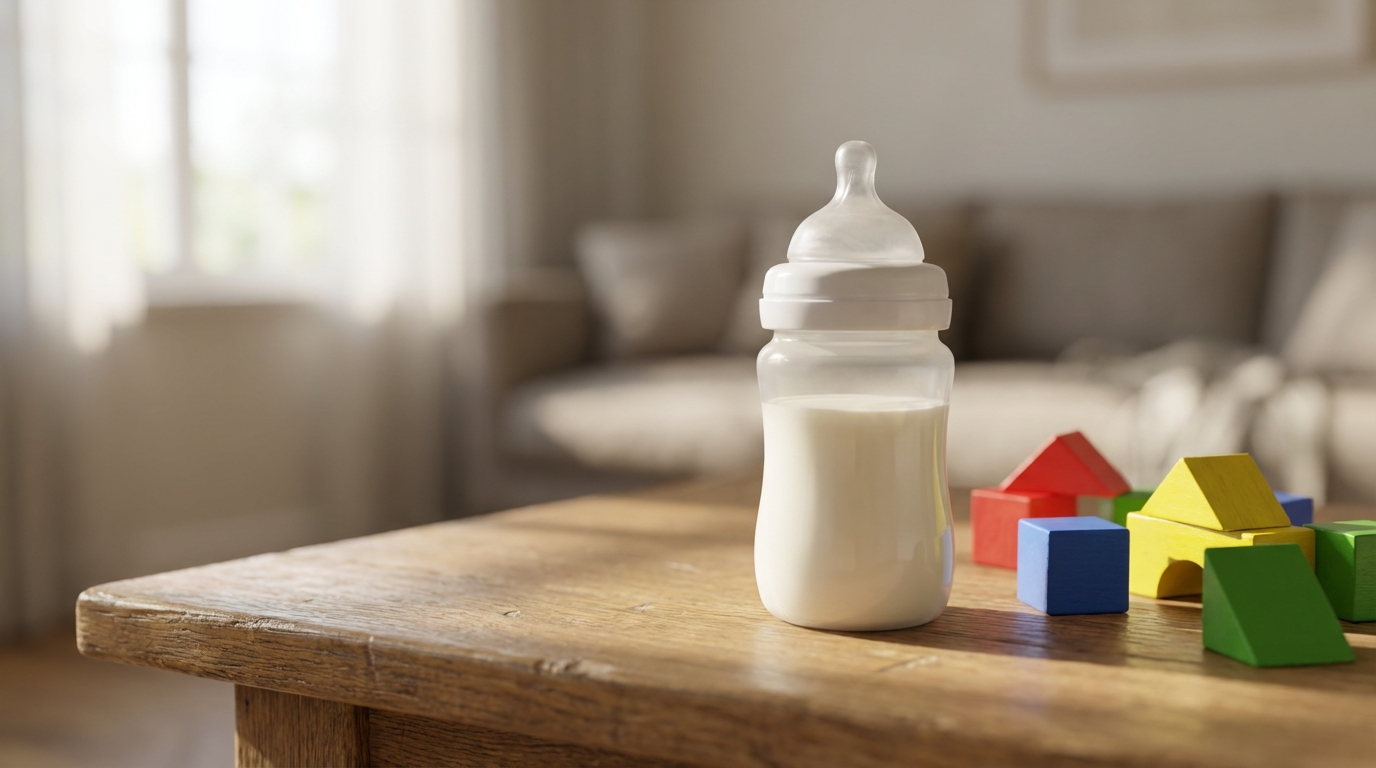
The best silicone baby bottles are widely recognized for their inert chemical composition, making them an ideal choice for parents concerned about long-term health. Unlike plastic, food-grade silicone does not contain endocrine disruptors that could leach into milk or juice during heating. You can assure your clients that these materials are tested to survive the high-intensity use common in the toddler years.
Medical-grade material standards
High-quality silicone is inherently stable and hypoallergenic, preventing the absorption of bacteria or odors. For B2B buyers, verifying FDA and LFGB certifications is the primary method to guarantee product integrity across international markets.
- Non-porous surface structure
- Resistance to mold and mildew
- Hypoallergenic properties
- No chemical off-gassing
Think about this: A toddler’s immune system is still developing, making the purity of their feeding vessels a top priority for modern consumers. Medical-grade materials provide that necessary layer of protection.
Impact resistance for active toddlers
Toddlers are notorious for dropping—and throwing—their belongings as they explore their environment. Silicone’s natural shock-absorption prevents the shattering risks associated with glass and the cracking common in lower-end plastics.
- High tensile strength
- Flexible body absorbs kinetic energy
- No sharp edges upon impact
- Retains shape after crushing
It gets better: Even the most energetic toddler cannot break a high-quality silicone bottle, which significantly reduces the risk of accidental injury in the home or daycare setting.
Soft texture prevents oral injury
The soft, pliable nature of the bottle body and nipple ensures that even if a toddler falls while drinking, the risk of bruising is minimized. This is a significant safety upgrade compared to rigid metal or hard plastic bottles.
- Mimics natural skin feel
- Gentle on developing gums
- Flexible rim construction
- Reduced impact force
Key Takeaway: The safety profile of food-grade silicone makes it a superior choice for the transition phase where durability and non-toxicity are paramount.
| Safety Feature | Silicone Advantage | Consumer Benefit |
|---|---|---|
| Material Purity | 100% BPA/Phthalate free | Zero chemical leaching |
| Physical Integrity | Shatterproof & Flexible | No glass shards or cracks |
| Texture | Soft-touch surface | Prevents mouth/gum trauma |
Analysis: This data illustrates why silicone serves as a comprehensive safety solution for retailers looking to minimize product liability and maximize user trust.
How does material durability impact B2B sourcing decisions?
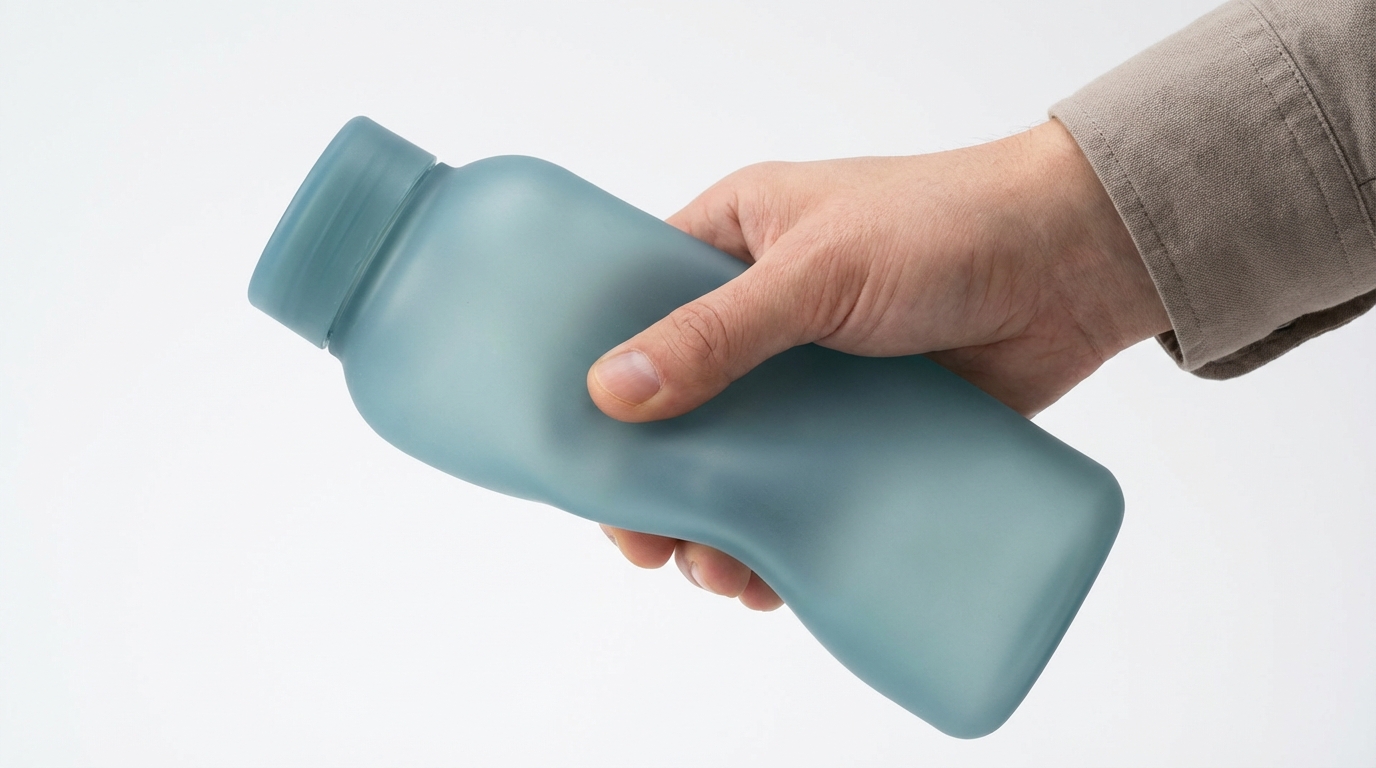
When you choose the best silicone baby bottles, you are investing in a product lifecycle that far outlasts traditional materials. Durability is a key metric for B2B distributors because it directly influences return rates and customer satisfaction scores. For toddlers, a bottle must be a “workhorse” that survives daily drops, bites, and heat cycles without degrading.
Longevity reduces replacement cycles
From a business perspective, selling a product that lasts builds long-term brand loyalty. Silicone does not become brittle or yellow over time, ensuring the product looks and performs like new for months.
- Resistant to oxidative degradation
- Maintains elasticity under stress
- Survives thousands of squeeze cycles
- UV resistant for outdoor use
Here is the bottom line: Products that don’t need frequent replacement may have a higher unit price, but they attract a premium customer base looking for value over time.
Resistance to staining and odors
Silicone’s non-porous nature means it won’t hold onto the smell of milk or the color of fruit juices. This is a major selling point for parents who want a clean, aesthetic look for their toddler’s gear.
- Easy to remove juice residues
- No “sour milk” smell retention
- Clarity remains after heavy use
- Professional-grade aesthetic
Key Takeaway: Investing in durable silicone products reduces return rates and enhances the perceived value of your baby product brand.
| Durability Metric | Silicone Performance | Sourcing Impact |
|---|---|---|
| Shelf Life | 5+ years without degradation | Low inventory spoilage |
| Cleaning Cycles | Unlimited dishwasher/sterilizer | High consumer satisfaction |
| Physical Wear | Highly bite and tear resistant | Fewer safety-related returns |
Analysis: High durability ratings allow B2B brands to justify premium pricing while significantly lowering the costs associated with quality control and customer complaints.
Can silicone bottles withstand the rigorous cleaning toddlers require?
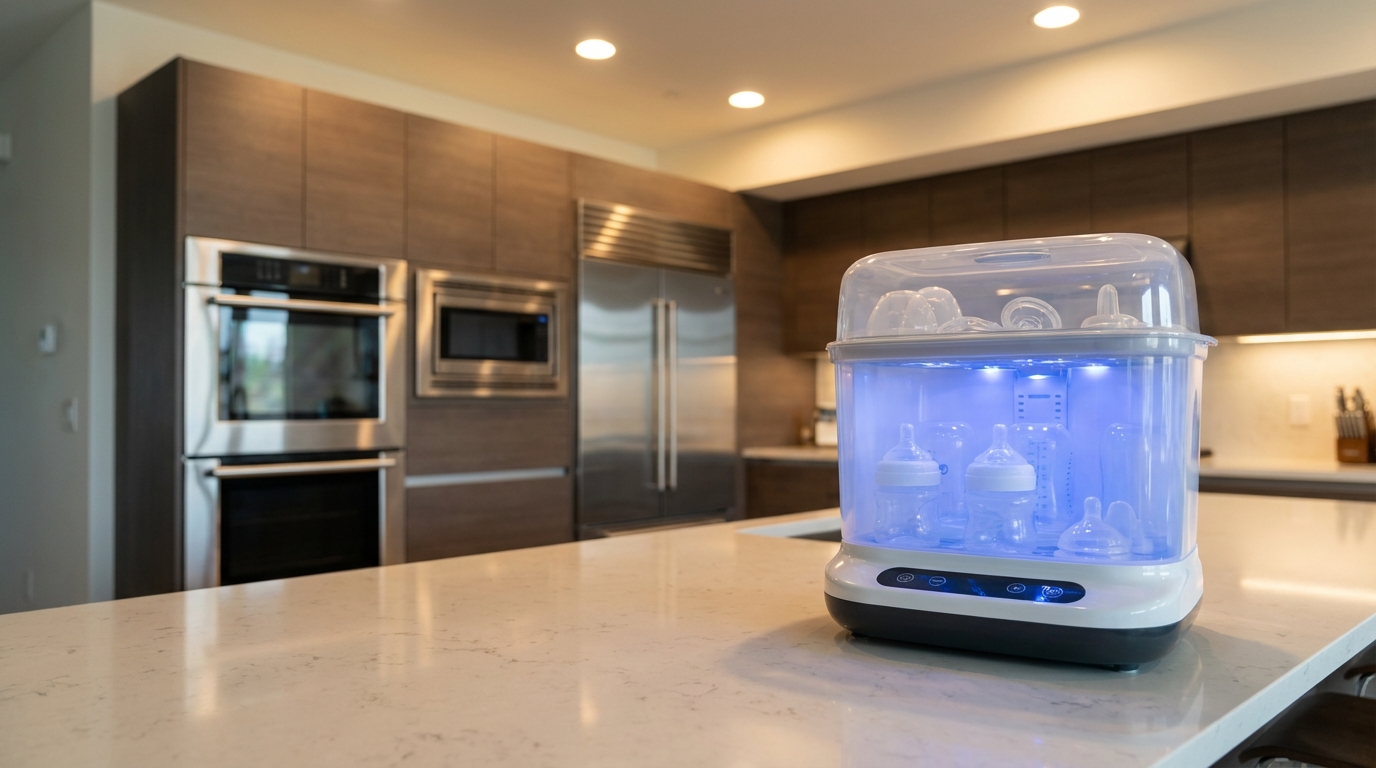
The best silicone baby bottles are designed to handle the intense hygiene routines necessary for growing children. Toddlers interact with many surfaces, making thorough sterilization of their feeding equipment more important than ever. Because silicone is highly heat-resistant, it can be subjected to various cleaning methods that would warp or melt standard plastic.
High-temperature sterilization tolerance
Silicone can comfortably withstand temperatures ranging from -40°C to 230°C. This means you can market these bottles as safe for boiling water, steam sterilizers, and even high-heat dishwasher cycles.
- Microwave-safe for quick warming
- Safe for electric steam units
- Can be boiled for deep cleaning
- No warping at high temperatures
But here is the best part: You don’t have to worry about the material releasing microplastics into the toddler’s drink when exposed to high heat, a common concern with plastic alternatives.
Easy-to-clean wide-neck designs
Most premium silicone bottles feature a wide-neck design that allows for effortless maintenance. This prevents the buildup of old milk or formula in the hard-to-reach corners of the bottle base.
- Compatible with standard bottle brushes
- Hand-washable with ease
- Visible interior for inspection
- Fewer parts for assembly
Key Takeaway: The thermal stability of silicone ensures that products remain hygienic and structurally sound throughout the toddler years.
| Cleaning Method | Silicone Compatibility | Plastic Compatibility |
|---|---|---|
| Boiling Water | 100% Safe (No deformation) | Risk of warping/leaching |
| Steam Sterilizer | Ideal for high-heat cycles | May degrade over time |
| Dishwasher | Top-rack safe and durable | Often becomes cloudy/brittle |
Analysis: The superior hygiene capabilities of silicone make it the “gold standard” for parents who prioritize a bacteria-free feeding environment.
What role do BPA-free certifications play in consumer trust?
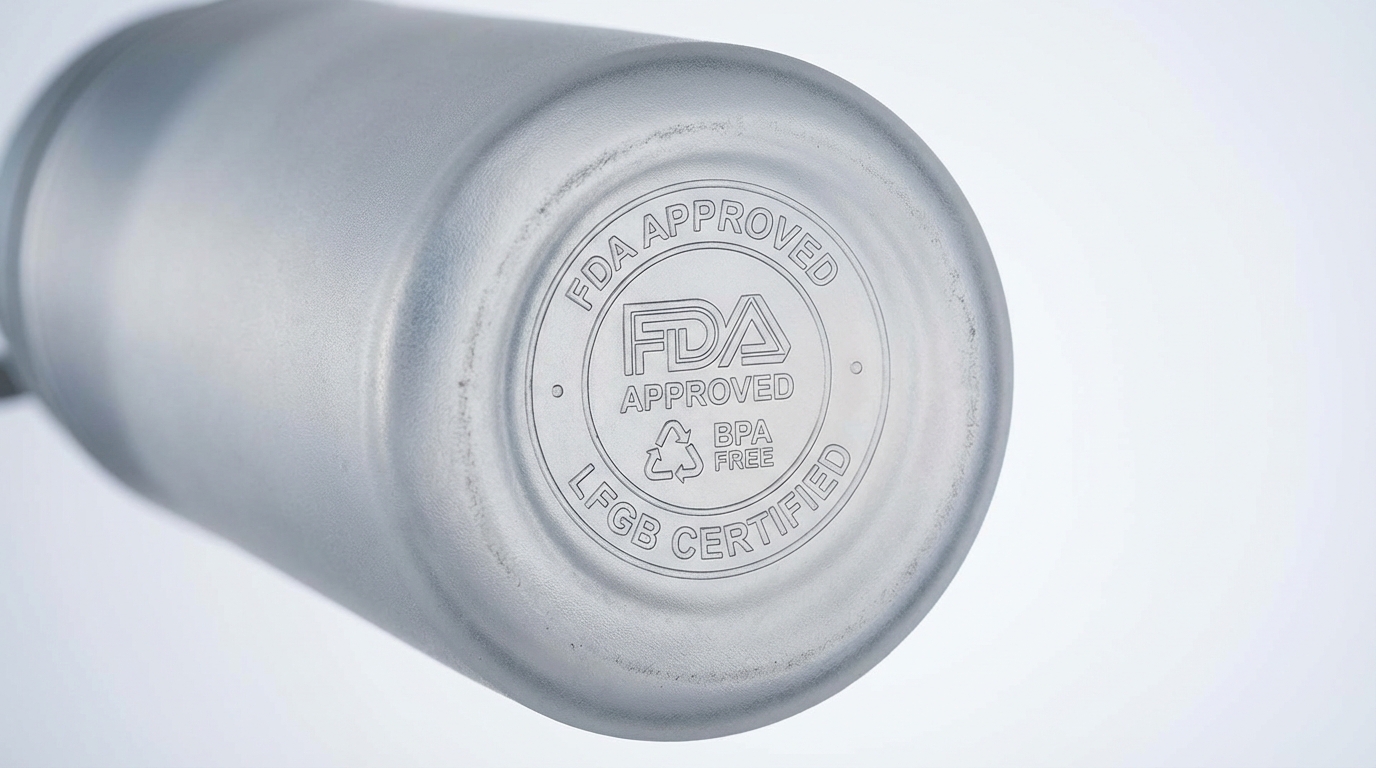
In the global market for the best silicone baby bottles, “BPA-free” is simply the entry-level requirement. Leading manufacturers leverage their extensive material science to ensure products are also free from phthalates, PVC, and heavy metals. For B2B buyers, these certifications are the most powerful tool for building a trustworthy brand in a competitive marketplace.
Meeting international safety regulations
Safety regulations vary by region, but high-grade silicone manufacturers usually aim for the strictest global standards. Having the right paperwork ensures that your shipments clear customs without delays or costly rejections.
- FDA (U.S.) Food Grade Compliance
- LFGB (Europe/Germany) Certification
- REACH and RoHS Chemical Safety
- Phthalate and Lead-free testing
Think about this: A single safety recall can destroy a brand’s reputation overnight, making certified manufacturers an essential part of your risk management strategy.
Transparency in the supply chain
Modern consumers demand transparency regarding where and how their products are made. By sourcing from certified factories, you can provide documented proof of material purity to your retail partners.
- Traceable raw material sourcing
- Third-party lab test reports
- Batch-specific quality assurance
- Eco-conscious manufacturing audits
Key Takeaway: Certified safety is the strongest marketing tool for B2B distributors aiming to capture the health-conscious parent market.
| Certification | Market Reach | Primary Concern Addressed |
|---|---|---|
| FDA 21 CFR | United States / Global | Basic food contact safety |
| LFGB | European Union | Higher purity/No odor transfer |
| BPA-Free | Universal | Endocrine disruptor elimination |
Analysis: Maintaining a portfolio of certified products allows B2B entities to enter premium retail segments where safety documentation is non-negotiable.
Are transition nipples necessary for older toddlers using silicone bottles?
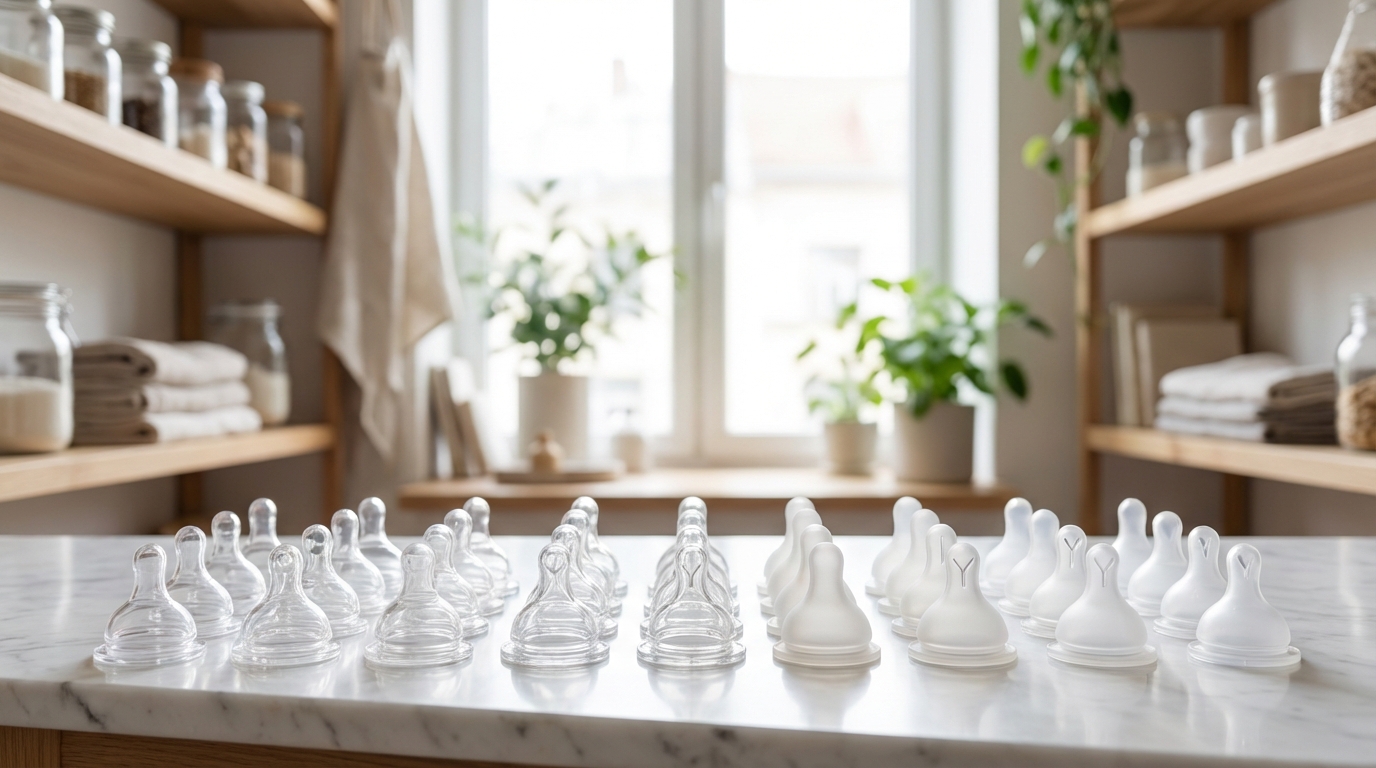
The best silicone baby bottles offer a modular system that grows with the child, making them a cost-effective choice for families. Toddlers have different developmental needs than infants, particularly regarding flow rate and material toughness. Transitioning to specialized nipples ensures that the toddler can drink efficiently without frustration or choking risks.
Adjustable flow rates for growing needs
Toddlers typically require a “fast flow” or “variable flow” nipple to accommodate their increased intake and stronger suction. Silicone’s flexibility allows for precise engineering of these flow patterns to match different developmental stages.
- Fast-flow options for older toddlers
- Cross-cut holes for variable flow
- Anti-colic venting systems
- Natural latch support
It gets better: Many silicone bottles allow parents to swap the nipple for a spout or straw attachment, effectively turning the bottle into a transitional sippy cup.
Bite-resistant nipple structures
As toddlers begin teething, they often use their bottle nipples as a chewing surface. Reinforced silicone designs prevent tearing, which is critical for preventing small pieces from becoming choking hazards.
- High tear-resistance LSR
- Thicker walls for teething support
- Integrated texture for gum relief
- Secure base attachment
Key Takeaway: The ability to swap components makes the silicone bottle a cost-effective, long-term feeding system for the end-user.
| Nipple Stage | Flow Rate | Recommended Age |
|---|---|---|
| Stage 3 | Fast Flow | 6 – 12 Months |
| Stage 4 | Extra Fast / Y-Cut | 12 – 24 Months |
| Variable | Toddler-controlled | Transition Phase |
Analysis: Offering a wide range of nipple stages allows brands to keep customers within their ecosystem for a longer period of time.
How do ergonomic designs help toddlers develop independence?
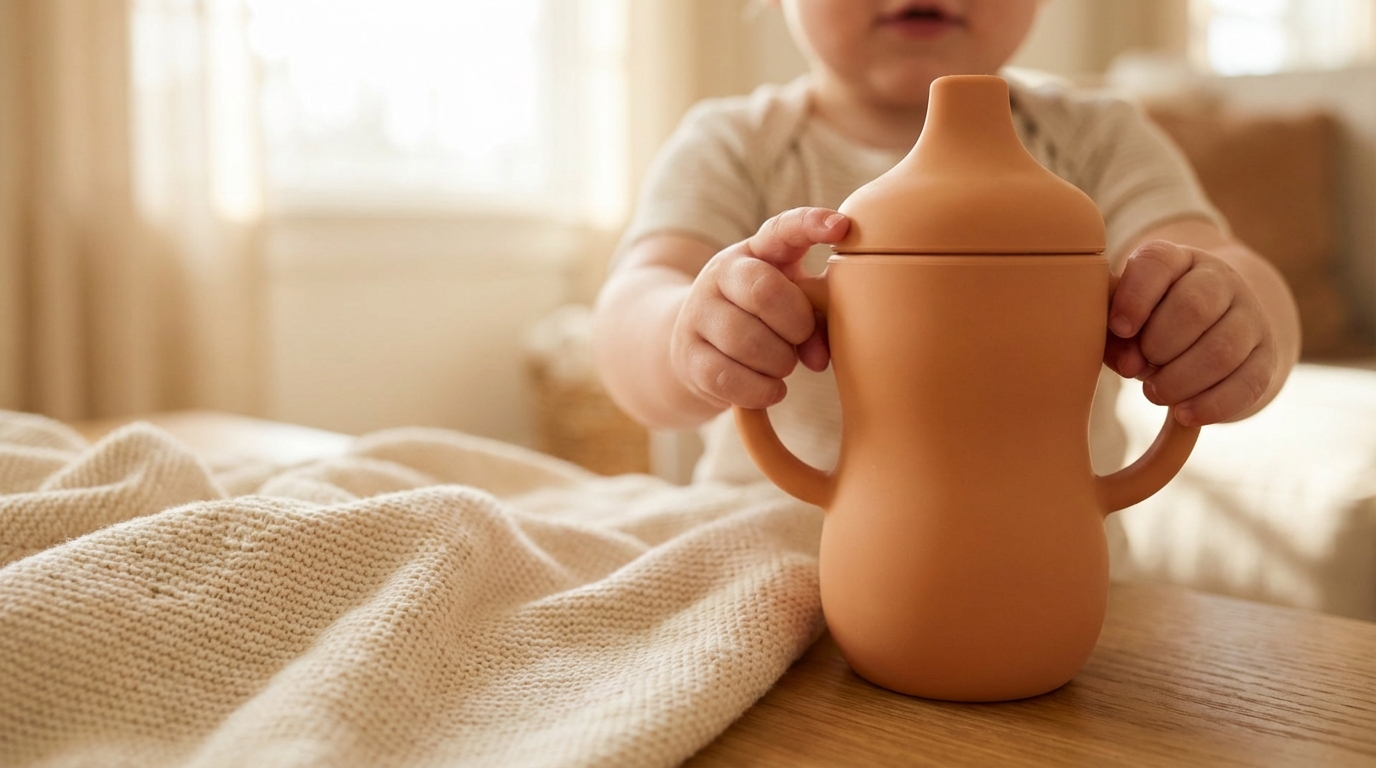
Using the best silicone baby bottles can significantly accelerate a toddler’s journey toward independent drinking. Ergonomics are not just about aesthetics; they are functional features that cater to the limited motor skills of small hands. Silicone’s unique texture provides a natural “grip” that plastic and glass simply cannot replicate.
Natural grip for small hands
The “skin-like” feel of matte silicone creates natural friction, making it much easier for a toddler to hold their bottle securely. This reduces the frustration of the bottle slipping during a feeding session.
- Non-slip surface even when wet
- Soft-touch matte finish
- Lightweight and balanced
- Contoured shapes for tiny palms
Think about this: A bottle that is easy to hold encourages a toddler to feed themselves, which is a major developmental milestone for both the child and the parent.
Squeezable body for assistance
One of the unique advantages of silicone is its soft, squeezable body. If a toddler is struggling to get the last bit of liquid out of the bottle, they can gently squeeze the sides to assist the flow.
- Assists with suction effort
- Helps empty the bottle fully
- Tactile feedback for sensory play
- Reduced vacuum buildup
Key Takeaway: Ergonomics aren’t just about comfort; they are a critical feature in supporting the toddler’s transition to self-feeding.
| Ergonomic Feature | Toddler Benefit | Developmental Goal |
|---|---|---|
| Soft Texture | Easy to grip / Won’t slip | Fine motor skill development |
| Integrated Handles | Stable two-handed carry | Bilateral coordination |
| Squeezable Body | Flow assistance | Problem-solving / Independence |
Analysis: By prioritizing ergonomic design, brands can differentiate their products in a crowded market by solving real-world challenges for toddlers.
Is the temperature resistance of silicone a competitive advantage?
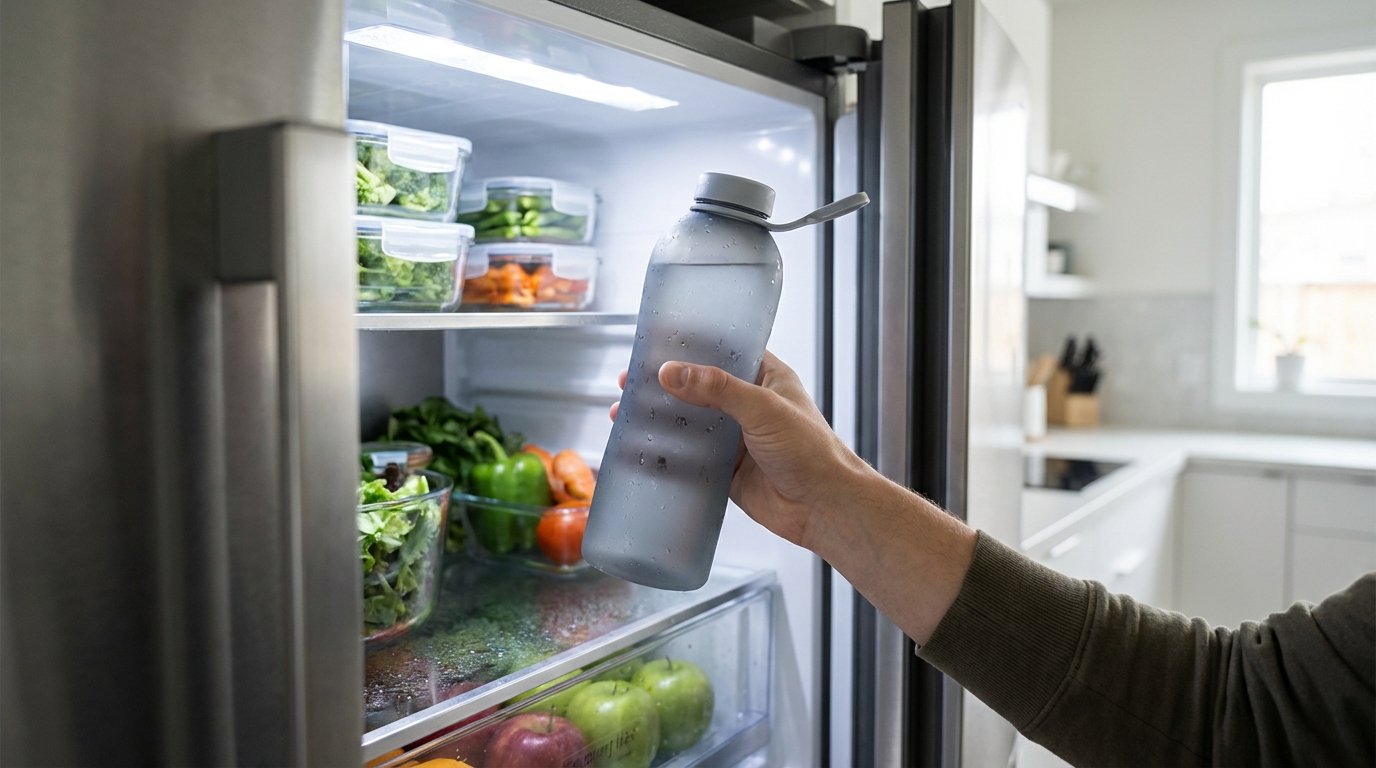
The best silicone baby bottles outperform plastic in extreme temperature environments, providing a versatile solution for busy parents. Whether it’s being moved from a freezer to a bottle warmer or sitting in a hot car, silicone remains stable. This thermal resilience is a major selling point for B2B retailers who want to market a “multi-purpose” feeding solution.
Safe for microwave and freezer
Silicone is a highly stable polymer that does not crack in freezing temperatures or melt in the microwave. This makes it ideal for parents who want to store breast milk or snacks in the freezer and warm them up in the same container.
- Freezer-to-microwave capability
- No risk of thermal shock (like glass)
- Maintains structural integrity
- Dishwasher safe on high heat
But here is the best part: You can offer your customers a product that handles all phases of meal prep, reducing the need for multiple containers and extra washing.
Insulation properties for comfort
While not a vacuum flask, silicone acts as a mild insulator. It helps maintain the liquid’s temperature for longer than thin plastic while remaining comfortable for the toddler to hold, even if the contents are warm.
- Protects hands from heat
- Keeps milk cool during outings
- Consistent feel in all climates
- No condensation issues
Key Takeaway: Multi-functional temperature resistance simplifies the feeding process for parents, providing a strong selling point for retailers.
| Feature | Silicone | Standard Plastic |
|---|---|---|
| Freeze/Thaw Cycle | 100% Resistant | Risk of cracking |
| Microwave Safety | Excellent (No leaching) | Potential chemical release |
| Heat Retention | Moderate Insulation | Very Low |
Analysis: Temperature resistance is a versatile marketing angle that appeals to the practical needs of parents managing varied daily schedules.
Can custom silicone molding improve brand differentiation for toddlers?
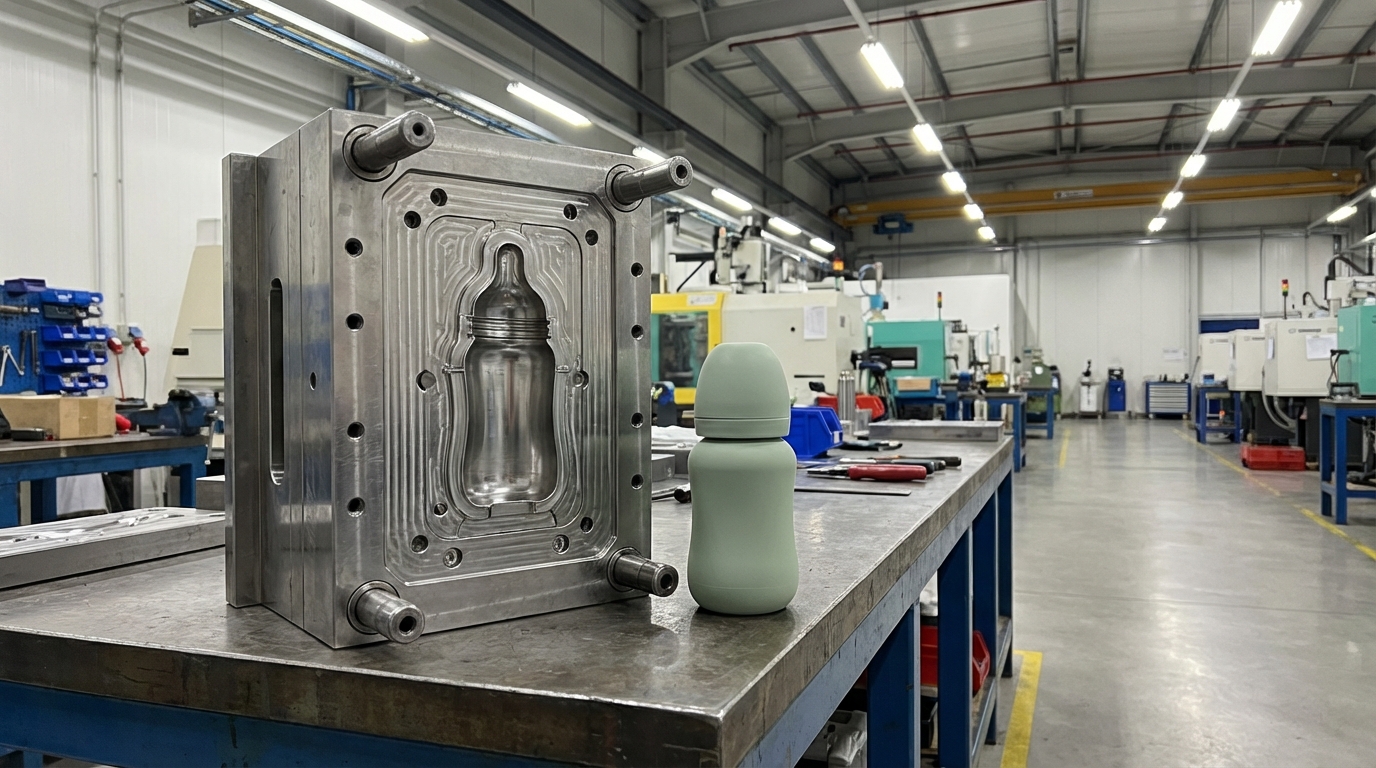
For businesses looking to stand out, utilizing custom silicone molding is the most effective way to create a unique brand identity. The best silicone baby bottles often feature custom shapes, textures, and colors that appeal to modern parents. By moving away from generic designs, you can capture the “lifestyle” segment of the baby products market.
Tailored shapes and textures
Custom molding allows you to design bottles with integrated handles, animal shapes, or unique textures that provide sensory stimulation. This level of customization is highly attractive to B2B clients looking for exclusive products.
- 3D textures for better grip
- Integrated handle designs
- Unique silhouettes for branding
- Embossed logos for premium feel
Think about this: A bottle that looks like a piece of modern home decor is far more likely to be shared on social media, providing free marketing for your brand.
Brand-specific color palettes
Liquid Silicone Rubber (LSR) injection molding allows for incredibly precise color matching. You can create a cohesive line of toddler gear in trendy, muted tones like sage green, dusty rose, or slate blue.
- Pantone-exact color matching
- Multi-color injection options
- Translucent or opaque finishes
- Fade-resistant pigments
Key Takeaway: Customization enables B2B buyers to move away from generic “commodity” products and build a recognizable, premium brand identity.
| Customization Option | Brand Benefit | Consumer Appeal |
|---|---|---|
| Unique Shape | Patentable design | Visual differentiation |
| Trend Colors | Modern brand image | Aesthetic “Instagrammable” gear |
| Custom Texture | Technical superiority | Enhanced functional grip |
Analysis: Investment in custom molds pays off through higher profit margins and stronger retail shelf presence compared to standard catalog items.
What are the cost-benefit implications for bulk silicone bottle orders?
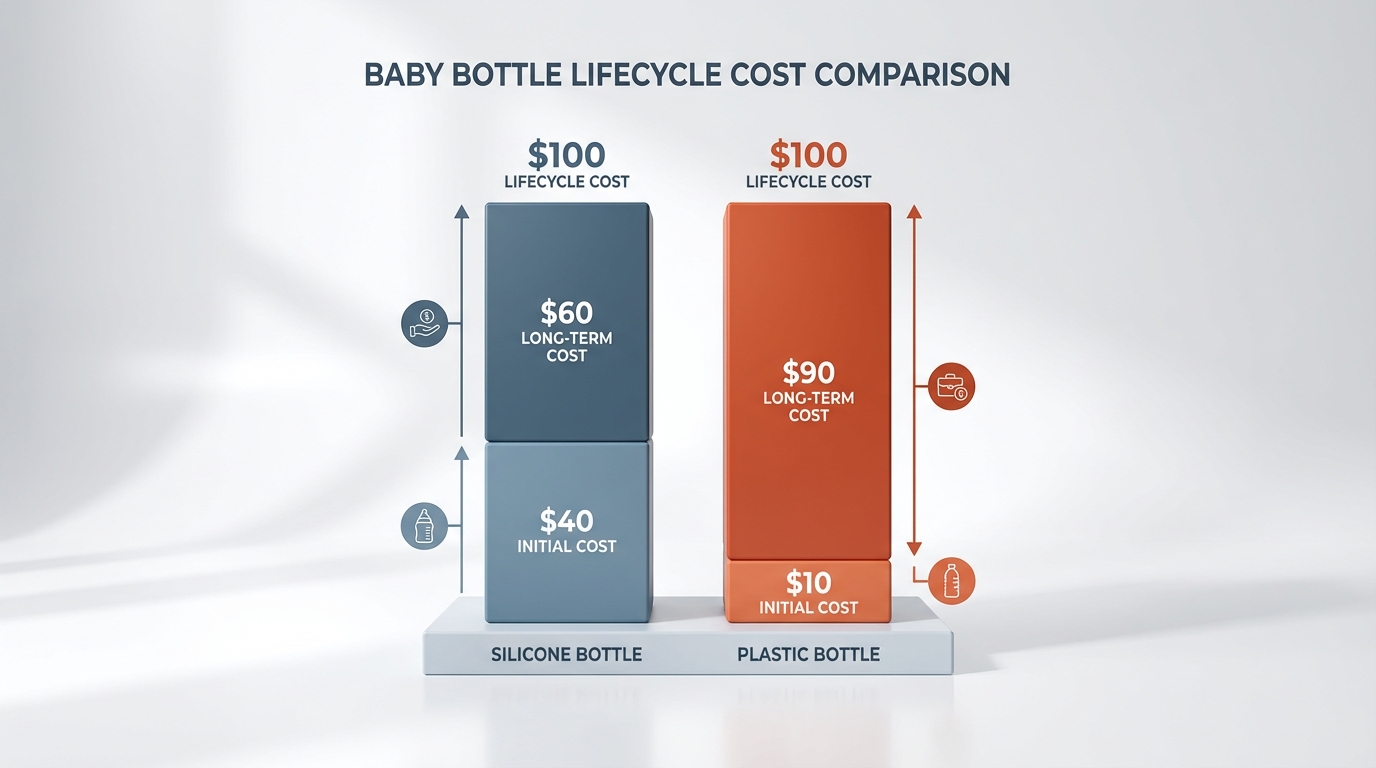
The best silicone baby bottles may have a higher unit cost than plastic, but the long-term ROI is significantly better for both the retailer and the consumer. For B2B buyers, understanding the total cost of ownership is vital for planning inventory and marketing strategies. Silicone’s durability leads to lower defect rates and fewer logistics headaches related to breakage during transit.
Higher upfront cost vs. lower return rate
While plastic bottles are cheap to manufacture, they are prone to cracking and staining, leading to higher return rates. Silicone’s resilience protects your margins by ensuring the product arrives—and stays—in perfect condition.
- Lower shipping damage rates
- Minimal customer returns
- High perceived “gift” value
- Durable wholesale packaging
Here is the bottom line: You might spend more per unit, but you spend significantly less on customer service and replacement inventory over the life of the product line.
Sustainability and market demand
Modern consumers are willing to pay more for “buy-it-once” products that reduce plastic waste. Positioning silicone as a sustainable alternative to disposable plastics aligns your brand with current environmental trends.
- Reusable for siblings
- Recyclable in specialized facilities
- Minimal packaging requirements
- Longevity reduces landfill waste
Key Takeaway: Position silicone bottles as a “premium investment” to attract high-value customers who prioritize quality over the lowest price.
| Factor | Silicone Bottle | Plastic Bottle |
|---|---|---|
| Initial Cost | Higher | Lower |
| Replacement Rate | Very Low | High |
| Sustainability | High (Long-lived) | Low (Disposable) |
Analysis: The shift in consumer behavior toward sustainability means that high-durability silicone is now seen as the more economical choice in the long run.
Why is partnering with a certified manufacturer critical for B2B success?
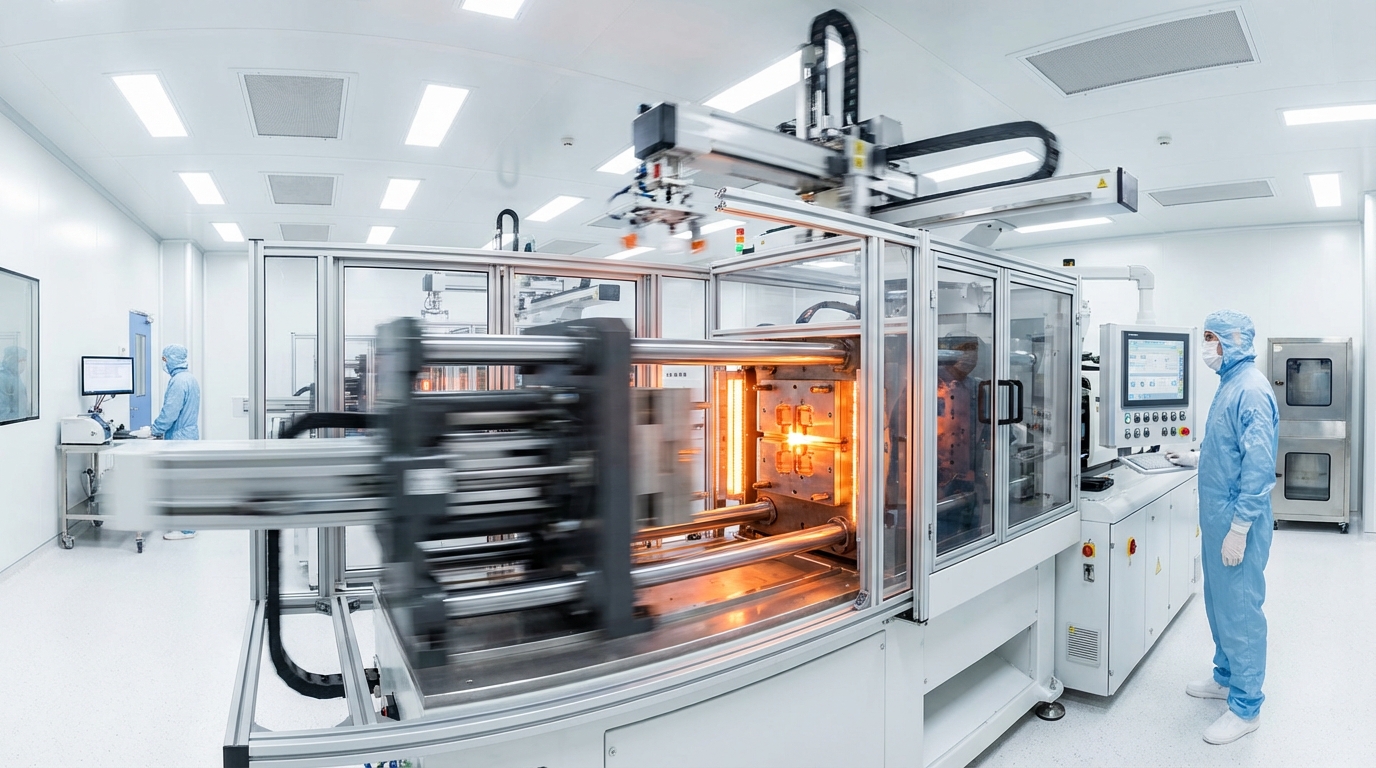
To consistently deliver the best silicone baby bottles, you must partner with a manufacturer that utilizes advanced Liquid Silicone Rubber (LSR) injection technology. Toddler products require extreme precision to ensure that parts fit together perfectly and that safety valves function as intended. A certified partner provides the technical foundation for your brand’s growth.
Consistency in mass production
Professional manufacturers ensure that every bottle—from the first to the 100,000th—meets the same rigorous quality standards. This level of consistency is impossible to achieve with low-end compression molding.
- Automated LSR injection lines
- Cleanroom production environments
- Strict QC (Quality Control) protocols
- Minimal flash and waste
Think about this: In the world of baby products, a single manufacturing defect isn’t just a business problem—it’s a safety hazard. High-tech automation eliminates human error.
Scalability for seasonal demand
You need a manufacturing partner who can scale production quickly to meet seasonal peaks or sudden market success. Advanced factories have the capacity to handle large-volume orders without compromising on lead times.
- High-volume production capacity
- Efficient mold maintenance
- Global logistics support
- OEM/ODM technical expertise
Key Takeaway: Your manufacturer is your most important partner; their technical capability directly dictates your market competitiveness.
| Manufacturer Asset | Business Advantage |
|---|---|
| Advanced LSR Tech | Superior product finish and precision |
| Cleanroom Facility | Guaranteed medical-grade hygiene |
| In-house Mold Design | Faster speed-to-market for new designs |
Analysis: Choosing a manufacturer with deep technical expertise allows B2B brands to focus on marketing and sales, knowing their supply chain is secure and high-quality.
*
Conclusion: Bridging the Gap from Baby to Toddler
The transition from infancy to toddlerhood requires feeding products that are as resilient as they are safe. High-quality silicone baby bottles are not just “suitable” for toddlers—they are often the superior choice due to their durability, ease of cleaning, and chemical purity. For B2B buyers and brand owners, offering these products represents a strategic move toward a higher-quality inventory that meets the demanding standards of modern parents.
At Hualin Silicone, we specialize in high-precision manufacturing and OEM/ODM services for the world’s leading baby brands. Whether you need custom designs or bulk supply of certified feeding products, we provide the technical expertise to bring your vision to market.
Contact us today to discuss your manufacturing needs and request a quote for your next product line.
*
FAQ: Sourcing Silicone Baby Bottles for Toddlers
- Can I use the same silicone bottle for milk and juice for a toddler?
Yes, high-grade silicone is non-porous and does not retain odors or stains from different liquids, provided it is cleaned properly between uses. This versatility makes it ideal for toddlers who are beginning to drink water and juice alongside milk. - What is the best way to sterilize silicone bottles in a retail or showroom setting?
For demonstration or hygiene purposes, UV sterilizers or simple steam bags are highly effective and do not damage the silicone material. They are quick, dry, and professional for retail environments. - Do silicone bottles ever need to be replaced?
While the bottle body is extremely durable and can last for years, the nipples should be inspected regularly for wear and typically replaced every 2-3 months for hygiene and safety. The bottle itself can often be repurposed as a snack container later. - Are silicone bottles heavier than plastic ones?
They are slightly heavier than thin plastic but significantly lighter than glass. This provides a balanced weight that actually helps toddlers develop their motor skills and grip strength without being cumbersome. - Is it possible to print custom brand logos on silicone bottles?
Yes, through specialized silk-screen printing or laser engraving, logos can be applied to silicone without compromising the safety of the material. This is a standard part of our OEM services for global brands.