
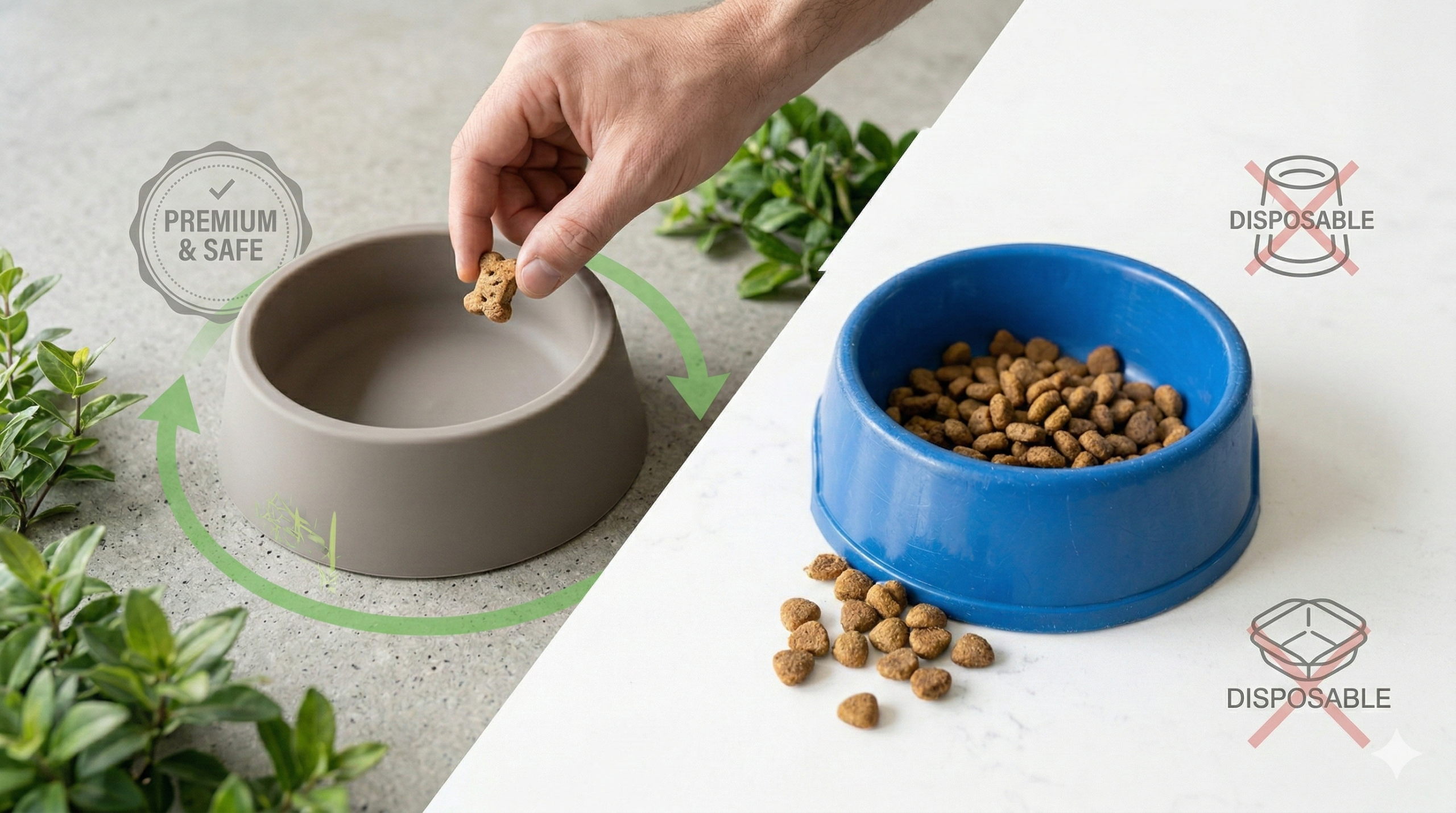
Silicone is the superior material for premium dog bowls because it offers unmatched safety, durability, and hygiene compared to traditional plastic alternatives. In today’s competitive market, pet brands face the growing challenge of meeting the demands of discerning owners who are wary of low-quality materials. Using outdated plastic components can lead to product warping, bacterial buildup, and even chemical leaching, which compromises your brand’s reputation and customer trust. By transitioning to high-quality silicone pet products, you solve these structural and safety issues while positioning your product as a premium, long-lasting solution for modern pet care.
1. Is material safety the primary concern for modern pet owners?
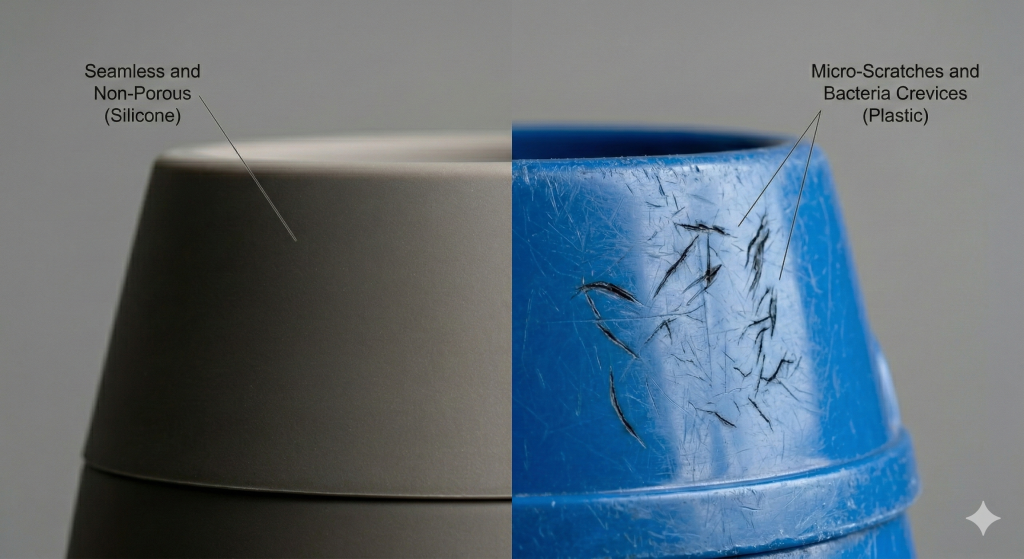
For B2B brands, ensuring that your silicone pet products are non-toxic is the first step toward building consumer trust and avoiding costly recalls. Today’s consumers are increasingly educated about chemical exposure and demand transparency in material sourcing.
Think about this.
H3: Avoiding Chemical Leaching and BPA
Plastic bowls, particularly budget-tier options, often contain Bisphenol A (BPA) or phthalates that can compromise health. Under heat or heavy wear, these chemicals can leach into food and water, posing significant long-term health risks to pets.
- BPA-free construction
- Phthalate-free materials
- Reduced toxin exposure
- Higher safety ratings
H3: Non-Porous Properties of Food-Grade Silicone
Unlike plastic, food-grade silicone is non-porous and chemically inert, meaning it won’t react with food acids or liquids. This ensures the material remains stable and safe throughout the product’s entire lifecycle, regardless of use frequency.
| Feature | Plastic Bowls | Silicone Bowls |
|---|---|---|
| Chemical Safety | Risk of BPA/Phthalate leaching | BPA-free and chemically inert |
| Material Porosity | Can be porous; absorbs odors | Non-porous; odor resistant |
| Safety Standard | Varies by plastic grade | Food-grade and non-toxic |
Investing in inert materials significantly reduces your brand’s liability while meeting the high safety expectations of the modern premium pet market.
2. Why does durability define long-term product ROI?
Durability is a critical factor for B2B buyers looking for products that reduce the “throw-away” cycle and provide better value for money. You need silicone pet products that can survive the rigors of shipping and daily household use without losing their functional integrity.
Here’s the deal.
H3: Impact and Crack Resistance
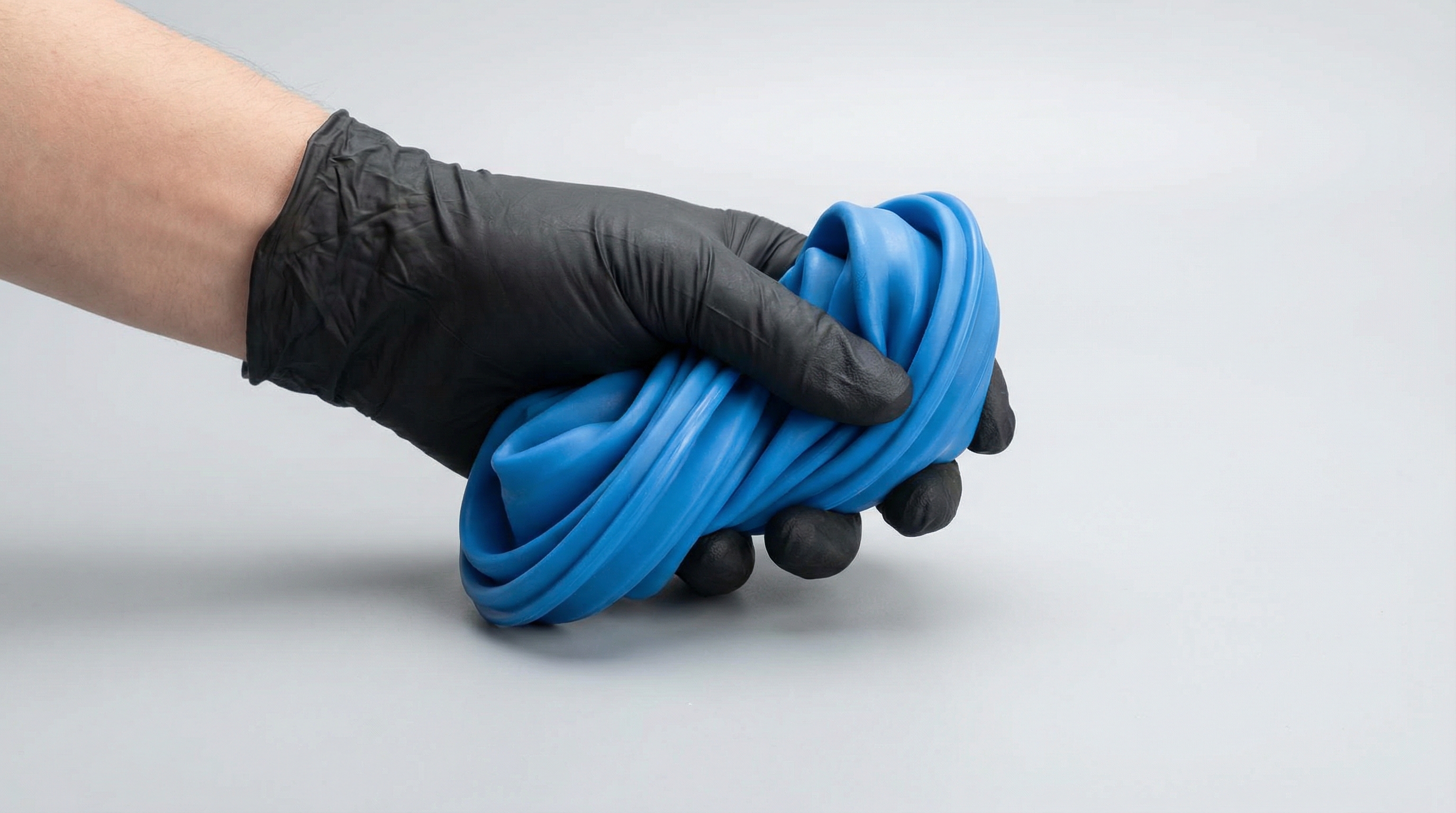
Plastic bowls are prone to cracking if dropped or stepped on, often leading to immediate disposal. Silicone’s inherent flexibility allows it to absorb impact, making it virtually unbreakable in standard household and travel environments.
- Shatter-proof design
- Flexible architecture
- Impact absorption
- Long-term resilience
H3: Resistance to Warping
While plastic often warps in dishwashers or under high heat, silicone maintains its structural integrity across a massive temperature range. This ensures the product looks and functions like new for years, even after hundreds of cleaning cycles.
| Durability Metric | Plastic | Silicone |
|---|---|---|
| Drop Resistance | High risk of cracking | Unbreakable / Flexible |
| Structural Shape | Prone to warping/bending | Maintains original form |
| Wear & Tear | Scratches easily | Highly scratch resistant |
The superior physical resilience of silicone results in fewer product returns and higher customer satisfaction scores over time.
3. Can bacterial hygiene be guaranteed with traditional plastic?
Maintaining high hygiene standards for your silicone pet products is significantly easier than with plastic, which is a major selling point for health-conscious retailers. Bacterial buildup is a common cause of pet health issues that can be traced back to poor feeding equipment.
But that’s not all.
H3: The Hidden Danger of Micro-Scratches
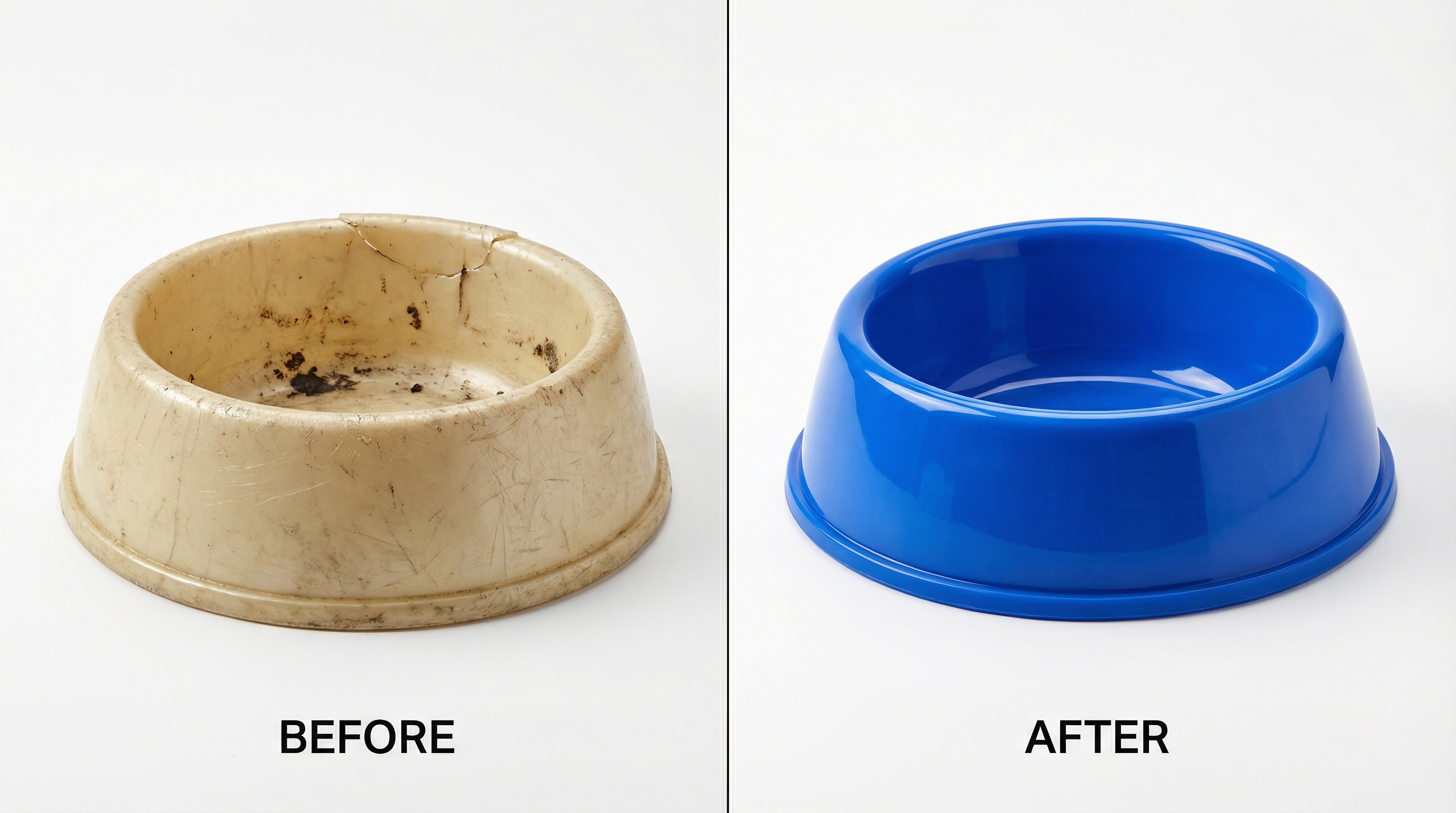
Plastic surfaces scratch easily from cleaning brushes or even the pet’s teeth during feeding. These microscopic grooves become breeding grounds for bacteria and biofilm that are nearly impossible to fully sanitize.
- Surface integrity
- Scratch resistance
- Biofilm prevention
- Long-term cleanliness
H3: Superior Sanitization and Dishwasher Safety
Silicone’s smooth, non-porous surface prevents bacterial adhesion from the start. It can be sterilized at high temperatures, including boiling water and industrial dishwashers, without the material degradation seen in polymers.
| Hygiene Factor | Plastic | Silicone |
|---|---|---|
| Bacterial Growth | High (in scratches/pores) | Low (bacteria-resistant) |
| Ease of Cleaning | Difficult to sanitize deep grooves | Dishwasher and boil-safe |
| Odor Retention | High | Minimal to none |
Silicone’s ability to withstand extreme sterilization methods ensures that your product remains a safe, hygienic choice for the life of the bowl.
4. How does material choice impact environmental sustainability?
As global regulations tighten around single-use materials, the environmental footprint of your silicone pet products is a key strategic consideration. Brands that ignore sustainability risk losing market share to eco-conscious competitors who prioritize longevity and recyclability.
Look at the numbers.
H3: Longevity vs. Disposable Culture
Because silicone products last significantly longer than plastic, they contribute less to landfill waste over time. This “buy once, use longer” philosophy aligns perfectly with modern sustainability goals and consumer preferences for durable goods.
- Extended product lifespan
- Reduced replacement cycles
- Lower waste generation
- Higher material value
H3: Recyclability and Environmental Impact
While silicone is not traditionally biodegradable, it is increasingly recyclable through specialized facilities. Most importantly, it does not break down into microplastics like traditional petroleum-based plastics, protecting our oceans and soil.
| Sustainability Metric | Plastic | Silicone |
|---|---|---|
| Product Lifespan | Short (1-2 years) | Long (5-10+ years) |
| Microplastic Risk | High | None |
| End-of-life | Often non-recyclable/Landfill | Recyclable via specialized paths |
By opting for silicone, your brand demonstrates a commitment to reducing the environmental impact of the pet industry.
5. What are the actual cost-to-value trade-offs?
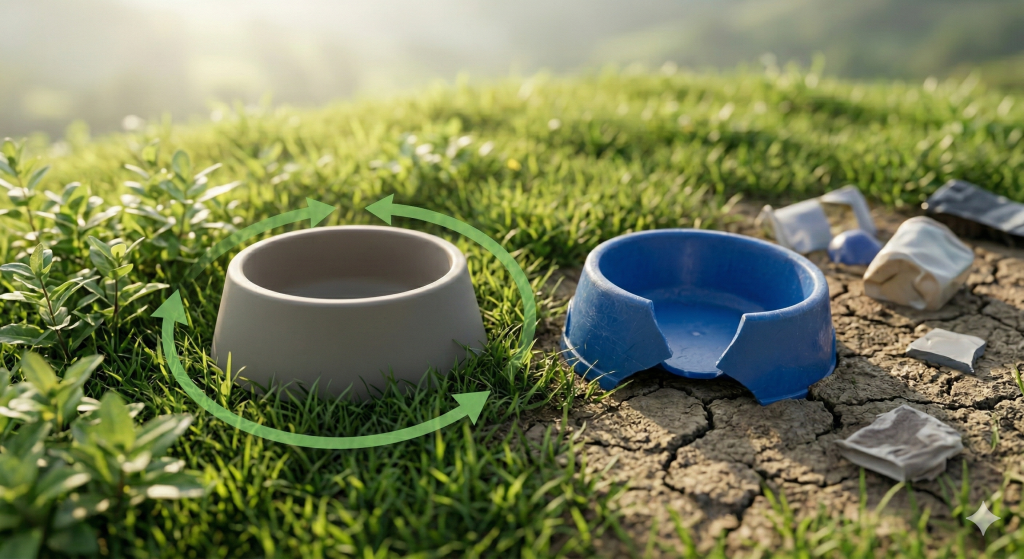
Investing in high-quality silicone pet products involves a higher initial manufacturing cost, but the B2B value proposition lies in the premium margins. You must weigh the upfront investment against the long-term benefits of brand authority and reduced logistical failures.
The truth is.
H3: Manufacturing Costs vs. Market Price
While the raw material for silicone is more expensive than plastic resin, the market allows for higher retail price points. Consumers are willing to pay a premium for the perceived safety and quality that silicone inherently provides.
- Higher retail MSRP
- Premium market tiering
- Increased perceived value
- Stronger brand positioning
H3: Lower Damage Rates in Shipping
The flexibility of silicone makes it immune to the transit damage that often plagues rigid plastic shipments. You will save significant costs by eliminating the cracking and shattering issues that lead to expensive replacements and shipping claims.
| Cost Element | Plastic | Silicone |
|---|---|---|
| Raw Material Cost | Low | Medium to High |
| Logistics Risk | High (Fragility) | Very Low (Flexible) |
| Retail Margin | Lower / Commodity | Higher / Premium |
The reduction in shipping-related losses often compensates for the higher raw material costs when analyzed on a per-unit profit basis.
6. Why is supply chain stability critical for your product launch?
In the B2B world, the ability to source silicone pet products consistently is just as important as the material itself. You cannot build a successful brand on a supply chain that fluctuates wildly with the price of oil or geopolitical instability.
It gets better.
H3: Material Availability and Sourcing
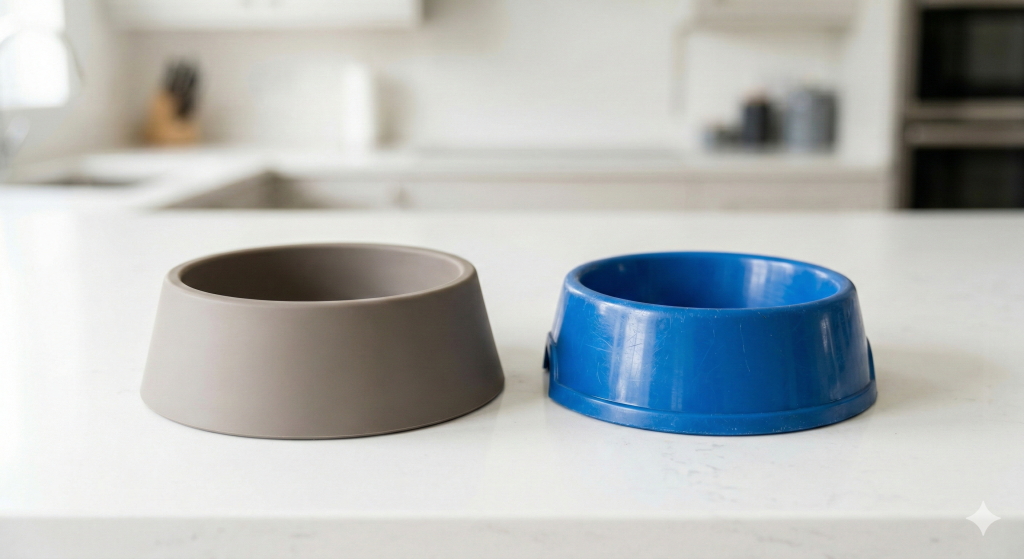
Silicone is derived from silica (sand), which is one of the most abundant materials on earth. This provides a more stable long-term supply chain compared to plastic, which is inextricably tied to volatile petroleum markets.
- Stable raw material source
- Reduced price volatility
- Abundant global supply
- Lower geopolitical risk
| Supply Chain Factor | Plastic (Petroleum-Based) | Silicone (Silica-Based) |
|---|---|---|
| Price Volatility | High (linked to oil) | Stable |
| Resource Abundance | Finite / Petroleum | Abundant / Silica |
Relying on silica-based materials ensures that your manufacturing costs remain predictable, allowing for more accurate long-term financial planning.
7. Does silicone offer superior customization versatility for brands?
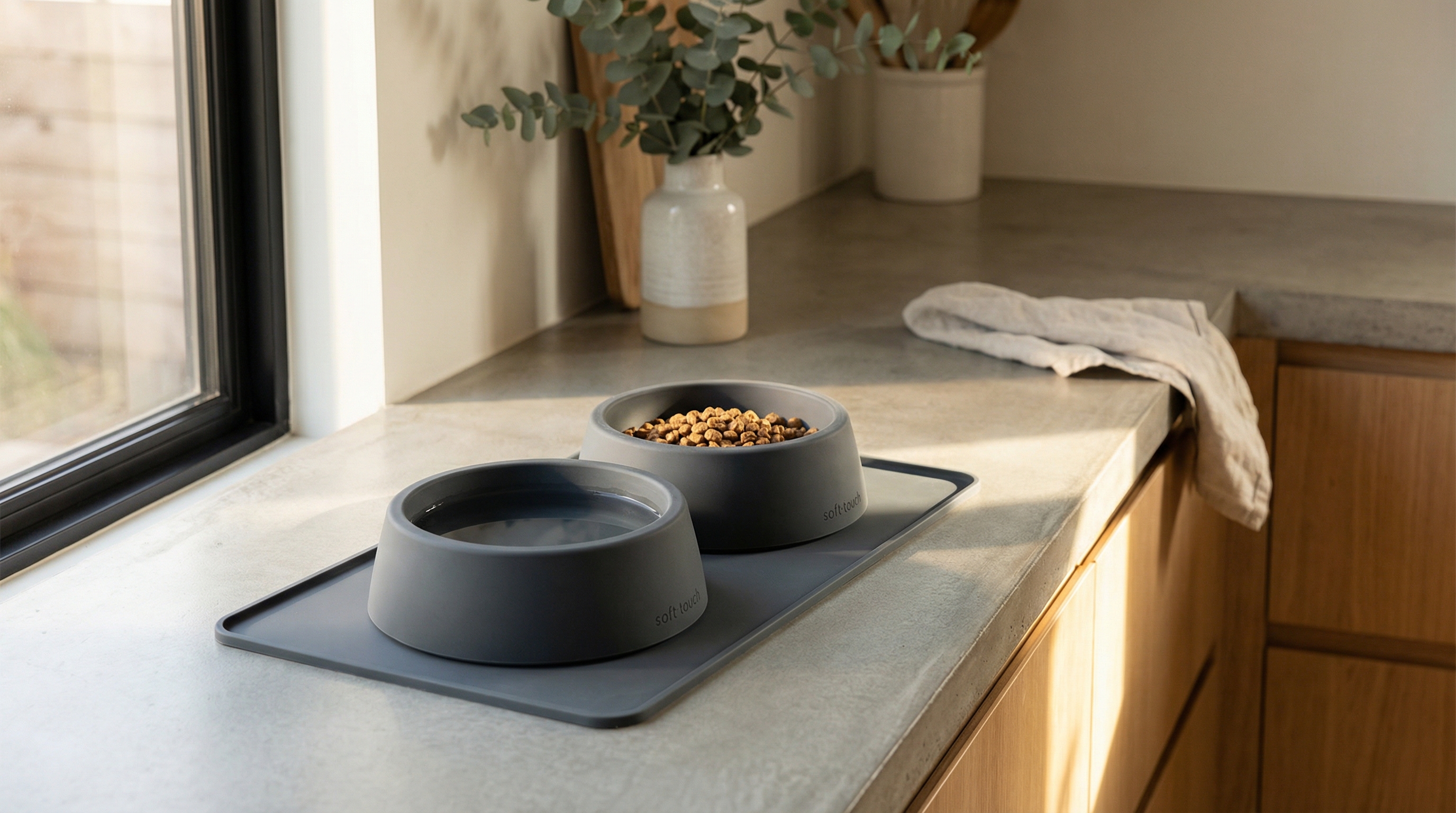
Successful silicone pet products often rely on unique branding and aesthetic appeal to stand out in a saturated market. You have the opportunity to create shapes and textures that are simply impossible with rigid, brittle plastics.
Wait, there’s more.
H3: Complex Geometries and Overmolding
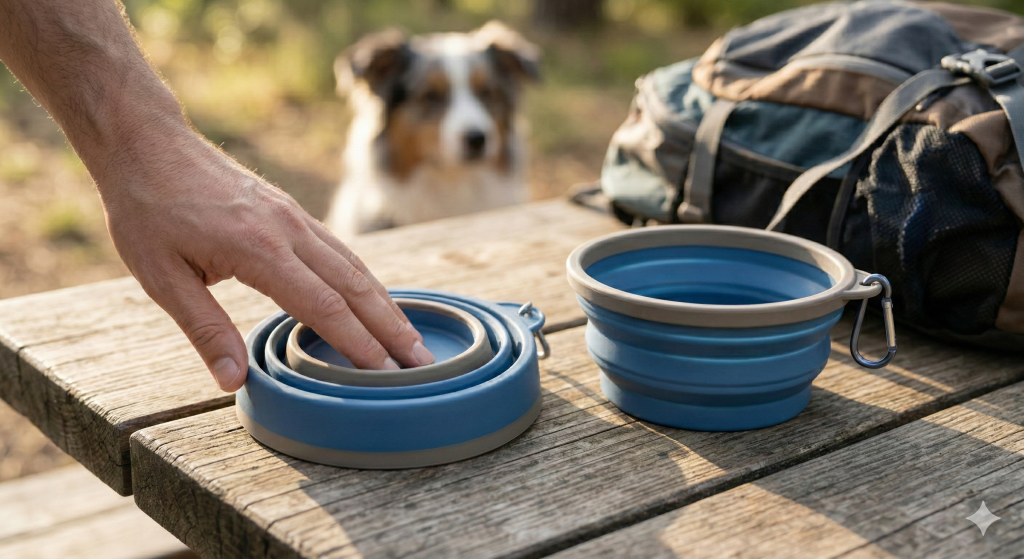
Silicone can be molded into complex shapes, such as collapsible travel bowls, that plastic cannot easily replicate. It also excels in overmolding, allowing you to combine it with other materials for specialized non-slip grips or dual-tone designs.
- Collapsible designs
- Non-slip textures
- Ergonomic shapes
- Integrated mounting points
H3: Color Consistency and Texture Options
From matte finishes to vibrant Pantone matching, silicone maintains its color better over time and offers a soft-touch feel. This tactile quality immediately communicates a “premium” experience to the consumer during the unboxing process.
| Design Capability | Plastic | Silicone |
|---|---|---|
| Color Retention | Can fade/yellow | Highly UV stable |
| Tactile Feel | Hard / Cold | Soft-touch / Premium |
| Complexity | Limited by rigidity | High (Collapsible/Flexible) |
The ability to offer a unique tactile experience helps your product stand out on retail shelves and in digital marketplaces.
8. How does temperature resistance affect product use-cases?
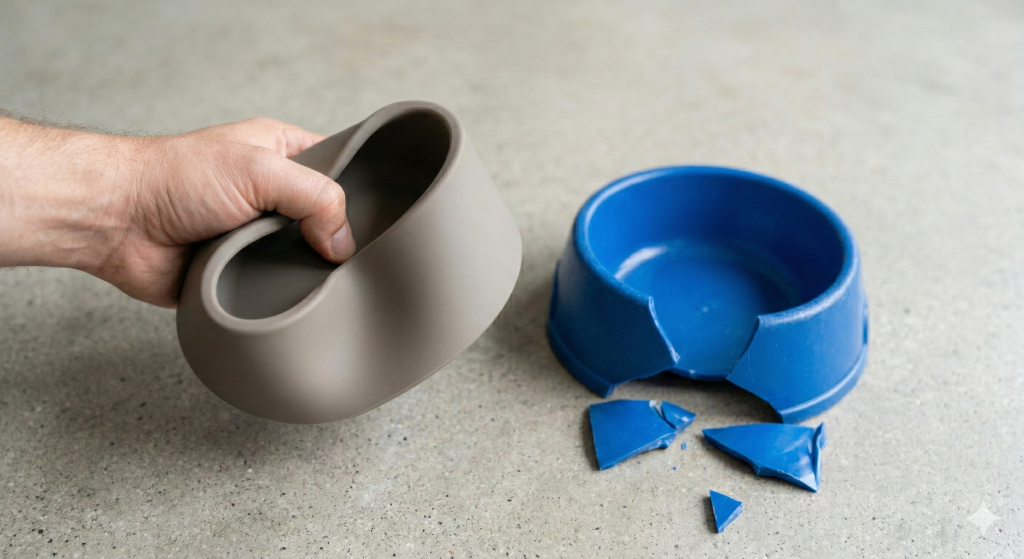
The functional range of silicone pet products determines where they can be used, from the home kitchen to the rugged outdoors. You want your product to be versatile enough to handle every environment a pet owner might encounter.
Essentially.
H3: High-Heat and Microwave Compatibility
Silicone can withstand temperatures up to 230°C (446°F), making it safe for microwave use if a pet’s food needs warming. Most plastics will warp or release harmful fumes long before reaching these temperatures.
- Microwave safe
- Boiling water safe
- Heat-resistant handling
- High-temp sterilization
H3: Stability in Extreme Cold
Unlike plastic, which becomes brittle and prone to snapping in freezing temperatures, silicone remains flexible and functional. This makes it the ideal choice for outdoor winter gear or products intended for use in colder climates.
| Thermal Property | Plastic | Silicone |
|---|---|---|
| High Temp Limit | ~70-100°C (varies) | ~230°C |
| Cold Temp Behavior | Becomes brittle | Remains flexible |
Thermal stability expands your target market to include outdoor enthusiasts and travelers who require gear that doesn’t fail in extreme weather.
9. What regulatory compliance standards must your bowl meet?
Navigating international safety standards is simpler when working with silicone pet products that are pre-certified for food contact. You can streamline your entry into major global markets by selecting materials that already meet rigorous testing criteria.
The bottom line?
H3: FDA and LFGB Compliance
Most high-quality silicone manufacturers provide FDA (USA) or LFGB (European) food-safe certifications. These are essential requirements for entering major retail chains and ensuring that your product is legally compliant across different jurisdictions.
- FDA food-grade certification
- LFGB European standards
- Reach/RoHS compliance
- Global market access
H3: Third-Party Lab Testing
Because silicone is a stable polymer, it consistently passes heavy metal and chemical migration tests. This consistency removes a major hurdle often faced by brands using recycled or lower-grade plastics that vary by batch.
| Compliance Area | Plastic | Silicone |
|---|---|---|
| Global Standards | Harder to verify (BPA risk) | FDA/LFGB compliant |
| Testing Success | Variable | Highly consistent |
Using certified silicone significantly reduces the time and cost associated with regulatory testing during the product development phase.
10. How does material perception shape your brand’s market position?
The “unboxing” experience and the physical weight of silicone pet products influence how customers value your brand. You are not just selling a bowl; you are selling the confidence that the owner is providing the best for their pet.
Consider this.
H3: The “Premium” Association
Consumers increasingly view plastic as “cheap” or “disposable,” which can hurt your brand’s long-term reputation. Silicone’s weight, texture, and durability immediately signal a higher-tier product to the end-user, justifying a higher price.
- Perceived quality boost
- Premium brand identity
- Customer satisfaction
- Visual appeal
H3: Consumer Trust and Brand Loyalty
By providing a product that doesn’t smell, stain, or break, you build long-term brand loyalty. Customers are far more likely to recommend your product if they perceive it as a safe and lasting investment for their family.
| Brand Aspect | Plastic | Silicone |
|---|---|---|
| Market Perception | Commodity / Value | Premium / Quality |
| Customer Loyalty | Low (Replaceable) | High (Reliable) |
Choosing a material that reflects quality helps establish your brand as a leader in the premium pet accessories space.
Conclusion
Choosing the right material for your dog bowl is a strategic decision that impacts everything from safety and hygiene to brand longevity. While plastic remains a low-cost entry point, it carries significant risks of chemical leaching, bacterial growth, and structural failure that can damage your reputation. Silicone solves these problems by providing a non-toxic, virtually indestructible, and highly hygienic alternative that resonates with today’s premium pet market.
At HuaLin, we specialize in helping brands navigate these choices to create market-leading designs. Whether you are looking for custom molds or specialized colors, we provide the manufacturing expertise to bring your vision to life. Please contact us today to discuss your next project and ensure your pet products meet the highest standards of quality and safety.
FAQ
- Is silicone more expensive than plastic for bulk manufacturing?
While the initial raw material cost for silicone is higher, its durability and premium market positioning allow for higher retail margins and lower return rates, often resulting in better overall profitability for your brand. - Can I customize silicone pet products with my brand’s logo?
Yes, silicone is highly versatile and allows for permanent branding. Logos can be embossed, debossed, or silk-screened onto the material during or after the molding process to ensure your brand remains visible for the life of the product. - Can I trust that silicone bowls are safe for all dog breeds?
Absolutely, food-grade silicone is non-toxic and hypoallergenic, making it safe for all pets. It is also scratch-resistant, which prevents the buildup of bacteria that can cause skin irritations or “puppy acne” often seen with porous plastic bowls. - How can I be sure the silicone used in my product is food-grade?
You should always request documentation from your manufacturer showing FDA or LFGB certification. These international standards guarantee that the material has been rigorously tested for safety and will not leach harmful substances into food. - Can I design silicone bowls to be collapsible for travel use?
One of the greatest advantages of silicone over plastic is its inherent flexibility. You can design products with “accordion” folds that allow the bowl to collapse flat, making it the perfect choice for portable and travel-focused pet product lines.