
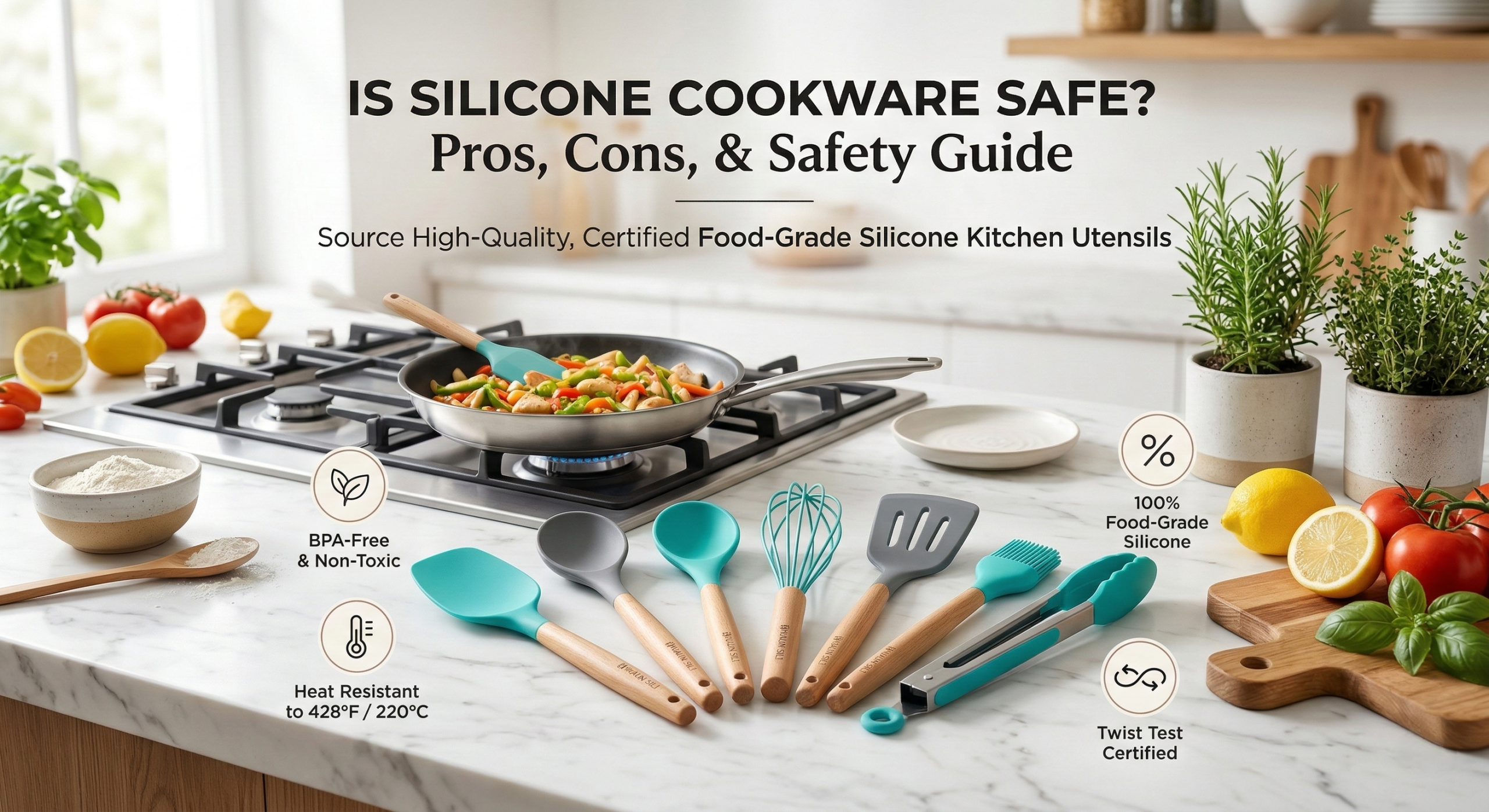
Silicone cookware is safe for food preparation when it is manufactured from high-quality, 100% food-grade material. Many B2B buyers struggle with the growing concern over “forever chemicals” found in traditional non-stick coatings and metal alloys. This uncertainty can agitate your procurement process, leaving you worried about product leaching or regulatory non-compliance. By choosing Silicone kitchen utensils safe solutions, you invest in a stable, non-reactive material that meets rigorous safety standards for modern kitchens.
What exactly is silicone cookware made from?
Silicone is a synthetic “rubber” created by bonding silicon, oxygen, and carbon. Manufacturers ensure that Silicone kitchen utensils safe standards are met by using high-purity polymers. These elements are derived from natural sources like sand but are processed into a highly durable elastomer.
Is it a natural or synthetic material?
While silicon is an abundant natural element, the silicone used in your kitchen is a synthetic product. Here is the deal:
- It combines organic and inorganic properties.
- The backbone consists of silicon-oxygen chains.
- It is designed to remain stable under thermal stress.
You will find that this unique structure prevents the material from reacting with food acids or oils. Key Takeaway: The synthetic nature of silicone allows for precise control over heat resistance and chemical inertness.
| Feature | Description |
|---|---|
| Primary Components | Silicon, Oxygen, Carbon |
| Material Type | Synthetic Elastomer |
| Source | Derived from Silica (Sand) |
Careful material selection ensures that the synthetic bonds remain stable across various culinary applications.
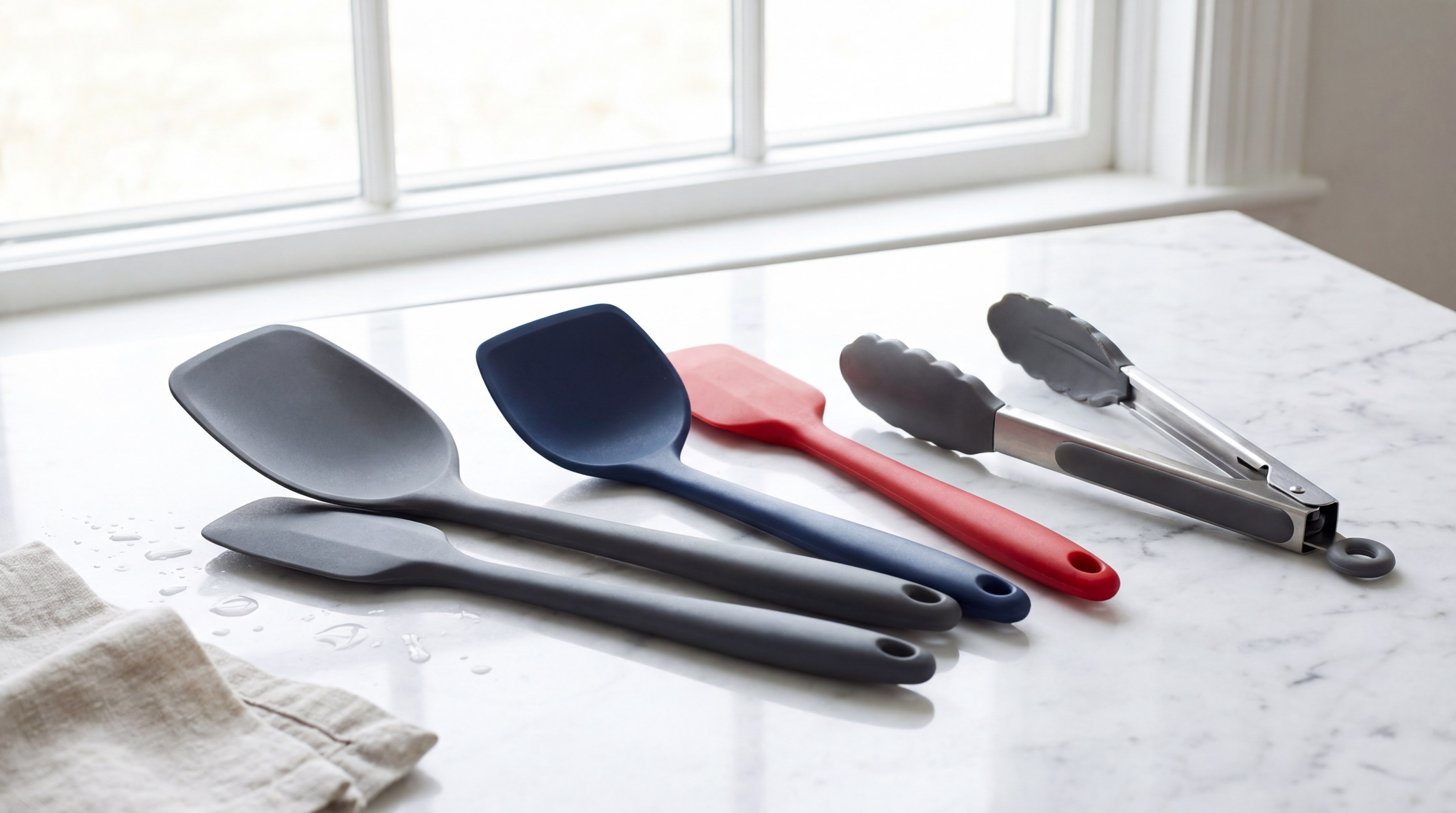
Is using silicone kitchen utensils safe for your family?
Yes, food-grade silicone is safe because it does not react with food or beverages and produces no hazardous fumes. High-quality Silicone kitchen utensils safe options are engineered to withstand typical cooking temperatures without degrading. You can rely on these tools for everything from infant care to professional baking.
How does food-grade quality affect safety?
The purity of the material is the most critical factor for long-term health safety. But wait, there’s more:
- Food-grade silicone lacks toxic fillers or plasticizers.
- It is BPA-free and non-porous to prevent bacteria buildup.
- The material remains inert even when in contact with acidic ingredients.
You should always verify that your supplier uses FDA or LFGB compliant materials to ensure total peace of mind. Key Takeaway: Quality certification is the only way to guarantee that no harmful substances leach into your meals.
| Safety Factor | High-Quality Silicone | Low-Quality Fillers |
|---|---|---|
| Chemical Leaching | None detected at heat | Potential for odors |
| Stability | High thermal resistance | May crack or smoke |
| Regulatory | FDA/LFGB Compliant | Often uncertified |
Safety-focused manufacturing processes eliminate the risks associated with volatile organic compounds in the kitchen.
What are the primary benefits of silicone products?
The primary benefits include extreme temperature flexibility, non-stick performance, and exceptional durability. Utilizing Silicone kitchen utensils safe designs allows you to transition seamlessly from the freezer to the oven. You will also enjoy a significant reduction in waste compared to single-use parchment or paper liners.
Why is the non-stick surface so popular?
The natural release properties of silicone mean you can cook with less oil or butter. Think about it:
- Food slides off easily without scraping.
- Cleaning requires only warm soapy water.
- It preserves the aesthetic of delicate baked goods.
You will notice that these tools are much lighter and easier to handle than traditional cast iron or ceramic. Key Takeaway: The non-stick nature of silicone improves both health outcomes and kitchen efficiency.
| Benefit | Impact on Kitchen |
|---|---|
| Flexibility | Easy storage and demolding |
| Durability | Resists staining and warping |
| Hygiene | Dishwasher safe and non-porous |
Selecting silicone tools enhances the cooking experience by providing a versatile, low-maintenance alternative to metal.
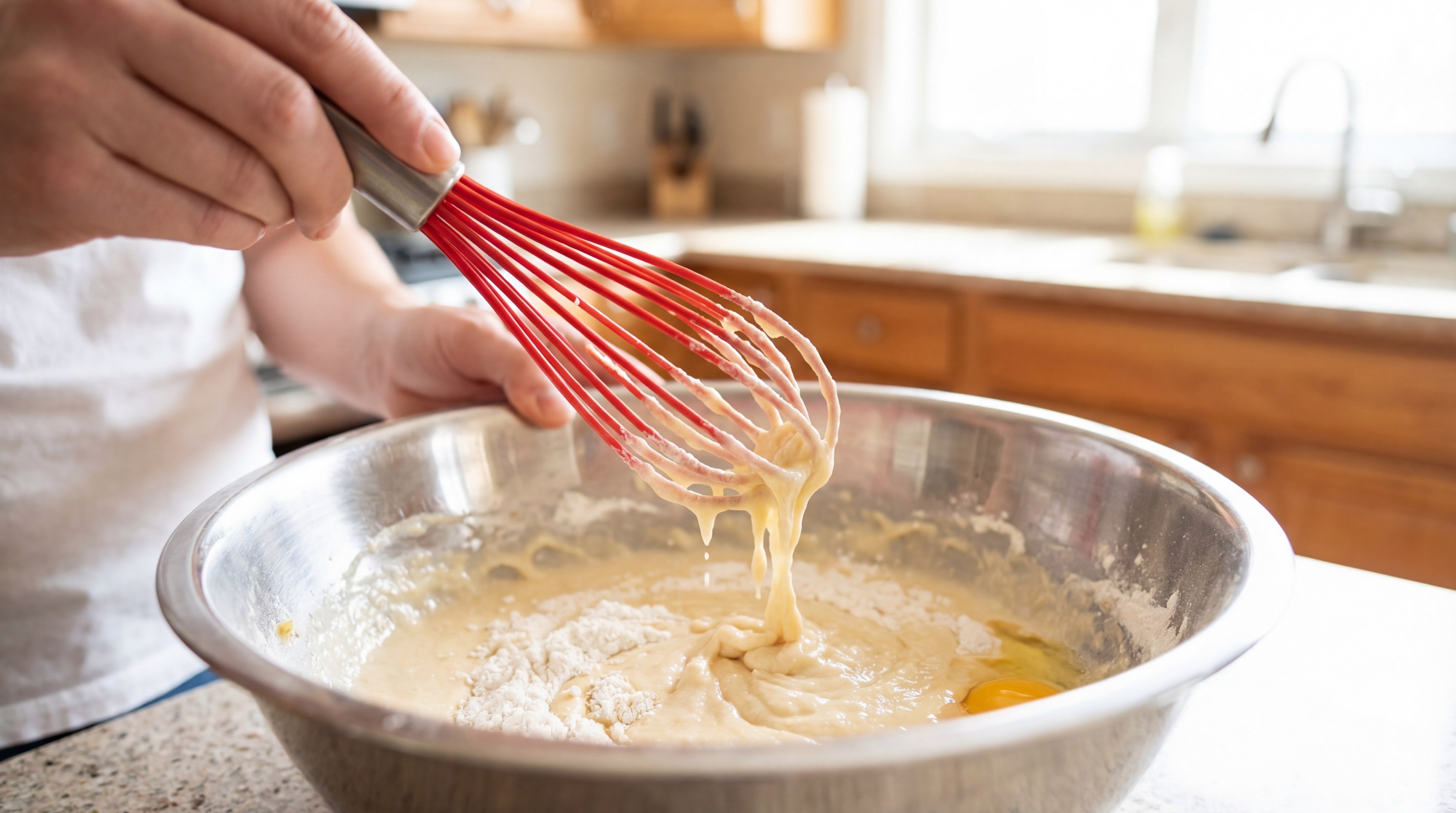
Can silicone withstand high temperatures in the oven?
Most silicone cookware is rated for temperatures up to 428 degrees Fahrenheit (220 degrees Celsius). When you source Silicone kitchen utensils safe bakeware, it is specifically tested to maintain structural integrity in high-heat environments. You should always check the manufacturer’s specific rating before placing a mold in a hot oven.
What is the maximum heat limit?
While silicone is heat resistant, exceeding its rated limit can cause the material to become brittle. Here is the deal:
- Standard molds handle up to 428°F.
- Some premium versions can reach 500°F.
- It should never be used under a broiler or near open flames.
You must ensure your oven is calibrated correctly to prevent accidental overheating of your silicone tools. Key Takeaway: Always stay within the recommended temperature range to preserve the safety and lifespan of the product.
| Temperature Type | Limit (Approximate) |
|---|---|
| Safe Baking | Up to 428°F (220°C) |
| Freezing | Down to -60°F (-50°C) |
| Dangerous | Above 500°F |
Thermal stability makes silicone an excellent choice for consistent baking results without the risk of melting.
Are there any downsides to using silicone tools?
The main downsides include their inability to biodegrade and the lack of widespread recycling programs. Even when Silicone kitchen utensils safe protocols are followed, the material remains a synthetic polymer that persists in the environment. You may also find that silicone is too flexible for certain heavy-duty tasks that require rigid support.
Does silicone biodegrade or recycle easily?
Unfortunately, silicone does not break down naturally and is not accepted in most curbside recycling bins. But wait, there’s more:
- It requires specialized industrial recycling facilities.
- Discarded items often end up in landfills for centuries.
- It is not as eco-friendly as wood or bamboo alternatives.
You should consider the full lifecycle of the product before committing to a massive inventory. Key Takeaway: While silicone is reusable for years, its end-of-life disposal remains a significant environmental challenge.
| Downside | Mitigation Strategy |
|---|---|
| Flexibility | Use metal frames or baking sheets |
| Disposal | Buy high-quality to ensure long life |
| Odor Retention | Clean with baking soda or vinegar |
Awareness of these limitations helps you make a more balanced decision when selecting materials for your kitchen.
How do you identify high-quality silicone items?
You can identify pure silicone by performing a “twist test” to look for hidden fillers. Identifying Silicone kitchen utensils safe products involves ensuring that the material does not turn white when stretched or twisted. Pure silicone will maintain its color, whereas cheap fillers will reveal themselves through white streaks.
What is the “twist test” for purity?
The twist test is a simple home method to verify if a product is 100% food-grade silicone. Here is why it works:
- Pure silicone stays uniform in color when stressed.
- Plastic fillers turn white under the same tension.
- Fillers can leach odors and toxins when heated.
You will find that higher-quality items feel more substantial and lack any strong chemical smell upon arrival. Key Takeaway: The twist test is your first line of defense against low-quality, filler-heavy silicone products.
| Test Aspect | Pure Silicone | Silicone with Fillers |
|---|---|---|
| Color Change | None | White streaks appear |
| Odor | Neutral | Chemical or plastic scent |
| Feel | Smooth and elastic | Tacky or overly stiff |
Testing your inventory ensures that you are only providing the safest possible tools to your customers or family.
Why do some silicone pans feel tacky or sticky?
Silicone pans become tacky when they are not dried thoroughly before storage or when oils degrade on the surface. Maintaining Silicone kitchen utensils safe hygiene requires a specific cleaning and drying routine to prevent this buildup. If your pans feel sticky, it is often a sign of residual fat that has partially polymerized.
How should you store and dry these items?
Proper storage and moisture control are vital for preventing the degradation of the silicone surface. Here is the deal:
- Always hand dry or air dry completely before stacking.
- Store in a cool, dry place away from direct sunlight.
- Avoid using abrasive scrubbers that can damage the finish.
You can often remove stickiness by boiling the items in water with a dash of vinegar. Key Takeaway: Proper maintenance prevents surface tackiness and extends the functional life of your cookware.
| Issue | Cause | Solution |
|---|---|---|
| Tacky Surface | Residual oils or moisture | Deep clean with baking soda |
| Discoloration | High-pigment foods | Soak in mild bleach solution |
| Odor | Flavor absorption | Oven-heat to 250°F for 20 mins |
Consistency in care ensures that your silicone tools remain hygienic and pleasant to use over hundreds of cycles.
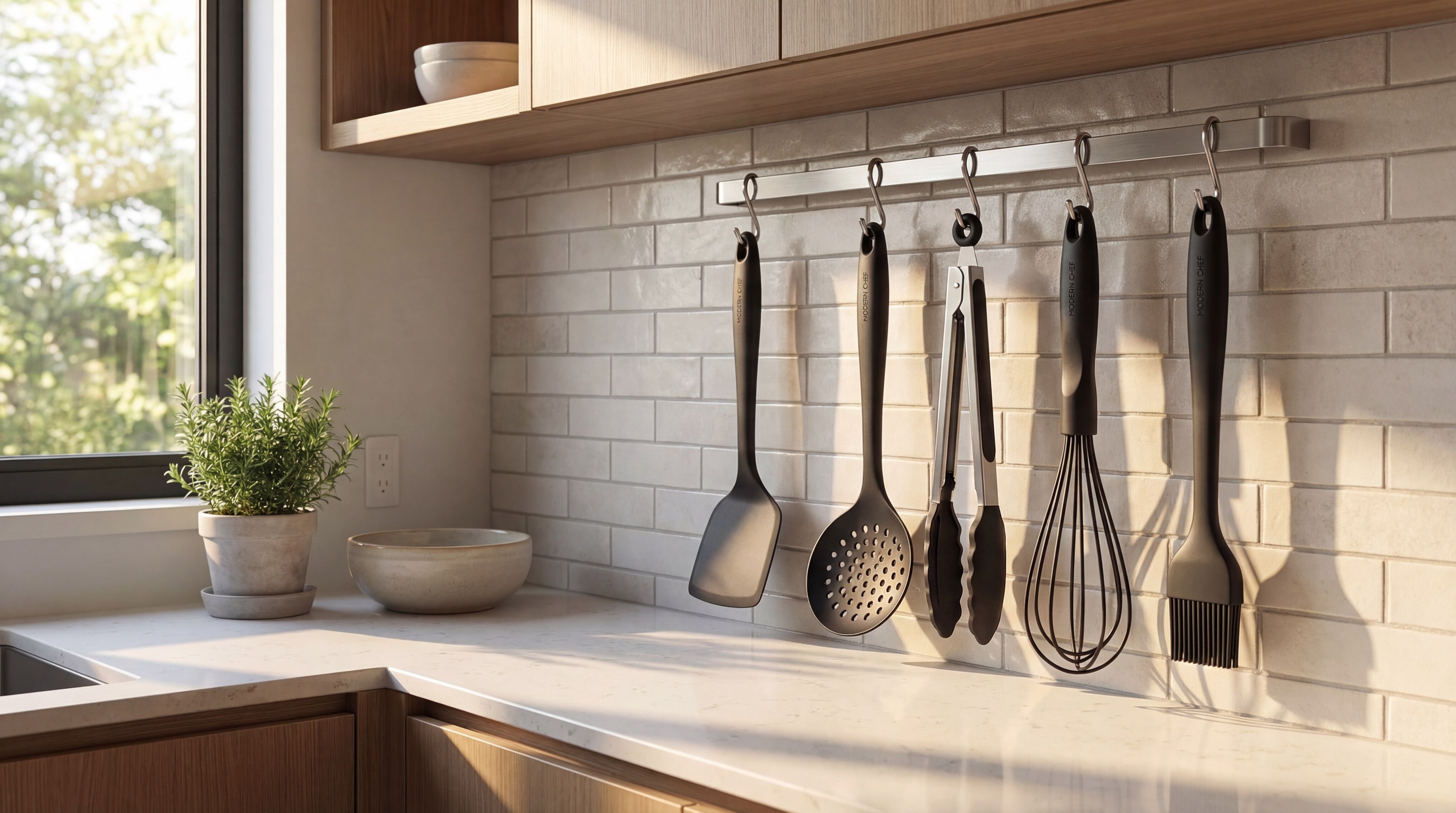
Can you use silicone utensils for hot stovetop cooking?
Yes, you can use silicone spatulas and spoons for stirring hot foods, provided they do not contact direct flames. Using Silicone kitchen utensils safe tools on the stovetop prevents scratching on your expensive non-stick or ceramic pans. You must ensure that the handle material is also heat-resistant if it is not made entirely of silicone.
Should you choose silicone for frying?
Silicone is excellent for stirring, but it is not always the best choice for very high-temperature deep frying. Think about it:
- Oil temperatures can quickly exceed 400°F.
- Prolonged contact with boiling oil can soften the tips.
- Metal or wood might offer better rigidity for heavy flipping.
You will find that silicone is best suited for sauces, batters, and light sautéing. Key Takeaway: Silicone excels at protecting pan surfaces but requires careful temperature monitoring during stovetop use.
| Cooking Method | Suitability | Note |
|---|---|---|
| Sautéing | Excellent | Protects non-stick coatings |
| Boiling | Great | Ideal for pasta or soups |
| Deep Frying | Limited | Monitor oil temperature closely |
Strategic use of silicone tools on the stovetop maximizes their benefits while avoiding potential heat damage.
How does silicone compare to traditional materials?
Silicone is more flexible than metal, more durable than plastic, and more hygienic than wood. When evaluating Silicone kitchen utensils safe options against traditional tools, you must consider the trade-offs in rigidity and longevity. Unlike cast iron, silicone requires no seasoning and will never rust or corrode.
Is silicone better than metal or cast iron?
The choice between silicone and metal depends entirely on your specific cooking and baking needs. But wait, there’s more:
- Silicone is lighter and easier to store.
- Metal provides better heat conduction for browning.
- Cast iron lasts for generations but requires heavy maintenance.
You might prefer silicone for delicate tasks like muffin baking, while reserving metal for searing steaks. Key Takeaway: Silicone is a modern supplement that solves the weight and maintenance issues of traditional heavy cookware.
| Material | Durability | Maintenance | Best Use |
|---|---|---|---|
| Silicone | High (flexible) | Very Low | Baking, Stirring |
| Stainless Steel | High (rigid) | Medium | Searing, Boiling |
| Wood | Medium | High | Mixing, Serving |
Integrating silicone into your kitchen offers a balanced approach to modern convenience and traditional performance.
What should you do before using new silicone?
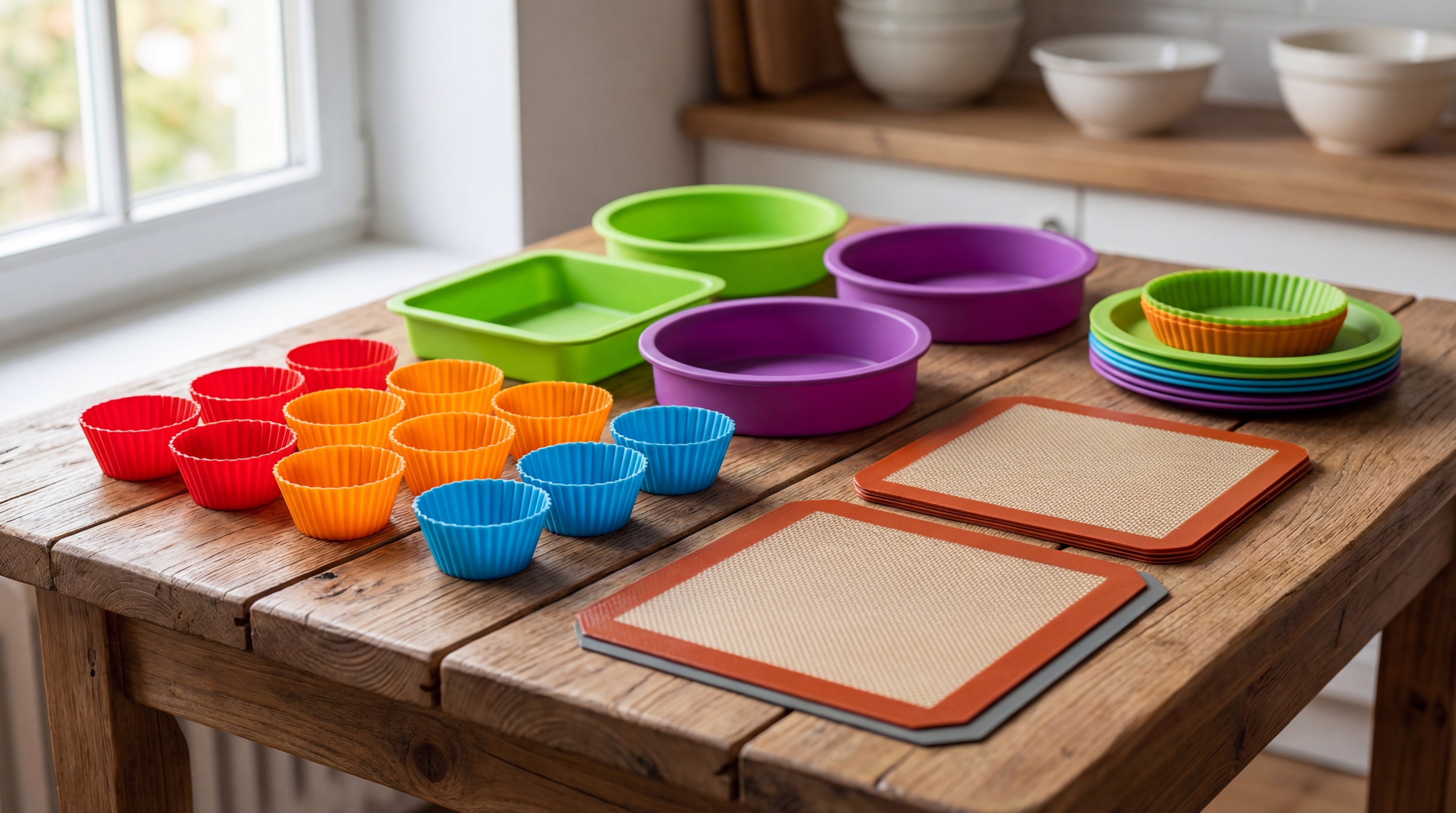
You should wash new silicone in warm, soapy water and “cure” it in the oven before its first use. Preparing your Silicone kitchen utensils safe items this way ensures that any manufacturing residues or odors are completely removed. This simple preparation step is essential for maintaining the purity of your food from the very first meal.
Is “curing” your new bakeware necessary?
Curing involves heating the empty mold to help stabilize the material and release any lingering volatiles. Here is why you should do it:
- It finishes the chemical stabilization process.
- It removes “new product” smells.
- It improves the non-stick performance of the surface.
You should heat the oven to 400°F, bake the empty mold for one hour, and then wash it again. Key Takeaway: A quick curing cycle ensures your silicone is chemically stable and ready for safe food contact.
| Step | Action | Purpose |
|---|---|---|
| 1. Wash | Soap and warm water | Remove surface dust |
| 2. Heat | 400°F for 60 mins | Release volatiles (Curing) |
| 3. Final Rinse | Warm water and dry | Prepare for first use |
Taking these initial steps guarantees that your silicone products perform at their peak safety level right out of the box.
Summary of Insights
Navigating the world of modern kitchenware doesn’t have to be a choice between safety and convenience. We have addressed the primary concerns regarding material purity, heat limits, and environmental impact to provide a clear path forward for your procurement needs. By focusing on food-grade certification and proper maintenance, you can eliminate the risks of toxic leaching and surface degradation. Our vision is to lead the future of custom silicone manufacturing by providing transparent, science-backed solutions that protect both consumers and the environment.
Whether you are looking to upgrade your home kitchen or secure a stable supply chain for your B2B operations, we are here to support your goals with precision engineering and ISO-certified quality. Contact us today to discover how our custom silicone solutions can enhance your product line and ensure the highest safety standards for your customers.
Frequently Asked Questions
Can I put silicone in the dishwasher?
No, it is generally recommended to hand wash silicone to prevent the aggressive detergents and high-heat drying cycles from causing the material to become tacky or degraded over time.
What’s the best way to remove odors from silicone?
It depends, but usually a soak in a mixture of baking soda and water or a brief cycle in a 250°F oven can help release absorbed food smells.
Can I use silicone molds in the microwave?
Yes, silicone is microwave-safe because it does not contain metal and does not absorb microwave energy, meaning it stays relatively cool while the food heats.
Is silicone safe for baby products?
Yes, medical and food-grade silicone is widely considered the safest material for baby bottle nipples and teethers because it is hypoallergenic and free from harmful plasticizers.
How can I tell if my silicone has fillers?
Yes, you can use the twist test; if the silicone turns white when stretched or twisted, it contains chemical fillers and is not 100% pure food-grade material.