
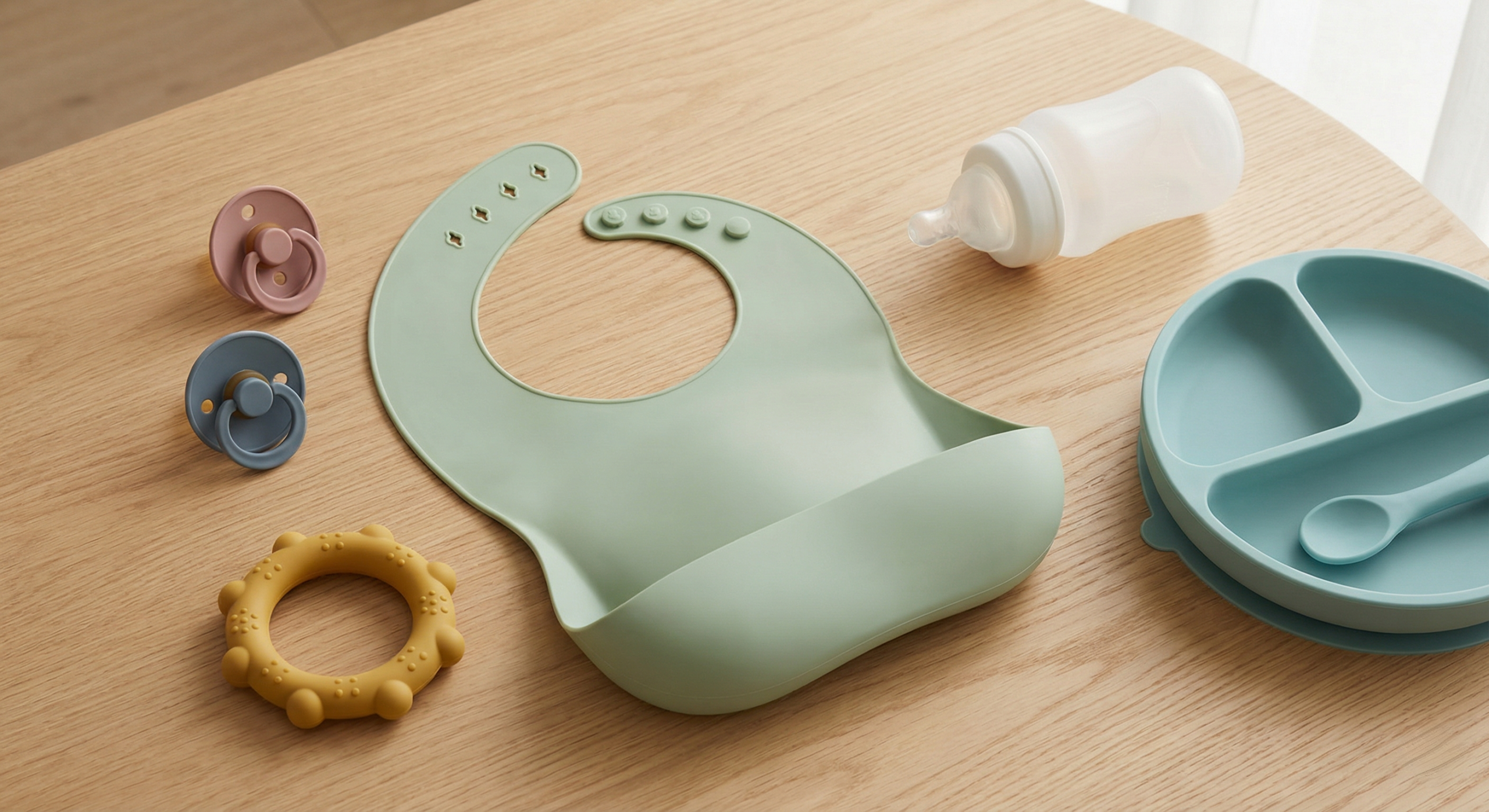
Silicone is used in baby care products to provide a BPA-free, hypoallergenic, and durable material that ensures infant safety during feeding and soothing. For many B2B brands, using traditional plastics often leads to concerns over chemical leaching and material degradation. These issues can result in costly product recalls and a loss of consumer trust in your Baby Care Products.
The agitation is real when you realize that inferior materials cannot withstand repeated sterilization or high-heat exposure. This instability compromises the hygiene standards essential for newborns and infants. High-quality silicone serves as the definitive solution by offering thermal stability and chemical inertness for various applications.
Why is food-grade silicone the industry standard?
Food-grade silicone has become the industry standard because it is chemically stable and does not leach harmful substances into milk or food. When developing modern Baby Care Products, manufacturers prioritize this material due to its compliance with FDA and LFGB safety requirements.
Understanding chemical stability
The inorganic backbone of silicone prevents it from reacting with oils, acids, or heat. This makes it significantly safer than plastics that might release phthalates or BPA under stress.
But here is the kicker:
- It maintains integrity at high temperatures.
- It resists bacterial growth on the surface.
- It is odorless and tasteless for babies.
Comparing silicone to PVC and latex
Silicone outperforms PVC because it stays flexible without added plasticizers and avoids the common allergen risks associated with natural latex. You can rely on it for consistent performance across high-volume production runs.
Wait, there is more:
- Hypoallergenic properties reduce skin irritation.
- Superior aging resistance prevents material yellowing.
- High tear strength ensures long-term safety.
Key Takeaway: Chemical stability and the absence of allergens make food-grade silicone the most reliable material for high-heat infant applications.
| Material | Heat Resistance | BPA-Free | Allergy Risk | Durability |
|---|---|---|---|---|
| Food-Grade Silicone | Excellent | Yes | Very Low | Very High |
| PVC Plastic | Low | Often No | Moderate | Moderate |
| Natural Latex | Moderate | Yes | High | Low |
The technical data confirms that silicone’s thermal and chemical properties provide a safety margin that other common materials simply cannot match.
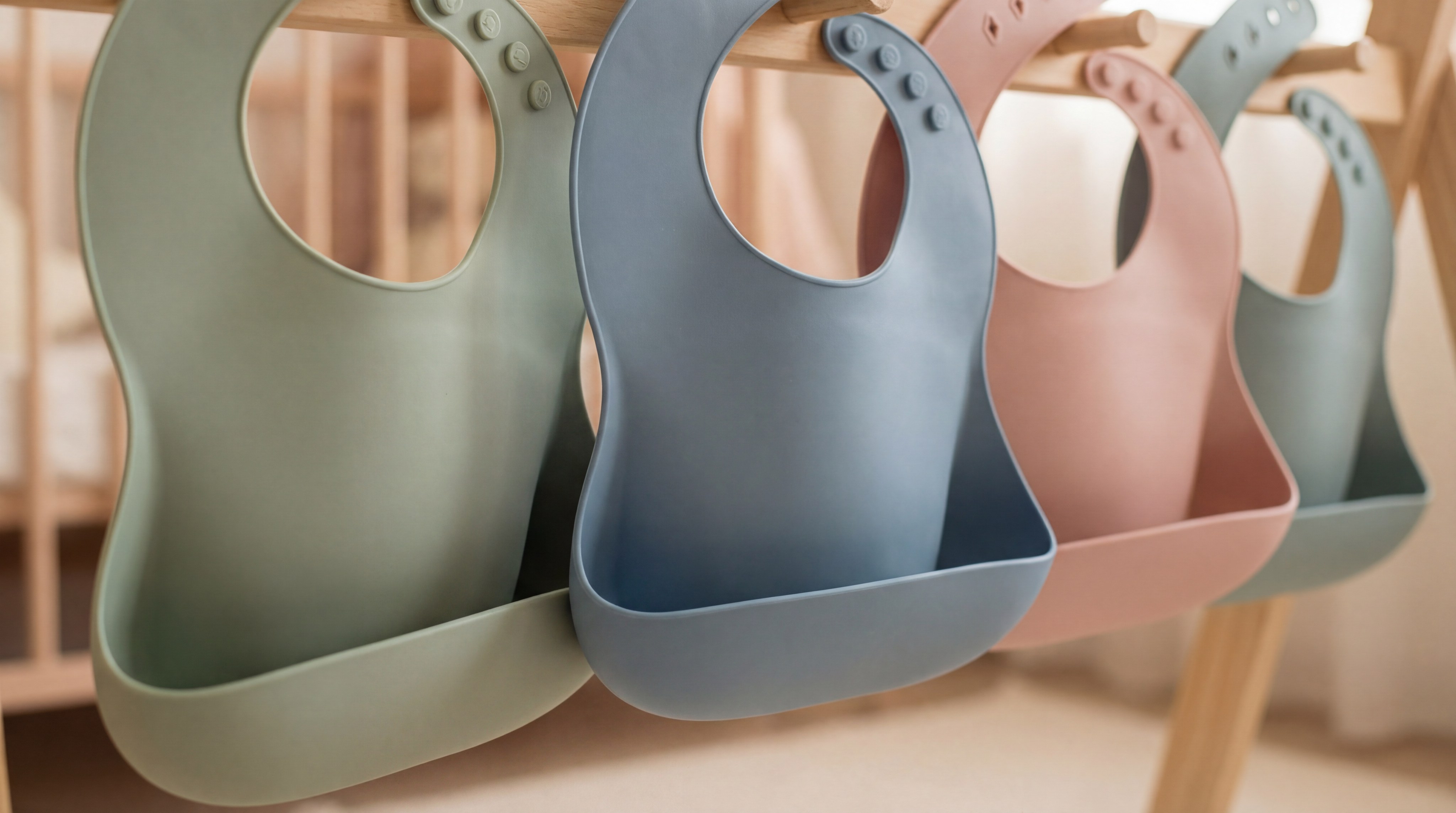
How does silicone improve pacifier safety?
Silicone improves pacifier safety by offering exceptional tear strength and a soft texture that mimics natural physiology. Durable Baby Care Products like pacifiers must withstand constant biting without detaching and becoming a choking hazard.
Durability against repeated biting
The high elongation and tensile strength of Liquid Silicone Rubber (LSR) allow pacifiers to endure significant mechanical stress. This ensures the nipple remains securely attached even after months of intense use.
Think about it:
- One-piece molding eliminates weak joints.
- Material does not crack or become brittle.
- Soft-touch finish protects sensitive gums.
Why choose medical-grade vs. food-grade?
While food-grade is standard, medical-grade silicone is specified for high-sensitivity applications where the highest level of purity is required. This grade offers the lowest possible levels of extractables for premium product lines.
Here is the deal:
- Higher purity levels for newborns.
- Enhanced biocompatibility for oral contact.
- Increased resistance to repeated autoclaving.
Key Takeaway: High tear strength and one-piece LSR construction prevent structural failures in pacifiers, directly enhancing infant safety.
| Feature | Food-Grade Silicone | Medical-Grade Silicone | Safety Impact |
|---|---|---|---|
| Purity Level | High | Ultra-High | Lower Extractables |
| Biocompatibility | Standard | Advanced | Reduced Irritation |
| Heat Stability | Up to 200°C | Up to 230°C | Better Sterilization |
This comparison highlights why premium brands often specify medical-grade silicone for the most sensitive contact points in infant care.
Why are silicone bottles gaining market share?
Silicone bottles are gaining market share because they combine impact resistance with a soft, ergonomic grip that hard plastic or glass cannot offer. Many Baby Care Products are now switching to silicone to reduce breakage and improve the overall feeding experience.
Impact resistance and drop protection
Unlike glass, silicone bottles do not shatter when dropped, and unlike plastic, they do not scratch or harbor bacteria over time. This makes them a more durable and hygienic choice for active families and daycare centers.
Let’s be honest:
- Drop protection saves replacement costs.
- Lightweight design helps babies hold bottles.
- Flexible bodies allow for anti-colic squeezing.
Thermal stability during sterilization
Silicone maintains its Shore hardness and transparency even after hundreds of steam or boiling cycles. You won’t see the warping or cloudiness that often affects traditional plastic feeding bottles.
Wait, there is more:
- Compatible with all microwave sterilizers.
- Rapid heat transfer for warming milk.
- Dishwasher safe for easy maintenance.
Key Takeaway: The combination of shatterproof durability and thermal stability makes silicone the ideal choice for long-lasting, high-performance feeding bottles.
| Bottle Material | Shatterproof | Sterilization Ease | Transparency | Weight |
|---|---|---|---|---|
| Silicone | Yes | Very Easy | High | Lightweight |
| Borosilicate Glass | No | Easy | Very High | Heavy |
| Polypropylene (PP) | Yes | Moderate | Moderate | Lightweight |
The shift toward silicone bottles is driven by the demand for materials that offer both glass-like safety and plastic-like convenience.
What role does silicone play in teething relief?
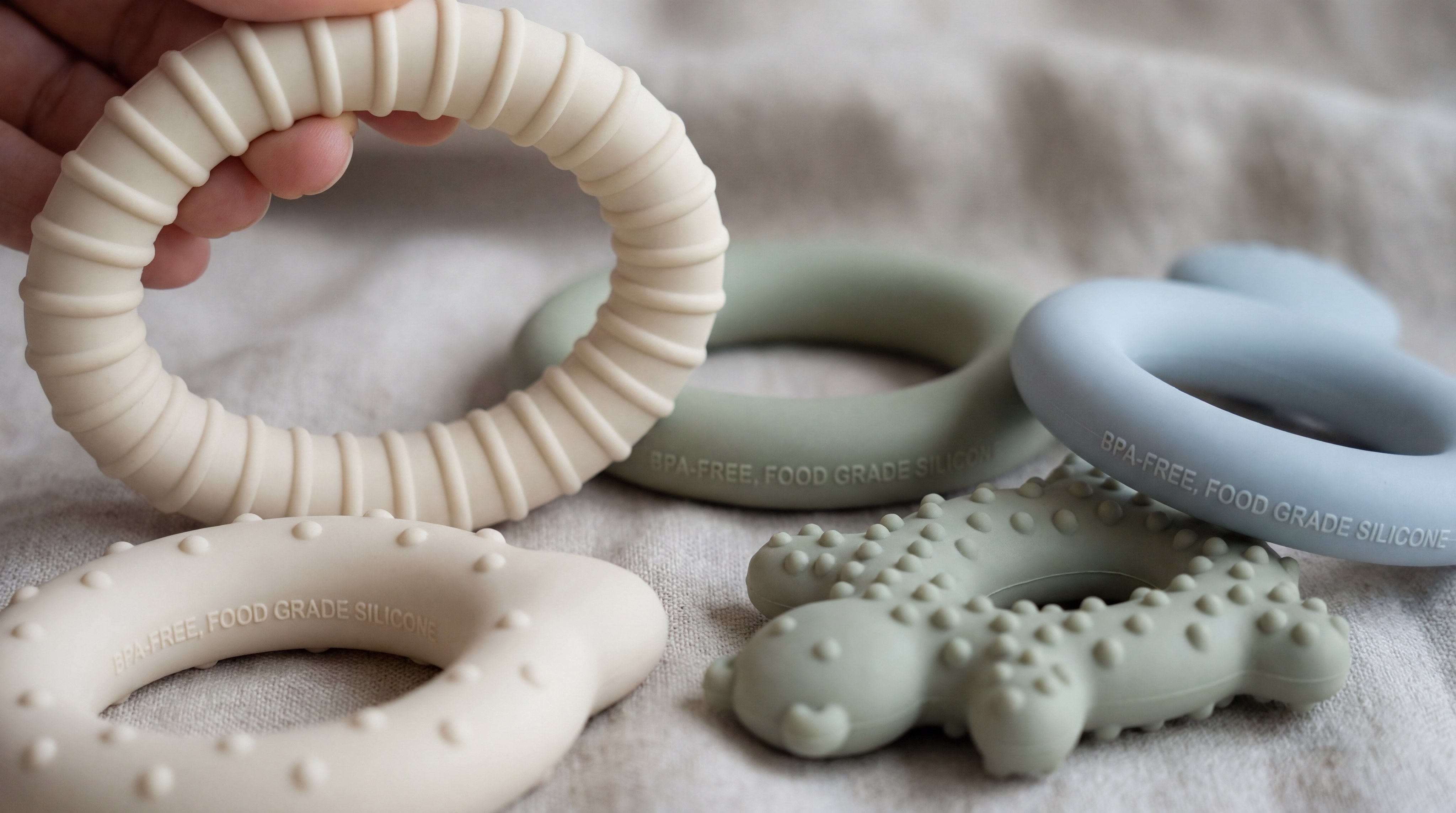
Silicone plays a vital role in teething relief by providing a safe, soft surface with varied textures to massage inflamed gums. Engineering Baby Care Products like teethers requires a balance between material firmness and sensory feedback.
Engineering varied textures for sensory play
Mold designers can incorporate complex surface geometries, such as ribs and bumps, to provide targeted gum massage. These textures help distract infants from the pain of emerging teeth while encouraging sensory development.
But here is the kicker:
- Varied durometers mimic different sensations.
- Easy-to-grip shapes support motor skills.
- Textured surfaces clean tongue bacteria.
Can silicone teethers be overmolded?
Overmolding allows manufacturers to bond soft silicone to a firmer food-grade plastic core, creating multi-material toys. This process provides structural stability while maintaining a safe, chewable exterior for the infant.
Think about it:
- Combines structural strength with softness.
- Creates more complex, engaging toy designs.
- Ensures a permanent, non-detachable bond.
Key Takeaway: Silicone’s versatility allows for the creation of multi-textured, overmolded teethers that provide superior sensory relief and safety.
| Design Element | Technical Benefit | Infant Benefit |
|---|---|---|
| Textured Surface | Increased Surface Area | Better Gum Massage |
| Overmolded Core | Structural Integrity | Easier to Grasp |
| Soft Durometer | Mechanical Flexibility | Pain Relief |
Integrating advanced molding techniques allows brands to create specialized teething solutions that stand out in a crowded retail market.
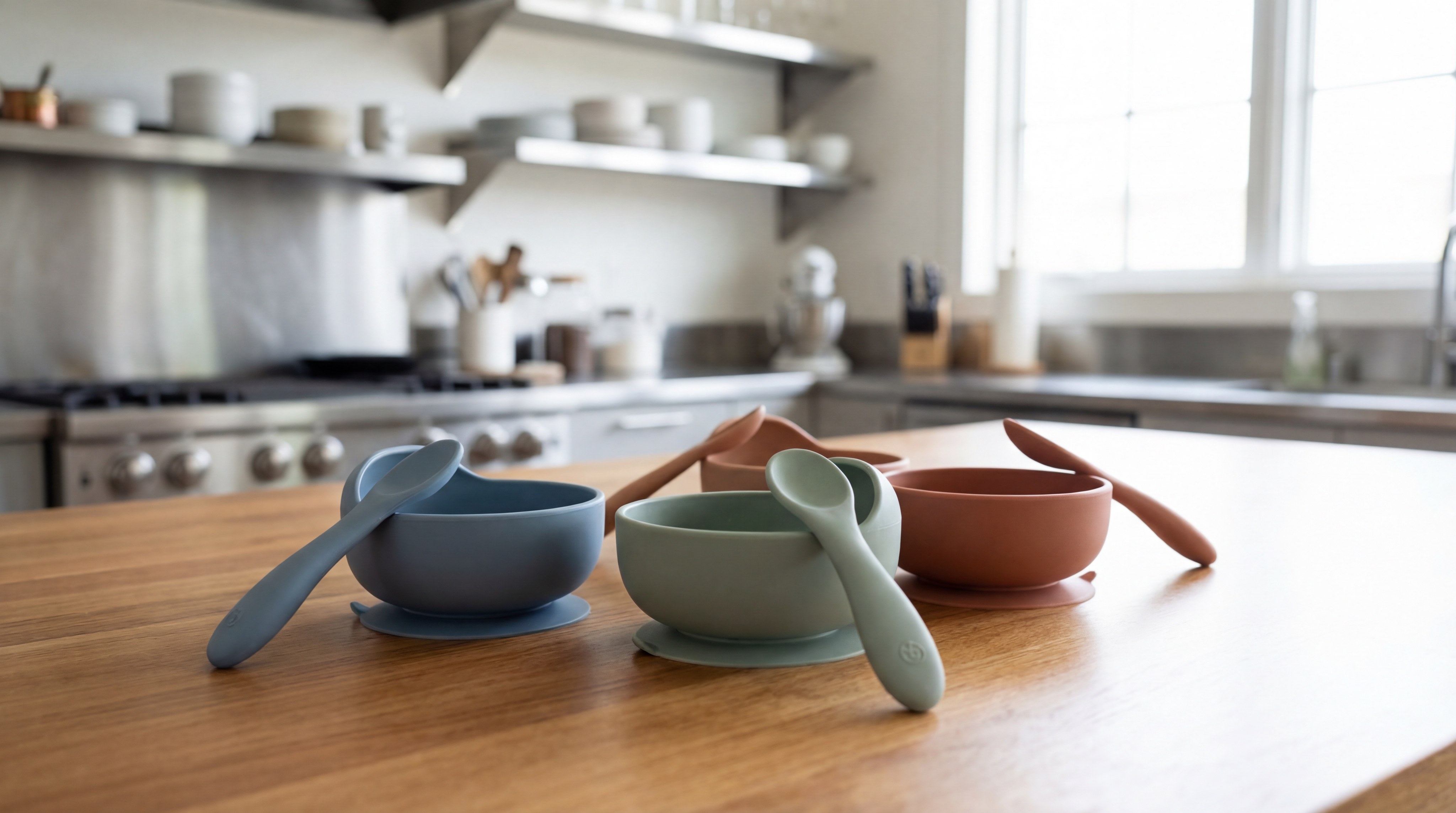
How is silicone transforming weaning and feeding?
Silicone is transforming weaning by providing suction-base bowls and plates that reduce spills and encourage self-feeding. When you source Baby Care Products for feeding, the material’s high friction and heat resistance offer unique functional advantages.
Design of suction-base bowls and plates
High-friction silicone bases create airtight seals on high-chair surfaces, preventing infants from tossing their food. This engineering detail is essential for the transition to solid foods and promotes a cleaner feeding environment.
Here is the deal:
- Suction power keeps dishes in place.
- Heat-resistant material allows microwave use.
- Non-porous surface resists food stains.
Soft-tip spoons for gum protection
Low-durometer silicone tips on spoons protect a baby’s sensitive oral tissues from trauma during the weaning process. These spoons are often overmolded onto a firmer handle to give parents better control while feeding.
Wait, there is more:
- Flexible tips reach every corner of the bowl.
- Gentle on newly emerging primary teeth.
- Available in various ergonomic handle shapes.
Key Takeaway: Suction technology and soft-tip designs reduce feeding mess while protecting the delicate oral anatomy of weaning infants.
| Feeding Tool | Key Silicone Feature | Primary Benefit |
|---|---|---|
| Suction Bowl | High Friction Base | Reduced Spills |
| Soft Spoon | Low Shore Hardness | Gum Protection |
| Weaning Cup | Flexible Rim | Spill Control |
These innovations in feeding tools have made silicone a preferred material for manufacturers focused on the “baby-led weaning” market segment.
Why are silicone bibs a B2B bestseller?
Silicone bibs are a B2B bestseller because they are waterproof, stain-resistant, and feature a deep pocket to catch falling food. For retailers, these Baby Care Products offer a high-margin solution that solves the daily struggle of messy mealtime cleanup.
Stain resistance and easy-clean properties
The non-porous nature of silicone ensures that oils and food dyes do not penetrate the surface, preventing long-term odors and stains. Parents can simply wipe the bib clean or place it in the dishwasher for total sanitation.
But here is the kicker:
- Dries instantly after a quick rinse.
- No fabric fraying or mold growth.
- Remains looking new after heavy use.
Ergonomic design and weight distribution
Manufacturers adjust material density to ensure the bib is lightweight enough for comfort but structured enough for the pocket to stay open. This balance ensures that the product effectively catches liquid and solid debris.
Think about it:
- Adjustable neckbands grow with the baby.
- Soft material doesn’t chafe the neck.
- Foldable for compact travel storage.
Key Takeaway: Easy maintenance and a functional “deep pocket” design make silicone bibs the most cost-effective and hygienic choice for families.
| Feature | Silicone Bib | Fabric Bib | TPE Bib |
|---|---|---|---|
| Ease of Cleaning | Very High | Low | Moderate |
| Drying Speed | Instant | Hours | Fast |
| Odor Resistance | Excellent | Poor | Moderate |
The durability and cleaning efficiency of silicone bibs provide a much higher lifetime value compared to traditional fabric or low-grade plastic alternatives.
Is silicone used in baby toys and learning tools?
Silicone is widely used in baby toys because it eliminates the splintering and sharp edge risks associated with brittle plastics. Today’s Baby Care Products market relies on silicone for stackable blocks, bath toys, and sensory balls that are safe for oral exploration.
Safety benefits over brittle plastics
Unlike rigid plastics, silicone does not chip or shatter if thrown or stepped on, making it incredibly safe for floor play. It provides a soft yet firm density that is satisfying for babies to squeeze and hold.
Let’s be honest:
- No sharp edges even if damaged.
- Absorbs impact during rough play.
- Silent when dropped on hard floors.
Maintenance and longevity in play environments
The mold-resistant and UV-stable properties of silicone make it ideal for bath toys and outdoor learning tools. It does not degrade when exposed to water or sunlight, ensuring the toys remain safe for years.
Wait, there is more:
- Easy to sterilize in boiling water.
- Vivid colors do not fade or peel.
- Saltwater and chlorine resistant.
Key Takeaway: Impact resistance and environmental stability make silicone toys the safest choice for long-term developmental play and bath time.
| Toy Type | Advantage of Silicone | Traditional Material Problem |
|---|---|---|
| Stacking Blocks | Non-slip & Quiet | Loud & Slippery |
| Bath Toys | Mold Resistant | Bacteria Accumulation |
| Sensory Balls | Chew-Safe Density | Choking/Chemical Risks |
Silicone’s ability to maintain its color and shape through heavy use ensures that these learning tools remain attractive and safe for multiple children.
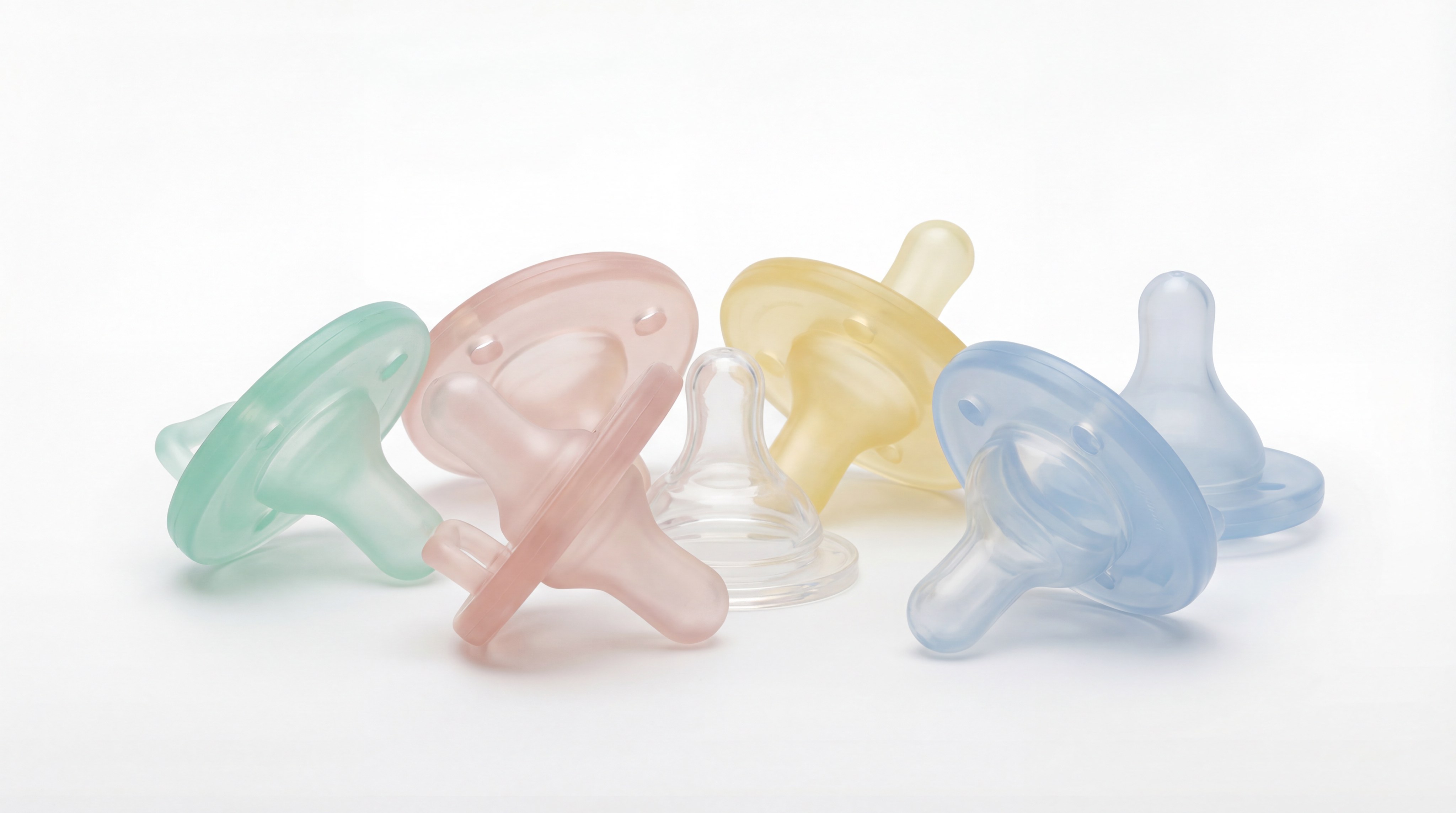
How can you verify material safety standards?
You can verify material safety standards by requesting FDA or LFGB certificates and conducting physical tests like the “pinch test.” Ensuring your Baby Care Products are free from industrial fillers is the only way to protect your brand reputation.
Understanding FDA and LFGB compliance
FDA (USA) and LFGB (Europe) are the two primary global standards that regulate food-contact materials. LFGB is generally considered stricter, involving more comprehensive tests for chemical migration and sensory neutrality.
Here is the deal:
- LFGB is preferred for premium markets.
- FDA is standard for North American entry.
- Both ensure the absence of harmful leaching.
What is the “pinch test” for quality?
The pinch test is a quick way to detect cheap fillers: if you twist or pinch the silicone and it turns white, it likely contains inexpensive plastic fillers. Pure, high-quality silicone maintains its color even when stretched to its limit.
But here is the kicker:
- Fillers compromise heat resistance.
- Low-quality oils can cause odors.
- Pure silicone stays clear or colored.
Key Takeaway: Rigorous certification and simple physical inspections like the pinch test are essential for verifying the purity of silicone components.
| Certification | Region | Test Strictness | Key Focus |
|---|---|---|---|
| FDA | USA | High | General Safety |
| LFGB | Europe | Ultra-High | Chemical Migration |
| REACH/RoHS | Global | High | Heavy Metals |
By maintaining strict material traceability, B2B buyers can avoid the liability of selling sub-standard products that could harm end-users.
Conclusion
Choosing the right material for your infant products is a strategic decision that impacts safety, durability, and brand loyalty. Silicone has proven to be the superior choice for everything from pacifiers and bottles to feeding sets and sensory toys. By prioritizing food-grade and medical-grade silicone, you ensure that your products meet the highest global standards while providing parents with the peace of mind they deserve.
At HuaLin Silicone, we specialize in high-precision LSR and silicone manufacturing to bring your innovative designs to life. Our brand vision is to lead the industry through precision engineering and uncompromising quality control. If you are ready to elevate your product line with certified, durable silicone components, contact us today for a comprehensive DFM review and quotation.
*
FAQ Section
Can I customize the Shore hardness for different parts of a baby spoon?
Yes, we can use overmolding or two-shot molding to combine a firmer handle with a soft-touch tip, ensuring both structural control and infant safety.
What is the best sterilization method for silicone-based baby items?
Silicone is highly heat-resistant, making steam sterilization and boiling the most effective and safe methods without risking material degradation or chemical release.
Is it possible to include custom branding on silicone bibs or plates?
Customization is available through laser engraving, which is permanent and hygienic, or specialized medical-grade inks for pad printing that resist fading during cleaning.
How do I ensure a bulk order meets FDA food-grade requirements?
Buyers should always request a material COA (Certificate of Analysis) and verify that the factory holds current ISO 9001 certifications for quality management.
What is the best molding process for high-volume pacifier orders?
Liquid Silicone Rubber (LSR) injection molding is the best choice for high volumes because it offers faster cycle times, higher precision, and fully automated production.