
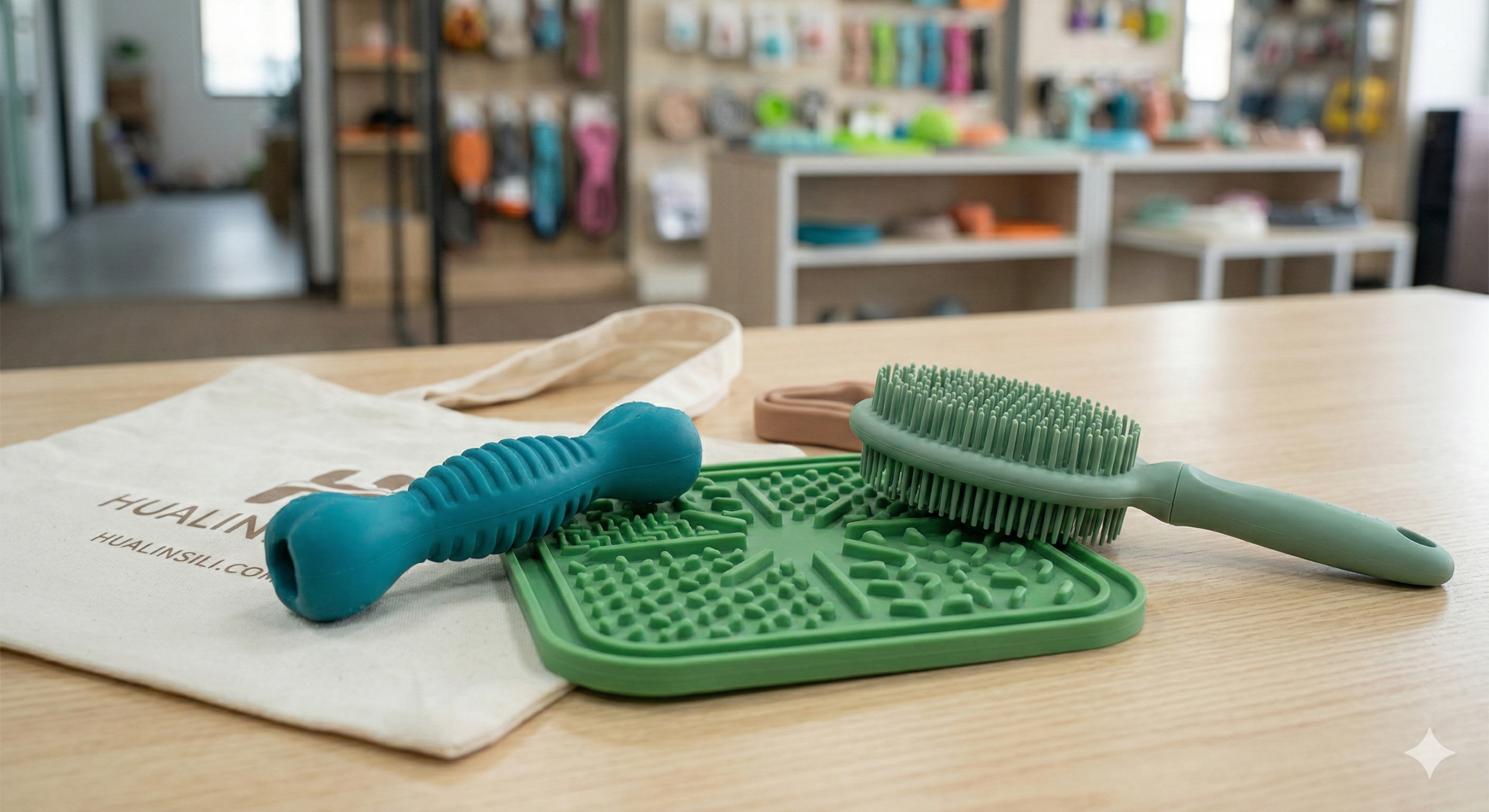
The global pet industry is undergoing a material revolution. As pet owners increasingly treat their animals as family members, the demand for safe, durable, and non-toxic materials has skyrocketed. For B2B buyers—ranging from retail chains to specialized distributors—transitioning to high-quality silicone pet products is no longer a luxury but a strategic necessity to maintain market competitiveness and consumer trust.
The Rise of Silicone in the Pet Industry
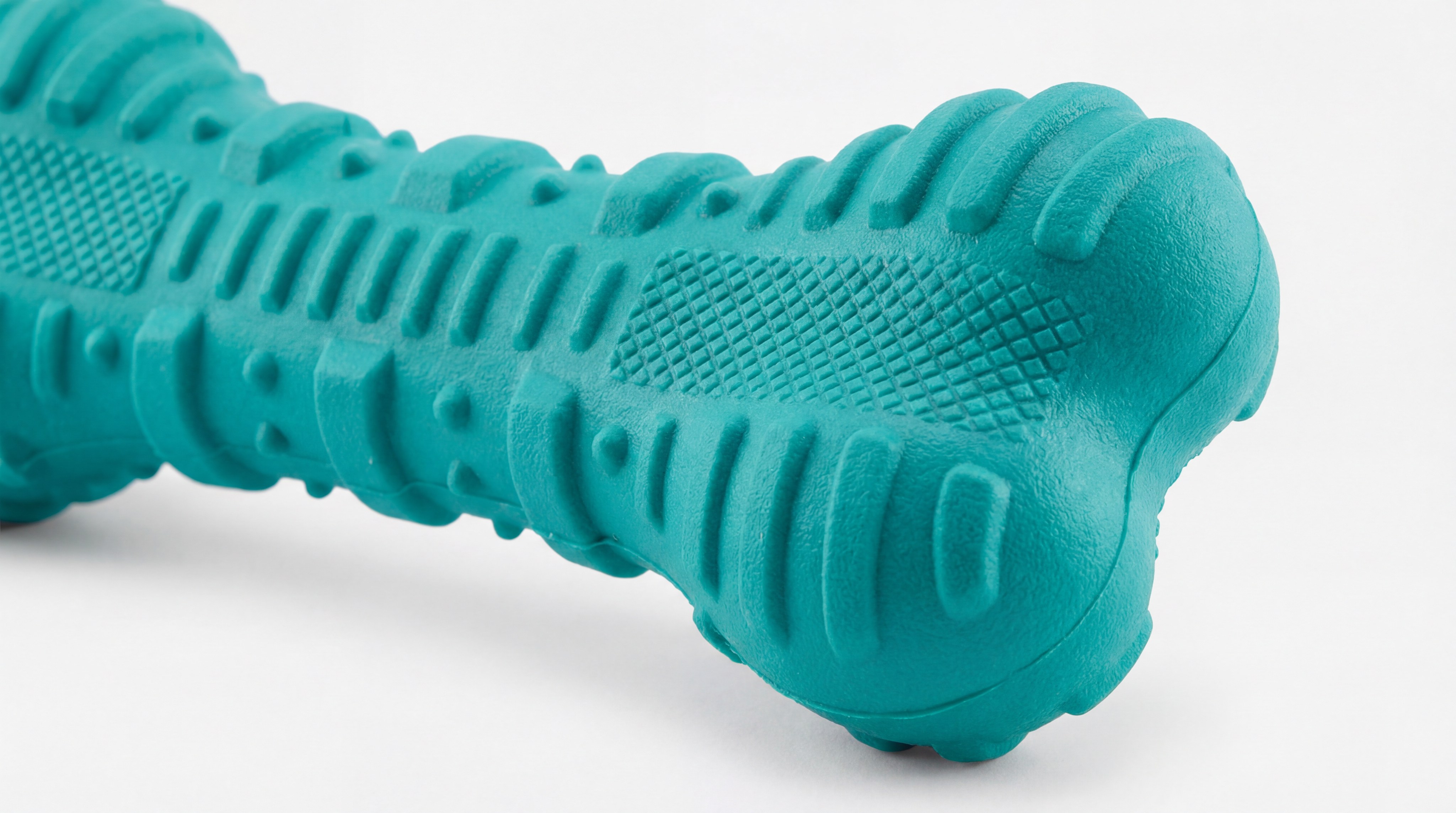
Material Innovation and Safety
Silicone has emerged as the preferred alternative to traditional plastics and latex. Unlike PVC, which often contains phthalates, or low-grade rubber that can harbor bacteria, food-grade silicone is inert and hypoallergenic. This shift is driven by a heightened awareness among pet parents regarding the health implications of the products their pets chew on daily.
Market Demand and Consumer Trust
The modern consumer prioritizes longevity. Retailers are reporting that customers are willing to pay a premium for products that do not degrade rapidly. Silicone’s resistance to extreme temperatures and UV light ensures that products remain functional and aesthetically pleasing far longer than traditional materials, reducing the rate of returns and increasing brand loyalty.
| Key Growth Driver | Description | Impact on B2B |
|---|---|---|
| Health Consciousness | Shift toward non-toxic, BPA-free materials. | Higher margins for premium safety-certified goods. |
| Durability | Material longevity reduces waste and replacement frequency. | Lower return rates and higher customer satisfaction. |
| Versatility | Suitable for feeding, grooming, and high-intensity play. | Unified inventory management across product lines. |
The transition toward silicone represents a fundamental shift from disposable “fast-pet” goods to sustainable, value-driven investments for the consumer.
Safety and Material Standards: Navigating the B2B Landscape
FDA and LFGB Compliance
In the B2B sector, compliance is the foundation of distribution. Silicone toys and feeding accessories must meet stringent international standards. Food-grade silicone, often certified by FDA or LFGB standards, ensures that the material is free from lead, phthalates, and BPA. For distributors sourcing from manufacturers like hualinsili.com, verifying these certifications is the first step in risk management.
Bacterial Resistance and Hygiene
One of the most significant advantages of silicone is its non-porous nature. Unlike traditional rubber toys that develop microscopic fissures where bacteria thrive, silicone maintains a smooth surface that resists microbial growth. This makes it an ideal material for lick mats, slow feeders, and dental chew toys that are frequently in contact with saliva and food.
| Standard Type | Core Focus | Market Relevance |
|---|---|---|
| FDA (US) | Basic safety for food contact. | Essential for North American retail entry. |
| LFGB (EU) | Strict testing for chemical migration. | Required for high-end European distribution. |
| BPA-Free | Elimination of endocrine disruptors. | Standard consumer expectation in the modern market. |
Strict adherence to material safety standards not only protects the end-user but also shields retailers from the significant legal and reputational risks associated with product recalls.
Durability vs. Flexibility: The Silicone Advantage
High-Intensity Play and Resistance
For heavy chewers, the mechanical properties of the material are paramount. Silicone provides a unique “rebound” effect—it is soft enough to protect a dog’s teeth and gums but resilient enough to withstand significant bite force without tearing. This balance of flexibility and toughness is difficult to achieve with traditional plastics.
Temperature Stability
Silicone remains stable from -40°C to over 200°C. For the pet industry, this means toys can be frozen (ideal for soothing teething puppies) or washed in high-temperature dishwashers without losing their shape or structural integrity. This versatility expands the utility of the product beyond a simple toy into a multifunctional care tool.
| Property | Benefit | User Experience |
|---|---|---|
| Tensile Strength | Resists tearing during aggressive play. | Safe for powerful chewers; fewer choking hazards. |
| Elasticity | Soft on teeth and gums. | Ideal for senior dogs and teething puppies. |
| Thermal Stability | Dishwasher and freezer safe. | Easy hygiene and multi-functional use-cases. |
The physical resilience of silicone ensures that products maintain their value over time, providing a superior cost-per-use ratio that resonates with value-conscious consumers.
Custom Manufacturing and Branding Opportunities
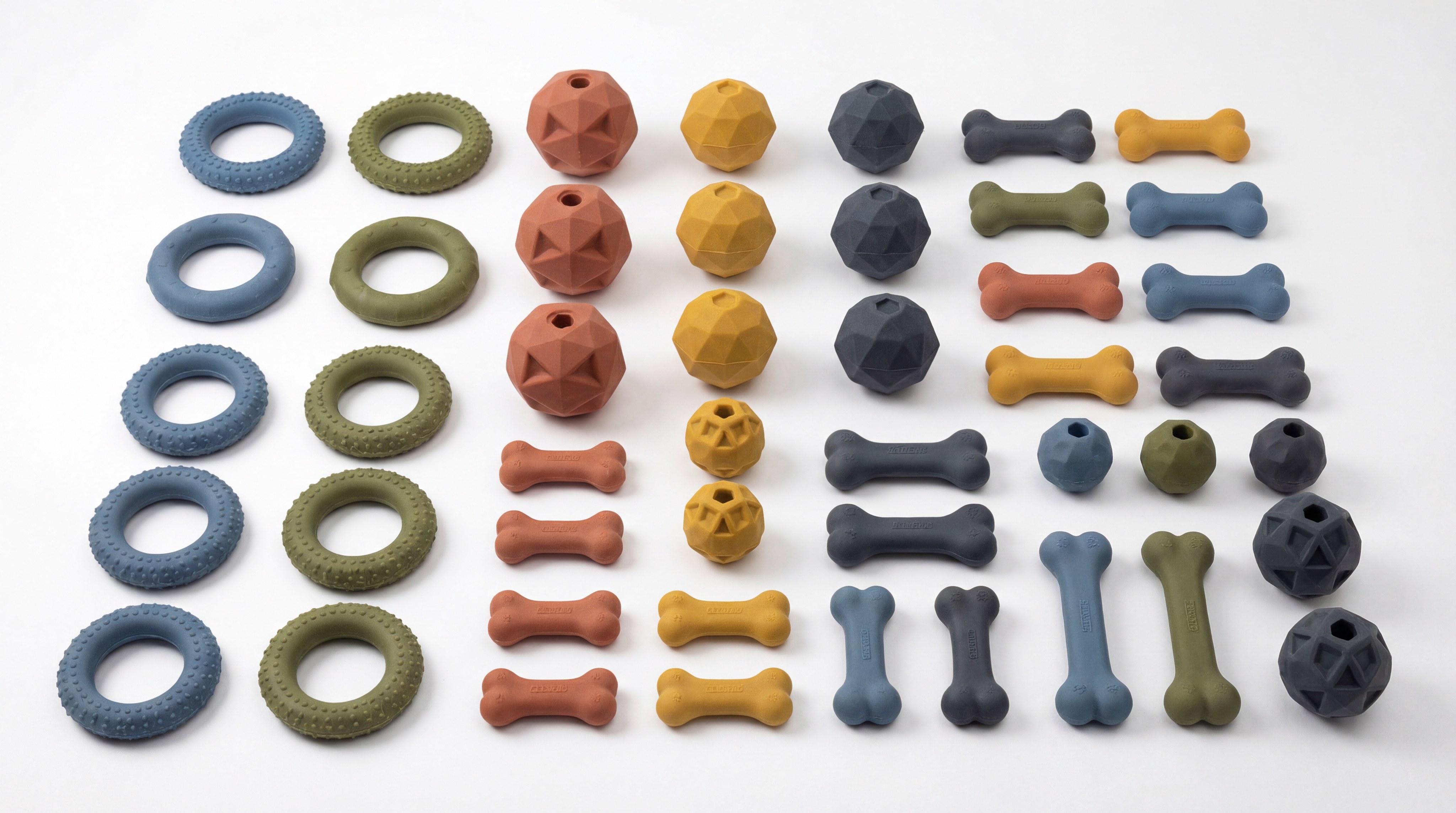
Private Labeling and OEM Services
For brands looking to differentiate themselves, silicone offers unparalleled customization. Liquid Silicone Rubber (LSR) injection molding allows for high-precision designs, complex textures, and integrated branding elements. Manufacturers can produce custom colors that align with a brand’s seasonal palette, a critical factor for retailers in the lifestyle pet segment.
Speed to Market and Scalability
Modern manufacturing processes for silicone are highly efficient. Once a mold is developed, high-volume production can be achieved with consistent quality. This allows B2B buyers to scale their inventory rapidly in response to market trends, such as the current surge in demand for “enrichment” toys like lick mats and puzzle feeders.
| Customization Option | Description | Business Advantage |
|---|---|---|
| Custom Pantones | Matching product color to brand identity. | Stronger brand recognition on retail shelves. |
| Texture Engineering | Designing specific surfaces for dental health. | Unique selling proposition (USP) for marketing. |
| Logo Integration | Mold-in or laser-engraved branding. | Professional finish that resists wear and tear. |
Leveraging custom manufacturing capabilities allows brands to move beyond generic offerings and establish a unique market presence through proprietary designs.
Eco-Friendliness and Sustainability Trends
Longevity as Sustainability
In a market increasingly concerned with environmental impact, the durability of silicone is a key selling point. While not biodegradable, silicone’s long lifespan significantly reduces the “throw-away” culture associated with cheap plastic toys. For B2B companies, marketing silicone as a sustainable choice focuses on the reduction of landfill waste through product longevity.
Recyclability and Clean Production
Silicone production is generally considered more environmentally friendly than traditional plastic manufacturing. It is derived from silica (sand), an abundant natural resource. Furthermore, specialized recycling facilities can break down silicone into silicone oil, which can be reused in industrial applications, closing the loop on the product lifecycle.
| Sustainability Factor | Impact | Consumer Perception |
|---|---|---|
| Source Material | Derived from abundant silica/sand. | Viewed as more “natural” than petroleum plastics. |
| Waste Reduction | Lasts 5-10x longer than PVC/Latex. | Appeals to the “Buy Less, Buy Better” demographic. |
| Chemical Safety | No leaching of toxic chemicals |