
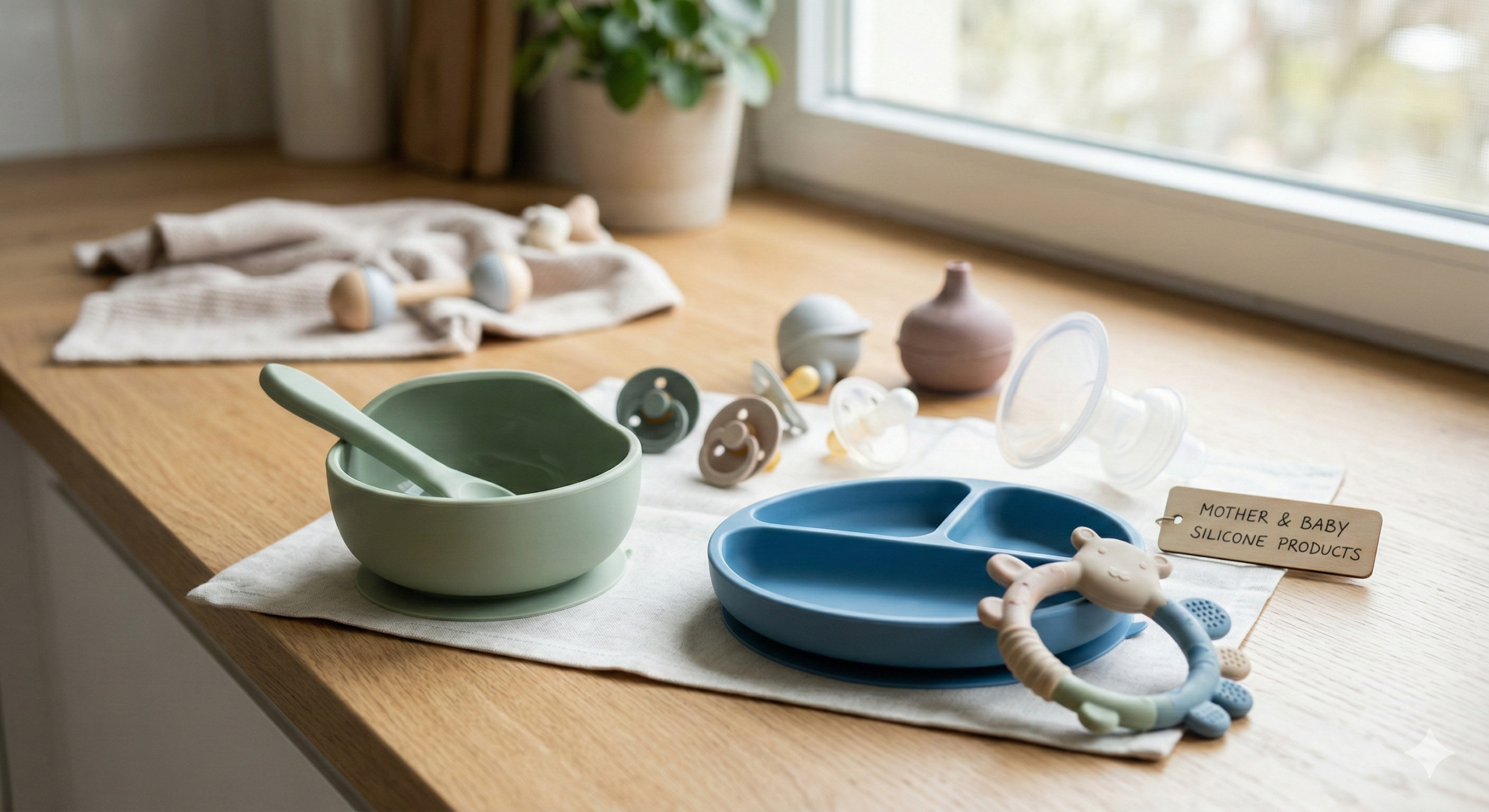
Mothers often struggle with maternal care materials that irritate sensitive skin or fail after repeated sterilization cycles. These low-quality components lead to product recalls, hygiene risks, and a total loss of consumer trust in the brand. Choosing high-quality Mother and baby silicone products ensures your brand delivers biocompatible, durable solutions that meet the rigorous demands of modern healthcare while maintaining the highest regulatory standards.
What makes silicone the superior choice for these products?
Silicone is the superior choice because its chemical inertness ensures it is hypoallergenic and safe for sensitive breast tissue and infant contact. When procuring Mother and baby silicone products, you must prioritize materials that do not provoke allergic reactions or skin dermatitis during prolonged use.
The material’s molecular structure provides a level of safety that other elastomers simply cannot match. Silicone does not contain organic fillers that might leach out over time.
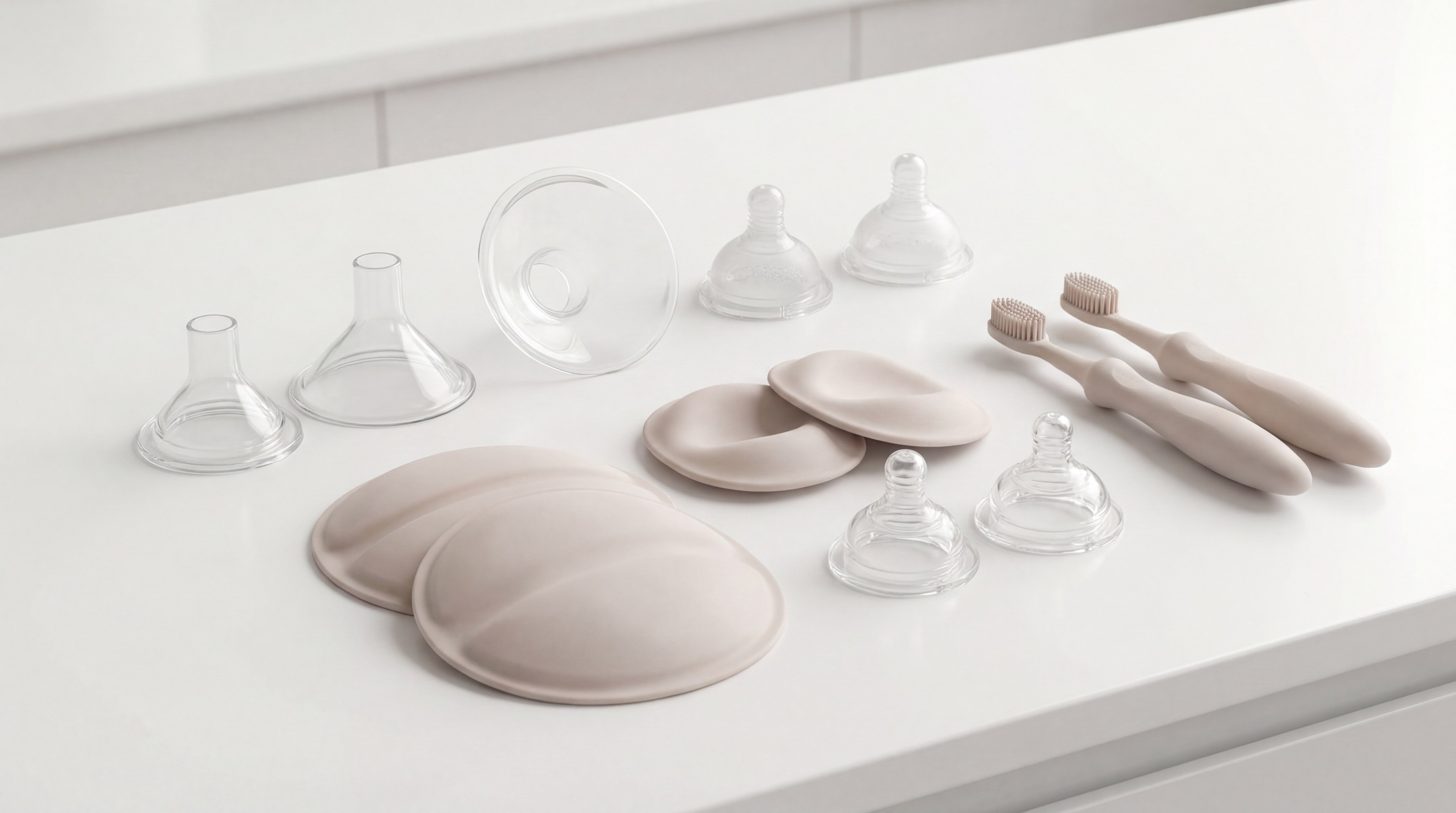
Why is biocompatibility important for nursing?
Silicone is naturally biocompatible, meaning it does not react with human tissue or fluids. This is critical for products like nipple shields or breast pump flanges where the material is in direct contact with skin for hours.
- Hypoallergenic properties prevent rashes and irritation.
- Inert surfaces do not react with breast milk.
- BPA-free and phthalate-free by nature.
- Latex-free composition eliminates common allergy risks.
Does silicone leach harmful chemicals?
Unlike many plastics, high-quality silicone does not leach harmful chemicals like BPA or phthalates into the milk supply. This stability remains constant even when the material is subjected to high heat or acidic environments.
Key Takeaway: Using silicone ensures a non-toxic foundation for your product line, building long-term consumer confidence and ensuring infant safety.
| Feature | Silicone Benefit | Impact on Healthcare |
|---|---|---|
| Chemical Reactivity | Extremely Low | No leaching of toxins |
| Allergen Status | Hypoallergenic | Safe for sensitive skin |
| Biocompatibility | High | Meets medical standards |
How does silicone compare to traditional plastics?
Silicone offers superior porosity resistance and mechanical integrity compared to traditional plastics like polypropylene or TPE. While standard plastics are common in the industry, they often fail to meet the long-term hygiene and durability requirements of healthcare applications.
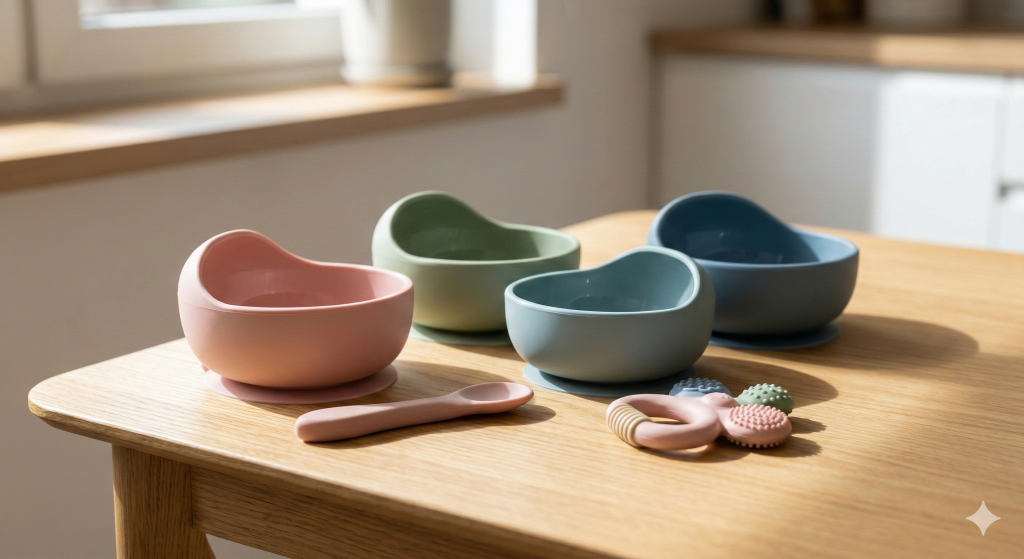
Many plastics are prone to microscopic cracking over time. This creates a significant risk for bacterial growth that is difficult to eliminate through standard washing.
How does porosity affect hygiene?
Plastic surfaces are often more porous than silicone, meaning they can harbor bacteria and odors in microscopic cracks. Silicone’s non-porous surface creates a hostile environment for microbial growth, making it much easier to keep clean.
What about mechanical integrity under stress?
Silicone resists “creeping” or permanent deformation even when under constant tension, such as in a breast pump valve. While TPE might stretch out and lose its seal, silicone maintains its original shape and performance characteristics.
Key Takeaway: The structural superiority of silicone leads to fewer product failures and significantly higher hygiene standards for the end user.
| Material Property | Silicone | Traditional Plastics (PP/TPE) |
|---|---|---|
| Surface Porosity | Non-porous | High/Micro-cracking |
| Stress Resistance | Excellent (Anti-creep) | Poor (Prone to stretching) |
| Bacterial Resistance | High | Moderate to Low |
Why is medical-grade LSR essential for maternal care?
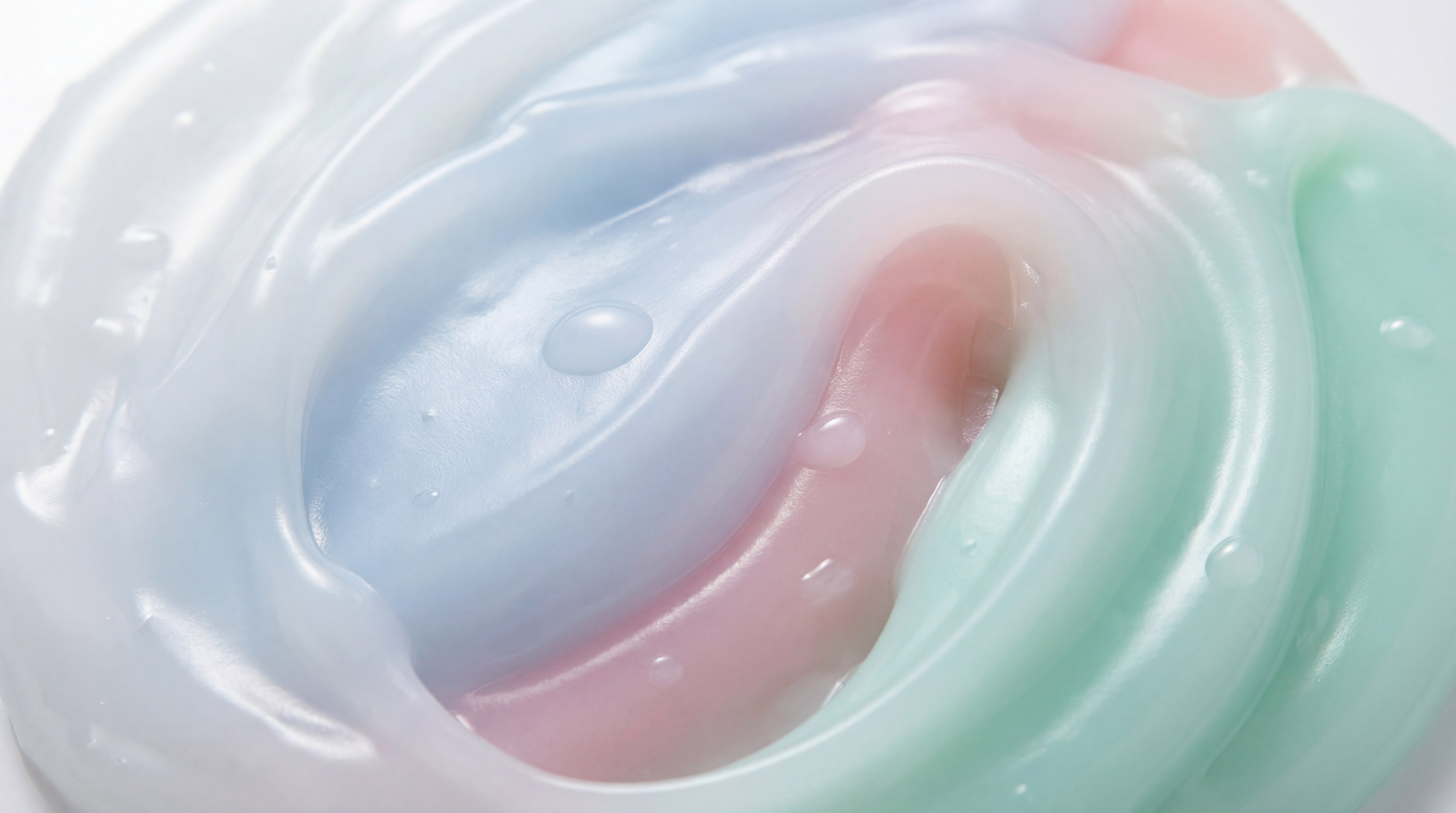
Medical-grade liquid silicone rubber (LSR) is essential because it allows for high-precision molding of complex geometries while maintaining the highest purity standards. For Mother and baby silicone products, using LSR ensures that every component is consistent in its performance and safety profile.
This material is processed in a closed system, which prevents environmental contamination during production. This is the gold-standard for parts that require medical-grade specifications and absolute reliability.
What is the precision of LSR molding?
LSR has excellent flow characteristics, allowing it to fill incredibly thin-walled sections of a mold without tearing. This is perfect for complex parts like breast pump valves or duckbills that require exact tolerances to function correctly.
- High-volume consistency across thousands of parts.
- Flashless molding reduces the need for secondary trimming.
- Intricate geometries are easily achievable.
- Consistent wall thickness ensures uniform suction power.
Why are high-purity standards necessary?
Liquid silicone rubber is formulated to remove volatile organic compounds (VOCs) that might be present in lower-grade solid silicones. This ensures that the final product is as pure as possible, meeting the strict requirements of international health organizations.
Key Takeaway: LSR injection molding offers the high-volume consistency and material purity required for healthcare-grade maternal products that must pass strict regulatory audits.
| LSR Advantage | Technical Benefit | Business Value |
|---|---|---|
| Closed-loop processing | Zero contamination | Reduced quality rejects |
| High flow rate | Complex part design | Innovation flexibility |
| Low VOCs | Maximum purity | Faster regulatory approval |
Can silicone components withstand frequent sterilization?
Yes, silicone components are designed to withstand hundreds of sterilization cycles without losing their flexibility or turning yellow. In the lifecycle of nursing gear, parts are frequently boiled, steamed, or treated with chemical disinfectants.

Standard rubbers and plastics often become brittle or sticky when exposed to high heat repeatedly. Silicone remains stable and functional across a massive temperature range.
How does silicone handle thermal resilience?
Silicone can withstand temperatures from -40°C to 200°C without any degradation of its mechanical properties. This means a mother can move a silicone storage bag from the freezer directly into a bottle warmer without fear of material failure.
- Boiling water safe for daily sanitization.
- Dishwasher safe on high-heat settings.
- Microwave steam bag compatible for cleaning.
- Freezer safe for long-term milk storage.
Does it resist chemical cleaning agents?
Silicone is highly resistant to the surfactants found in dish soaps and the specialized chemicals used in medical-grade disinfectants. It does not absorb these chemicals, ensuring that no soap residue is passed on to the infant.
Key Takeaway: Durability through hundreds of sterilization cycles extends the product lifecycle and improves the return on investment for the end consumer.
| Sterilization Method | Silicone Performance | Result |
|---|---|---|
| Steam/Boiling | No deformation | Remains sterile and safe |
| UV Sterilization | Resistant to yellowing | Maintains aesthetic appeal |
| Cold Chemical | Non-absorbent | No chemical residue |
How do these products improve the nursing experience?
These items improve the user experience by offering tunable softness and ergonomic comfort that mimics the natural feel of skin. When you design Mother and baby silicone products, the “hand-feel” of the material is often the deciding factor for consumer satisfaction.
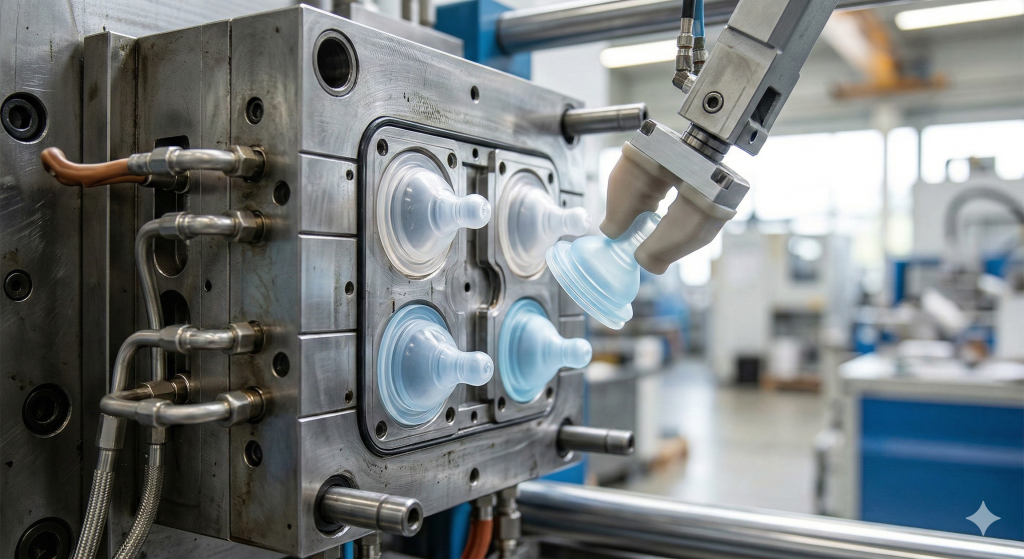
Manufacturers can adjust the Shore A durometer to create parts that are as soft as a pillow or as firm as a structural gasket. This versatility allows for a more personalized and comfortable nursing experience.
What is tunable softness in silicone?
The durometer of silicone can be customized during the formulation process to meet specific ergonomic needs. For example, a breast pump flange can be made with a soft edge to prevent bruising, while the connector remains rigid.
- Shore 10A to 30A for ultra-soft nursing pads.
- Shore 40A to 60A for flexible breast pump flanges.
- Shore 70A+ for rigid structural components.
- Soft-touch finish reduces friction against sensitive skin.
Does silicone help with the let-down reflex?
The gentle suction and skin-like warmth of silicone can help stimulate the physiological let-down reflex in nursing mothers. By providing a comfortable seal, silicone reduces the stress and physical discomfort often associated with mechanical pumping.
Key Takeaway: Superior ergonomics and material comfort directly correlate with higher product ratings and increased brand loyalty in a competitive market.
| User Benefit | Silicone Feature | Outcome |
|---|---|---|
| Comfort | Low Durometer | Reduced nipple soreness |
| Efficiency | Strong Vacuum Seal | Shorter pumping sessions |
| Natural Feel | Skin-mimic texture | Better physiological response |
What are the environmental benefits of choosing silicone?
Silicone provides significant environmental benefits by promoting reusability and offering a long-lasting alternative to single-use plastics. In the segment of maternal care, consumers are increasingly looking for ways to reduce their environmental footprint without sacrificing hygiene.
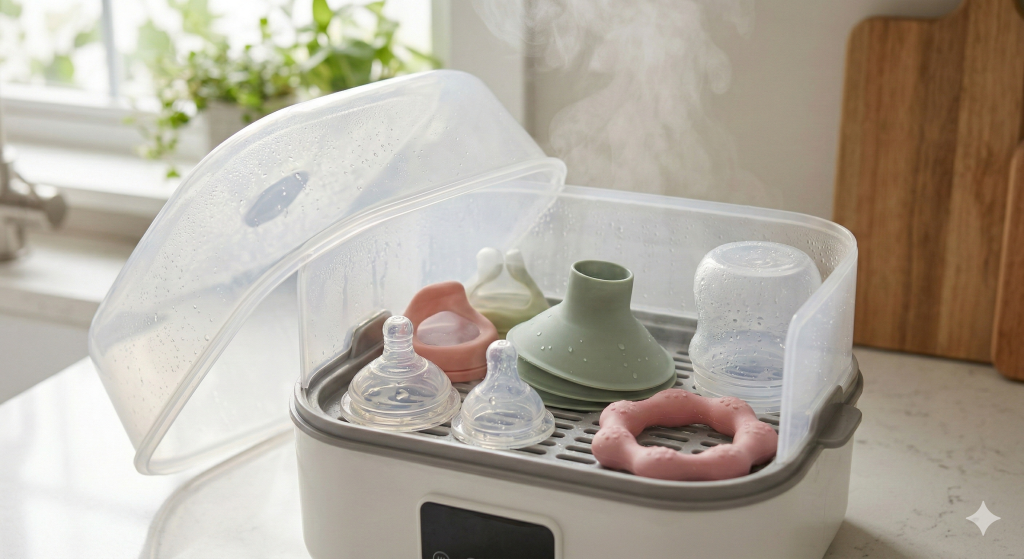
Unlike plastic, which eventually breaks down into microplastics, silicone is a durable polymer that can last for years. This longevity makes it a centerpiece of the “circular economy” in childcare.
Reusability vs. single-use disposables
Many maternal products, like nursing pads, were traditionally single-use items that ended up in landfills. Silicone versions of these products can be washed and reused hundreds of times, drastically reducing waste.
- Washable nursing pads replace thousands of disposables.
- Silicone milk bags are reusable alternatives to plastic bags.
- Longer product life means fewer replacements are needed.
- Recyclable through specialized industrial programs.
Is silicone a sustainable long-term choice?
The durability of silicone means that products often outlast the period they are needed by a single child, allowing them to be passed down. This high-value retention reduces the overall demand for raw material extraction and manufacturing energy.
Key Takeaway: Sustainable material choices align your brand with the growing demographic of eco-conscious parents who prioritize the planet’s future.
| Environmental Metric | Silicone | Single-Use Plastics |
|---|---|---|
| Lifecycle Length | Years | Minutes to Weeks |
| Source Material | Silica (Abundant) | Petroleum (Fossil Fuel) |
| Waste Generation | Very Low | Extremely High |
Is customization feasible for complex breast pump designs?
Yes, customization is highly feasible because advanced molding techniques allow for complex geometries and thin-walled sections that other materials cannot achieve. When manufacturing Mother and baby silicone products, the ability to innovate on design is your greatest competitive advantage.
Modern breast pumps are becoming smaller, more wearable, and more discrete. Silicone is the only material flexible enough to fit into these tight, ergonomic form factors.
What complex geometries are possible?
Advanced LSR molding allows for undercuts, thin membranes, and micro-features that are essential for modern suction technology. This means you can design a one-piece wearable pump shield that acts as both collector and seal.
- Thin-walled membranes for sensitive pressure regulation.
- Integrated seals that prevent milk backflow.
- Under-cut designs for secure snap-fit assemblies.
- Internal ribbing for structural support without extra weight.
Can you match brand aesthetics with silicone?
Silicone can be colored with medical-grade pigments to match any brand palette precisely. This ensures that your silicone components look consistent with the rest of your hardware, providing a premium, cohesive look.
Key Takeaway: Design flexibility allows for significant innovation in suction technology and aesthetic differentiation in a crowded global market.
| Design Capability | Manufacturer Benefit | Consumer Benefit |
|---|---|---|
| Complex Tooling | Unique, patented designs | Better fitting products |
| Color Matching | Brand consistency | Premium aesthetic feel |
| Thin Walls | Compact part size | Discrete wearable options |
How does the manufacturing environment impact quality?
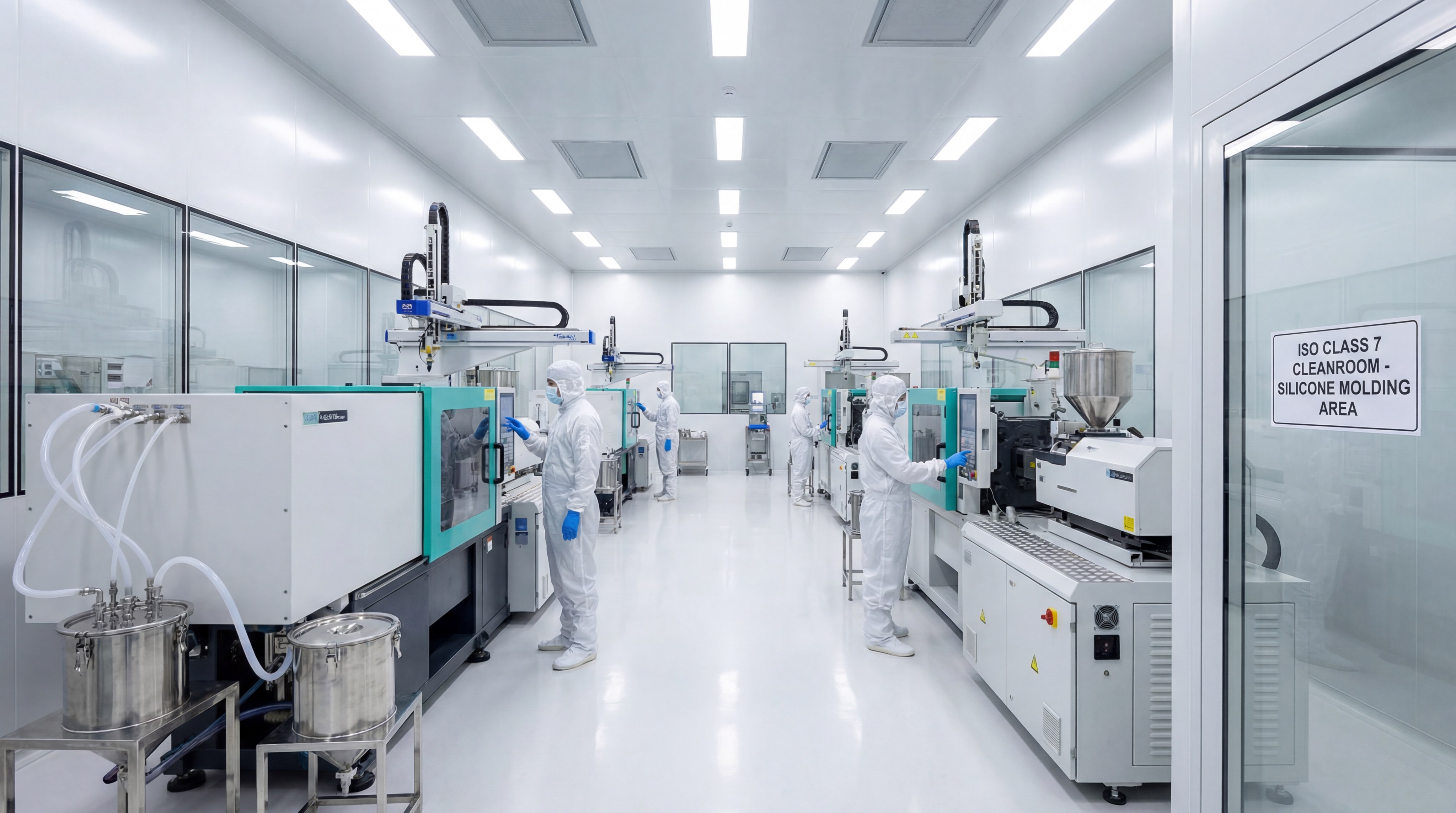
The manufacturing environment is critical because even high-quality silicone can be compromised by dust or airborne particulates if not handled in a cleanroom. For maternal products, a controlled environment is the only way to ensure the finished goods are free from contaminants.
At the highest level of production, parts should never be touched by bare hands or exposed to unfiltered air during the curing process.
Why is a Class 100k cleanroom important?
A Class 100k cleanroom limits the number of particles in the air, ensuring that no dust or hair gets trapped inside the silicone during molding. This is vital for transparent parts where any contamination would be visible and lead to immediate rejection.
- Filtered airflow prevents microscopic contamination.
- Automated handling reduces human error and contact.
- Strict gowning protocols for all production staff.
- Constant monitoring of environmental variables.
What is the role of secondary curing?
Secondary curing involves placing parts in an oven for several hours to ensure all lingering volatiles are evaporated. This process stabilizes the material and guarantees the product is 100% safe for contact with food and skin.
Key Takeaway: Stringent manufacturing environments and secondary processes are non-negotiable for products entering the regulated medical and infant care space.
| Process Step | Purpose | Quality Impact |
|---|---|---|
| Cleanroom Molding | Particle control | Zero visible defects |
| Secondary Curing | Volatile removal | Odor-free, stable parts |
| Automated QC | Dimension checking | 100% functional reliability |
What certifications should B2B buyers look for?
B2B buyers should look for ISO 13485 and FDA compliance as the baseline certifications for entering international healthcare markets. When sourcing Mother and baby silicone products, these certifications serve as a guarantee that the manufacturer follows rigorous quality management.
Without these certifications, your products may be seized by customs or rejected by major retailers who require documented proof of safety.
Why are ISO 13485 and FDA compliance vital?
ISO 13485 is the international standard specifically for medical device manufacturing. FDA compliance ensures that the materials used are cleared for contact with food and human tissue, which is mandatory for the US market.
- Traceability of all raw material batches.
- Standardized procedures for every production run.
- Risk management frameworks in place.
- Documented testing for biocompatibility.
What about LFGB standards?
The LFGB is the European standard for food-contact materials, and it is often considered stricter than FDA requirements. Meeting LFGB standards is the “gold standard” for breast pumps and bottle components, ensuring global saleability.
Key Takeaway: Validated certifications mitigate legal risks for your business and ensure seamless global distribution across all major markets.
| Certification | Region/Scope | Importance |
|---|---|---|
| ISO 13485 | International Medical | Quality Management System |
| FDA | United States | Food & Skin Safety |
| LFGB | Europe | High-Purity Food Contact |
How does silicone overmolding benefit production?
Silicone overmolding benefits production by creating a permanent, hygienic bond between soft silicone and rigid plastic housings. This technique is used to create leak-proof seals and ergonomic grips without the need for toxic adhesives.
Adhesives can fail or leach chemicals over time. Overmolding uses a mechanical and chemical bond that is far more durable and much easier for the end user to clean.
How are different materials combined?
The process involves placing a pre-molded plastic part into the silicone mold, where the liquid silicone is then injected around it. The heat and pressure create a seamless transition between the two materials.
- One-piece design eliminates gaps where bacteria can hide.
- Integrated gaskets prevent milk leaks in breast pumps.
- Rigid-soft combinations provide strength and comfort.
- Permanent bonding that survives repeated boiling.
Does overmolding improve functionality?
Overmolding allows for the creation of ergonomic grips on pump handles or non-slip bases on milk storage containers. This makes the products easier to use with one hand, which is a significant benefit for busy mothers.
Key Takeaway: Overmolding technology simplifies product assembly and enhances the overall structural integrity and hygiene of healthcare devices.
| Feature | Overmolded Result | Production Benefit |
|---|---|---|
| Integrated Seal | Leak-proof performance | Fewer customer complaints |
| Multi-material Bond | No adhesives needed | Lower chemical risk |
| Ergonomic Grip | Improved handling | Higher user satisfaction |
FAQ Section
Can I customize the hardness of silicone for different breast pump parts?
Yes, silicone durometers can be adjusted during manufacturing to meet specific needs. We can range from Shore 10A (which is ultra-soft for comfort) to 80A (which is firm for structural stability) to match the functional requirements of your specific design.
What’s the best way to ensure medical-grade compliance in offshore manufacturing?
Directly verify the facility’s certifications and production environment. You should look for ISO 13485 certified facilities that utilize Class 100k cleanrooms and provide full material traceability reports for every batch produced.
How do I know if the silicone is 100% BPA-free?
You should request verified FDA and LFGB testing reports from the manufacturer. These third-party laboratory tests confirm the absence of BPA, phthalates, and latex, ensuring the material is safe for infant and maternal use.
Can I use silicone for both wearable and non-wearable baby products?
Yes, silicone’s versatility makes it suitable for a wide range of applications. It is equally effective for skin-contact wearables like nursing pads and mechanical components like internal pump valves and connectors.
What’s the best method for bonding silicone to other materials in healthcare?
Silicone overmolding is the industry standard for creating permanent, hygienic bonds. It eliminates the need for potentially toxic adhesives and creates a seamless interface that prevents bacterial buildup in healthcare devices.
Conclusion
In the world of women’s healthcare, material choice is the difference between a product that merely functions and one that excels. Silicone offers the purity, resilience, and comfort that B2B buyers need to satisfy a demanding and safety-conscious consumer base. From ensuring biocompatibility to streamlining production through overmolding, silicone provides the technical advantages necessary for market leadership. At HuaLin, we specialize in high-precision LSR molding and cleanroom production to ensure your maternal care line meets global safety standards. To discuss your next project or request a detailed DFM analysis, contact us today and let our experts help you bring safer, better products to market.
Mothers often struggle with maternal care materials that irritate sensitive skin or fail after repeated sterilization cycles. These low-quality components lead to product recalls, hygiene risks, and a total loss of consumer trust in the brand. Choosing high-quality Mother and baby silicone products ensures your brand delivers biocompatible, durable solutions that meet the rigorous demands of modern healthcare while maintaining the highest regulatory standards.